Author name: admin

Media OutReach

Johnson & Johnson launches The 3rd Opinion in Asia Pacific: a new term to elevate the patient voice in the lung cancer treatment journey

Newly published research shows up to 77% of patients in Asia Pacific trust and rely on their physicians to decide their treatment for them despite 69% of physicians encouraging patients to engage in shared decision making1. A new term, coined The 3rd Opinion, is designed to spark a social movement that empowers patients to recognize their vital role in shared decision-making, in a region that is disproportionately impacted by lung cancer2. SINGAPORE – Media OutReach Newswire – 1 August 2025 – Today, on World Lung Cancer Day, Johnson & Johnson announced the launch of The 3rd Opinion, the patient’s own opinion, a new term that seeks to elevate the patient voice and transform the treatment journey of lung cancer across Asia Pacific by enhancing shared decision making. With significant scientific advancements and more lung cancer treatments becoming available, it is essential for patients to understand their options and actively engage in their care. Johnson & Johnson seeks to empower patients, amplify their voices and ensure that collaborative care becomes a reality for every patient. According to newly published data on NSCLC patient preferences in Future Oncology, up to 77% of patients in Asia Pacific trust and rely on their physicians to decide their treatment for them despite 69% of physicians encouraging patients to engage in shared decision making[1]. Cultural norms around stigma, not questioning authority, and limited understanding of the disease can often be major barriers causing patients not to voice concerns or ask questions, even when healthcare professionals actively encourage their input. “Being diagnosed with lung cancer is overwhelming. It’s natural for patients to seek clarity, often by pursuing a second opinion, to better understand their condition and treatment options. However, patients often hesitate to express their concerns and treatment goals, causing them to be overlooked in the decision-making process. By creating space for the patient’s own opinion, The 3rd Opinion, creates a new way of thinking about lung cancer treatment and empowers patients to find their voice,” said Anthony Elgamal, Vice President of Oncology, Johnson & Johnson Innovative Medicine Asia Pacific. Lung cancer has the highest incidence and mortality rate of all cancers worldwide, with more than 2.5 million people diagnosed every year, and Asia makes up 63% of all patients[2]. Up to 85% of lung cancers are non-small cell lung cancer (NSCLC) and Asians are more prone to certain genetic mutations than the rest of the world. One of the most prevalent is a mutation known as EGFR where 30-40% of all NSCLC diagnoses are in Asia, compared to 10-15% in the United States and Europe[3][4][5]. Often being diagnosed at a late stage, less than 20% of people with these genetic mutations survive beyond five years[6], and up to 40% never get the chance to receive a subsequent therapy after first-line treatment.[7][8][9] “With the disproportionately high prevalence of certain NSCLC mutations in Asia Pacific, we need to think differently about how we treat patients and what more we can achieve with the first treatment. Treatment options have become increasingly complex and clinical decision making should comprehensively consider disease characteristics, patient treatment goals and values, and aim for an individualized balance between survival, longer lasting disease control and side effects. When shared decision making includes all available options, the final decision can be made collaboratively,” said Prof James Chih-Hsin Yang, Director of National Taiwan University Cancer Center and key advocate for The 3rd Opinion initiative. Mark Brooke, Chief Executive Officer of Lung Foundation Australia, co-author of the Future Oncology publication and an advocate of The 3rd Opinion agreed, “The physician and patient dynamic is one of trust, but we cannot rely on that alone. The consequence is a potential disconnect between the patient and their healthcare professional around treatment preferences and personal goals. For patients, they often want more time above all else – to witness life’s milestones, more moments with loved ones, and more opportunities to simply live. Patients need to be equipped with adequate disease and treatment information, so they can communicate what matters most to them”. The 3rd Opinion will be launched across multiple markets with educational resources, including a Lung Cancer Book of Answers in China, a patient empowerment video and various shared decision making tools across Asia Pacific to spark a social movement that encourages patients to confidently articulate their personal goals for treatment. The creation of a neologism, like The 3rd Opinion, ensures shared decision making becomes accepted into clinical practice and in turn fosters an environment where the doctor’s expertise and the patient goals come together to design the best treatment plan. [1] Chee Khoon Lee et al. Navigating advanced lung cancer care, patient–physician alliance, cancer stigma, and psychosocial support in Asia-Pacific: perspectives from patients, caregivers, and physicians. DOI: 10.1080/14796694.2025.2499511 [2] Natia Jokhadze MD, Arunangshu Das MBBS, Don S. Dizon MD. Global cancer statistics 2022: GLOBOCAN estimates of incidence and mortality worldwide for 36 cancers in 185 countries. Volume 74Issue 3CA: A Cancer Journal for Clinicians pages: 224-226 First Published online: April 4, 2024 [3] Keedy VL, et al. American Society of Clinical Oncology Provisional Clinical Opinion: Epidermal Growth Factor Receptor (EGFR) Mutation Testing for Patients with Advanced Non-Small-Cell Lung Cancer Considering First-Line EGFR Tyrosine Kinase Inhibitor Therapy. Journal of Clinical Oncology. 2011; 29(15): 2121-2127. [4] Ellison G, et al. EGFR Mutation Testing in Lung Cancer: a Review of Available Methods and Their Use for Analysis of Tumour Tissue and Cytology Samples. Journal of Clinical Oncology. 2013; 66(2): 79-89. [5] Korpanty G, et al. Biomarkers That Currently Affect Clinical Practice in Lung Cancer: EGFR, ALK, MET, ROS-1, and KRAS. Frontiers in Oncology. 2014; 4: 204. [6] Bazhenova L, Minchom A, Viteri S, et al. Comparative clinical outcomes for patients with advanced NSCLC harboring EGFR exon 20 insertion mutations and common EGFR mutations. Lung Cancer. 2021;162:154-161.​ [7] Nieva J, Karia PS, Okhuoya P, et al. A real-world (rw) observational study of long-term survival (LTS) and treatment patterns after first-line (1L) osimertinib in patients (pts) with epidermal growth factor receptor (EGFR) mutation-positive
Media OutReach

Takashi Murakami’s Ohana Hatake Unleashes a Floral Fantasy: “Field of Flowers” Lands at Pacific Place

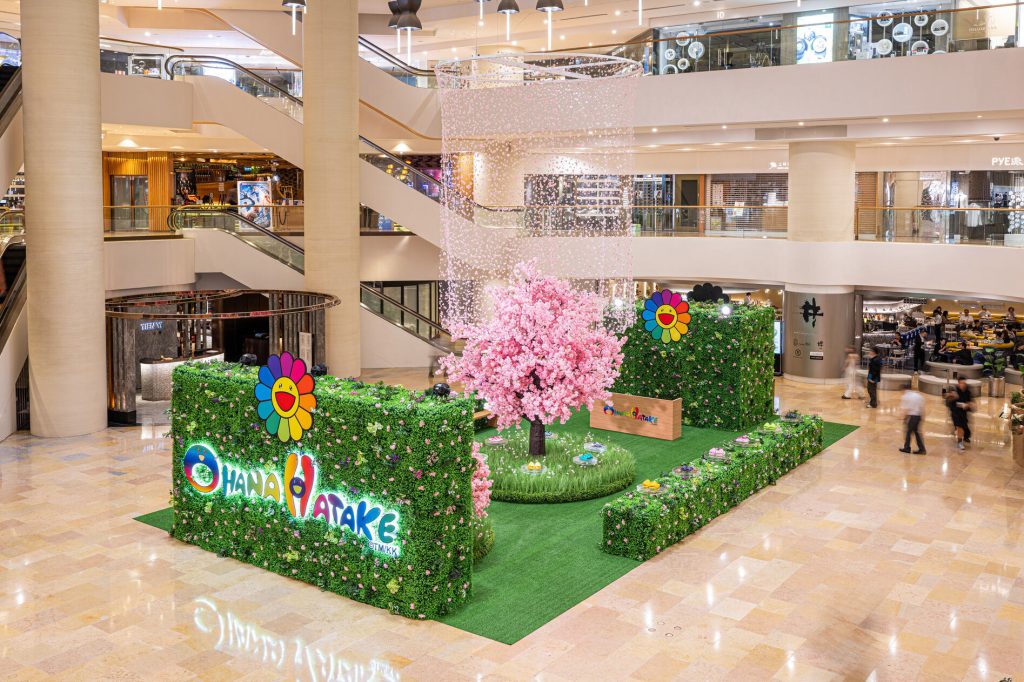
Ohana Hatake Pop-Up Blooms in Hong Kong Featuring the Global Debut of Four Vibrant New Colourways of Ohana Full-Bloom and Surippa Ohana HONG KONG SAR – Media OutReach Newswire – 1 August 2025 – This summer, Pacific Place blossoms into an imaginative, fashion-forward floral dreamscape with the debut of “Field of Flowers” — the first-ever Takashi Murakami’s Ohana Hatake pop-up in Hong Kong. This exclusive pop-up runs from 31 July to 13 August at Pacific Place, promising an immersive retail and visual experience for the style-savvy, the art-obsessed, and everyone in between. As ComplexCon Hong Kong 2025’s Official Mall Partner, Pacific Place merges retail, pop culture, and art, creating a bold space where creativity and fashion collide, all through its own unique lens. Pacific Place Field of Flowers The first-ever Takashi Murakami’s Ohana Hatake pop-up in Hong Kong First in Hong Kong: Ohana Hatake Blooms at Pacific Place Marking its official Hong Kong debut with the “Field of Flowers”, Takashi Murakami’s Ohana Hatake pop-up offers an extraordinary opportunity to step inside Murakami’s fantastical floral universe. Known for his bold superflat aesthetic, Murakami infuses this retail space with his distinctive DNA, making it a must-see for cultural tastemakers and collectors alike. Taking centre stage is a spectacular large-scale hanging cherry blossom installation — a sculptural masterpiece making its public debut. Indulge in a floral fantasy, the installation transforms Garden Court into a surreal dreamscape, where fashion flows into fine art. This immersive pop-up marks a cultural milestone for the city, blossoming into a vibrant garden shaped by Murakami’s signature visual language — playful, poetic, and bursting with imagination. Don’t forget to take a picture in front of the mirror wall for a cool aesthetic that’s filled with flowers! Venue: “Field of Flowers” – Takashi Murakami’s Ohana Hatake Pop-Up (Garden Court, Level LG1) Opening Hours: 11 am – 8 pm Pacific Place x Ohana Hatake x Complex Chinese: Where Art Meets Fashion & Fun As the Official Mall Partner of ComplexCon Hong Kong 2025, Pacific Place cements its role as a hub for boundary-pushing culture. This three-way collaboration unites retail innovation, pop culture, and contemporary art — creating a space where creative minds and fashion lovers collide, and blending the energy of ComplexCon with the unique spirit of Pacific Place. Global Debut of Four Vibrant New Colourways of Ohana Full-Bloom and Surippa Ohana Fashion-Forward Drops: Global Debut of Four Vibrant New Colourways of Ohana Full-Bloom and Surippa Ohana Ohana Hatake is unveiling exclusive product drops at Pacific Place, featuring two signature styles in four new shades — part of twelve colourways rolling out across two weeks. Headlining the lineup is the Ohana Full Bloom collection — a series of eight colourways in bold, floral-inspired slides featuring Murakami’s iconic motifs. Each pair is crafted for both comfort and statement-making, showcasing sculptural flower embellishments, vivid palettes, and distinctive design language true to Murakami’s superflat universe. Leading this seasonal bloom are two debut colourways — Buttercup and Lime Zest — offering a fresh take on wearable art with their bright and joyful energy for the summer. Rounding out the collection is the Surippa Ohana style, available in four expressive colourways. The Sakura and Cherry Blossom editions both nod to Murakami’s recurring floral motifs, including the pop-up’s iconic installation centrepiece. Joining them are two bold new hues, Deep Forest and Sweet Grape — rich, nature-inspired tones that add fresh dimension to this sculptural silhouette. This high-street-meets-art launch is set to resonate with today’s style-conscious tastemakers, offering wearable art infused with the joyful irreverence of Murakami’s visual world. Shop, Sip and Be Rewarded From 31 July to 13 August, stylish perks await at Pacific Place and Starstreet Precinct. Same-day electronic spending of HK$800 unlocks a specially brewed Ohana Hatake coffee, while HK$1,500 or more qualifies for a limited-edition tote bag — a perfect companion for the season. Date: 31 July to 13 August 2025 Time: 11 am – 7 pm Location: Ohana Hatake Coffee Counter (Level L1, near Theory) What’s more, from 31 July to 24 August, discover an exclusive shopping rewards programme designed to elevate the summer experience. Eligible Standard Chartered Cathay Mastercard® holders can enjoy bonus vouchers to make their shopping experience even more rewarding! Accumulated Same-day Electronic Spending General Rewards Standard Chartered Cathay Mastercard Cardholder Extra Rewards HK$5,000 – HK$29,999 HK$200 Pacific Place Shopping e-Voucher HK$100 Pacific Place Shopping e-Voucher HK$30,000 – HK$79,999 HK$800 Pacific Place Shopping e-Voucher HK$250 Pacific Place Shopping e-Voucher HK$80,000 – HK$119,999 HK$1,800 Pacific Place Shopping e-Voucher HK$800 Pacific Place Shopping e-Voucher HK$120,000 or above HK$2,600 Pacific Place Shopping e-Voucher HK$2,200 Pacific Place Shopping e-Voucher Date: 31 July to 24 August 2025 Time: 11 am – 10 pm Location: Redemption Counter (Level L2, near JOYCE) Whether you’re a fashion aficionado, an art enthusiast, or simply looking for a joyful summer experience, the “Field of Flowers” – Takashi Murakami’s Ohana Hatake Pop-Up at Pacific Place is a must-visit destination this season. Come and see it for yourself! Hashtag: #TakashiMurakamiOhanaHatakePopUp #FieldofFlowers #SummerInFullBloom #PacificPlaceHK #ComplexChinese The issuer is solely responsible for the content of this announcement.

Media OutReach

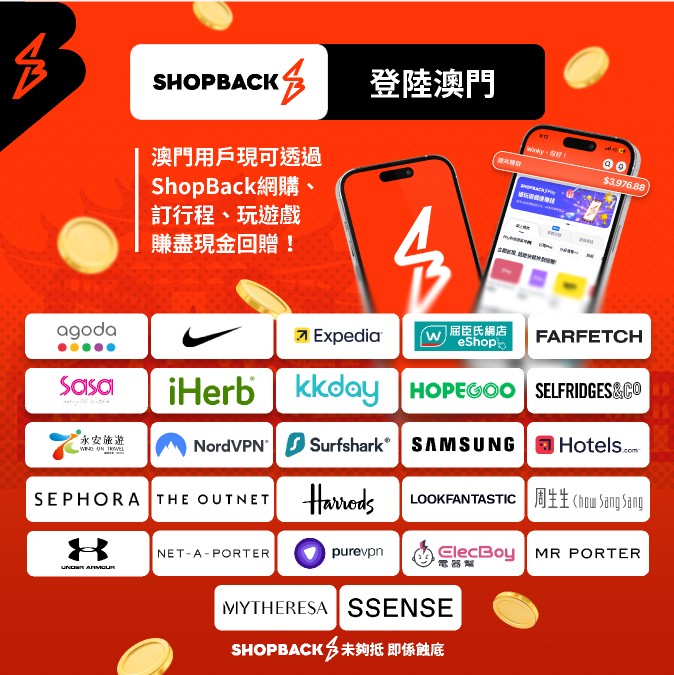
Shop Smarter in Macau: ShopBack Debuts with Exclusive Cashback Rewards Across Leading Merchants

HONG KONG SAR – Media OutReach Newswire – 1 August 2025 – ShopBack, Asia’s foremost cashback platform, proudly announces its official entry into the Macau market, introducing a sophisticated yet intuitive solution for savvy shoppers to unlock greater value with every transaction. This strategic expansion signifies ShopBack’s commitment to bringing its signature savings-driven shopping experience to a new community of users. ShopBack officially launches in Macau. New users can now register to instantly explore leading merchant brands, shop with ease, and enjoy cashback rewards. With the official launch now underway, residents of Macau are invited to register via the ShopBack website or mobile app and immediately begin enjoying seamless cashback benefits across a diverse range of renowned merchants. From travel bookings to fashion essentials, personal care, and lifestyle products, ShopBack empowers users to earn cashback on purchases that already form part of their everyday lives. At the heart of this initiative lies ShopBack’s enduring philosophy: “If it’s not a steal, it’s not a ShopBack Deal“—a reflection of its mission to champion smart consumption and redefine online shopping through the lens of genuine value. ShopBack welcomes all Macau residents starting August 2025 to participate without minimum spend requirements or hidden conditions. Users can explore well-known travel platforms including Agoda, Booking.com, Expedia, KKday, Hotels.com, HopeGoo, and Wing On Travel, as well as retail and lifestyle favorites such as Nike, Watsons, iHerb, Farfetch, Selfridges, Net-A-Porter, Sasa, and Sephora, with cashback seamlessly credited upon merchant confirmation. Withdrawals are effortlessly processed via FPS, ensuring a smooth and immediate reward experience. ShopBack’s Macau debut also introduces an innovative twist to its value proposition through ShopBack Play—a gamified feature within the ShopBack app where users can download curated mobile games and earn cashback simply by engaging with them. This “Play to Earn” model adds a layer of entertainment to the shopping journey and further strengthens the brand’s resonance with a digitally engaged audience. This milestone sets a new standard for consumer engagement in the region and reinforces ShopBack’s reputation as the go-to platform for shrewd, rewarding, and hassle-free online shopping. Mr. Arthur Wan, General Manager of Hong Kong & Taiwan at ShopBack, stated: “ShopBack’s arrival in Macau marks a strategic advancement in our mission to reshape how consumers engage with e-commerce platforms across Asia. We’re proud to empower Macau residents with a seamless and rewarding experience, where every purchase unlocks real and measurable value. This launch underscores our commitment to marketing innovation, business growth, and customer-centric technology, delivering not just rebates, but a smarter way to shop.” Hashtag: #ShopBack The issuer is solely responsible for the content of this announcement. About ShopBack ShopBack is Asia’s leading cashback platform, offering users an easy and seamless way to earn cashback on purchases. Simply shopping through ShopBack’s app allows users to receive cashback directly into their ShopBack account upon completing their orders and merchant confirmation. Cashback withdrawals are seamlessly processed via FPS or transferred to cash dollars, ensuring instant accessibility for travel bookings, dining experiences, and shopping purchases, allowing users to enjoy their rewards effortlessly and smoothly. To start earning rewards and explore everything ShopBack Macau has to offer, visit: Website: https://www.shopback.com.hk/ App: https://app.shopback.com/

Media OutReach

Everlasting City: Kaifeng’s Cultural Renaissance Thrilled SCO Partners

KAIFENG, CHINA – Media OutReach Newswire – 31 July 2025 – Recently, the Shanghai Cooperation Organization Media and Think Tank Summit was held in China’s Henan Province, with guests visiting the ancient capital of Kaifeng. They came from over 20 countries and regions, including Russia, Kazakhstan, Pakistan, Egypt, and Nepal. Immersed in the cultural legacy and vibrant development of this city that served as the capital of eight dynasties, they savored the beautiful moments of cultural integration and heartfelt understanding. The summit, themed “Upholding the ‘Shanghai Spirit’ to Build a More Beautiful Home”, designated Kaifeng as a key destination for foreign guests from its inception. Located in China’s heartland along the Yellow River, Kaifeng boasts a history of over 4,100 years as a settled urban center and served as the capital of eight dynasties. Most notably, during the Northern Song Dynasty (960–1127), it thrived for 168 years as both a political hub and one of the world’s most bustling metropolises. Millennium City Park (Qingming Riverside Landscape Garden) The renowned British historian Arnold Joseph Toynbee once said, “Given the choice, I would choose to live in China’s Song Dynasty.” In his eyes, the Song Dynasty, with its economic prosperity, cultural brilliance, and social openness, was “the finest age for human life”. A glimpse of Kaifeng past lingers in Along the River During Qingming Festival, the timeless masterpiece by Northern Song painter Zhang Zeduan: along the Bian River, shops pressed close in a lively cluster, boats and carriages thronged the waters and roads, and crowds bustled with life. Thanks to an open society and abundant resources, ordinary life in the Northern Song Dynasty began to bloom with extraordinary richness and vitality. History was no longer solely the grand tale of emperors and nobles; in the bustle of markets and the warmth of daily toil, it etched its most touching stories. Though dynasties fade, the pulse of daily life endures. Modern Kaifeng integrates Song Dynasty aesthetics into ordinary existence, embedding ancient elegance within morning bells, evening drums, and the rhythm of daily necessities. Strolling through Kaifeng’s streets resembles stepping into a classical Chinese scroll. Waterways crisscross the city, linking ancient buildings with gray tiles and red walls. On imposing city gates, vivid yet time-honored woodblock New Year paintings burst with life. The fragrance of tea drifts through the lanes, and the melodies of Yuju opera curl endlessly along the Bian River. In classrooms, children recite Song poems with ease. Around every corner, unexpected treasures await: Kaifeng Prefecture, Daxiangguo Temple, Longting, Daliang Gate, and the Ruins of Zhouqiao Bridge. Every inch of the city whispers: History has never left but lives in Kaifeng people’s daily routines and flows through the city’s very essence. The Millennium City Park (Qingming Riverside Landscape Garden) was a highlight of the guests’ visit. This Song culture-themed park recreates scenes from Along the River During Qingming Festival. Over 200 Song-style structures, including government offices, taverns, and tea houses, stand in orderly rows. More than 800 performers in Song-era costumes wander through, staging over 100 distinctive shows. Here, over 20 intangible cultural heritages are on display, featuring Bian embroidery, the “Four Arts of Song Dynasty”, woodblock New Year paintings, and Northern Song official porcelain. This 600-mu (98.8-acre) “living museum” does more than replicate the painting’s scenes. Through its innovative integration of scene restoration, cultural performances, and tech-driven interaction, visitors gain a firsthand sense of the “bustle of crowds and buzz of markets” that characterized life in the Northern Song Dynasty. “This is my first visit to Kaifeng. Its beauty transports me through time to the Northern Song Dynasty’s glorious heyday,” remarked Nikita Kornev, Executive Director of the Center for China and Asia-Pacific Studies, Ural Federal University, Russia. If an unbroken cultural legacy and the enduring pulse of daily life define the soul of a cherished home, then humanity’s indomitable spirit forms the very core that builds it. For millennia, the Yellow River’s roaring floods, thick with silt, have repeatedly devastated Kaifeng. Yet, with unwavering resilience, the people here have rebuilt their homes time and again. Today, this timeless resilience finds perfect expression in the paulownia trees that tower toward the sky. On the same day, other guests visited Lankao County. They were deeply moved by the story of Jiao Yulu, who, over 60 years ago, led Lankao’s people in fighting sandstorms and planting paulownias to restore the ecosystem. Ahmed Hassan Ahmed Mohamed Moustafa, Owner and Director of the Asia Center for Studies and Translation, noted that he was profoundly impressed by China’s achievements in poverty alleviation. He further observed that Lankao’s remarkable development, driven by afforestation and other efforts, offers valuable insights that could be adopted in his own nation. Today, the paulownias planted to tame desertification have grown into towering giants. Locals discovered that paulownia wood makes an exceptional material for traditional musical instruments, as it resists warping and offers excellent breathability and acoustic properties. Today, the traditional instrument industry has become one of Lankao’s pillar economic sectors. Guzheng zithers, pipa lutes, and other instruments crafted from local paulownia not only sell well across China but also reach markets in numerous countries and regions. In Kaifeng, a city where ancient charm weaves with modern vitality and economy thrives alongside culture, this confidence finds expression in melodies unbroken through generations, diverse elements advancing in harmony, exchanges that deepen mutual understanding, and differences cherished amid shared brilliance. Hashtag: #Kaifeng The issuer is solely responsible for the content of this announcement.

Media OutReach

The 10th Kubuqi International Desert Forum to Open: Ordos Becomes a Beacon of Green Hope for the World

ORDOS, CHINA – Media OutReach Newswire – 31 July 2025 – From September 8 to 9, 2025, the 10th Kubuqi International Desert Forum will convene in Ordos, Inner Mongolia Autonomous Region. As a vital international exchange platform for desertification prevention and control, this forum, with the theme “Scientific Desertification Control, Green Development”, will host delegates from international organizations such as the United Nations Environment Programme (UNEP) and the UNCCD Secretariat, as well as government officials, experts, and scholars from Africa, Europe, the Middle East, and other regions, to jointly explore innovative approaches to desertification prevention and control. Beyond showcasing Ordos’ success in desertification control, this gathering will share Chinese wisdom and solutions in the fields of ecological restoration and sustainable development with the global community. An oasis in Kubuqi Desert, Hangjin Banner, Ordos From “Sea of Death“ to “Economic Oasis“: Kubuqi‘s Remarkable Ecological Turnaround As China’s seventh-largest desert, Kubuqi was once branded as the “Sea of Death”. However, after decades of scientific desertification control, this area has undergone a fundamental ecological transformation. According to statistics, Kubuqi’s desertification control rate surged from 7% to 40% in 2024, with ambitious targets of 50% by 2025 and 70% by 2030. Central to this success is a 420-kilometer northern shelterbelt integrated with a “four-pillar desertification prevention” system, combining photovoltaic arrays, silt dams and other measures. These interventions have reduced soil erosion by 5.7 million mu (380,000 hectares) since 1995, raised soil-water conservation efficiency to 61.4%, and prevented 300 million tons of sediment from entering the Yellow River over the past decade. This transformation is driven by the pioneering “PV + Desertification Control” model. Within the Kubuqi Desert, 10.02 gigawatts of solar capacity now doubles as an ecological restoration engine across approximately 46,700 hectares of rehabilitated desert land. The integrated system delivers three-dimensional benefits, namely clean energy generation atop panels, sustainable agriculture beneath them, and livestock grazing between arrays. This approach has simultaneously increased green energy production and ecological recovery while lifting average incomes by over 30,000 RMB through “work-relief programs”. Landmark projects like Dalad Banner’s “Steed Solar Park”, where 196,000 photovoltaic panels form a galloping horse design, have become a Chinese landmark in the global fight against desertification. How Ordos Tamed the Desert: Systematic Approach and Tech-Powered Solutions Ordos’s success in desertification control stems from its holistic “ecosystem integration” philosophy applied through “four strategic measures” in the campaign to address the ecological challenges at the Yellow River’s “Great Bend”: Financial Integration: Strategic allocation of 14.9 billion RMB to priority projects including desert-marginal forests and PV-controlled rehabilitation zones. Technological Integration: Accelerated iteration and upgrading of desertification control models and technologies, achieving a 60% field application rate of forestry and grassland technologies. Benefit Integration: Balancing desert control with increasing the income of farmers and herdsmen by allocating 16% of key project funds to “work-relief programs” and issuing Inner Mongolia’s first forest carbon credit certificate. Collaborative Integration: Unprecedented mobilization of resources including over 30 state-owned enterprises such as China Three Gorges Corporation, CHN Energy, and Inner Mongolia Energy Investment Group, over 100 private enterprises and non-profit organizations such as Yitai Group, Mengtai Group, and Ant Foundation, over 500 engineering teams and cooperatives, and 25,000 farmers and herdsmen. Shuofang New Energy Mega-Base in Kubuqi Desert, Hangjin Banner, Ordos Furthermore, the Kubuqi model now crosses borders through technical exchanges with Mongolia, Saudi Arabia, and other nations. The Kubuqi model, as remarked on by the UNEP, is a replicable template for global desertification control. Green Transformation and Livelihood Improvement: A Win-Win Path of Desertification Control and Development Ordos’s desertification control efforts have not only reshaped its ecology but also invigorated its economy. Annually, Ordos establishes over approximately 66,667 hectares of new plantations of caragana shrubs, drought-resistant species crucial for stabilizing sandy soils. This brings the total conserved caragana grassland to over approximately 933,333 hectares. Local processing facilities convert caragana shrubs into 35,000 tons of livestock feed and 10,000 tons of biofuel annually, creating economic value from ecological restoration. In former coal-mining subsidence zones, “New Energy and Ecological Regeneration” integrated demonstration bases now operate where solar arrays power adjacent sustainable farms. In 2024, the city achieved a total output value of 7.5 billion RMB from forestry and grassland, and established 190,000 hectares of carbon-sequestering forests, equivalent to 2.6 times the land area of Singapore, standing as tangible proof that clear waters and green mountains are invaluable assets. Where deserts once advanced, greenery now prevails. Where land lay wounded, sustainable economies now thrive. Ordos proves by action that desertification prevention and control and high-quality development can resonate in harmony. The 10th Kubuqi International Desert Forum convenes amid escalating global desertification challenges. According to the UNCCD Secretariat’s latest data, 40% of the land around the world is now degraded, impacting nearly half of humanity. The practice of Ordos delivers a compelling case for achieving the UNCCD’s goals. From Kubuqi to Riyadh, from the Yellow River to the Sahara Desert, China’s scientific solutions are promoting global ecological recovery. The 10th Kubuqi International Desert Forum will open a new chapter in global desertification prevention and control. The issuer is solely responsible for the content of this announcement.

News

ASEAN Construction’s $375K Wake-Up Call — The True Cost of (Non) Compliance

In the ASEAN construction sector, compliance is no longer just a buzzword – it’s a foundational requirement of doing business. ASEAN Sectoral Mutual Recognition Arrangement for Building and Construction Materials and the global push towards Net Zero 2050 means companies are facing intensifying pressure to demonstrate a compliant culture, with strict adherence to regulations. Yet despite the looming threats of debilitating fines and operational disruptions, many still view compliance as an arduous task that shackles productivity. Avtandil Mekudishvili, Regional Lead at PlanRadar ASEAN However widespread this perspective might be, it’s one that is dangerously short-sighted. If you think compliance is expensive and burdensome, then try non-compliance. Or rather, don’t; the potential costs, aggravation and damages of non-compliance are increasingly incapacitating to businesses that fall foul of the regulations. Already this year, between February and April 2025, Singapore’s Ministry of Manpower (MOM) conducted inspections at approximately 550 worksites, uncovering over 1,330 safety violations. These led to 13 Stop Work Orders and fines totaling more than S$375,000. Now the consequences extend far beyond straightforward financial penalties, encompassing severe reputational damage and even possible criminal charges. It’s time for the construction industry to wake up to the challenges, but also to see the benefits that a culture shift can bring, concerning compliance. The four pitfalls of (non)compliance Without wishing to be unduly alarmist, yet still being level-headed; let’s look at the four critical areas where non-compliance can wreak havoc on construction firms:  Health & Safety Act violations – In recent years, penalties have gone stratospheric. Effective June 2024, Malaysia’s Occupational Safety and Health Act has significantly increased penalties for safety breaches. Employers now face fines up to RM500,000 (~US$106,000) and/or imprisonment for up to two years for non-compliance. A stark reminder of the serious consequences of cutting corners where worker safety is at stake. Building Regulations failures – As of Q1 2024, Vietnam had nearly 430 green-certified building projects, with expectations to rise to 582 by 2030. The government is actively promoting green building development to achieve a 9%-27% reduction in greenhouse gas emissions by 2030 and net-zero emissions by 2050. Environmental breaches – There are no longer any upper limits to the potential penalties that can be imposed. Beyond immediate fines, companies face increased insurance premiums, reputational damage and lost business opportunities. In Indonesia, fines of up to IDR3 billion (~US$190,000) could be imposed or up to 5% of the investment value for companies operating without both an Environmental Approval and a Business License. Fire safety non-compliance – Perhaps the most sobering risks stem from fire safety infractions. In Singapore, The Workplace Safety and Health (WSH) Act amendments in 2024 increased maximum fines from S$20,000 to S$50,000 for breaches leading to serious harm. Additionally, mandatory video surveillance systems are now required at construction sites with contracts of S$5 million and above. While the human cost and reputational damage associated with fire safety failures remain incalculable. Bridging the compliance gap with digital solutions Despite these risks, compliance gaps continue throughout the industry. The root cause? A persistent reluctance to adopt digital technologies and data-driven solutions. This hesitancy creates an entirely unnecessary and potentially dangerous vulnerability in a heavily regulated landscape. The good news is that there are digital solutions, when integrated in conjunction with well thought out compliance strategy, that can help: Adopting a culture of safety advocacy Forward-thinking companies are changing the game by using digital platforms to empower their workforce from being passive rule-followers to becoming active safety promoters. This cultural shift not only reduces the likelihood of accidents and violations; it also strengthens the case for lowering regulatory barriers. According to recent data from the PlanRadar Global Housebuilders’ Survey, which surveyed 669 housebuilders across 17 countries, nearly 75% of respondents desire fewer regulatory obstacles to boost housing stock7; however, without a consistently safe and compliant workforce, these obstacles are likely to persist. By adopting digital tools to track safety efforts, companies can demonstrate a measurable commitment to compliance, supporting their push for regulatory reform. Channelling the power of data According to FMI Corp, the construction industry generates an enormous amount of data, approximately 2.5 quintillion bytes daily. Yet, nearly 95.5% of this data remains unused.8 By implementing robust data analytics practices, companies can proactively identify risks, monitor compliance in real-time, and predict potential problems – before they escalate into costly violations. Benefits of data-driven compliance Data-driven solutions enable construction firms to take a fundamentally different approach to compliance. Rather than reacting to violations after they occur, companies can prevent fines through early risk identification. Instead of treating safety as separate from operations, predictive analytics creates an integrated approach that enhances safety and efficiency. The streamlined processes of digital compliance solutions remove redundant paperwork, creating robust documentation that satisfies the strictest regulatory requirements. Integration of compliance across the project lifecycle Compliance should not be a one-off checklist but embedded throughout a construction project. Digital solutions enable continuous tracking and verification of regulatory requirements, from planning through to completion. They also promote collaboration among teams and enable transparency around readiness and reporting. Reframing compliance as best practice It’s time to shift our perspective on compliance from being a hurried afterthought or being viewed as ‘a necessary evil’ – to being part of an aspiration for excellence. Safety regulations exist not just to protect individuals but also to safeguard businesses. As technology evolves, so should our attitudes toward compliance. By embracing effective digital solutions, we can start to make a true culture shift and alter compliance from a box-ticking action into a sound cornerstone of our industry, paving the way for a future where compliance is synonymous with best practice and flawless service.

The Executives

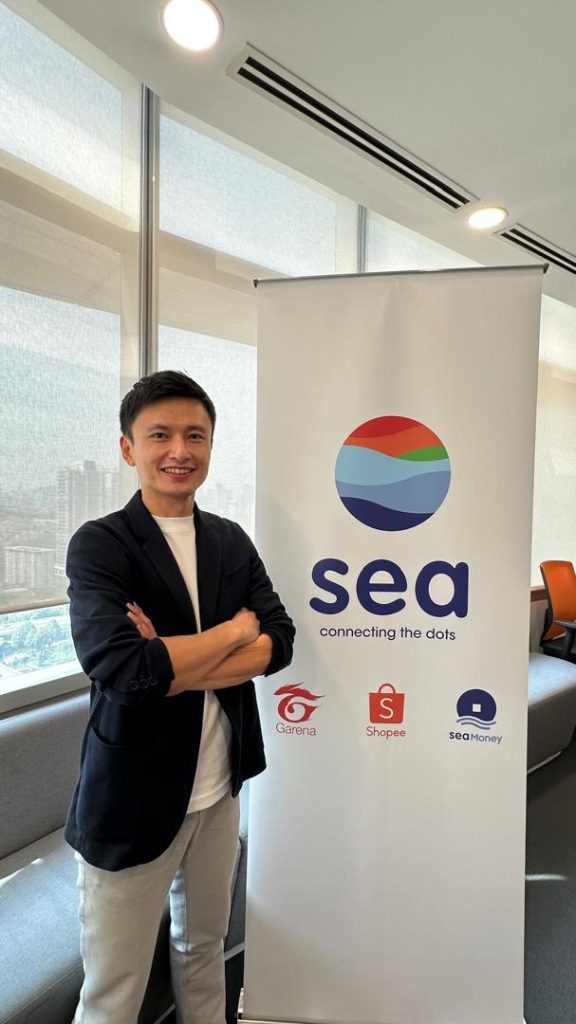
Empowering A Digital Nation: How Sea Limited Is Fueling Malaysia’s MSME Transformation

As Malaysia sets its sights on chairing ASEAN in 2025, the country’s digital economy is rapidly coming into sharper focus. At the heart of this shift is Sea Limited, a Southeast Asian tech powerhouse driving impact across e-commerce, digital entertainment, and financial services. Leading its Malaysian charge is Terence Terence Siau, Country Head, Sea Limited Malaysia As Southeast Asia’s digital economy continues its explosive growth, Malaysia stands at the cusp of a transformative chapter—poised to lead the region into a new era of digital integration. Driving this change is a new breed of innovation-led companies who not only provide platforms for business but build ecosystems that democratize opportunity and access. One such entity is Sea Limited, the tech juggernaut behind Shopee, Garena, and SeaMoney. At the helm of Sea Limited’s Malaysian chapter is Terence Siau, a key figure in the Founder’s Office and the current Country Head. In an exclusive interview with The Exchange Asia, Siau breaks down how Sea Limited is reshaping Malaysia’s MSME landscape, its role in preparing the country for ASEAN chairmanship in 2025, and the deep-rooted principles driving inclusion, innovation, and regional growth. A Mission Rooted in Inclusion Established as a consumer internet company with deep regional roots, Sea Limited’s vision goes far beyond digital transactions. It builds ecosystems, nurtures talent, and connects local businesses to regional markets. “We’re not just providing access—we’re creating a full-stack, inclusive digital ecosystem that allows micro and small businesses to thrive, scale, and connect with markets they never imagined possible,” shares Terence. This mission is made visible through Shopee, one of Southeast Asia’s largest e-commerce platforms, which now powers the online presence of over 2 million Malaysian sellers. But this number only scratches the surface. What truly differentiates Shopee is the suite of integrated, low-barrier tools it offers to MSMEs—from livestreaming and AI-driven product discovery to payment integration and seller education. Shopee University: An Engine for MSME Digital Upliftment One of Sea Limited’s flagship initiatives in Malaysia is Shopee University, a training and empowerment programme that has quietly become one of the most impactful digital education platforms for local entrepreneurs. Since its inception (pre-pandemic), Shopee University has trained over 200,000 micro-businesses in Malaysia. Its curriculum spans across multiple tiers—from basic onboarding (“how to set up a shop online”) to advanced topics like digital marketing, data analytics, and cross-border commerce. “Everyone can participate. Shopee University is open to all and completely free. It’s our way of ensuring no business is left behind,” says Terence. The impact of this initiative is tangible: Bella Hazaha, a Shopee Live seller, scaled her modest sleepwear business to selling over 1,000 units a day, using digital storytelling and live commerce. Batik Cantik, a rural Terengganu-based brand, scaled from one order a day to over 100 daily, gaining nationwide visibility through Shopee’s seller tools. The Digital Dividend: Enabling Revenue Growth and Reach How much can MSMEs grow once they plug into the Shopee ecosystem? While figures vary by industry and product category, Terence cites standout examples like Khairul Aming, a content creator turned entrepreneur who built the wildly popular Sambal Nyet brand on Shopee. In April 2023, a Shopee Live session sold 13,000 bottles of Sambal Nyet in just 2 minutes, generating over RM628,000 in gross sales. Such exponential growth is enabled by Sea Limited’s commitment to end-to-end digital enablement—from infrastructure to last-mile delivery. Shopee offers not just a marketplace but also: AI-powered recommendations Live video selling tools Payment and financing solutions Real-time analytics and logistics support “Shopee doesn’t just onboard businesses—it equips them with the tools to scale fast, manage risk, and expand regionally,” Terence affirms. Malaysia’s ASEAN Chairmanship: A Nation Ready to Lead In 2025, Malaysia will assume the ASEAN chairmanship—an opportunity to shape the regional digital economy agenda. According to Terence, the country is well-positioned to lead, thanks to three key indicators: Internet Penetration – Over 96% as of 2024, thanks to national broadband investments. E-Wallet Adoption – Over 20 million Malaysians use e-wallets regularly. GDP Contribution – The digital economy accounts for 22.6% of Malaysia’s GDP, highlighting its structural significance. With initiatives such as MyDIGITAL, the National AI Roadmap, and proactive regulatory bodies like MDEC and the National AI Office, Malaysia is already setting the pace. “We have the infrastructure, we have the policy support, and we have the talent. What’s needed now is deeper collaboration and inclusivity,” says Terence. Addressing Challenges: Infrastructure, Talent, and Trust Despite the optimism, Terence acknowledges three critical challenges: Economic Inclusion – Ensuring MSMEs across urban-rural lines can participate. Financial Inclusion – Serving the unbanked and underbanked segments. Cybersecurity – Building trust in digital ecosystems. To address these, Sea Limited is not only enhancing platform security through AI-driven fraud detection but is also participating in the Financial Education Network under Bank Negara Malaysia, offering nationwide workshops and roadshows to raise financial literacy. Strategic Partnerships with Government and Industry Collaboration is a recurring theme in Sea’s approach. Sea Limited works hand-in-hand with Malaysian ministries, agencies, and regulators to deliver targeted development programmes. Initiatives like #ShopeeSapotLokal, created in partnership with government agencies, have played a key role in highlighting and promoting local sellers and products. “For Malaysia to lead ASEAN’s digital shift, both public and private sectors must play their part. Government policy can pave the way, but industry players must build the infrastructure for real participation,” he explains. The Future: AI, Fintech, and Regional Expansion Looking ahead, Terence highlights three exciting trends Sea Limited is deeply invested in: AI & Automation – Improving customer experience, personalization, and productivity through AI. Social Commerce & Livestreaming – Moving from traditional e-commerce to interactive, video-driven sales. Cross-border Digital Trade – Enabling sellers in Malaysia to access buyers across ASEAN through seamless integration. Digital financial services are also central to Sea’s roadmap. From microloans and BNPL (Buy Now Pay Later) solutions to integrated cross-border payment systems, fintech remains a strategic pillar. “Fintech players and digital banks are key pillars of Southeast Asia’s economic future. Innovative credit, payment, and financing tools will be the arteries of the new digital economy.” Final Word: Digital Nation-Building Through Inclusion As Malaysia eyes regional leadership in ASEAN’s digital transformation, Sea Limited is playing a foundational role—not just as a service provider but as a digital nation-builder. The numbers are impressive. The stories are inspiring. But perhaps more importantly, Sea’s vision reflects a future where technology levels

Investment & Market Trends

Bahlil: Indonesia’s $618B Downstream Push Aims To Build National Strength

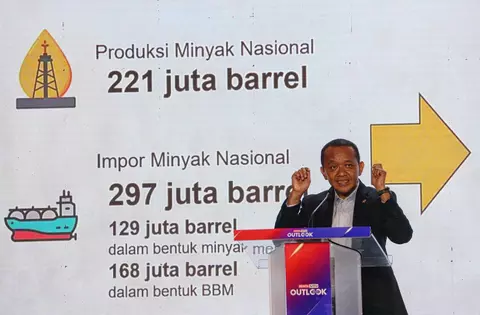
Jakarta — Indonesia’s ambitious plan to boost its downstream industries across 28 key commodities could transform the nation into a global powerhouse, according to Investment and Energy Minister Bahlil Lahadalia. Speaking at the 2025 Energi and Mineral Festival, Bahlil said the government aims to process raw materials domestically—such as turning nickel ore into stainless steel or batteries—to create higher-value exports and attract more global investment. Energy Minister Bahlil Lahadalia kicks off the Energi Mineral Festival 2025 in Jakarta on July 30, 2025. Behind him is the government’s blueprint for the massive downstream sector development spanning different sectors.  A comprehensive roadmap has been drawn up to add value to a wide range of resources including bauxite, gold, and seaweed. To achieve this, Indonesia will need to attract an estimated $618 billion in investment by 2040. “We’ll keep pushing this downstreaming agenda. If we remain consistent and execute it well, I believe Indonesia will become one of the world’s most respected countries,” Bahlil said. Of the required investment, about $498.4 billion is targeted for the mineral and coal sectors, $68.3 billion for oil and gas, and $51.3 billion for marine, forestry, and agriculture—including commodities like palm oil, rubber, and salt. The government projects the downstream plan will generate $857.9 billion in export value, contribute $235.9 billion to GDP, and create approximately 3 million jobs. Indonesia has already made progress, notably in nickel. Since banning raw nickel exports in 2020, the country has positioned itself as a leading global exporter of nickel-based products. Copper exports were similarly restricted earlier this year to encourage domestic processing. Bahlil highlighted the contributions of major mining players like Freeport Indonesia, which operates a gold refinery in Gresik with a 50-ton annual capacity, and Amman Mineral, whose West Sumbawa smelter is expected to produce 18 tons of gold annually. From January to June 2025 alone, downstream investments reached Rp 280.8 trillion ($17 billion), with nickel and copper accounting for the bulk.

News

UEM Sunrise Successfully Issues RM500 Million In Islamic Medium-Term Notes

KUALA LUMPUR, UEM Sunrise Bhd has completed the issuance of RM500 million worth of Islamic medium-term notes (IMTNs) under its existing sukuk programme. In a filing with Bursa Malaysia, the company said the IMTN programme, along with its Islamic commercial papers programme, has a combined limit of up to RM4 billion. Both are structured based on the Shariah principle of murabahah via a tawarruq arrangement. The RM500 million was issued in two tranches — RM200 million with a 10-year maturity due on July 30, 2035, and RM300 million with a 12-year maturity due on July 30, 2037. Proceeds from the issuance will be used for Shariah-compliant general corporate purposes across UEM Sunrise and its subsidiaries. These include land and company acquisitions, investments, project and infrastructure development, capital expenditures, and refinancing of existing Islamic financing or loan facilities.

Investment & Market Trends

Apple Makes First Retail Exit In China

Apple will shut down a retail store in China for the first time, signaling a rare retreat in a key market where the tech giant is working to regain momentum. The company announced on Monday that its Parkland Mall store in Dalian’s Zhongshan District will officially close on August 9. Apple cited changes at the shopping complex as the reason for the closure. The Parkland Mall location is one of two in Dalian — the other, located at Olympia 66, will remain operational. “In light of several retailers exiting Parkland Mall, we’ve decided to close our store there,” Apple said in a statement. “We remain committed to offering exceptional service across our more than 50 Apple Store locations in Greater China and online.” Apple currently operates around 56 stores in the Greater China region, which accounts for over 10% of its global retail footprint of more than 530 outlets. Employees from the closing store will be offered opportunities at other locations. The move comes as China faces economic headwinds, including weak consumer demand, deflationary pressures, and declining property prices. Retail sales have underperformed expectations, while global tariffs continue to weigh on exports. Despite the closure, Apple is actively expanding its retail presence. A new store is set to open at Uniwalk Qianhai in Shenzhen on August 16, with additional openings planned in Beijing and Shanghai over the next year. Apple also launched a store in Anhui province in January. Internationally, the company recently opened new stores in Osaka, Miami, and Malaysia, with more to come in Detroit, Saudi Arabia, the UAE, and India. However, Apple has been more selective with physical locations since the pandemic, prioritizing online store rollouts and relocating or upgrading older stores. In addition to the Dalian closure, Apple is shutting down stores in Bristol (UK), Partridge Creek (Michigan), and Hornsby (Australia). Parkland Mall has seen other major brands exit in recent years, including Coach, Sandro, and Hugo Boss. Earlier this year, the mall’s majority shareholder assumed full operational control.

Scroll to Top

Subscribe
FREE Newsletter