Author name: admin

Investment & Market Trends

Pharmaniaga Plunges 16% After Corporate Moves

PETALING JAYA, Pharmaniaga Bhd’s shares plunged 16% on Tuesday, despite the completion of two key corporate exercises aimed at steering the pharmaceutical group out of its Practice Note 17 (PN17) status. Bursa Malaysia Securities granted Pharmaniaga a three-month extension to Aug 29 to implement its PN17 regularisation plan. The stock fell 3.5 sen to 18 sen, hitting its intra-day low and ending the day with a market capitalisation of RM883 million. It was also one of the most actively traded counters, with 51.8 million shares changing hands. The sharp drop came after the company made two Bursa Malaysia filings earlier in the day, detailing the completion of its rights issue and private placement exercises—both central components of its PN17 regularisation plan. In May, Bursa Malaysia granted Pharmaniaga a three-month extension until Aug 29 to implement its regularisation strategy. The plan includes a RM520 million capital reduction, along with the two equity-raising exercises. Pharmaniaga fell into PN17 status in February 2023 after recording a massive impairment loss due to unsold RM552 million worth of Covid-19 vaccines. This resulted in its largest-ever quarterly net loss of RM664.39 million in Q4 FY2022. Based on current figures, the two completed exercises are expected to raise a total of approximately RM569.5 million, helping to stabilise the group’s financial position. This falls within the company’s previous guidance of raising between RM560.9 million and RM641.4 million. However, the exercises are highly dilutive, adding 5.1 billion new shares to Pharmaniaga’s share base. The company confirmed that the new shares will be listed on July 31, a likely reason for today’s share price decline. The rights issue involved the issuance of 3.45 billion new shares at 10 sen each, raising an estimated RM345.9 million. Initially, the company had proposed up to 3.52 billion rights shares, on the basis of 12 rights shares for every five existing shares. In addition, Pharmaniaga placed 1.65 billion shares with third-party investors at 13.5 sen per share, generating about RM223.6 million. The placement was done at a 6.6% discount to the five-day volume-weighted average price of 14.46 sen as of June 16. While today’s filings did not disclose the identities of the placement investors, The Edge weekly previously reported that Jakel Group, Great Eastern, Koperasi Angkatan Tentera Malaysia Bhd, and shipping magnate Halim Mohammad were among the interested parties, according to sources.

ESG

LG Launches Digital Campaign To Spotlight myCup Cleaner

SEOUL, LG Electronics has announced a new social media campaign to promote the use of ‘LG My Cup’, a dedicated tumbler-cleaning dishwasher. The campaign, which runs from July 30 to August 27, encourages users to share their My Cup experience online. LG Electronics announces that it holds an authentication event for the ‘LG My Cup’ dedicated cleaner to promote the use of tumblers until the 27th of next month.  Participants can join by posting photos or videos of themselves using My Cup on platforms like Instagram or personal blogs, using hashtags such as #TumblerWasher, #LGMyCup, and #StarbucksTumblerWasher. Users can conveniently locate My Cup units—installed in locations such as Starbucks—through the My Cup app. As part of the campaign, 2,000 winners will be randomly selected to receive prizes including the LG StandbyME 2, LG tiiun mini, and Starbucks gift cards. Developed in response to strong ESG interest from corporate clients, My Cup was launched on April 22 (Earth Day) after nearly three years of field testing in partnership with Starbucks Korea. Since then, its adoption has grown rapidly across coffee chains, universities, corporate offices, and government institutions. Currently installed in over 400 Starbucks locations, LG plans to expand this to 2,000 stores by year-end. The device is also being adopted in university campuses such as Seoul National University, Kyung Hee University, and Pusan National University, and in offices like Hyundai Motor’s Gangnam HQ, Kyobo Life Insurance, and public agencies including Ansan City Hall and the Nakdong River Basin Environmental Office. Leveraging LG’s expertise in dishwashing technology, My Cup offers powerful cleaning with a 360° rotating wing and 65°C high-pressure water, thoroughly washing both the tumbler body and lid. It offers three cleaning modes: Quick Course (30 seconds) – ideal for a fast rinse. Standard Course (4 minutes) – for cleaning coffee or dairy residue. Drying Course (9 minutes 50 seconds) – for comprehensive cleaning and drying. The product has received certification from TÜV Rheinland for eliminating 99.999% of harmful bacteria, including E. coli, Listeria, and Salmonella, when using the standard mode. Designed for convenience, My Cup has a compact 23cm width, making it suitable for tight spaces, and incorporates recycled plastic in its body, touchscreen frame, and input cover—reinforcing LG’s sustainability efforts. LG also offers a B2B subscription service for My Cup, including quarterly visits by care managers who perform in-depth maintenance—such as steam-cleaning the lower grill, replenishing detergent and rinse supplies, checking touchscreen operations, inspecting for damage, and replacing internal filters. Lee Hyang, Head of LG Electronics’ Home Solutions Customer Experience division, said:“We will continue to promote My Cup as a core part of LG’s growing B2B subscription business, while encouraging a wider culture of tumbler usage.”

News

BNM Fines Three Banks For Compliance Lapses

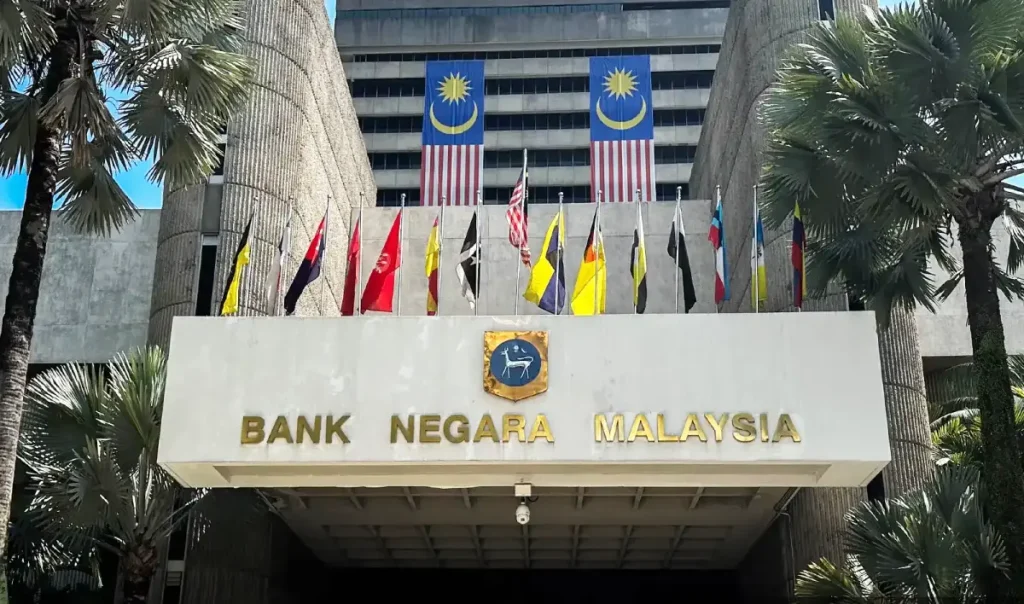
KUALA LUMPUR, Bank Negara Malaysia (BNM) has imposed a total of RM3.445 million in administrative monetary penalties (AMPs) on Bank Islam Malaysia Bhd (BIMB) for breaches of the Islamic Financial Services Act 2013 (IFSA) and related regulatory requirements. In a statement today, the central bank said the penalties relate to non-compliance with its Risk Management in Technology Policy Document (RMiT PD) and the Anti-Money Laundering, Countering the Financing of Terrorism, and Targeted Financial Sanctions Policy Document (AML/CFT and TFS for FIs PD). BIMB paid: RM1.70 million on May 29, 2025, for breaches in sanctions screening compliance, and RM1.745 million on June 30, 2025, for prolonged service disruptions. Separately, BNM imposed a RM2.85 million penalty on Bank Kerjasama Rakyat Malaysia Bhd (BKRM) for non-compliance with the Development Financial Institutions Act 2002 (DFIA) and the RMiT PD. BKRM paid the full amount on June 26, 2025. Bank Simpanan Nasional (BSN) was also fined RM995,000 for similar breaches under the DFIA and the RMiT PD. BSN settled the penalty on June 25, 2025.

News

Piyush Gupta Named Keppel’s Deputy Chairman And Independent Director

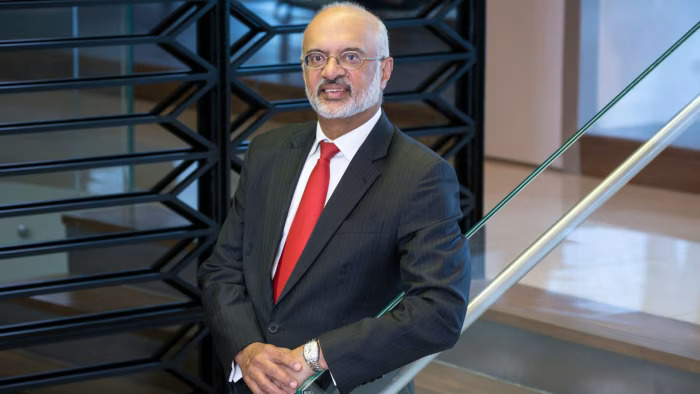
SINGAPORE, Keppel Corporation has appointed former DBS CEO Piyush Gupta as its deputy chairman and non-executive independent director, effective July 1. In addition to his board role, Gupta will also join three key committees: the nominating committee, remuneration committee, and the board sustainability and safety committee. Gupta stepped down as CEO of DBS in March after a 15-year tenure. He currently serves in multiple leadership roles, including chairman of the Singapore Management University’s board of trustees, chairman of Mandai Park Holdings, and board member of the National Research Foundation and the Ministry of Trade and Industry’s Future Economy Advisory Panel. In a statement issued on May 29, Keppel chairman Danny Teoh praised Gupta’s leadership at DBS and expressed confidence in his ability to support Keppel’s transformation into a global asset manager with strong operational capabilities. With Gupta’s appointment, Keppel’s board will consist of nine directors, including seven independent directors. Gupta said: “Keppel is an iconic Singapore institution with a rich legacy. It is now at a pivotal point as it evolves into a global asset manager with strong operating strengths.” Keppel’s shares closed at S$6.85, up S$0.06 (0.9%) on Thursday, ahead of the announcement.

News

Regulatory Breaches Cost Three Banks Over RM7 Million In Fines

PETALING JAYA, Bank Negara Malaysia (BNM) has imposed more than RM7 million in administrative penalties on three banks for breaching regulatory requirements, primarily involving prolonged system downtime and failures in sanctions screening compliance. In separate statements issued today, the central bank revealed that Bank Islam was fined a total of RM3.45 million, Bank Rakyat was penalised RM2.85 million, and Bank Simpanan Nasional (BSN) received a RM995,000 fine. The penalties were issued for violations of the Development Financial Institutions Act 2002, the Islamic Financial Services Act 2013, and BNM’s policies on technology risk management, anti-money laundering, financial sanctions, and counter-terrorism financing. Bank Islam Bank Islam was hit with two separate penalties: RM1.75 million for extended service disruptions between June 2023 and December 2024, caused by delayed system recovery that impacted its digital banking services. RM1.7 million for shortcomings in sanctions screening processes, including delays in screening non-customer beneficial owners and the bank’s customer base, which led to late identification of matches with sanctioned entities. The bank also failed to report its findings in a timely manner. BNM cited weak internal controls, insufficient training, and poor oversight as contributing factors. However, Bank Islam has since taken corrective measures, including upgrading its IT systems and enhancing sanctions screening procedures. Bank Rakyat Bank Rakyat was fined RM2.85 million for failing to meet BNM’s system availability requirements, resulting in multiple outages from June 2023 to December 2024. These disruptions affected key banking services such as e-banking, ATMs, and card systems, exceeding the central bank’s allowable downtime limits due to inadequate response and recovery protocols. BNM confirmed that Bank Rakyat has strengthened its IT infrastructure and improved system recovery measures. Bank Simpanan Nasional (BSN) BSN received a RM995,000 penalty for similar failures. The bank experienced multiple unplanned service outages between June 2023 and October 2024, impacting ATM, online banking, and card services. The disruptions also exceeded the permitted downtime thresholds due to weak recovery capabilities. BSN has since taken steps to upgrade its technology infrastructure, BNM noted. Regulatory Standards and Enforcement BNM reiterated that all financial institutions must ensure that critical systems do not exceed: Four hours of cumulative unplanned downtime over a 12-month rolling period, and 120 minutes of downtime for any single incident. The central bank stressed the importance of technology resilience to ensure continuous access to essential financial services, warning that enforcement action will be taken regardless of institutions’ past performance. The penalties were calculated based on the severity of the breaches, historical compliance track records, and the effectiveness of remedial actions taken. All three banks have since paid their respective fines.

News

Renault Appoints Francois Provost As New CEO

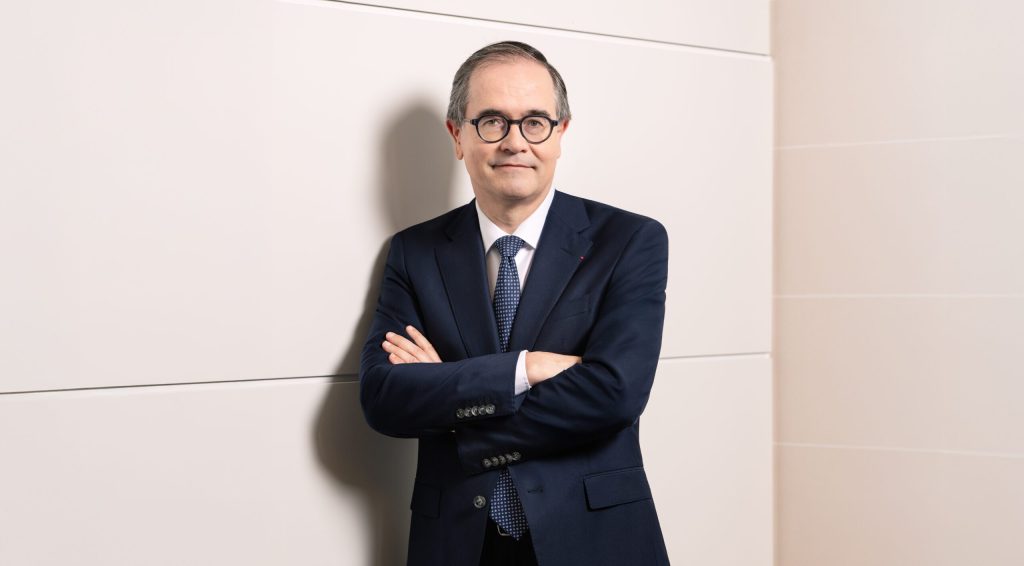
PARIS, Renault has appointed its Chief Procurement Officer, Francois Provost, as Chief Executive Officer, effective July 31, selecting a relatively low-profile internal candidate to navigate the company through intensifying market competition and sluggish demand—factors that led to a profit warning earlier this month. RENAULT – Francois Provost as Chief Executive Officer The leadership change follows the unexpected departure of former CEO Luca de Meo, who resigned last month to take up a position at luxury conglomerate Kering. In a statement, Renault said:“With extensive international experience in both operational and strategic roles, a deep understanding of the industry’s challenges, and a clear strategic vision, Francois Provost possesses the leadership qualities needed to advance and accelerate Renault Group’s development.”

News

Steel Hawk Secures Two-Year Scaffolding Contract From EPOMS

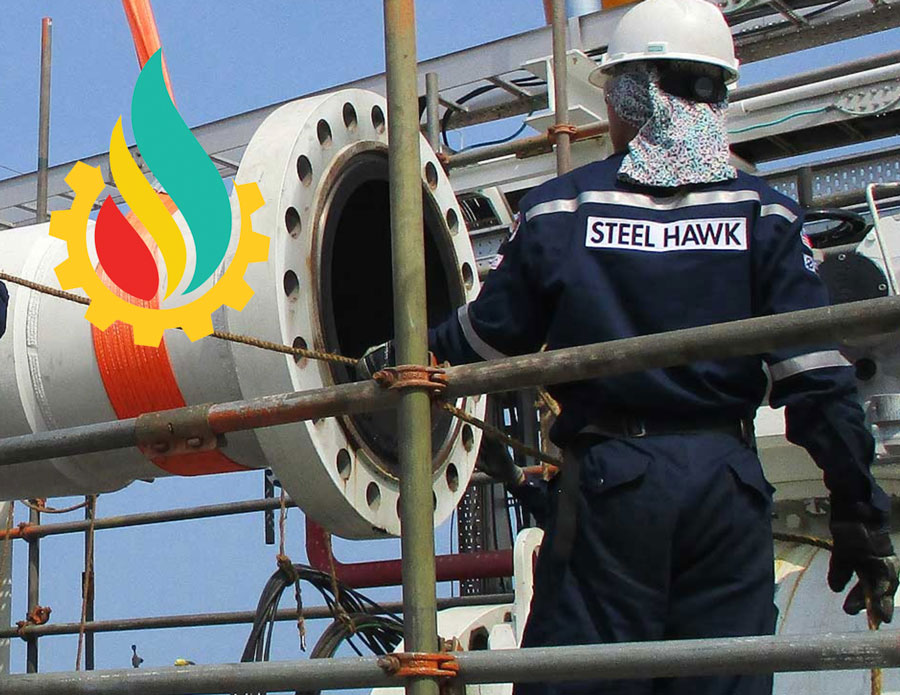
KUALA LUMPUR, Steel Hawk Bhd, a provider of support services to major oil and gas players, has secured a scaffolding services contract from EPOMS Sdn Bhd for its operational sites. The contract, awarded to its wholly owned subsidiary Steel Hawk Engineering Sdn Bhd (SHESB) on July 25, was disclosed in a filing with Bursa Malaysia on Wednesday. Under the agreement, SHESB will deliver scaffolding services for a duration of two years—from July 25, 2025 to July 24, 2027—with an option to extend for an additional year. Steel Hawk said the contract does not carry a fixed value, as it operates on a call-out basis, with services to be provided as and when required by EPOMS. “The company is engaged by EPOMS to deliver specified services throughout the contract period, subject to demand,” it stated. Despite the flexible arrangement, the contract is anticipated to contribute positively to the group’s financial performance for the financial year ending Dec 31, 2025 (FY2025). This latest award marks Steel Hawk’s fifth contract win in 2025, following four earlier contracts secured from Petronas Carigali Sdn Bhd. As of the time of writing on Wednesday, shares of Steel Hawk were down half a sen or 1.05% at 47 sen, giving the company a market capitalisation of RM230.30 million.

Investment & Market Trends

AI Chip Slowdown, China Curbs Slash Samsung’s Q2 Profit By 55%

SEOUL: Samsung Electronics reported a 55% year-on-year decline in second-quarter operating profit, as delays in shipments of high-bandwidth memory (HBM) chips and continued U.S. export restrictions on advanced semiconductor sales to China weighed heavily on its semiconductor business. The world’s leading memory chip manufacturer posted an operating profit of 4.7 trillion won (US$3.37 billion) for the April–June period, marking its weakest quarterly performance in a year and a half. The result aligned closely with its earlier estimate of 4.6 trillion won, which had already dampened investor expectations. Total revenue rose 0.7% to 74.6 trillion won, largely in line with the preliminary forecast of 74 trillion won. Samsung’s chip division, which has historically been a key profit driver, earned 400 billion won in the quarter, a sharp drop from 6.5 trillion won during the same period last year. This marks the first time in six quarters that the division’s profit has fallen below the 1 trillion won threshold. In its official statement, Samsung attributed the profit erosion to inventory valuation adjustments in its memory chip business and one-off expenses related to the U.S. export controls that have impacted its contract chip manufacturing operations for Chinese clients. The extended downturn in its semiconductor segment has intensified concerns among investors about the company’s ability to stay competitive—particularly in the race to develop and supply next-generation HBM chips to tech leaders like Nvidia, which uses them in AI-powered data centers.

News

Pengerang Ramps Up Capacity

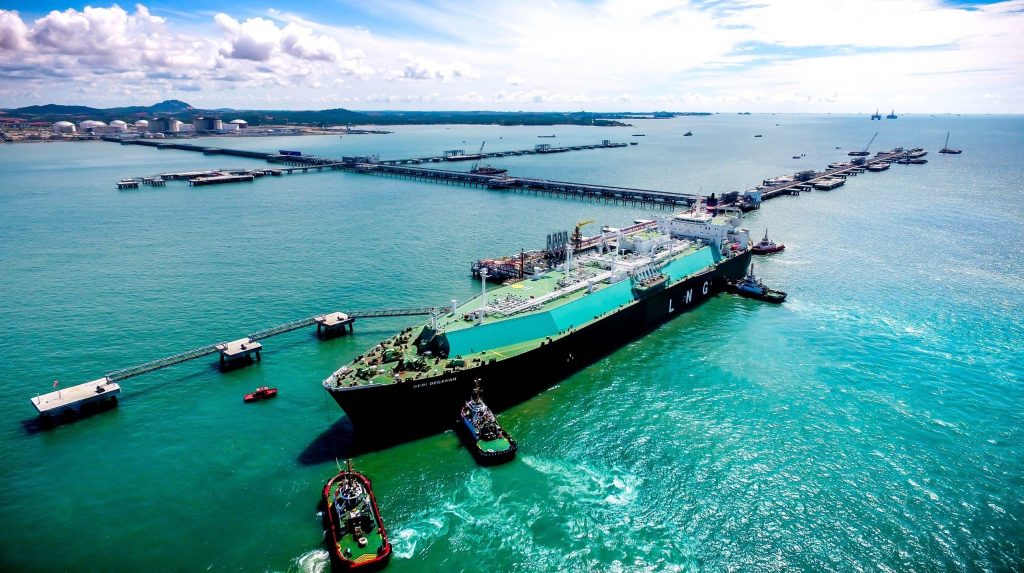
KUALA LUMPUR, Pengerang Terminals (Two) Sdn Bhd (PT2SB) is set to expand its storage and handling capacity by approximately 272,000 cubic metres, marking a significant move in strengthening Malaysia’s position as a key regional oil and gas hub. The expansion will involve a total investment of about RM1.4 billion, which also includes costs associated with the development of shared facilities at the terminal. The announcement was made by Dialog Group Bhd, one of Malaysia’s leading integrated technical service providers in the oil, gas and petrochemical industries. In a filing with Bursa Malaysia, Dialog disclosed that PT2SB — in which Dialog indirectly holds a 25% equity stake — has entered into a terminal usage agreement with Pengerang Biorefinery Sdn Bhd (PBSB). The agreement entails the provision of storage and handling services for PBSB’s feedstock and refined products, further diversifying the types of energy-related materials handled at the terminal. This aligns with Malaysia’s broader energy transition agenda and enhances the terminal’s capabilities to support bio-based and renewable energy sectors. “The proposed development will strengthen PT2SB’s position as a deepwater terminal of choice in the region, while contributing to the long-term sustainability and growth of Dialog’s tank terminal business,” the company said in its statement. Located in Johor’s Pengerang Integrated Complex (PIC), PT2SB is a strategic infrastructure asset jointly developed by Dialog Group, Royal Vopak, and the State Government of Johor. The terminal supports a wide range of storage and logistics services, primarily catering to petrochemical, petroleum and gas-related industries. Industry analysts view the expansion as a timely move, especially with growing demand for energy storage infrastructure amid global shifts in supply chains, refining capacity and sustainability efforts. Dialog Group reaffirmed that the expansion and associated agreements are not expected to have a material effect on its earnings, gearing or net assets for the financial year ending June 30, 2025. However, the long-term outlook remains positive, supported by rising demand for integrated terminal and logistics solutions in Southeast Asia.

Experts

Pos Fulfill: Reinventing Fulfilment For Malaysia’s E-Commerce Future

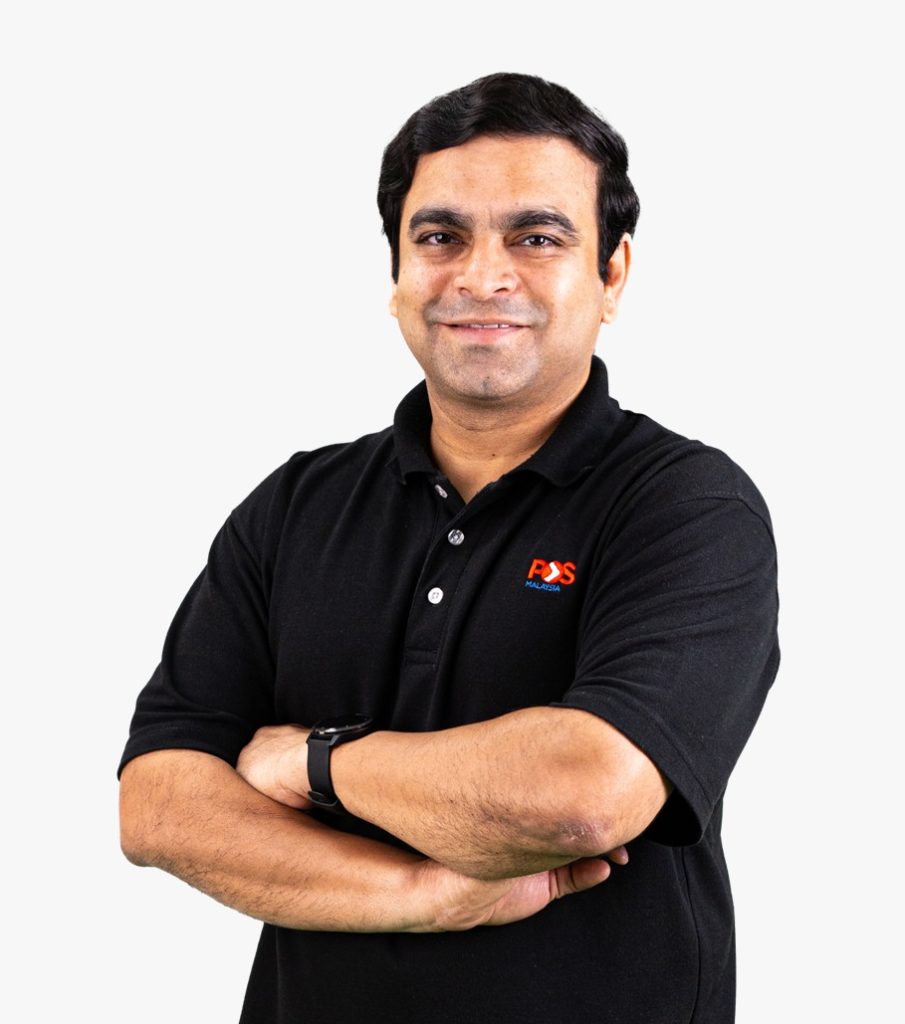
In a landscape where speed, flexibility, and customer experience are paramount, Pos Malaysia has boldly redefined its legacy with the launch of Pos Fulfill—a fully integrated e-commerce logistics and fulfilment solution tailored for the modern age. From legacy postal operator to future-ready logistics partner, Pos Malaysia is scripting a powerful new chapter—and at its heart is Pos Fulfill. Rohit Gunavanthe, Head of Fulfilment, Pos Malaysia Launched in 2022 as part of Pos Malaysia’s strategic transformation plan, Pos Fulfill offers end-to-end supply chain solutions spanning warehousing, order processing, real-time inventory management, pick-and-pack, returns, and seamless last-mile delivery. Built on Pos Malaysia’s unmatched nationwide network and backed by its last-mile giant, Pos Laju, Pos Fulfill is a logistics solution created for scale and service certainty. “What makes Pos Fulfill unique is how we bring together all the pieces—from storage to delivery—under one integrated platform. It’s fulfilment, powered by reliability,” says Rohit Gunavanthe, Head of Fulfilment at Pos Malaysia. A Backbone for Businesses of All Sizes Pos Fulfill currently serves 25 clients across seven major industries, including FMCG, healthcare, cosmetics, automotive, electronics, and retail. Its offering spans both B2B and B2C segments, giving brands—whether a global corporation or a growing Malaysian SME—the tools to deliver better, faster, and smarter. With eight strategic fulfilment centres and over 170,000 square feet of warehouse space, Pos Fulfill empowers businesses to position inventory closer to customers, significantly reducing lead times and shipping costs. This is especially critical for businesses with a nationwide customer base across Peninsular and East Malaysia. “We recognised early on that the future of e-commerce in Malaysia hinges on regional accessibility. By activating fulfilment hubs in Kuching and Kota Kinabalu, we’ve removed bottlenecks and helped businesses reduce fulfilment times and costs dramatically,” adds Rohit. Tech-Driven, Customer-Focused At the heart of Pos Fulfill’s operations is a robust Warehouse Management System (WMS), integrated not only with major marketplaces but also with customer ERP systems. This enables the seamless flow of orders, automatic airway bill generation, and real-time visibility—key to maintaining service consistency, even during peak periods. The results speak for themselves: fulfilment speed, accuracy, and customer satisfaction have seen measurable improvements, with Pos Fulfill’s tender invitations growing fourfold in 2025 compared to 2023. Built with Sustainability at Its Core True to Pos Malaysia’s broader ESG ambitions, Pos Fulfill’s operations are guided by the Sustainability Roadmap 2023, with a commitment to net-zero emissions by 2050. Their facilities incorporate solar energy, LED lighting, lithium-ion handling equipment, and the reuse of recycled packaging materials. These initiatives have already cut parcel-related emissions by nearly 17%. Enabling SME Growth Pos Fulfill is especially focused on democratising access to fulfilment services for Malaysian SMEs. By offering high-quality infrastructure typically reserved for larger players, SMEs can now tap into the same logistical muscle, strategically placing inventory across the country. Pos Fulfill also acts as a growth enabler, helping SMEs expand into new markets and elevate their delivery experience. Navigating Challenges, Building Trust Despite its current success, the early days of Pos Fulfill weren’t without challenges. From establishing brand awareness to selecting the right backend systems, the team faced an uphill climb. But by leveraging the trusted Pos Malaysia brand and assembling a team with deep industry experience, they successfully overcame the learning curve. The Road Ahead Looking to the next three to five years, Pos Fulfill has a clear vision: to be Malaysia’s leading fulfilment partner. With plans to expand in East Malaysia and the northern and southern Peninsular regions, the brand is also eyeing regional collaborations, particularly with other postal operators in Southeast Asia. With a focus on tech investment, client growth, and sustainable operations, Pos Fulfill is not just reshaping how orders are packed and shipped—it’s redefining what fulfilment means for Malaysian businesses in a digitally connected economy. Takeaways for Business Leaders: Certainty of Service – Fulfilment that scales with confidence, whether for everyday orders or seasonal spikes. Brand Trust – Powered by Pos Malaysia’s legacy, Pos Fulfill brings credibility, capability, and continuity to the logistics space. As Malaysia’s digital economy continues its upward surge, Pos Fulfill is proving that with the right strategy, infrastructure, and ambition, even a legacy brand can lead the charge into the future of fulfilment.

Scroll to Top

Subscribe
FREE Newsletter