Author name: admin

News

Worachat Luxkanalode appointed CEO of 2C2P

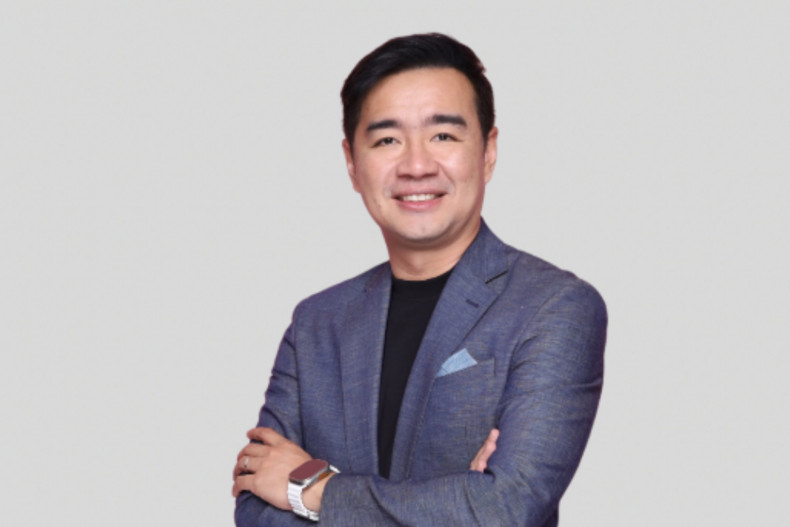
Ant International, a leading global digital payment, digitisation and financial technology provider, has appointed Worachat Luxkanalode as the new chief executive of payments platform 2C2P. Mr Worachat assumes the role in April 2025, subject to regulatory approval. In his role, Mr Worachat will oversee the overall business strategy and operations of 2C2P, spearheading the company’s strategic upgrade from mainly serving enterprise customers to businesses of all sizes, including small and medium-sized enterprises (SMEs) across Southeast Asia. 2C2P is part of Antom, Ant International’s global payment and digitisation solutions provider, serving leading players in travel, online retail, entertainment and more. According to Gary Liu, general manager of Antom, Mr Worachat is a fintech veteran with proven experience in payments, digital banking, and driving sustainable business growth. Mr Worachat is currently with Southeast Asia’s leading super-app Grab, serving as managing director of Grab Thailand. He joined in 2019 and held several roles, including country head of Grab Financial Group for Thailand, and executive director of Grab Thailand. Before joining Grab, he held senior executive positions at leading Thai and international banks and financial institutions for 17 years, and is among the pioneers of digital banking in Thailand. Mr Worachat said that as 2C2P continues to strengthen its position in Southeast Asia’s payments landscape, his focus will be on driving a strategic transition to better serve regional SMEs alongside its enterprise customers by standing on the strong foundation built by 2C2P’s current leadership, especially visionary founder Aung Kyaw Moe. Recently Grab announced the appointment of Chantsuda Thananitayaudom as country head of Grab Thailand, effective as of April 1, 2025, succeeding Mr Worachat. Ms Chantsuda joined Grab in 2018 as the country marketing head for Grab Thailand.–BANGKOKPOST

News

HSBC Reshuffles Leadership in Asia to Streamline Operations

HSBC Holdings has assigned additional responsibilities to country heads in some smaller Asian markets as part of its efforts to streamline operations and eliminate management layers. According to an internal memo seen by Bloomberg News, Peter Kim will take on the role of head of banking alongside his position as chief executive officer in Korea, effective March 1. Similarly, Tim Evans will hold both roles in Vietnam. A spokesperson for HSBC confirmed the contents of the memo. “The changes will create a simple organisation that will be better placed to deliver best-in-class service to our customers and are designed to accelerate the execution of our strategic objectives,” the spokesperson stated. In Malaysia, Taiwan, and Thailand, Omar Siddiq, Adam Chen, and Giorgio Gamba will assume dual roles. However, some commercial and global banking staff applied for new positions but were not selected, according to sources familiar with the matter. HSBC CEO Georges Elhedery, who took over last year, has been implementing significant changes to reduce costs, complexity, and job redundancy. Under his leadership, the bank has merged its commercial banking division with its global banking and markets unit and has scaled back some investment banking operations in Europe and the Americas. Late last year, HSBC required hundreds of managers to reapply for positions within its newly formed corporate and institutional banking division. The bank is also discontinuing the use of the “general manager” title for some senior staff, instead adopting “managing director,” a title more commonly used in major financial institutions, sources said. The memo also revealed that HSBC will appoint a new head of banking, international markets, to oversee operations in Bangladesh, Indonesia, Mauritius, the Philippines, Sri Lanka, Thailand, and Vietnam. For its “priority markets” of China, India, and Singapore, the bank has named Zhenyi Tang, Ajay Sharma, and Gilbert Ng as heads of banking

News

Japan’s ANA to buy at least 77 jets

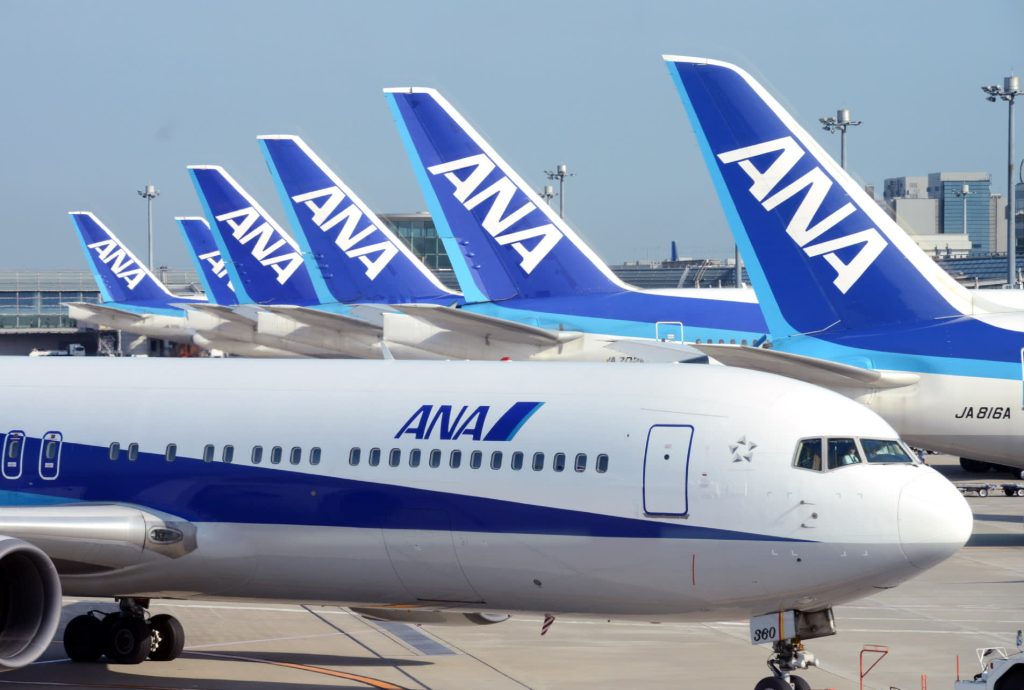
ANA, Japan’s largest airline, will spend copy4.5 billion to buy 77 aircraft from Boeing, Airbus and Embraer in a rare simultaneous deal with the world’s top three commercial planemakers. The procurement plan includes at least 18 widebody 787-9 Dreamliners and 12 737-8 Max single-aisle jets from Boeing, All Nippon Airways Co Ltd said on Tuesday. The carrier will also add 27 Airbus A321neo jets, including three of the XLR longest-range single-aisle planes, and 20 E190-E2 regional jets from Brazil’s Embraer, it said. The airline exercised options for a further 10 737-8 Max jets and five 787-9 widebodies — planes ordered in 2019 and 2020, respectively, and costing about copy.9 billion — taking the overall order to 92 aircraft. Airlines typically receive large discounts for substantial purchases. “This order will be the catalyst for improving the profitability of domestic flights and the expansion of international flights which is an area of future growth of our airline business,” ANA chief executive officer Koji Shibata said in a statement. The jets are set to be delivered between 2028 and 2032. The deal includes firm orders and some options. The purchase underscores ANA’s ambitions to exceed its pre-pandemic fleet size by 2030 and capitalise on the boom in global air travel demand. Shinichi Inoue, chief executive officer of the group’s flagship airline ANA, said last year that the carrier was considering further purchases of large aircraft as planemakers run out of slots to build jets into the end of the decade. The carrier is also looking to replace its fleet of older Boeing 767s, a midsize widebody no longer being made for passenger use, and its remaining 737s. ANA’s order gives a much-needed boost for Boeing from one of its best customers as the planemaker tries to shake off a tumultuous period that’s included management upheaval and delivery delays after a near-catastrophic 737 Max door blowout triggered regulatory scrutiny. Boeing has also been on the back foot in Asia, where it has come second place in a series of key sales campaigns including for Cathay Pacific Airways, Japan Airlines and Eva Airways. However it has recently picked up momentum, securing deals with China Airlines and Thai Airways International. But the simultaneous purchase of Airbus and Embraer jets as well signals ANA’s need to expand its procurement at a time when planemakers are in high demand — and it is unusual for an airline to purchase from the three aircraft manufacturers at the same time. ANA was the launch customer of the Boeing 787 and is the largest global operator, with 86 of the type in fleet and a further 10 on order. ANA also has 18 777-9s and 20 737 Max single-aisle jets yet to be delivered. The carrier has a fleet of around 240 mostly Boeing-made aircraft and controls the budget carrier Peach Aviation, which has an all-Airbus fleet of 37 single-aisle jets.–BANGKOKPOST

Investment & Market Trends

MITI and SC Launch RM131.5 Million Fund to Support SMEs, Mid-Tier Companies

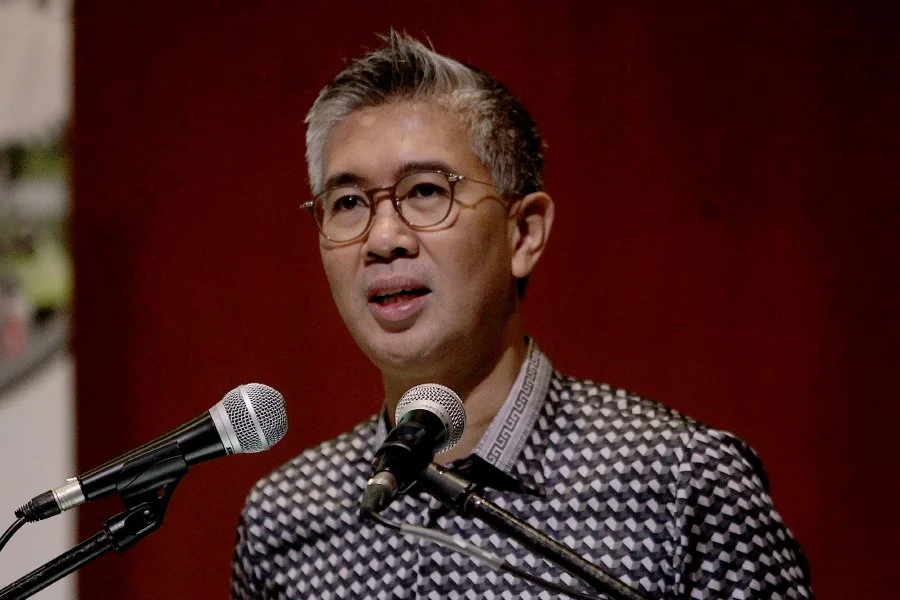
The Ministry of Investment, Trade and Industry (MITI) and the Securities Commission Malaysia (SC) have launched a RM131.5 million fund to provide financial support to SMEs and mid-tier companies (MTCs). The Strategic Co-Investment Fund (CoSIF), part of the New Industrial Master Plan 2030 (NIMP 2030), will distribute funds through Equity Crowdfunding (ECF) and Peer-to-Peer Financing (P2P) platforms. The initiative involves government co-investment at pre-determined ratios alongside private investors in businesses operating within NIMP 2030’s 21 designated sectors. This will include emerging growth sectors like Carbon Capture, Utilisation and Storage (CCUS), Electric Vehicles (EV), Renewable Energy (RE), and Advanced Materials. The SC will manage the fund, which aims to encourage investment in areas such as advanced manufacturing, digitalisation, and decarbonisation. The fund is designed to broaden financing options and support the growth of SMEs and mid-tier companies, reflecting the NIMP 2030’s focus on inclusive economic development. This effort aligns with the SC’s broader strategy to improve capital market access for these businesses, as outlined in their 5-year roadmap, launched in May 2024. A list of approved ECF and P2P operators for the fund is expected to be announced by the end of March 2025. Tengku Datuk Seri Utama Zafrul Aziz YB Senator Tengku Datuk Seri Utama Zafrul Aziz, Minister of Investment, Trade, and Industry, said, “The CoSIF fund exemplifies our commitment to financing SME and mid-tier companies, to support their growth, innovation and long-term resilience. This initiative not only diversifies our financing options but also reflects our commitment to inclusivity by facilitating broad-based growth in our industry. We are proud to unveil this innovative fund as an integral part of realizing NIMP 2030’s missions, which places us on a better footing to continue positioning Malaysia as a premier manufacturing and services hub in the region.” Dato’ Mohammad Faiz Azmi SC Chairman, Dato’ Mohammad Faiz, said, “The deployment of the NIMP CoSIF through ECF and P2P platforms aligns with the SC’s effort to democratise capital market financing access for MSMEs and MTCs, a segment which has been largely underserved. This structured public-private co-investment mechanism aims to support the fundraising journey of these businesses, fostering a capital market that is more inclusive.” —FINTECHMALAYSIA

Media OutReach

Captiva Verde Announces Partnership with Genesis Water Technologies

Vancouver, British Columbia – Newsfile Corp. – February 26, 2025 – Captiva Verde Wellness Corp. (CSE: PWR) (OTC Pink: CPIVF) (“Captiva Verde”) a public company listed on the Canadian Securities Exchange under the trading symbol PWR and further listed in the US OTC Market under the symbol CPIVF announces the addition of Genesis Water Technologies, (“Genesis”) global leader in specialized pure water production, as a strategic partner to both the company and Matnaggewinu Development Corporation, (“MDC”) our 49% owned subsidiary. Genesis is a global technology company founded to create sustainable, affordable, and efficient solutions to the international drinking water crisis. Over 1.8 billion people are living in water scarcity. According to the United Nations, by 2050 80% of the world will be water scarce. Genesis Systems developed and patented new methods of producing renewable water from air, which are used in our products such as WaterCubes®. Genesis Systems’® technology is endorsed by the United States Air Force. Genesis Systems® technology represents the culmination of years of R&D and is ideal for implementation in challenging environments worldwide. Genesis Systems® technology has best use cases in agriculture, energy, tourism, hospitals, emergency response, military and municipal water supplies. Additionally, it leverages advanced engineering to deliver reliable water generation solutions, even in regions facing water scarcity. From individual water consumption to water service in buildings to industrial and agricultural use, Genesis Systems’® scalable technologies have the potential to save time, money, and lives, while increasing resilience and reach. In summary, Genesis Systems® patented technologies are the only scalable, turn-key, green tech that provides elegant solutions to meet increasingly challenging global water supply shortfalls. Genesis Water Technologies brings extensive expertise in providing advanced water treatment and filtration solutions for both municipal and industrial clients. It is designed to be implemented in challenging environments worldwide, offering scalable solutions for individual water consumption to industrial and agricultural use. This partnership aligns with Captiva Verde’s commitment to delivering innovative and environmentally responsible solutions to address critical global challenges, including water scarcity and pollution. The website for Genesis Water Technologies can be found at: https://genesissystems.com. The co-founder of Genesis Water Systems, Dr. David Stuckenberg, is a seasoned executive with over 25 years of experience within the infrastructure, water technology, and the renewable energy sectors. Dr. David Stuckenberg’s proven track record in driving growth and strategic development will provide invaluable insights as Captiva Verde and Matnaggewinu Development Corporation continues to expand its global footprint and develop cutting-edge sustainable technologies. In 2018 and 2019, NATO named David Stuckenberg a “Young Disruptor.” He has been called “the George Kennan of this century” by senior military leaders and “a National Treasure,” by the former Director of the Central Intelligence, Agency Ambassador R. James Woolsey. Dr. David Stuckenberg has executive experience in government and industry spanning nuclear weapons treaties to national critical infrastructure resilience and high-tech start-ups to large companies. David frequently lectures nationally and internationally at institutions like NATO, King’s College, and Chatham House on innovation and technology at nexus of strategy. His defense research and strategies have informed and shaped all levels of government (including U.S. Congress, Joint Chiefs of Staff, and the White House). Where these strategies and programs concern infrastructure, they are the exemplar for U.S. states and cities, including the nation’s largest federal complex, Joint Base San Antonio. During his tenure at the Department of State, Dr. David Stuckenberg served as a Military Advisor and Subject Matter Expert where he created peacekeeping programs throughout the world and interfaced with the United Nations. Before this, David stood up and led a special Task Force for the Vice Chairman of the Joint Chiefs of Staff where he marshaled 150 organizations in ground breaking research leading to an Executive Order. This work now comprises a network of 400 organizations. As a Post-Doctoral Research Fellow at Johns Hopkins, David is involved with novel research on asymmetric and hybrid warfare and water tech. Previous to joining Johns Hopkins, David was a U.S. Air Force Strategic Policy Fellow. He is also Chairman of the Board at the non-profit think tank American Leadership & Policy Foundation. As an entrepreneur, David co-founded Genesis Systems and serves as the COO and Vice Chairman of the Board of Directors. Genesis Systems is a global green tech company solving global water scarcity with renewables. David has built companies and organizations from zero to more than $100 million in value. David’s business strategies have informed and are in use by leading companies including Citi® and BP®. Dr. David Stuckenberg has judged at the NATO Innovation Hub and is involved in the impact-start-up community throughout the U.S. including the Defense Entrepreneurs Forum. As an aerospace engineer and inventor, David is the author of multiple patents. As a veteran combat pilot, he has flown more than 300 sorties worldwide. He holds a Ph.D. in international security from King’s College; a Master’s in politics from George Washington University; and a B.S. in technology from University of Central Missouri. David is currently a Lt. Colonel in the Texas Air National Guard. This partnership marks significant milestones in Captiva Verde and MDC’s mission to be at the forefront of sustainable technology solutions, further positioning the company as a key player in the global clean technology market. About Genesis Water Technologies: Genesis Water Technologies is a leading provider of advanced water treatment solutions, specializing in sustainable and innovative technologies that address water quality challenges for clients worldwide. Genesis Systems® technology has versatile use cases in agriculture, energy, tourism, hospitals, emergency response, military, and municipal water supplies. It is designed to be implemented in challenging environments worldwide, offering scalable solutions from individual water consumption to industrial and agricultural use. Their expertise spans across industries, including municipal, industrial, and commercial sectors. About Matnaggewinu Development Corporation (MDC): MDC is a Mi’kmaq-led organization committed to advancing economic development for Mi’kmaq communities through sustainable projects and partnerships. The corporation focuses on initiatives that preserve Mi’kmaq culture while fostering economic self-reliance and prosperity. MDC is 49% owned by Captiva Verde. About Captiva

Lifestyle

Pulau Tuba: A Hidden Gem in Langkawi, Showcasing Nature and Culture for Visit Kedah 2025

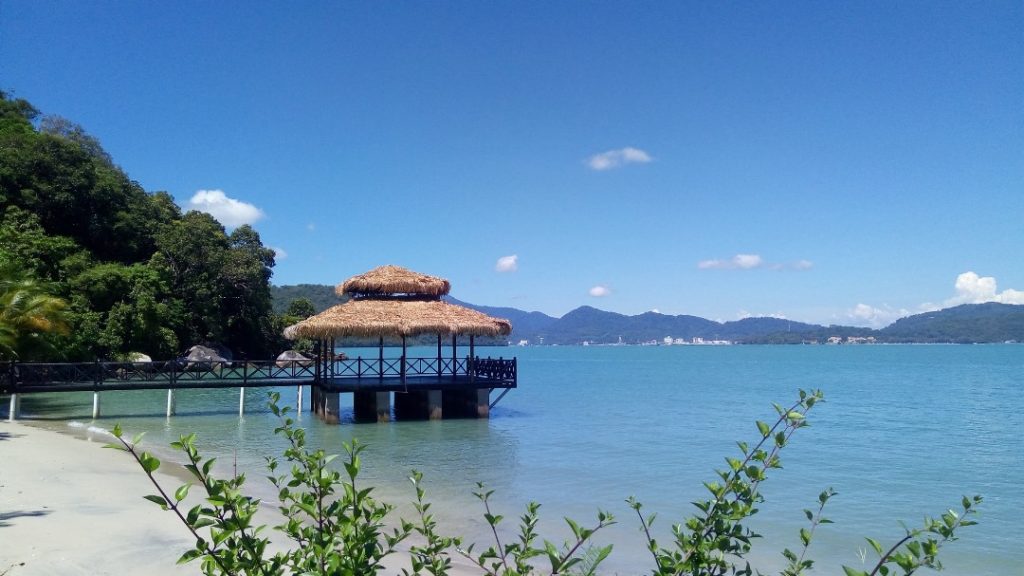
LANGKAWI: Kedah, a state renowned for its natural wonders, historical treasures, and cultural heritage, is set to welcome visitors for Visit Kedah 2025, a year-long celebration under the theme “Experience Kedah.” As one of Kedah’s standout destinations, Langkawi Island continues to draw global attention, recently named the 9th Best Island Destination in the World by Travel & Leisure. While Langkawi is known for its pristine beaches, world-class resorts, and adventure-filled landscapes, there’s more to discover beyond its famous attractions. One such hidden treasure is Pulau Tuba, an untouched paradise just five kilometers from Kuah, offering visitors a rare glimpse into traditional island life, rich biodiversity, and eco-tourism adventures. A Part of Langkawi’s Rich Natural and Cultural Heritage As part of Langkawi’s legendary archipelago, Pulau Tuba stands out as the only inhabited island apart from the main Langkawi Island. This hilly, scenic island, accessible via a 20-minute boat ride, provides an opportunity for visitors to experience a peaceful retreat while immersing themselves in the island’s rich cultural heritage. Pulau Tuba is also known as the “Islamic Island”, as its entire population is Muslim, fostering a close-knit community that preserves age-old traditions. Despite modern facilities such as electricity, fresh water, and telecommunications, many villagers continue to rely on wells for water and engage in sustainable, traditional practices. Pulau Tuba: A Must-Visit Destination for Visit Kedah 2025 As Visit Kedah 2025 encourages travelers to explore beyond mainstream attractions, Pulau Tuba stands out as a hidden paradise that offers an authentic, off-the-beaten-path experience in Langkawi. With Langkawi gaining international recognition as a top island destination, Pulau Tuba provides an alternative retreat for those seeking eco-adventures, cultural experiences, and pristine landscapes. Whether you’re looking for a quiet escape, an adventure-filled journey, or a deep dive into Langkawi’s rich heritage, Pulau Tuba is a must-visit in 2025. A Living Fishing Village with Deep-Rooted Traditions Pulau Tuba is one of Langkawi’s last remaining fishing villages, where the entire male workforce is engaged in fishing and farming, while the women contribute to the local economy through handicrafts. Visitors can gain an authentic cultural experience through the island’s homestay programs, organized by Malaysia’s Fisheries Development Authority, which allow tourists to: Live with fishing families and participate in their daily routines Try traditional fishing methods, catching bronok (a type of sea cucumber), shrimp, crabs, and fish such as jenahak Experience rice paddy farming Learn traditional craft-making, including weaving pandan and coconut leaf mats An Unspoiled Haven for Wildlife and Rare Flora Pulau Tuba remains largely undeveloped, making it a natural sanctuary for wildlife, herbs, and medicinal plants. The island gets its name from the Tuba plant, a rare species whose roots have long been used as a natural method to catch fish. Nature lovers will enjoy spotting hornbills soaring across the island, along with other native birds and wildlife. The island’s forests and mangroves provide an abundant source of herbs, wild fruits, wax, and honey, which locals gather and sell to supplement their income. A Hidden Adventure Destination in Langkawi For those looking to explore Langkawi’s untamed side, Pulau Tuba offers a variety of outdoor experiences, including: Trekking through 350-million-year-old limestone formations Exploring Gua Wang Buloh and Gua Kelawar, caves filled with natural wonders Climbing Bukit Batu Licin, a challenging but rewarding hike Relaxing at secluded beaches, such as Tanjung Pandan Beach and Bagan Asam Beach   Plan Your Escape to Pulau Tuba as Part of Visit Kedah 2025! Pulau Tuba is ready to welcome travelers as part of Visit Kedah 2025, showcasing its vibrant culture, unspoiled beauty, and unique island lifestyle. Easily accessible via affordable boat and ferry rides, this hidden jewel of Langkawi is the perfect addition to any itinerary. Visitors can easily access Pulau Tuba from Langkawi via affordable boat or ferry rides. For more information on travel options, accommodations, and tourism activities, visit https://www.tourism.gov.my/.

News

India’s annual palm oil imports fall behind soft oils for first time

KUALA LUMPUR: Palm oil’s share of India’s annual edible oil imports is set to drop below soft oils for the first time as its rising premium over soyoil and sunflower oil pushes refiners toward more affordable alternatives, the head of an industry body said. Lower palm oil imports by India, the world’s biggest buyer of vegetable oils, could weigh on benchmark Malaysian palm oil prices and support US soyoil futures. “Palm oil is getting pricey due to supply issues, so buyers are naturally shifting to soyoil and sunflower oil instead,” said Sanjeev Asthana, president of the Solvent Extractors’ Association (SEA) of India (SEA), in an interview with Reuters. “The country’s palm oil imports in the 2024/2025 marketing year ending in October 2025 could fall to as low as 7.5 million metric tonnes, the lowest in five years,” said Asthana, who is also the CEO of Patanjali Foods Ltd. “Palm oil is losing market share to soft oils, which are projected to account for a slightly larger volume of imports,” he said. Palm oil accounted for 56% of India’s total edible oil imports in the last marketing year, but in the first three months of the current year its share fell to 43%, the SEA data showed. Palm oil has been trading at a premium over rival oils for the past few months as supplies from top producers Indonesia and Malaysia were affected by floods at a time when Jakarta has also moved to increase the tropical oil’s use in biodiesel. “The current premium for palm oil is not sustainable, and once it begins trading at a discount, likely within two months, Indian buyers will increase their imports,” Asthana said. “Soyoil imports in the current year could increase by 1 million to 1.5 million tonnes from last year’s 3.4 million tonnes, while sunflower oil imports may rise slightly from last year’s record level of 3.5 million tonnes,” he said. India meets nearly two-thirds of its vegetable oil demand through foreign sourcing. It buys palm oil from Indonesia, Malaysia and Thailand, while soyoil and sunoil come from Argentina, Brazil, Russia and Ukraine. “The rising availability of local oils, which will help fulfill incremental demand, is expected to keep the country’s total edible oil imports steady at around 16 million tonnes this year,” Asthana said.–REUTERS

News

Hong Kong to launch new channel to fast track tech listings

HONG KONG: Hong Kong will launch a new channel on the stock exchange designed to expedite listings of tech companies, the latest move by the fundraising hub to boost attractiveness amid rising appetite of Chinese companies to raise funds offshore. Hong Kong Stock Exchange (HKEX) is to establish a dedicated “technology enterprises channel”, Hong Kong’s Financial Secretary Paul Chan said on Wednesday (Feb 26). The channel will facilitate specialist technology and biotechnology companies’ listings in Hong Kong, particularly those already listed in the mainland, Chan said while delivering his 2025-26 budget. The market’s watchdog Securities and Futures Commission is working with the exchange to enable a smoother application process, he added. The announcement comes as Chinese companies, mainly those in the tech sector, accelerate plans to raise funds offshore, tapping into a rebound in investor sentiment fuelled by hopes of Beijing’s support for private firms and the popularity of DeepSeek. Regulators in mainland China and Hong Kong have told some of the world’s biggest investment banks to help speed up Chinese companies’ listings in the city, Reuters reported in December citing sources. The city exchange officials urged bankers during meetings in October to identify bottlenecks in the listing application process of Chinese firms and share specific examples, sources said at that time. The city bourse reports it’s full year earnings on Thursday.–REUTERS

News

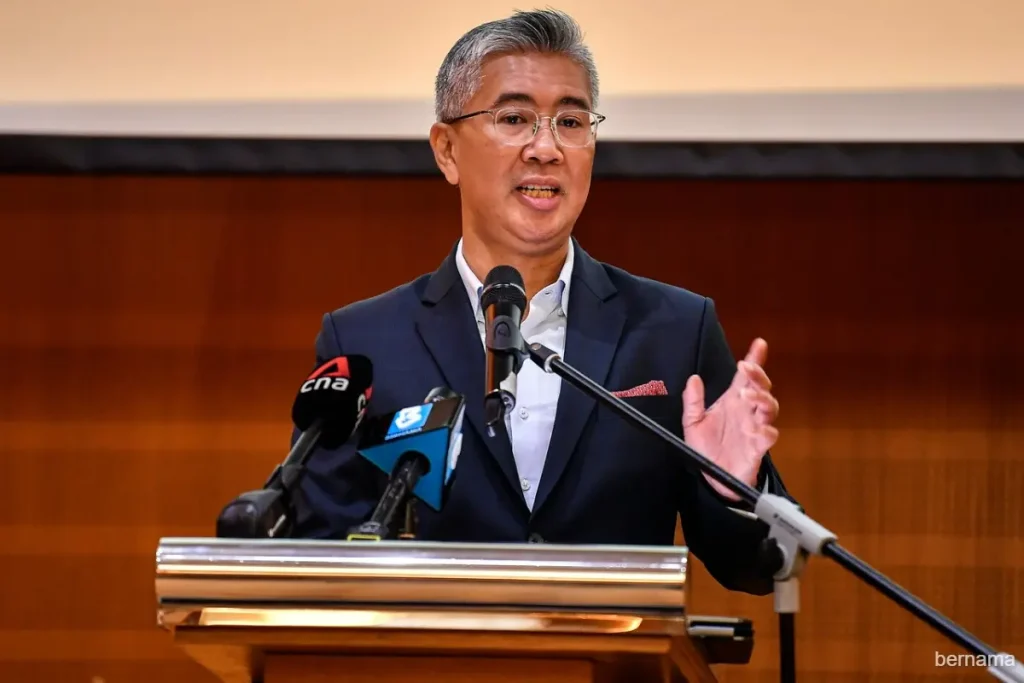
Malaysia Secures Record RM378 Billion in Investments for 2024

KUALA LUMPUR: Malaysia secured record investments of RM378.5 billion last year, an increase of 14.9% from the approved investments in 2023, investment, trade and industry minister Tengku Zafrul Aziz said. Tengku Zafrul said last year’s investments involved 6,700 projects and led to the creation of 207,241 new jobs. “The services sector contributed RM252.7 billion while the manufacturing and primary sector contributed RM120.5 billion and RM5.3 billion respectively,” he said in his announcement at the Malaysian Investment Development Authority office at KL Sentral. He said domestic investments stood at RM208.1 billion and foreign investments at RM170.4 billion. Tengku Zafrul said the government projected a 5% growth this year from 2024’s performance, with geopolitical uncertainty expected to be the main challenge. However, he said some sectors, notably the electrical and electronic sector, were expected to continue thriving. Tengku Zafrul said Malaysia would be securing investments from countries like Brazil in the aerospace and semiconductor sector, as well as Turkey in the automotive sector. Separately, Tengku Zafrul said he and digital minister Gobind Singh Deo would co-chair the newly established data centre task force. “There are some concerns about the data centres that we need to address and mitigate. We will come back and report the decisions,” he said without going into further detail.

Scroll to Top

Subscribe
FREE Newsletter