Author name: admin

Investment & Market Trends

The Strategic Move of China Wantian and Hin Sang into the Booming Functional Food and Health Sector

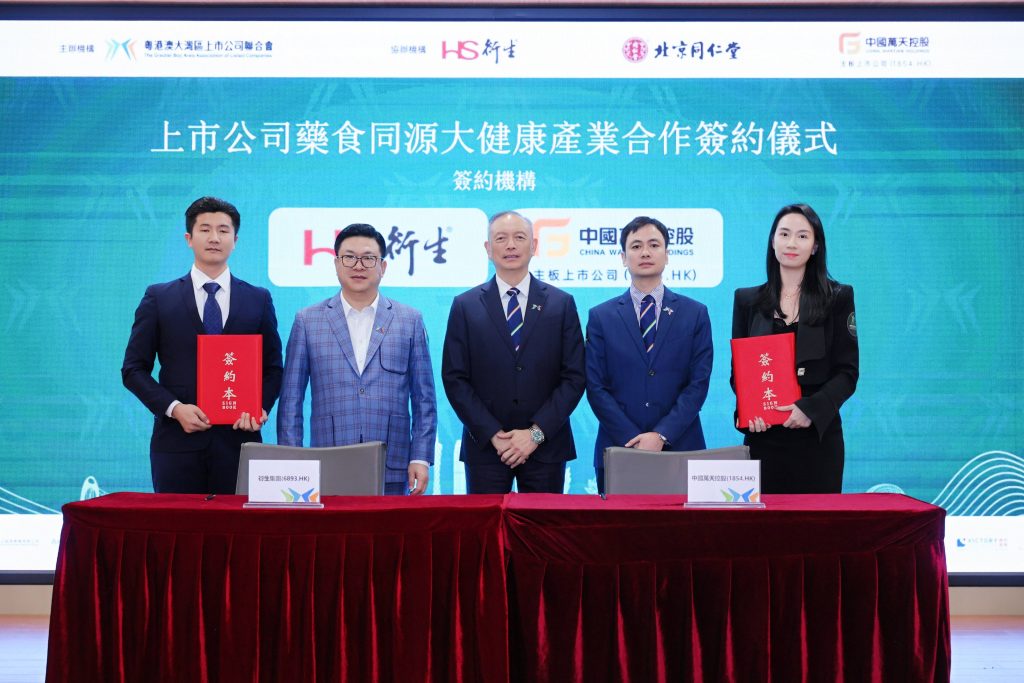
HONG KONG: On September 27, 2024, China Wantian Holdings Limited (1854.HK) (“Wantian”) announced that it has signed a strategic cooperation agreement with Hin Sang Group (6893. HK) (“Hin Sang”). The partnership aims to jointly venture into the rapidly growing functional food and health market, leveraging resource integration and technological innovation to provide high-quality health products and services to consumers worldwide, while jointly exploring new market opportunities. Strong Alliance to Create a New Landscape in Health With the rising global awareness of health, the health industry is experiencing unprecedented development opportunities. According to market forecasts from the China Consumers Association’s “Health Industry Consumption Trend Development Report”, by 2025, the market size of China’s health industry is expected to reach 17.4 trillion RMB, and it is projected to climb to 29.1 trillion RMB by 2030. The functional food industry, as a vital component of the health market, is attracting increasing capital and policy support. As a listed company on the main board of the Hong Kong Stock Exchange, Wantian’s collaboration with Hin Sang will further strengthen its presence in the health sector, paving the way for its vision to become a global leader in the full industry chain of green food services. Focusing on Three Strategic Cooperation Areas The cooperation will focus on three major strategic areas to expand and innovate within the functional food market: Jointly Establishing Health Soup Chain Stores: Both parties plan to open 100 “Wantian Pengzu Hin Sang Centers” within three years, focusing on premium health soups to provide consumers with a natural and healthy wellness experience, meeting the market demand for high-quality health products. Co-developing Premium Health Gift Series: Both parties will launch the “Wantian Gift x Hin Sang” premium health gift series, combining Hin Sang’s herbal health products with Wantian’s green ingredient resources to create high-end health gifts that cater to modern consumers’ pursuit of quality living and health products. Establishing the Functional Food and Herbal Life Science Research Institute: Both parties will jointly establish the “Wantian x Hin Sang Functional Food and Herbal Life Science Research Institute,” focusing on the cultivation, research, and application of functional food and herbal medicine. The institute aims to transform scientific research achievements into commercial products, driving the innovative development of the functional food and herbal medicine industry. Synergies to Create Long-Term Value This strategic partnership represents more than just a merging of resources and technology; it brings forth substantial synergies. Wantian’s extensive experience in the green food supply chain will open up broader sales channels for Hin Sang’s products, while Hin Sang’s strong brand influence in the health sector will support Wantian’s swift entry into the functional food market. Together, their collaboration is poised to drive product innovation, optimize operational efficiency, and accelerate market expansion, leading to strong long-term returns. As China’s “Healthy China 2030” blueprint, the health industry holds tremendous growth potential. This partnership between Wantian and Hin Sang is perfectly aligned with market trends and leverages policy incentives, setting the stage for a prosperous future in the health sector. Both companies foresee significant business outcomes from this collaboration, positioning it as a model for industry partnerships. Wantian’s foray into the health industry underscores its keen market insights and strategic foresight. This initiative not only supports its efforts to diversify its business but also establishes a robust foundation for sustained growth. As Wantian continues to expand and innovate, it is well-positioned to become a leading player in the health market, generating lasting value and returns.

News

RHB appoints Ng Chze How as MD, CEO of RHB Asset Management

KUALA LUMPUR: RHB Banking Group has appointed Ng Chze How as managing director (MD) and chief executive officer of RHB Asset Management Sdn Bhd (RHBAM). He will also serve as head of group asset management and trustee of RHB Banking Group, effective Sept 11, 2024. RHB Group Wholesale Banking MD Datuk Fad’l Mohamed said Ng’s extensive experience and deep understanding of the asset management industry would be invaluable as the group continues to focus on delivering innovative and sustainable solutions tailored to its customers’ needs. “We are confident Ng will play a key role in strengthening RHBAM’s position as a leading asset management company in the market,” he said in a statement. Ng has over two decades of experience in the asset management industry and has held senior leadership roles at companies including Prudential Funds, AmFunds, AIA Pension and Asset Management, and AIA Bhd. Ng’s background in sales management and product development, coupled with his involvement in the executive and investment committees of leading asset management firms, will support RHBAM’s continued growth, according to the statement. — BERNAMA

News

AirAsia pushes for a more liberalised air travel landscape in Asean

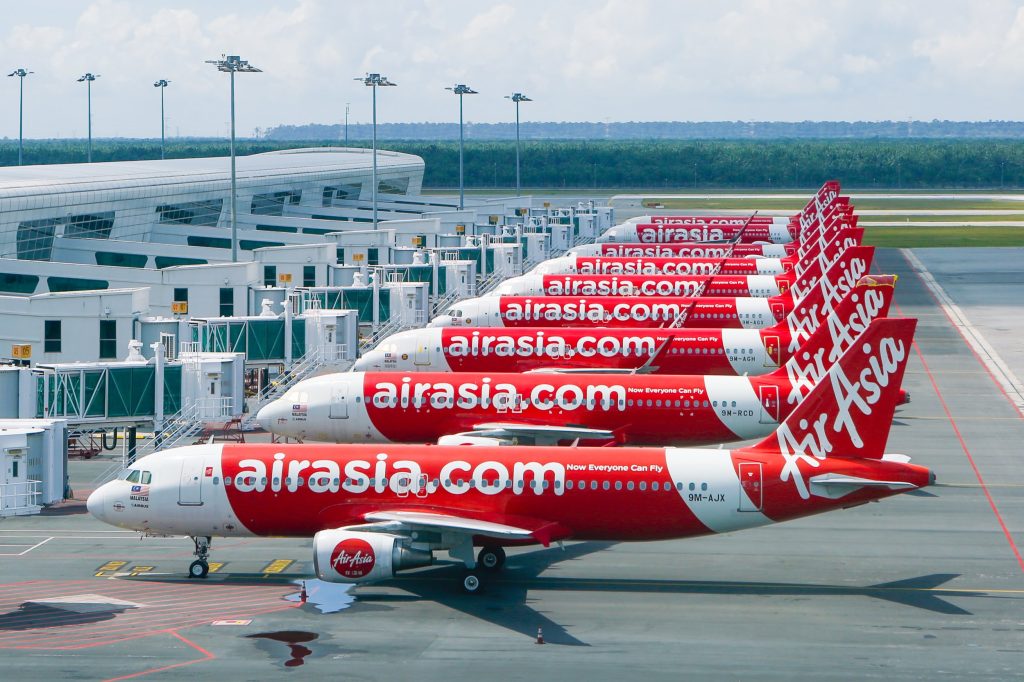
KUALA LUMPUR: Despite a thriving operation in major ASEAN countries, AirAsia’s persistent difficulty in obtaining an operating licence in Singapore highlights a key challenge in the aviation sector-the conflict between national protectionism and the need for open competition. Besides Malaysia, AirAsia operates in Thailand, Indonesia, the Philippines, and Cambodia. However, the low-cost airline has faced rejection three times from the island state. Universiti Kuala Lumpur Malaysian Institute of Aviation Technology economist (aviation and aerospace) Associate Professor Mohd Harridon Mohamed Suffian advocates for establishing AirAsia Singapore and procuring aviation entities in Singapore by AirAsia. “The open market concept should be embraced by countries in ASEAN, where myriad flight options would be available to consumers, and the subsequent price battle would be regulated by market forces, which would benefit the consumers,” he told Bernama recently. He said aviation is a dynamic ecosystem where evolution in technology, methods, regulations, prices, and other factors occurs every 10 to 15 years or less. This frequently leads to shifts in manpower, as employees seek placements at organisations that value their experience and expertise in accordance with the technological dexterities gained through the evolutionary process. For judicial and economic fairness, and to promote an open and free market in the ASEAN region, he emphasised that it is favourable and within the spirit of ASEAN for Singapore to cater to international companies, thereby creating a competitive aviation ecosystem in the region. “I support the notion by (AirAsia’s group chief executive officer Tan Sri) Tony Fernandes that it is imperative for consumers to have numerous options for flight services. “This would lead to a competitive aviation ecosystem, where airlines would enhance their flight services and offer distinctive packages for consumers to choose from,” he said. Moreover, he believes airlines would gain traction in terms of consumer-centricity, which is beneficial for the aviation industry. Currently, Singapore is home to four air operator certificate (AOC) holders: Singapore Airlines Ltd, Jetstar Asia Airways Pte Ltd, Scoot Pte Ltd and ST Engineering Defence Aviation Services Pte Ltd. Earlier this month, BBN Airlines Indonesia, a cargo airline, was reported to have received a foreign operator permit (FOP) from the Civil Aviation Authority of Singapore (CAAS). Additionally, questions arose after SIA Engineering Company (SIAEC) recently signed a 15-year agreement with Khazanah Nasional’s subsidiary company, Impeccable Vintage Properties, to lease two hangars at Sultan Abdul Aziz Shah Airport in Subang. Tony expressed his support for SIAEC’s presence in Malaysia, noting its potential benefits for the country and economy, but called for fairness regarding the lack of approval for AirAsia Singapore. In a recent post on LinkedIn, Tony also called for transparency from SIAEC regarding its recent recruitment of Malaysian Airlines Bhd’s (MAS) engineering staff, indicating that less than 10 per cent of SIAEC’s new hires came from MAS’s engineering arm. Endau Analytics founder and aviation analyst Shukor Yusof pointed out that Malaysia has produced highly skilled aviation talent for decades, yet many have been lost to Gulf carriers, not just to Singapore. “There is no shortage of local talent in engineering. How to keep them contented in Malaysia, with local airlines, is a different proposition, and no solution has been found. This applies to all industries, across all races,” he said. To resolve this issue, he said, it requires honesty and a willingness to change because the longer it is allowed to fester, the worse it will become. Perhaps collaborating with educational institutions to create specialised training programmes between both countries could also ensure a steady pipeline of skilled professionals. It’s time for not only Singapore, but also other countries in the region, to reconsider their stance and embrace the spirit of ASEAN integration. – Bernama

News

Healthy loan growth to sustain into 2025

PETALING JAYA: The domestic banking sector is poised to show its resilience going into 2025. Most analysts are maintaining their “positive” and “overweight” stance on the sector and projecting loan growth of 4.5% to 5.5% for next year. They said this would be underpinned by sustained economic growth which would lead to a healthy loan growth and lower credit risks, as well as improved liquidity that would help sustain interest margins. Economists expect Malaysia’s economic growth to hit 4% to 5% for next year, with a similar forecast for 2024. Real gross domestic product (GDP) rose by 5.9% in the second quarter of 2024 (2Q24), up from 4.2% in 1Q24, underpinned by stronger private consumption and further recovery in exports amid a global tech upcycle. Economic growth was further supported by greater capital formation activity from capital investments and construction works. MARC Ratings Bhd chief executive officer Rajan Paramesran told StarBiz that loan growth for 2025 is anticipated to be at 4.5% to 5.5% from 5% for 2024. He said this would be supported by the continued healthy growth of the country’s economy, translating into sustained demand for credit from both business and consumer sectors. He said based on MARC Ratings projections, GDP growth for 2025 is expected to remain resilient at 4.4%, and the rating agency is maintaining its “stable “outlook on the banking sector. For the first half of 2024 (1H24), consumer loans grew at an annualised 5.2%, slightly outpacing business loans growth of 4.8%. Delving into loans, Rajan said: “We note the recovery in business loans which began in late 2023 was largely sustained in 1H24. Potentially, the rollout of big-ticket public infrastructure projects and transition to renewable energy investments will spur financing over the next few years. “Additionally, the anticipation of a stable overnight policy rate (OPR) would accommodate continued growth for the sector going into 2025,” he added. Maybank Investment Bank banking analyst Desmond Ch’ng, who is maintaining a positive stance on the sector, said: “Against a GDP growth forecast of 5.2% for 2024 and 5.1% for 2025, we are maintaining the industry loan growth forecast of 5.5% for 2024.” “This is slightly ahead of the 5.3% growth achieved in 2023, and introduce our industry loan growth forecast of 5.5% for 2025,” he said. In 2025, he expects an aggregate core net profit growth of 6.1% for the sector, supported by fairly decent loan growth of 5.5%, net interest margin (NIM) expansion and marginally lower credit costs, mitigated in part by lower non-interest income. NIM, a measure of profitability, is the spread bank earns between borrowing and lending. A wider NIM indicates higher earnings for banks. Bank Negara had raised the OPR four times in 2022, and by 25 basis points (bps) each time – on May 11, July 6, Sept 8 and Nov 3. It raised rates by another 25 bps on May 3, 2023, leaving the OPR at 3%. While higher interest rates will typically benefit banks’ margins in the short term, intense and irrational competition over the past year has effectively negated any positives. Having bottomed out at an average of 2.04% in 4Q23, NIMs had sequentially improved over the past two quarters and improved four bps since to 2.08%. This was after having compressed by a hefty 39 bps between 4Q22 and 4Q23. NIMs are expected to expand marginally by two bps next year. CIMB Securities banking analyst Rachel Huang is forecasting loan growth at 6.1% for 2024 and 5.4% for 2025. “Following our earlier revision in cost of fund assumptions from 2H24 onwards, we are now projecting NIM at 2.23% for 2024, upgraded by three bps from 2.20% previously. “The NIM upgrade is a more significant eight bps (to 2.26% from 2.18%) due to the full-year impact in calendar year 2025,” said Huang, who is maintaining her “overweight” stance on the banking sector. Rajan said there is a respite in the banks’ NIMs following significant compression in 2023 as the hike in the OPR and elevated deposits competition had led to a higher cost of funds for banks. Moving forward, he expects margins to gradually recover as funding competition eases on the back of expectation of stable OPR. Stronger trading and investment income on the back of improvements in the capital market could provide some upside to banks’ margins going forward, he pointed out. In terms of asset quality, Rajan said the rating agency viewed the downtrend movement of the banking gross impaired loans (GIL) ratio at 1.6% as at end-June 2024 favourably, compared with 1.65% in 2023 and 1.72% in 2022. He said the rollout of subsidy cuts, persistent inflationary pressures and the vulnerability of some business sectors could give rise to delinquencies. “Nevertheless, we view the current loan loss coverage ratio of about 198% (including regulatory reserves) to be adequate for the banks to mitigate downside risk to its asset quality. “We expect the GIL ratio to remain below the 2% levels in 2024 and 2025, backed by banks’ prudent underwriting,” Rajan added. Separately, he said the key downside risk to the banking sector is largely dominated by external factors, namely the uncertain global economic environment amid rising concerns on geopolitical conflicts. However, he said there has been no major contagion effect to the Malaysian banking sector. “We draw comfort from the strong regulatory oversight and capitalisation buffers. MARC Ratings maintains a ‘stable’ outlook on the Malaysian banking sector given strong fundamentals that provide headroom to weather the macroeconomic headwinds,” he said.–THE STAR

Investment & Market Trends

OB Holding Berhad Aims to Raise RM Million Via ACE Market Listing

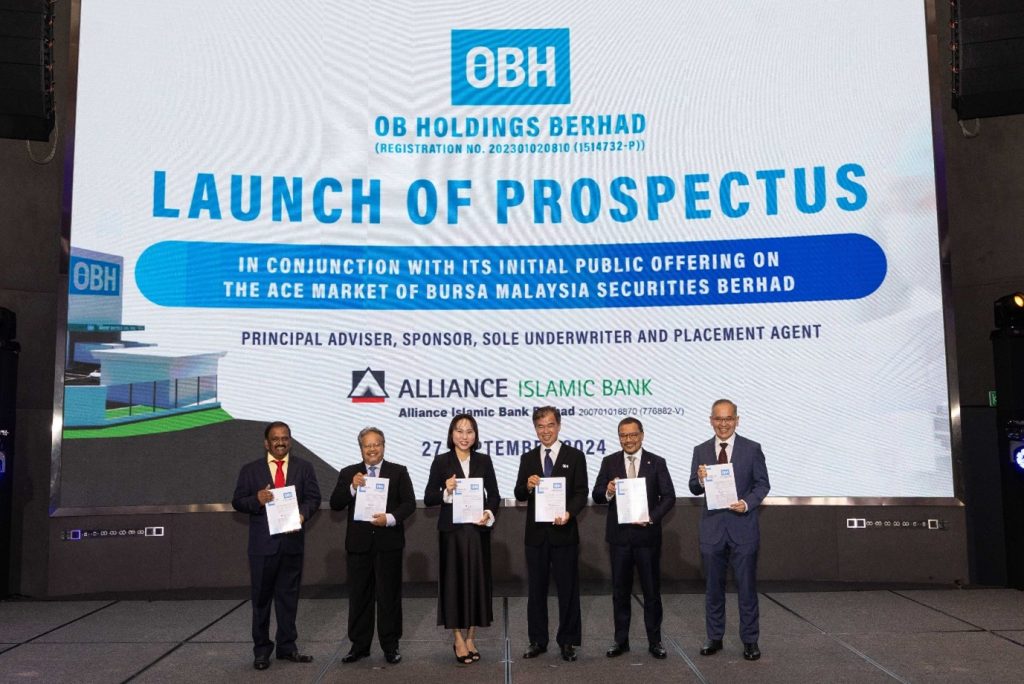
KUALA LUMPUR: OB Holdings Berhad (“OB Holdings”) , a fortified food and beverages (“F&B”) and dietary supplements manufacturing services provider, has successfully launched its prospectus today in conjunction with its upcoming initial public offering (“IPO”) and listing on the ACE Market of Bursa Malaysia Securities Berhad (“Bursa Securities”). OB Holdings and its subsidiaries (collectively known as the “OB Holdings Group” or “Group”) provides fully customisable, end-to-end manufacturing services of fortified F&B and dietary supplements to third party brand owners. Supported by in-house capabilities in development of product formulations, the Group manufactures products in a variety of forms comprising vegetable softgel capsules, hard capsules, tablets (including effervescent tablets), teabags, liquid beverages, powder mixes and jelly. In addition, the Group manufactures, sells, and markets products under its own house brands Bonlife, GoHerb, Zen Night, Sleepin’ Beaute, EZ:Nitez, Beyoute, Zen Youte, and Zenliv.   Managing Director of OB Holdings, Mr. Teoh Eng Sia said, “The successful launch of our prospectus marks a significant milestone in our journey towards listing on the ACE Market of Bursa Securities. The upcoming listing will provide us with an enhanced platform to raise capital and accelerate our growth plans, enabling us to expand our operations and strengthen our market presence.”   “Our upcoming IPO comes at an opportune time, coinciding with a growing demand for fortified F&B and dietary supplements. This heightened interest is fuelled by growing health awareness stemming from rising rates of chronic diseases, coupled with the increase in disposable income of the Malaysian, urbanisation, and the expanding ageing population. Moreover, the prevalence of social media marketing and the growing popularity of e-commerce platforms position us to reach a broader customer base and enhance our market presence.”   “To capitalise on the growing demand fortified F&B and dietary supplements, we plan to improve our manufacturing efficiency by constructing a new Serendah Factory. This move will enable us to optimise our manufacturing workflow and position us to cater to the increasing demand for our products and services. In addition to the new factory, we will purchase new machines and establish a new laboratory to expand production, introduce new products, and enhance our research capabilities. We will also conduct a clinical trial for Bonlife SachaQ10 Plus Softgel to enhance consumers’ confidence by providing third party verification of our product’s efficacy and strengthen our brand reputation as a provider of scientifically-driven nutrition.”   From the RM28.8 million to be raised through the IPO, a majority will be allocated to fund the Group’s expansion plans. Specifically, RM14.90 million (51.74%) will be used to repay bank borrowings incurred from the construction of the new Serendah Factory. RM5.00 million (17.36%) is earmarked for the purchase of new machines, while RM0.90 million (3.12%) will be used to set up a new laboratory in the new Serendah Factory and undertake the clinical trial for the Bonlife SachaQ10 Plus Softgel.   The remaining funds will be utilised for general operational purposes, including RM1.00 million (3.47%) for marketing and advertisement activities, RM3.00 million (10.42%) for working capital, and RM4.00 (13.89%) million to cover IPO-related expenses.   For the financial year ended 31 May 2024, the Group reported a profit after tax (“net profit”) of RM5.50 million against a revenue of RM50.89 million. After adjusting for listing expenses and an under accrual of real property gains tax related to a property disposed in the prior year, the Group’s adjusted net profit amounted to RM6.25 million.    The Group’s IPO exercise comprises of a public issuance of 120.00 million new ordinary shares in OB Holdings (“Shares”), representing 30.64% of its enlarged issued share capital. Of which, 19.58 million will be made available for application by the Malaysian Public via balloting, 7.83 million Shares to its eligible Directors, employees and persons who have contributed to the success of the Group (“Pink Form Allocation”), 43.63 million Shares to selected investors via private placement, and the remaining 48.95 million Shares will be allocated by way of private placement to identified Bumiputera investors approved by the Ministry of Investment, Trade and Industry of Malaysia.   With an enlarged issued share capital of 391.62 million Shares and an IPO price of 24 sen per Share, OB Holdings will have a market capitalisation of RM93.99 million upon listing.   Following the prospectus launch, applications for the public issue are open from today and will be closed on 15 October 2024 at 5.00pm. OB Holdings is scheduled to be listed on the ACE Market of Bursa Securities on 29 October 2024.   Alliance Islamic Bank is the Principal Adviser, Sponsor, Sole Underwriter and Placement Agent for the IPO exercise.

The Executives

Understanding Sick Building Syndrome (SBS) with PlanRadar

Sick Building Syndrome (SBS) is a growing concern in various types of buildings worldwide, significantly affecting occupant health, productivity, and even property values. In an exclusive interview with The Exchange Asia, Vitaly Berezka and Avtandil Mekudishvili, Regional Spokespeople for PlanRadar, delved into the pressing issue of SBS, highlighting its prevalence and the challenges it poses to building occupants, businesses, and property owners alike. According to Berezka, the symptoms of SBS—ranging from headaches and respiratory issues to fatigue and emotional distress—are widespread. “We are seeing that Sick Building Syndrome (SBS) symptoms, such as headaches, respiratory issues, fatigue, and emotional distress, are affecting 57% of occupants in office buildings, 31% in university laboratories, and 23-41% in university administrative buildings globally,” Berezka shared. He further explained that the issue is particularly pronounced in newly constructed or renovated buildings due to off-gassing from new materials, combined with poor ventilation systems. “Up to 60% of workers in newly built or recently renovated buildings are impacted by SBS,” he noted, pointing out that indoor air pollution from new materials, coupled with inadequate ventilation, can make these environments particularly unhealthy.   Key Indicators of SBS Mekudishvili emphasised the importance of monitoring indoor air quality as a key diagnostic tool for SBS. “One of the primary indicators that building occupants or owners should watch for is ventilation efficiency,” he stated. “Poor air circulation or malfunctioning HVAC systems can cause a buildup of pollutants like carbon dioxide and volatile organic compounds (VOCs), which contribute to health problems.” Common symptoms include headaches, fatigue, and respiratory issues, which often signal that the building’s air quality is compromised. To address these issues, Mekudishvili highlighted the importance of regular maintenance.“Ensuring that HVAC systems are functioning correctly, with proper filtration and ventilation, is essential to maintaining healthy indoor air quality,” he added. “Proactively checking for excess humidity and mold growth can also help identify and resolve SBS-related issues before they escalate.” The Economic Impact of SBS The consequences of SBS extend well beyond individual health concerns. As Berezka explained, businesses operating in SBS-affected buildings can face significant economic repercussions. “SBS can lead to reduced focus and concentration among employees, increased absenteeism, and higher turnover rates,” he said. “These factors not only affect employee well-being but also contribute to a decline in overall productivity.” Health complaints such as respiratory problems, headaches, and fatigue can lead to dissatisfaction in the workplace, further exacerbating turnover and absenteeism. In addition to productivity losses, the financial toll of SBS on businesses can be severe. Mekudishvili warned of the long-term costs. “When SBS is left unaddressed, healthcare costs can skyrocket due to frequent doctor visits, sick days, and long-term health issues among employees,” he said. “There’s also a reliance on short-term disability claims, which can put an additional strain on company health plans and worker compensation schemes.” Moreover, SBS can have a direct impact on property value. “Buildings with poor indoor air quality or SBS-related issues can become less attractive to potential tenants or buyers,” Mekudishvili cautioned. “As businesses move out to seek healthier environments, property owners face increased vacancies and potential loss of rental income, leading to devaluation. The costs of reactive repairs or retrofitting can also add significant financial strain.” Preventative Strategies for SBS To combat the pervasive effects of SBS, Berezka stressed the importance of proactive measures in building design and maintenance. “The most effective preventative strategies include choosing low-emission, non-toxic building materials and furnishings,” Berezka advised. “By selecting products that release fewer VOCs, such as eco-friendly paints, carpets, and office furniture, building managers can greatly reduce indoor air pollution.” In regions with high humidity, moisture management is also critical. “Proactively addressing leaks, ensuring proper drainage, and maintaining optimal humidity levels can prevent mold growth, which is a major contributor to SBS,” Berezka continued. “Installing moisture barriers, sealing windows, and regularly inspecting roofing systems are all essential steps in maintaining a healthy indoor environment.” Leveraging Technology for Healthier Buildings Mekudishvili further elaborated on the role of digital solutions in preventing SBS. “Platforms like PlanRadar can provide real-time monitoring of key factors such as air quality, ventilation, and moisture levels,” he explained. “These tools enable building managers to be proactive in their maintenance, preventing major repairs by catching issues early, and ensuring that defects are addressed quickly.” The advantages of digital platforms extend to the identification of recurring problems. “PlanRadar allows facility managers to track patterns and trends, which supports more effective long-term planning,” Mekudishvili added. “By streamlining communication between teams and stakeholders, these tools improve collaboration and make it easier to maintain a healthy building.” Future Trends in Building Technology Looking ahead, both Berezka and Mekudishvili see exciting potential in emerging technologies that could further mitigate SBS. “We are witnessing advancements in smart air quality systems, advanced HVAC filtration technologies, and AI-driven building management systems,” said Mekudishvili. “These innovations will allow for predictive maintenance, ensuring that potential SBS-related issues are addressed before they affect occupants.” Berezka pointed to the future of building materials as a critical area of development. “We’re seeing the emergence of smart materials that can adjust to environmental conditions and detect pollutants,” he said. “There’s also growing interest in biophilic design, which integrates natural elements into buildings to promote healthier indoor environments.” Sick Building Syndrome is a multifaceted issue that requires a comprehensive approach to mitigate its effects on health, productivity, and property value. As Berezka and Mekudishvili explained, a combination of proactive building design, regular maintenance, and cutting-edge digital tools is essential in combating SBS. By prioritizing indoor air quality and embracing technological solutions, businesses and property managers can create healthier, more productive spaces that benefit both occupants and the bottom line.

Events

The 3rd Global Digital Trade Expo kicks off in Hangzhou

Hangzhou: The third Global Digital Trade Expo (GDTE) unveiled its curtain in Hangzhou, capital of Zhejiang province, on September 25, providing significant opportunities for bolstering the growth of digital trade and injecting strong impetus into the high-quality development of the digital economy. With “Digital Trade, Global Access” as its permanent theme, the 5-day expo strives to establish a global digital trade ecosystem, explore global cooperation, promote global digital trade, and share achievements. Kazakhstan and Thailand are this year’s guest countries of honor. Leading companies from 32 countries and regions participate in the event. International exhibitors account for over 20 percent of both the total number of exhibitors and the total exhibition area. A total of over 6,000 international friends from over 100 countries attend the expo. This year’s GDTE features one comprehensive exhibition area and eight specialized digital industry areas, including Silk Road E-Commerce, Data and Finance, and Artificial Intelligence.In the comprehensive exhibition pavilion, the globally popular game Black Myth: Wukong will collaborate with leading hardware manufacturers to once again bring its legendary story to life.In the AI pavilion, more than 50 intelligent robots will compete side by side.Nearly a quarter of the 400 new products and technologies showcased come from abroad, a significantly higher proportion than last year. In addition, the GDTE will host international industry matchmaking activities like the Silk Road E-commerce Day and African Digital Trade Day to share opportunities and discuss the future of digital trade development with the world. The expo will employ technologies like digital humans and naked-eye 3D to enhance on-site interaction. For the first time, it will host a Debating Championship via Digital Human and an AI Composition Contest to demonstrate application scenarios of cutting-edge digital trade technologies. A series of achievements including the Report on Global Digital Trade Development, the Report on China’s Development of Digital Trade, the Report on China’s Digital Commerce Development and the Silk Road E-Commerce Development Report, will be released during the event to showcase China’s achievements and future prospects on digital commerce. Hosted by the People’s Government of Zhejiang Province and China’s Ministry of Commerce, the GDTE is China’s only national-level international professional exhibition with the theme of digital trade. It acts as an important window that comprehensively displays new technologies, products and ecology of global digital trade, an exchange platform for discussing new standards, issues, and trends of international digital trade, and an open platform for jointly building and sharing new markets, new opportunities, and new development of economic and trade cooperation in the new era.

Media OutReach

“Fashion Meets Future: Designing Tomorrow, Defining Today” FabriX Digital Fashion Roadshow Returns to Paris Fashion Week 2024

Supported by the Fédération de la Haute Couture et de la Mode (FHCM) again and premiering the enhanced AR try-on kiosk 2.0.1 Collaborating with cross-disciplinary tech trailblazers, Avery Dennison, Genesis-One and ZERO10, to unleash the synergy of digital fashion Featuring digital fashion creations from all together 6, Hong Kong and international designers from 25 Sep to 1 Oct HONG KONG SAR – Media OutReach Newswire – 27 September 2024 – Originating in Hong Kong and resonating worldwide, FabriX’s influence has gracefully crossed borders. After its successful international debut at London and Paris Fashion Weeks in 2023, FabriX Digital Fashion Roadshow returns to the global fashion epicenter, Paris, once again this year. Established in 2022 by PMQ with the support of the Cultural and Creative Industries Development Agency (CCIDA, formerly CreateHK), FabriX was conceptualised as a platform for Hong Kong’s visionary fashion designers to unveil their digital fashion creations on virtual runways around the globe. Since then, FabriX has evolved into a global platform, marking our presence at two of Europe’s most prestigious fashion weeks in 2023. The mission is clear: to emerge as the definitive Digital Fashion Hub and Curated Marketplace, where innovative artistry meets commercial potential. FabriX is committed to weaving a future where digital fashion is a seamless part of everyday life by foresting connections and collaboration with global digital fashion communities, industry associations, fashion houses, tech innovators, key influencers and the media. This year, FabriX supported by Fédération de la Haute Couture et de la Mode (FHCM) once again to present the Digital Fashion Roadshow at Paris Fashion Week 2024, from 25 September till 1 October 2024 at the Palais de Tokyo. Join us and experience FabriX’s unique phygital fashion curation and stay connected with FabriX on social media for exclusive updates and content. FabriX is curated by a team of experienced creative drivers lead by Shin Wong, FabriX Project Director along with Designer’s Curator, Declan Chan, exploring the best tech partner in the world, with the unlimited support by William To, Executive Director of PMQ, bringing a new dimension to the virtual fashion experience. Enhanced AR try-on kiosk 2.0.1 premiers in Paris At the heart of the FabriX Digital Fashion Roadshow at Paris Fashion Week 2024 is the FabriX AR Try-on Kiosk, where visitors can effortlessly try on, capture selfies and pre-order digital fashion pieces – including exclusive made-for-Roblox avatar outfits. Premiering in Paris, the enhanced Kiosk 2.0.1 comes with improved features from new technology collaborators. AR enabled mirror and photobooth hybrid allows users to digitally try-on items, collect their digital outfit photos and directly acquire their favourite digital fashion items on online platform. With a truly immersive “See Now – Try Now – Buy Now” shopping experience, fashion retail is redefined through digital pixels. Prepare to be captivated by this immersive phygital fashion retail experience, showcasing the breathtaking ideation from Hong Kong to the world. Collaborating with tech trailblazers to reshape digital fashion FabriX is collaborating with some of the most innovative tech trailblazers, each striving to push boundaries and offer ground-breaking tools and solutions, and together we aim at creating exponential synergy which allows digital fashion to go further and beyond. (In alphabetical order) Avery Dennison, Embelex Avery Dennison is a global leader in materials science and digital identification solutions that provides a wide range of branding and information solutions that optimise labour and supply chain efficiency, reduce waste, advance sustainability, circularity and transparency, and better connect brands and consumers. Avery Dennison’s @Embelex product portfolio includes apparel branding labels and tags digitally enabled with NFC or RFID technologies, as well as software applications that bridge the physical and digital to enhance consumer experience. As part of the FabriX Digital Fashion Roadshow 2024, Avery Dennison has provided NFC-enabled digital woven badges for the featured designers. These custom-designed badges can be triggered using NFC-enabled smartphones to connect to specialised digital content and information, offering new opportunities for engagement with buyers, guests and the media at Paris Fashion Week 2024. Genesis-One Genesis-One by Virtual Touch is transforming the fashion industry with its innovative virtual stores, online-to-offline selling platform and digitalisation services. By offering a comprehensive digital ecosystem, Genesis-One empowers fashion creators to establish their brands without the high upfront costs and complexities of production, logistics and inventory management. With advanced 3D and AI-enabled design tools, an integrated marketplace and a pre-order system, creators can easily design, produce and launch products directly to the market. This fully-automated, on-demand model delivers efficiency and sustainability – allowing creators to focus on design, marketing and crafting unique customer experiences for their brands. Exclusively for the FabriX Digital Fashion Roadshow 2024, physical versions of selected digital fashion pieces and FabriX merchandise are now available for online purchase https://www.genesis-one.co/fabrixworld/creation, thanks to Genesis-One’s powerful digital tools enabling a simplified, streamlined experience from design to the shelf. ZERO10 ZERO10 is a pioneering tech company focusing on advanced augmented reality (AR) and artificial intelligence (AI) try-on solutions that bring interactivity, engagement and innovation to fashion, entertainment, sports and retail sectors. Their proprietary AR Mirror software transforms digital screens into powerful business tools, offering virtual try-on capabilities that enhance consumer engagement, collect valuable customer data and improve in-store sales conversion. With the technological support by ZERO10, the designers’ physical creations can now turn into virtual outfits. DREESX Leveraging their experience and tech know-how, DRESSX once again, transformed the new FabriX Digital Fashion Roadshow 2024 designer’s roster and their designs into a collection of Roblox avatar outfits, allowing users to rock their favourite digital fashion pieces in-game. 6 international designers showcasing their signature designs This year, FabriX Digital Fashion Roadshow brings together remarkable creations by 6 international designers: PONDER.ER, Wilsonkaki hailing from Hong Kong; and Bianca Saunders, Charles de Vilmorin, Florentina Leitner and Paolina Russofrom. (In alphabetical order) Bianca Saunders Bianca Saunders brand gained international acclaim, debuting at London Fashion Week and later at Paris Fashion Week in January 2022. The brand continues to produce two collections annually and participates in various collaborations. Known for innovative silhouettes

ESG

Vingroup In the Making of Building a Green Future with its Ecosystem

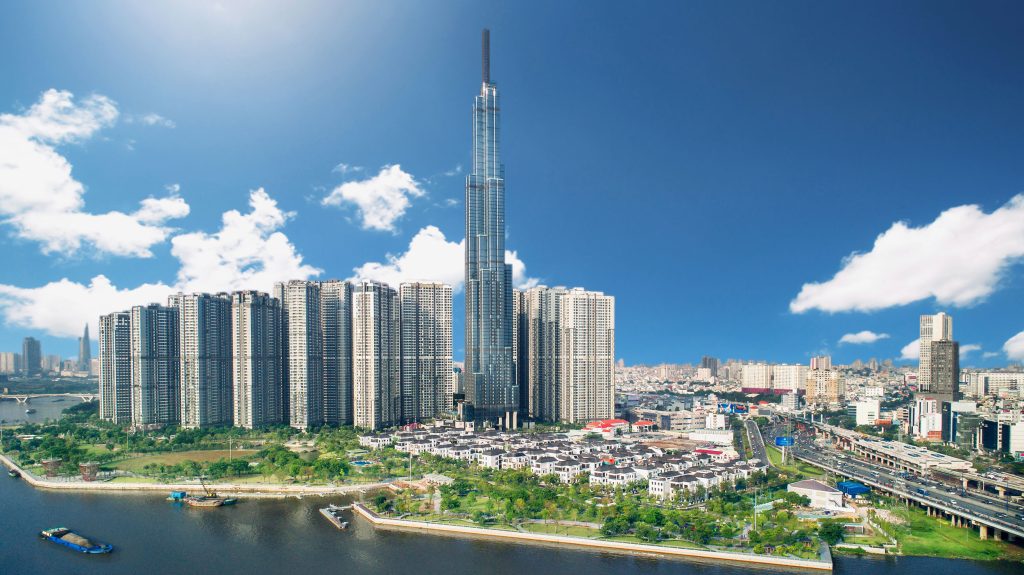
HANOI:  The role of big corporations in the shift to a sustainable future is a topic widely discussed by many. Vingroup is demonstrating how large corporations can play a pivotal role in creating a sustainable future. “Whatever benefits society and many people, and we have the capacity to do it, we will make it happen.”, said Pham Nhat Vuong, Chairman of Vingroup. As the biggest private conglomerate in Vietnam, Vingroup announces its commitment to a sustainable future, with the help of technology. At the heart of Vingroup’s green transition is its “Creating a Green Future” principle, which positions the conglomerate as a leader in sustainable innovation across multiple sectors. This project has received notable recognition, including the prestigious AIBP 2023 ASEAN Tech for ESG Award. This accolade, which is awarded to organizations that leverage technology to advance environmental, social, and governance (ESG) goals, underscores Vingroup’s leading role in fostering sustainability throughout Southeast Asia. A Green Ecosystem Fueled by Technology In the quest to embed sustainability into its business model, Vingroup has leveraged the power of technologies. Through the use of artificial intelligence (AI), the Internet of Things (IoT), and robotics, Vingroup is addressing environmental challenges across its industries. In real estate—one of Vingroup’s core strengths—it has set a new benchmark for sustainable urban development in Vietnam. One of its flagship projects, TechnoPark Tower, achieved LEED Platinum certification, the highest level of recognition for green buildings. The TechnoPark Tower is equipped with a smart lighting and air-conditioning system, integrating nearly 3,000 sensors that allow automatic adjustments, resulting in significant energy savings of up to 17.4% annually compared to typical levels. Vingroup’s urban ecosystems are designed not only to provide luxurious living spaces but also to promote a healthier lifestyle. With its extensive urban green spaces, the Vinhomes developments offer residents an ideal blend of modernity and sustainability. The company’s approach to “green urbanization” includes planting thousands of trees and promoting the use of renewable energy sources. In 2023 alone, Vingroup planted over 30,000 trees in a program organized by the For Green Future Foundation. A Commitment to Global Sustainability Standards When the world is moving in the direction of electric vehicles, Vingroup’s leadership perhaps knew they couldn’t wait on the sidelines. The shift of VinFast, Vingroup’s carmaking arm, from producing internal combustion engine vehicles to smart electric cars is a bold step toward decarbonizing the transportation sector in Vietnam. According to Vingroup’s annual ESG report, such efforts by Vingroup helped reduce approximately 500,000 tons of CO2 emissions in 2023. Moreover, Vingroup’s green initiatives go beyond the environment to encompass social responsibility. Through its VinHomes subsidiary, Vingroup has promoted the adoption of electric vehicles by offering significant incentives to residents of its smart urban developments. This strategy has led residents to increasingly opt for electric cars and motorcycles, further contributing to the reduction of urban air pollution. Vinpearl, another gem in Vingroup’s ecosystem, is also doing its part in the hospitality industry. In December 2020, Vinpearl became the only hospitality and entertainment brand in Vietnam to receive the 2019 Vietnam Environment Award from the Ministry of Natural Resources and Environment. As the leading hospitality brand in Vietnam, Vinpearl has made “greening the tourism industry” a priority, alongside its business growth targets. Currently, Vinpearl’s 45 establishments, located across 17 cities and provinces in Vietnam, are built with rainwater reservoirs for irrigation and closed-loop wastewater treatment systems that meet international standards. These features have led visitors and the community to acknowledge Vinpearl’s destinations as true “green paradises.” Since July 2019, Vinpearl has implemented the Go Green project, aimed at eliminating plastic products at its business facilities and replacing them with environmentally friendly alternatives, such as paper, grass straws and cloth bags. All Vinpearl resorts and city hotels continue to replace old plastic items with similarly functional products made from biodegradable materials like sugarcane, bamboo, wood, fabric, and other eco-friendly substances. Remarkably, Vinpearl has reduced up to 1.4 tons of plastic waste per month at its peak. Looking Ahead As Vingroup moves forward, its vision for a sustainable future remains clear: to lead the charge in transforming industries through innovation and responsibility. With its ambitious goal of achieving net-zero emissions by 2050, Vingroup is well-positioned to shape the future of Southeast Asia’s green economy. The group’s ongoing investments in renewable energy, electric transportation, and sustainable urban development will undoubtedly continue to set new standards for what is possible in the realm of corporate sustainability.

Scroll to Top

Subscribe
FREE Newsletter