Author name: admin

News

President Jokowi Pushes Job Expansion to Prepare for Demographic Bonus

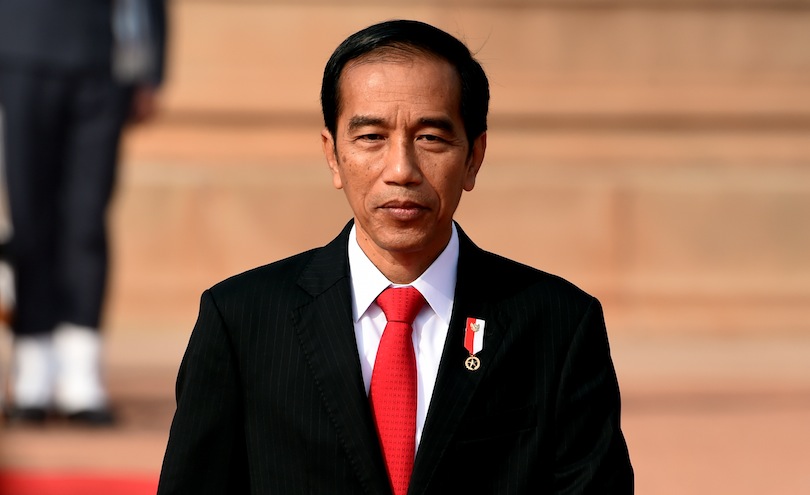
JAKARTA: President Joko Widodo (Jokowi) has emphasized that Indonesia’s demographic bonus, which is predicted to peak in the 2030s, must be accompanied by an expansion in job opportunities. “We should be focusing on the job market. In the future, there will be too few jobs for too many people. We should avoid this phenomenon,” he stressed at the opening of the Congress of the Association of Indonesian Economic Graduates in Surakarta, Central Java, on Thursday. In this sense, the demographic bonus could be both a strength and a burden, he said. “This is the biggest challenge for us to become a developed country. This demographic bonus requires many job opportunities. In fact, to open up jobs, we are facing tough challenges, as experienced by other countries as well,” he explained. According to Jokowi, the first challenge is the global economic slowdown. “In 2023, the global economy only grew 2.7 percent, and is estimated to grow 2.6 percent this year. This is far from our expectation,” he noted. However, he said he is grateful that Indonesia’s economic growth is estimated to reach 5.1 percent in 2024. “Being able to grow at approximately 5.1 (percent) is quite an achievement,” he added. The second challenge is improving automation systems in work sectors. “From mechanical automation, now we have artificial intelligence (AI) and analytical automation. In 2025, there will be 85 million jobs lost. We are required to open up employment opportunities because of the increase in automation in various sectors,” he pointed out. He said that the third challenge is related to the gig economy. “We should be careful with the gig economy. If not managed properly, this will become a trend of companies preferring independent workers or short-term contracts to reduce the risk of global uncertainty. The trend is heading there,” he cautioned.–ANTARA

Uncategorized

Wisdom’s FCEV solution at IAA: A Milestone Powering Tomorrow with Hydrogen

HONG KONG SAR:  Prepare to witness groundbreaking innovations by Wisdom Hydrogen Transportation Solutions! Features modular designs, lightweight construction, and seamless integration of superior fuel cell technologies and solutions that significantly boost energy efficiency, improve vehicle dynamics, and enhance driving safety and comfort for operators, all while reducing the Total Cost of Operation (TCO) for Wisdom users. Wisdom stands as your committed partner in a new era of intelligent transportation! Wisdom is changing the approach to humanising and designing vehicles, employing a more comprehensive strategy for vehicle dynamics. Iconic features of the Wisdom HyWiSure integrated FCEVs platform include: The driver’s cab has an ECE-approved unwinding feature to promote safer driving practices. Hydrogen systems with multiple leak detectors, prevention devices, and an ECE-approved emptying mechanism. Blind Spot Coverage with 360° Camera Systems to bolster safety measures. Wisdom Intelligent controller contributes to an enhanced driving experience, with the maximum speed restricted to 100 kilometers per hour. Intelligent driver assistance and Advanced Emergency Braking System (AEBS) that ensure security, healthy and timely updates during travel. All Wisdom vehicles are constructed from self-reinforced, lightweight composite materials, guaranteeing a 20-year lifespan with superior strength, durability, and design flexibility. These materials not only enhance safety but also improve vehicle dynamics. A notable feature is the latest generation of integrated “multi-in-one” electric drive systems, including the Vehicle Control Unit (VCU 2.0), which significantly boosts overall performance. VCU 2.0 features six CAN communication channels with enhanced data rates through CAN FD, effectively doubling the data processing capacity, boosting data storage capacity by 50%, and improving data acquisition accuracy by 25%. The hydrogen vehicle industry is currently undergoing a phase of sustained exploration involving multiple stakeholders. Wisdom believes at this pivotal demonstration stage, the primary objective is to efficiently identify large-scale application scenarios, expand the scope of demonstrations, and devise sustainable business models for industrial development.

Uncategorized

Beijing E-Town Shines at Cultural Tourism Exhibition with Cutting-Edge Technology

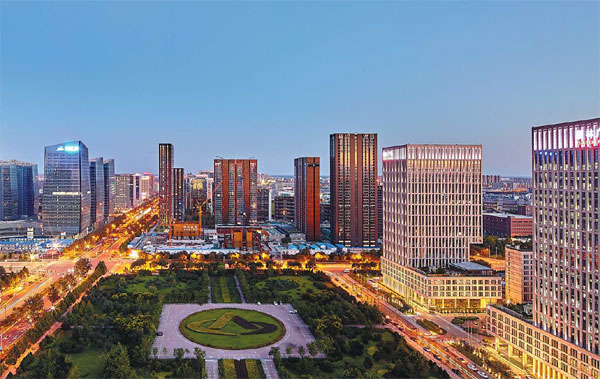
BEIJING:  At the recent 2024 China International Fair for Trade in Services, the “Cultural Tourism Services” exhibition booth of the Beijing Economic-Technological Development Area (also known as Beijing E-Town) in Hall 9 of the Shougang Park captured attention with its strong “tech vibe.” Covering approximately 136 square meters, the booth was divided into three sections: “Technology Leading Industrial Innovation,” “Technology Creating a Better Life,” and “Technology Empowering Livable Ecology.” With a clever use of an “island-style design” paired with “large screens,” the booth created a panoramic and immersive viewing experience for visitors, showcasing future industry highlights, new industrial-tech cultural tourism plans, and key points of human and ecological landscapes of Beijing E-Town. A representative from the Beijing Economic-Technological Development Area stated that as the primary platform of the Beijing International Science and Technology Innovation Center’s “Three Cities and One Zone” and a pioneer in the high-quality development of the capital, the BDA has always maintained synergy between industrial development and cultural prosperity. By fostering mutual empowerment between technological innovation and cultural growth, the area is dedicated to creating a “Capital Innovation Culture Leading Zone.” It actively promotes the deep integration of technology, culture, and tourism, striving to build a demonstration area for industrial and technological tourism. Upon entering the exhibition, visitors were greeted by nearly ten star products from Beijing E-Town, including the EX Robot, Peking Opera Robot, unmanned vending vehicles, AR subtitle glasses, “AI + Education” robots, and drones. The exhibit was further enhanced by a stunning ultra-clear LED screen that spanned the booth. A “digital Liangshui River” flowed beneath visitors’ feet, dynamically displaying shimmering water with clearly visible deer and waterfowl along the banks, creating a fully immersive and tech-filled experience. “It’s both impressive and surprising. I’ve been to Beijing E-Town several times before, but this is my first time ‘walking through’ it in such a way. It truly feels as innovative, tech-savvy, stylish, and livable as it’s being presented,” said Mr. Song, a local resident. The exhibition also launched various activities, such as the release of the “Beijing E-Town Industrial Tourism Routes” and a guide to popular social media check-in spots, all displayed on electronic screens for easy access by visitors. The tourism route release, themed “A Tech Journey in E-Town,” introduced and recommended routes like “Cutting-Edge Innovation in E-Town,” “Science & Tech Education in E-Town,” “Unmanned Technology in E-Town,” “Learning History Through Action in E-Town,” and “Lohas Leisure in E-Town.” These routes include stops such as the COFCO Coca-Cola (Beijing) Museum, Capital Dairy Science Museum, Xiaomi Auto Super Factory, and the National Intelligent Connected Vehicle Innovation Center. According to the BDA representative, the industrial tourism routes are part of the “City of Science Museums” initiative, which has already attracted over 100 corporate pavilions, experience centers, and science, technology, and cultural museums to join. This year, the initiative will continue to promote the “Beijing E-Town City of Science Museums” series of activities, providing multi-level, multi-disciplinary, and diverse cultural innovation experiences that offer the public a hands-on encounter with technological innovation. In addition to showcasing where to explore in the Beijing Economic-Technological Development Area, the booth also introduced ways to visit popular spots. For example, the smart bird monitoring system at the Milu Deer Park was featured, unveiling the mysterious workings of the AI “Bird Inspector.” The Sky Castle Science Education Base also made its debut at the booth, offering visitors a detailed guide to enjoying their visit. Ms. Li, a resident, shared, “As a space enthusiast, I’ve always wanted to visit Sky Castle but have never had the chance. This encounter at the fair has not only given me more insight into the venue but also helped me plan my visit.” Furthermore, the exhibition showcased “E-Town Gifts,” cultural and creative products with E-Town elements, allowing visitors to take home a unique souvenir from the area. It was announced that the first-ever “E-Town Gifts” city cultural store has officially opened in Hall 3 of the Shougang Park Metaverse Pavilion during the fair. This permanent window offers high-quality gifts and cultural products, including E-Town-themed items, classic Chinese porcelain, colorful Beijing embroidery, Yanjing Eight Wonders, intangible cultural heritage crafts, fine arts, and sports-themed creations, all originating from Beijing and the BDA.

Upcoming Events

Tech Week Singapore 2024

Tech Week Singapore is the most important technology event for business in Asia. We offer diverse and unique content from global speakers and exhibitors showcasing cutting-edge technologies. Business leaders and visionaries across all technology verticals come together and attend Tech Week Singapore to learn, network and shape their organisation’s future. Tech Week Singapore returns on 9-10th October 2024, presenting 7 incredible events, including Cloud Expo Asia, DevOps Live, Cyber Security World Asia, Big Data & AI World Asia, Data Centre World Asia, eCommerce Expo Asia and Technology for Marketing Asia. Address : Marina Bay Sands (Singapore) Date : 2024-10-09 09:00 – 2024-10-10 18:00 Website : https://www.singaporetechnologyweek.com/

Uncategorized

PUC appoints Wayne Lim as group CCO

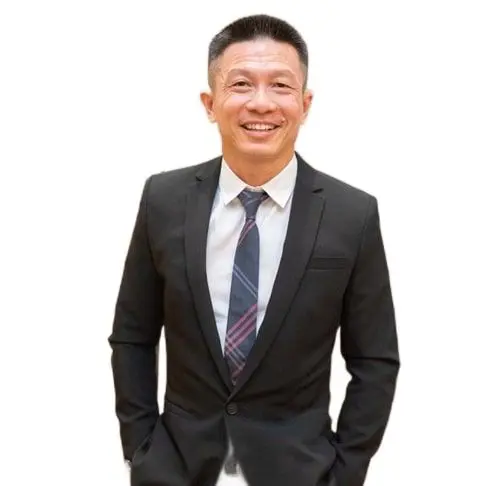
KUALA LUMPUR: PUC Bhd has appointed Wayne Lim Beng Chai as group chief commercial officer (GCCO), effective immediately. In a statement, PUC said Lim has nearly 30 years of extensive experience in the micro, small, and medium-sized enterprises (MSMEs) sector, along with a proven track record of driving growth and innovation in commercial roles. As the founder and former group chief executive officer of Malaysia SME Media Group, Lim has been a dedicated advocate for MSMEs, working to ensure their recognition and equal opportunities within the broader business landscape. PUC said his deep understanding of business trends and challenges in the MSME community, coupled with his entrepreneurial spirit, positions him as the ideal leader to drive PUC’s commercial strategies forward. “His extensive experience in the MSME sector and his passion for innovation will be instrumental in executing our growth strategy. We are confident that his leadership will further enhance PUC’s commercial capabilities, especially through the expansion of Redhot Media Sdn Bhd, and help us achieve our ambitious goals,” group managing director and chief executive officer Cheong Chia Chou said.–THE STAR

News

Sundip Chahal, joins Milieu Insight as new CEO to drive global expansion; Gerald Ang to spearhead innovation

SINGAPORE: Milieu Insight, an award-winning market research and data analytics platform company, has named Sundip Chahal as its new Chief Executive Officer (CEO). He joins Milieu Insight following a remarkable 18-year tenure at research company YouGov, where he rose to the position of Group Chief Operating Officer and oversaw the company’s growth. Drawing on his extensive network and experience, Chahal will continue to strengthen Milieu Insight’s position in Southeast Asia (SEA) while spearheading Milieu Insight’s growth into new global markets, starting with the US and UK. Speaking on his appointment, Chahal takes on his new role with excitement and determination, “The opportunity to lead Milieu Insight at this juncture is thrilling and humbling,” he reflects. “We’re not just looking to grow; we’re going to change how businesses understand and connect with consumers globally. Southeast Asia has been a key driver of Milieu Insight’s success, and I look forward to furthering that momentum as we push into new markets.” With a commanding presence across Southeast Asia, Milieu Insight’s clientele spans various sectors, including consumer brands, media agencies and government organisations. Its advanced end-to-end survey and data analytics platform, Canvas, offers intuitive tools for survey design, survey distribution, data analysis, visualisation, and reporting, delivering actionable business insights across an expansive spectrum of topics. Canvas gives clients the opportunity to move to one integrated system and even own the entire research process if they wish, streamlining operations and enhancing control over data collection and analysis. Since 2016, over 100 million surveys have been completed on Milieu Insight’s platform. Leading companies like Hubspot, Dentsu, Yahoo, CNBC, Logitech and One Championship, as well as social and non-profit organisations, have utilised Milieu Insight’s survey and data analytics software to gain consumer insights and drive strategic decision-making. Milieu Insight Founder, Gerald Ang, to lead product innovation Gerald Ang, the founder of Milieu Insight, sees Chahal’s appointment as a fantastic opportunity to accelerate the company’s global ambitions, freeing him to focus on innovation and business strategy, alongside the new CEO. “With Sundip on board, we’re entering a new phase of growth,” Ang states. “Southeast Asia is an important and exciting region for us, and we look forward to strengthening our partnerships here with his invaluable experience and network.” Ang’s vision for the company remains focused on product development and skill enhancement. “We’ve built a great team and a powerful platform,” he says. “Now, with Sundip’s leadership, we can scale up rapidly while maintaining our commitment to innovation.” For his part, Chahal is eager to build on the solid foundation laid by Ang and the founding team. “My focus is on enabling the vision already in place,” he explains. “We’re taking what’s been articulated locally and expanding it globally. The potential here is enormous, and I’m excited to help realise it.”

News

Onshore yuan deposits falls to lowest in 11 years

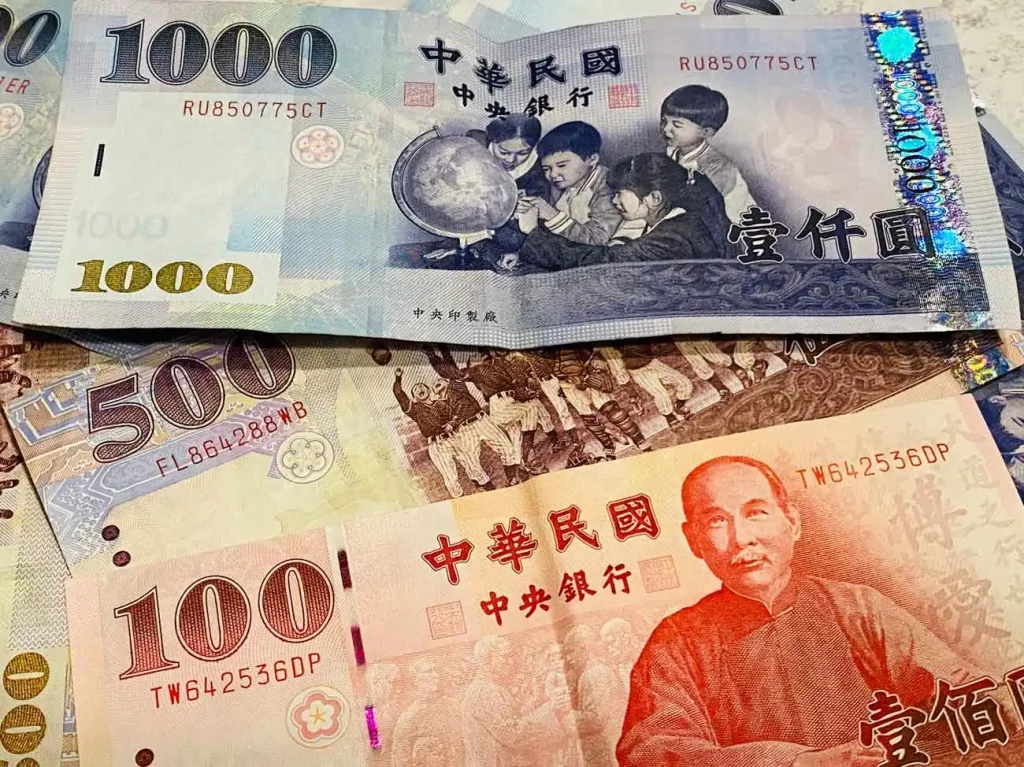
Onshore yuan-denominated deposits last month slid to 121.639 billion yuan (US$17.15 billion), down 5.09 percent from a month earlier and the lowest in nearly 11 years, data released by the central bank showed yesterday. The 5.09 percent monthly decline also marked the second-largest fall since Taiwan started allowing banks to take in yuan deposits in February 2013, the central bank data showed. The monthly decrease of 6.527 billion yuan from 128.166 billion yuan in July came as investors and corporates continued to lose interest in the Chinese currency amid growing worries about a slowdown in the world’s second-largest economy, the central bank said. Onshore yuan deposits include those at local banks’ domestic banking units (DBUs) and those at offshore banking units (OBUs) in Taiwan. Central bank data showed that yuan deposits last month fell to their lowest level since October 2013, with DBU deposits down 1.43 percent from the previous month to 91.942 billion yuan and OBU deposits declining 14.88 percent to 29.697 billion yuan. The central bank attributed the significant decrease in OBU deposits to firms in the electronics industry converting a large portion of their yuan-denominated deposits into US dollars for fund management purposes. Whether electronics firms were simply in shortage of US dollars or needed greenbacks for other purposes such as supply chain adjustments would require observation for a few more months to see if the situation continues, the central bank added. Based on information provided by the central bank, Bank SinoPac (永豐銀行) offers the highest interest rate in Taiwan for one-month yuan deposits at 3.05 percent, while Standard Chartered Bank provides the highest rate for three-month deposits at 2.2 percent. The highest interest rate for six-month and one-year yuan time deposits are 2.2 percent at Bank SinoPac and 2.1 percent at Sunny Bank (陽信銀行) respectively, the data showed.–TAIWAN TIMES

News

Tupperware Brands plans to file for bankruptcy, Bloomberg News reports

Tupperware Brands is preparing to file for bankruptcy as soon as this week, Bloomberg News reported on Monday, citing people with knowledge of the plans. The company’s shares were down 15.8% at 43 cents after the bell. They closed down 57%. Founded in 1946 by chemist Earl Tupper, the company’s popularity exploded in the 1950s as women of the post-war generation held “Tupperware parties” at their homes to sell food storage containers as they sought empowerment and independence. The COVID-19 pandemic provided a boost in sales from families who sheltered at home, cooked more and produced lots of leftovers. Sales have declined in recent quarters as the world re-opened. Tupperware is planning to enter court protection after it breached the terms of its debt and enlisted legal and financial advisers, Bloomberg News reported on Monday. The bankruptcy preparations follow protracted negotiations between Tupperware and its lenders over how to manage more than $700 million in debt, according to the report. Tupperware did not immediately respond to a Reuters request for comment. In March, the company warned it was not certain its business could continue as a going concern and faced a liquidity crunch. – Reuters

ESG

Singapore ranked first two years in a row as ASEAN leader in energy transition efforts, urged to establish robust carbon trading system, survey reveals

SINGAPORE: Singapore was ranked first by professionals in the energy sector for the second year in a row as leading in energy transition efforts in the ASEAN region. Conducted by the Sustainable Energy Association of Singapore (SEAS) with 250 individuals from the ASEAN energy sector, the annual ‘State of the Energy Transition in ASEAN’ survey saw close to 95% of respondents voting for the city state, with Malaysia ranking second and Thailand and Vietnam tied in the third spot. However, less than 20% of respondents rate Singapore’s efforts in the transition as ‘very satisfactory’ in terms of advancing towards its renewable energy targets. While a significant portion of respondents (45%) view Singapore’s progress as satisfactory, 32% believe more improvements are needed, indicating that while progress is recognised, there is still substantial room for improvement to meet the nation’s goals. In terms of enablers to the energy transition, government policies (89%) and economic incentives (59%) are seen as the main drivers, underlining recognition for Singapore’s efforts and the continuing critical role of policy and financial support. A new trend in growing demand for clean energy from large tech corporations (45%) is also a notable finding this year, alluding to the increased focus on AI and data centre investments. When it comes to challenges, respondents cite limited avenues to offset carbon (40%) indicating that a push towards greater options for verifiable carbon trading could be the answer to accelerating national decarbonisation.  Singapore as a Regional Carbon Trading Hub The survey also explored how companies have responded to Singapore’s 2024 carbon tax hike. Interestingly, about a third of respondents (36%) reported minimal impact to their companies, with only a small fraction (3%) purchasing more carbon credits. However, close to a quarter of respondents indicated that the tax hike has prompted them to reconsider their long-term sustainability strategies, reflecting a growing awareness of the need for proactive carbon management. Responding to Singapore’s ambitious goals to become a carbon trading hub, the majority of respondents (67%) believe that a carbon trading system would be effective in reducing emissions, reinforcing Singapore’s strategic push towards playing a central role in the regional carbon market. The ability to offer greater avenues for carbon offsetting (61%) and the potential economic benefits (58%) of carbon trading were highlighted as primary advantages, suggesting a strong belief in the practical and financial value of carbon trading mechanisms. There is a clear call for the establishment of comprehensive and reliable carbon accounting systems (69%) and the development of transparent regulatory frameworks (67%). This is seen as essential for fostering trust and ensuring the credibility of carbon credits within the market. While domestic infrastructure and regulatory frameworks are a priority, forming regional and international partnerships (58%) is also considered crucial for enhancing Singapore’s role in the global carbon market.   Challenges to Singapore’s Carbon Trading Ambitions Despite these opportunities, the survey also sheds light on several significant challenges that Singapore must address to fully realise its carbon trading ambitions in the region. A major obstacle identified is the lack of uniform regulations across ASEAN countries (86%), which complicates the implementation of a regional carbon trading system. Additionally, inconsistent enforcement and compliance mechanisms (61%) further hinder progress, emphasising the need for harmonised policies. Uncertainty about the credibility of carbon credits (50%) and a lack of awareness and understanding of carbon trading processes (40%) are cited as significant barriers to broader participation. This highlights the importance of enhancing market transparency and providing clear regulations on carbon compliance and trading to build confidence among potential participants. While Singapore’s carbon pricing and trading mechanisms are generally viewed as moderately effective (41%), only a small percentage (5%) of respondents consider them very effective. This suggests that while the framework is in place, there is a pressing need for refinement and continuous improvement to maximise its impact. To advance its position as a carbon trading hub, survey participants suggest that Singapore needs to focus on robust infrastructure for carbon trading transactions (58%) and enhancing market liquidity and accessibility in the carbon markets would increase participation (54%). Establishing competitive and attractive carbon pricing mechanisms (63%) is also vital for sustaining interest and participation in the carbon market, while addressing credibility issues surrounding carbon credits and increasing awareness through targeted education and transparent processes will be crucial for long-term success.   Edwin Khew, Chairman, SEAS, commented: “As Singapore continues to lead the region in its energy transition journey, the insights from our survey underscore the critical importance of robust carbon pricing and trading systems as a means to accelerate the Net Zero transition in Singapore. What’s more, the findings highlight the strategic role that Singapore can play as a carbon trading hub, not just in the region but globally, establishing benchmarks in carbon pricing, incentives and mechanisms. This will serve to encourage harmonised regulatory policies in the region, addressing the challenges and seizing opportunities that all ASEAN countries can benefit from. The inaugural Asia Carbon Summit at ACES 2024 is our contribution to the important carbon conversation, which we hope will spark innovation and action amongst both the public and private sectors.” ‘The State of the Energy Transition in ASEAN’ was conducted online in August 2024 and gathered insights from 250 industry professionals from the energy sector based in Southeast Asia. The Asia Clean Energy Summit (ACES), the flagship conference of the Sustainable Energy Association of Singapore, will return on October 22-24, 2024 at the Sands Expo and Convention Centre, Singapore, during the Singapore International Energy Week (SIEW), with an expanded focus on carbon markets through the inaugural Asia Carbon Summit. The summit will feature keynote speeches, panel discussions, and workshops with experts from around the globe. Topics will include the latest developments in carbon pricing, the integration of carbon markets in corporate strategies, discussions on decarbonising hard to abate sectors and innovative technologies for carbon capture utilisation and storage.

Scroll to Top

Subscribe
FREE Newsletter