Author name: admin

Investment & Market Trends

HE Group Reports 2QFY24 Profit Before Tax of RM5.6 Million

KUALA LUMPUR: HE Group Berhad, a leading electrical engineering service provider, has released its second quarter (“2QFY24”) and six months financial results for the fiscal year ending December 31, 2024 (“FY24”). This marks the fourth interim financial report in compliance with Bursa Malaysia Securities Berhad’s ACE Market Listing Requirements. There are no comparative figures for the previous corresponding quarter as no interim financial report was prepared. In 2QFY24, HE Group demonstrated robust financial performance with sustained profitability and margin expansion. Despite a decrease in revenue to RM48.9 million from RM64.8 million in the preceding quarter (“1QFY24”) due to reduced work deliveries in its core segment, the company achieved a profit before tax (“PBT”) of RM5.6 million, compared to an adjusted PBT of RM5.5 million in 1QFY24 (after adjusting for listing expenses of RM2.7 million). The PBT margin for 2QFY24 improved to 11.4%, up from the adjusted 8.4% in the previous quarter, driven by a favourable project mix. The Power Distribution System segment remained the primary revenue contributor, generating RM31.9 million or 65.2% of total revenue in 2QFY24, followed by the Electrical Equipment Hook-Up and Retrofitting segment contributing RM10.5 million, accounting for 21.5% of revenue. For the six months ended June 30, 2024 (“1HFY24”), HE Group reported a PBT of RM8.4 million with revenue totalling RM113.7 million, resulting in a PBT margin of 7.4%. Mr. Haw Chee Seng, Managing Director of HE Group, commented, “We are pleased to announce another strong financial performance in 2QFY24. Building on earlier momentum this year, we are confident in maintaining this trajectory for the remainder of the fiscal year. Encouragingly, we are observing increased market activity with a growing pipeline of potential projects.” The Malaysian economy continued its robust growth in the second quarter of 2024, expanding by 5.9%, driven by strong domestic demand bolstered by increased household spending and investment activity in sectors like manufacturing and services. Government initiatives such as the New Industrial Master Plan 2030, focusing on high-value industries like electrical and electronics, are expected to propel economic expansion further. Mr. Haw added, “We are confident in our ability to execute our strategic plans, leveraging proceeds from our listing and a strong order book. Our focus remains on seizing growth opportunities within the energy transition sector, supported by governmental initiatives. Despite challenges in navigating a dynamic business environment, we remain optimistic about our prospects, aligned with the nation’s green agenda.”

The Executives

CBRE Insights: Navigating the Future of the APAC Office Market

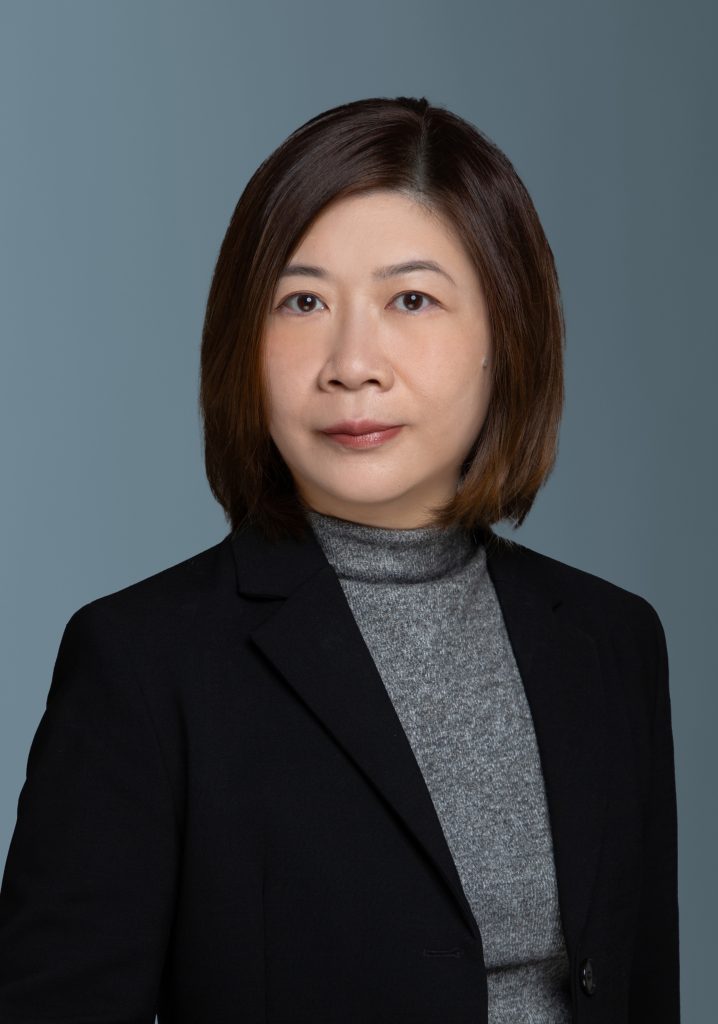
In an exclusive interview with The Exchange Asia, Ada Choi, Head of Research for Asia Pacific at CBRE, delves into the key trends influencing the region’s office market. From a rising “flight to quality” among occupiers to the growing demand for sustainable, green-certified buildings, Choi provides a comprehensive overview of how office spaces are evolving across the Asia Pacific. As the region navigates a landscape shaped by workplace transformation, ESG priorities, and technological advancements, landlords and occupiers alike are adapting to new expectations to remain competitive in core locations. Flight to Quality: A Key Trend In recent years, the Asia Pacific (APAC) office market has witnessed a strong “flight to quality” trend, according to Ada Choi. Occupiers are increasingly gravitating toward core office locations, regardless of the size of their offices after relocation. This preference is particularly strong in Japan, Singapore, and Australia, where businesses are demonstrating the highest demand for premium office spaces. “The flight to quality trend is becoming prevalent across the entire Asia Pacific region, with occupiers seeking higher-quality office spaces in core locations,” Choi explained. Landlords Adapting to Workplace Transformation As workplace dynamics continue to evolve, landlords are responding by enhancing their assets to meet the changing needs of occupiers. These upgrades often include flexible seating, expanded collaboration areas, wellness amenities, and advanced indoor ventilation systems. Additionally, landlords are focusing on environmental, social, and governance (ESG) certifications and implementing technological improvements such as smart lifts and touchless technology. “Landlords are upgrading their offerings to align with the ongoing workplace transformation. These enhancements are critical in attracting occupiers who prioritize flexibility, collaboration, and wellness,” Choi highlighted. The Impact of Sustainability and Green Buildings Sustainability is increasingly influencing office occupier decisions, particularly in regions where green building adoption is gaining momentum. In markets like Australia and Singapore, a “flight to green” is driving the demand for prime office spaces. This trend is also noticeable in Greater China and India, where approximately 60% of new Grade A office leases signed in 2023 involved green buildings. “Green buildings now account for a significant share of new leases, with occupiers often willing to pay a premium for advanced green ratings as part of their global sustainability mandates,” Choi noted. Strategies for Maintaining Prime Office Status To maintain high occupancy rates and resilient rental performance, landlords need to adopt a holistic approach to designing future-proof buildings. Choi emphasized the importance of considering new development projects carefully, particularly in light of the growing polarisation between prime and non-prime office buildings. “Landlords must upgrade their premises with higher green or technology ratings to stay competitive in the market,” she advised. Competing for Occupiers Outside Core Locations For landlords with older properties in less desirable areas, Choi recommended considering alternative uses, such as converting office spaces into residential, senior, or student housing. Additionally, prioritising occupancy over rental rates by offering attractive terms can help secure tenants, particularly in markets with an oversupply of office space. Occupiers’ Lease Decisions: Cost vs. Quality According to Choi, occupiers are increasingly conducting “stay vs. go” studies to evaluate their options for renewing leases or relocating. In many cases, the decision is driven by cost, asset quality, and location. This is particularly true in mainland China, where occupiers are predominantly cost-conscious. “Occupiers who choose to relocate are prioritizing space quality over size, seeking core office locations and higher-quality spaces while looking for cost-saving opportunities,” Choi added. Supply and Demand Outlook for the APAC Office Market Choi noted that supply pressure is expected to persist in the short term due to ongoing oversupply issues and project delays. However, high construction and financing costs may help ease supply risks in the coming years. While Japan and India are showing strong leasing demand, the sluggish recovery in mainland China remains a challenge for the overall market. Challenges and Opportunities for Developers and Investors As the APAC office market experiences a repricing cycle, core office assets have seen more significant yield softening compared to other sectors, particularly in markets like Australia, Korea, and New Zealand. Despite cautious optimism in markets such as India, prime office assets in core locations are outperforming due to cost-driven occupier decisions. “Leasing demand is concentrated on top-quality assets in core locations that offer direct access to amenities and public transportation, with buildings boasting ESG credentials highly prized by investors,” Choi explained. The Role of Technology in Shaping the Future of Office Spaces While technology adoption in corporate real estate (CRE) is still in its early stages in APAC, Choi expects advancements to grow in the coming years, particularly in developed markets with multinational companies. Enhanced digital connectivity, energy-saving solutions, and smart office features are expected to become more prevalent, enabling landlords to negotiate higher rents and retain high-quality tenants. “Larger occupiers have an edge in adopting advanced technology functions, and they are willing to invest in workplace transformation,” Choi said. CBRE’s Recommendations for Navigating the Future Looking ahead, Choi advises occupiers to evaluate location, building quality, ESG credentials, and amenities when choosing office spaces. Landlords, particularly those with older portfolios, should consider prioritizing occupancy over rent by offering competitive terms, while also investing in high-quality, ESG-focused developments to meet the evolving demands of tenants. “As the market evolves, proactive pre-leasing strategies and ESG investments will be key for both occupiers and landlords looking to stay competitive in the Asia Pacific office market,” Choi concluded.

Investment & Market Trends

UOB Kay Hian unveils 16 global Shariah derivatives, aims to increase accessibility for Islamic investment

KUALA LUMPUR: Although Islamic investments have become more popular in recent years, there is still a very limited selection of Shariah-compliant global derivatives products available to local investors.   Addressing this need is UOB Kay Hian Securities (M) Sdn Bhd who recently unveiled a curated list of global commodity futures that align with Shariah principles. The launch was officiated by CEO David Lim Meng Hoe and Professor Dato’ Dr. Aznan Hasan, Shariah Advisor for UOB Kay Hian.   Professor Dato’ Dr. Aznan’s expertise and guidance have been instrumental in ensuring the compliance of the selected global derivatives with Islamic principles.  “This marks a significant milestone in our commitment to supporting ethical investing in Malaysia. By providing access to these markets, we empower retail traders to achieve their financial goals while remaining steadfast with their religious values,” David Lim said in a statement at the product launch of its global Shariah derivatives.   “I am pleased to see more variety of Shariah-compliant commodity futures traded on global exchanges such as Bursa Malaysia Derivatives (BMD), New York Mercantile Exchange (NYMEX), Chicago Board of Trade (CBOT), and Singapore Stock Exchange (SGX) being accessible to local retailers,” said David Lim.  “This provides investors with greater flexibility and exposure to various asset classes meticulously reviewed to adhere to Islamic principles, ensuring that they are permissible under Shariah law. By investing in these products, investors can contribute to a more just and equitable financial landscape,” he added.  The launch included a brief presentation on the key characteristics of Shariah derivatives by Professor Dato’ Dr. Aznan. This was followed by a panel discussion themed “Shariah Derivatives and Personal Financial Planning” featuring Shariah market experts Ustaz Arham Merican, Managing Director, Sharlife Sdn Bhd and Alwi Adam, Principal of SmartSaham and EZAZ Wealth Group.   The panel discussion offered insights into the practical applications of Shariah derivatives including opportunities, strategies, advantages, and considerations for incorporating local and international derivatives products into existing portfolios. UOB Kay Hian futures broker representative Zuber Al-Awwam moderated the discussion. 

Investment & Market Trends

PGF Capital Acquires Land in Kulim for Insulation Production capacity Expansion

PULAU PINANG: Main-market listed leading insulation producer in Southeast Asia, PGF Capital Berhad (“PGF Capital” or the “Group”) (stock code: 8117), announced today that its wholly-owned subsidiary, NetZero Technology Sdn. Bhd. has entered into a Sales and Purchase Agreement (“SPA”) to acquire a piece of freehold land measuring approximately 96,720 square metres (equivalent to about 23.9 acres) in Pekan Padang Meha, Kulim, Kedah in a development to be known as “Kulim East Industrial Park” (the “Land”) from Senam Jaya Sdn. Bhd. (“Vendor”) for RM40.0 million (“Acquisition”). The Land shall be developed in phases. Under Phase 1, a new manufacturing plant will be built to increase the Group’s total annual insulation production capacity by 160% or 40,000 metric tonnes (“mt”), from the existing 25,000 mt to 65,000 mt. Construction of the new plant is slated to commence in early 2025, with commercial operations expected to begin by the first half of 2026. Meanwhile, Phase 2 of the expansion will add a further 20,000 mt of capacity, bringing the total to 85,000 mt, with completion anticipated by the first half of 2028. The Land is strategically located approximately 30 minutes from PGF Capital’s existing Perai manufacturing facility and 45 minutes from Penang Port, offering logistical advantages for the Group. The Acquisition, to be financed through a combination of internal funds and bank borrowings, is projected to complete within four calendar months from the date of SPA. Executive Director cum Group Chief Executive Officer, Mr Fong Wern Sheng, shared, “We are excited about the prospects this land offers, given its large acreage, which is sufficient to cater to our expansion needs for the next five years. Its strategic location, with close proximity to both our existing plant and the Penang Port, further enhances its value. We are building additional annual capacity of 40,000 mt to meet the growing demand driven by the global trend towards sustainability and energy efficiency. The increased focus on net zero targets presents significant opportunities for PGF Capital, as insulation plays a crucial role in reducing energy consumption and carbon emissions.” “At present, our operational expansion is buoyed by the surge in demand for insulation products, particularly in the Oceania market, where Australia’s stringent new energy efficiency building codes have significantly stimulated consumption. Furthermore, this expansion will also position us well to capture opportunities in other regions as demand for energy-efficient building solutions increases. Overall, we are optimistic on our future prospects.” To recap, PGF Capital has on 17 July 2024 established a strategic partnership with Centria Building Material Manufacturing (Shanghai) Co., Ltd. (“Centria International”), a global leader in advanced building materials, by signing a five-year distribution agreement for Centria International’s mineral wool sandwich panels in Malaysia, targeting industrial and commercial buildings, including data centres. This collaboration is expected to expand PGF Capital’s product portfolio and market reach to drive revenue growth. “The Group is exploring the possibility to jointly establish a local manufacturing facility with Centria International to produce insulated panels with both glass wool and stone wool cores. This Land in Kulim offers ample space to accommodate such potential expansion, positioning PGF Capital for long-term growth and market leadership in the insulation sector,” he concluded.

News

Samsung senior adviser Young Sohn to rejoin Arm’s board

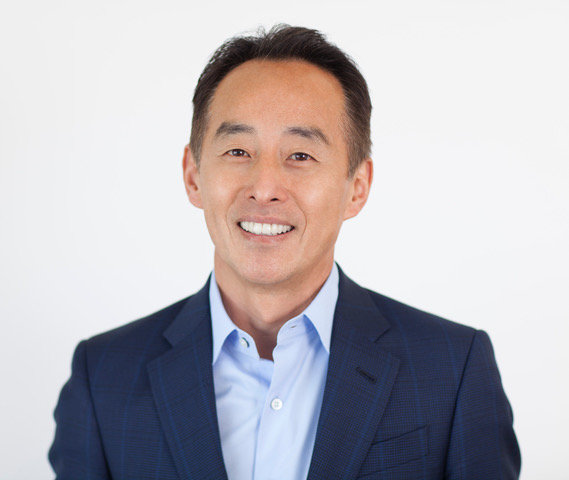
British chip firm Arm Holdings said on Thursday that Young Sohn, a senior adviser at Samsung Electronics, will rejoin its board. Having previously served on Arm’s board, Sohn said that his history with the company has “provided unique perspective into how critical Arm technology is to the world that relies on it.” “The depth of experience that Young brings will be invaluable to Arm as we continue to diversify our business and work to address the very real and complex computing challenges in the age of AI,” said Arm’s CEO Rene Haas. Sohn is the chairman of audio electronics maker Harman’s board, which Samsung bought for $8 billion in 2017. He is also on the board of Cadence Design Systems.–REUTERS

News

Hong Kong Launches New Silver Bonds Batch

HONG KONG: The Hong Kong government has announced a new series of silver bonds for subscription, targeting a total issuance of $50b. Each bond is priced at $10,000, with a three-year term and semi-annual interest payments tied to inflation, with a minimum rate of four percent. Eligibility is for Hong Kong residents aged 60 or older by the end of 2025 (born in 1965 or earlier) with a valid Hong Kong ID. The bonds are part of the Infrastructure Bond Programme, with proceeds going to the Capital Works Reserve Fund for infrastructure projects. Annual updates on fund allocation will be provided. Financial Secretary Paul Chan said that these bonds offer a low-risk investment for seniors and support infrastructure development, benefiting both the economy and public welfare. The government plans to issue HK$50b in bonds this year, with a potential increase to $55b depending on market demand. Silver bonds will not be traded on the secondary market but can be sold back to the government at face value plus accrued interest. Each investor can purchase up to $1m worth of bonds (100 units). The subscription period runs from 9 a.m. on 30 September to 2 p.m. on 14 October, with bonds issued on 23 October. Applications can be made through designated banks and brokers.–HONG KONG BUSINESS

News

Armis Appoints Christina Kemper to Vice President of International

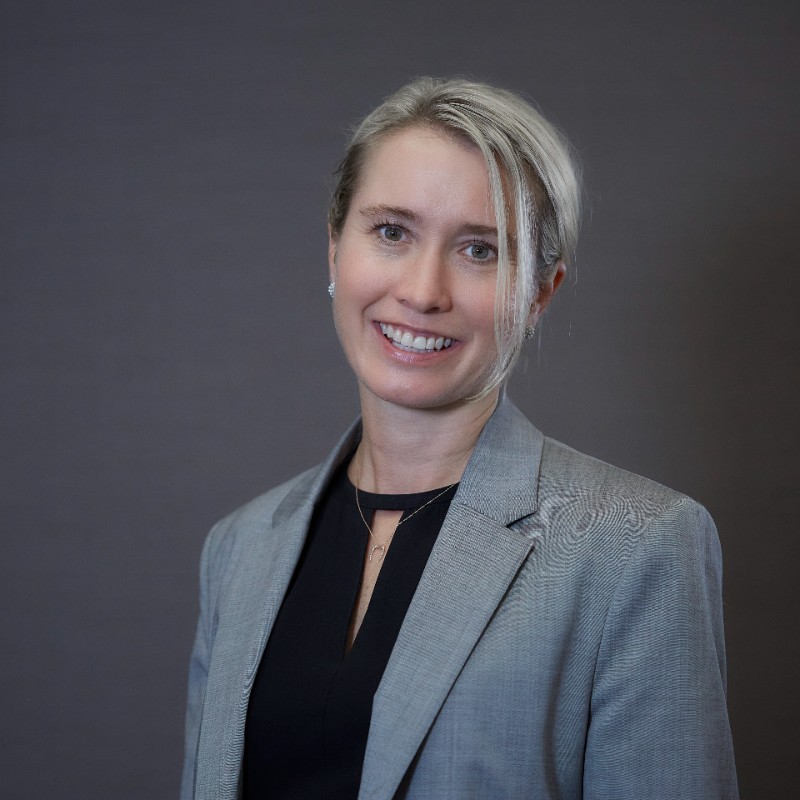
 SYDNEY: Armis, the asset intelligence cybersecurity company, today announced the appointment of Christina Kemper to VP of International. In her role, Kemper will accelerate international sales growth and expand Armis’ global presence forging strategic partnerships with organisations across EMEA and Asia Pacific to help businesses manage their cyber risk exposure in real time. “Christina brings a wealth of experience and a track record of success in the industry,” said Alex Mosher, Chief Revenue Officer, Armis. “Her strategic vision and deep understanding of the global market will be invaluable as she leads our international expansion efforts, supporting customers to effectively balance innovation and security as they embrace digital transformation. I’m confident that we will achieve great success in the international market with her leadership, expertise and passion.”   London-based Kemper brings over 20 years of sales and leadership experience with global technology enterprises. Most recently, Kemper served as Vice President of EMEA at threat intelligence company Recorded Future. Prior to this, Kemper spent 11 years at sales performance solutions provider CallidusCloud, now part of SAP, where she rose through the ranks of the sales team, ultimately serving in the role of Senior Vice President of Sales for EMEA. Kemper holds an MBA from Columbia Business School.   “I’m thrilled to join the Armis team at such an exciting time in the company’s journey,” said Kemper. “On a global scale, Armis is achieving remarkable growth, driven by its world-class technology, dedicated team and commitment to helping enterprises of all verticals to protect the ever-expanding attack surface. I’m eager to dive right in and look forward to contributing to Armis’ success and to making an impact working with our customers and partners internationally.”   The news of Christina Kemper’s appointment follows the recent announcement that Armis surpassed US$200M in annual recurring revenue (ARR) globally, doubling ARR in less than 18 months. Armis is one of just a few companies that has achieved this rapid scale, not just in the cybersecurity market, but of any SaaS company worldwide. Armis’ explosive growth has been driven by its award-winning AI-powered cyber exposure management platform, Armis Centrix™, which has been adopted by the world’s leading organisations, including 35 of the top Fortune 100 companies.   Armis is expanding globally to provide unparalleled cybersecurity solutions and to protect its customers’ digital assets in an ever-evolving threat landscape. Find open career opportunities here.

ALPHA IVF
News

Alpha IVF commences its operations in China

PETALING JAYA: Fertility care provider Alpha IVF Group Bhd has commenced operations in China with the opening of a new sales representative office in Shanghai’s Huangpu district. This is Alpha IVF’s second international expansion following its initial public offering in March 2024, adding to its recent venture into the Philippines. Last week, Alpha IVF announced its entry into the Philippine medical sector, focusing on obstetrics, gynaecology, and fertility, through a joint venture with two local doctors to form Alpha IVF (Manila) Inc. Additionally, the group operates in Malaysia and Singapore, with three specialist centres in Malaysia – two in Kuala Lumpur and one in Penang – and one in Singapore. Operated through its wholly-owned subsidiary Alpha International (Shanghai) Medical Consulting Ltd, the new office in Shanghai aims to capitalise on China’s rapidly growing in-vitro fertilisation (IVF) market besides strengthening the group’s regional footprint. In a statement, Alpha IVF said its Shanghai office would serve as a key gateway for Chinese patients to access its advanced fertility services. This includes preimplantation genetic testing for aneuploidies. This is a screening technique for chromosomal abnormalities that is not yet available in China. “The office will also emphasise the group’s high IVF success rates and streamline the process for patients seeking treatment in Malaysia,” Alpha IVF pointed out. Group managing director Datuk Dr Colin Lee Soon Soo highlighted China’s potential, noting that the new office would enhance patient experience, reduce logistical challenges, and expand access to advanced fertility treatments. “With China facing chronic fertility challenges, we hope to play a pivotal role in helping couples set up their families, facilitating access to our cutting-edge reproductive technologies and high IVF success rates,” he noted. The Shanghai office is projected to have the capacity to recruit over 150 egg retrieval procedures annually. Before the Covid-19 pandemic, Chinese patients accounted for 21% or RM12.8mil, of the group’s Malaysia operations revenue for the financial year ended May 31, 2020 (FY20). The pandemic resulting in border closures had led to a decline in this contribution. It had since recovered. The company mainly focuses on assisted reproductive services, with a strong emphasis on IVF.

News

Founder of 99 Speed Mart is Now Among the Richest Billionaires in Malaysia

KUALA LUMPUR: Investor interest in 99 Speed Mart Retail Holdings Bhd shares has led to a RM2 billion increase in the wealth of its Founder and CEO, Lee Thiam Wah. This follows the company’s initial public offering (IPO), which was the largest in Malaysia in seven years, since Lotte Chemical Titan Holding Bhd’s RM3.77 billion IPO in 2017, priced at RM1.65 per share.   As of the last count, 99 Speed Mart shares were trading at RM1.90 each, giving the company a market value of RM15.9 billion and boosting Thiam Wah’s net worth by another RM2 billion. He now ranks alongside billionaires like the Founder and Chairman of Sunway Group, Tan Sri Dr. Jeffrey Cheah, who is eighth on Forbes’ list of Malaysia’s 50 richest individuals (US$2.4 billion), and Genting Bhd’s corporate figure, Tan Sri Lim Kok Thay (US$2.2 billion). As of September 9, Thiam Wah held a direct 28.2% stake in 99 Speed Mart and an indirect 51.5% stake through his fully-owned company, Lee LYG Holdings Sdn. Bhd. Based on the RM1.90 share price, Thiam Wah’s net worth now stands at RM13 billion. Despite life’s challenges, Thiam Wah carved a successful path in the retail industry. He has been unable to use his legs since childhood due to polio. During his childhood, his family’s financial struggles only allowed his parents to support his education up to primary school. To fill his days that should have been spent in secondary school, he began selling snacks by the roadside, which marked his first experience in entrepreneurship. In 1987, at 23, Thiam Wah opened a grocery store named Pasar Raya Hiap Hoe in Klang, using money he had saved from selling snacks. Between 1992 and 1998, he opened his first store called Pasar Mini 99 and added eight more branches in Klang. All eight branches were rebranded as part of an intensive expansion plan from 2000 to 2003. These stores were taken over and rebranded as 99 Speedmart, the well-known brand today. His first headquarters and distribution center, located on Jalan Kapar, Klang, was completed in October 2022. Today, Thiam Wah owns more than 2,600 branches nationwide and aims to reach 3,000 stores by 2025. While there are currently no plans to enter the regional market, Albert Lee, Alternate Director of 99 Speed Mart, mentioned in a press conference that they would be open to the opportunity if it arises. In addition to its retail stores, the company launched an online wholesale platform last year, 99 Bulksales, offering customers and businesses bulk purchase options. With this listing, Lee hopes the company will reach its expansion goals while focusing on improving its wholesale operations.

Scroll to Top

Subscribe
FREE Newsletter