Author name: admin

News

Singapore data centre market to grow 12.7% CAGR from 2024-2032

The Singapore data centre market is projected to exhibit a growth rate (CAGR) of 12.70% during 2024-2032, IMARC Group reported. This growth will be driven by Singapore’s strategic location, robust digital infrastructure, and strong demand from cloud service providers and enterprises. Singapore also puts a strong emphasis on sustainability and energy efficiency within the data centre industry which attracts eco-conscious companies and ensures long-term viability amidst rising energy costs and environmental concerns. In addition, IMARC Group noted that Singapore’s political stability and strong regulatory framework provide a secure and reliable environment for data centre operations.–SINGAPORE BUSINESS REVIEW

Investment & Market Trends

FGV Strengthens Support for Local Livelihoods, Boosting Income for Independent Smallholders and FELDA Settlers

KUALA LUMPUR: FGV Holdings Berhad (FGV), a leading agribusiness and one of the world’s top producers of crude palm oil, reaffirms its commitment to sustainability and human rights by enhancing the livelihoods of smallholders, including FELDA settlers and independent smallholders, through comprehensive support programmes aimed at increasing income and promoting sustainable practices. FELDA settlers and independent smallholders often face challenges such as lower incomes, limited access to resources and training, and difficulties in meeting sustainability standards. Recognizing these challenges, FGV engages with smallholders through targeted awareness campaigns, extensive outreach programmes, and technical advice on agronomy and industry training. These efforts aim to equip smallholders and settlers to meet sustainability-related requirements and thrive in the evolving palm oil industry and global market. As part of its sustainability efforts, FGV fully supports the Malaysian Sustainable Palm Oil (MSPO) certification scheme. All of FGV’s palm oil mills and estates are MSPO certified, and all suppliers, including smallholders working with the company, are required to comply with relevant sustainability certification schemes. As an active member of the Roundtable on Sustainable Palm Oil (RSPO), FGV is encouraged by FELDA’s commitment to RSPO certification and supports this initiative by offering technical advice and awareness-raising programmes. Achieving certification allows smallholders to access premium markets, enhance their income potential, and promote sustainable agricultural practices. “FGV significantly contributes to the economic well-being of FELDA settlers by purchasing a substantial amount of Fresh Fruit Bunches (FFB) from them. FGV owns 66 mills across Malaysia, processing over 18 million metric tonnes of FFB annually, 72% of which is sourced from FELDA settlers and independent smallholders, among others,” said Nurul Hasanah Ahamed Hassain Malim, FGV’s Group Chief Sustainability Officer. She added that facilitating the certification of smallholders under sustainability schemes benefits not only the participants but the industry as a whole. Being certified offers several benefits, including improved marketability, as certified products are preferred by sustainability-conscious buyers and can fetch premium prices. Certification also requires strict adherence to environmental standards, ensuring the long-term resilience of agricultural practices while preserving the environment. Additionally, certification schemes often include social criteria that promote fair labour practices, improved working conditions, and the well-being of the community. Dato’ Mohd Banuri Aris, FELDA’s Deputy Director General (Community Development), emphasized the collaborative efforts between FELDA and FGV through various programmes aimed at enhancing smallholders’ livelihoods. These include training sessions and technical support to help settlers meet sustainability standards and improve their agricultural practices. The collaboration also extends to broader community support projects, such as improving plantation infrastructure and providing educational opportunities. “The collaboration between FELDA and FGV has led to increased productivity, better market access, and improved sustainability practices among settlers, contributing to their economic and social upliftment. FELDA has ensured that all our schemes are MSPO certified, allowing us to access extensive markets for our CPO, which in turn translates into stable income for our settlers,” said Dato’ Mohd Banuri. He added that FELDA operates with a dual focus: empowering and supporting settlers through its social arm, while generating income through its commercial arm. This structure enables FELDA to fulfil its objectives of sustainable development and stakeholder well-being. In conjunction with the upcoming 67th Merdeka and Malaysia Day celebrations, FGV has launched its “Teruskan Meneroka” campaign, paying tribute to the unsung heroes who have contributed to Malaysia’s progress, including the FELDA settlers and smallholders. The “Teruskan Meneroka” campaign is featured across FGV Holdings’ social media platforms such as Facebook, Instagram, TikTok, LinkedIn, and YouTube, as well as on the company’s website at www.fgvholdings.com.

Investment & Market Trends, News

Malaysia is Set for Transformative Economic Renewal, Says Economist

KUALA LUMPUR: Malaysia is set to undergo a transformative economic renewal, promising substantial impacts across various sectors. SPI Asset Management Managing Partner, Stephen Innes said that the RM120 billion domestic Direct Investments initiative unveiled by the Finance Ministry via 6 government-linked investment companies in the next 5 years represents a significant milestone in the nation’s economic strategy. Known as GEAR-uP, the ambitious plan led by Prime Minister Datuk Seri Anwar Ibrahim, who is also the Finance Minister, targets critical areas such as green technology, infrastructure and the Johor-Singapore Special Economic Zone (SEZ), These strategic investments are designed to catalyse job creation, stimulate sectoral growth and attract foreign direct investment (FDI). At the sectoral level, he said the emphasis on green and technology sectors positions Malaysia to assume leadership industries within ASEAN. The expected outcomes include the development of new expertise, the emergence of new industries, and the diversification of Malaysia’s economic portfolio well beyond its traditional reliance on natural resources. “Investments in infrastructure are pivotal and render Malaysia an increasingly attractive destination for investments. “Over the next decade, these investments are anticipated to yield tangible benefits such as a robust infrastructure, a fortified high-tech sector, and enhanced economic indicators, propelling Malaysia toward a diversified and resilient economy,” said Innes. The 6 GLICs involved in the first phase of GEAR-UP are Khazanah Nasional Bhd, the Employees Provident Fund (EPF), Kumpulan Wang Persaraan (Diperbadankan), Permodalan Nasional Bhd, Lembaga Tabung Haji, and Lembaga Tabung Angkatan Tentera. He said the timing of these investments is opportune and aligns with global movements toward sustainability and advanced technology from a macroeconomic perspective. These developments ‘safeguard’ Malaysia against economic downturns while enhancing its competitive edge internationally. On the microeconomic level, he stressed that the projected growth is expected to permeate various economic strata. Small and medium enterprises (SMEs), in particular, would benefit from heightened demand and new opportunities spawned by these expansive projects, fostering local business innovations and entrepreneurship within the targeted sectors. The journey ahead, nonetheless, is fraught with challenges, He said the consensus among economists and investors – both domestic and international – is one of cautious optimism. “They acknowledge the significant potential of these investments but are also mindful of possible impediments such as implementation delays, funding challenges and the pressing need for a skilled workforce. “The ultimate success of this programme will depend on its efficient and transparent management, ensuring that the investments are well-integrated with Malaysia’s broader economic goals and global market dynamics,” he said. Overall, he opined that Malaysia’s focus on sustainability and technological innovation, supported by inclusive societal values, is poised to substantially refine its socio-economic landscape, heralding a new era of prosperity and resilience under Anwar’s adept leadership via strategic capital investments. — BERNAMA

Investment & Market Trends

BNM has left its base rate unchanged: Octa broker analyses the decision

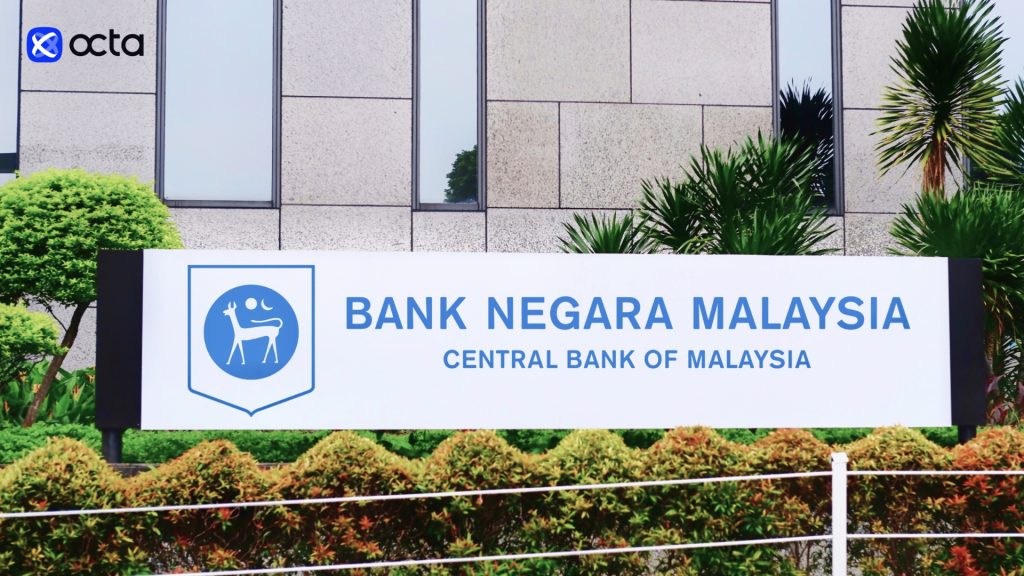
KUALA LUMPUR: The Malaysian economy is growing faster than expected, and the local currency has appreciated quite noticeably. However, the central bank has maintained the interest rate at 3.00%, in accordance with the economists’ expectations. Still, Octa analysts expect that the BNM may soon lower the rates. Bank Negara Malaysia (BNM), Malaysia’s central bank, announced its policy rate decision on Thursday, 5 September. Like most central banks worldwide, BNM strives to balance low inflation and sustainable economic growth. Its key monetary policy instrument is the Overnight Policy Rate (OPR). By adjusting the OPR, BNM influences interest rates throughout the Malaysian economy, impacting borrowing costs for businesses and consumers and ultimately influencing economic activity and inflation. It was a difficult decision for the central bank to maintain the interest rate at its current level. The bank is trying to strike a delicate balance between a strong economy and potentially incendiary inflation on the one hand and a dovish Federal Reserve (Fed) and appreciating ringgit on the other. According to the latest data published on 16 August, the annual growth rate of the gross domestic product (GDP) accelerated to 5.9% in Q2 2024, its fastest pace in 18 months. Economic growth for 2024 is expected to exceed the central bank’s forecast of 4-5%, driven by a continued increase in consumer spending and a recovery in exports. ‘Lowering borrowing costs when the economy is expanding risks spurring inflation, especially given that the government continues to gradually phase out subsidies programs,’ says Kar Yong Ang, a financial market analyst at Octa broker. However, inflation seems to have stabilised lately. Malaysia’s consumer price index (CPI) rose 2.0% in July from a year earlier, matching the increases of the previous two months. Furthermore, the rise was slightly less than the 2.1% increase forecast in a Reuters poll. Meanwhile, the Malaysian ringgit has strengthened against the US dollar, significantly reducing import prices. Indeed, Octa analysts expect Malaysian inflation to remain low in Q4 due to strong ringgit. At the same time, many countries are gradually reducing or have already reduced interest rates. The BNM’s decision to keep the rates unchanged is somewhat controversial. ‘It was a tough decision to make,’ argues Kar Yong Ang. ‘BNM is probably thinking about how and when to cut the rate so that it does not fall far behind other central banks––especially the Fed. However, the BNM did not choose to lower rates ahead of the Fed. A sharp fall in USDMYR supports the case for a rate cut later this year as inflation risks seem to be well-anchored at this point.’ Still, a recent Reuters poll of economists expects the BNM to maintain interest rates at their current levels until the end of 2026. ‘As we expected, BNM held the rates unchanged, but the likelihood of a reduction in the near term has increased,’ says Kar Yong Ang, adding that future decisions will largely depend on what the Fed does and on the overall economic conditions in the global market. In particular, the appreciation of the domestic currency, which is currently taking place, has a negative impact on exports but also helps push inflation down. There is also a trend towards lower interest rates, followed by other countries in the region––notably, the Reserve Bank of New Zealand (RBNZ) and the Central Bank of the Philippines have lowered rates in recent weeks. ‘We anticipate a decrease in the interest rate either this year or in Q1,’ said Kar Yong Ang. Octa analysts expect USDMYR to drop below 4.250 in the near term.

Investment & Market Trends

JF Tech: Forging Towards Brighter Times Ahead

KOTA DAMANSARA: JF Technology Berhad (“JF Tech” or the “Group”), a leading innovator and manufacturer of high-performance test contacting solutions for global integrated circuit (“IC”) makers, announced its fourth quarter (“4QFY24”) and full year financial results today for the period ended 30 June 2024 (“FY24”). Managing Director of JF Technology Berhad, Dato’ Foong Wei Kuong, commented on the results, stating, “FY24 has been a challenging year for us on the back of the slowdown in the semiconductor sector and global uncertainties. Nevertheless, we continue to be positive on the long-term prospects of the Group especially with the positive signs for the industry. The World Semiconductor Trade Statistics (“WSTS”) is forecasting a 16.0% growth for global semiconductor sales in 2024 and 12.5% in 2025. Based on the growth projections, global semiconductor sales would reach $611.2 billion and $687.4 billion respectively for 2024 and 2025, which would be the highest-ever annual sales in total.” He further added, “Moving forward, our focus remains on gaining further traction for our 6 growth drivers. The Group made a breakthrough in August 2024, as we entered into a cross-distribution agreement with Ironwood Electronics, Inc. (“Ironwood Electronics”). Together, we will be leveraging on each other’s strong expertise and established network to further expand our geographical presence.” “Meanwhile, for our joint venture (“JV”) with Shenzhen HFC Co., Ltd. (“Shenzhen HFC”) to design and manufacture electromagnetic interference shielding materials, thermal interface materials, absorbing materials, etc., machine installation is ongoing and production will commence thereafter. On the other hand, the demand outlook for China remains encouraging, with utilization at our China facility continuing to increase. All in all, the long-term outlook of the Group continues to be bright supported by the aforementioned factors. Barring unforeseen circumstances, the Board expects the FY2025 financial performance to be satisfactory,” Dato’ Foong concluded in his comments.  Revenue for FY24 was RM41.6 million, down from RM45.4 million in the previous year, mainly due to softer demand for test contacting sockets. However, contributions from the test interface products division and Kunshan manufacturing facility partially offset these effects.  Revenue from China increased by 10.6% year-on-year (“YoY”) to RM15.0 million from RM13.6 million in FY23. Profit before tax (“PBT”) for FY24 was RM6.3 million, with a profit after tax and non-controlling interest (“PATNCI” or “net profit”) of RM5.8 million, compared to RM11.7 million and RM12.2 million respectively in the prior year. This was primarily due to shifts in product mix, share of loss of an associate, and impairment of intangible assets. JF Tech declared a final dividend of 0.25 sen per share for FY24 amounting to RM2.3 million, reflecting a dividend payout of 39.5% based on a net profit of RM5.8 million.  

Investment & Market Trends

MSC Reports Higher Revenue of RM410.8 Mil in Q2FY24

KUALA LUMPUR & SINGAPORE: Malaysia Smelting Corporation Berhad (“MSC” or “the Group”), a prominent tin miner and metal producer, has released its financial results for the second quarter (“2QFY24”) and first half ended June 30, 2024 (“1HFY24”). In 2QFY24, MSC reported a 25.6% year-on-year increase in revenue to RM410.8 million, up from RM327.0 million in 2QFY23, driven by higher average tin prices. However, net profit attributable to owners declined to RM16.7 million from RM28.4 million in the same period last year. The tin smelting segment’s profit after tax fell to RM4.7 million compared to RM16.3 million in 2QFY23 due to scheduled maintenance of the Top Submerged Lance (“TSL”) furnace from mid-May to mid-July 2024, impacting production and revenue. Conversely, the tin mining business saw a 45.2% increase in profit after tax to RM24.9 million in 2QFY24, buoyed by favourable tin prices of RM153,400 per metric tonne compared to RM116,500/MT in 2QFY23. For the first half of FY24, MSC’s revenue grew 15.9% year-on-year to RM773.3 million, supported by higher average tin prices of RM139,100/MT compared to RM116,300/MT in 1HFY23. Net profit for 1HFY24 amounted to RM35.0 million, down from RM63.9 million in the prior year. Dato’ Dr. Patrick Yong, Group Chief Executive Officer of MSC, commented, “In the first half of 2024, we benefited from favourable tin prices driving top-line growth. However, our profitability was impacted by planned maintenance of the TSL furnace, reducing tin output and smelting income.” Looking ahead, Yong emphasized MSC’s commitment to enhancing operational efficiencies, including the phased closure of the Butterworth smelting facility by 2025 and consolidation at the Pulau Indah smelter in Port Klang. The Pulau Indah facility features a 1.26 megawatt-peak (“MWp”) solar photovoltaic system to lower carbon footprint and energy costs. “In tin mining, we aim to increase daily output and productivity through technology upgrades, expanded mining operations, and strategic partnerships,” Yong added. “These initiatives are integral to securing MSC’s sustainable growth, positioning us to tackle future challenges and seize opportunities in the tin industry.”  

Lifestyle

Amazing Thailand: Traveloka Partners with the Tourism Authority of Thailand to Boost Tourism

KUALA LUMPUR: Traveloka, Southeast Asia’s leading travel platform, has teamed up with the Tourism Authority of Thailand (TAT) to promote the country’s stunning destinations, unique experiences, and hidden gems during the green season through the ‘Amazing Thailand Deals’ campaign. As part of the promotion, Traveloka customers from Indonesia, Malaysia, Vietnam, and Singapore can enjoy up to 20% off on thousands of accommodations across Thailand. The offers are available until 30 September 2024, with a stay period valid through 31 October 2024. This campaign aligns with TAT’s broader efforts to promote Thailand’s tourism and showcase the country’s diverse offerings. Over the past year, Traveloka’s campaigns, including the recent EPIC Sale, have driven a significant increase in Thai tourism bookings. During the EPIC Hour Deal, hotel bookings surged by nearly two times compared to normal periods. The ‘Amazing Thailand Deals’ campaign builds on that success, offering exclusive deals and providing travelers with even more opportunities to explore the wonders of Thailand. With Thailand welcoming over 17.5 million foreign visitors in the first half of 2024—a 35% increase from last year—the country is on track to reach its target of 36.7 million arrivals by the end of the year. While popular destinations like Bangkok, Songkhla, Chonburi, Phuket, and Chiang Mai remain the top five destinations for Traveloka customers, this campaign also encourages travelers to explore Thailand’s lesser-known yet equally remarkable destinations. These initiatives reflect Traveloka’s ongoing commitment to supporting Thailand’s growth as a premier travel destination. By aligning closely with Thailand Government’s tourism goals, Traveloka enhances its market position and reputation as a trusted travel partner, delivering valuable travel experiences for both domestic and international tourists. Caesar Indra, President, Traveloka, said, “With the launch of the ‘Amazing Thailand Deals’ initiative as part of Tourism Authority of Thailand’s (TAT) Amazing Thailand campaign, we are excited to offer travelers attractive promotions that highlight Thailand’s unique appeal. This initiative strengthens our partnership with TAT and underscores our commitment to supporting Thai tourism. We invite travelers to explore Thailand’s vibrant culture and hidden gems with Traveloka.”

CS Tech Introduces Leading Carbon Capture and Utilization Technology, Vigorously Promoting Sustainable Development in Asia and Addressing the Climate Crisis
ESG

CS Tech Introduces Leading Carbon Capture and Utilization Technology, Vigorously Promoting Sustainable Development in Asia and Addressing the Climate Crisis

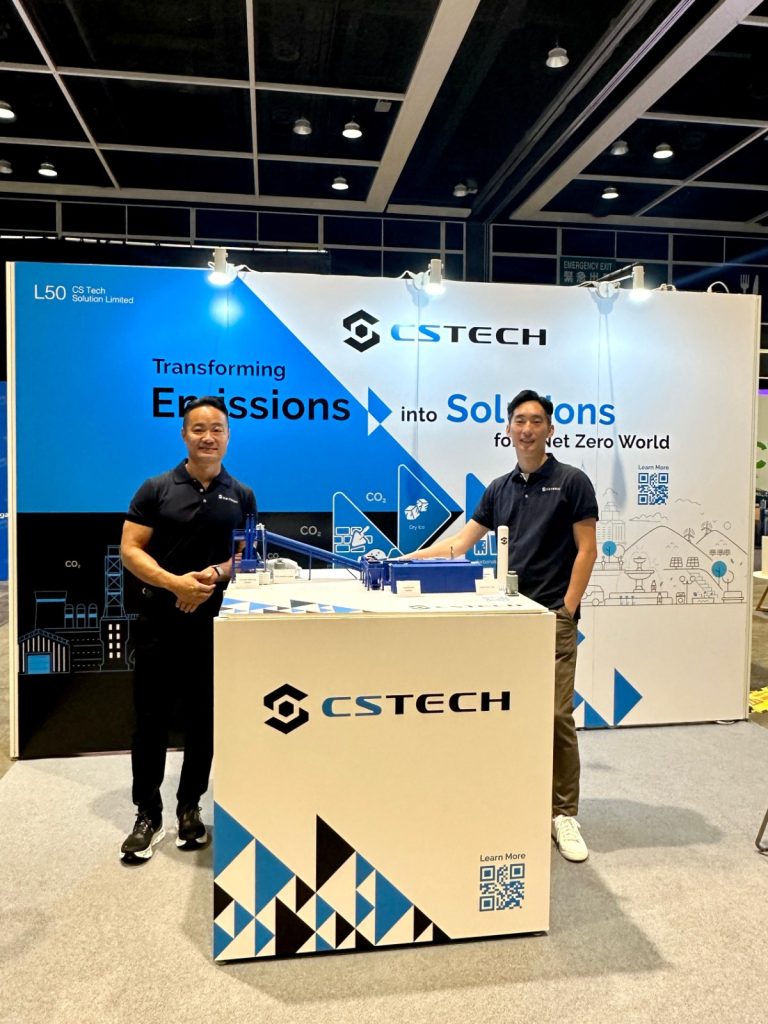
HONG KONG: The climate crisis is an urgent issue in today’s society. To achieve the goal of carbon neutrality by 2050, CS Tech Solution Limited (CS Tech) has taken the lead in introducing and developing carbon capture and utilization (CCU) technology tailored specifically for the Asian market. CS Tech is dedicated to developing cutting-edge technology that captures CO2 emissions from industrial processes and converts them into valuable products, thereby reducing greenhouse gas emissions. By providing sustainable and cost-effective solutions to various industries in Asia, CS Tech is taking the lead in promoting carbon reduction through carbon capture and utilization technology, contributing to environmental efforts. CS Tech’s core offerings include: State-of-the-Art Carbon Capture Technology: CS Tech offers state-of-the-art carbon capture systems designed to capture CO2 emissions from various industrial processes, enabling organizations to significantly reduce their environmental footprint. Combining its own equipment with the latest capture technologies to capture and liquefy CO2, CS Tech provides comprehensive solutions for effective carbon capture and utilization. Carbon Utilization Innovations: CS Tech specializes in efficiently converting captured CO2 into valuable products and ensuring the permanent storage of the CO2, thereby contributing significantly to the reduction of carbon emissions, and promoting the development of a circular carbon economy. Carbon Credits: CS Tech offers high-quality carbon credits through its carbon utilization methods to help organizations offset their carbon emissions, promote sustainable development, and participate in the global carbon market. Continuous R&D and Commercialization: CS Tech’s commitment to ongoing research and development, coupled with a focus on commercialization, ensures that CS Tech remains at the forefront of carbon capture and utilization technologies, driving innovation and real-world applications. CS Tech is committed to working closely with businesses, research institutions, and government agencies across Asia to accelerate the adoption of carbon capture and utilization technology. Through partnerships and collaborations, significant progress is being made towards a more sustainable and net zero future in the region. A two-day large conference and exhibition, ReThink HK 2024, held on September 12 and 13 at the Hong Kong Convention and Exhibition Center, attracted over 10,000 business leaders, investors, sustainability professionals, ESG researchers, and more, working together to achieve sustainable goals. CS Tech is exhibiting again this year, showcasing a model of carbon capture system imported from the UK and a model of self-developed carbon utilization equipment, drawing significant attention. Dixon, Founder and CEO of CS Tech, said, “CS Tech is committed to enhancing sustainable development in the Asian region. Our leading carbon capture and utilization technology is initially used in building materials, contributing to a net zero future. We hope that carbon emissions not only get managed but also transformed into sustainable opportunities. Our core values of innovation, sustainable development, and reforming traditional industries guide us in building a greener future.”

Energy & Technology

New AWS Region Boosts Cloud Capabilities in ASEAN

SUBANG JAYA: G-AsiaPacific, subsidiary of K-One Technology Berhad, recently crowned the AWS Partner of the Year Malaysia 2024, celebrates the launch of the AWS Asia Pacific (Malaysia) Region, a strategic move that positions Malaysia as a key digital transformation hub in Asia. Malaysia: The Emerging Digital Transformation Hub The establishment of the AWS Region in Malaysia underscores the country’s growing significance in the global technology landscape. By bringing world-class cloud infrastructure closer to developers, startups, and enterprises, as well as government, education, and non-profit organisations, will have greater choice for running their applications and serving end users from AWS data centres located in Malaysia. G-AsiaPacific is proud to be an AWS Advanced Tier Partner to continue to empower local enterprises and public sector organisations to leverage advanced cloud technologies effectively. “Malaysia is poised to become a leader in the digital landscape within ASEAN, and the launch of the new AWS Region plays a critical role in that journey,” said Mark Goh, CEO and Co-founder of G-AsiaPacific. “By providing businesses such as retail and manufacturing, logistics, automotive, healthcare with access to the world’s most comprehensive and broadly adopted cloud while meeting data residency preferences, we are facilitating faster and more efficient adoption of cloud technologies across industries. This is a significant step towards realising Malaysia’s vision of becoming a regional digital economy powerhouse.” Catalyzing Growth and Innovation The new AWS Region in Malaysia will offer Malaysian businesses, from startups, small and medium sized businesses to large enterprises, as well as government and public sector organisations the ability to innovate at scale, reduce latency, and meet data residency preferences. G-AsiaPacific is uniquely positioned to help organisations capitalise on these new opportunities through its deep expertise in AWS services and cloud advisory capabilities. For instance, by optimising the e-commerce platform of leading Malaysian retailer Padini, G-AsiaPacific ensured seamless online shopping experiences, even during peak sales periods. This is just one example of how businesses can benefit from the local presence of AWS infrastructure, enabling faster data processing and cost-effective scalability. TF Value Mart, one of the largest retail chains in Malaysia, managed to save 35 percent on infrastructure costs by migrating to AWS in 2018 under G-AsiaPacific’s recommendation. They have implemented enterprise resource planning (ERP), backup and disaster recovery solutions to achieve high availability and stability that offers seamless operations and business continuity. To maintain a smooth user experience for its employees, TF Value-Mart has upgraded most of its virtual machines to Amazon EC2 R5 Instances, which are memory optimised for accelerated performance. G-AsiaPacific also provides readily deployable and cost-effective software as a service (SaaS) solutions for businesses of all sizes. They design and implement internet of things (IoT) solutions to gain real-time insights and improve operational efficiency. Stay updated as G-AsiaPacific and AWS continue to explore the potential of the new AWS Region in Malaysia, driving innovation and digital transformation across ASEAN.

Energy & Technology

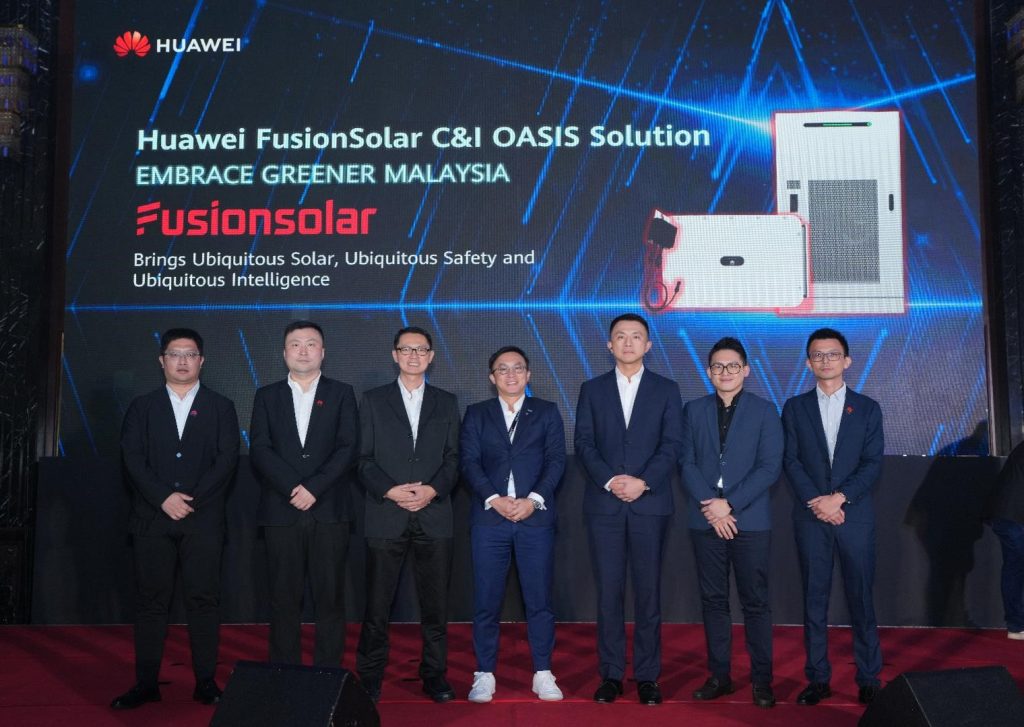
Catalysing Malaysia’s Green Development: Huawei Digital Power’s Fusionsolar Contnues to Push the Envelope in the PV Industry

KUALA LUMPUR: Huawei Digital Power’s cutting-edge FusionSolar C&I Smart PV&ESS Solution made its Malaysian debut at the Malaysia PV&ESS Safety Forum & Product Launch 2024, which was hosted by Huawei Technologies (Malaysia) Sdn Bhd (Huawei Malaysia) recently, and attended by over 250 participants and stakeholders from the energy, photovoltaic (PV), and energy storage industries (ESS).  PV industry leader Huawei Digital Power demonstrated its innovation prowess at the forum and highlighted compelling proof points on the potential of PV as the next main universal form of energy that will steer Malaysia towards carbon neutrality, environmental stewardship, and sustainability.    Forum participants, which included members of government agencies, enterprise representatives, and industry professionals, were given an insightful introduction to the FusionSolar C&I Smart PV&ESS Solution during the event.     Set to redefine safety standards in commercial and industrial (C&I) application scenarios, which include shopping malls, supermarkets, factories, and official parks, the FusionSolar C&I Smart PV&ESS Solution features safety solutions in three dimensions to provide protection across failure, namely, device safety, asset safety, and personal safety.     In his welcome address, Mr Simon Sun, Chief Executive Officer of Huawei Malaysia, highlighted that Huawei Digital Power will continue to push the boundaries of innovation in renewable energy to bring sustainable solutions to its customers and to respond to environmental challenges.     “In 2023, Huawei delivered 145 gigawatts (GW) of solar inverters globally, cumulatively achieving 445GW and generating 1,110.6 billion kilowatt-hours (kWh) of electricity, equivalent to the planting of 755 million trees. Looking ahead, it is important to focus on improving energy storage solutions while also ensuring that power generation assets remain safe, reliable, and cost-effective,” he said.    Huawei Digital Power’s approach to strategically facilitate Malaysia’s transition from a high-carbon to low-carbon nation integrates digital technology (Bit), electronic power technology (Watt), thermal management technology (Heat), and ESS management technology (Battery), collectively referred to as the “4T” technologies.     “As PV energy generation improves and the costs of solar panels decrease due to growing market supply and demand, the era of PV and Energy Storage (PV+ ESS) parity is on the horizon. FusionSolar, the integration of battery and solar, is gradually becoming the renewable/green energy of choice of the masses, helping to reduce the dependence on diesel generators, and lessening economic as well as environmental impacts. This means combining solar power with energy storage will become the most prudent and universal form of power,” said Mr Sun.    In addition to the introduction to the FusionSolar C&I Smart PV&ESS Solution, the forum explored three main topics, namely: Overview of Malaysia’s Solar and Energy Storage Landscape, Overview of Potential Safety Hazards in PV&ESS Installations, and a Deep Dive into Securing a Greener Malaysia.   Aligning with the Malaysian Government’s objectives of reducing carbon emissions by at least 50 percent by 2030 and achieving full carbon neutrality by 2050, Huawei is committed to continuous innovation and forming strategic partnerships to catalyse the adoption of advanced renewable energy solutions that will yield optimal ways to build a low-carbon and circular economy for Malaysia. 

Scroll to Top

Subscribe
FREE Newsletter