Author name: admin

Energy & Technology, News

SC Rolled Out Revised Guidelines on Technology Risk Management

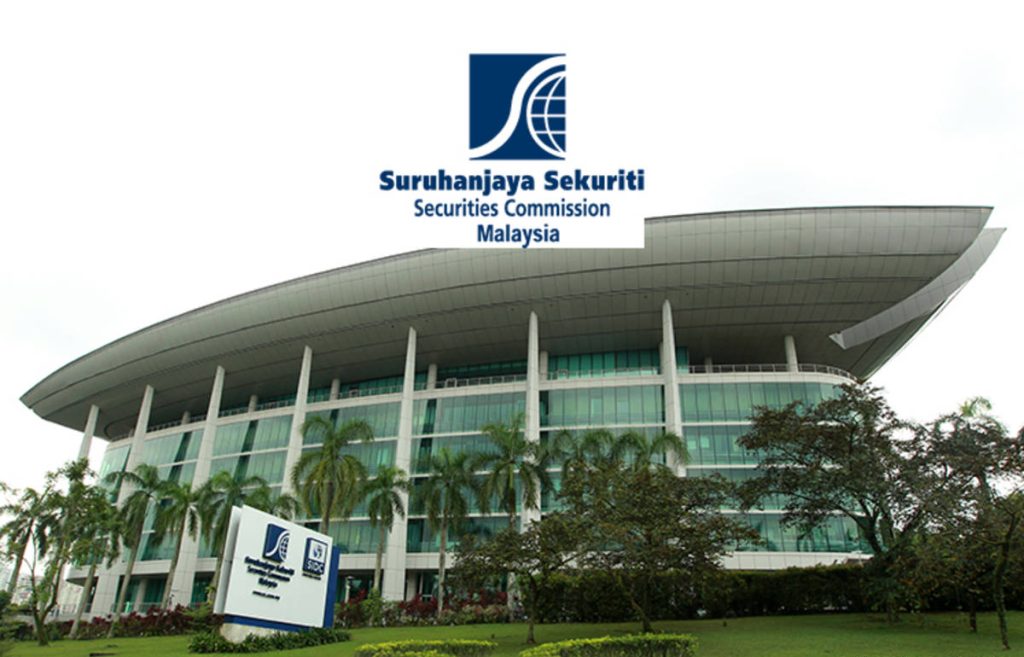
KUALA LUMPUR: The Securities Commission Malaysia’s (SC) revised Guidelines on Technology Risk Management came into effect in August, superseding the Guidelines on Management of Cyber Risk. In a statement, the SC said the revised guidelines were initially released last year for capital market entities to be familiar with risk management practices, which now expanded beyond cyber security to include technology risks, among others. “Thus, the revised guidelines emphasised the significance of strengthening operational reliability, security and resilience against technology disruptions, including SC’s expectations for risk management practices to be adopted by industry. “The key areas covered include ‘change management’ process, third-party service providers, reporting requirements, technology audit, board oversight and accountability over technology risks,” it said. SC said the CrowdStrike outage highlighted the vulnerability of the country’s digital infrastructure and the widespread impact it can have on organisations, which emphasised the importance of regulations like the guidelines in strengthening operational resilience practices. The regulator said it is imperative that all capital market entities recognise the importance of observing the guidelines. “This not only protects against immediate technology risks but also builds a resilient, secure and ethical technological landscape for the future. “This initiative underscores the SC’s ongoing efforts to strengthen Malaysia’s capital market and investor confidence,” it added. — BERNAMA

Investment & Market Trends, News

Resilient Spending, Investments Propel Malaysia’s 2Q Economy to 5.9%

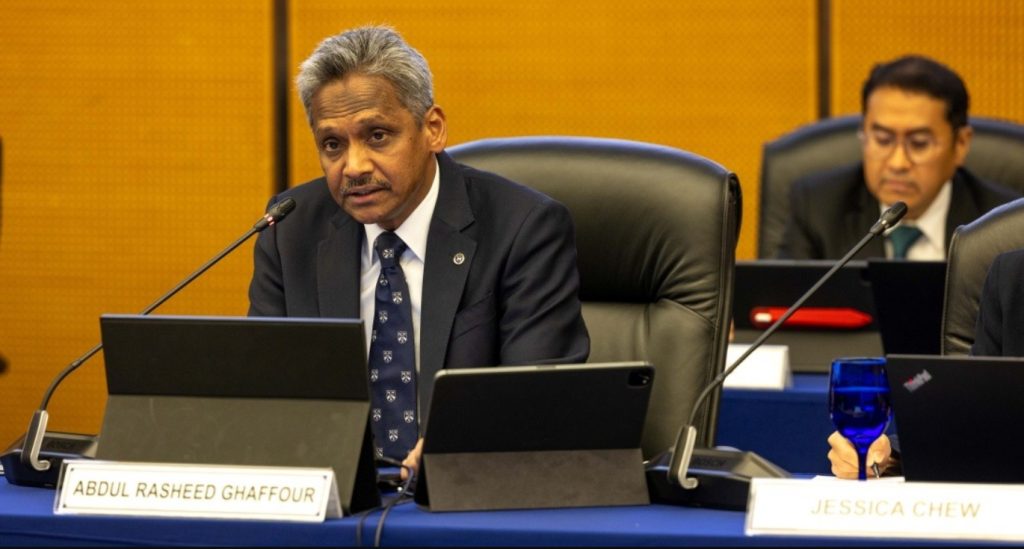
KUALA LUMPUR: Malaysia’s economy saw a robust expansion of 5.9% in the second quarter of 2024 (2Q 2024), exceeding earlier prediction of 5.8%, bolstered by resilient household spending, vigorous investment activities and a significant boost in tourism arrivals. Bank Negara Malaysia (BNM) Governor Datuk Seri Abdul Rasheed Ghaffour said the central bank views Malaysia’s growth as on track to end the year near the upper end of the 4%-5% forecast range. The country’s economy expanded by 4.2% in 1Q 2024, bringing the first half’s growth to an average of 5.05%. The gross domestic product (GDP) grew by 2.9% in 2Q 2023. “The 5.9% GDP growth in 2Q 2024 is the highest since 4Q in 2022,” he said. In terms of sectoral performance, Abdul Rasheed noted the services sector expanded by 5.9% in 2Q 2024 compared to 4.8% in 1Q 2024, contributed by broad-based improvement in customer and business-related services. The manufacturing sector increased by 4.7% in 2Q 2024 after recording an expansion of 1.9% in the previous quarter, driven by higher growth across export and domestic-oriented industries,” he said. On agriculture, Abdul Rasheed said the sector expanded to 7.2% in 2Q 2024 versus 1.7% in 1Q 2024, contributed by stronger production in the oil palm and fisheries subsector, while the construction sector recorded better growth of 17.3% in 2Q 2024 compared to 11.9% in 1Q 2024. This is supported by higher activities, particularly in the civil engineering and special trade subsectors. He added that the mining sector showed moderate growth of 2.7% after recording 5.7% in 1Q 2024, due to lower growth in the oil and gas subsector following production disruption in May. In a statement, Abdul Rasheed said growth in the second half of 2024 (2H 2024) will be driven by domestic spending with continued strong support from external demand. On the domestic front, BNM noted household spending will be underpinned by continued employment, wage growth and policy measures. The central bank said investment activities will be driven by progress in multi-year projects across private and public sectors. Catalytic initiatives announced in national master plans and the higher realisation of approved investments are also key drivers for investment activities. Externally, BNM opined that the ongoing global tech upcycle and continued strong demand for non-electrical and electronics goods will lift exports. It said that improvement in tourist arrivals and spending are expected to continue. BNM said upside risks to growth include greater spillover from the tech upcycle, robust tourism activities and foster implementation of existing and new investment projects. “Downside risks to Malaysia’s growth prospects stem from a downturn in external demand, an escalation in geopolitical conflicts and lower-than-expected commodity production,” it added. — BERNAMA

Investment & Market Trends, News

65% Malaysian Muslims Prefer Shariah-Compliant Banking Investment Products

KUALA LUMPUR: In a Hong Leong Islamic Bank Bhd (HLISB) survey, it has been revealed that 65% of Malaysian Muslims would choose Shariah-compliant banking and investment products.   This presents an opportunity for the bank to leverage a growing market by offering a comprehensive wealth management approach aligned with Islamic wealth management approach aligned with Islamic wealth principles, HLISB Chief Executive Officer Dafinah Ahmed Hilmi said. “In Islamic banking, investments are not just about growing your personal wealth, but they serve as a vital component within the Islamic wealth management ecosystem, an end-to-end framework that addresses the creation, accumulation, distribution, preservation and purification of wealth. “Built on Islamic values and Shariah principles, this comprehensive approach actively promotes altruism and social responsibility, ensuring risks and profits are shared between those who are in need and those who have excess,” she said. The HLISB survey was conducted among 690 Malaysian Muslims aged 18 and 77 years old, most of whom recorded a median monthly household income of below RM10,000. Additionally, the bank reported that 47% of the respondents claimed to be currently investing, with the top 3 choices being Amanah Saham Nasional Bhd funds, Tabung Haji savings and gold commodities, followed by Malaysian stocks and high-income savings accounts. However, it said 77% did not have a documented financial plan, despite 84% of them claiming to have the desire to be wealthy. Meanwhile, HLISB Head of Shariah, Akmal Solihi Mohd Yazid highlighted the significance of Islamic wealth management and how the bank wanted to help its customers utilise it to its full potential. “In Islam, the acquisition expenditure and preservation of wealth should be conducted properly and responsibly, adhering to Islamic principles, which led to contemporary Muslim scholars creating a set of guidelines that ensures the entire wealth journey complies with these Islamic rules. “With a team of dedicated Shariah experts and a proven track record in Islamic finance, we ensure that our tailor-made wealth solutions meet these stringent Shariah guidelines while fulfilling the diversified needs of our customers,” he said. — BERNAMA

News, Property

PKNS-HCK Capital Group to Develop Smart City e.Sentral in Subang Perdana

SUNGAI BULOH: The Selangor State Development Corporation (PKNS) will jointly develop the e.Sentral smart city project with property developer HCK Capital Group Bhd as part of a move towards building low-carbon cities. PKNS Deputy Chief Executive Officer (Development) Md Kamarzan Md Rais said the ‘mixed-used development’ in Subang Perdana will be developed on 4.05 hectares (10 acres) with environmental, social and governance (ESG) elements. “This is our first collaboration with HCK and this is their first smart city project,” he said, adding that the Selangor state developer will have a 30% stake with the development executed according to mutually agreed plans. “PKNS always welcomes cooperation with other developers to develop smart cities with various facilities,” he said at the groundbreaking ceremony. HCK Group Managing Director Datuk Dr Dennis Ling said the project will have 2 phases with the first phase to begin next month. “The entire project is expected to be completed within 3 and a half years. We are offering 3,000 units (housing and shop lots) for both phases at an offer price of between RM300,000 and RM550,000. “PKNS brings expertise in developing sustainable communities, while HCK contributes its smart technology and eco-friendly design. Together, we are setting new standards for smart cities,” he said. “Subang Perdana was selected because of its strategic location to forested areas and its development will be part of our low-carbon city plan,” he added. The e.Sentral development will offer advanced features including care plate recognition at barrier gates, facial recognition in lobbies and motion sensor technology to reduce energy consumption. — BERNAMA

Investment & Market Trends, News

Airbus Set to Fulfil Aircraft Backlog, Leveraging Malaysia’s US$350 Mil Annual Supply Chain

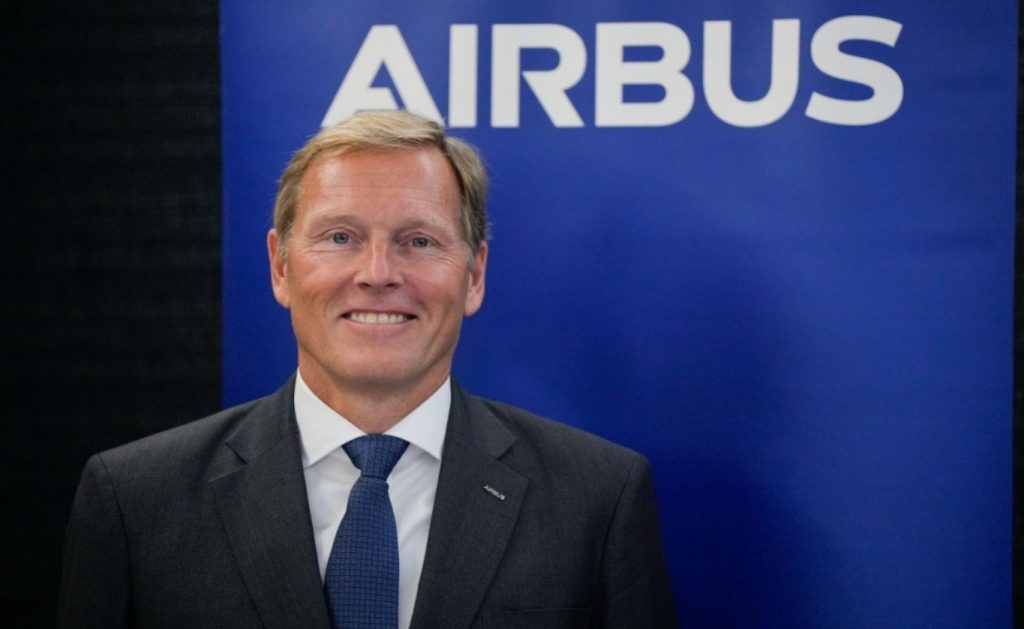
KUALA LUMPUR: Airbus is on track to deliver a backlog of 400 commercial aircraft comprising single-aisle and wide-body models to Malaysia within the contractual schedule. According to Airbus Executive Vice President International, Wouter van Wersch, Airbus has a global backlog of 8,500 aircraft and plans to produce 770 aircraft of all types in 2024. “At the same time, we are also working with our suppliers closely to mitigate and meet our scheduled wrap-up goals,” he said at a media roundtable with Airbus. Airbus said aircraft production was cut by 40% from 863 units in 2019 due to the Covid-19 pandemic but has steadily risen since, with production levels at 566 aircraft in 2020, 611 in 2021, 661 in 2022 and 735 in 2023. The plane manufacturer plans to ramp up production for its commercial aircraft, specifically a total of 14 for the A220 in 2026, 75 a month in 2027 for the A320 family and raise the production rate to 12 a month for the A350 passenger aircraft in 2028. “The pandemic was a big interruption (for us). We reduced production by 40% but we are (now) working to ramp up and increase our production rates. So that’s very positive,” van Wersch said. Demand has risen tremendously post-pandemic, with the recovery being driven by the Asia Pacific region, especially Malaysia, due to its strategic location in ASEAN. “We have a large supplier base in (Malaysia). We work with 14 companies, including Composites Technology Research Malaysia (CTRM), Spirit Aerosystems Malaysia Sdn Bhd and SME Aerospace Sdn Bhd,” he said, adding that the Malaysian supply chain is valued at about US$350 million per year. Currently, Airbus has over 280 commercial aircraft in service with Malaysian carriers, nearly 100 civil and military helicopters, 4 military transport aircraft and 2 satellites supporting national defence and development. Airbus aims to build new partnerships in sustainability as it sees significant potential for Malaysia to be a key source of feedstock in the region to produce sustainable aviation fuel (SAF), van Wersch said. “Current feedstocks being studied include sources such as algae oil and seaweed. We are also working on a wide range of projects in Malaysia, especially with the Aerospace Malaysia Innovation Centre to define potential opportunities in developing and enhancing decarbonisation,” he added. The company is also taking the lead to ensure a sustainable future for the industry based on several pillars, including replacing older aircraft with the latest generation, increasing production and use of SAF as well as ultimately introducing new energy sources such as hydrogen. — BERNAMA

Investment & Market Trends, News

Strengthen Domestic Economy to Mitigate Effects From External Challenges, Says PM

JOHOR BAHRU: Malaysia must enhance its economic foundation and strengthen its resilience to shield the nation from the ripple effects of external forces, including geopolitical tensions. Prime Minister Datuk Seri Anwar Ibrahim said the government’s MADANI Economic Framework is carefully designed to ensure the smooth execution of its plans, but some exposure to global factors remains unavoidable. “We couldn’t have predicted the geopolitical shifts in the Middle East or the political changes unfolding worldwide. “That’s why reinforcing our domestic and internal strength is critical. This is our top priority and it’s essential that the people understand this,” Anwar said. He emphasised that building internal resilience requires commitment from leaders, civil servants, the private sector and the public. “If we have a strong domestic foundation, the impact from external pressures will be more manageable,” he said during a dialogue and forum on ‘A Year of MADANI Economic Achievements’ at the Southern Zone MADANI Rakyat 2024 programme. Anwar, who is also the Finance Minister, highlighted that the ongoing efforts to strengthen the economy resulted in an economic growth 5.9% in the second quarter of 2024 (2Q 2024), surpassing earlier forecasts. On the subject of targeted diesel subsidies, Anwar stressed that measure was implemented by the government to prevent leakage in government funds which have also benefited the rich as well as foreign nationals. He said the move was in line with the government’s efforts to reduce leakage of subsidies which have cost the government billions of ringgit and put a stop to diesel smuggling. “When we enforce the targeted diesel subsidies, people get upset. But the government must be responsible and do what is necessary. “If there are additional measures to ease the burden on the people, we will implement them. For instance, there are those who are entitled to RM200 but have not received it, so they must register with the Subsidised Diesel Control System (SKSD2.0) and we will ensure that they get it,” Anwar said. In his speech, the Prime Minister highlighted that Malaysia’s economic performance in 2Q 2024 had exceeded projections, driven by various initiatives and agendas implemented by the government under the MADANI Economic Framework. “All of this has bolstered investor confidence and as a result, the ringgit has become one of the strongest currencies in our region,” he added. — BERNAMA

Investment & Market Trends

AFFIN Group Announces Profit Before Tax of RM293.1 Million in 1H2024

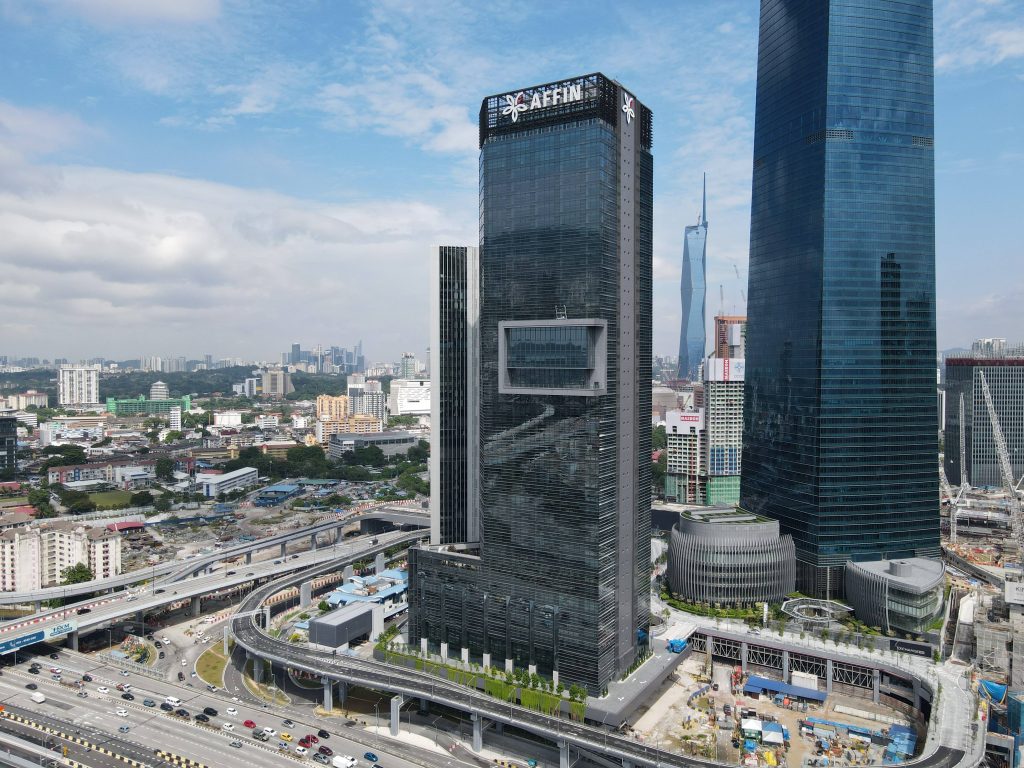
KUALA LUMPUR: AFFIN Group achieved a Profit Before Tax (PBT) after zakat of RM293.1 million for the six months ended 30 June 2024 (1H2024), marking a 15.2% decrease from RM345.7 million in the same period last year (1H2023), primarily due to Net Interest Margin (NIM) compression. Despite this, the Group demonstrated strategic growth with total assets increasing by 7.2% to RM108.2 billion, up from RM100.9 billion in the previous corresponding period, driven by a 10.5% rise in loan and financing portfolios, reaching RM69.0 billion. Datuk Wan Razly Abdullah, President & Group Chief Executive Officer of Affin Bank Berhad, stated that the Group expects NIM to normalize by the first half of 2025 under the AX28 Strategic Plan. This outlook is bolstered by anticipated Federal Reserve rate cuts and improving economic conditions in Malaysia. He emphasized the Group’s focus on optimizing operational costs, enhancing customer solutions, and maintaining high credit quality amidst soft economic conditions. In tandem with these efforts, the Group is advancing its digital transformation initiatives. Pending regulatory approval for Go-Live, the Digital Core enhancements include improvements to CASA, Deposits, and e-wallet capabilities, with a new Mobile Banking Platform scheduled for a December 2024 launch to bolster the deposit franchise. The Group remains committed to its AX28 strategic pillars: Unrivalled Customer Service, Digital Leadership, and Responsible Banking with Impact. Notably, achieving an NPS Score of +69 underscores its customer-centric approach. Affin Private Banking is set to launch in September 2024 to drive further expansion. Looking ahead, the Group anticipates achieving its Digital Leadership goals by end-2025, with potentially transformative impacts from the delayed entry of Sarawak State Shareholder, enhancing customer base and liquidity by end-2024. In recognition of its excellence, the Group received prestigious accolades including ‘Malaysia Domestic Cash Management Bank of the Year for AFFINMAX’ and ‘Best Retail Bank in Malaysia and Best Syndicated Loan in Renewable Energy’ by various industry awards. Financial Metrics Overview Net Interest Income (NII): RM386.0 million, down 11.5% from RM436.2 million. Islamic Banking: Affin Islamic Bank Berhad’s PBT increased by 12.0% to RM148.8 million, supported by a 13.9% growth in Gross Financing. Non-Interest Income: RM284.2 million, up 7.8% from RM263.6 million. Asset Quality: The Gross Impaired Loan (GIL) ratio stood at 1.89% in 1H2024 compared to 1.78% in 1H2023. Loan Loss Coverage (LLC) and Loan Loss Reserve (LLR): LLC at 100.06% and LLR at 130.12%. Operating Expenses: Increased to RM746.7 million, with a Cost-to-Income ratio of 74.7%. Loans and Deposits Growth: Total loans reached RM69.0 billion, with CASA ratio at 25.89% and customer deposits at RM71.2 billion, down 0.4% YoY. Capital Adequacy and Liquidity: Total Capital ratio at 16.84%, Tier 1 capital ratio at 14.27%, CET1 capital ratio at 12.84%, and Liquidity Coverage Ratio at 170.23%.  

News

UMR Strategic Sdn Bhd Appoints CLL Systems to Digitize Resource Management System

KUALA LUMPUR: UMR Strategic Sdn Bhd, a leading recruitment agency specializing in supplying foreign workers to industries such as hospitality, manufacturing, pharmaceutical, and retail, has embarked on a groundbreaking digital transformation journey by appointing CLL Systems Sdn Bhd to develop a bespoke Resource Management System. In an era where digital transformation is revolutionizing the recruitment industry, UMR Strategic recognized the need to move beyond traditional, error-prone methods of handling worker intake, placement, and management. “The industry is rapidly evolving and to stay competitive requires embracing digital solutions that enhance efficiency and data accuracy,” said Craig Chin, Director of CLL Systems Sdn Bhd. “Automation is no longer optional; it’s essential for delivering superior services to clients and maintaining a competitive edge.” UMR’s manual, repetitive processes were becoming laborious and time-consuming. The need for a robust and agile solution that could handle diverse regional laws and regulations was clear. CLL Systems has stepped in to provide a flexible, secure, and efficient Resource Management System, allowing UMR’s staff to focus on value-added activities and achieve customer excellence. “This adoption of digitalization has enabled us to be innovative in our approach to providing superior services to customers while ensuring that we are at the forefront of the industry. CLL Systems has been instrumental in making this possible,” said Alvin Lee, Managing Director of UMR Strategic Sdn Bhd. “Since implementing the new system, we have seen an 80% reduction in processing time for filtering worker data and a 70% improvement in compliance accuracy.” The digital transformation initiative has yielded transformative results for UMR Strategic. By automating and streamlining operations, tasks such as reviewing salary payouts, tracking worker movements, scheduling duties, and managing tasks have become seamless and efficient. The integration of digital analytics and automation capabilities empowers UMR’s staff to meet evolving customer and regulatory expectations with unparalleled precision. Looking ahead, UMR Strategic aims to further enhance its operational capabilities by adopting Robotic Process Automation (RPA) and upgrading its existing IT infrastructure. Discussions are underway with CLL Systems to explore these advancements, ensuring that UMR Strategic remains at the forefront of innovation and efficiency in the recruitment industry. CLL Systems specializes in customized systems tailored to the unique needs of their clients. Their expertise in enhancing operational efficiency and driving innovation has been crucial in delivering a solution that meets UMR Strategic’s specific requirements. Through close collaboration, CLL Systems has helped UMR Strategic scale new heights, delivering unmatched efficiency and setting new benchmarks in the requirement industry.

Events

Signing Ceremony of MoU Between IWAPI and Peniagawati

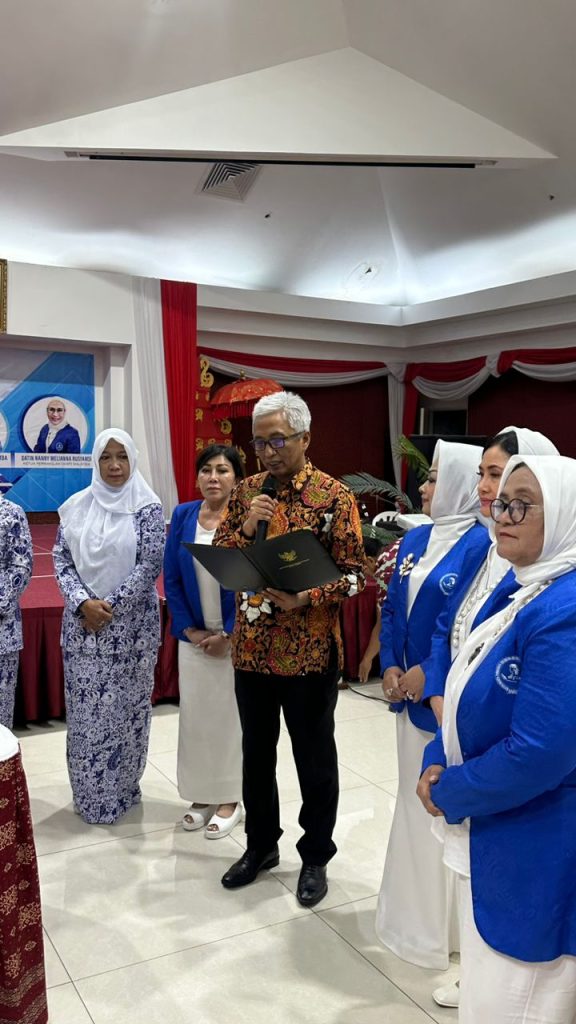
KUALA LUMPUR: A formal ceremony to sign a Memorandum of Understanding (MoU) between the Indonesian Women Entrepreneurs Association (IWAPI) and the Association of Bumiputera Women in Business and Profession (Peniagawati) was held with great splendour at the Embassy of the Republic of Indonesia in Kuala Lumpur. This historic event was witnessed by Bapak Hermono, Ambassador of the Republic of Indonesia, who also serves as the Advisor to IWAPI’s Malaysia Representative. The MoU was signed by the President of IWAPI’s Malaysia Representative, Datin Nany Rusyamsi, and the President of Peniagawati, YBhg. Dato’ Emmy Suraya Hussein, in the presence of IWAPI’s Central President, Ibu Nita Yudi, and the Peniagawati EXCO members who attended to enliven the ceremony.   IWAPI, founded on 10 February 1975 by Prof. Kemala Motik and Dr. Dewi Motik Pramono, M.Sc., is an organization committed to advancing women entrepreneurs in Indonesia through various networks, training, and empowerment programs. Since its inception, IWAPI has multiplied from a few women entrepreneurs to more than 30,000 members across Indonesia. Peniagawati, registered on 24 March 1980, continues strengthening its position as a leading association representing Bumiputera women entrepreneurs in Malaysia. Throughout its history, Peniagawati has played a significant role in enhancing the status of Bumiputera women entrepreneurs and reinforcing their participation in national development. Under the leadership of each President of Peniagawati, albeit with different styles, the association has successfully steered towards the same vision of becoming an organization that enhances the livelihoods of Bumiputera women entrepreneurs. The signing of this MoU aims to strengthen the cooperative relationship between the two organizations in efforts to empower women entrepreneurs in Indonesia and Malaysia through business networking programs, business matching, and cultural exchanges. The IWAPI National Work Meeting (RAKERNAS), scheduled for 23 to 24 September 2024 at Sunway Putra Hotel, Kuala Lumpur, is expected to attract 1,000 Indonesian women entrepreneurs from 36 provinces. A total of 100 exhibition booths will be provided, including prominent Indonesian brands such as Sari Ayu, Wardah, and others, alongside participation from local entrepreneurs from Malaysia. Entrepreneurs from various sectors such as beauty, health & spa, ready-to-eat food, fashion, and others will showcase their products and services throughout the two-day event. This program is open to the public, and we warmly welcome support from government agencies and various stakeholders. Through the business synergy formed between these two countries, it is hoped that business networks will be enhanced, business opportunities developed, and relations between the two countries strengthened, thereby expanding cooperation towards closer cultural exchange and entrepreneurship in the future. Interested parties wishing to participate in this exhibition are invited to contact the organizers.

Energy & Technology

CelcomDigi and Huawei Malaysia to Elevate Network Productivity with an AI-driven 5G Network

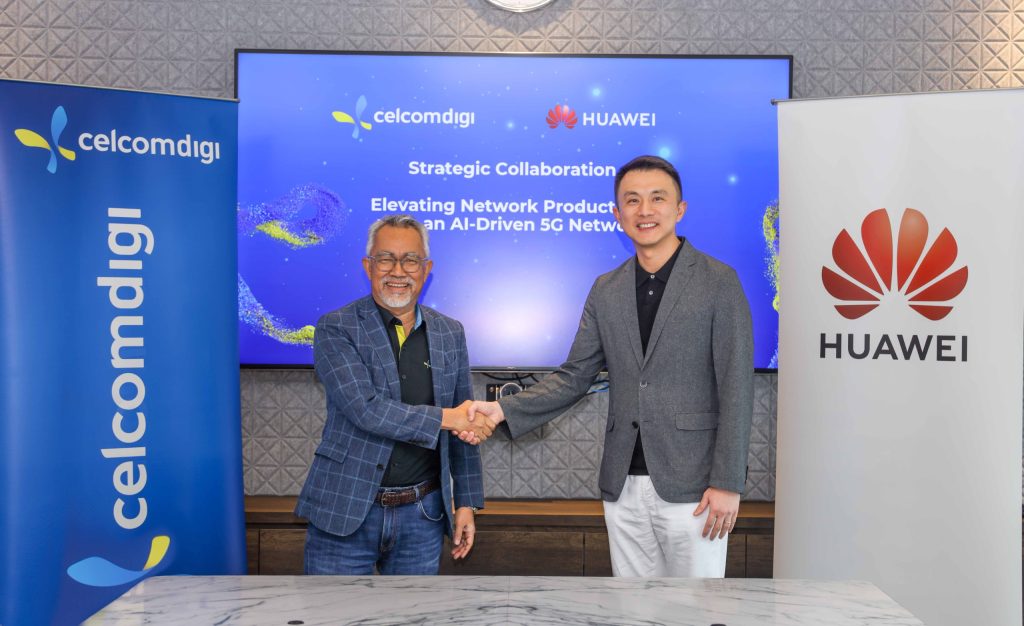
CelcomDigi Bhd (CelcomDigi) and Huawei Technologies (Malaysia) Sdn Bhd (Huawei) have formalised a Memorandum of Understanding (MoU) to work together on integrating artificial intelligence (AI) into CelcomDigi’s network, paving the way to establish one of Malaysia’s most intelligent 4G and 5G-ready networks in the country.  The collaboration will explore applying AI capabilities to CelcomDigi’s Radio Access Network (RAN) also known as “IntelligentRAN”. This includes the incorporation of a digital twin system to enable rapid experimentation of new network models, alongside implementing proactive network management capabilities through advanced analytics and leveraging multiple support systems to intelligently provision network services to improve customer experience.    AI and automation can significantly boost network productivity and innovation, even as network infrastructures become more complex. Creating digital twins will enable the company to run large-scale simulations in a virtual network replica before live implementation, accelerating innovation at lower costs with minimal disruption to customers. Proactive network management, powered by predictive algorithms, ensures a consistent and reliable customer experience. Additionally, intelligent orchestration of 4G and 5G resources will enable more personalised and improved wireless services for customers.    CelcomDigi’s CEO Datuk Idham Nawawi said, “The country is in a prime position to be a regional leader in both 5G and AI development. We are proactively investing to build the most advanced 4G and 5G-ready network in the country to realise this ambition and serve the needs of consumers and enterprises in a new 5G-AI powered age of ‘digital-everything’. With a robust AI-driven network, we believe we are best positioned to deploy a high-performance 5G network to power Malaysia’s digital future.”      Mr Simon Sun, Chief Executive Officer of Huawei Malaysia, emphasised that Malaysia is at the point of inflexion for deploying network intelligence as AI technology progresses.     “Our vision is to build intelligent networks across Malaysia, and to achieve this, Huawei Malaysia is evolving beyond being an ICT solutions provider towards a collaborative architect of AI-driven networks. By deploying the IntelligentRAN with CelcomDigi, we will unlock significant business value by allowing for full integration of AI capabilities across all layers of wireless networks and enable 5G business success,” he said.     Under the collaboration, CelcomDigi and Huawei Malaysia will also explore jointly leveraging cross-domain data convergence from Huawei platforms to gain a comprehensive view of the customer and service lifecycle, enable proactive user experience management and support seamless digital transformation across the company’s network operations. 

Scroll to Top

Subscribe
FREE Newsletter