Author name: admin

News

Bank of China appoints Ge acting president after Liu resigns

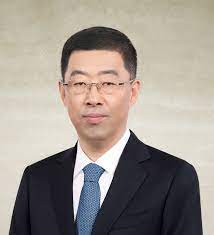
CHINA: Bank of China said that President Liu Jin has stepped down after a little more than three years in the job. Liu, born in 1967, resigned from his roles including as executive director due to personal reasons, effective from Aug 25, the state-owned bank said in a stock exchange filing on Sunday (Aug 25), days after he was absent from a board meeting. Chairman Ge Haijiao will be the acting president of the bank, according to the statement. There was no disagreement with the board, and Liu confirmed that there are no matters that need to be brought to the attention of shareholders, a filing to the Hong Kong exchange said. President Xi Jinping has been tightening his grip over China’s US$66 trillion financial sector with sweeping crackdowns on corruption and violations. In April, China kicked off new anti-graft inspections of some of its largest lenders, the central bank and regulators, the first broad probe since a round in 2021 that sent shock waves through the industry. More than 100 top executives have been ensnared in the probes, with several handed suspended death sentences and one executed. Liu Lange, Bank of China’s ex-chairman, was put on trial earlier this year for taking more than 121 million yuan (S$22 million) of bribes from 2010 to 2023, according to prosecutors. He was put under a probe by the Central Commission for Discipline Inspection in March 2023. Liu Jin joined the bank in 2021. Before that, he held various roles at other Chinese lenders including China Everbright Bank and Industrial & Commercial Bank of China. Bank of China reported a 2.9 per cent year-on-year decline in first-quarter net income to 56 billion yuan. The lender is scheduled to release its half-year earnings next week. -BLOOMBERG

News

Low tax a boon for India

NEW DELHI: India is making new efforts to ignite interest in its green debt as the category misses out on a torrent of foreign flows into local sovereign bonds. The nation will allow the trading of sovereign green debt from its newest finance hub in Prime Minister Narendra Modi’s home state of Gujarat by March. But lower taxes may not be enough to lift their appeal amid a lack of supply and small issuances. “The tax advantage won’t necessarily be a game changer unless the liquidity of the market improves,” said Kenneth Akintewe, head of Asian sovereign debt at abrdn plc. Foreign investors “can access supranational bonds, many of which are also sustainable or green, with higher ratings and improved liquidity and free of domestic taxes.” Green issuances aren’t among the 20 most popular Indian government bonds with foreign investors, according to Clearing Corp of India data. Only about 14% of the planned issuance of US$1.4bil for the April-September period hit the market as officials scrapped auctions that didn’t garner a premium. That hampers the government’s plan to lower financing costs to promote green growth in the world’s third-largest emitter. At US$15.6bil, India’s environmental, social and governance debt issuance is set to notch an annual record, but the volume remains a fraction of that of peers such as China and Japan, according to Bloomberg Intelligence. The lukewarm response for India’s green bonds contrasts with the enthusiasm seen for their conventional peers. Global funds snapped up Indian bonds at a rate not seen in seven years following a landmark index inclusion by JPMorgan Chase & Co. in June. Only a tiny share of about US$ 12 billion of such inflows has gone into green bonds. “Whether they can have sufficient liquidity is perhaps the most important thing for many foreign investors,” said Xuan Sheng Ou Yong, sustainable fixed income lead for Asia Pacific at BNP Paribas Asset Management in Singapore. He suggested allowing investors to swap green bonds with regular government debt as has been done in Germany, and building a yield curve by issuing shorter green bonds as those are more popular when interest rates fall. Concerns over finding a buyer when they want to trim holdings are keeping investors at bay – no green bonds have exchanged hands since Aug 16, according to data compiled by Bloomberg. Allianz Global Investors GmbH’s portfolio manager Giulia Pellegrini, who started trading in sovereign rupee bonds this year, is awaiting the next primary issuance as the secondary market remains illiquid. India’s got all the ingredients from a macroeconomic standpoint. “It’s a giant that seems committed to doing more about environmental issues, climate change,” she said. “But at the moment we’re lacking literally the paper.” While poor liquidity remains a talking point for green bonds globally, small sizes and the unpredictability of issuance compound the challenges for India. Only one of its green bonds cleared the issuance threshold for inclusion into JPMorgan’s gauge. The nation’s decision last month to remove future issuance of 14 and 30-year debt from the index-eligible securities will also limit green debt availability to investors. “The small size of a long-term bond typically bought by foreign investors leads to less liquidity in the secondary markets and wider bid-offer spreads,” said Gustavo Medeiros, head of research at Ashmore Group Plc. This “makes it a costly instrument to carry in portfolios. From that perspective, a feeble demand is not surprising.” — Bloomberg

Investment & Market Trends, News

MITI Unveils Initiatives for Stronger Industrial Supply Chain

KUALA LUMPUR: The Ministry of Investment, Trade and Industry (MITI) will implement preventive measures to address potential supply chain disruptions, including the development of a platform to enhance traceability, ensuring the resilience of Malaysia’s industrial supply chain. MITI also plans to establish initiatives that provide centralised access to guidelines, funding opportunities and support programmes while fostering knowledge sharing among industry players. These measures were decided at the Sixth National Investment Council (MPN) Meeting that focused on ‘Building Economic Security Through a Resilient Supply Chain’. Its minister, Tengku Datuk Seri Zafrul Abdul Aziz emphasised the need for responsive strategies to manage and recover from supply chain disruptions, citing findings from its engagement sessions with industry stakeholders and bilateral and multilateral cooperation. He said the global supply chain is the lifeline of the world economy with interconnected systems that complement one another. “Supply chain security ensures the smooth flow of goods, services and inputs across borders and fosters economic growth and universal prosperity. “The COVID-19 pandemic served as a wake-up call, exposing vulnerabilities and underscoring the importance of a resilient and efficient industrial supply chain,” he said. As an open economy, Malaysia is particularly sensitive to supply chain disruptions caused by global geopolitical events and natural disasters, MITI noted. “To maintain the competitiveness of the Malaysian economy, MITI is committed to ensuring that the national industrial supply chain remains resilient and secure against future disruptions,” the minister added. The ministry stressed the importance of a multi-pronged approach to bolster global supply chain resilience. “Collaboration between governments, businesses, and international organisations is crucial for facilitating information sharing, coordinating responses, and developing uniform standards. “This includes leveraging technology, diversifying sourcing options, fostering regional cooperation, and enhancing flexibility as key strategies to strengthen supply chains against disruptions,” MITl said. MITI also highlighted the need for digitisation to reinforce supply chain resilience and security, drive innovation, and provide a competitive edge in the increasingly complex global market. “By embracing digital technology, Malaysia can improve its ability to prevent and respond to disruptions, implement robust security measures, and streamline operations for greater efficiency and agility through digitisation, including systems, applications, and virtual centres of excellence,” the ministry explained. — BERNAMA

Investment & Market Trends, News

China Could Help Cushion US Recession Impact on Malaysia’s Economy

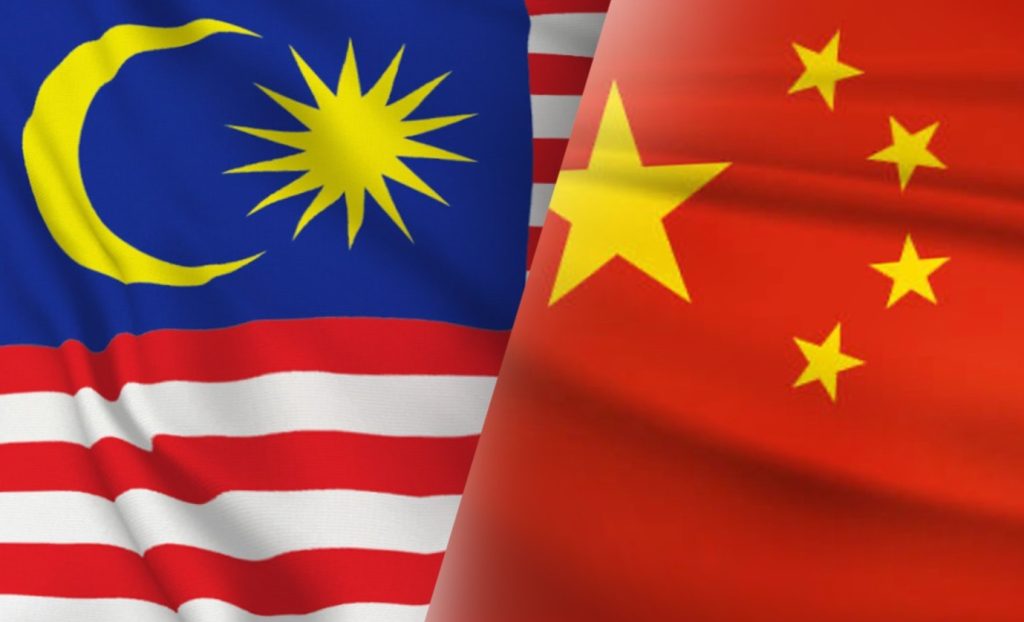
KUALA LUMPUR: A strong Malaysia-China economic relationship is expected to help the country face and overcome the adverse effects of a US recession. Capital Dynamics Asset Management Sdn Bhd Managing Director, Tan Teng Boo said that China is set to introduce aggressive policies to shore up its economy on the back of the latest development in the country and the US, helping to cushion the impacts of a possible global recession. Therefore, he believed Malaysia’s economy would still grow relatively better than other countries due to its links with China. Tan opined that Bursa Malaysia’s FBM KLCI would be able to end the year at the 1,600 level and the ringgit between 4.40 and 4.50 as US recession risks are set to induce monetary policy change in the world’s largest economy. “China has always been an important country to the world and Malaysia, not just for businesses and investments but also for the nation’s economy and foreign policies,” he said. Tan described the US recession as potentially unprecedented and very much different from previous crises, with the US government having limited policy space and may cut its interest rates significantly starting this year. “I will not be surprised if the US cuts interest rates to near zero again, he highlighted. Tan said that with a 2024 budget deficit estimated at 7% of GDP, the US has limited means to launch fiscal stimulus to boost its economy. He opined that Bank Negara Malaysia may retain its overnight policy rate at the current 3% to ensure that the monetary policy stance remains conducive to sustainable economic growth, amid a narrow rate differential should the US start cutting interest rates this year. According to Tan, China is in an excellent position to make use of fiscal measures to support the economy, and it has plenty of room to loosen its monetary policy. He added that with the decoupling already ongoing with the US, the resilient Chinese economy will be able to safely sail through another US-led financial crisis, just like 2008-2009. Tan said China saved the global economy in 2009 with her massive fiscal stimulus and again in 2022 to 2023 from a cost of living crisis, by not taking a fiscal-bazooka stimulus. “This time, we may see China saving the global economy for the third time, he said. China has been Malaysia’s largest trading partner since 2009, making up 14% of exports. Tourist arrivals from China reached nearly 1.2 million Chinese in five months of 2024, a 200% increase over the same period of last year. — BERNAMA

Energy & Technology, News

Equinix Acquires Land to Expand Digital Infrastructure in Malaysia

HONG KONG: Malaysia’s digital landscape is witnessing a surge in demand for data centres across diverse industries. Responding to this trend, Equinix, Inc., the global leader in digital infrastructure, announced today an investment of RM23 million (approximately US$5 million) to acquire land from Cyberview Sdn Bhd (Cyberview) in Cyberjaya. This investment aims to expand Equinix’s data center capacity in Malaysia, following the successful launches of its International Business ExchangeTM (IBX®) facilities in Kuala Lumpur (KL1) and Johor (JH1). The additional land acquisition in Cyberjaya, Malaysia’s Global Tech Hub, situated less than one kilometre from the existing KL1 facility, spans 14,300 square meters. This strategic move will bolster Equinix’s ecosystem in Malaysia, facilitating enhanced services for network and cloud providers, as well as enterprises across various sectors. Malaysia’s strategic location, supportive government policies, and increasing digital infrastructure demands are driving its emergence as a pivotal player in Southeast Asia’s digital transformation. The country aims to evolve into a digitally driven, high-income economy, leveraging factors like geopolitical stability, a skilled workforce, enhanced connectivity, and a focus on renewable energy. Chief Minister of Selangor, Dato’ Seri Amirudin Shari emphasised the significance of data centres in accelerating Selangor’s digital economy, praising Equinix’s expertise in building resilient digital infrastructure. He highlighted the company’s role in promoting cloud technology adoption among Malaysian enterprises. Meanwhile Equinix Malaysia Managing Director, Cheam Tat Inn underscored Malaysia’s robust digital engagement, with 96.8% of the population actively participating in digital activities. This consumer demand is driving businesses to seek secure and scalable data centre solutions, where Equinix’s global expertise and strategic advantages make it a preferred partner. Additionally, Cyberview CEO, Kamarul Ariffin Abdul Samad highlighted Cyberjaya’s pivotal role in Malaysia’s digital economy, noting its concentration of tech companies and recent surge in data centre investments. He affirmed Cyberview’s commitment to fostering innovation and positioning Cyberjaya as a prime destination for tech investments. Equinix currently operates two data centres in Malaysia: JH1 in Johor offering 500 cabinets and 1,960 square meters of colocation space, and KL1 in Kuala Lumpur set to provide 900 cabinets and 2,630 square meters upon completion. These facilities have already attracted a diverse array of companies, including network providers, content creators, fintech firms, and AI developers. With 56 data centres across key Asia-Pacific markets and a global network spanning 260 centres in 71 metropolitan areas, Equinix continues to support over 10,000 leading businesses worldwide, reinforcing its position as a cornerstone of digital infrastructure globally.

Investment & Market Trends, News

ASEAN on Positive Trajectory to Become World’s 4th Largest Economy by 2030

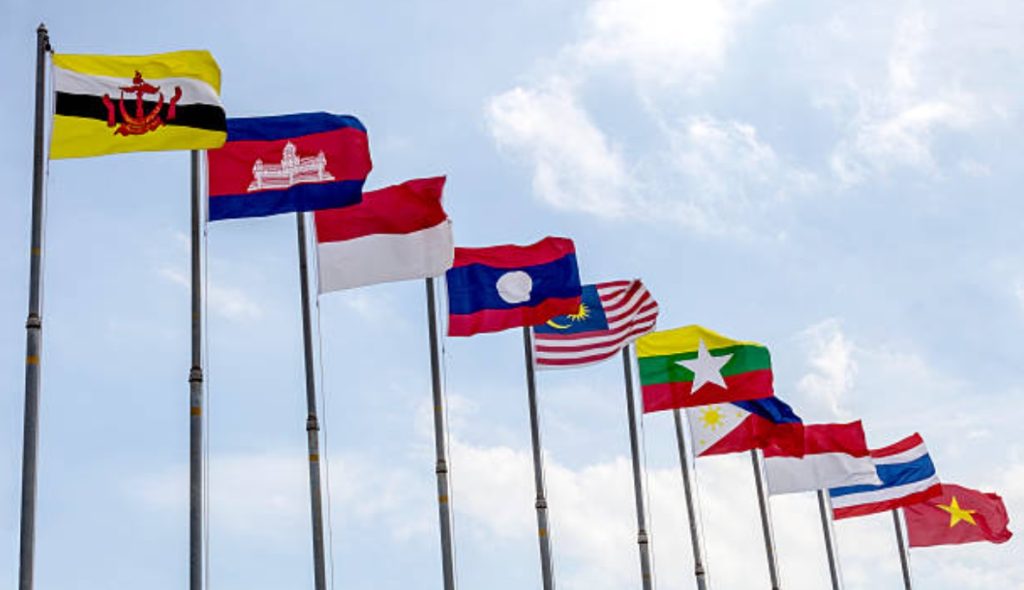
KUALA LUMPUR: ASEAN is on a positive trajectory to emerge as the world’s fourth-largest economy by 2030 from its current fifth, given its progressive and significant macroeconomic environment. ASEAN Economic Community (AEC) Deputy Secretary-General Satvinder Singh said this includes its gross domestic product (GDP) which soared 51% to US$3.8 trillion last year versus US$2.5 trillion in 2015. This was further reinforced by regional trade which rose to US$3.5 trillion in 2023 from US$2.3 trillion in 2015, which helped raise per capita income significantly. This reflects ASEAN’s persistent commitment to becoming an open economic region for global trade and investment, which has improved significantly, he said. “The important thing is, we are one of the very few regions in the world where our trade is almost as large as our GDP and the biggest component of trade is not our trade with China or the US, but our intra-Asian trade, which is somewhere close to US$800 trillion. “What we are trying to say is, as much as we have grown as the largest trade Component, we have also grown a lot in terms of our trade with the rest of the world,” he said. This is the uniqueness of economies within the ASEAN bloc, unlike the European Union or the North American Free Trade Area where “they like to trade with each other.” For Canada, Mexico and the European Union (EU), most of the countries trade with each other and not with the rest of the world. “So, this is the uniqueness of ASEAN. We are strong in Asia, and at the same time, we are (also) strong globally trading in goods and services,” he said. Satvinder said in the global south, ASEAN is also the largest recipient of foreign direct investments totalling about US$230 billion, to date. He said the global supply chain of companies with low carbon footprints and high-value activities is more likely to be in ASEAN countries in the coming years. Some of the sectors to see significant growth include semiconductors, agriculture, data equipment as well as minerals and the metals industries. Besides this, “the sweet spot for ASEAN is technology transformation and that frontier technologies such as 56, artificial intelligence, Internet of Things, are going to create another US$8 trillion, he said. Nonetheless, ASEAN should work hard to reduce the cost of technology across their economies and ensure regional economies have access to technological devices and solutions. Despite these economic positives, Satvinder expressed concern that the region’s young workers are expected to decrease while ageing workers are estimated to increase marginally, presenting the risk of skills mismatch. Across member countries, automation will also affect the different types of occupations. “Therefore, reskilling young workers in technology and innovation through technology management hubs, online education platforms for science, technology and innovation and upskilling the elderly will instil productivity and help strategic industries to move up,” he said. — BERNAMA

Investment & Market Trends, News

UOB Survey Shows Businesses Positive on Malaysia’s Prospects

KUALA LUMPUR: Malaysian and overseas small and medium enterprises (SMEs) as well as large enterprises, are optimistic about the country’s business landscape and prospects, according to the UOB Business Outlook Study 2024. The annual study revealed that Malaysia has emerged as the most important country for businesses in ASEAN and Greater China to venture into over the next 3 years. UOB Malaysia Chief Executive Officer Ng Wei Wei said the study indicates that local businesses are gearing up for growth and are bullish on Malaysia’s economic potential, while overseas businesses are looking to expand into the country. “This is due to Malaysia’s strong economic fundamentals and attractiveness as a regional business hub, driven by the China+1 strategy, the upcoming Johor-Singapore special economic zone, the upcycle of the global semiconductor industry and the rising adoption of sustainability among businesses and states. “UOB Malaysia remains committed to leveraging our extensive regional network, strong sector expertise and local market knowledge to support the growth of local businesses and facilitate more foreign direct investment and trade into the country,” she said. The survey aimed to understand the business outlook and key expectations among SMEs and large enterprises in Malaysia, Hong Kong, Indonesia, Mainland China, Singapore, Thailand and Vietnam. Among the key findings of the survey, more than 7 in 10 Malaysian businesses are positive about the current business environment, with 76% expecting business performance to improve this year. The sectors most positive about the current business environment are industrials, oil and gas (90%) and manufacturing and engineering (80%). The survey also showed that the top 3 priorities for local businesses in the next 1 to 3 years are reducing costs, adopting digital solutions to improve productivity, and sourcing new customers. “Almost 80% of Malaysian businesses want to expand overseas to boost their profits, grow revenue and build their reputation as international businesses. “Businesses also want to incorporate sustainability practices into their operations to attract investors, collaborate more easily with multinational corporations with sustainability goals, and improve their brand and reputation,” the survey reported. — BERNAMA

The Executives

InDrive is Here to Stay With Plans for Further Expansion in Malaysia

By Tara Yean As cost-of-living prices continue to increase, consumers tend to be more frugal when it comes to spending for other matters. One such matter is ride-hailing services. A single smartphone user might have multiple ride-hailing apps installed just so they can compare prices of the rides between the different services available. Meanwhile, InDrive is a mobility platform that can provide comparative prices for the convenience of the users. From its humble beginnings in a small town called Yakutsk in Siberia, Russia, the company is now based in Mountain View, California with over 3,000 employees. With the company having reached a value of US$1 billion, InDrive has also achieved the ‘unicorn’ status, with a presence in over 46 countries.     “We are one of the fastest growing online ride-hailing services as we are currently the second most downloaded app globally, in terms of ride-hailing. This shows that we are determined to be in the market and we are committed to get better in what we do,” said InDrive Malaysia Business Development Lead, Govin Kumar. According to Govin, the brand strives to emphasise its core messaging, which is ‘fairer fares’, to not only provide convenience to the passengers, but also benefit the InDrive drivers at the same time. “We refer to the concept of ‘fairer fares’ because it will be an amount that is agreed upon between both the passenger and driver. If one party does not agree on the price, then there will be no ride. “This will allow either parties to be in full control of whether the ride happens or not, which starts when the passenger bids for a price and it will be up for the drivers to accept the ride for that price or if they would prefer another figure to which they will be able to counter-bid,” Govin explained in an exclusive interview with The Exchange Asia. Apart from that, he also highlighted how InDrive is a service that upholds transparency for both sides. In this sense, Govin described how the driver can see how much the passenger is bidding for and the passenger can also see what the driver is counter bidding for or whether they are willing to accept the initial bid. “This way, there will be no hidden fees. Both parties will be clear on what they will pay or what they will receive at the end of the ride,” he said. Unlike most other ride-hailing services, InDrive prides itself in its ability to provide its drivers with 100% of the fares that is paid for the ride. Govin explained, “A lot of drivers prefer direct payments. Having that in mind, our system will enable the passengers to pay directly to the driver without any involvement from a third party.”   He further clarified that while the passengers have the freedom to set their own fares, the system will also display the recommended price of the ride based on the distance, typical fares, the number of drivers around the area and so on. This will allow the passengers to have a better guideline when considering their bid for the fare. On the driver’s side, they can also make their counteroffer known among the other drivers in the area to lock in the offer. In turn, the passengers will then be able to see how many drivers are interested in the bid, which will provide the passengers with full flexibility to choose which driver and counter-bid they would agree with. However, the system will set a limit and recommended fare on how low or high the prices can be offered for both the passengers and the drivers. “If the passengers bid too low, the price might not be attractive to the drivers so they might not take up the ride, which would affect the response time for the passengers to book a ride,” he added. Growth in Malaysia According to InDrive Business Development Manager for Southeast Asia and Overseas, Afanasiy Petrov, since its introduction in Malaysia, InDrive’s customer base has experienced steady growth year-on-year, which is a testament to the acceptance level of Malaysians in accepting the company’s business model. “Admittedly, our presence in Malaysia tends to spark some healthy competition with other ride-hailing companies, but ultimately, the main benefit will fall down to the customers as they would have more options to choose from. “Customers will also be presented with better deals that would suit their affordability. That is how we contribute to the community here,” Petrov noted. Aside from attractive prices, Petrov noted that InDrive also takes safety very seriously. For this, the app has an emergency button feature where the passengers and the drivers would be able to call for emergency services immediately, straight from the app itself. As an added safety feature for the passengers, the app also has a Ride Share feature that will enable the passengers to share their ride details with their friends and family for an extra layer of security, with 24-7 support services available. Meanwhile, Petroc also mentioned that the company is currently looking to enhance a number of its current features with plans to introduce more new capabilities in the near future. “We’re exploring introducing new tech in our system, with the current focus being on improving the ease of registration for passengers. “We are also looking to explore possibilities in the electric vehicle (EV) segment, but everything is still within the discussion stage at the moment. However, we already have partnerships with a number of EV producers in Indonesia and Thailand…Of course, we are considering options in Malaysia as well,” Petrov said, adding that InDrive is open to collaborating with any local EV manufacturers to ensure further growth of the company. Here to Stay When asked about the possibility of InDrive subsidising the installation of dashcams in the cars of the drivers, InDrive Head of Global Support for APAC and Developed Countries, Nava replied, “While it is not a requirement at the moment, we are actively looking for partners

Events

MILO® Honours Malaysia’s Olympic and Paralympic Heroes

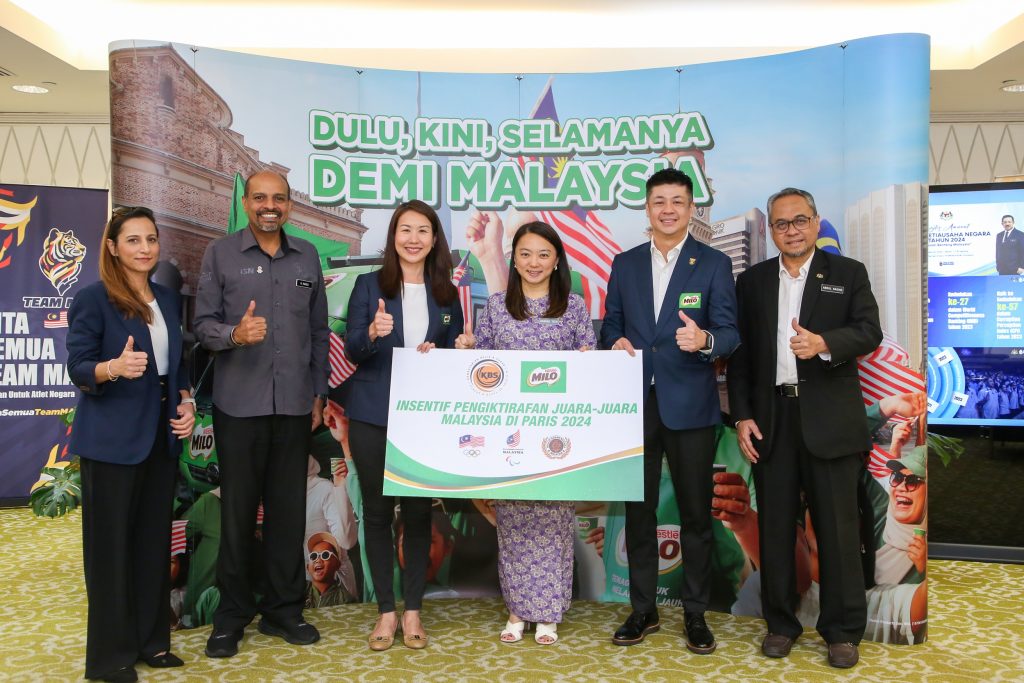
In the spirit of national pride and support, MILO®, Malaysians’ favourite nutritious beverage brand, is contributing a total of more than half a million Ringgit to celebrate and honour the nation’s Olympic heroes. This will see the 56 athletes who competed in the Olympic Games and those who will be competing in the upcoming Paralympic Games receiving RM10,000 each, recognising their inspiring dedication and performances uniting the nation.    A handover ceremony was held with YB Puan Hannah Yeoh, Minister of Youth and Sports, demonstrating MILO®’s ongoing commitment to nurturing sports talent in Malaysia. Also in attendance was YBhg Ts. Dr Nagulendran Kangayatkarasu, Secretary-General, Ministry of Youth and Sports, and Encik Abdul Rashid Yaakub, Director General, National Sports Council.     YB Puan Hannah Yeoh commented, “Thank you MILO for sponsoring and contributing RM10,000 to each of our Olympic and Paralympic athletes. This contribution will undoubtedly motivate our athletes to continue striving to excel in sports and bring honour to our country.”     Ng Su Yen, Business Executive Officer, MILO®, Nestlé (Malaysia) Berhad, said, “For over 70 years, MILO® has been privileged to play a part in the journey of Malaysian athletes, from their early days in school sports to representing our nation on the global stage. This contribution is our way of saying thank you to these incredible individuals who inspire us. We have seen many amazing athletes grow through our grassroots programmes, and now they are showing the world what Malaysians can achieve. By supporting all our Olympic and Paralympic athletes, we recognise their hard work and encourage Malaysia’s future sporting champions.”    The contribution will benefit the 26 Malaysian Olympic athletes who competed in Paris and 30 Paralympic athletes preparing for the upcoming games. This initiative builds upon MILO®’s long-standing partnership with the Olympic Council of Malaysia, which dates back to the 1950s. For over seven decades, MILO® has supported Malaysian contingents competing in the Olympic Games and other international multi-sports events, creating opportunities to hone their talents and represent the country on the global stage.     MILO®’s commitment to nurturing sports talent in Malaysia is further reflected through its various initiatives, including the MILO-MSSM national school sports competition, which has benefitted millions of school children over the past 60 years. The brand’s philosophy that “Sports is a great teacher” aligns with its efforts to inspire and support athletes at all levels. 

Investment & Market Trends

ACE Market-Bound Steel Hawk Berhad Targets to Raise RM13.50 Million from Transfer of Listing

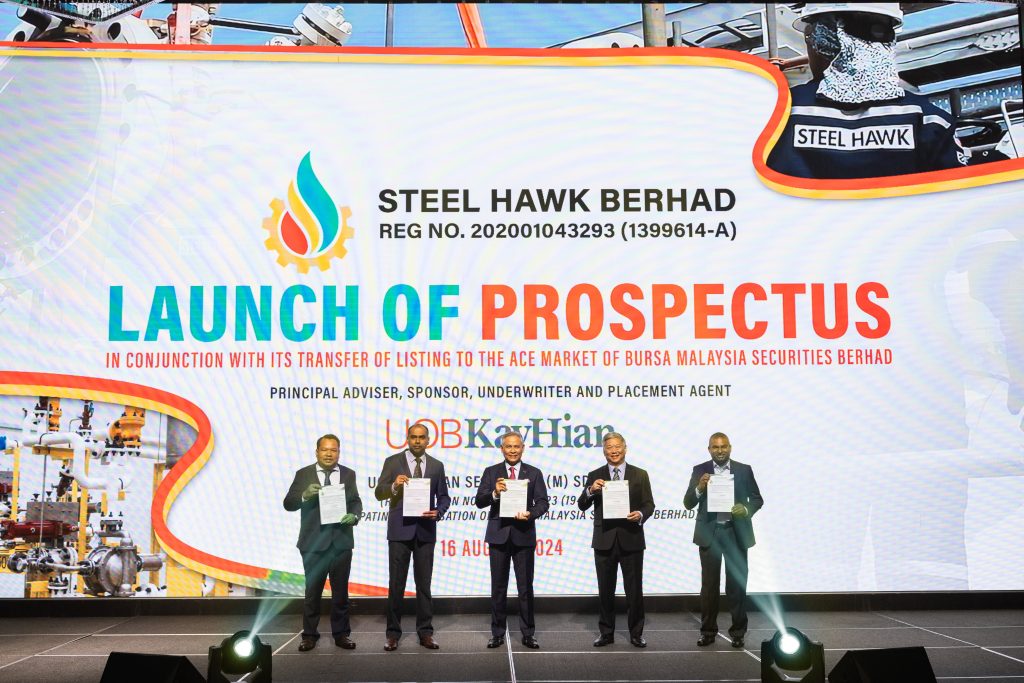
KUALA LUMPUR: Steel Hawk Berhad (“Steel Hawk” or the “Company”), a provider of oil and gas (O&G) services and equipment, has successfully launched its prospectus in preparation for its upcoming transfer from the LEAP Market to the ACE Market of Bursa Malaysia Securities Berhad (“Bursa Securities”). Steel Hawk, through its subsidiaries (collectively referred to as the “Group”), specializes in providing onshore and offshore support services for the O&G industry. The Group’s core capabilities include engineering, procurement, construction, and commissioning (“EPCC”) services, as well as the maintenance of topside O&G facilities, installation and maintenance of oilfield equipment, and the supply of oilfield equipment. With over a decade of proven experience, Steel Hawk serves clients across the upstream, midstream, and downstream sectors of the O&G value chain. Deputy Chairman and Executive Director of Steel Hawk, Dato’ Sharman K. Michael, commented, “The launch of our prospectus marks a significant milestone as we prepare to list on the ACE Market. This transition will provide us with access to a broader fundraising platform, supporting our expansion plans and accelerating our long-term growth initiatives.” Dato’ Sharman emphasized that the outlook for Malaysia’s O&G industry is positive, with Steel Hawk well-positioned to capitalize on upcoming opportunities. He highlighted the potential surge in contracts, which could help the Group expand its market share and enhance its financial performance. Steel Hawk’s ongoing efforts to boost its capabilities aim to solidify its standing as a leading industry player. Of the RM13.50 million to be raised through the transfer of listing, RM7.00 million (51.85%) will be allocated to expand the Group’s fabrication capacity fivefold, from approximately 13 metric tonnes (“MT”) to 65MT per month, by constructing an additional fabrication yard in Kemaman, Terengganu (the “Teluk Kalung Facility 2”). This new facility will help Steel Hawk overcome space constraints and reduce its reliance on subcontractors, optimizing the turnaround time for its EPCC services and generating cost savings. The facility will also allow the Group to undertake more fabrication activities, including blasting and painting works. Steel Hawk also plans to expand its EPCC and facilities improvement/maintenance services into the renewable energy (“RE”) sector, particularly in solar and hydroelectric energy. Additionally, the Group intends to offer integrated hook-up and commissioning (“HUC”) services to interconnect O&G infrastructure, encompassing onshore services such as fabrication, assembly, system integration, and pre-commissioning, as well as offshore services like transportation, installation, and start-up commissioning. Furthermore, RM2.00 million (14.81%) of the proceeds will be used to finance working capital, primarily for the purchase of raw materials like piping, fittings, and structures. An additional RM1.00 million (7.41%) will be allocated for the repayment of bank borrowings, while the remaining RM3.50 million (25.93%) will cover the expenses related to the transfer of listing. According to an Independent Market Research Report by Protégé Associates, Petroliam Nasional Berhad’s (“PETRONAS”) domestic capital expenditure (“CAPEX”) is projected to increase from RM26.50 billion in 2024 to RM28.00 billion by 2028. Steel Hawk is expected to benefit from this increase as demand for its services grows in line with PETRONAS’ renewed focus on exploration and production activities, signaling potential expansion opportunities for the Group. The transfer of listing involves a public issuance of 90.00 million new ordinary shares, representing 18.37% of the Group’s enlarged share capital of 490.00 million shares. The exercise also includes an offer for sale of 44.70 million existing shares, or 9.12% of the enlarged share capital, to selected investors via private placement. Out of the 90.00 million new shares to be issued, 24.50 million shares, representing 5.00% of the enlarged share capital, will be available for application by the Malaysian public. Another 12.25 million shares, representing 2.50% of the enlarged share capital, will be allocated to eligible employees and contributors to the Group’s success (“Pink Form Shares”). The remaining 53.25 million new shares, or 10.87% of the enlarged share capital, will be issued to selected investors through private placement. Based on an IPO price of RM0.15 per share and the enlarged share capital of 490.00 million shares, Steel Hawk’s market capitalization upon listing will be approximately RM73.50 million. The Group has shown strong financial performance, with revenue growing from RM24.85 million in the financial year ended December 31, 2021 (“FYE2021”), to RM72.54 million in the financial year ended December 31, 2023 (“FYE2023”), representing a compound annual growth rate (“CAGR”) of 71.00%. Correspondingly, the Group’s net profit increased from RM2.08 million in FYE2021 to RM7.22 million in FYE2023, reflecting a CAGR of 85.16%. Following the prospectus launch, applications for shares are now open and will close on August 23, 2024, at 5:00 p.m. Barring any unforeseen circumstances, Steel Hawk is scheduled to be listed on the ACE Market of Bursa Securities on September 5, 2024. UOB Kay Hian Securities (M) Sdn Bhd (“UOB Kay Hian”) is the Principal Adviser, Sponsor, Underwriter, and Placement Agent for the transfer of listing.

Scroll to Top

Subscribe
FREE Newsletter