Author name: admin

Energy & Technology, News

Climate Finance is Key to Achieving a Sustainable Future, Says DPM

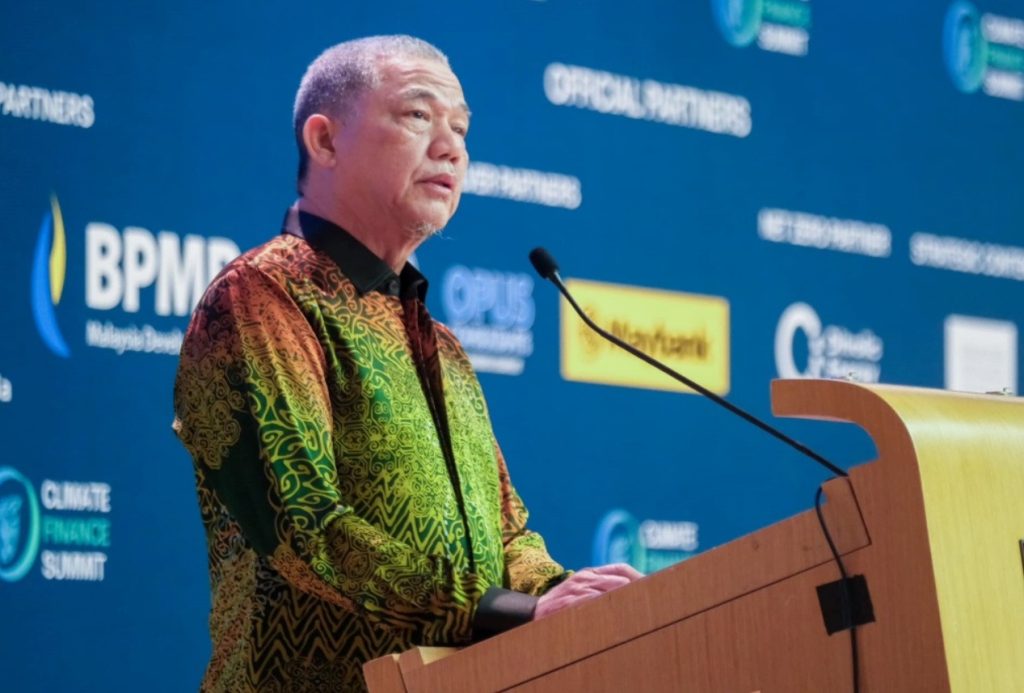
KUALA LUMPUR: Climate finance is crucial for meeting ambitious targets and fostering positive changes, thereby ensuring a more sustainable and equitable future. Deputy Prime Minister Datuk Seri Fadillah Yusof, who is also the Minister of Energy Transition and Water Transformation said that Malaysia welcomes international partnerships and investments supporting the country’s energy transition and broader climate objectives. “We are open to cooperating with various parties, including international financial institutions and private investors to mobilise the necessary resources for sustainable development projects,” he said. According to Fadillah, mobilising capital for a just transition offers a unique opportunity for long-term economic growth, enhanced social equity and increased investor confidence. “The scientific consensus is clear. We must act decisively and swiftly to mitigate these impacts. Central to this effort is the transition to sustainable energy systems,” said Fadillah. He also reiterated the government’s commitment to steering Malaysia towards a more sustainable future, including raising the renewable energy (RE) capacity target to 70% by 2050, up from the previous 40% target by 2035. Additionally, the government plans to introduce a ‘Corporate RE Supply Scheme’ in September, allowing corporate entities to directly source green electricity from third-party RE generators. Furthermore, the government is developing its second National Energy Efficiency Action Plan for 2026-2035 to enhance efforts in reducing national energy consumption. “By 2026, we aim for at least 50% of new bank financing to support climate or energy transition activities,” he said, referring to the integration of climate resilience into financial strategies outlined in the Malaysia Financial Sector Blueprint. — BERNAMA

Investment & Market Trends, News

Malaysia Achieves 3.6% GDP Growth in 2023 Amid Global Challenges

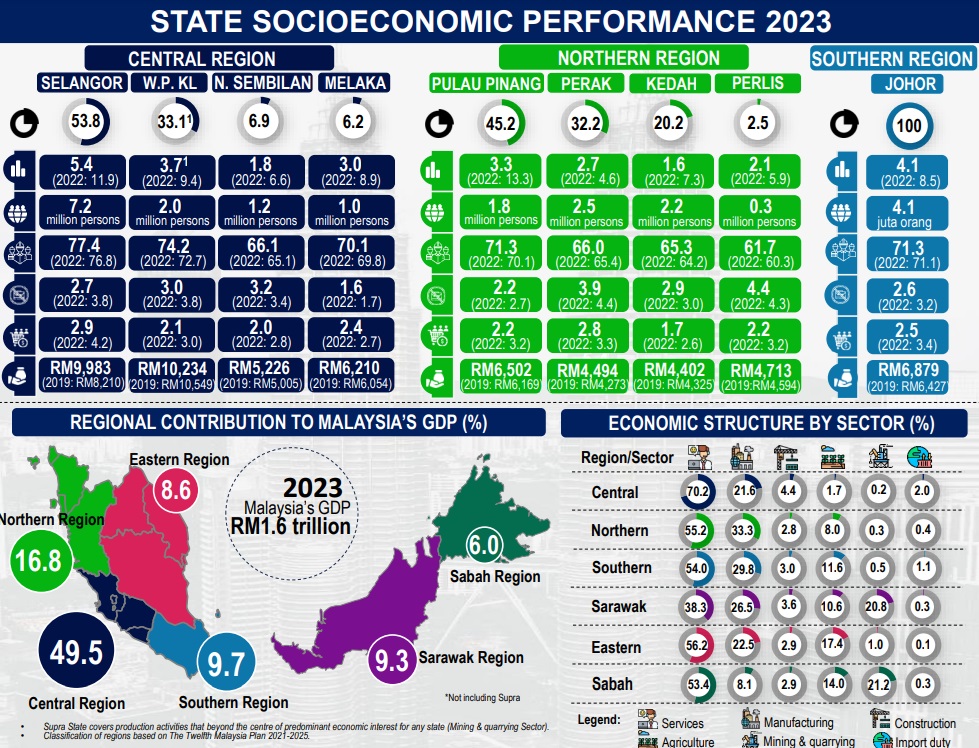
PUTRAJAYA: Malaysia demonstrated commendable economic resilience by achieving a gross domestic product (GDP) growth of 3.6% in 2023. According to the Department of Statistics Malaysia (DOSM), the achievement was recorded amidst the challenging global economic environment, which includes geopolitical tensions impacting global markets, rising cost of living and commodity price fluctuations. “The services sector notably contributed to the growth with a robust performance of 5.1%, counterbalancing the manufacturing sector’s modest growth of 0.7% due to global economic challenges, including supply chain disruptions and fluctuating commodity prices,” said DOSM Chief Statistician Daruk Seri Dr Mohd Uzir Mahidin. He said that Malaysia experienced a notable influx of tourist arrivals in 2023, indicating a substantial recovery to 20.1 million tourists compared to 10.1 million tourists in 2022 when global travel restrictions were more stringent due to the pandemic. “Domestic tourism also improved, recording 213.7 million visitors, an increase of 24.6% against 2022 (171.6 million),” he said. Mohd Uzir noted that Malaysia will continue positioning itself as a resilient and attractive destination for global investors in 2023, based on its robust investment performance. “The influx of capital not only strengthened Malaysia’s economic resilience but also elevated its competitiveness in the global market. “The Malaysian Investment Development Authority (MIDA) reported that Malaysia secured approved investments of RM329.5 billion in 2023, a 23% increase compared to the previous year’s RM267.8 billion,” he said. Mohd Uzir added that despite facing a challenging global economic environment, Malaysia’s trade surpassed RM2 trillion for the third consecutive year, reaching RM2.64 trillion in 2023, with a trade surplus of RM214.1 billion. He said Pulau Pinang, Johor, and Selangor continued to lead as Malaysia’s top exporting states, contributing 31.4%, 20.3%, and 17.7%, respectively, to national exports. He said Malaysia’s inflation in 2023 eased to 2.5% from 3.3% in 2022. This was in tandem with the decline in most global commodity prices, the easing of supply disruptions, price controls and the provision of subsidies for selected goods. Additionally, Malaysia’s population in 2023 is estimated at 33.4 million, increasing 2.1% from 32.7 million recorded in 2022. “5 states, namely Selangor, Johor, Sabah, Perak, and Sarawak, registered a total population of 19.9 million people, contributing 59.8% to the total population. “The Labour Force Participation Rate (LFPR) increased by 0.7 percentage points to 70% in 2023, up from 69.3% in 2022. This increase was observed across all states compared to the previous year,” he added. — BERNAMA

ESG, News, Property

BDB, Seterra Collaborates to Develop Elder Care Project in Langkawi

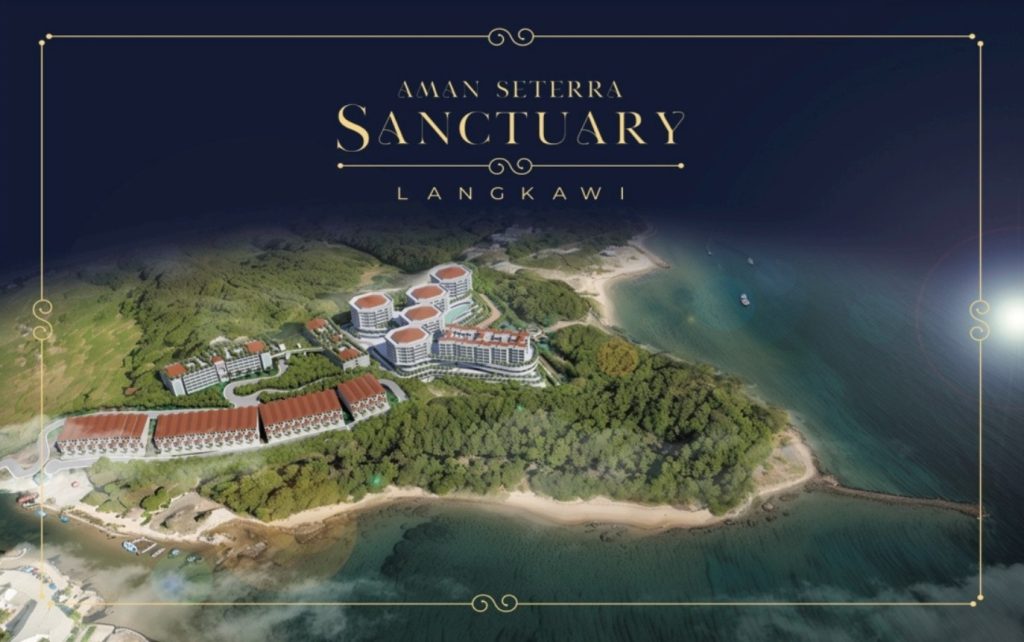
KUALA LUMPUR: Property developer Bina Darulaman Bhd (BDB) has embarked on a new business venture in partnership with the Seterra group to meet the increasing demand for elder care services in Malaysia. BDB Executive Director, Raja Shahreen Raja Othman announced that the initiative, dubbed Aman Seterra Sanctuary is set to launch in 2 years in Langkawi. The 5.36-hectare development will be located in Kuala Temoyong, Langkawi. He said BDB had previously explored opportunities in the hospitality sector such as hotels and resorts in Langkawi. “However, we realised that our partner, the Seterra group, is more focused on elderly care services. “After reassessing, we decided to shift our focus. We considered whether Langkawi could offer something more aligned with elderly care concepts,” he said. Raja Shahreen noted that Langkawi’s demographic includes many foreigners from Europe, the Middle East, Russia, Japan, and other countries who stay for extended periods to escape harsh climates. “Langkawi offers a unique appeal for such visitors, and we wanted to capitalise on this. So, we analysed the market and developed a concept catering to these international visitors who want to stay longer in Langkawi. “For the international market, we are focusing on the Japanese and European markets as they tend to live longer and have the budget to spend. Thus, there is a market for this in the elder care segment. However, our overall target market will include both local and international clients,” he said. He said BDB is close to launching the initiative near the navy base in Langkawi. “If everything goes as planned, we intend to have a soft launch in May 2025 during the Langkawi International Maritime and Aerospace Exhibition 2025 (LIMA 2025). “This venture with the Seterra group is about offering a unique blend of ageing care and lifestyle services, catering to those who seek relaxation and care in a tropical setting. “We aim to provide not only elderly care but also tailored experiences that suit the preferences of long-term visitors, such as gardening or golfing,” Raja Shahreen added. Regarding investment, he said BDB has significant land assets in Langkawi and plans to develop and utilise these properties further. “We are also evaluating how to balance insurance, medical care and other essential services for our target market. “In the future, we hope to collaborate with various agencies and partners to ensure a comprehensive care model. We are keen on working with insurance providers and exploring partnerships to address the needs of our clients effectively,” he said. Raja Shahreen noted that the ageing care sector in Malaysia is evolving with a growing demand for such specialised services. “We believe that our approach will fill a niche in the market and contribute positively to the company’s revenue stream,” he added. — BERNAMA

Investment & Market Trends, News

FGV Reinforces Sustainability Commitment With First EUDR-Compliant CPKO Production

KUALA LUMPUR: FGV Holdings Bhd has reinforced its commitment to sustainable practices with the first production of its European Union Deforestation Regulation (EUDR)-compliant crude palm kernel oil (CPKO). This achievement marks another significant milestone for FGV as one of the first Malaysian companies to produce EUDR-compliant CPKO, the company said in a statement. Primarily used in food and personal care products, including non-dairy ice cream, margarine, chocolate, confectionery, soap and detergent, CPKO is now produced in compliance with stringent EUDR standards. The EUDR is a legislative framework aimed at ensuring products imported into the European Union are free from deforestation and forest degradation activities. FGV’s ability to produce EUDR-compliant CPKO for clients worldwide showcases its dedication to upholding global sustainability standards and regulatory compliance. Group Chief Executive Officer Datuk Nazrul Mansor said FGV understand the critical role that businesses must play in addressing the pressing environmental and social challenges. “Our production of EUDR-compliant CPKO marks a major advancement for our operations and underscores our dedication to meeting stringent global environmental and social standards. “This achievement will positively impact our bottom line over time and reflects our proactive approach to environmental stewardship and our commitment to sustainable palm oil production,” he said. FGV has focused on sourcing its fresh fruit bunches from 3 key sources: its estates, the Federal Land Development Authority’s (FELDA) settlers, and independent smallholders who are already in line with EUDR, Malaysian Sustainable Palm Oil Certification (MSPO) or Roundtable on Sustainable Palm Oil (RSPO) traceability requirements. “We aim to expand the network of our business partners from among the smallholders, which in turn will generate better economic opportunities for them, and further enhance collective sustainability efforts of the Malaysian palm oil industry,” Nazrul said. Earlier in July, FGV launched its enhanced Sustainability Framework, advancing its commitment to the environmental, social and governance (ESG) goals. — BERNAMA

News

reNIKOLA to invest RM1bil in Indonesia

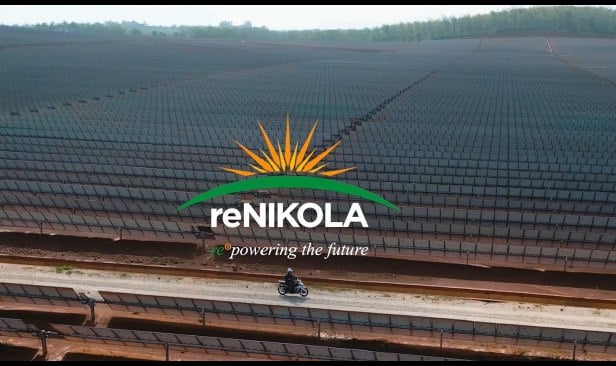
SINGAPORE: The renewable energy company says that Malaysia’s reNIKOLA Holdings plans to invest over US$240mil (RM1.05bil) to develop 40 compressed biomethane gas projects in Indonesia. The Kuala Lumpur-headquartered company said its subsidiary PT reNIKOLA Primer Energi planned to develop the projects with PT Perkebunan Nusantara IV, a division of Indonesia’s state-owned agricultural enterprise Perkebunan Nusantara. reNIKOLA also announced it signed an agreement with Perkebunan Nusantara IV to build, own, operate and transfer a compressed biomethane gas project in North Sumatra. reNIKOLA owns and operates solar plants across Malaysia and Indonesia with a combined generating capacity of 220 megawatts and aims to expand its capacity to one gigawatt-peak, according to its statement. The company said it would collaborate further with Indonesian state-owned companies like Perusahaan Gas Negara and Perusahaan Listrik Negara to support Indonesia’s goal of achieving a 26% renewable energy mix by 2030. — Reuters

Investment & Market Trends, News

Reduce Dependency on Foreign Vessels in New Shipping Policy, Says Expert

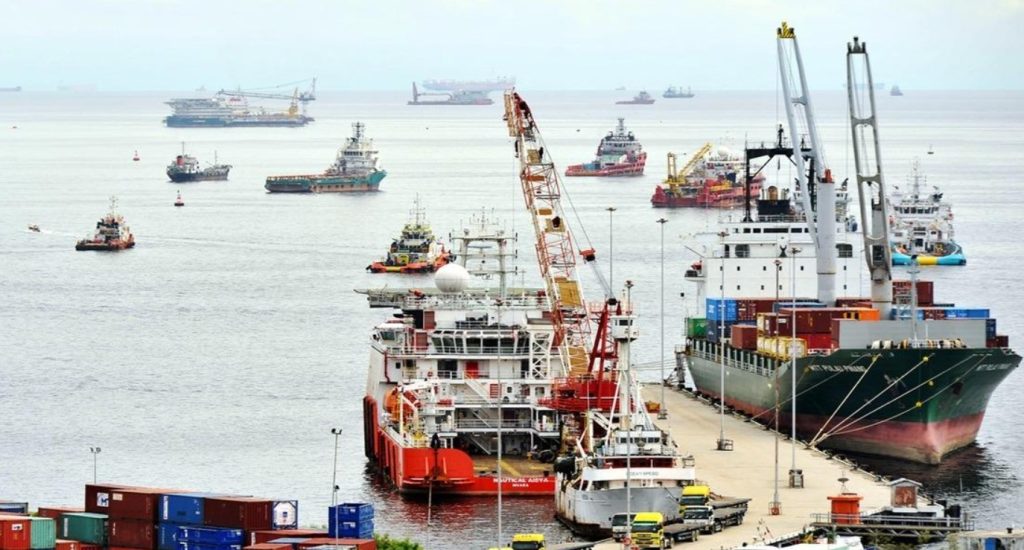
KUALA LUMPUR: Malaysia’s new national shipping policy must not only encourage the development of a robust domestic fleet to reduce dependency on foreign vessels but also provide more funding to modernise and accelerate the transition to green shipping. Industry players said the policy should prepare Malaysian shippers to navigate the shifting dynamics of global trade and a volatile environment due to unforeseen circumstances such as regional conflicts. They also hope that the new policy, which is expected to be presented to the cabinet by year-end, will focus on increasing Malaysian tonnage and reducing reliance on foreign vessels. On 4 July, Transport Minister Anthony Loke announced that a national shipping policy would be introduced to guide the local shipping sector in exports and imports and create new job opportunities. This was a timely announcement as the Malaysian Shipping Masterplan (MSMP) 2017-2022 was launched 5 years ago and is due for a review as the industry is still falling short of its targets. Strategic Maritime Position Undermined by Reliance on Foreign Tonnage Given its strategic location in the busy Straits of Malacca and part of the South China Sea waterways, Malaysia has long aspired to become a major maritime hub in Southeast Asia. However, it relies heavily on foreign tonnage, leading to a transport services deficit of RM7.80 billion in the first quarter of 2024. Against such a backdrop, the Malaysia Shipping Association Chairman Ooi Lean Hin emphasised that the nation must strategise and boost domestic shipping in the revised policy, which, he said, is the proper thing to do as Malaysia relies heavily on foreign vessels for maritime trade. He cited the Red Sea crisis where Yemen’s Houthis attacked mainly Israeli-linked vessels as a good example of how escalating geopolitical tensions affect Malaysian shipping, as it led to a surge in shipping demand and prices. For context, about 15% of the world’s shipping traffic, including 30% of global container trade, passes through the Suez Canal to and from the Red Sea. The wave of disruptions has led major shipping companies like Hapag Lloyd, CMA-CGM, Cosco-OOCL, MSC, and Maersk to reroute vessels to avoid the Red Sea and Suez Canal. Initially suspending their services in the Red Sea, they are now considering alternative waterways, resulting in soaring shipping costs, with ocean freight rates between various regions rising substantially. The rising tension has caused about 95% of vessels to reroute around the Cape of Good Hope, adding nearly 4,000-5,000 nautical miles and 15-20 days to their journeys. As of 18 January 2024, 158 vessels have rerouted away from the Red Sea, carrying over 2.1 million cargo containers. “Mainline operators would change their service route to service these now highly profitable alternative routes to ports near the conflict areas, and those servicing our domestic route would change or terminate their service to serve these routes,” said Ooi. Subsequently, local shippers complained that foreign shippers do not prioritise Malaysian goods, posing a significant threat to the national supply chain. “However, Malaysia can navigate this situation by building up the national tonnage, thus supporting the domestic economy,” he said. Given these challenges, Ooi called on the government to play a pivotal role by outlining clear policies that encourage and incentivise exporters and importers to prefer Malaysian tonnage when shipping their goods. Remove Financing Barriers and Introduce Malaysia’s Own Fleet Ooi believes that the government should remove barriers for ship owners to secure offshore financing, which would enable owners to tap financing options offshore since local banks generally shy away from vessel financing. Echoing the sentiment, Malaysia Shipowners’ Association (MASA) chairman Mohamed Safwan Othman said that MASA has also presented an alternative funding mechanism to the National Shipping and Port Council and should be able to finalise the details by the end of the year. However, he said he was unable to disclose further information on the funding mechanism. Additionally, both Ooi and Mohanmed Safwan proposed for Malaysia to establish its own fleet. “By having our own fleet, Malaysia can mitigate disruptions by maintaining trade routes and supply lines,” said Ooi. Mohamed Safwan noted that most of the strategic cargoes, such as petroleum products, palm oil, and coal are being transported by foreign vessels. “We are recommending to have the right policies to use our own Malaysian fleets. Apart from that, the support by the Malaysian local banks is vital,” he said. To recap, there is no specific fund allocated for the maritime industry in Budget 2024. Under the 2023 budget, a RM1 billion Maritime and Logistics Scheme was announced which boosted the maritime industry’s growth and accelerated the industry’s transition to green shipping. — BERNAMA

The Executives

Transforming Property Interiors: The Makeover Guys’ Journey to Success

In the competitive world of property investment, finding the right balance between aesthetics, functionality, and affordability can be a daunting challenge. Yet, this is precisely the gap that The Makeover Guys have successfully filled. Founded by Gavin Liew and Vince Koh, this innovative company has redefined what it means to furnish properties, offering smart solutions that cater to both property investors and homeowners alike. The Birth of The Makeover Guys The story of The Makeover Guys began with the personal experiences of its founders. As busy professionals and property investors, Gavin and Vince often found themselves thrilled to receive the keys to a new property, only to face the frustration of managing and furnishing it with little guidance. At that time, the market was dominated by rental properties furnished with outdated and unappealing furniture, leading to low tenant satisfaction and suboptimal rental yields. “Gavin and I realised that there was a real need for stylish, hassle-free furnishing solutions that could enhance the appeal and value of rental properties,” Vince recalls. “We believed that by offering well-designed interiors, we could not only attract better tenants but also increase rental returns.” This realisation led to the birth of The Makeover Guys, a company dedicated to providing property investors with a seamless solution that balances aesthetics, value, and functionality. Over time, their approach also attracted homeowners looking to create their dream spaces, expanding the company’s reach and transforming it into a leading player in the interior design industry. The Concept of “Smart Interiors” What sets The Makeover Guys apart from traditional furnishing services is their concept of “smart interiors.” This approach focuses on creating tailored solutions that meet the specific needs of different clients, whether they are property investors seeking quick turnover and high rental returns or homeowners desiring personalised and stylish living spaces. “Our smart interiors are all about efficiency without compromising on quality,” says Gavin. “For property investors, it means delivering a tenant-ready unit quickly, while for homeowners, it involves creating spaces that align with their lifestyle and preferences. We design our processes and products to cater specifically to these distinct needs, which is what makes our services unique.” Impactful Projects and Success Stories One of the most compelling examples of The Makeover Guys’ impact is their collaboration with Sime Darby for the Maya Ara development. In this project, the company offered fully-furnished packages as an option for homebuyers, resulting in an overwhelming 70% of buyers opting for these packages. Within just one day, Sime Darby achieved a 90% uptake. “This project highlights our deep understanding of consumer needs and the effectiveness of our smart interior solutions,” Vince explains. “By providing stylish, functional, and ready-to-live-in interiors, we not only increased the property’s appeal but also significantly enhanced its value and desirability.” Another success story involves a client at Sentral Suites who initially opted for a cheaper vendor but later turned to The Makeover Guys after months of frustration and financial loss. The Makeover Guys transformed his unit into a fully furnished home within 30 working days, leading to an impressive RM80,000 in annual rental returns from an RM45,000 makeover investment. “Sometimes, the ROI isn’t just about the rental income,” says Gavin. “It’s also about avoiding the mistakes, delays, and scams that are unfortunately common in our industry.” Guiding Principles and Sustainability At the core of The Makeover Guys’ approach to interior design are three guiding principles: quality, style, and affordability. Balancing these factors allows the company to cater to both the emotional and practical needs of its clients, setting them apart in a competitive market. “Our Center of Excellence is key to maintaining this balance,” Vince notes. “We streamline our internal processes, supply chain, and design directions to ensure we deliver high standards of quality and style while keeping costs manageable for our clients.” Sustainability also plays a critical role in The Makeover Guys’ choice of materials and designs. The company aims to minimise construction waste by utilising existing fittings and carefully selecting sustainable materials. They are also pioneering the use of in-house designed furniture made entirely from plastic waste, with plans to expand these sustainable practices further. Overcoming Challenges and Looking Ahead Scaling a business in the renovation landscape comes with its own set of challenges. For The Makeover Guys, the primary hurdles have been the manual and time-consuming nature of the entire process—from initial inquiry to execution and after-sales service. However, the company has successfully navigated these challenges by integrating technology throughout the customer journey, automating repetitive tasks, and improving project management capabilities. “We’ve dedicated significant effort to streamlining and simplifying our processes to enhance customer satisfaction,” Gavin explains. “But we also ensure that we maintain a human touch in our service delivery. Personalised customer care and effective communication are at the heart of everything we do.” Looking ahead, The Makeover Guys has ambitious goals for the next five years. Their vision is to expand their services beyond existing locations in Klang Valley, Johor Bahru, Kuching, and Kota Kinabalu, making quality home makeovers more accessible and sustainable. “We’re always going to pursue better ways to make a dream home more affordable, enjoyable, and aligned with lifestyle and sustainability needs,” Vince says. “Our ultimate goal is to enable more people to enjoy better homes, no matter where they are.”

The Executives

Staying Adaptable is Key to Retaining Talent in the Hospitality Industry

After years of uncertainty due to the pandemic, the ease of restrictions by the year 2023 was a relief for the tourism and hospitality industry, which is now experiencing rapid growth, with increasing demands for technological proficiency, adaptability, evolving guest expectations and a preference for sustainability. However, the struggles that many players in the industry – hoteliers, travel agents, hospitality employees, airline travel, etc – had to endure to survive (and some were not so lucky, should not be forgotten. But what’s next for the hospitality industry as the world continues to adapt in hopes of reaching pre-pandemic levels of economic performance? In an interview with The Exchange Asia, Marriott International Country Director of Human Resources, Sabrina Abdullah said that the brand is adapting to the changes by investing in technology and training programmes to prepare its associates to deliver continuous exceptional service. One such service includes Marriott International’s highly-awarded travel programme, Marriott Bonvoy which gives its members access to transformative, eye-opening experiences around the corner and across the globe. Marriott Bonvoy’s portfolio of more than 30 extraordinary hotel brands offers renowned hospitality in the most memorable destinations in the world. Members can also earn points for stays at hotels and resorts, including all-inclusive resorts and premium home rentals, as well as everyday purchases with co-branded credit cards. According to Sabrina, Marriott Bonvoy took the pandemic as a lesson, by implementing several changes to meet the evolving expectations of its employees, including enhanced health and safety protocols, flexible work arrangements and greater emphasis on mental health and well-being. “We are committed to creating a diverse and inclusive work environment that attracts a wide range of talent, adapting to the evolving preferences of today’s workforce,” Sabrina noted. Additionally, Sabrina highlighted that Marriott Bonvoy offers a variety of initiatives and programmes to support career growth and development, mainly by establishing partnerships with local institutions like UOA Academy, UiTM, Taylor’s University and social initiatives like MyFutureJobs. “These partnerships are able to provide students with internships, apprenticeships and hands-on training. There is also a career development framework, ‘Become,’ which offers personalised career roadmaps for all associates, while our ‘TakeCare Culture’ focuses on the physical and mental well-being of our associates, providing them with the support they need to thrive both professionally and personally,” Sabrina explained. Finding the Right Talent With the rise of gig economy preferences, especially among younger generations, Sabrina pointed out that Marriott Bonvoy is even offering flexible work arrangements, allowing those involved to better focus on their unique career paths. “Through campaigns like ‘Be Bus’, we can highlight the many roles available, which include engineering, finance, marketing and other similar hospitality-related positions. We also emphasise career growth, competitive compensation and a supportive work environment to retain our associates long-term,” she added. In the interview, it was explained that the Be Bus campaign is a comprehensive recruitment initiative designed to address the growing need for skilled hospitality professionals in Malaysia and the initiative involved engaging with the local talent pool within numerous diverse communities. “We aim to invite these talents to join our team of 7,000 associates across 50 Marriott hotels and resorts in Malaysia. We also have access to a vast database of potential talent through partnerships with organisations like PERKESO, which significantly boosted our recruitment efforts. “This initiative aligns with our new people brand, ‘Be’, which focuses on empowering and supporting associates through innovative opportunities, further enhancing our ability to attract and retain top talent,” Sabrina said. However, being the Country Director of Human Resources, one of the biggest challenges in talent management and development, according to Sabrina, is keeping up with the rapid growth and demand for skilled professionals. “We must ensure that we have the right talent to maintain our high service standards, considering the current surge in travel and the increased growth in the hospitality industry,” Sabrina said, adding that another challenge is adapting to the changing expectations of employees, particularly in terms of work-life balance and career development opportunities. She further explained that Marriott Bonvoy tends to focus on strategic recruitment campaigns, partnerships with educational institutions and comprehensive retention initiatives in order to address such challenges. Moving forward, Sabrina believes that the industry will see continued emphasis on sustainability, digitalisation and personalised guest experiences, as well as a greater focus on wellness and mental health for both guests and associates alike. Hence, aspiring young professionals should learn to embrace continuous learning and stay adaptable. “In the ever-changing world of hospitality, having a growth mindset will help you thrive. Focus on building your interpersonal skills, expanding cultural awareness and developing technological proficiency. “By staying informed yet flexible to change, I believe that young professionals can build successful and fulfilling careers in the hospitality industry,” Sabrina concluded.

Energy & Technology

Vertiv Malaysia’s Strategic Approach to Addressing AI and HPC Challenges in Data Centre Operations

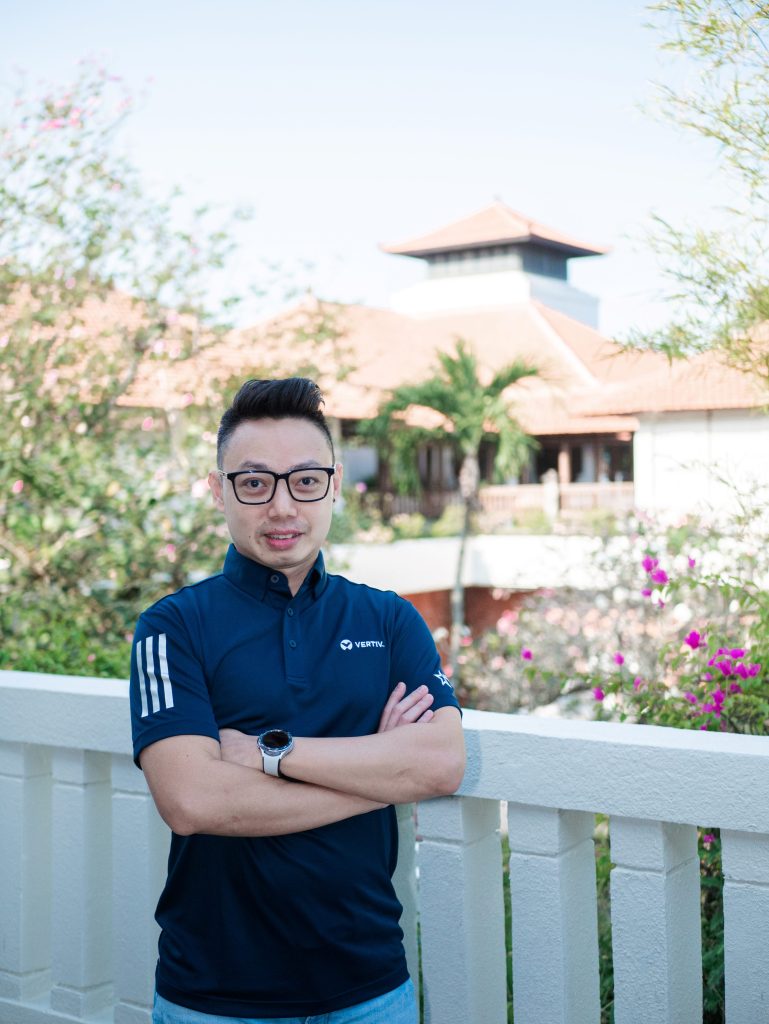
Artificial intelligence (AI) and high-performance computing (HPC) are reshaping data centre operations, significantly increasing power demands and thermal management challenges. Vertiv Malaysia, a leader in critical infrastructure solutions, is at the forefront of tackling these complexities to ensure sustainable and efficient data centre performance across Malaysia and the wider APAC region.  Meeting High-Density Computing Needs  Traditionally, IT racks handled workloads of 5-10 kilowatts, but with AI adoption, this can soar to 20kW per rack or higher. This shift necessitates advanced cooling and power solutions. “The acceleration of IT workloads due to AI is creating a need for infrastructure that can handle significantly higher power densities. At Vertiv, we’re committed to providing solutions that can support up to 100kW per rack, ensuring our customers can meet these new demands,” says Alvin Cheang, High-Density Compute & AI Business Director, Asia.  Advanced Cooling Technologies  Vertiv advocates for liquid cooling as a primary solution for high-density computing environments. Two key approaches include direct-to-chip liquid cooling, which efficiently removes heat via cold plates atop components and rear-door heat exchangers that replace rack doors with heat-exchanging coils. “Liquid cooling is becoming essential as traditional air-cooling systems are pushed to their limits. Our solutions, like direct-to-chip cooling, can remove up to 75% of the heat generated by high-density equipment, allowing data centres to maintain optimal performance,” Cheang explains.  Ensuring Continuous Operations  In addition to cooling, Vertiv strengthens data centre power resilience with high-capacity UPS systems, crucial for managing the fluctuating power demands of AI and HPC workloads. This comprehensive approach ensures uninterrupted operation amidst increasing computational requirements. “Reliable power is just as critical as effective cooling. Our high-capacity UPS systems are designed to manage the surges in demand that come with AI workloads, ensuring data centres can operate without disruption,” notes Cheang.  Capitalising on the Liquid Cooling Market Growth  Anticipating the growing demand for liquid cooling solutions in APAC, Vertiv collaborates closely with chipset manufacturers and industry leaders. Strategic partnerships and acquisitions enhance Vertiv’s capability to drive liquid cooling adoption through thought leadership and cutting-edge technological advancements. “By working closely with key players in the industry, we can stay ahead of the curve and bring the most effective cooling solutions to market, particularly as liquid cooling continues to gain traction,” Cheang told The Exchange Asia.  The Future of Sustainable Data Centre Cooling  Looking ahead, Vertiv Malaysia envisions a future where efficient cooling solutions are integral to sustainability goals. Combining liquid and air-cooling methods optimises performance while minimising environmental impact. Strategic selection of coolants and advanced cooling technologies, such as immersion and direct-to-chip cooling, further enhances energy efficiency and operational sustainability. “Sustainability is at the core of our approach. As computational demands grow, so too does our commitment to providing cooling solutions that are both effective and environmentally responsible,” Cheang emphasises.  Investment Considerations and ROI  Transitioning to liquid cooling requires investments in infrastructure like racks, heat exchangers, and cooling systems. Despite initial costs, the long-term benefits include significant energy savings and operational efficiencies, crucial for enhancing ROI over the data centre infrastructure’s lifespan. “The upfront investment in liquid cooling may be higher, but the returns in terms of energy efficiency, reduced operational costs, and sustainability are substantial,” Cheang states.  Strategic Recommendations for Integration  For organisations considering liquid cooling integration, Vertiv recommends a strategic approach. Assessing current needs and scalability, alongside infrastructure readiness and risk mitigation strategies, ensures a seamless transition. Expert consultation and tailored solutions from Vertiv facilitate optimal integration and futureproofing against evolving AI and HPC demands. “We always advocate for a well-planned transition. By evaluating current and future needs, organisations can ensure their data centres are equipped to handle the demands of AI while maintaining operational efficiency,” advises Cheang.  Navigating Malaysian Market Dynamics  In Malaysia, unique challenges such as tropical climates and regulatory landscapes necessitate targeted investment strategies. Liquid cooling technologies not only boost operational efficiency but also align with sustainability initiatives, enhancing Malaysia’s digital infrastructure competitiveness. “Malaysia presents both challenges and opportunities. Our solutions are designed to meet these specific needs, ensuring that data centres here can thrive in a competitive and evolving market,” says Cheang.  Vertiv Malaysia remains optimistic about the future of liquid cooling solutions in APAC, particularly in Malaysia. As AI technology advances and data processing demands grow, Vertiv is poised to innovate and address emerging challenges, ensuring sustainable and efficient data centre operations across the region. “The outlook for liquid cooling is strong. As AI continues to drive up computational demands, data centres will need to adopt more advanced cooling technologies to stay ahead. We are ready to support that transition,” concludes Cheang.  In conclusion, Vertiv Malaysia’s proactive approach to AI and HPC challenges underscores its commitment to driving technological advancement and sustainability in data centre operations, setting a benchmark for the industry’s future growth and innovation. 

Scroll to Top

Subscribe
FREE Newsletter