Author name: admin

Energy & Technology

Boomi Unveils New Vision with Strategic Acquisitions and Latest Innovations at Boomi World 2024

MALAYSIA: Boomi™, the intelligent integration and automation leader, today unveiled its vision for the company’s future, along with strategic acquisitions and key product announcements at Boomi World 2024. With more than 20,000 global customers and a network of approximately 800 partners worldwide, Boomi is leading the industry towards the future with a focus on integration and automation, API management, and data management, all made more important and powerful than ever with the emergence of the AI economy. In his keynote, Boomi CEO Steve Lucas emphasised the transformative impact of integration platform as a service (iPaaS), spotlighting its pivotal role in enhancing speed, agility, and effectiveness across business operations. Lucas explained how Boomi’s iPaaS streamlines connectivity — seamlessly linking people, systems, devices, and applications — for building stronger relationships and enabling swift, informed decision-making through real-time data access. But Boomi recognises the opportunity to take connectivity even further, and to bring connectivity solutions to more companies in more areas of business and IT. “Connectivity,” Lucas pointed out, “remains a critical challenge for almost every organisation. The chief culprit is digital fragmentation, a byproduct of digital shifts that, paradoxically, lead to digital silos and disjointed technical architectures that leave the average enterprise now juggling over 364 applications and numerous API gateways.” The emergence of the AI economy has further highlighted the challenges of digital fragmentation. “AI thrives on reliable, secure, and current data, yet too often, this data is fragmented, difficult to govern, and not securely managed,” Lucas noted. “What companies urgently need is a unified, enterprise-scale platform that not only bridges APIs, applications, data, and AI models, but also accelerates digital transformation.” To address these pressing challenges, Boomi unveiled key announcements at Boomi World, including: New Boomi Enterprise Platform Vision Boomi has expanded and deepened the capabilities of the Boomi Enterprise Platform with: Next-generation API management for the AI economy  An AI agent framework that provides out-of-the-box AI agents, pluggability for 3rd party AI agents, as well as the ability to automate AI orchestration workflows Enhanced data management to support data quality, data lineage, and metadata management Next-Generation API Management for the AI Economy Joining Lucas onstage, Matt McLarty, CTO at Boomi, explained that “companies today suffer from API sprawl: API gateways are everywhere, and there’s no effective global view or management dashboard for discovering, governing, and securing them, let alone rationalising API investments and promoting best-in-class APIs for adoption. The AI economy requires next-generation API management (APIM) that accounts for a fragmented APIM landscape and can handle the demands of enterprise-grade scalability and security that AI workloads place on APIM solutions.” To solve this problem, Boomi announced the acquisitions of APIIDA’s federated API management business and API management assets from Cloud Software Group. Both acquisitions accelerate Boomi’s roadmap for providing solutions to the most pressing API management challenges that companies face today, allowing enterprises to rapidly and securely deliver business value through API products in one end-to-end enterprise platform. Boomi AI Agent Framework To accelerate innovation in the AI economy, Boomi introduced the Boomi AI agent framework, a set of integration and no-code development capabilities that enable business and IT users to run AI agents built by Boomi or Boomi partners, and to build and run their own AI agents to solve pressing integration and automation requirements. Boomi introduced four new agents built into the platform that make use of the new AI agent framework, including: Boomi Answers: Agent for providing prescriptive help Boomi DataDetective: Agent for classifying data fields, protecting sensitive data like personally identifiable information (PII), and tracking where data is being moved Boomi DesignGen: Agent for autonomously building integrations Boomi Scribe: Agent for automatically documenting existing and built-by-AI integrations In addition, the Boomi AI agent framework is open to third parties, and supports pluggable AI agents, allowing customers to integrate third-party AI agents into the platform via APIs or Boomi GPT. In his Boomi World keynote, Lucas announced a strategic OEM agreement with Vianai Systems, a leading provider of conversational AI solutions for finance, and demonstrated one of the first third-party AI agents, Boomi FinTalk powered by Vianai. Customers can seamlessly connect to Boomi FinTalk powered by Vianai via Boomi GPT, leveraging Boomi’s AI agent framework. Using Boomi, the agent connects to sources of financial data in ERP systems, databases, documents, customers’ data lakes, and other data, and enables users to ask questions of their data through a natural language interface to discover and analyse financial data and trends in real-time, for immediate actionable insights. “Technology and business leaders have struggled to leverage the power of generative AI in their enterprises due to the very real issues of accuracy and security, relevance to business users with domain-specific requirements, and the inability to query both structured and unstructured data and systems in natural language,” said Dr. Vishal Sikka, Founder and CEO, Vianai Systems. “With Boomi FinTalk powered by Vianai, we are solving these issues with Boomi’s vast integration capabilities and Vianai’s conversational AI application for CFOs and finance users, enabling real-time, accurate, and actionable insights to drive business transformation.” Trusted Data Management Boomi also announced Boomi DataHub, a trusted data foundation for operational, analytical, and AI workloads. A high velocity, high quality data access layer, Boomi DataHub provides master data management, integration pipelines, and a framework that will expand over time to provide other data management capabilities, including enterprise scale movement and standardisation of data for AI and analytics initiatives. “Centralising data has proved to be a dead end for companies,” said Lucas. “A better approach is to build connectivity, governance, and automation into the IT resources companies already have, taking advantage of AI to make this work faster and easier than ever before. With the Boomi Enterprise Platform, we’re giving customers the foundation they need for connecting and managing all their data, and for accelerating AI and API development. Using Boomi, customers can say goodbye to the digital fragmentation that’s been undermining their digital transformation efforts, and finally get the comprehensive visibility, control, and automation they need.”

ESG, News

Over 800 Coal Plants Worldwide Could Be Profitably Decommissioned

SINGAPORE: More than 800 coal-fired power plants in emerging countries could be decommissioned and profitably replaced by cleaner solar energy starting from the end of the decade, a research showed. Though only a tenth of existing coal plants are scheduled to shut down by 2030, more could close if efforts are made to identify opportunities, the Institute for Energy Economics and Financial Analysis (IEEFA) said. “The key problem here is a lack of a pipeline of well defined, contracted, bankable coal-to-clean transactions,” said lead author of the report, Paul Jacobson. Around 15.5 billion metric tons (MT) of carbon dioxide are generated every year by 2,000 gigawatts (GW) of coal power. The International Energy Agency says emissions need to reach zero by 2040 if temperature rises are to remain within the threshold of 1.5 degrees Celsius. But decommissioning is costly, especially if plants are still paying off debt or tied to power purchase agreements (PPAs) that commit them to supplying electricity over decades. Governments have been looking for solutions to pay for the transition – including the Asian Development Bank’s Energy Transition Mechanism – but only a small number of projects have gone ahead. The 800 viable transition targets identified by IEEFA include around 600 built 30 years or more ago, many of which have repaid debts and are no longer tied down by lengthy PPAs. With profit margins for renewables now sufficient to cover the cost of replacing coal plants, decommissioning the remaining 200 plants built between 15 and 30 years ago could also be affordable, though obstacles remain, including fossil fuel subsidies that inflate an asset’s value. Decommissioning newer plants will be a bigger financial challenge, particularly in countries still building fresh capacity, including Vietnam. Environmental groups have criticised transition financing for paying polluters not to pollute. Jacobson said “guardrails” were required to avoid creating perverse incentives. “Companies that continue to build new coal power plants while seeking concessions to build renewable energy should not be allowed to use that to benefit from this,” he said. — REUTERS

News, Property

Regent Hong Kong The Signature Suite Collection Revealed

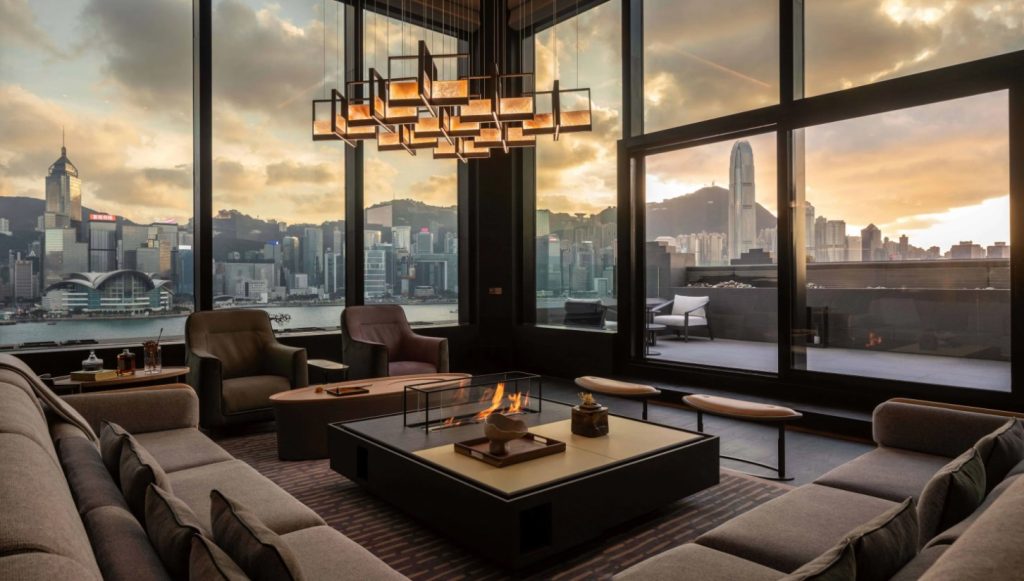
HONG KONG: As part of its stunning transformation, the reimagined Regent Hong Kong continues to ramp up the allure with the unveiling of the Signature Suites, a trio of spectacular luxury residential retreats. Each of the residence is equipped with a private outdoor terrace and whirlpool, unrivalled views of Victoria Harbour and the dazzling Hong Kong skyline, plus a myriad of Personal Havens enhanced by bespoke service “on your terms”. Showcasing the sublime aesthetic of visionary Hong Kong-born architect and designer Chi Wing Lo, the Presidential Suite, Terrace Suite and CEO Suite are one-of-a-kind Personal Havens that elevate the Regent Hong Kong experience to new heights. Celebrating the beauty of contrasts, Lo has created timeless spaces with a serene design sensibility that stunningly juxtaposes the hotel’s spectacular vistas from a multitude of aspects, allowing guests a bespoke experience that inspires special moments. From wedding ceremonies with cocktail receptions set against the backdrop of Victoria Harbour to intimate soirées, exclusive private events, romantic getaways and family reunions, Regent Hong Kong’s signature suites set the stage for exceptional experiences. Regent Hong Kong Managing Director Michel Chertouh comments, “Each of our Signature Suites is designed to offer a highly personalised experience and the height of sophistication and discreet luxury. Guests will feel as if they are living in a luxurious contemporary residence with spaces that become their own, rather than a hotel suite.” Re-envisioning each signature suite with warm cream tones, custom furnishings in natural oak with leather detailing and artisan craftsmanship, Lo has created a tranquil ambience with understated sophistication, elevated above the bustle of the city, while overlooking it all. The three Signature Suites represent the crème de la crème of the 129 stunning suites at Regent Hong Kong amongst a total of 497 guestrooms. With a variety of categories from which guests can choose, each Regent suite is a residential-style luxury retreat with a spacious living area and Oasis bathroom. While basking in discreet luxury and elevated amenities ‘with compliments’, guests are privy to magnificent vistas in Harbourview and Seaview Suites with intimate Private Havens designed for indulgent moments.

Investment & Market Trends, News

Malaysia Expected to Benefit From Electronics Sector Recovery in 2H24

KUALA LUMPUR: Malaysia is expected to benefit from the electronics sector recovery in the second half of the year (2H24), given its position further down the electronics value chain. The Institute of Chartered Accountants in England and Wales (ICAEW) said in a statement that the electronics sector is a bright spot for Southeast Asia’s economy, with the region projected to grow by 4% in 2024 and 2025. “However, this is below the pre-pandemic average of 5% in the 5 years prior, largely due to expected challenges in domestic consumption as interest rates remain higher for longer,” it noted. The association said electronics-focused exporters in Southeast Asia gained a better foothold in the first quarter of this year (1Q24), in large part due to the bottoming out of the electronics sector. “The recovery in global semiconductor sales, which saw a 15.3% year-on-year (YoY) increase in 1Q24 has particularly benefited Vietnam, where export growth soared to an estimated 16.8% YoY. “On a seasonally adjusted basis, Singapore also saw a rebound in non-oil domestic exports in April with an estimated 9.4% month-on-month (MoM) growth, marking a positive turn after 2 consecutive months of decline,” it said. Meanwhile, on domestic consumption in the region, ICAEW said domestic consumption in Southeast Asia was more resilient than expected in 1Q24, but it is unlikely to drive growth in the coming quarter as tight monetary policy in the region is expected to restrain consumer spending. “The persistent weakness in local currencies against the US dollar is likely to limit monetary easing options for Southeast Asian central banks. “The strong US dollar, driven by the US Federal Reserve (Fed) high interest rates prevents local central banks from cutting rates without risking further currency depreciation,” it added. The association noted that in 1Q24, Bank Indonesia was even forced to raise rates to arrest the rupiah’s decline. “The ongoing tight monetary policy means that debt servicing and borrowing costs will remain high, likely constraining private consumption. “Additionally, many consumers and businesses are continuing to consolidate as they are still recovering from the pandemic and are likely to focus on rebuilding savings or repairing their balance sheets in the short term,” it said. On the ringgit, ICAEW noted that the Malaysian ringgit encountered significant challenges in 1Q24, largely attributed to the substantial discount of the Bank Negara Malaysia’s (BNM) policy rate to the US Federal Funds rate. It opined that despite inflation remaining relatively low, hovering below 2% for the past 6 months and showing little indication of a significant increase, the currency weakness poses an obstacle to BNM’s ability to ease policy to support the economy. “This challenge persists until the Fed initiates rate cuts, anticipated to occur in the 3Q, alleviating pressure on the ringgit and potentially enabling policy rate adjustments,” it added. — BERNAMA

Investment & Market Trends, News

Malaysia-China Signed 14 MoUs/MoAs, Enhancing Economic and Trade Cooperation

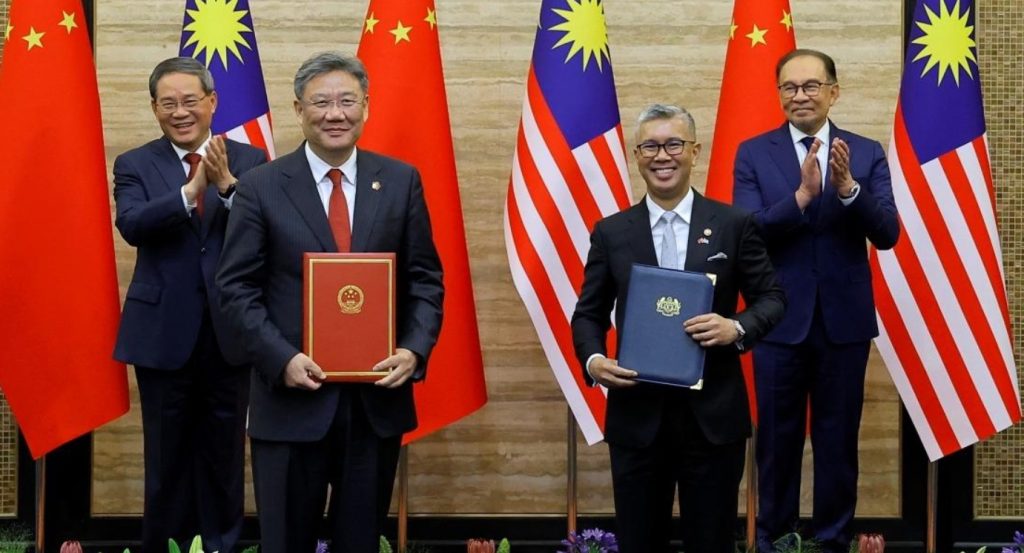
PUTRAJAYA: A total of 14 Memoranda of Understandings, Agreements (MoUs/MoAs), protocols and joint statements involving 9 ministries have been exchanged between Malaysia and China, witnessed Prime Minister Datuk Seri Anwar Ibrahim and China Premier Li Qiang. The documents were exchanged during Li’s official visit to Malaysia, marking his first visit to the country as premier, in conjunction with the 50th anniversary of diplomatic relations between Malaysia and China. The 9 ministries involved are the Ministry of Investment, Trade and Industry (MITI); Finance (MOF); Agriculture and Food Security; Housing and Local Development; Home Affairs; Science, Technology and Innovation (MOSTI); Higher Education (MOHE); Tourism, Arts and Culture; as well as Communications. Apart from the MoUs, Malaysia and China also inked the second cycle of the Malaysia-China 5-year programme for economic and trade cooperation to deepen further linkages between industries in priority sectors like high-level manufacturing and digital economy. The programme, which will from 2024 to 2028, aims to deepen cooperation in robotics, entrepreneur development, innovation and startup, along with research and development in agriculture and primary industries. According to MITI, the second cycle will also focus on existing areas such as trade and investment, manufacturing, the digital economy, logistics and the development of small and medium enterprises. On this, MITI Minister Tengku Datuk Seri Zafrul Abdul Aziz and China’s Minister of Commerce Wang Wentao signed and exchanged 3 key documents – the first document related to the initial Malaysia-China 5-Year Programme for Economic and Trade Cooperation, while the other 2 were new MoUs aimed at increasing high-quality investment in the digital and green economies. More specifically, both countries aim to explore cooperation in digital infrastructure, including communication networks, smart infrastructure and smart cities, enabled by technologies such as AI and 5G connectivity in sectors like manufacturing, transportation, business, finance, education and healthcare. The MoU on green development seeks to explore cooperation in clean energy, new energy vehicles, green finance, sustainable infrastructure construction and green technology. This includes research and development (R&D) and the establishment of scientific and technological innovation platforms to accelerate the green transformation journey of both countries. MITI also welcomes the Malaysia-China cooperation on establishing a single window system to facilitate cross-border trade by streamlining trade regulatory processes and simplifying documentation. The system will enable the seamless digital exchange of trade-related information between customs authorities in both countries, which would utilize leading-edge technologies including AI and blockchain to ensure real-time and accurate exchange of data. “The single window trade initiative is a strategic step towards enhancing Malaysia’s trade facilitation capabilities and is expected to significantly expedite the movement of goods while reducing the administrative burden for businesses. “This will not only support bilateral trade growth, but also nurture economic resilience between the two countries,” Tengku Zafrul said. China has been Malaysia’s largest trading partner for 15 consecutive years since 2009. Last year, total trade with China was valued at RM450.84 billion (US$98.80 billion), contributing 17.1% of Malaysia’s global trade.

News

Costa Serena sees Malaysia as ‘game-changing’ cruise destination market, expanding presence in Asia

KUALA LUMPUR: With cruise tourism emerging as a key sector in elevating Malaysia’s global appeal, Italian cruise liner Costa Serena is expanding its presence in Asia, offering itineraries that include destinations popular among Malaysian travellers such as Singapore, Thailand, Vietnam, Hong Kong, Taiwan, South Korea and Japan. By providing convenient access to these destinations, Costa Serena caters to the preferences of Malaysian consumers looking for diverse and culturally enriching experiences, more so with promotional plans toward Visit Malaysia 2026. In January this year, transport minister Anthony Loke said Port Klang’s designation as an international cruise homeport for the Costa Serena cruise ship will boost the country’s tourism sector. He said the collaborative effort between Costa Cruise Lines and Hwajing Travel and Tours Sdn Bhd (HTT) could bring enduring economic benefits and lasting advantages for the country. HTT managing director Kenny Cheong said to leverage this expanding market, the company has diversified its cruise portfolio by partnering with Costa Cruise Lines and introducing a wide range of itineraries. “From short weekend getaways to extended voyages across international waters, we aim to appeal to a broader segment of travellers. “Notably, we have introduced chartered cruises exclusively tailored to the halal market, further enhancing our offerings,” he told The Exchange Asia. Cruise tourism emerges as a key sector in elevating Malaysia’s global appeal, in line with the destination’s promotional plans toward Visit Malaysia 2026, the nation’s upcoming campaign to welcome 35.6 million foreign tourist arrivals in 2026. In 2023, Malaysia witnessed unprecedented cruise arrival figures, with its ports welcoming 1,055 cruise ships carrying 1,520,608 passengers—an 84.78 per cent rise in ship arrivals and a 62.43 per cent increase in passenger numbers compared to 2019 pre-pandemic rates. As a burgeoning tourism hub in Southeast Asia, Malaysia currently serves as the home port for two cruise lines operating from Port Klang in Kuala Lumpur, with plans for further expansion. The Costa Serena’s maiden voyage departed from Port Klang in January 2024, marking a historic milestone in Malaysia’s aspiration to emerge as a premier homeporting destination. Costa Serena is the latest addition to Kuala Lumpur’s list of cruise partners choosing it as their homeport. Cheong pointed out that Malaysia has a geographical advantage in Southeast Asia and historical significance in the Straits of Malacca as a vital shipping channel, further enhancing its appeal as a cruise destination for accessing a diverse range of regional destinations. He said favourable conditions for growth are evident with the government’s strong commitment to tourism, including cruise tourism, and the transport minister’s recognition of the industry’s significance. “HTT’s reputation for offering cost-effective inbound cruises, paired with collaborative partnerships with cruise operators and tourism authorities, further enhances Malaysia’s attractiveness as a cruise destination compared to neighbouring countries. “In addition, HJJ actively collaborates with cruise operators, tourism authorities, and various stakeholders across Malaysia to bolster the country’s cruise tourism market and elevate its appeal to travellers,” he said. Cheong said HTT is developing tailored marketing campaigns highlighting Costa Cruises’ unique features and offerings. These campaigns will emphasise factors that resonate with Malaysian travellers, such as Asian-inspired itineraries, authentic cuisine, and family-friendly amenities. The company is also forming strategic partnerships with local entities such as travel agencies, tourism boards, and media outlets to enhance Costa Cruises’ visibility and reach in the Malaysian market. “We employ several strategies to ensure Costa Cruises stands out in the Malaysian market. “These include thorough market research to understand traveller preferences, collaborating closely with Costa Cruises to tailor itineraries to Malaysian tastes, maintaining flexibility to adapt to changing trends, and continually innovating to offer unique experiences,” said Cheong. Officiating the event in January, Loke said Costa Cruise Lines’ acknowledgement of Malaysia as a promising market, combined with HTT’s established reputation in Southeast Asian cruise tourism, highlights the shared vision of their collaboration to explore the halal market in the country. He said the establishment of Costa Serena as Malaysia’s first international cruise homeport is a game-changer, elevating Malaysia to a premier international cruise destination. “This positions Malaysia as a regional leader in job creation within the cruise industry and is also a shot in the arm for supporting sectors such as accommodation, dining, transportation, and retail. “Port Klang’s designation as an international cruise homeport opens doors for collaborative ventures with other regional ports, laying the foundation for a network of intersecting cruise itineraries,” Loke said. Costa Serena offers three exciting voyages from Port Klang for the December holiday season. These are a 4 days 3 nights trip to Phuket, a 3 days 2 night trip to Penang, and a 6 days 5 nights exploration journey across Vietnam and Hong Kong. The cruise itineraries have been designed to enable guests to maximise their time at the port-of-calls in Phuket and Penang whilst ensuring a smooth disembarkation process It is also the only cruise ship sailing from Port Klang to Phuket in December, making it perfect for an inexpensive and inclusive island vacation.

Investment & Market Trends

Yi-Lai Industry Launches New Product Range To Capture Wider Market

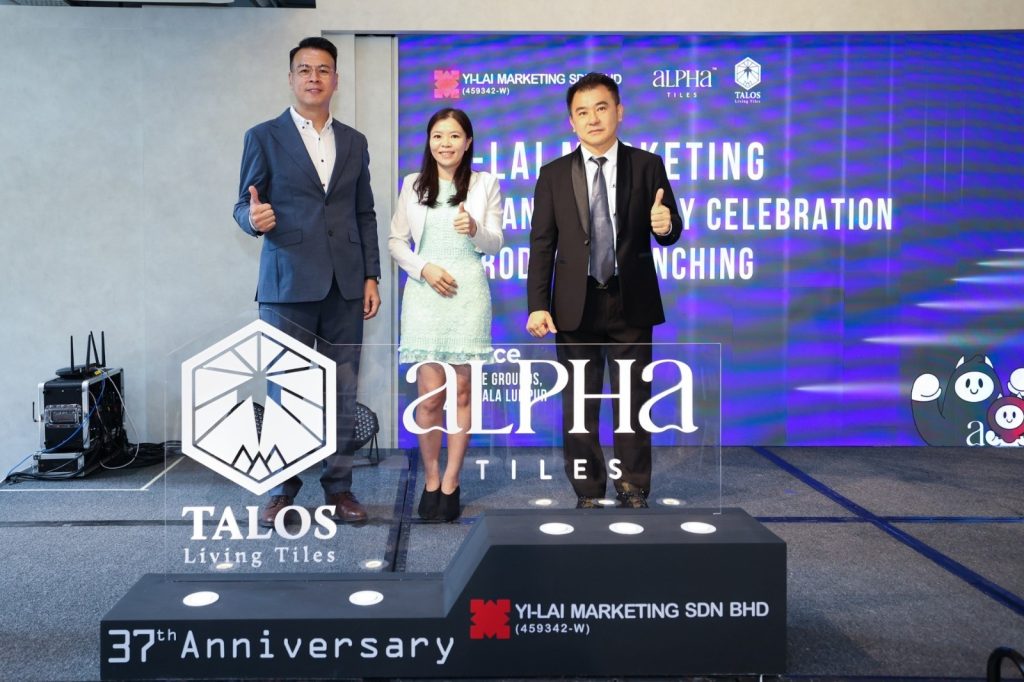
KUALA LUMPUR: Tiles manufacturer Yi-Lai Industry Bhd (YLI), a subsidiary of Bursa Malaysia’s main market-listed YB Ventures Bhd (YBV), continues to make greater market strides for its Alpha Tiles and Talos Living Tiles brands in Malaysia. The company noted that the brands’ technological properties have achieved higher sales and continue to garner new inquiries across industries in the country. “We aim to transform tiles from mere functional items to integral elements of stylish and modern living spaces,” YBV chairman Datuk Sri Tajudin Md Isa said in a statement. Celebrating its 37 years in the business, the company’s Alpha Tiles and Talos Living Tiles brands, marketing arm Yi-Lai Marketing Sdn Bhd, continues to see new inquiries. YLI has already secured interest from significant projects, including the Sheraton Hotel in Johor Bahru. YLI’s Alpha brand has evolved from a local tile manufacturer to a market pioneer known for its diverse range of small-sized ceramic and homogenous tiles. Today, Alpha Tiles introduces large-format tiles with various designs and surfaces to meet modern consumers’ needs. The new product line, known as the Infinity Collection, combines the strengths of Alpha Tiles and Talos Living Tiles to create infinite design possibilities for customers. The new tiles are crafted using a revolutionary material called shape ink, which enhances the tile surface with ink and glaze. This innovation saves time and eliminates the need to change moulds, streamlining the production process. “We are proud to incorporate this cutting-edge technology, which allows us to offer superior quality and variety to our customers,” Tajudin said. The new tile series addresses common challenges consumers face, such as matching tiles in different areas with varying sizes and surfaces. The Infinity Collection offers a variety of surfaces and sizes, enabling easy coordination and reducing decision fatigue. This flexibility makes the collection ideal for both residential and commercial use. YBV executive director Datuk Au Yee Boon said the new products are designed for tech-savvy, daring, and art-oriented buyers who appreciate unique and innovative items. “Our comprehensive range, complete with multiple sizes and stock availability, sets us apart from competitors,” he said. The new tiles’ innovative production process ensures high quality and durability, contributing to longer-lasting installations and reduced replacement needs. The launch of the Infinity Collection marks a significant milestone for Alpha Tiles, positioning the brand to the upper-middle market. Talos Living Tiles continues to expand its high-end offerings, catering to discerning customers seeking premium products. “This is just the beginning of our journey with these new products, and we are excited about the potential collaborations and market expansion,” stated Datuk Au Yee Boon. YLI was among the first in Malaysia to produce Slate Effect Homogeneous Tiles and achieved a significant technology breakthrough with the Rustico Embossed Slate Effect Tile (RESET) in 1996. The company has been recognised for contributing to major residential and commercial projects, including developments in Subang Jaya and several key public facilities in Malaysia. The tile industry continues to evolve, with increasing demand for innovative and high-quality products. YLI’s commitment to technological advancements and design innovation positions it well to capitalise on these trends. The introduction of large-format tiles and advanced materials like shape ink demonstrates the company’s dedication to meeting and exceeding market expectations.

Investment & Market Trends

FTSE4Good Bursa Malaysia June Semi-Annual Review

KUALA LUMPUR: Bursa Malaysia Berhad (“Bursa Malaysia” or the “Exchange”) announced today the addition of 12 companies to the FTSE4Good Bursa Malaysia (“F4GBM”) Index and 9 companies to the FTSE4Good Bursa Malaysia Shariah (“F4GBMS”) Index. The F4GBM Index evaluates the performance of public listed companies (PLCs) with good liquidity that demonstrate strong Environmental, Social, and Governance (ESG) practices. Constituents are selected from the FTSE Bursa Malaysia EMAS Index, encompassing small, medium, and large market capitalization segments. The F4GBMS Index, a subset of the F4GBM, tracks Shariah-compliant constituents according to the Shariah Advisory Council (SAC) screening methodology. Both indices undergo semi-annual reviews in June and December based on international criteria. In the latest review period for June 2024, the F4GBM Index has increased its total number of constituents to 120 with the addition of 12 new companies, marking a 400% increase since its inception in December 2014, when it started with 24 constituents. The F4GBMS Index will see 9 additions and 1 deletion, bringing its total to 95 constituents. All changes will take effect on 24 June 2024 (Monday). Details of the changes are as follows: FTSE4Good Bursa Malaysia Index Inclusions: 1. Bank Islam Malaysia – Now meets FTSE4Good criteria 2. Carimin Petroleum – Now meets FTSE4Good criteria 3. Harbour-Link Group – Now meets FTSE4Good criteria 4. Icon Offshore – Now meets FTSE4Good criteria 5. Pecca Group – Now meets FTSE4Good criteria 6. Petron Malaysia Refining & Marketing – Now meets FTSE4Good criteria 7. QL Resources – Now meets FTSE4Good criteria 8. Shangri-La Hotels (Malaysia) – Now meets FTSE4Good criteria 9. Sports Toto – Now meets FTSE4Good criteria 10. Sunway – Now meets FTSE4Good criteria 11. Wasco – Now meets FTSE4Good criteria 12. YTL Power International – Now meets FTSE4Good criteria FTSE4Good Bursa Malaysia Shariah Index Inclusions: 1. Bank Islam Malaysia – Meets FTSE4GBMS criteria 2. Carimin Petroleum – Meets FTSE4GBMS criteria 3. Icon Offshore – Meets FTSE4GBMS criteria 4. Pecca Group – Meets FTSE4GBMS criteria 5. Petron Malaysia Refining & Marketing – Meets FTSE4GBMS criteria 6. QL Resources – Meets FTSE4GBMS criteria 7. Shangri-La Hotels (Malaysia) – Meets FTSE4GBMS criteria 8. Sunway – Meets FTSE4GBMS criteria 9. Wasco – Meets FTSE4GBMS criteria Exclusion: 1. Eco World International – Did not meet SAC criteria Bursa Malaysia has been working with financial institutions and institutional investors to encourage PLCs to improve their ESG practices. The increasing number of index constituents reflects the success of these initiatives and the growing adoption of ESG practices by PLCs. The updated lists of F4GBM Index and F4GBMS Index constituents, effective 24 June 2024, are detailed in Appendix 1. The ESG ratings (Grading Band) for both indices will be available on the Bursa Malaysia website after 24 June 2024 at the following link: Bursa Malaysia – FTSE4Good Bursa Malaysia Index

News

Boeing Names Penny Burtt as New President for Southeast Asia

KUALA LUMPUR: Boeing has announced Penny Burtt as the new president of the company’s Southeast Asia business, effective 3 July 2024. The global aerospace company said Burtt will be based in Singapore and oversee Boeing’s strategy and operations as it expands its regional presence. “She will also become director and chair of Boeing Singapore Pte Ltd and president director of PT Boeing Indonesia,” it said in a statement. Burtt most recently led public policy and government relations for the Asia-Pacific region at a financial infrastructure company, Stripe. She is a former Australian diplomat who served in Singapore, Indonesia and Malaysia and a board member of the United States-ASEAN Business Council. Boeing also said that it has partnered with stakeholders in Southeast Asia for over 75 years, building aerospace and defence capabilities in the region with offices in Singapore, Indonesia, Vietnam, Thailand and the Philippines. “The region is one of the world’s fastest-growing commercial aircraft markets and its defence needs are rapidly expanding,” it added. — BERNAMA

Media OutReach

Food Expo PRO returns in August with Hong Kong International Tea Fair

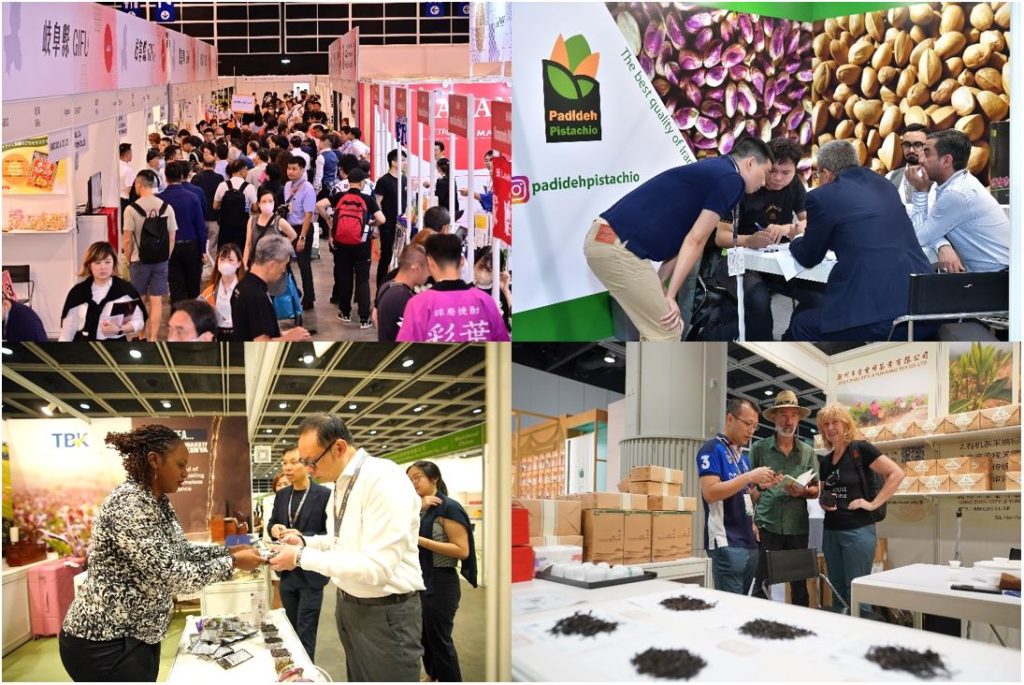
Exploring Tasty Ideas for Food Business HONG KONG SAR – Media OutReach Newswire – 19 June 2024 – Organised by the Hong Kong Trade Development Council (HKTDC), the Food Expo PRO and Hong Kong International Tea Fair will be staged concurrently from 15 to 17 August 2024 at the Hong Kong Convention and Exhibition Centre. The fairs feature global foods and beverages, tea, and related products, providing a one-stop sourcing platform for F&B importers, wholesalers, retailers, restaurants, department stores and e-tailers. The fairs open exclusively to trade buyers on the first two days, and welcome public ticket-holders on 17 August. The concurrent public fairs, Food Expo, Beauty & Wellness Expo, and Home Delights Expo will be staged at the same venue from 15 to 19 August. The five fairs are expected to gather some 2,000 exhibitors. Register now for FREE admission e-badge: https://sourl.cn/RbKchp Food Expo PRO: Asia’s key trade event for F&B Food Expo PRO continues to present pavilions from various countries and regions this year. Besides pavilions from Mainland China, Japan, Korea and Mexico, ASEAN countries like Thailand, Indonesia, and the Philippines will also participate, creating an international food festival. Sustainable diet has become a hot topic in the industry in recent years. Highlighted zone “Food Science and Technology” brings alternative food and future food products to our professional buyers. Another highlight would be the presence of “Halal Food & Beverage”. Ready-meals market is also booming. Food Expo PRO features an array of easy‑to‑prepare ready meals by exhibitors from Mainland China, including unique flavours from different regions. Provinces in Mainland China, including Fujian, Guizhou, Hunan, Sichuan, Zhejiang, etc. are expected to bring their local delicacies to Hong Kong and showcase to our professional buyers. Food Expo PRO also features a variety of seminars and forums covering the latest developments and market opportunities in the food industry. The Food Tech Symposium sessions will bring together speakers to share their insights and to discuss the latest technological advancement and innovations in food manufacturing, future food and sustainability in the food industry. Recognising the promising landscape of the Halal Market, this year’s Food Expo PRO will aim to examine its development, opportunities and challenges, as well as conducting a thorough discussion to explore the role of Hong Kong in facilitating Halal food trade in the region. Hong Kong International Tea Fair: Brewing opportunities in tea business The concurrent Hong Kong International Tea Fair brings together a wide variety of products including tea and tea-related products, and tea ware. The 1st International Tea Event Space Design Competition 2024 aims to promote tea culture. Participants can present their creative tea-serving space designs through the competition, and the shortlisted designs will be displayed and judged during the fair. Another fair highlight is Hong Kong International Tea Competition. Exhibitors’ teas will be judged in six categories: Green Tea, Oolong Tea, Black Tea (Orthodox), Chinese Black Tea (Treated Pu’er), Raw Pu’er, Others (White Tea / Yellow Tea / Scented Tea) *(excl. Herbal Tea). A panel of judges will present winners with “The Best Aroma Award” and “The Best Taste Award”. Visitors can enjoy free tea tasting of winning teas on 17 August. To promote the unique culture of Hong Kong style milk tea, International and Greater Bay Area KamCha Competition – Final will also be run during the Hong Kong International Tea Fair 2024. The top tea masters will be selected to showcase their techniques in making Hong Kong style milk tea and its exquisite flavours. Each day at the fair is filled with different activities and events. The 1st Hong Kong International Tea Culture Forum 2024 will be held on 16 August, the purpose of this forum is to create an international platform for communication, promote tea culture, and drive the international development of the tea industry. Other events, such as Tea Tasting Sessions and International Tea Art Performances, offer a fascinating look at the history and culture of tea. The ‘International and GBA KamCha Competition – HK Style Milk Tea Final’ will be held during the Hong Kong International Tea Fair, aiming to select the top Hong Kong-style milk tea masters, showcase the skills and unique flavours of Hong Kong-style milk tea production, and promote Hong Kong-style milk tea culture. The two fairs will continue to adopt the HKTDC’s EXHIBITION+ model that integrates online and offline elements, extending face-to-face interactions from physical events to smart business platform, Click2Match, which will be open to participants from 8 to 24 August. In addition, the International Conference of the Modernization of Chinese Medicine and Health Products (ICMCM), organised by the Modernized Chinese Medicine International Association (MCMIA), together with the HKTDC and eleven scientific research institutions and industry associations, will be held at the Hong Kong Exhibition and Convention Centre on 15 and 16 August to deliver professional traditional Chinese medicine insights into the industry. Websites: Food Expo PRO foodexpopro.hktdc.com Hong Kong International Tea Fair hkteafair.hktdc.com ICMCM icmcm.hktdc.com Concurrent public fairs: Food Expo hkfoodexpo.hktdc.com Beauty & Wellness Expo hkbeautyexpo.hktdc.com Home Delights Expo homedelights.hktdc.com Hashtag: #hktdc #hktdcfairs The issuer is solely responsible for the content of this announcement.

Scroll to Top

Subscribe
FREE Newsletter