Author name: admin

Investment & Market Trends

Graphjet Expands Graphite Production With NASDAQ Listing

KUALA LUMPUR: Graphjet Technology Sdn Bhd (GTSB) has successfully listed on the NASDAQ stock exchange, marking a significant milestone in the company’s journey towards global leadership in the green graphite industry. The listing on NASDAQ comes at a crucial time when the demand for graphite and graphene is surging, especially in the United States, where the battery storage and electric vehicle (EV) industries are rapidly expanding. “With the majority of graphite production currently concentrated in China, GTSB is set to become a key supplier to the US market, offering a more sustainable and cost-effective alternative,” GTSB co-founder and chief executive officer Aiden Lee Ping Wei said in a statement. GTSB has raised US$5.8 million through its NASDAQ listing and plans to use these funds to accelerate its growth strategy and expand its manufacturing capacity. The company is actively exploring opportunities to deploy its technology at scale in North America and other regions in response to the global demand for graphite and graphene. GTSB has revolutionised graphite production by developing patented technologies that convert agricultural waste into high-quality graphite and graphene. This innovative approach addresses the critical supply needs for these strategic materials and significantly reduces the environmental impact associated with traditional graphite production. GTSB’s process cuts the carbon footprint by up to 83 per cent and reduces costs by up to 80 per cent, positioning the company as a frontrunner in the global shift towards sustainable manufacturing practices. GTSB’s new production facility, scheduled to commence operations in the second quarter (Q2) 2024, is expected to bolster further the company’s capacity to meet the growing demand. The company’s commitment to sustainability extends beyond its production processes. GTSB’s products are poised to play a vital role in various sectors, including energy storage, lubricants, and conductive materials, contributing to developing a more circular economy. “Our goal is to leverage our sustainably produced graphite and graphene to drive innovation across multiple industries, ultimately creating a greener and more sustainable future,” Aiden Lee added. GTSB, as a publicly traded company, remains dedicated to delivering shareholder value through its groundbreaking technologies and sustainable business practices. The company’s NASDAQ listing enhances its global visibility and provides a strong platform for future growth and innovation.

Investment & Market Trends

Kinergy Advancement Appoints Dr Amanda, Jonathan Wu As Directors

KUALA LUMPUR: Kinergy Advancement Bhd (KAB) has appointed Ts Dr Amanda Lee Sean Peik as an independent non-executive director and Jonathan Wu Jo-Han as an executive director. With Dr Amanda’s inclusion, KAB’s board now comprises three female directors, underscoring the company’s dedication to fostering gender diversity and inclusive leadership. This commitment extends the strategic direction set by Datuk Dr Ong Peng Su’s appointment as chairman of KAB in April 2021. Dr Ong’s extensive experience in the power industry and his vision for KAB’s growth in green energy solutions have been instrumental in steering the company towards its current focus on sustainable energy solutions (SES). These strategic appointments strengthen KAB’s technical expertise in the sustainable energy and engineering sector while encouraging a positive outlook to fuel the company’s strategic growth and ambition. Dr Amanda holds a PhD in civil engineering from the University of Nottingham (Malaysia Campus) and a Bachelor’s degree in civil engineering from the National University of Malaysia (UKM). Her wealth of experience in hydrology and water resources engineering, with a notable focus on climate change impacts and flood forecasting, will be instrumental in guiding KAB’s hydropower and water resource management projects. Her expertise will undoubtedly be a valuable asset to KAB as KAB embarks on more hydropower projects. Jonathan joined the company in August 2018 and has been instrumental in driving KAB’s expansion into sustainable energy, working closely with the executive deputy chairman and group managing director Datuk Lai Keng Onn. His strategic leadership in managing operations and securing key deals have significantly contributed to KAB’s growth. Having served as director for KAB subsidiaries and chief operating officer for the SES segment since 2023, Jonathan’s promotion to executive director underscores his invaluable contributions to the organisation’s success. His experience will continue to be crucial in driving KAB’s future growth. These strategic appointments are pivotal as KAB continues to expand its sustainable energy solutions portfolio. Dr Amanda’s expertise in hydropower and water resource management projects will be instrumental in furthering KAB’s growth in these areas. “We welcome Dr Amanda and Jonathan to our board. As we actively expand our energy portfolio, we are thrilled to boast a board comprising a wide range of experts who offer different perspectives to enrich our decision-making processes. “Their decision to join the board reflects mutual trust and underscores our shared values and vision, driving forward our sustainable energy development in the ASEAN region and globally,” Lai said.

Investment & Market Trends

Kelington Expands To Hong Kong, Germany

KUALA LUMPUR: Integrated engineering solutions provider Kelington Group Bhd (KGB) has taken a strategic step forward in its global growth strategy by expanding into Germany and Hong Kong. This move positions the company to capitalise on the flourishing global semiconductor industry and broaden its geographical reach. Chief executive officer Ir Raymond Gan said the semiconductor industry outlook is bright, and chipmakers are aggressively expanding production capacity to meet surging demand for chips, driven by factors like geopolitical diversification and the need for advanced technologies like artificial intelligence (AI), the Internet of Things (IoT), electric vehicles, and Industry 4.0. “As these technologies advance, the demand for semiconductor manufacturing facilities remains strong. “After a contraction in 2023 due to the industry’s cyclical nature, semiconductor manufacturing equipment growth is expected to resume in 2024, with sales expected to strongly rebound in 2025,” he said in a statement. Gan said this is driven by capacity expansion, new fab projects, and high demand for advanced technologies and solutions across the front-end and back-end segments. “Germany and Hong Kong are key hubs for innovation in these sectors, and we are optimistic of capturing a larger market share of the global semiconductor capex in these two markets,” said Gan. He said that leveraging the company’s track record of completing successful projects for leading multinational clients (MNCs) in Malaysia, Singapore, China, and Taiwan, KGB is well-positioned to attract new clients in Germany and Hong Kong and serve existing clients who are expanding their manufacturing footprint in these regions. To expand in both markets, KGB has incorporated Kelington Engineering (Germany) GmbH and Kelington Engineering (HK) Ltd as indirect wholly-owned subsidiaries. KGB provides integrated engineering solutions, including ultra-high purity (UHP) systems, process engineering and general contracting services, which are critical elements required for building new semiconductor manufacturing plants. Benefitting from the capacity ramp-up among semiconductor players, KGB reported revenue and net profit of RM1.6 billion and RM102.7 million, respectively, for the financial year ended December 31, 2023.

News

Petronas Defends Solarvest Holdings Selection As Installer For Its Stations

KUALA LUMPUR: National oil company Petroliam Nasional Bhd (Petronas) has defended the selection of Solarvest Energy, a subsidiary of Solarvest Holdings Bhd, for its nationwide solar panel project at over 300 stations. Petronas president and group chief executive officer Tengku Tan Sri Muhammad Taufik said technical standards and deadline-driven outcomes led to its selection for the turnkey contract. Assuring that the company chose a qualified installer for the project, Taufik clarified that while Petronas considered Bumiputera companies recommended by a government agency, none met the specific requirements for this project. He indicated Petronas is looking into ways to involve smaller, potentially combined firms (consortia) in future contracts. Taufik downplayed reports suggesting the contract value is in the hundreds of millions, stating it is a much smaller sum. To recap, Solarvest Energy was selected by Petronas’ unit Gentari Renewables to install solar panels at Petronas stations, with an aim to complete the project by 2027. The project starts in April this year and will equip over 300 stations with a total solar capacity of 5.4 megawatt peak (MWp). Previously, the Malay Chamber of Commerce Malaysia had questioned Petronas’ commitment to supporting Bumiputera businesses in awarding this contract.

News

Nissan Considering Partnership With Honda On EVs, Sources Say

TOKYO: Nissan Motor is considering seeking a business partnership with Honda Motor on key components for electric vehicles to cut production costs, three people familiar with the matter at Nissan said. The potential partnership with domestic rival Honda could help Nissan gain economies of scale in producing EVs, which is crucial for Japanese automakers as they face heavy competition from China’s BYD, Tesla and other electric vehicle makers. The sources, who declined to be identified as the matter is still private, said Nissan and Honda are yet to formally start discussions, with the scope of the partnership undecided. A Nissan spokesperson declined to comment. A Honda spokesperson said there was nothing the company could say. Another source said the idea of collaboration emerged between the chief executives of the companies. Nissan is considering partnering with Honda on key EV parts, as well “kei car” – boxy vehicles that are smaller and less powerful than regular cars, primarily made for the domestic market. The partnership could extend to overseas businesses, but that would affect Honda’s existing collaboration with General Motors, according to two of the sources. Nissan’s pursuit of a partnership was first reported by TV Tokyo. The Nikkei newspaper has reported specific measures could include the introduction of a common powertrain, joint procurement and development of a common platform. A source at Honda said a potential partnership with Nissan is one of many possibilities the company is considering, but there are many agenda that need to be sorted out for it to proceed with a new tie-up. Honda is aiming to increase its ratio of electric vehicles and fuel cell vehicles to 100% of all sales by 2040. Nissan already cooperates with Renault on EVs, mainly in Europe. The next Nissan electric Micra will share the same architecture as the new Renault Five and be built in the same plant in northern France. Nissan has also committed to invest up to 600 million euros ($653 million) in Renault’s new electric vehicle entity Ampere. But the two firms last year reduced the scope of a years-long alliance to allow for a more agile partnership, and Renault has since signed agreements with new partners such as China’s Geely.

News

EPF Invests RM250mil To Gobi Partners To Boose Domestic Mid-Sized Companies

KUALA LUMPUR: Malaysia’s retirement savings fund, the Employees Provident Fund (EPF), is allocating up to RM250 million to Gobi Partners to boost mid-sized domestic companies with high growth potential. The investments will target several key areas, namely healthcare for the elderly, improvements in food production, making financial services more accessible, promoting sustainable practices like clean energy, enhancing education quality, and social infrastructure development. EPF said these align with its overall strategic goals and may include additional promising sectors in the future. EPF chief executive officer Ahmad Zulqarnain Onn said the agency is committed to participating in the growth journey of high-potential companies in Malaysia as it aligns strategy with developing an inclusive social protection ecosystem. “This commitment was mandated to cater to several strategic investment themes, including healthcare, with a specific focus on aged care and the silver economy. “It reflects the EPF’s recognition of the importance of addressing the needs of an ageing population. “In the long run, we hope this effort contributes to building a resilient society that is resilient to economic and social challenges while delivering profitable returns for our members,” he said in a statement. This move also aligns with the Malaysian government’s Madani Economy Framework, where the EPF wants to work alongside other government-backed investment firms (GLICs) to help young startups get established. Gobi Partners is a well-established venture capital firm across Asia. The EPF, already the biggest investor in Malaysia with over RM702 billion in assets under management as of December 2023, is taking this step to strengthen the domestic market further. Both companies will look to fill funding gaps for these early-stage companies, which will benefit the companies’ growth and generate good returns for the EPF, considering the potential risks involved. This commitment reflects the EPF’s ongoing efforts to provide social security through strategic investments in promising Malaysian mid-sized companies. “Gobi Partners is proud to stand alongside the EPF in this significant commitment to the growth of mid-to-growth-stage companies in Malaysia. “Our strategic focus on the six key themes underscores our dedication to driving innovation and creating lasting socio-economic impact,” Gobi Partners co-founder and chairperson Thomas G Tsao said.

News

Palestine Will Reel From Economic Peril Due To Boycott: Economist

KUCHING: The current boycott stance by Malaysians and other global citizens to spurn American brands such as McDonald’s, Burger King, and Starbucks, as well as other brands like Nestle’s Milo and Nescafe, which are deemed to be products exported from pro-Israel countries, will certainly exact economic repercussions on such brands. However, there is a misconception among consumers who are participating in this call to boycott these popular brands in light of the current Israeli-Hamas conflict in the Middle East, according to a renowned local economist. Speaking to The Exchange Asia, Dato Dr Madeline Berma said, “Consumers boycotting these brands are not aware that while their action will cause a deficit and hurt the brands that are being given the snub, it will be Palestine as a nation, and Palestinians as a people, who will bear the heavy brunt of this boycott action, more than Israel itself.” The Senior Fellow of Institut Masa Depan Malaysia, quoting a 2015 report by the global policy think tank Rand Corporation, said: “Boycott, divestment, and sanctions (BDS) and other related financial and trade sanctions against Israel, had resulted in a cumulative reduction of around US$15 billion in Israel’s gross domestic product (GDP) over 10 years. “This represents about three per cent of Israel’s annual GDP, over US$500 billion. It was further reported that in Palestine, the BDS led to increased trade and transaction costs and a reduction in Palestinians working in Israel. “This, in turn, caused a US$2.4 billion decrease in Palestine’s GDP, with a per capita GDP decrease of 12 per cent, which is 3.5 times greater than the decrease experienced by Israel. The BDS has reduced economic opportunities in Palestine and inflicted more harm on the Palestinians than serve a good cause to the politically- and economically-challenged nation,” she added. Madeline said that at the policy level, boycotts can result in economic pressure on the targeted companies, driving them to formulate a policy commitment and modify practices in response to such coercion. According to her, boycotts can also impact on brand image. “Brands rely heavily on their image and reputation. Customers’ anger and hatred towards the brand create a lot of negative publicity against the targeted companies. They cause the most damage to relationships between customers and companies, weakening brand strength and impacting profits,” she said. On the continued corporate performance of a company whose products were given the cold shoulder by consumers, she said: “For targeted companies like Mcdonald’s and Starbucks,  such boycotts can have detrimental effects on corporate performance, particularly in terms of sales, brand image, reputation, and stakeholder relationships.” Madeline pointed out that boycotts can lead to a noticeable drop in a brand’s revenue, making it a direct and impactful way to hold companies accountable for their beliefs, political stance, and subsequent actions. She said that during a boycott, a country can suffer economic losses. “Boycotting can lead to job losses, especially for Malaysian employees who do not influence a brand’s actions. Malaysians can boycott to their ‘own disadvantage’ since such companies provide employment and are the largest tax-contributing sector to the national economy. She added, “These multinational chains also buy local, and therefore, local industries will also be affected by such boycott actions.”

Investment & Market Trends

Allianz Life And HSBC Malaysia Introduce Two New Investment-Linked Funds Managed By BlackRock

KUALA LUMPUR: Allianz Life Insurance Malaysia Bhd (Allianz Life) and HSBC Bank Malaysia Bhd (HSBC Malaysia) is expanding partnership by introducing two new investment-linked funds, the Allianz Life World HealthScience Fund and the Allianz Life ESG-Integrated Multi Asset Fund. These funds aim to empower customers by giving them access to new and exciting investment opportunities whilst offering a diverse range of asset classes. With these options, customers can tailor their investment portfolios to align with their financial goals and protection needs, ensuring a secure future. “The new underlying funds seamlessly integrate with our existing investment-linked insurance plans, offering convenience and flexibility for HSBC customers. Whether they seek growth, wealth preservation, or a balanced approach, there is an option to suit every individual,” Allianz Life chief executive officer Charles Ong said in a statement. “HSBC Malaysia and the Allianz Life team of experienced professionals are available to provide personalised guidance and support to help customers make informed decisions,” he added. HSBC Malaysia is the exclusive bancassurance distributor for Allianz Life insurance products in the areas of protection, education, retirement, wealth and legacy needs since 2012. For HSBC Malaysia, the rollout of the two new funds complements the banking group’s holistic wealth planning solutions, which aligns with its wider ambition to become the leading wealth manager in Asia. These two new investment-linked funds, with underlying funds managed by BlackRock, aim to deliver performance and strategic asset allocation. BlackRock underscores the significance of the Allianz Life World Healthscience Fund in today’s landscape, emphasising the value of quality healthcare exposure amidst sustained profitability. The target fund manager remains optimistic about the outlook for quality healthcare equities in 2024, poised to withstand macroeconomic uncertainty. For the Allianz Life ESG-Integrated Multi Asset Fund, BlackRock highlights the benefits of flexibly managed multi-asset strategies in achieving precise investment outcomes while effectively managing risk and capitalising on diverse opportunities. The target fund manager stresses the importance of incorporating liquid alternatives within multi-asset portfolios to complement more traditional equity and fixed-income allocations to achieve further diversification and strong risk-adjusted returns in the current market environment. “Harnessing ageing demographics and sustainable themes like energy transition, which will be some of the mega forces for years to come, creates attractive investment opportunities. “We are excited to collaborate with Allianz Life to provide global investment exposure across targeted themes and sectors that ride on these trends. “As the hunt for resilient, quality equities continues to increase in 2024, investors should be looking at adding respective exposures in their portfolios to achieve financial well-being,” said BlackRock Head of Asia Pacific Wealth Andrew Landman.

News

AirAsia X, Kazakh Tourism To Elevate Tourism, Boost The Economy Between Malaysia, Kazakhstan

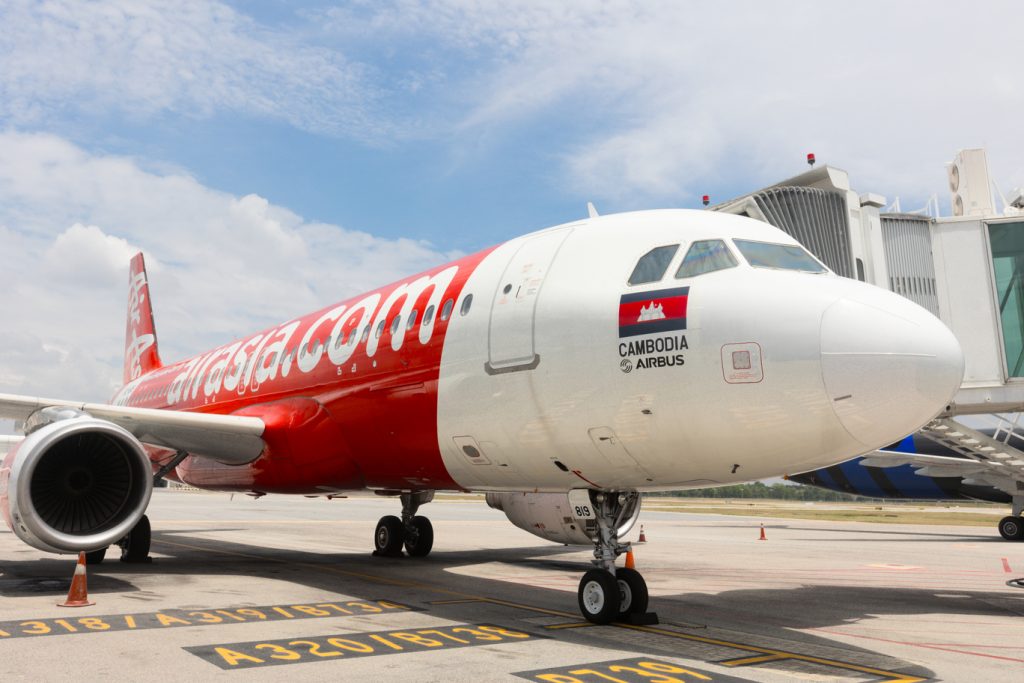
KUALA LUMPUR: Long haul budget carrier AirAsia X Bhd signed a memorandum of understanding (MoU) with Kazakhstan Tourism for strategic collaboration. The MoU encompasses greater commercial collaboration and partnerships between the airline and the organisation to promote tourism between Kazakhstan and Malaysia, create new business opportunities, develop joint sales and marketing campaigns, and boost both countries’ economies through tourism. As a strategic partner, AirAsia will not only fly travellers from Malaysia and other Southeast Asian countries to Almaty but also connect travellers from Almaty to 130 destinations across the region via Kuala Lumpur. The airline is also looking to extend Malaysian and Kazakh tourism product promotion across the region through conferences, travel marts, and other exciting events. The MoU was signed by AirAsia X chief executive officer Benyamin Ismail and Kazakhstan Tourism chairman Kairat Sadvakassov and witnessed by the ambassador of Malaysia to Kazakhstan Mohd Adli Abdullah and Capital A executive chairman Datuk Kamarudin Meranun. Representatives from Almaty Airport, the Civil Aviation Authority of Kazakhstan, and other key industry players were also in attendance. “This strategic alliance is a significant leap for Malaysia and Kazakhstan. It is about enhancing travel experiences and bolstering our economies. This partnership opens up more opportunities for travellers, leading to growth for both nations. “Our competitive fares stimulate air travel wherever we fly, contributing to the tourism sector, a major engine for job creation and a driving force for economic growth,” Benyamin said in a statement. He said the high load factor on both legs of AirAsia X’s inaugural flights indicates strong demand for the route and reflects positively on its capability to penetrate new markets. “This bodes well for future growth and expansion opportunities in the region, boosting our opportunities in various sectors between Malaysia, Kazakhstan, and the Southeast Asian region. We are excited to see the positive changes it will bring to Malaysia and Kazakhstan,” he said. Sadvakassov said AirAsia’s entry into the Kazakhstan market is important for the country and the entire Central Asian region. He said Kazakhstan, like the gates and the Heart of Central Asia, provides access to numerous attractions in our region. “We hope the cooperation with AirAsia X will be fruitful and contribute to significant trade, commercial, cultural, and educational exchanges. Additionally, we believe that cooperation between our countries will create new job opportunities and play a significant role in our nation’s economic growth,” he said. Striving to promote tourism in both directions, AirAsia X has launched flights between Kuala Lumpur and Almaty, as well as Almaty and Kuala Lumpur, with a frequency of 4 times a week. The planes will operate every Tuesday, Thursday, Saturday, and Sunday.

Investment & Market Trends

Fajarbaru Secures Contract From Australia’s Department of Defence, Broadening Engagement in RMAF Base in Butterworth

KUALA LUMPUR:  Fajarbaru Builder Group Bhd’s (FBG) wholly-owned subsidiary, Fajarbaru Builder Sdn Bhd (FBSB), along with Avionics Pty Ltd (APL), has secured a delivery phase (early works) contract from the Australian Department of Defence, with FBG’s portion of the contract worth RM11.04 million. This contract further expands FGB’s involvement in the design and construction of infrastructure projects to redevelop military facilities at the Royal Malaysian Air Force (RMAF) base in Butterworth, Penang. With this announcement, the total value of FGB’s work secured for the project is now RM23.34 million as of March 15, 2024. The early works, which come under the project’s delivery phase, will commence on March 18, 2024, and are scheduled to be completed on November 21, 2024. FGB group executive chairman Tan Sri Chan Kong Choy said securing this award is another reaffirmation of the company’s position as a trusted partner in critical infrastructure projects. “We believe we are well-positioned to deliver exceptional results, showcasing our commitment to excellence and ability to meet the strict requirements of the Australian Department of Defence. “Over the long run, we believe this project will significantly increase our earnings. “We continue seeking opportunities to expand our involvement in this project by bidding for more packages, focusing on value-added and negotiated business,” he said in a statement. To recap, on July 10, 2023, FBSB and APL bagged a head contract (International) in two phases from the Australian Department of Defence to redevelop the Australian leased facilities and Malaysian facilities at Royal Malaysian Air Force (RMAF) Base Butterworth. For the project’s planning phase, FGB’s portion of the contract initially had a value of RM7.36 million. On January 11, 2024, FGB announced that the total value of this portion had been revised upwards to RM12.30 million to account for additional work. Further details of the contract and project are included in FGB’s stock exchange filings on March 15, 2024, January 11, 2024, and July 10, 2023. With a strategy to drive sustainable revenue flow through a diverse range of businesses, FGB continues to demonstrate sustained improvements on the financial and operational front. In the second quarter (Q2) ended December 31, 2023 (FY24), FGB reported a net profit of RM20.88 million, a surge of 606 per cent compared to a net profit of RM2.96 million reported in the first quarter (Q1) FY24. Revenue amounted to RM126.79 million, an impressive 74 per cent increase compared to the first quarter of the same financial year. The company’s property development segment mainly drove the improved performance for the second quarter. As of March 15, 2024, FGB’s construction division currently has an orderbook of RM927 million with a wide range of projects such as high-rise residential buildings, affordable apartments, retail complexes, service apartments, and the redevelopment of military facilities. FGB is currently tendering for construction projects with a combined value of RM4.7 billion across the private and government sectors. Major recent job wins include a contract worth RM120.82 million for construction works for the Johore Golf & Country Club, which marks FGB’s inaugural venture into Johor. The company continues extending its project portfolio across diverse regions, from Penang to the East Coast, Klang Valley, and southern states in Peninsula Malaysia. In FY24, FGB will continue building its property development business’s brand presence and broadening its portfolio. In Malaysia, FGB is progressing on its latest development project, Desa Green, located in Kuala Krai, Kelantan. The company is also engaged in a joint venture for the Centralised Labour Quarters (CLQ) project in Senawang, Negeri Sembilan. In Australia, FGB has initiated a new project in Fitzroy, Melbourne, slated for launch this year. Another Australian project, The Wilds, aims to be the first carbon-neutral detached housing project in inner Melbourne. All residences will be powered exclusively by electricity and equipped with solar panel arrays.

Scroll to Top

Subscribe
FREE Newsletter