Author name: admin

Property

Kwasa Land Teams Up With Impiana For Another Project In Kwasa Damansara

KUALA LUMPUR: Kwasa Land Sdn Bhd, the master developer of Kwasa Damansara and  a wholly-owned subsidiary of the Employees Provident Fund Board (EPF), has partnered with Impiana Land and Development Sdn Bhd (Impiana) on a new residential development in the township. The project, Impiana’s second in Kwasa Damansara, will entail the construction of landed homes, as well as low and mid-rise condominium on a land area of approximately 47 acres. Coined as Serene Kwasa Damansara, the project will be spread across three plots with a gross development value (GDV) of RM1.5 billion. The project will be delivered in phases, with the first phase expected to be completed in the fourth quarter (Q4) of 2028. Formerly the site of the renowned Rubber Research Institute, the first and largest of three plots retains its heritage. Kwasa Land managing director Datuk Adenan Md Yusof said the company is pleased to partner with Impiana again on their second development within Kwasa Damansara. “It will be developed with surrounding green spaces, great connectivity to transportation networks, and also designed with the family unit in mind, meeting the lifestyle needs of Malaysians today. “Serene Kwasa Damansara will complement our efforts as the master developer, boosting the value of this township. “We look forward to offering various residential offerings with Impiana, leveraging their vast experience in high-quality development equipped with top- notch facilities,” he said in a statement. Serene Kwasa Damansara’s Serene South Lakes offers 141 neo-colonial-themed homes, including bungalows, link villas, and semi-detached homes. Perched on sloping terrains, these homes command scenic vantage views of the lake. The second phase measuring 4.6 acres, The Park, will consist of two modern tropical-themed mid-rise blocks of 311 units with facilities amid lush landscapes and refreshing greenery. The Serene Hillside is a 12-acre hillside plot comprising four blocks of low and mid-rise condominiums with 468 units surrounded by greenery. Serene Kwasa Damansara can offer vistas and vantage viewpoints to its future residents. It will be developed in a conducive, green environment, offering dedicated clubhouses, swimming pools, and landscaped gardens. Neighbouring mature neighbourhoods such as Tropicana Indah, Ara Damansara and Kota Damansara, the project is also close to future commercial centres, retail and dining offerings, and two mass rapid transit (MRT) stations connected directly to the Putrajaya and Kajang lines. Impiana managing director Datuk Haris Onn Hussein believes a home must be more than a building. “It has to be a space generous enough for life to expand and grow, enclosed in structure but open in spirit, to nurture a lifetime of cherished memories. “We are excited to be a development partner to Kwasa Land as we embark on a dynamic and future-forward residential development at Kwasa Damansara, a burgeoning location in the Damansara region – one where we see people converge to live, work and play as an attractive address and neighbourhood,” he said. Impiana’s maiden project in the township is known as Linari Damansara. Sitting on an 8.9-acre site, the development consists of two towers housing 480 units of condominiums and 16 units of Park Homes. Linari is positioned to offer a mass-transit-oriented lifestyle adjacent to the Kwasa Damansara MRT station. Once completed, it will offer residents a dedicated security entrance and pedestrian walkway to the station. Linari is planned with a host of features and facilities, including a community garden, lap and kid’s pools, jogging and cycling trail, BBQ area, gym, yoga lawn, and many more. It will be launched this year and is expected to be completed by 2027.

News

Techbase Industries’ Subsidiary Files Suit Against South Malaysia Industries’ Board

KUALA LUMPUR: Techbase Industries Bhd’s (TIB) wholly-owned subsidiary Honsin Apparel Sdn Bhd (HASB), has filed a suit against the major shareholder of South Malaysia Industries Bhd (SMI) and Asian Pac Holdings Bhd for its management practices. In a statement, HASB expressed disappointment with the current SMI board for persistent losses since 2019. Further, given the company’s financial performance, the substantial increase in director fees for the financial year ending June 30, 2023, is disproportionate. HASB noted that this concern follows SMI’s recent announcement of filing a judicial review against the Securities Commission Malaysia (SC). HASB is also particularly troubled by SMI’s prolonged delay in convening an annual general meeting (AGM), which has persisted for 21 months without any public explanations to SMI’s shareholders. “This departure from the customary 12-month AGM timeline raises serious questions about SMI’s management’s transparency and accountability. “We are profoundly disappointed with the actions of the current SMI board. Their focus and priorities appear to be starkly misaligned with the interests of the shareholders. “Certain decisions seem to lack transparency instead of fostering the company’s advancement. “We hope no further delay of the AGM,” HASB spokesperson said in the statement. The company said the actions of SMI’s directors, which undermine shareholders’ rights and erode confidence in the company’s governance, could have profound implications on foreign investment confidence in Malaysia. Investors keenly observe corporate governance standards in public-listed companies, and any deviations from these standards can significantly impact investor sentiment, HASB noted. Moreover, there is a pressing concern that the incumbent SMI directors have failed in their fiduciary duties by persistently delaying the AGM, thereby obstructing shareholder engagement and oversight, without demonstrating any tangible efforts to address SMI’s ongoing financial losses. Note that HASB had previously won a case calling for an extraordinary general meeting (EGM). However, SMI has applied for a stay on the judgment, further delaying the EGM. Additionally, SMI has applied to the Companies Commission of Malaysia (SSM) for a delay in holding the AGM without providing any reasons to the shareholders. HASB and HIQ Media Malaysia Sdn Bhd (HMM) have filed a suit against Mah Sau Cheong and 15 others. To note, HASB and HMM collectively own a 10.01 per cent stake in the loss-making SMI. SMI’s ownership is spread among various owners, with BH Builders Sdn Bhd owning the largest portion, or 9.31 percent. This company is fully owned by Asian Pac Holdings Bhd, another property developer listed on the main market of Bursa Malaysia. “We urge all shareholders to attend and vote in the upcoming AGM to exercise their shareholder rights and express their views on the company’s management. “We must stand together to ensure transparency, accountability, and good governance in SMI,” added HASB spokesperson. HASB remains committed to advocating for the rights of shareholders and the betterment of SMI.

Investment & Market Trends

HWGB Acquires Apotheke To Enter The Thriving Organic Skincare Market

KUALA LUMPUR: Ho Wah Genting Bhd’s (HWGB) subsidiary HWGB Capital Sdn Bhd (HCSB), has signed a conditional share sale agreement with Leong Oi Heng to acquire 55 per cent stake in Advanced Apotheke Sdn Bhd (AASB) for RM2.4 million. HCSB, in a statement, said this partnership with AASB aligns perfectly with HCSB’s mission of innovation and meeting market demands. “The wellness industry is ripe with potential, and with AASB’s established brand presence in organic products, we see a bright future ahead,” an HCSB spokesperson said. The acquisition comes strategically as the organic skincare market is experiencing robust growth, propelled by the rising demand for natural alternatives to conventional beauty products. Health-conscious consumers’ heightened awareness of the beauty industry’s environmental impact and governments’ implementation of stricter regulations on synthetic and harmful ingredients are driving this surge in demand. Established in 2010, AASB is well known for its wide array of high-quality fragrances and organic skincare products. With the organic skincare sector on a robust growth trajectory, ASB stands at the forefront with its unique East-meets-West approach, blending traditional Chinese medicine (TCM) therapies with contemporary Western treatments. This holistic wellness philosophy aims to enhance mental health and body immunity, nurturing beauty and promoting healthy-looking skin. This initiative by AASB has emerged as a major selling point, differentiating its product line into not just skin-deep but integrative health solutions. The organic skincare market has been experiencing robust growth, driven by health-conscious consumers, environmental awareness, and stricter regulations. With a compound annual growth rate (CAGR) of 8.5 per cent from 2022 to 2027, the global organic skincare market is expected to reach US$25 billion by 2027. AASB’s Organic Lab carries a range of recognised brands, including Neal’s Yard Remedies, Jurlique, L’erbolario, Bloomy Lotus, and SSENSE, all representing effective, clean, and sustainable beauty. AASB spokesperson said this partnership represents a significant milestone for the company, providing the resources and support necessary to accelerate growth and expand reach. “With the backing of HWGB, we can focus on expanding our outlets and product offerings and concentrate on digital marketing, which is a main source of our customers. “We are confident that this collaboration will enable us to tap into new markets and further solidify our position as a leader in the organic skincare industry. “We are looking forward to building this into an entity that can ride on the booming organic skincare market and create a lasting impact on the wellness sector,” AASB spokesperson said in a statement. AASB’s outlets are at Pavilion Hilltop Mont’Kiara, Exchange 106 within the Tun Razak Exchange, and the recently launched outlet at The Gardens Mall, one of Kuala Lumpur’s premium shopping destinations.

Energy & Technology, Investment & Market Trends

Chinese EV Brand XPeng to Enter Malaysian Market

KUALA LUMPUR: Bermaz Auto Bhd (BAB) has confirmed that XPeng, the Chinese electric vehicle manufacturer, will enter the Malaysian market. In a filing with Bursa Malaysia, BAB said the company had been appointed as the authorised distributor for XPeng in Malaysia. According to a local news report, the announcement was timely after XPeng’s co-founder and chief executive officer He Xiaopeng was quoted as saying that the company intends to introduce right-hand drive (RHD) models in the latter half of this year. He also said that Malaysia is among the target markets for the upcoming RHD XPeng model, while Hong Kong and Singapore are other RHD markets targeted. BAB, which oversees Mazda and Kia in Malaysia, did not specify a timeline or particular models slated for release in the country. However, XPeng president Brian Gu had previously indicated that the company’s RHD vehicles would likely be the G6 crossover sports utility vehicle (SUV), albeit with potential updates for the international version. Headquartered in Guangzhou, XPeng has established multiple facilities beyond China, including two research and development centres in the United States, a competence centre in Munich, a financial hub in Hong Kong, and a European headquarters in Amsterdam. Additionally, the company is listed on both the New York Stock Exchange and the Hong Kong Stock Exchange.

News

Smart Reader Worldwide Targets Domestic, Regional Expansion As Demands Surge

KUALA LUMPUR: Smart Reader Worldwide Sdn Bhd (SRW), the early childhood education franchiser, aims to establish a stronger presence in Malaysia next year as the demand for new centres is picking up pace post-pandemic. Executive director Kevan Ong said the East Malaysian market has been the company’s strong growth state, and part of the company’s strategy is to establish a broader presence there. “We believe Sarawak is the right choice for expansion, as there are ongoing developments coupled with the resumption of oil and gas activities in the state. “We are experiencing a surge in inquiries from young entrepreneurs keen to become our franchisee and operate new early childhood centres in smaller towns. “We are also receiving inquiries from Sabah and Peninsular Malaysia. We foresee 20 new centres being operational throughout Malaysia in 2024,” he told The Exchange Asia. Ong said a nationwide demand for affordable and quality preschool education continues to exist, and the rapid development and urbanisation in East Malaysia create more demand for educational services. “We also have a regional office and hub in Kuching, Sarawak, and our centres in Kuching and Kota Kinabalu. “Besides accessibility and support for existing centres, the team provides valuable insights and allows us to focus on targeted and viable locations for expansion,” Ong said. Ong said SRW currently has approximately 300 centres nationwide, including those awaiting the granting of a franchisee licence to begin operation. The company has 40 franchisees currently operating in Sabah and Sarawak. “Apart from our target to expand 20 more centres in Malaysia this year, we are also targeting international expansions in Australia and Indonesia,” Ong said. SRW offers preschool education programmes for children aged three to six. The curriculum is focused on promoting learning through play. The SRW franchise fee is RM270,000, including setup costs, and the company offers several incentive plans for young entrepreneurs interested in entering the early childhood education business. “We hit our target for 2023, especially with the new Smart Reader Kids++ concept, designed as a daycare and transit centre for primary school students. “Further, we opened our fourth centre in Melbourne, Victoria, with the launch of Smart Reader Kids Hallam,” Ong said. Touching on listing plans, Ong said the company aims to be a public-listed firm in Malaysia and abroad by 2025 after establishing a stronger brand presence, expanded operations, better earnings volume and perks to offer future shareholders. “When want to make sure that when we are going for initial public offering (IPO), we want to show an upward trajectory of the company and a bigger appetite for shareholders as they may want to see positive organic growth,” he said. Ong said SRW’s market goal would be to continue growing the Smart Reader Kids brand in Malaysia, Australia, and Indonesia. “We aim to achieve this by expanding our geographical reach by opening new centres in untapped markets. This will also increase our enrolment numbers to 20,000 students,” he said. Ong said the main criteria SRW seeks in selecting entrepreneurs to join the Smart Reader Kids fraternity is passion. “We want people who are passionate about working with children. In terms of support, we have an established franchise system that has been in operation for more than 20 years, providing support from all areas, including training and development, human resource (HR), legal, branding and marketing, research and development, and operations,” he said. When asked to comment on what the government should look at to improve early childhood education and initiatives, Ong said one factor would be initiatives to encourage home-bound mothers to return to the workforce. He said one primary cause is that many home-bound mothers want to return to the workforce and how they can send their children to a proper education and care centre. He said countries such as Australia already have similar centres for working mothers, and employers encourage a proper work-life balance for working mothers. “The government and related ministries should emphasise new initiatives for young mothers keen to return to the workforce. “There must be subsidised and affordable early childhood education and care centres in major cities. This would make it easy for home-bound mothers to return to the workforce and have their children begin their education in these centres,” Ong said.

The Executives

Handibee: Changing The Game In Home Warranty, Handyman Services

KUALA LUMPUR: Homegrown startup company Handibee Sdn Bhd aims to shift the perception of home warranty by serving as a single contact point for all handyman services, simplifying the management of home maintenance. While many homeowners in Malaysia are relatively new to the concept of a home warranty, the company’s value proposition is multifaceted. Through its Handibee Home Warranty service, the company offers comprehensive financial protection against significant home malfunctions. Furthermore, its services are calculated hourly, distinguishing itself from regular quote-based pricing models. This calculation method eliminates the need to negotiate costs, making the repair process transparent. Selected plans offered by Handibee have added complementary services, and all repairs come with a 30-day guarantee. Homeowners have peace of mind knowing that their homes are maintained efficiently and reliably. Despite its beginnings as a start-up, Handibee is bold in crafting its business strategy centred on leveraging and adopting technological innovations to offer seamless and preventive home maintenance solutions. Chief executive officer Mohamed Shakir said Handibee is committed to exploring and integrating technologies such as artificial intelligence (AI) and the Internet of Things (IoT) into its systems and services. “By integrating AI into our system, we can develop preventive maintenance schedules that proactively address and prevent potential breakdowns before they occur. “This approach enables us to navigate potential disruptions, which positions us to lead the home service industry through innovation. “Our investment in IoT technology ensures homes are maintained efficiently. The focus on preventive maintenance helps us establish long-term relationships with homeowners, as we offer them peace of mind and unparalleled reliability in the market. “Our focus on technology and innovation ensures we remain at the forefront of the home warranty industry and continuously improve our services to meet the evolving needs of our customers,” Mohamed Shakir told The Exchange Asia in an interview. The company can enhance its diagnostic capabilities and service delivery by integrating AI and investing in IoT technology. Response time is quick, pricing is transparent, and plans can be customised. “To retain customers, we focus on delivering superior service quality. We leverage technology to offer personalised and efficient maintenance solutions and engage with customers through feedback and continuous improvement processes,” he said. Mohamed Shakir said the subscription-based home service market is witnessing significant transformation, driven by technological advancements and changing consumer behaviours. He said Southeast Asia, in particular, has a growing demand for convenient, reliable, and transparent subscription-based home services. “In post-pandemic times, we observe trends in property ownership and investment such as increased rental rates, changing home-buying behaviours, and a shift towards digital services. “These trends present an opportunity for Handibee to redefine home maintenance by offering subscription-based warranties that provide financial protection, convenience, and peace of mind,” Mohamed Shakir said. Despite the potential growth of subscription-based home services, the industry has its fair share of challenges. Mohamed Shakir revealed that Handibee’s biggest challenge is changing homeowners’ traditional mindsets toward embracing subscription-based home warranties. To address these challenges, Handibee has a three-angled strategic plan to increase awareness and adoption of home warranties. First, the company is engaging in educational campaigns to highlight the benefits and value of its services. Second, the company will form partnerships with property developers and residential associations, and third, it will boost its marketing efforts by utilising social media marketing to reach a broader audience. When navigating the challenges of subscription-based home services, Mohamed Shakir acknowledges that government regulations and policies are potential catalysts for promoting sustainable practices and consumer protection within the home service industry. “Handibee advocates for regulations that recognise the value of home warranties in enhancing the quality of life for residents. “By working alongside government agencies, we establish a framework that supports the growth of the home warranty sector, ensuring it serves the best interest of consumers and contributes to sustainable residential maintenance practices,” says Mohamed Shakir. He added that Handibee is actively exploring new service offerings to broaden its impact. One such initiative is the development of a builders’ warranty for house developers. This warranty extends the defect liability period, providing homebuyers with added protection and peace of mind. Additionally, Handibee is considering entering the market of renovation home warranties, protecting homeowners from risks associated with renovation projects. These new ventures align with its mission to provide comprehensive and reliable home maintenance solutions. “Our immediate expansion plans involve solidifying our presence in the Malaysian market and extending our services to include integrated products that combine home insurance with warranties. “Following this, we aim to expand our footprint to Singapore and Brunei before exploring opportunities in Indonesia and Thailand with tailored home warranty solutions. “This phased approach allows us to adapt our offerings to meet the specific needs of each market, ensuring our services resonate with homeowners across Southeast Asia,” Mohamed Shakir said.

Investment & Market Trends

Sarawak MATTA Fair Rakes In RM8.9mil, State Eyes RM9.76bil From Incoming Tourist Traffic This Year

KUCHING: Sarawak will breach its tourism revenue to RM9.76 billion this year from RM8.07 billion recorded in 2023. According to Malaysian Association of Tour and Travel Agents (Matta) Sarawak chapter chairman Oscar Choo, this year’s outing earned RM8.9 million, up from last year’s RM6 million, signalling a healthy post-COVID recovery in local tourism statistics. He said his ministry had projected three million visitor arrivals with RM7.6 billion in revenue in 2023. However, as of October last year, Sarawak already received 3.18 million visitors. Late last year, Sarawak Minister for Tourism, Creative Industry and Performing Arts Datuk Seri Abdul Karim Rahman Hamzah said the target followed the state’s encouraging trend of visitor arrivals in 2023. “The tourism receipts stood at RM8.07 billion, which contributed about 5.75 per cent to Sarawak’s gross domestic product (GDP),” he told the state assembly. Abdul Karim also pointed out that the post-COVID-19 tourism industry in Sarawak is expected to grow exponentially, corresponding with signs of positive growth in the global tourism scenario. He said Sarawak expected visitor arrivals to recover to the pre-pandemic level fully by 2025. According to him, Sarawak is charting its course into new ventures, especially with the acquisition of MASWing and the development of tourism attractions that are expected to be completed by then. He said that tourism will flourish and become one of the main drivers of Sarawak’s GDP growth, sustaining its high-income status. “Over the years, the East Malaysian states have become a popular destination among foreigners who are smitten with the state’s rave attractions such as nature explorations, outdoor adventures at national parks and eco-tourism at nature reserves,” Abdul Karim said. Deputy Minister for Tourism, Creative Industry and Performing Arts Datuk Snowdan Lawan, who officiated the opening of the fair, quoted recent data from the World Bank and said international tourists nowadays prefer nature tourism. “The ministry will be focusing on the concept of culture, adventure, nature, food and festivals (CANFF),” he said. He also said Sarawak must align itself to cater to tourists’ interests and provide adequate gateways to facilitate their movement throughout the state. In aligning with tourists’ aim to visit Sarawak, he said the state needs to have an abundance of gateways to facilitate the movement of tourists throughout the state. Snowdan said the state must provide enough flights into Sarawak and that is why airline businesses are vital as they are the conduits that connect those from international grounds to Borneo. Taking a cue from Snowdon, one enterprising tour operator has plans to encourage West Malaysian locals to seek the many holiday destinations in Sarawak based on the CANFF concept. Speaking to The Exchange Asia, Khaimal Borneo managing director Mohammad Fikri Zainol Majid said locals from West Malaysia largely visit Sarawak for official business engagements but rarely for a ‘good time-spent holiday’ in the Borneo state. “We perceive this as a niche area in local tourism where West Malaysian tourists can enjoy Sarawak’s many splendoured holiday outposts under the ‘Cuti-Cuti Malaysia’ itinerary,” he said. Sarawak MATTA Fair, a three-day fair that began on Friday, concluded yesterday with 71 booths operating at The Hills here. The fair was packed with locals and foreigners seeking the best bargains for holiday destinations in the state, which also goes by the moniker ‘The Land Of The Head Hunters’. Among the 71 booths at the fair were those offering off-shore holidays to Europe, China, Seoul, Japan, South Asia, and the popular regional destinations in Southeast Asia such as Indonesia, Vietnam, Thailand and the Philippines. Airline operators were also present to attract potential travellers with exciting flight fares from West Malaysia and the surrounding Southeast Asian cities to the Borneo states of Sabah and Sarawak. Malaysia Airlines, Firefly, and MASwings, designated official airlines for the fair, offered discounted and promotional fares from popular Asian capitals to Sarawak and Sabah.

News

MyIX: Demand For Internet Bandwidth To Grow This Year

KUALA LUMPUR: The demand for internet bandwidth in Malaysia will continue to grow this year, fuelled by specific sectors such as e-commerce, online entertainment, remote work, and cloud-based services. The Malaysia Internet Exchange (MyIX) chairman, Chiew Kok Hin, said that to accommodate this surge in demand, MyIX is implementing specific measures to enhance the overall internet infrastructure and focusing on infrastructure expansion. “These include upgrades, investments by local internet service providers (ISPs) and global players, and the adoption of new technologies that drive further enhancements in internet connectivity,” he told The Exchange Asia. Chiew said the country’s demand for internet bandwidth continues to show strong and sustained growth. This trend is evidenced by the record peak of 2.1 terabits per second recorded in May 2023, and as the current demand for internet bandwidth is also around this mark, MyIX foresees it rising further in the months and years to come. Chiew said this internet usage surge is driven by various factors, including the proliferation of the latest and most powerful digital technologies, the expansion of online services, and evolving user behaviours. Moreover, the increase in participation from various entities, including hosting companies, universities and enterprises, has enriched the MyIX ecosystem, leveraging the ‘network effect to improve connectivity across Malaysia. “By encouraging more entities to join the exchange, we aim to enhance our users’ overall internet performance and reliability,” said Chiew. He also said the advancements in video conferencing, large-scale display technologies, and emerging technologies such as cloud computing, IoT (Internet of Things), and 5G have significantly contributed to this surge. “In particular, artificial intelligence (AI) seems to be progressively moving mainstream. The proliferation of AI in various aspects of life and work significantly contributes to the sustained high demand for internet bandwidth. “AI technologies are becoming increasingly embedded in our daily activities, from personalised recommendations on streaming platforms to intelligent productivity tools in the workplace. “In this light, MyIX recognises the importance of adapting our infrastructure to accommodate the bandwidth requirements of AI technologies, ensuring that Malaysia remains at the forefront of digital innovation and connectivity,” said Chiew. Chiew said there is also a convergence of AI with some of the technologies mentioned. For example, a noteworthy development in this realm is the availability of the Zoom AI Companion in Bahasa Malaysia, marking a significant milestone in making advanced AI tools accessible to a broader audience in Malaysia. For video conferencing meetings, it offers capabilities like quick catching up on missed discussions, smart recording with highlights and chapters, and even generating summaries with the next steps. These developments enhance the efficiency and effectiveness of digital communications and highlight the growing demand for internet infrastructure capable of supporting sophisticated AI applications, said Chiew. In response to these trends, Chiew said MyIX remains committed to ensuring its infrastructure is robust and adaptable to meet the growing demands. “We are planning for substantial infrastructure investments and capacity expansions in 2024, focusing on enhancing the efficiency and capability of our internet exchange infrastructure. “These initiatives are designed to future-proof our network against the increasing traffic volumes and ensure the provision of fast, reliable internet connectivity to our users,” said Chiew. Chiew pointed out that in the last financial year, MyIX underwent a comprehensive restructuring of its backend network, implementing various improvements. “We invested in new firewalls, specifically Fortigate, to fortify our network’s access redundancy. This addition significantly bolstered our system’s resilience when accessed via non-MyIX networks. “Furthermore, we expanded our upstream providers at no cost. The two providers, namely REDtone Engineering & Network Services Sdn Bhd and IP Serverone Solutions Sdn Bhd, were crucial additions to our network architecture,” said Chiew. He also noted that MyIX recognises the importance of collaboration in this dynamic ecosystem. “We are actively engaging with ISPs, content providers and other stakeholders through ongoing discussions and partnerships to optimise the internet ecosystem in Malaysia. “Such collaborative efforts are vital for collectively addressing the escalating bandwidth demand and ensuring a seamless internet experience for all users,” he said. MyIX’s vision is to shape the future of internet connectivity in Malaysia by building a resilient and scalable infrastructure that can support the dynamic needs of its users and the broader digital economy. On the corporate social responsibility (CSR) front, Chiew said MyIX launched a national initiative, the Network Infrastructure Training Programme, aligning to empower the Malaysian workforce with essential digital economy skills. The programme kicked off last month at MyIX’s headquarters in Puchong, Selangor, selecting 25 participants from a pool of hundreds for the inaugural ‘Explore the World of Network Infrastructure’ course. This effort, in partnership with Forward College, aims to address the digital skills gap by providing hands-on training in critical areas such as internet protocol (IP) network and systems operations, routing protocols, and distributed denial-of-service (DDoS) prevention strategies. Chiew said this initiative was designed to benefit recent graduates, professionals from MyIX member companies, and the industry at large. With the backing of MyIX members, the programme reflects a strong commitment to collaborative efforts in technological education, underscoring the importance of building a skilled workforce ready to navigate the challenges and opportunities of the digital future. “This programme is not just about theoretical learning but also about equipping participants with practical skills that can be immediately applied in the workforce. “Through such initiatives, MyIX plays a pivotal role in enhancing internet speed, reliability and security in Malaysia, contributing significantly to the country’s digital economy,” Chiew said.

News

Digital Technology And Sustainability In Leadership: Navigating The Intersection In The Post-Pandemic Landscape

The seismic shifts triggered by the global pandemic have propelled leadership into uncharted territory, particularly in Southeast Asia. As the region undergoes a rapid digital transformation, technology and sustainability are colliding to reshape old views of leadership, creating a landscape where integrating technological prowess with a human-centric ethos is not something to consider but something that needs to be done. Let us take a closer look at the trends now defining leadership dynamics and their nuances to understand the implications in the long term. Embracing Digital Transformation for Operational Excellence In the wake of the pandemic, organisations in Malaysia are now redefining leadership paradigms, placing a premium on leaders who are adept at navigating the intricate interplay between digital technology and human-centric strategies. The emphasis is not merely on adopting technology but on strategically leveraging it. Digital tools, ranging from communication platforms like Microsoft Teams to innovative artificial intelligence (AI) applications, like Otter.ai and ChatGPT are becoming integral to internal processes and product delivery. The Malaysian landscape, characterised by its unique blend of cultures, demands a nuanced approach. Here at The University of Manchester, our collaboration with local partners like the Perdana Leadership Foundation underscores the importance of tailoring strategies to align with the distinct demands of Malaysia. The maturity of the market, variations in the prioritisation of environmental, social, and governance (ESG) strategies, and the delicate dance between tradition and innovation all contribute to the multifaceted nature of leadership in the Malaysian digital age. Fostering a Culture of Innovation Leaders in the region are now charged with fostering cultures of innovation where risk-taking is not just tolerated but actively encouraged. A compelling case study from an Indonesian bank exemplifies a groundbreaking approach – setting targets for the number of failed innovations for their newly formed innovation division. This unique strategy underscores the importance of embracing failure as an inherent part of the innovation journey, promoting a mindset shift crucial for navigating the evolving digital landscape. In the Malaysian context, innovation takes on a broader scope. The focus extends beyond technological innovation to encompass the integration of traditional values seamlessly. This is why our programmes at The University of Manchester explore how AI technology can enhance, rather than replace, traditional practices. The goal is to provide people with more time for higher-value work, aligning with their cultural values and fostering innovation. Multi-specialist Leadership in a Dynamic Work Environment The era of leaders specialising in one domain is fading in Malaysia. The post-pandemic career trajectory involves navigating through multiple roles across diverse areas. This demands leaders to be multi-specialists, not only in digital technologies but also in finance, stakeholder management, strategy, and beyond. The call for continuous upskilling echoes the need for leaders to stay agile in a landscape where change is constant. In Malaysia’s cultural diversity, recognising the significance of the country’s cultural heritage becomes a cornerstone of leadership. Our emphasis on social and community engagement goes beyond business, working with a diverse range of stakeholder groups to understand their perspectives, values, and needs. Balancing tradition with innovation is a challenge we acknowledge, striving to merge technology with traditional wisdom through education programs that align with Malaysia’s cultural heritage. Adapting Leadership to Hybrid Work Environments Remote work has become the norm in Malaysia, necessitating a recalibration of leadership styles. The traditional office environment, conducive to organic learning and team dynamics, is being replaced by intentional touchpoints, personal development plans, and deliberate planned team interactions. This hybrid leadership approach ensures leaders can understand team dynamics and individual motivations in an era where physical proximity is no longer guaranteed. The challenge lies in understanding the nuances of leading in a hybrid environment in Malaysia. The shift towards flexible working arrangements demands a reassessment of well-being strategies. Leaders are leveraging technology not only for skill development but also to address stress management and mental health support. Recognising the impact of constant connectivity, organisations are implementing clear well-being strategies to ensure employees have the time and support needed to thrive without burnout. A Global Mindset for Global Success In an interconnected world, leaders in Malaysia must possess a global mindset. While technology facilitates global reach, success in one market doesn’t guarantee success in another. Understanding and adapting to the diversity in markets, cultures, and norms is paramount. The ability to navigate this complexity defines leaders who can steer their organisations toward success in an increasingly globalised business landscape. Our collaboration with the Perdana Leadership Foundation is a testament to this approach. By working with an organisation deeply rooted in Malaysia’s leadership legacy, we not only gain insights into the country’s development journey but also create a joint product that fuses innovation with leadership cultures. This synergy exemplifies our commitment to navigating the delicate balance between digital technology, sustainability, Malaysia’s rich leadership heritage, and her growth potential. The post-pandemic era has accelerated the evolution of leadership skills in Malaysia, demanding a delicate balance between technological prowess and humanistic approaches. Malaysian organisations are witnessing a paradigm shift in leadership—one that embraces digital transformation, encourages innovation, and understands the nuances of diverse global markets. As leaders chart their course in this dynamic landscape, the ability to integrate digital technology with sustainability and human-centric values emerges as the cornerstone of success. In steering organisations through unprecedented change, these leaders are not just adapting to the new normal; they are defining it. Alliance Manchester Business School executive director of client relations Stuart Wells.

ESG

Maybank, Gentari Collaborate To Empower Sustainability Journey

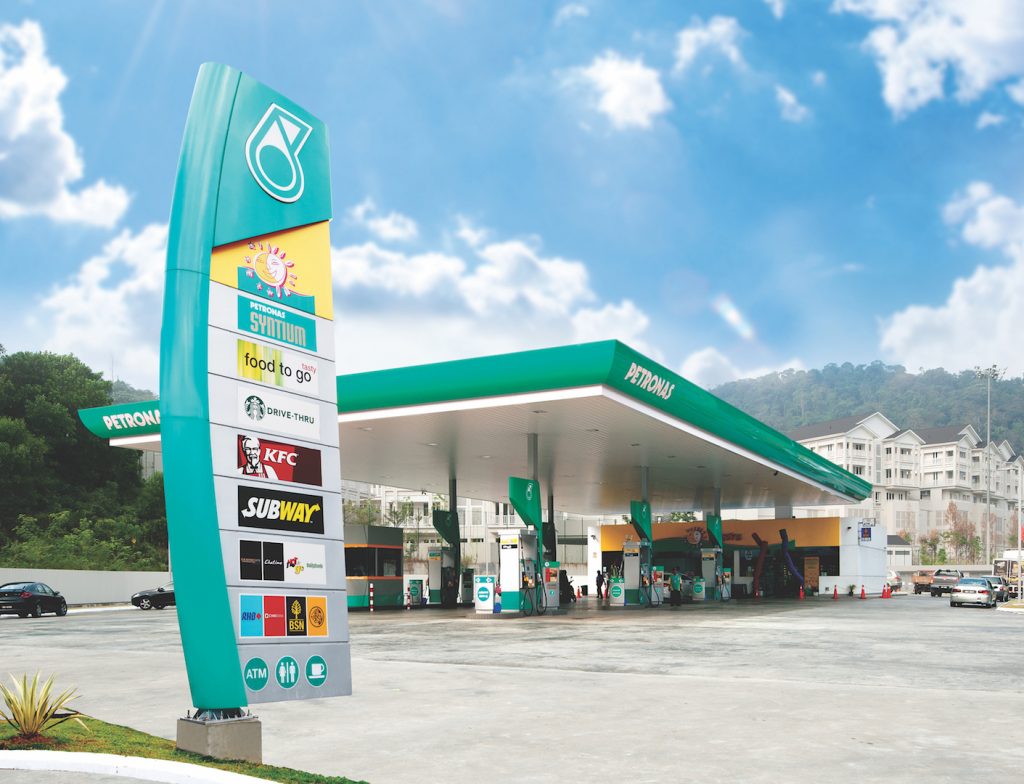
KUALA LUMPUR: Malayan Banking Bhd (Maybank) and clean energy company Gentari Sdn Bhd signed a memorandum of understanding (MoU) to collaborate and explore green mobility and renewable energy solutions. This marks Gentari’s first collaboration with a financial institution, signifying an aligned commitment with Maybank to drive the adoption of sustainable solutions in the market. The collaboration will further strengthen Maybank’s sustainability goals, aiming to achieve a carbon-neutral position of emissions by 2030 and a net zero carbon equivalent position by 2050. Maybank community financial services group chief executive officer Syed Ahmad Taufik Albar said the bank is committed to becoming the sustainability leader in Southeast Asia, driven by sustainable financing and a crucial agent for low-carbon initiatives. He said Maybank’s focus on delivering value-based solutions grounded in sustainable and ethical principles while meeting the market’s growing demand for eco-conscious practices. “We offer comprehensive solutions in green mobility and renewable energy. “Embracing our purpose of humanising financial services, we support our customers with a complete ecosystem: best-in-class, value-based offerings that are both within and beyond traditional banking,” said Taufik Albar in a statement. As of December 2023, Maybank has surpassed its sustainable financing targets, mobilising RM34 billion for the year, well ahead of its 2023 target of RM16 billion, with a cumulative achievement of over RM68 billion, against the targeted RM80 billion by 2025. The strategic partnership marks a significant milestone, harnessing Gentari’s well-established expertise in the green mobility and renewable energy sector and underscoring Maybank’s commitment to championing sustainable practices and innovative solutions. With Gentari as the clean energy solutions partner in this journey, Maybank is installing charging points for electric vehicles (EV) and hybrid vehicles at its network of premises and branches nationwide, beginning with ten strategically chosen locations. Having the widest network of direct current (DC) fast chargers in Malaysia, Gentari offers EV and hybrid vehicle owners in Malaysia access to over 335 charging points, including more than 100 DC fast chargers, which enable rapid charging for EV and Hybrid vehicles. This collaboration will extend Maybank Islamic’s InCharge pre-credits to include Gentari’s charging stations, giving customers more access and benefits. Maybank Islamic InCharge is an EV pre-credit incentive programme for EV and hybrid vehicle owners with Maybank Islamic Auto financing with credits useable at selected charging stations. Meanwhile, Maybank’s small and medium enterprises (SMEs) customers will have access to consultancy and advisory services facilitation with Gentari as the clean energy industry expert in Maybank’s myimpact SME Hub. Other areas of collaboration include cross-branding and marketing efforts of the entire suite of Maybank product offerings, including financing, insurance and takaful, card partnerships and others, leveraging on Maybank’s financial offerings and digital platforms with Gentari’s expertise and facilities. “A just energy transition requires diverse stakeholders to unite to make clean energy more accessible, sustainable and affordable. “This collaboration unites Maybank’s suite of financing and insurance solutions with Gentari’s green mobility and renewable energy offerings, marking the collaboration between like-minded partners dedicated to making the shift towards a sustainable lifestyle attainable,” Gentari deputy chief executive officer Shah Yang Razalli, also the chief executive officer of Gentari Green Mobility. The exchange between Maybank and Gentari occurred in a closed-door ceremony attended by the senior management of both companies. The partnership aims to create greater awareness and more opportunities for individuals and businesses to make a positive impact through sustainable choices and contribute meaningfully to a better tomorrow.

Scroll to Top

Subscribe
FREE Newsletter