Generic selectors
Exact matches only
Search in title
Search in content
Post Type Selectors
post
Generic selectors
Exact matches only
Search in title
Search in content
Post Type Selectors
post

Author name: theexchangeasia admin

Energy & Technology

Brooke Holdings Secures RM1 Bil Oil And Gas Contract

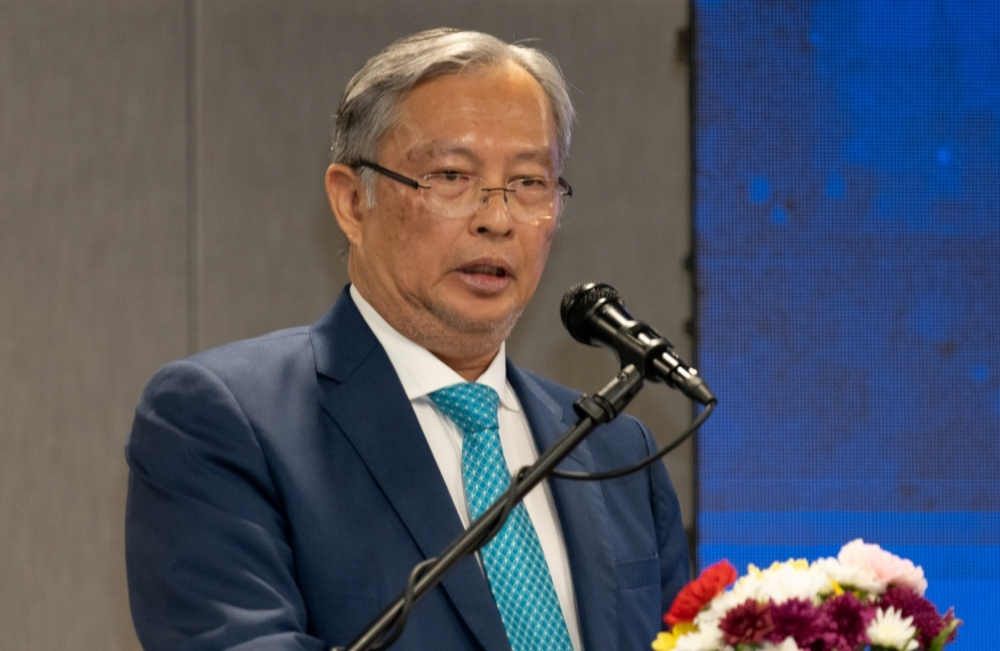
Brooke Holdings Sdn Bhd has secured a RM1 billion engineering, procurement and construction (EPC) contract from PTTEP Sarawak Oil Ltd for the development of the Sirung and Chenda fields (SK405B project) offshore Sarawak. The contract, awarded for the project’s central processing platform, marks the largest oil and gas contract ever secured by Brooke Holdings, formerly known as Brooke Dockyard and Engineering Works Corp. Brooke chairman Datuk Seri Wan Lizozman Wan Omar. PTTEP Sarawak, a subsidiary of Thailand’s national upstream energy company PTTEP, is the operator of the SK405B production sharing contract (PSC), holding a 49.5% stake. Its partners include PETRONAS Carigali Sdn Bhd (25%) and Mitsui Energy Development Co Ltd (25.5%). Located about 140km from the PETRONAS LNG Complex in Bintulu, the Sirung-Chenda project is PTTEP’s first greenfield development in Malaysia and is expected to support the company’s long-term growth plans. The agreement was formalised during a signing ceremony witnessed by Sarawak Premier Tan Sri Abang Johari Tun Openg on May 26. Brooke aims to complete the EPC works by February 2028, in line with PTTEP’s target for first oil production in 2028. PTTEP Malaysia asset country manager Vitoon Chaisomboonpan said the contract marks the beginning of the project’s execution phase following PTTEP’s final investment decision (FID) in February. The Sirung and Chenda fields are expected to have a combined production capacity of about 15,000 barrels per day, supported by a central processing platform and a wellhead platform. Brooke will fabricate the platform jacket at its Demak Laut yard and the 8,500-tonne topsides at its Sejingkat facility. Brooke chairman Datuk Seri Wan Lizozman Wan Omar described the project as technically complex and said it will test the company’s engineering and execution capabilities across multiple disciplines. The project is also expected to generate significant local economic benefits, including RM480 million in local procurement and employment opportunities for around 1,300 workers, including engineers, technicians, welders, and fresh graduates through training programmes. Sarawak Premier Abang Johari said the development reflects the state’s commitment to a low-carbon and environmentally responsible energy future, with the project incorporating zero routine flaring and remote-operated offshore technologies.

Investment & Market Trends

Yamada, Edion Plan Merger To Form Electronics Giant

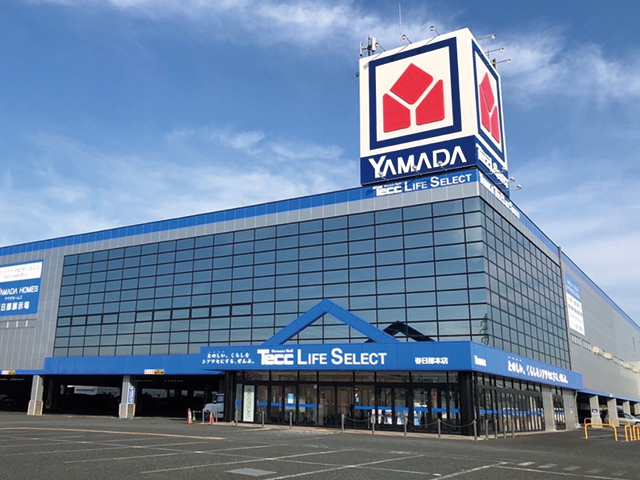
Japan’s Yamada Holdings and Edion said they are planning a merger that could create a major consumer electronics retailer with combined sales of around US$16 billion. Both companies said their boards will meet on Friday to review the proposal, though details of the merger terms have not been disclosed. If completed, the deal would strengthen Yamada’s position as Japan’s largest electronics retailer, as the industry faces growing pressure from e-commerce competition and a declining population. Following the announcement, Edion shares jumped 11%, while Yamada rose 3.5% in Tokyo morning trading. Japanese electronics retailers are known for their large stores offering a wide range of products, including smartphones, gaming devices, home appliances, and stationery, often paired with customer reward points. According to the Nikkei newspaper, the companies are considering establishing a holding company structure, under which both brands would operate. The move is expected to improve product offerings and strengthen their private-label businesses through greater scale. However, the merger may face antitrust scrutiny, especially in western Japan, where both retailers have overlapping store networks. If successful, the deal would mark the biggest restructuring in Japan’s electronics retail industry since 2012, when Yamada Denki took control of Best Denki, and Bic Camera acquired Kojima. In the latest financial year, Yamada reported a 45% drop in net profit to 14.8 billion yen, despite sales of 1.7 trillion yen. Meanwhile, Edion posted a 9.5% rise in profit to 15.5 billion yen.

Energy & Technology

Velesto Unit Secures Drilling Contract In Thailand

Velesto Energy Bhd has secured a new contract to provide its Naga 6 jack-up drilling rig and related services for an offshore drilling campaign in Thailand. In a statement on Thursday, the company said the contract was awarded by Northern Gulf Petroleum Pte Ltd and covers the drilling of four infill wells and three exploration wells. It also includes an option for up to two additional exploration wells. The drilling works are expected to begin in the third quarter of 2026. However, the contract value was not disclosed. Northern Gulf Petroleum is recognised as Thailand’s first privately owned exploration and production company, focusing on the acquisition, development, operation, and management of upstream oil and gas assets. Velesto president Megat Zariman Abdul Rahim said the award reinforces the group’s drilling business and highlights its continued ability to secure opportunities in key regional markets amid ongoing offshore development and exploration activities. According to Velesto, the Naga 6 rig is capable of drilling up to 30,000 feet deep and operates in water depths of up to 375 feet. At the midday trading break on Thursday, Velesto shares rose 1.6% to 31 sen, valuing the company at approximately RM2.56 billion.

Investment & Market Trends

Adviser Says Maxim Global Takeover Offer Is Unfair

A takeover offer for Maxim Global Bhd from its managing director Tan Sri Gan Seong Liam is not fair and not reasonable, said the deal’s independent adviser. Maxim Global is worth RM656 million, or 89 sen per share, based on its revalued net asset value, sharply higher than the offer price of 24 sen per share, according to MainStreet Adviser Sdn Bhd. The offer also undervalues the property developer’s estimated net asset of 76 sen per share, the firm said. The offer is also not reasonable as Gan and his connected parties aim to maintain the listing of Maxim Global, providing an avenue for minority shareholders to sell their shares, MainStreet said. “Accordingly, we recommend that the holders reject the offer,” the adviser concluded. The mandatory takeover offer was triggered after Gan bought the equivalent of a 15.54% stake in Maxim Global from executive director Chai Chang Guan and her brother Chai Seong Min for RM27.42 million. The acquisition raised Gan’s direct interest to 37.33%. Gan and the people connected to him, including children Gan Kuok Chyuan and Gan Kuok Wei, together now own 60.37% in Maxim Global. His two children are also executive directors in the company. Minority shareholders have until June 15 to accept the offer. The offer price was already at a discount to the stock’s last levels before the takeover was launched on May 4. Maxim Global returned to the black in the financial year ended Dec 31, 2021 (FY2021). For FY2025, it posted a net profit of RM33.44 million on revenue of RM443.78 million. Shares of Maxim Global were unchanged at 26.5 sen on Thursday, valuing the company at RM195 million.

Investment & Market Trends

MMC Port Seeks Bidders For Possible Stake Sale

MMC Port Holdings Sdn Bhd, controlled by Malaysian tycoon Tan Sri Syed Mokhtar Al-Bukhary, is reportedly exploring a potential minority stake sale after postponing its planned initial public offering (IPO) last year. According to sources familiar with the matter, Malaysia’s largest port operator has approached several Asian companies and infrastructure-focused funds to assess early interest in a possible deal. Sources said Syed Mokhtar may seek a valuation of more than US$10 billion (RM40.17 billion) for the entire business. However, discussions are still ongoing, and no final decision has been made regarding the transaction. MMC Port declined to comment on the matter. The company operates seven ports along the Strait of Malacca, one of the world’s busiest shipping routes, as well as three cruise terminals. In October last year, MMC Port postponed what could have been Malaysia’s largest IPO since 2012. Earlier, Global Infrastructure Partners (GIP) — now part of BlackRock Inc — had also shelved plans to acquire up to 49% of the company.

Investment & Market Trends

Steven Sim: RM50 Mil To Help 200 SMEs List On Bursa

The government has allocated RM50 million under the PKS@BURSA Programme to support 200 high-potential small and medium enterprises (SMEs) in pursuing listings on Bursa Malaysia by 2030. Entrepreneur and Cooperatives Development Minister Steven Sim Chee Keong said the initiative, led by SME Corp Malaysia, is aimed at strengthening the pipeline of businesses prepared for future public listings. Through the programme, eligible SMEs can apply for financing of between RM2 million and RM5 million under the SME Listing Fund, with a profit rate capped at 5% for up to five years. Participating companies may also qualify for a rebate of up to 20% if they successfully list on Bursa Malaysia within five years, helping to reduce listing-related costs and encourage greater participation in the capital market. Speaking to the media after launching PKS@BURSA and officiating the “Road to IPO” event on Thursday, Sim said the funding can be used for working capital, corporate financing, and expenses linked to IPO preparations. He noted that the programme addresses two key challenges commonly faced by growing businesses — high listing costs and the operational capacity required to enter the capital market. According to Sim, the initiative provides a clearer pathway for SMEs with strong growth potential to expand operations and gain access to financing through Bursa Malaysia. He added that PKS@BURSA aligns with the goals of the 13th Malaysia Plan, which seeks to strengthen the country’s capital market ecosystem and improve access to growth funding for local businesses. “Our aim is not only to create more listed companies, but to develop more companies that are capable of being listed,” he said. Beyond financial support, the programme also focuses on capacity building, helping SMEs improve governance and management practices needed to meet listing requirements. Sim added that SME Corp Malaysia will work with Credit Guarantee Corporation Malaysia Bhd, Bursa Malaysia, and other agencies to provide guidance and support to participating SMEs.

Property

From Products To Possibilities How Leonfast Group Is Building The Future Of Home Living

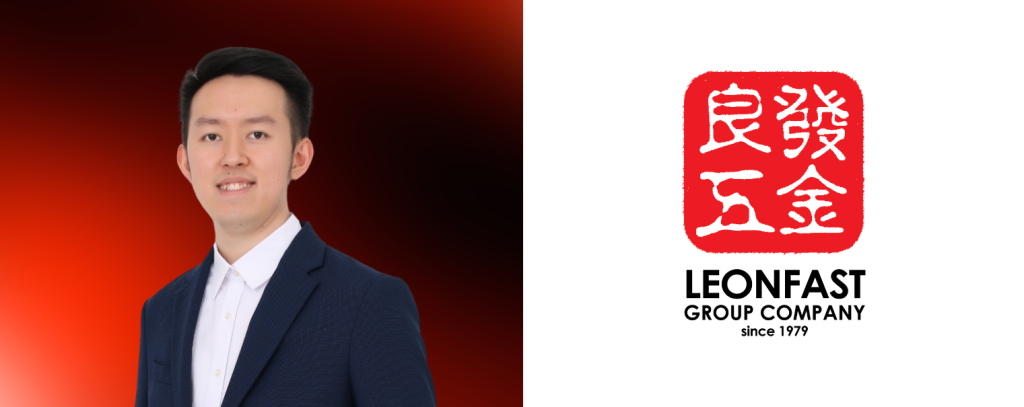
Malaysia’s home improvement sector has evolved significantly over the past decade. Rising homeownership aspirations, increasing consumer sophistication, and growing demand for quality living environments have transformed what was once a product-driven industry into one where experience, trust, and informed decision-making play an increasingly important role. Against this backdrop, Leonfast Group has built its business around a simple but often overlooked reality: customers are not merely purchasing bathroom fittings, kitchen solutions, or home improvement products—they are making long-term investment decisions that directly impact how they live, work, and experience their homes. Through its portfolio of brands, including Big Bath, the Group has established itself as a trusted player within Malaysia’s home living landscape by focusing not only on product accessibility, but also on customer confidence, education, and experience. Today, Leonfast Group operates across multiple segments within the home and living industry, spanning bathroom, kitchen, water heating, water filtration, and home improvement solutions. Serving homeowners, interior designers, contractors, and commercial projects nationwide, the company continues to expand its footprint while pursuing a broader ambition—to build an integrated ecosystem that simplifies decision-making and enhances the overall home improvement journey. At a time when consumers are increasingly seeking both functionality and value from their living spaces, Leonfast Group has distinguished itself by recognising that the future of home improvement extends beyond products alone. Success lies in creating meaningful experiences, building trust, and helping customers navigate complex purchasing decisions with greater confidence. Mun Phang Yew Sam, CEO, Leonfast Sdn Bhd. For many homeowners, renovation and home improvement projects can be overwhelming. Product choices are vast, technical specifications can be confusing, and the long-term implications of making the wrong decision can be costly. Leonfast Group recognised this challenge early in its growth journey. Rather than simply focusing on selling products, the company positioned itself as a facilitator of informed decision-making. Through brands such as Big Bath, Leonfast invested heavily in creating showroom environments where customers can physically experience products, compare options, seek professional guidance, and better understand what solutions are best suited to their individual lifestyles and requirements. This approach stems from a fundamental belief that customer confidence is one of the most valuable assets any business can build. As consumers become increasingly design-conscious and quality-focused, they are no longer looking solely for products—they are looking for assurance that the decisions they make today will continue to serve them well for years to come. When Leonfast first entered the market, the company identified a gap that many businesses had overlooked. While the industry was largely focused on product transactions, customers often needed something more valuable: education, consultation, comparison, and hands-on experience before making significant home investments. Bathrooms and kitchens are among the most frequently used spaces in any home. Decisions involving fixtures, fittings, water systems, and appliances often remain with homeowners for many years. Recognising this, Leonfast sought to create a more experiential retail environment where customers could make informed decisions rather than rushed purchases. As the industry matured, customer expectations evolved alongside it. Today’s consumers expect greater convenience, transparency, responsiveness, and service quality. In response, Leonfast continuously refined not only its product portfolio but also its operational systems, digital capabilities, customer journey, and showroom experience. This customer-centric philosophy continues to shape the Group’s strategic direction today. At the core of Leonfast’s growth strategy is the ambition to build a stronger ecosystem-driven business. The company has invested significantly in enhancing showroom experiences, accelerating digital transformation initiatives, strengthening collaborations with interior designers and contractors, and improving customer engagement and after-sales support. Digitalisation has become a key component of this strategy. Through enhanced systems and platforms, customers and business partners can access real-time stock availability, filter products based on specific requirements, and generate quotations more efficiently. These improvements streamline decision-making while improving operational efficiency for both retail and B2B customers. However, despite increasing digital adoption across industries, Leonfast remains committed to the importance of physical experiences. The company believes that home improvement remains a category where customers continue to value the ability to see, touch, test, and evaluate products before making purchasing decisions. This balance between technology and physical engagement reflects the Group’s broader philosophy of combining convenience with confidence. When evaluating where to allocate resources and capital, Leonfast consistently returns to a simple question: will this improve customer confidence and strengthen long-term trust? That principle has become a guiding framework for decision-making throughout the organisation. Importantly, Leonfast views growth through a different lens than many businesses. While expansion, revenue growth, and market share remain important metrics, the company believes true growth extends beyond financial performance alone. For Leonfast Group, growth means building stronger systems, developing stronger teams, deepening customer trust, and fostering long-term relationships with both homeowners and business partners. The objective is not simply to increase sales, but to create brands that customers remember for the quality of experience they received and the confidence they gained throughout their journey. Equally significant is what the company chooses not to pursue. Rather than competing solely on price, Leonfast focuses on delivering value through reliability, service, expertise, and customer experience. The Group recognises that home improvement products are long-term investments, and that customers ultimately place greater importance on durability, trust, and support than on short-term cost savings alone. As the organisation continues to scale, new challenges inevitably emerge. Interestingly, Leonfast believes that expanding product categories or opening new locations is often the easier aspect of growth. The more difficult challenge lies in maintaining consistency. Ensuring that customers receive the same level of service, guidance, and experience across multiple locations requires a disciplined approach to leadership and operations. To address this, the company has evolved from relying heavily on individual expertise towards building stronger systems, standard operating procedures, leadership structures, and communication frameworks. Developing future leaders has also become a critical priority. As the organisation grows, Leonfast understands that preserving its culture and customer-centric philosophy requires capable leaders who can carry these values forward across every level of the business. For the leadership team, this represents an important shift—from

ESG

TNB Raises RM4 Bil From First Sustainability Sukuk Issuance

Tenaga Nasional Bhd has raised RM4 billion from its first sustainability sukuk issuance that will finance or refinance eligible transition projects. The sukuk was issued in five tranches with tenures from seven to 25 years, according to a Bursa Malaysia filing by the national electric utility company. Annual distribution rates range from between 3.81% and 4.37%. Tenaga Nasional said the sukuk issuance will increase its consolidated borrowings by RM4 billion, but will not have a material impact on earnings. The sukuk is the first issuance under Tenaga Nasional’s RM10 billion sukuk wakalah programme established in April this year. Under the programme, Tenaga Nasional may issue conventional sukuk as well as sustainability and sustainability-linked sukuk. The company had cash and cash equivalents of RM15.96 billion and total borrowings of RM60.51 billion, translating into a net gearing ratio of 84.8%, as at March 31, 2026. Maybank Investment Bank and CIMB Investment Bank acted as joint principal advisers, joint lead arrangers and joint lead managers for the transaction. Maybank Investment also served as the sustainability framework adviser for the programme. Shares of Tenaga Nasional closed up four sen or 0.3% to RM14.28 on Friday, valuing the company at RM83.24 billion. Over the past one year, the stock has gained 43.5%.

The Executives

Public Bank Appoints Founder’s Daughter Diona Teh As Director

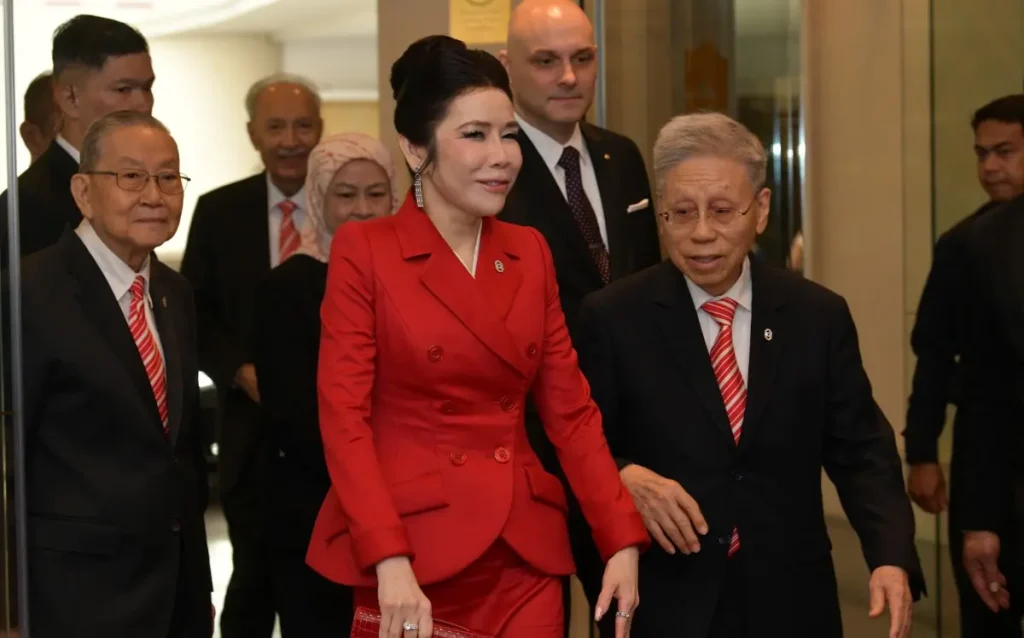
Public Bank Bhd has appointed Diona Teh Li Shian as a non-independent non-executive director, effective June 1. Diona Teh Li Shian (centre) has been appointed Public Bank’s non-independent non-executive director, effective June 1. Li Shian is the youngest daughter of Public Bank founder and chairman emeritus the late Tan Sri Teh Hong Piow. In a statement, the bank said she brings experience from roles in international banking groups, covering areas such as asset management, product development, strategic planning, regulatory compliance, customer experience, and process improvement. The bank said her appointment reflects the continuation of her father’s legacy and the Teh family’s long-standing commitment to Public Bank. She has also been appointed to the bank’s nomination and remuneration committee as well as the risk committee, according to Bursa filings. Li Shian holds a Master’s degree in Business Administration from Macquarie University and a Bachelor’s degree in Business from Queensland University of Technology. Public Bank shares closed down six sen or 1.3% at RM4.71, valuing the group at RM91.4 billion.

Investment & Market Trends

Berjaya Sells REDtone And 7-Eleven Stakes For RM77 Mil

Berjaya Corporation Bhd and its listed subsidiary Berjaya Property Bhd have disposed of stakes in five listed companies, including Berjaya Food Bhd, REDtone Digital Bhd, 7-Eleven Malaysia Holdings Bhd and Salcon Bhd, to related party Detik Ria Sdn Bhd for a total of RM76.79 million in cash. Berjaya Corp said the transactions were carried out via direct business deals on Thursday (May 28). The disposals involved reductions in shareholdings across several companies, including Berjaya Property, Berjaya Food, REDtone, 7-Eleven Malaysia and Salcon. Following the transactions, Berjaya Corp’s stakes were reduced to 74.22% in Berjaya Property, 63.3% in Berjaya Food, 34.06% in REDtone, 12.09% in 7-Eleven Malaysia, and 11.78% in Salcon. The group said the proceeds will be used to repay borrowings and for working capital, including administrative, marketing and operating expenses. Separately, Berjaya Property confirmed that its subsidiary Nural Enterprise Sdn Bhd sold a 1.98% stake (21.93 million shares) in 7-Eleven Malaysia to Detik Ria for RM43.85 million, with proceeds earmarked for ongoing development projects. The transactions were conducted at prevailing market prices, according to the filings. Detik Ria is linked to several key figures within the Berjaya group, including Tan Sri Vincent Tan and Johor princess Tunku Tun Aminah Sultan Ibrahim Ismail, among others. Berjaya Corp shares closed 0.5 sen lower at 24.5 sen, while Berjaya Property rose 0.5 sen to 26.5 sen.

Scroll to Top

Subscribe
FREE Newsletter