ESG

ESG

Singapore ranked first two years in a row as ASEAN leader in energy transition efforts, urged to establish robust carbon trading system, survey reveals

SINGAPORE: Singapore was ranked first by professionals in the energy sector for the second year in a row as leading in energy transition efforts in the ASEAN region. Conducted by the Sustainable Energy Association of Singapore (SEAS) with 250 individuals from the ASEAN energy sector, the annual ‘State of the Energy Transition in ASEAN’ survey saw close to 95% of respondents voting for the city state, with Malaysia ranking second and Thailand and Vietnam tied in the third spot. However, less than 20% of respondents rate Singapore’s efforts in the transition as ‘very satisfactory’ in terms of advancing towards its renewable energy targets. While a significant portion of respondents (45%) view Singapore’s progress as satisfactory, 32% believe more improvements are needed, indicating that while progress is recognised, there is still substantial room for improvement to meet the nation’s goals. In terms of enablers to the energy transition, government policies (89%) and economic incentives (59%) are seen as the main drivers, underlining recognition for Singapore’s efforts and the continuing critical role of policy and financial support. A new trend in growing demand for clean energy from large tech corporations (45%) is also a notable finding this year, alluding to the increased focus on AI and data centre investments. When it comes to challenges, respondents cite limited avenues to offset carbon (40%) indicating that a push towards greater options for verifiable carbon trading could be the answer to accelerating national decarbonisation.  Singapore as a Regional Carbon Trading Hub The survey also explored how companies have responded to Singapore’s 2024 carbon tax hike. Interestingly, about a third of respondents (36%) reported minimal impact to their companies, with only a small fraction (3%) purchasing more carbon credits. However, close to a quarter of respondents indicated that the tax hike has prompted them to reconsider their long-term sustainability strategies, reflecting a growing awareness of the need for proactive carbon management. Responding to Singapore’s ambitious goals to become a carbon trading hub, the majority of respondents (67%) believe that a carbon trading system would be effective in reducing emissions, reinforcing Singapore’s strategic push towards playing a central role in the regional carbon market. The ability to offer greater avenues for carbon offsetting (61%) and the potential economic benefits (58%) of carbon trading were highlighted as primary advantages, suggesting a strong belief in the practical and financial value of carbon trading mechanisms. There is a clear call for the establishment of comprehensive and reliable carbon accounting systems (69%) and the development of transparent regulatory frameworks (67%). This is seen as essential for fostering trust and ensuring the credibility of carbon credits within the market. While domestic infrastructure and regulatory frameworks are a priority, forming regional and international partnerships (58%) is also considered crucial for enhancing Singapore’s role in the global carbon market.   Challenges to Singapore’s Carbon Trading Ambitions Despite these opportunities, the survey also sheds light on several significant challenges that Singapore must address to fully realise its carbon trading ambitions in the region. A major obstacle identified is the lack of uniform regulations across ASEAN countries (86%), which complicates the implementation of a regional carbon trading system. Additionally, inconsistent enforcement and compliance mechanisms (61%) further hinder progress, emphasising the need for harmonised policies. Uncertainty about the credibility of carbon credits (50%) and a lack of awareness and understanding of carbon trading processes (40%) are cited as significant barriers to broader participation. This highlights the importance of enhancing market transparency and providing clear regulations on carbon compliance and trading to build confidence among potential participants. While Singapore’s carbon pricing and trading mechanisms are generally viewed as moderately effective (41%), only a small percentage (5%) of respondents consider them very effective. This suggests that while the framework is in place, there is a pressing need for refinement and continuous improvement to maximise its impact. To advance its position as a carbon trading hub, survey participants suggest that Singapore needs to focus on robust infrastructure for carbon trading transactions (58%) and enhancing market liquidity and accessibility in the carbon markets would increase participation (54%). Establishing competitive and attractive carbon pricing mechanisms (63%) is also vital for sustaining interest and participation in the carbon market, while addressing credibility issues surrounding carbon credits and increasing awareness through targeted education and transparent processes will be crucial for long-term success.   Edwin Khew, Chairman, SEAS, commented: “As Singapore continues to lead the region in its energy transition journey, the insights from our survey underscore the critical importance of robust carbon pricing and trading systems as a means to accelerate the Net Zero transition in Singapore. What’s more, the findings highlight the strategic role that Singapore can play as a carbon trading hub, not just in the region but globally, establishing benchmarks in carbon pricing, incentives and mechanisms. This will serve to encourage harmonised regulatory policies in the region, addressing the challenges and seizing opportunities that all ASEAN countries can benefit from. The inaugural Asia Carbon Summit at ACES 2024 is our contribution to the important carbon conversation, which we hope will spark innovation and action amongst both the public and private sectors.” ‘The State of the Energy Transition in ASEAN’ was conducted online in August 2024 and gathered insights from 250 industry professionals from the energy sector based in Southeast Asia. The Asia Clean Energy Summit (ACES), the flagship conference of the Sustainable Energy Association of Singapore, will return on October 22-24, 2024 at the Sands Expo and Convention Centre, Singapore, during the Singapore International Energy Week (SIEW), with an expanded focus on carbon markets through the inaugural Asia Carbon Summit. The summit will feature keynote speeches, panel discussions, and workshops with experts from around the globe. Topics will include the latest developments in carbon pricing, the integration of carbon markets in corporate strategies, discussions on decarbonising hard to abate sectors and innovative technologies for carbon capture utilisation and storage.

CS Tech Introduces Leading Carbon Capture and Utilization Technology, Vigorously Promoting Sustainable Development in Asia and Addressing the Climate Crisis
ESG

CS Tech Introduces Leading Carbon Capture and Utilization Technology, Vigorously Promoting Sustainable Development in Asia and Addressing the Climate Crisis

HONG KONG: The climate crisis is an urgent issue in today’s society. To achieve the goal of carbon neutrality by 2050, CS Tech Solution Limited (CS Tech) has taken the lead in introducing and developing carbon capture and utilization (CCU) technology tailored specifically for the Asian market. CS Tech is dedicated to developing cutting-edge technology that captures CO2 emissions from industrial processes and converts them into valuable products, thereby reducing greenhouse gas emissions. By providing sustainable and cost-effective solutions to various industries in Asia, CS Tech is taking the lead in promoting carbon reduction through carbon capture and utilization technology, contributing to environmental efforts. CS Tech’s core offerings include: State-of-the-Art Carbon Capture Technology: CS Tech offers state-of-the-art carbon capture systems designed to capture CO2 emissions from various industrial processes, enabling organizations to significantly reduce their environmental footprint. Combining its own equipment with the latest capture technologies to capture and liquefy CO2, CS Tech provides comprehensive solutions for effective carbon capture and utilization. Carbon Utilization Innovations: CS Tech specializes in efficiently converting captured CO2 into valuable products and ensuring the permanent storage of the CO2, thereby contributing significantly to the reduction of carbon emissions, and promoting the development of a circular carbon economy. Carbon Credits: CS Tech offers high-quality carbon credits through its carbon utilization methods to help organizations offset their carbon emissions, promote sustainable development, and participate in the global carbon market. Continuous R&D and Commercialization: CS Tech’s commitment to ongoing research and development, coupled with a focus on commercialization, ensures that CS Tech remains at the forefront of carbon capture and utilization technologies, driving innovation and real-world applications. CS Tech is committed to working closely with businesses, research institutions, and government agencies across Asia to accelerate the adoption of carbon capture and utilization technology. Through partnerships and collaborations, significant progress is being made towards a more sustainable and net zero future in the region. A two-day large conference and exhibition, ReThink HK 2024, held on September 12 and 13 at the Hong Kong Convention and Exhibition Center, attracted over 10,000 business leaders, investors, sustainability professionals, ESG researchers, and more, working together to achieve sustainable goals. CS Tech is exhibiting again this year, showcasing a model of carbon capture system imported from the UK and a model of self-developed carbon utilization equipment, drawing significant attention. Dixon, Founder and CEO of CS Tech, said, “CS Tech is committed to enhancing sustainable development in the Asian region. Our leading carbon capture and utilization technology is initially used in building materials, contributing to a net zero future. We hope that carbon emissions not only get managed but also transformed into sustainable opportunities. Our core values of innovation, sustainable development, and reforming traditional industries guide us in building a greener future.”

ESG

FedEx Kicks-off Vegetable Farming Program to Nurture Sustainable and Healthier Urban Communities for the Needy

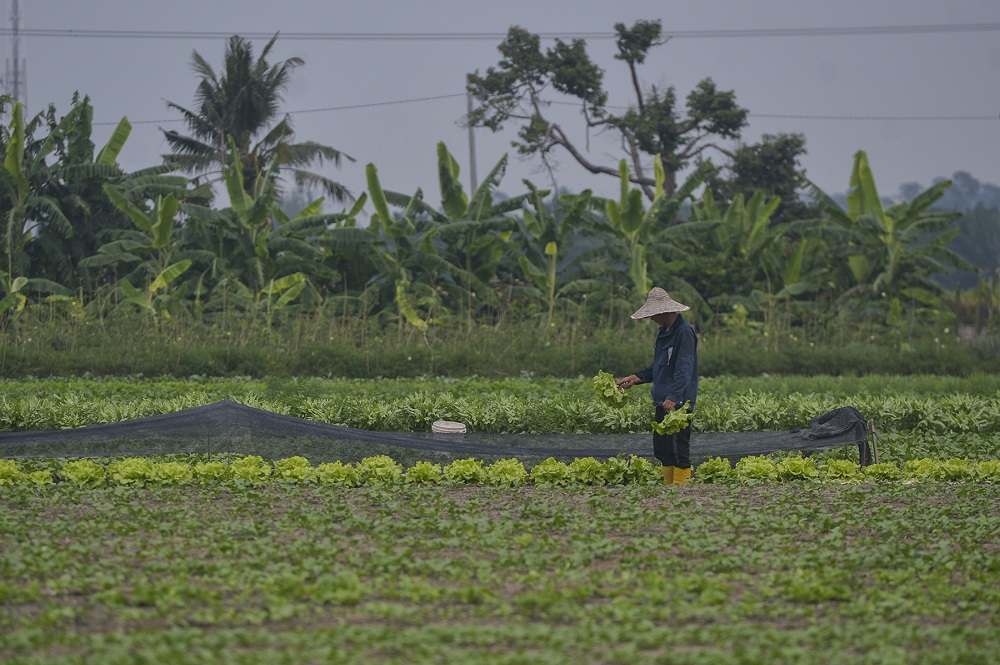
KUALA LUMPUR: Federal Express Corporation, one of the world’s largest express transportation companies, announced its community-driven initiative in collaboration with local non-profit Treat Every Environment Special (TrEES) to establish an urban vegetable garden to provide fresh vegetables to low-income communities in Malaysia. For the second consecutive year, FedEx and TrEES are launching this initiative to address the lack of access to fresh and healthy food in urban areas. By converting an unused urban space into a thriving vegetable garden, the collaboration will cultivate fresh vegetables that will be delivered to those in need.   The four-month program that was kicked off on August 18 involved 18 FedEx team members who teamed up to plant, maintain and harvest approximately 6 kg of vegetables. These vegetables, alongside donations from FedEx employees, included essential items such as rice, noodles, cooking oil and spices, as well as personal care items like dental care products and sanitary pads, were delivered to beneficiaries.   “Access to nutritious food is a fundamental human right,” said Woon Tien Long, managing director, FedEx Malaysia. “Our collaboration with TrEES is a step towards ensuring that communities in need can enjoy the benefits of fresh produce. This initiative not only supports our commitment to sustainability but also strengthens community bonds.”   “We are excited to work with FedEx on this transformative project, said Leela Panikkar, director, TrEES. “Urban gardens are a powerful way to educate, inspire and feed. This project will not only provide fresh produce but also provide a platform for community education on sustainable practices and nutrition.   The 1,000-square-foot community vegetable garden in the Klang Valley, established last year through the initial collaboration, has seen over 12 types of vegetables grown and harvested. FedEx employees will remain actively involved in the program through a series of gardening activities to ensure a steady supply of fresh vegetables for beneficiaries. This program is part of the FedEx Cares global community engagement program, underpinned by our culture value of “Committing to Do Good.” Progress in key areas of our FedEx corporate social responsibility initiatives, including pillars such as Community Engagement, Global Entrepreneurship and Sustainable Logistics, can be found in the latest FedEx Cares Report.

ESG

Firms need focus on ESG commitments

KUALA LUMPUR: The Securities Commission (SC) is exploring ways to enable companies apply the Maqasid al syariah aspirations and principles in their products and services besides having better environmental, social and governance (ESG) practices. Chairman Datuk Mohammad Faiz Azmi said the actions needed because some companies were focusing on profit maximisation to the detriment of their stakeholders and the planet. “In the context of climate change, the data being provided by scientists on the alarming decrease in biodiversity, changing weather patterns, intensity of weather events and the impending rise of sea levels should be factored into the way companies operate,” he said in his opening remarks at the 15th SC-Oxford Centre for Islamic Studies Roundtable held in the United Kingdom last Saturday.He said another area for companies to focus on is their commitment to ESG standards. “We have a many examples of companies who appeared to put profit before safety or were indifferent about proper governance. “In the pursuit of profit, compassion, empathy and basic humanity seemed to have been forgotten,” he said.Mohammad Faiz pointed out that the SC had issued the Maqasid al syariah guidance for the Islamic Capital Market in the country in November 2023 so that the aspirations and principles could be applied in the context of the capital markets. — Bernama

ESG

KLCC Holdings Group Advances Sustainability Drive As Sustainable September Enters 2nd Year

KUALA LUMPUR: Sustainable September 2024 is back bigger than ever! KLCC Holdings Group (KLCCH) is excited to announce the yearly campaign with a strong focus on enhancing community engagement, promoting healthy living, and fostering deeper collaboration, underpinned by four pillars of People, Planet, Peace, and Prosperity and involves seven interacting UN Sustainability Development goals. This year’s theme is “Healthy Planet, Healthy You”. This year, we partnered with Urbanice Malaysia in supporting their transformation efforts in B40 housing common spaces to boost social integration in the long-term. Sustainable September 2024 also encourages volunteerism among employees by partnering with Reach Out Malaysia and Kechara Soup Kitchen by serving the community in need. The campaign also launched its nature conservation effort to restore the coastal mangrove ecosystems with the Selangor Maritime Gateway project run by the Selangor state government. By conserving the ecosystem, we aim to build a sense of community, teamwork, and educational opportunities for the volunteers. KLCC Park will be the site with various exciting lineups, including the ‘Art in the Park,’ our signature art program that has been a hit since its introduction. To promote good health and well-being, Sustainable September 2024 is excited to have ‘Yoga with Atila Harun’, ‘Pound fit with Hasif’ and the ‘Step Challenge’ added to the program! At the launch, Datuk Md. Shah bin Mahmood, Group Chief Executive Officer, of KLCC (Holdings) Sdn. Bhd. said: “Sustainable September 2024 demonstrates our commitment to the KLCC Sustainability Plan 2030 and the UN Sustainable Development Goals. Driving awareness towards sustainability is an ongoing effort and requires the dedication and commitment of various communities.” “We value the deep collaboration with the Kuala Lumpur Convention Centre Business Events Alliance alongside our subsidiaries, Kuala Lumpur Convention Centre, Suria KLCC, Mandarin Oriental Kuala Lumpur, Impiana Hotel, Traders Hotel Kuala Lumpur and not forgetting our partners, DoubleTree by Hilton and Everly Hotel in Putrajaya.” “KLCC precinct hopes to establish itself as world-renowned SDG Hub for leisure and business, I encourage all of us to participate in the activities while making a positive impact to the communities and environment surrounding us.”

ESG

Top Glove Releases Industry Leading Life Cycle Assessment Results For Nitrile Gloves

SHAH ALAM: Top Glove Corporation Bhd, the world’s largest glove manufacturer, has released the results of its Life Cycle Assessment (LCA) for conventional and biodegradable nitrile powder-free gloves. This assessment, verified by the independent third party SATRA Technology, evaluates the environmental impact of the gloves throughout their entire life cycle, from raw material extraction to disposal.     Key Findings: The conventional nitrile powder-free glove (Size M, 3.5g) emits 0.0277 kg CO2 equivalent per piece. The biodegradable nitrile powder-free glove (Size M, 3.5g) emits 0.0254 kg CO2 equivalent per piece. These results highlight Top Glove’s commitment to reducing its environmental footprint and advancing sustainability in its products. Statements from Leadership: Top Glove Managing Director Mr. Lim Cheong Guan commented: “These LCA results are not just figures; they represent our commitment to promoting sustainability within the glove manufacturing industry. By providing precise data on our products’ environmental impact, we empower consumers and businesses to make better environmental choices. This aligns with our vision of creating a healthier world through responsible manufacturing practices.” Additional Milestones: Top Glove has obtained the EU Medical Device Regulation (EU MDR) CE certification from an accredited EU Notified Body for a wide range of surgical gloves, including latex, polyisoprene, polychloroprene, and sterile examination gloves. Over 30 of Top Glove’s key products have been certified by SATRA under the EU Personal Protective Equipment Regulation (EU PPER). The company has delivered its first shipment of natural rubber gloves fully traceable to their plantation origins, achieving full compliance with the EU Deforestation Free Regulation (EUDR) ahead of the 30 December 2024 deadline. These accomplishments underscore Top Glove’s dedication to sustainability and set a benchmark for the industry, encouraging others to minimize their environmental impact. As global demand for sustainable products grows, Top Glove is committed to providing environmentally conscious innovations for a more sustainable future.

ESG

UOB partners Invest Johor to drive foreign direct investments into the Johor-Singapore SEZ

SINGAPORE: UOB today signed a Memorandum of Understanding (MOU) with Invest Johor, the state’s investment agency, to drive investment opportunities into the upcoming Johor-Singapore Special Economic Zone (SEZ). UOB also signed a second MOU today with China’s Lingang Group, an industrial park operator with more than 18,000 tenants across China. Under the partnership, UOB will facilitate Lingang Group and its tenants to expand into Southeast Asia.   Partnering to grow the Johor-Singapore SEZ Under the partnership with Invest Johor, UOB will collaborate with the state investment agency to jointly promote and facilitate investment opportunities in the Johor-Singapore SEZ. This will be done by targeting high-value, high technology and high-impact investments from priority sectors such as electrical and electronics, advanced manufacturing and engineering, digital economy, green economy, life science and med-tech, electric vehicles, aerospace and port and logistics.   Notably, a “green lane” will be jointly established, with UOB designated as a partner to assist with foreign direct investments in these prioritised sectors to accelerate their investments. UOB will also provide advisory and banking services to companies looking to invest in Johor as part of the MOU.   The MOU was signed by Invest Johor’s CEO, Mr Natazha Bin Hariss and UOB Malaysia’s CEO, Ms Ng Wei Wei, at the ASEAN Conference held in Singapore today. The ceremony was witnessed by Johor’s Menteri Besar, Yang Amat Berhormat Dato’ Onn Hafiz bin Ghazi, and UOB’s Deputy Chairman and Chief Executive Officer, Mr Wee Ee Cheong. Dato’ Onn Hafiz said, “From our engagements with key stakeholders of the Johor-Singapore SEZ, expectations are very high. This will require us to step up our game, provide excellent service and ensure that we not only meet but exceed these expectations. Today’s MOU between Invest Johor, the state’s lead investment agency and UOB, one of ASEAN’s leading financial institutions with over seven decades of experience in assisting investors in Malaysia, is one example of our seriousness and focus on improving the investor experience in Johor.” Mr Wee Ee Cheong said, “UOB is pleased to work with like-minded partners to support businesses in navigating the diverse ASEAN region. Our strategic partnerships with regional government investment agencies and trade associations have successfully connected enterprises such as Lingang Group to cross-border investment opportunities, benefitting businesses across multiple sectors. We remained committed to serving as an effective gateway to the region for companies expanding into the region.” UOB is the only bank to have signed MOUs with all the government investment agencies in the key ASEAN markets.   Ms Ng Wei Wei, Chief Executive Officer of UOB Malaysia said, “The MOU with Invest Johor reinforces UOB’s commitment to facilitate foreign direct investment into Malaysia and support the success of the Johor-Singapore SEZ. Apart from bringing in investments, we will also connect foreign investors to the local ecosystem value chains to benefit our local businesses, particularly SMEs. This is to ensure that foreign investors can tap into local resources and the investments can bring multiplier effect to the economy.”   MOU with China’s Lingang Group In addition, UOB facilitated a meeting with China’s Lingang Group, Johor’s Menteri Besar and a delegation from Invest Johor at the sidelines of the ASEAN Conference.   This followed the signing of the second MOU today between UOB and Lingang Group, an industrial park operator with more than 18,000 tenants across China. Under the partnership, UOB will facilitate Lingang Group and its tenants to expand into Southeast Asia.   The MOU with Lingang Group was signed by Ms Yang Jing, Chief Financial Officer, Lingang Group, and Mr Leong Yung Chee, Head of Group Corporate Banking at UOB. It was witnessed by Mr Weng Kaining, Chairman, of Shanghai Lingang Holdings Corp, and Mr Frederick Chin, Head of Group Wholesale Banking and Markets, UOB.   The state-owned enterprise has more than four decades of experience developing industrial parks and focuses on investment promotion and operation of industrial parks, professional enterprise services and sci-tech industrial investment. Lingang Group currently operates the China (Shanghai) Pilot Free Trade Zone (FTZ), a tech hub established in 2019 and has played a key role in the opening of China’s economy to global investors.   Lingang Group’s cross-border expansion plans will leverage UOB’s extensive trade network as the preferred bank for all their banking needs. UOB, through UOB China, has successfully facilitated first-of-its-kind cross-border transactions with Lingang Group, benefitting both onshore Chinese and UOB clients to route their capital and trading flows through the policies and concessions offered under the Pilot FTZ.   UOB’s Foreign Direct Investment Advisory Unit will also serve as a one-stop shop dedicated to helping Lingang Group through its close partnerships with regional government agencies, trade associations and professional service providers, providing customised solutions to fit Lingang Group’s expansion plans.  

ESG, News

Malaysia Can Champion Sustainable Practices Via Aerospace Industry, Says Deputy Minister

KUALA LUMPUR: Malaysia could champion sustainable practices by leveraging its strength in the aerospace industry through regional collaboration across ASEAN. Deputy Minister of Investment, Trade and Industry (MITI) Liew Chin Tong emphasised the importance of sustainability in the aerospace industry as it adopts global demands for greener practices, adding that trends like sustainable aviation fuels, electrification and carbon-neutral technologies are shaping the future of flight. “Malaysia has a unique opportunity to lead the region in these advancements when we assume the ASEAN Chairmanship in 2025. “By leveraging our strength, we can champion sustainable practices, foster regional collaboration and accelerate the adoption of green technologies across ASEAN,” he said. Liew said Malaysia should not only adopt technology but also strive to become an innovator in the industry. He noted that the aerospace industry can be constrained by the fact that there are ultimately only a few global players making most of the planes and industries in Malaysia are vertically linked to the global giants as suppliers. “But that must not stop the Malaysian aerospace industry from horizontally linking with other industries in Malaysia such as the semiconductor industry or those involved in developing materials, speciality chemicals or critical minerals. “There is also much potential to connect the palm oil industry to develop the sustainable aviation fuel industry,” he said. Liew added that through these horizontal linkages, Malaysia could innovate and create new products, processes or materials with Malaysian intellectual property. “Malaysia does not just want to be a manufacturing hub, we aspire to be a nation that creates,” he added. — BERNAMA

ESG

Pavilion Kuala Lumpur Partners with Istana Budaya to Celebrate 67 Years of Merdeka with “Pavilion Loves Sustainability”

KUALA LUMPUR: As Malaysia celebrates 67 years of independence with the theme ‘Malaysia Madani: Jiwa Merdeka,’ Pavilion Kuala Lumpur is excited to launch its Merdeka festivities with a groundbreaking, long-term partnership with Istana Budaya and the return of its vibrant initiative: ‘Pavilion Loves Sustainability’. Part of Pavilion REIT’s ongoing commitment to Environmental, Social, and Governance (ESG) initiatives, the ‘Pavilion Loves Sustainability’ pop-up returns for its second year. From 12 to 18 August 2024, shoppers are invited to explore this dynamic pop-up at Pavilion KL’s Centre Court, supported by esteemed partners including Maybank, Istana Budaya, and Spritzer, along with eco-conscious tenants. In a major step towards sustainability, Pavilion KL is phasing out single-use plastic bottles for events and introducing biodegradable bottles by FLOW. Certified as home compostable by the Australasian Bioplastics Association, these bottles are crafted from 100% biodegradable materials—plant fibres, natural minerals, starch and patented adhesives. They can be composted at home, biodegrade naturally in landfills, or be incinerated. FLOW bottles decompose in 180 to 360 days, as compared to single-use plastics which take approximately 450 years to decompose. This initiative comes in response to Malaysia’s high microplastic consumption and research indicating potential elevated blood pressure from drinking from plastic bottles (Department of Medicine at Danube Private University, Austria).   Shoppers can engage in Pavilion KL’s sustainability movement by redeeming a complimentary FLOW bottle with a purchase of RM300 and above (or RM150 with Maybank Credit or Charge Cards) in a single receipt at speciality stores and F&B outlets. Additionally, visitors can adopt a plant from Midorie and The Body Shop, who are giving away 400 and 500 plants, respectively, over the weekend of 17 and 18 August. The ‘Pavilion Loves Sustainability’ pop-up will feature an array of exciting activities: DIY Station by Packaton: Create unique artwork on resilient, tear-resistant paper bags and embark on a journey of sustainable shopping. LUSH: Discover ethical, cruelty-free, and vegan-friendly products. PUMA x FIRST MILE Collection: Explore products from this eco-friendly collection that uses sustainable yarn made from recycled plastic DÔME Café: Redeem a succulent plant with any purchase and enjoy their Gashapon Games. The Body Shop: Explore sustainably sourced skincare and body care products, join planting activities (12-16 August), and plant giveaways (17-18 August). Bath & Body Works: Get a 10% voucher when you recycle used beauty bottles. Nespresso: Admire second-life items made from recycled capsules and participate in their lucky draw. Hydro Flask Malaysia: Trade in old plastic bottles for new Hydro Flask bottles and enjoy free customisation of selected products. Origins: Take part in the recycling program to receive a free sample and indulge in a complimentary hand massage or peace of mind ritual experience. National Geographic Apparel: Enjoy an adventurous shopping experience, with a portion of sales supporting the National Geographic Society nonprofit organisation. The Body Shop: Explore sustainably sourced skincare and body care products, join planting activities (12-16 August), and plant giveaways (17-18 August). Bath & Body Works: Get a 10% voucher when you recycle used beauty bottles. Nespresso: Admire second-life items made from recycled capsules and participate in their lucky draw. Hydro Flask Malaysia: Trade in old plastic bottles for new Hydro Flask bottles and enjoy free customisation of selected products. Origins: Take part in the recycling program to receive a free sample and indulge in a complimentary hand massage or peace of mind ritual experience. National Geographic Apparel: Enjoy an adventurous shopping experience, with a portion of sales supporting the National Geographic Society nonprofit organisation. Meanwhile, Spritzer will present several striking upcycled art installations, including a spectacular Jalur Gemilang masterpiece made from recycled bottles and the ‘Plastics Reimagined’ series featuring local artists like Artsy Daphy’s depiction of a hornbill and Rafflesia flower, and co2_karbondioksida’s transparent elephant sculpture. Shoppers can also learn about the second life of recycled plastics and enjoy gifts through Spritzer’s ‘Recycle & Get’ initiative. Be sure to also check out the stunning art display along the Spanish Steps, celebrating Malaysia’s 67th Independence Day. This vibrant tribute features lush Midorie plants and upcycled materials—denim for blue, egg cartons for yellow, bottles for white, and paper plates for red—mirroring the colours of the Malaysian flag. At the official launch of ‘Pavilion Loves Sustainability’ on 13 August 2024, Pavilion REIT celebrated the new collaboration with Istana Budaya, marking the beginning of a meaningful partnership aimed at promoting arts and culture as part of our ESG goals. Attendees enjoyed a performance by Istana Budaya’s 24-piece Traditional Orchestra Malaysia, alongside the national anthem ‘Saya Anak Malaysia’ performed by choirs and Pavilion REIT employees, showcasing Malaysians’ patriotic spirit and unity.  

Energy & Technology, ESG, News

Telecom Industry Struggling to Secure Sustainable Renewable Energy

KUALA LUMPUR: The telecommunications industry is grappling with challengesin securing renewable energy (RE) supply, largely due to the limited availability of sustainable green energy sources. Edotco Group Sdn Bhd Chief Executive Officer Mohamed Adlan Ahmad Tajudin emphasised that having a sufficient supply of RE is crucial to support a smooth transition to the green economy. One of the major challenges in RE supply is the lack of supporting infrastructure, noting that some South Asian countries – including Pakistan, Bangladesh and Myanmar – are facing power grid issues. “Some of them have an unstable power grid system while some areas to not even have a power grid,” he said. “While some countries offer mechanisms to ensure that power drawn from the grid is renewable, the supply remains limited,” said Mohamed Adlan. In Malaysia, businesses can subscribe to Renewable Energy Certificates (RECs), benefit from Feed-In Tariff (FIT) schemes, or install solar panels under the Net Energy Metering mechanism. “However, the supply of RE is still limited at this time and it is on a first-come-first-serve basis,” he said, adding that generating clean energy can be a costly endeavour, leading to premium pricing. Given Malaysia’s sunny disposition, solar energy has become a key player in the nation’s green energy transition, helping to reduce carbon emissions and fuel consumption. “In some of our (foreign) markets where we operate, solarisation helped Edotco to cut fuel consumption by about 50% and reduce carbon emissions by 49% annually, in addition to lowering our operating expenditure,” he said. He also highlighted customer readiness to adopt sustainable energy as another challenge, underscoring the importance of close collaboration and transparent communication for successful outcomes. “It is crucial to work closely with our customers throughout this journey, ensuring transparency and open discussions on all matters,” he added. — BERNAMA

Scroll to Top

Subscribe
FREE Newsletter