ESG

ESG

Pioneering Sustainability in Mining: An Exclusive with Victor Tan, CEO of TOP International Holding

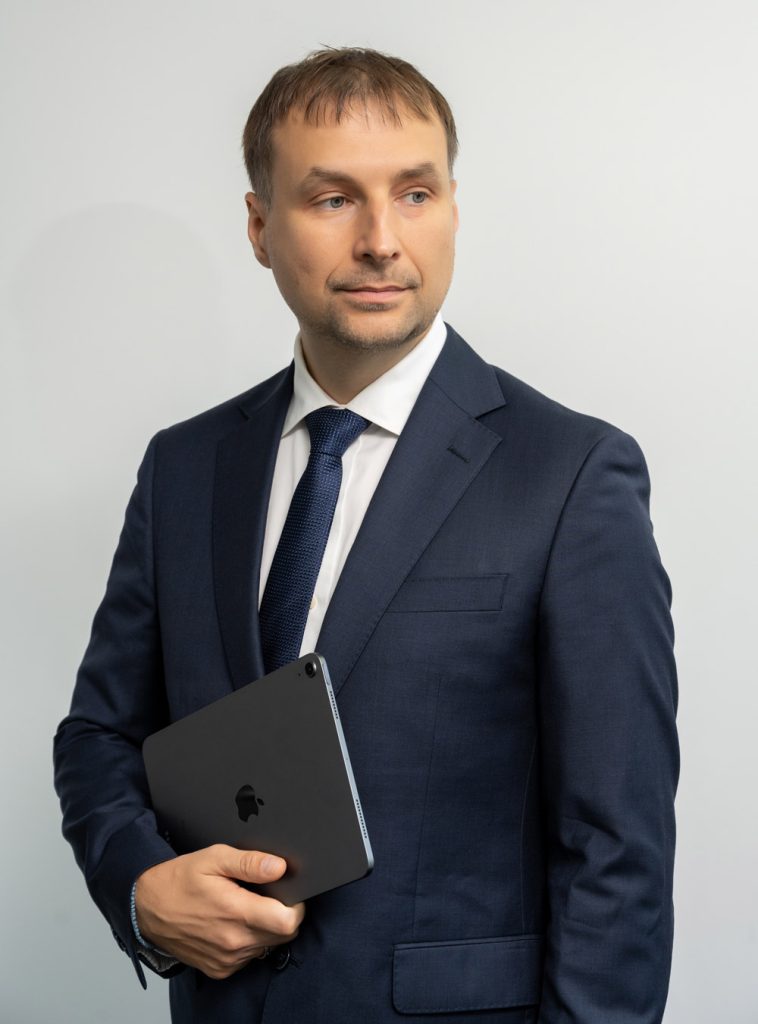
In a world increasingly prioritising sustainability, industries traditionally viewed as environmental adversaries are now stepping up to lead the charge towards a greener future. The mining sector, a critical supplier of raw materials for green technologies, is no exception. TOP International Holding, under the leadership of Dato’ Victor Tan, is at the forefront of this transformation. In this exclusive interview with The Exchange Asia, Dato’ Victor Tan shares the company’s journey, challenges, and vision for a sustainable future. The Shift to Sustainable Practices “Over the past decade, TOP has experienced remarkable growth across our bauxite and commodities trading business units. A year after we set up the business, we became Malaysia’s biggest bauxite exporter in 2015,” Dato’ Victor said. “We pioneered anchorage loading and rapidly expanded our operations into Indonesia, Guinea, and China. But due to restrictions in Malaysia’s mining industry, we shifted our focus to Guinea, becoming the country’s first and only non-MNC mining operator.” Today, TOP International is more than just a concession owner. “We are deeply involved in infrastructure development projects that provide full integrated supply chain services to enhance efficiency and quality control. Our work in the mining and resources industry is crucial to the world’s green transition,” says Dato’ Victor. The raw materials mined by TOP form the foundation of electric vehicle chassis, batteries, and green building materials. “True leadership in our industry means not only driving business growth but also fostering positive change. By prioritising sustainability, we are not just ensuring our future but also contributing to a better world for generations to come,” he added. The Green Energy Transition and Its Challenges The transition to green energy is a critical undertaking for the mining industry, according to Dato’ Victor. “We are tasked with not only integrating sustainable practices into our operations but also playing our part in avoiding a critical materials deficit necessary to supply green technology,” he explained. TOP is adopting several sustainable practices, including reducing water usage, improving waste management, and rehabilitating mined land. “To date, we have rehabilitated 1,057 hectares of land and continue to restore each mine site that reaches the end of its cycle,” Dato’ Victor highlighted. Yet, the path to greening the mining industry is not without its challenges. “Many mine sites are in remote locations lacking Internet coverage or power grid maturity, making it challenging to build infrastructure for data collection. Additionally, the workforce needs to be equipped with new skill sets to operate emerging technologies,” Dato’ Victor notes. However, the long-term benefits for the environment and society make these investments necessary.” Sustainability and Profitability: A Symbiotic Relationship In a time when many companies deprioritises ESG (Environmental, Social, and Governance) initiatives during economic downturns, TOP International Holding has found that sustainability and profitability are mutually reinforcing. “We have witnessed a positive correlation between our commitment to sustainability and our profitability,” asserts Dato’ Victor. TOP has adopted a triple bottom line approach of People, Planet, and Performance, to which he explained, “Financial success cannot be pursued in isolation. By balancing our economic goals with social and environmental considerations, we ensure the longevity and resilience of our business.” This approach has not only reduced risks and enhanced the company’s reputation but also opened up new market opportunities. “Importantly, goals and strategies are nothing without a good team. We engage our employees through regular training and awareness programs, highlighting the importance of sustainability and how their individual efforts contribute to our overall goals,” he continued.   Competing with Industry Giants as an SME Operating as an SME in the mining industry presents unique benefits and challenges. “One of the primary benefits is our agility in decision-making. Unlike larger corporations, our streamlined structure allows us to quickly pursue new ideas and opportunities without the bureaucratic delays,” Dato’ Victor said. However, this agility comes with the challenge of limited resources. “We don’t wield the same strength in terms of funding and manpower, which can impact the scale and speed at which we implement new initiatives,” he acknowledged. Despite these limitations, TOP has positioned itself to compete and thrive among industry giants. “People have always been a core element of our business success,” Dato’ Victor stated. “We form strategic partnerships with leading technology providers, industry experts, and local governments, enhancing our capabilities and extending our reach,” he added. The Growing Demand for Electric Batteries The demand for raw materials necessary for green technologies, particularly electric batteries, has surged in recent years. “Between 2022 and 2023, we saw a 40% increase in demand for EV batteries. The mining industry is responsible for supplying metals like lithium, cobalt, nickel, graphite, and bauxite,” Dato’ Victor said. This shift towards electric batteries is expected to significantly benefit the environment by reducing greenhouse gas emissions and decreasing fossil fuel dependence. “However, the journey towards a green economy requires a comprehensive transformation of our economic systems and individual mindsets,” Dato’ Victor noted. Land Rehabilitation and Future Plans TOP International is committed to rehabilitating land affected by mining activities. “Our goal is to leave each mine site better than when we arrived,” Dato’ Victor stated. The company has implemented extensive tree planting programs and introduced the cultivation of economic crops like cashew trees, benefiting local communities. Looking ahead, TOP’s plans for the upcoming year include strategic diversification and expansion into new territories. “We’re particularly excited about assessing new geographical markets, including South America and other parts of Africa. These regions offer significant opportunities for sustainable development and align with our vision of creating positive impacts through responsible mining practices,” Dato’ Victor shared. As the mining industry evolves towards greener practices, TOP International Holding, under Dato’ Victor’s leadership, is committed to demonstrating that mining can be both profitable and sustainable. “At TOP, we believe that open communication and rigorous environmental stewardship are essential to building a sustainable future,” Dato’ Victor concluded. With its focus on sustainability, innovation, and community engagement, TOP International is well-positioned to lead the mining industry into a new era of responsible and profitable growth.

ESG, News

Ecological Conservation Efforts Rewarded With Better Environment

DONGYING: Dongying in East China’s Shandong province has been making significant strides in implementing the national strategy for the protection of the Yellow River in recent years, focusing on advancing ecological conservation and promoting green, low-carbon and high-quality development. Its efforts have resulted in a remarkable improvement in the quality of the ecological environment, with steady progress made in the construction of an ecological civilization and the continuous enhancement of the environmental governance system. The heart of these efforts lies in the building of the Yellow River Delta National Nature Reserve, where a diverse array of bird species has found sanctuary. Due to the comprehensive ecological restoration network established around the reserve, the bird population has doubled since the reserve’s inception, showcasing the success of conservation and restoration efforts. With the creation of the Yellow River Estuary National Park, the city has pioneered wetland restoration models specific to the Yellow River Estuary. Through 17 wetland restoration projects, the reserve has replenished 469 million cubic meters of water, connected over 241km of water systems, and restored 282,000 mu (18,800 hectares) of freshwater wetlands, among other achievements. What was once barren or saline-alkali lands have been transformed into lush wetlands teeming with biodiversity, creating a paradise for birds. A total of 373 bird species have been identified in the reserve. Dongying has also made targeted efforts to combat severe pollution by enhancing the coordinated control of PM2.5 and ozone. By emphasising targeted and scientific atmospheric governance, the city has seen stable improvement in key environmental indicators. To drive ecological conservation, the city has been developing a green, low-carbon economy. It has accelerated the implementation of the “dual carbon” strategy of peak carbon emissions and carbon neutrality, with 20 key emission units in the power generation sector participating in national carbon emission trading. Furthermore, Dongying is focusing on innovative approaches in the construction of a park city, aiming to create a livable and prosperous environment while enhancing modern urban governance.

ESG, News

EU, ASEAN Team Up to Boost Educational and Research Ties

JAKARTA: ASEAN and the European Union (EU) have launched a US$10.17 million (€9.3 million) programme, the Sustainable Connectivity Package (SCOPE) in Higher Education, aimed at enhancing student and academic mobility in ASEAN and fostering EU-ASEAN cross-regional university networks in research. The programme, scheduled to run until January 2028, also aims to strengthen vocational education with a focus on the green transition, sustainability and digitalisation. The launching was officiated by ASEAN secretary-general Dr Kao Kim Hourn and Ambassador of the European Union to ASEAN Sujiro Seam at the ASEAN headquarters. “These partnerships not only empower our future leaders but also serve as bridges that close divides and create equitable opportunities for all,” Kao said. Meanwhile, Seam said the SCOPE in Higher Education project is part of the overall EU-ASEAN Sustainable Connectivity Package (scOPE) that was adopted by the EU in April 2023. “Southeast Asia is a key region and we want to further develop sustainable and trusted connections with ASEAN countries,” he said. This year, through the Erasmus Plus programme, the EU granted Erasmus Mundus Joint Master’s degree scholarships to more than 200 ASEAN students, allowing them to study in two or more European countries. From 2014 to 2023, nearly 12,000 ASEAN students and scholars participated in short-term studies and teaching in Europe, while around 6,000 European students and scholars came to ASEAN for similar opportunities. In research, the EU funded 90 grants through the Horizon Europe programme between 2021 and 2024, involving 109 institutions from ASEAN, with a total EU contribution of US$11.59 million. — BERNAMA

ESG, News

Financial Services Industry Expected to Grow in China, Especially for Senior Care

China’s growing senior population is bringing tremendous business opportunities to the financial services industry, says Michael Guo, Co-CEO of Ping An Insurance (Group) Company of China, Ltd. According to Ping An Insurance (Group) Company of China, Ltd Co-Chief Executive Officer, Michael Guo, the ageing population in the country has a low awareness of the need to plan ahead financially for senior care. Because of this, senior care services in the China market are fragmented and lack unified standards. Realising this, Ping An is taking the lead of building an ‘integrated finance + health and senior care’ service system to provide professional financial advisory, family doctor and senior care concierge services. “China is ageing before becoming rich,” Guo said. “When China entered the phase of an ageing society in 1999, the gross domestic product (GDP) per capita was only US$1,000. In comparison, when developed countries in Europe and the US encountered ageing populations, their GDP per capita was approximately US$10,000.” “This shows that they had stronger financial capacity to support senior care. Today, the challenge in China is that the retirement replacement ratio is low and there is a lack of awareness of the importance of financial planning for senior care,” he explained. Guo also believes that as average life expectancy increases, people will attach greater importance to pensions and start planning earlier. Hence, the demand for capital preservation and appreciation, with the goal of building a ‘personal pension reserve’, will become the core demand of wealth management. Integrating Financial Products and Senior Care Currently, China’s insurance industry is aware of the market opportunities in wealth management for seniors and is working on designing “finance + senior care” products. However, Guo commented that the product types are too generic. “Fulfilling the needs of seniors cannot be done by simply adding senior care products together, but should be a comprehensive solution, which is organically combined and adjusted to meet the customised demand of the seniors at different stages of their lifecycles,” he added. For example, seniors who are relatively healthy may want more social interaction, travel, hobbies and learning, to maintain physical and mental health. Seniors with chronic diseases would require appropriate disease management, and for some, disability care services. To date, China’s senior care and healthcare services sector is still in its early stages, and some of the main challenges include service fragmentation, the uneven quality of services, processes, its costs, as well as a lack of unified standards and service monitoring systems. Being a senior care insurance solutions provider, Ping An integrates healthcare and senior care services with an aim to meet the different demands of senior customers in health, medication for chronic diseases, and senior care. Its products also include financial products that offer insurance protection, wealth appreciation, wealth inheritance, and healthcare and senior care services, such as chronic disease management, health management, medical consultations and rehabilitation, residence security, guardianship and entertainment. “The strength of Ping An lies in its ability to integrate providers into a comprehensive senior care service platform that can meet customers’ personalised needs,” said Guo. Today in China, 90% of seniors choose home-based senior care. Meanwhile, Ping An’s home-based senior care services include Ping An Health’s online diagnostic platform, which offers 24/7 treatment and consultation services. It has consolidated extensive offline healthcare service resources, including 100% coverage of the top 100 and 3A hospitals in China, nearly 50,000 in-house and contracted doctors, about 2,400 partner senior doctors, and 230,000 partner pharmacies. Integrating more than 100 suppliers, the in-home care offers a suite of 650 services and a 24/7 home-based concierge service in 54 cities, with more than 80,000 customers eligible for these benefits. Technological Empowerment of the Senior Care Industry Technological empowerment plays an important role in Ping An’s senior care strategy. For example, home-based senior care is supported by an artificial intelligence (AI)-driven concierge. Currently, AI has been fully implemented in 200 scenarios for online concierge customer interactions and support for human concierges. AI can offer further assistance to efficiently empower homecare workers and nurses, leading to greater efficiency and quality improvements. “The entire financial insurance industry can leverage its own financial data and combine it with the senior care industry to accumulate data and continue to explore the empowering and enhancing the role of data and technology,” Guo continued. Another key aspect of technology in senior care is data application. On this, Ping An possesses one of the world’s largest healthcare databases, including a disease database, prescription database, drug database, doctor and hospital database, and personal health database. The data – sourced from public sources, including the National Health Commission, National Healthcare Security Administration, and National Medical Products Administration – has already been used in scenarios such as health insurance underwriting and claims and assisting users to find information on diseases, drugs, hospitals, and doctors.

ESG, News

SSM Launches ‘Corporate Code of Ethics’ Book

KUALA LUMPUR: The Companies Commission of Malaysia (SSM) has launched the ‘SSM Corporate Code of Ethics’ book to emphasise its steadfast commitment to integrity, ethics and anti-corruption practices. According to SSM, the book aims to support the application of best corporate governance practices among the commission members, its management, employees, sports and welfare club officers, cooperative board members, suppliers and stakeholders. Its Chief Executive Officer Datuk Nor Azimah Abdul Aziz said all SSM employees are committed to ensuring compliance with the laws governing business entities in Malaysia and corporate laws, as well as fostering positive developments in the corporate and business sectors. “This publication reinforces our pledge to maintain those values through responsible, transparent and ethical behaviour,” Nor Azimah said during the book launch. The book, which is in line with the National Anti-Corruption Strategy (NACS) 2024-2028, provides guidance on responsibilities and principles to enhance integrity and accountability in SSM. — BERNAMA

ESG

CGS International Pioneers Sustainability in Asia’s Financial Sector

As Asia-Pacific’s economic landscape continues to rapidly evolve, sustainability has emerged as a cornerstone of corporate strategy. Being a prominent player in the financial sector, CGS International (CGSI) has made progressive strides in embedding sustainability into its operations. With a forward-looking approach, CGSI has set ambitious goals for the coming years through its Vision 2025 and its comprehensive five-year execution roadmap, which explores CGSI’s eight sustainability focus areas, regional challenges in ESG (Environmental, Social, and Governance) practices, and the firm’s strategies to lead by example in the industry. In an exclusive interview with The Exchange Asia, CGS International Group Head of Sustainability, Kevin Lee explained that CGSI’s Vision 2025 integrates sustainability as a strategic pillar, aiming to establish itself as a world-class investment bank in Asia. The company’s sustainability efforts are guided by eight focus areas, namely Climate Change and Decarbonisation, Biodiversity and Nature-Based Investments, Research for Low-Carbon and Socio-Economic Growth Sustainable Finance, Inclusive Growth, Sustainability Disclosures, Cybersecurity and Digitalisation and Social Responsibility. According to Lee, these focus areas guide CGSI’s sustainability strategy, reflecting its commitment to responsible business practices and long-term value creation. Addressing ESG Transparency Challenges in ASEAN The ASEAN region presents a diverse landscape for ESG practices, with varying levels of transparency and sustainability adoption. “Currently, Singapore is leading the region in terms of stringent ESG disclosures, including mandatory climate reporting for listed companies by 2025. Meanwhile, Malaysia is in the process of adopting similar reporting standards, while other ASEAN countries are at different stages of ESG integration,” Lee said. He also mentioned that CGSI is addressing several challenges in the disparity in ESG practices across the region through various initiatives. One of those initiatives is improving ESG education and awareness by developing an ESG education pack for employees, providing foundational knowledge on sustainability and its relevance to the company’s operations. Additionally, the firm is actively measuring and reporting ESG metrics, such as greenhouse gas (GHG) emissions and human capital performance to help employees understand the impact of their activities on sustainability. “We also adopt a methodical approach to address regional ESG challenges. By respecting local cultures and business environments, the company tailors its sustainability efforts to fit the specific needs of each ASEAN country. “Through these measures, we aim to elevate ESG standards across our regional offices and support the broader adoption of sustainable practices,” Lee opined. Setting an Industry Example Beyond Reporting Despite this, CGSI is not just focused on producing sustainability reports – it strives to lead by example through innovative initiatives and partnerships. For example, CGSI partnered with CSOP Asset Management to launch the CSOP CGS-CIMB FTSE Asia Pacific Low Carbon Index ETF on the Singapore Exchange (SGX), which marks the world’s first low-carbon ETF with a focus on Asia-Pacific markets when it was launched in late-2022. The firm also established the ASEAN Institute of Carbon Neutrality (AICN), which aims to educate the business community on regional sustainability issues and influence capital markets to invest in sustainable development. Lee believes that collaborations with institutions like the National University of Singapore (NUS) enhance the institute’s impact through joint research and thought leadership. Meanwhile, CGSI’s flagship financial literacy programme, the ASEAN Investment Challenge (AIC) engages thousands of students across ASEAN in investment challenges, incorporating ESG criteria into its evaluation, promoting sustainable investing among the next generation of investors. The second AIC is now open for registration from 1 August 2024 to 30 September 2024 and students from participating Institutes of Higher Learning in Malaysia, Indonesia, Singapore and Thailand can register for AIC 2024 online at https://aseaninvestmentchallenge.com/. “We recognise the pivotal role that the finance sector plays in enabling sustainability across various industries. This is why our research team works tirelessly to provide valuable insights into ESG trends to further help investors make better sustainable choices. “Apart from that, we also advocate Sharia-compliant investing, which also includes increasing awareness and providing tools for Shariah-aligned investments in Muslim-majority countries,” Lee said. However, driving the ESG agenda across diverse operations presents several challenges. Transitioning from the energy sector to finance required contextualising sustainability practices, which involves aligning ESG strategies with the finance industry’s unique characteristics. According to Lee, the rise of greenwashing allegations has impacted perceptions of ESG investing. Because of this, Lee highlighted AICN’s research projects, in collaboration with NUS that aim to provide valuable insights into decarbonisation and sustainability. For this, regular webinars will facilitate industry dialogue and knowledge sharing. In short, CGS International is already making significant strides in integrating sustainability into its operations and setting an industry example. Through its comprehensive focus areas, regional initiatives, and innovative strategies, Lee believes that CGSI will be able to effectively drive positive change in the financial sector and contribute to a more sustainable future.

ESG, News

Malaysia, China to Cooperate on EU Deforestation Regulation

PUTRAJAYA: Malaysia seeks to cooperate with China in establishing a shared consensus during engagements with the European Union, particularly regarding the European Union Deforestation Regulation (EUDR), said Deputy Plantation and Commodities Minister Datuk Chan Foong Hin. Chan affirmed Malaysia’s commitment to supplying China with Malaysian Sustainable Palm Oil (MSPO) certified products, aiming to address the EUDR’s implementation and impact. “Malaysia looks forward to cooperating with China’s Ministry of Ecology and Environment (MEE) to promote sustainable development, environmental protection, and address climate change through the MSPO Certification Scheme in the Chinese market,” Chan said in a statement. He said these issues were raised during a G2G bilateral meeting with vice minister of China’s Ministry of Ecology and Environment Zhao Yingmin in Beijing last Friday, which received a positive response. According to the statement, Chan highlighted Malaysia’s active efforts to address the four challenges posed by the EUDR: Traceability System, Legal Land Title, Deforestation-Free and No Forced Labour. The MSPO certification scheme, mandatory since 1 January 2020, plays a key role in these efforts. In addition to the green value chain, Malaysia welcomes initiatives by the Chinese Government to use biofuel, especially biodiesel and Sustainable Aviation Fuel. “In this regard, Malaysia pledges support for these efforts through technical information exchange and biofuel supplies,” Chan said. Chan also spoke at the Roundtable Dialogue on the Malaysia-China Green Value Chain Partnership, discussing low-carbon development and the transition in the palm oil sector. He emphasised that developing a green economy requires international cooperation and joint efforts. He said Malaysia and China will continue to strengthen policy alignment, deepen technical exchanges and promote green projects for mutual benefit. “We hope that through this high-level dialogue, we can work with all parties to explore low-carbon development and the transition to palm oil, promoting the green economy and resilient recovery,” Chan added. Chan also held a G2G bilateral meeting with vice minister of the General Administration of Customs of China (GACC) Zhao Zenglian to discuss technical collaboration and trade agreements. “Malaysia looks forward to continued cooperation with the GACC on port supervision and food safety. “This is crucial as smooth collaboration paves the way for exploring international cooperation in key areas, such as palm oil,” he said. — BERNAMA

ESG, News

Complete Human Network (CHN) Signs Landmark MoU With SDEC

KUALA LUMPUR: Complete Human Network Sdn Bhd (CHN), one of Malaysia’s leading enterprise mobility solutions providers is kicking the second half of 2024 off with a bang, through entering a strategic partnership with the Sarawak Digital Economy Corporation (SDEC). The signing of a Memorandum of Understanding (MoU) between the two organisations marks a significant leap in fostering digital growth within Sarawak, in line with the Sarawak Government’s plan to become a global innovation hub by 2030. The MoU was formalised in a ceremony attended by CHN Founder and CEO, Teh Chai Peng and SDEC Chief Operating Officer, Malseni Jamal. This collaboration reflects a shared vision of leveraging technology to drive Sarawak’s economic transformation, with a particular focus on establishing specialised tech development, cultivating local tech talent, and supporting sustainable digital initiatives. By fostering a culture of continuous learning and professional development, the centre aims to bridge the skills gap and prepare the Sarawakian workforce for the evolving demands of the tech industry. To this end, the centre will also offer comprehensive training programs and resources tailored to address the same. “Our partnership with SDEC represents a critical step in empowering Sarawak’s tech ecosystem. We are dedicated to harnessing our expertise in enterprise mobility to develop a robust tech development infrastructure that nurtures local talent and supports the region’s digital aspirations,” Teh stated. Both CHN and SDEC will be working closely with local communities and relevant stakeholders to ensure the investment in tech development delivers tangible benefits. This includes facilitating educational partnerships and outreach programs designed to inspire and engage local talent. Meanwhile, Malseni re-emphasised the significance of community involvement in the initiative, saying, “Our partnership with CHN is a testament to our commitment to fostering an inclusive digital ecosystem in Sarawak. By engaging local stakeholders, we aim to create opportunities that drive economic growth and enhance the quality of life for our communities.” To further enhance the progress in tech development, CHN and SDEC will collaborate on providing comprehensive technical support and services. This includes the management of hardware services, the integration of software solutions through CHN’s Enterprise Mobility as a Service framework, and the deployment of the Choose Your Own Device (CYOD) Portal. By leveraging CHN’s expertise in Device-as-a-Service (DaaS) solutions that offers bundled IT devices and software services on a subscription basis, enabling enterprises to optimise their IT budgets, minimise IT-related hassles, and focus on their core business operations, the partnership aims to deliver innovative solutions that support Sarawak’s digital agenda. Teh added, “This MoU signifies more than just a partnership; it represents a collective effort to shape the future of Sarawak’s digital landscape. We are excited to embark on this journey with SDEC and look forward to the positive impact this initiative will have on the region.” This two-year partnership also builds on CHN’s extensive experience and successful collaborations with global and regional partners such as the Global Enterprise Mobility Alliance (GEMA) and COPE Private Equity (COPE). Notably, COPE’s investment in CHN highlights the company’s resilience and sustainable business model, positioning it among Malaysia’s leading enterprise mobility ESG providers.

ESG, News

Census Findings Will Help People Explore Opportunities in Agriculture, Says DOSM

PEKAN: The findings of the 2024 Agriculture Census will shed light on numerous opportunities within the agricultural sector, providing valuable insights for the public. Chief Statistician Datuk Seri Dr Mohd Uzir Mahidin, who is also the 2024 Agriculture Census commissioner, emphasised that the data being gathered will offer significant benefits to various stakeholders and guide future developments in agriculture. “Many individuals are unaware of these opportunities while only a select few recognise them. The data will enable the government to refine existing programmes and make informed improvements,” he said, adding that the complete findings of the Agriculture Census will be made available next year. He said this during a visit to Kampung Pulau Manis with Pahang Deputy Commissioner (Technical), Razaman Ridzuan to meet entrepreneur Sharifah Yusnida Saiyed Ibrahim, who carries out various agricultural activities including aquaculture, cattle and goat farming. The ongoing 2024 Agriculture Census by the Department of Statistics Malaysia (DOSM) covers 4 sub-sectors namely crops, livestock, fisheries and aquaculture, forestry as well as logging. In Pahang, the 2024 Agriculture Census aims to cover 83,550 residences and 1,996 organisations or business entities engaged in agricultural activities. As of July 19, census teams have visited 13,609 residences with 10,636 of those having completed the census. The state Statistics Department has already conducted the 2024 Agriculture Census retreats across 11 districts. This effort involves collaboration with several agencies within the agriculture sector, the Orang Asli Development Department and the District and Land Offices at the district level. The 2024 Agriculture Census aims to establish an Integrated Agriculture Statistics Database. This comprehensive database will provide detailed information on the agricultural chain (upstream and downstream) which will be updated periodically. — BERNAMA

ESG, News

Hi-MO X6 Brings Sustainable Power to Healthcare

BANGKOK: Stable power supply is essential for the continuous operation of healthcare facilities. With Hi-MO X6 solar panels, Phraphrom Hospital has become a great example of sustainable healthcare. Phraphrom Hospital, as a public healthcare institution, has been providing reliable and convenient medical services to residents. However, it currently faces the dual challenge of limited budget and high energy demands. Thailand’s climbing electricity costs, the hospital’s round-the-clock medical operations, and the natural conditions of heat and humidity necessitating continuous air conditioning to prevent pharmaceutical deterioration, significantly pressurize the hospital’s electricity expenditures. Given its small-scale public funding, the hospital grapples with a substantial increase in energy expenses. LONGi’s Hi-MO X6 stands out with superior light absorption capability and high photovoltaic conversion efficiency. These features ensure Phraphrom Hospital benefits from a reliable and continuous power supply, substantially reducing its energy expenses. In Thailand’s challenging humid and high-temperature conditions, Hi-MO X6 has proven its robustness with a monthly energy production of 1.81MWh, bringing in an approximate 10% savings on the hospital’s electricity bills. More importantly, LONGi’s 25-year warranty of extra linear power output and comprehensive after-sales service provide Phraphrom Hospital with the reliability it needs. This was a significant factor when our EPC, D-Excellent Co., Ltd., chose Hi-MO X6 solar modules, as high-quality products tend to necessitate fewer after-sales interventions, ultimately reducing after-sales expenses. Phraphrom Hospital, LONGi’s first hospital project in Thailand, is now redirecting its savings into enhancing medical services. Hi-MO X6 not only leads Phraphrom Hospital towards sustainable growth but also aims to empower more hospitals to build a more robust and energetically efficient healthcare system.

Scroll to Top

Subscribe
FREE Newsletter