Investment & Market Trends

Investment & Market Trends

Panama Replaces CK Hutchison With Maersk, MSC At Canal Ports

Panama has officially cancelled key port concessions held by a subsidiary of Hong Kong-based CK Hutchison, paving the way for Maersk and Mediterranean Shipping Company (MSC) to temporarily take over operations. The decision was published in the government’s official gazette on Monday, finalising a Supreme Court ruling that annulled the contracts for the Balboa and Cristobal terminals near the Panama Canal. The ports had been operated by Panama Ports Company, a CK Hutchison unit, for nearly 30 years. Following the ruling, the Panama Maritime Authority (AMP) took control of the two ports to ensure operations continue without disruption. The government has approved temporary concessions of up to 18 months. Under the arrangement, APM Terminals Panama, a Maersk subsidiary, will operate the Balboa terminal, while TIL Panama, part of MSC, will manage Cristobal. CK Hutchison did not immediately comment. Previously, the company said it had notified Panama of a dispute under an investment-protection treaty and warned of possible legal action if any takeover proceeds without its agreement. It has also indicated it may seek international arbitration to challenge the court’s decision. The move could complicate CK Hutchison’s proposed US$23 billion global port sale to a consortium led by BlackRock and MSC, which includes the Panamanian terminals. The ruling comes amid heightened US-China tensions over strategic trade routes. US President Donald Trump has called for reducing Chinese influence around the Panama Canal, a key waterway that handles about 5% of global maritime trade. Panamanian President Jose Raul Mulino said the temporary contracts are a legal mechanism to maintain port operations while the government works on a new competitive concession framework. He stressed that the move does not amount to expropriation and assured that port operations and jobs will not be affected during the transition. Maersk has not yet issued a statement.

Investment & Market Trends

Maxis–U Mobile Merger Talks Stall

Maxis Bhd is understood to have held high-level discussions with shareholders of U Mobile Sdn Bhd about a potential acquisition, but negotiations have reportedly stalled due to disagreements over valuation. Sources familiar with the matter said U Mobile’s shareholders are seeking RM14 billion, which Maxis considers too high. It is unclear whether the proposed offer involved cash, shares, or a combination of both. Neither Maxis nor U Mobile responded to queries. A source close to Usaha Tegas Sdn Bhd — the investment vehicle of the late billionaire Ananda Krishnan, which controls 62.24% of Maxis — confirmed that talks had taken place but have been stalled for about four months. “The issue is pricing. The asking price is too high,” the source said, adding that the valuation appears unjustified given current industry conditions. The source pointed to Digital Nasional Bhd’s (DNB) financial struggles as an example. For the financial year ended December 2024, DNB posted an after-tax loss of RM1.21 billion on revenue of RM341.17 million. As at end-2024, it had total assets of RM4.67 billion and liabilities of RM6.42 billion, with accumulated losses of RM3.16 billion. Market speculation about a Maxis-U Mobile deal has been circulating since mid-2024. Reports previously indicated that U Mobile had rejected earlier offers and was considering an initial public offering (IPO). U Mobile was appointed in November 2024 to deploy Malaysia’s second 5G network, with the official award issued in March 2025. This strategic role is seen as strengthening its bargaining position. According to one source, Maxis had reportedly increased its offer to RM12 billion from an earlier RM10 billion, but shareholders, including Tan Sri Vincent Tan, declined the proposal. Tan’s valuation expectations are said to be supported by IPO plans that could value U Mobile between RM11 billion and RM12 billion. Some bankers said they were aware of market talk about a potential merger but had not received formal instructions from Maxis. The telco has denied issuing any request for proposal to banks regarding the matter. As at end-2024, U Mobile had total assets of RM5.98 billion and liabilities of RM8.02 billion. It recorded a net loss of RM722 million for FY2024 on revenue of RM3.73 billion, bringing accumulated losses to RM4.67 billion. Maxis, in comparison, reported a net profit of RM1.56 billion on revenue of RM10.63 billion for its financial year ended December 2025. It had RM458 million in cash and deposits, total borrowings of RM8.98 billion, and reserves of RM3.54 billion. Maxis shares closed at RM3.83 last Thursday, giving the company a market capitalisation of RM30 billion. Whether discussions between the two parties will resume remains uncertain.

Investment & Market Trends

MACC Probes RM1B Deal, Summons Ministry Secretary

The Malaysian Anti-Corruption Commission (MACC) is set to summon the economy ministry’s secretary-general as part of its ongoing investigation into a RM1.1 billion agreement between the government and a foreign company. Several other witnesses are also expected to be called in connection with the probe, which has attracted significant attention from both the public and political observers. According to a source familiar with the investigation, the deal was allegedly fast-tracked without obtaining approval from key government agencies, including the finance ministry and the investment, trade and industry ministry. The source added that the agreement was pushed through in a manner that raised questions about its transparency and adherence to proper procedures. Reports indicate that several individuals who previously worked in the government have since taken up senior positions in the foreign company involved. This development has sparked further scrutiny, with critics suggesting potential conflicts of interest and highlighting concerns over governance and accountability. The investigation reportedly began after complaints were lodged by non-governmental organisations (NGOs), which claimed that the agreement was concluded hastily and in a way that did not serve the government’s best interests. Observers note that the MACC’s move to summon high-ranking officials reflects the seriousness of the allegations and the need to ensure a thorough review of the deal. The foreign company at the center of the controversy is Arm Holdings, a globally recognised semiconductor firm. Former economy minister Rafizi Ramli has previously commented on the issue, claiming that the controversy was being amplified to portray him in a negative light. He suggested that the media and political narratives surrounding the deal may have been used to create a perception of wrongdoing. MACC’s investigation is expected to explore multiple aspects of the agreement, including the approval process, the timing of the deal, the role of government officials, and any potential personal benefits gained by former civil servants. The commission’s inquiry is also likely to examine whether the deal adhered to established procurement guidelines and whether proper oversight mechanisms were followed. As the investigation unfolds, the summoning of the economy ministry’s secretary-general and other key witnesses underscores the MACC’s commitment to holding government officials accountable and ensuring transparency in large-scale agreements. The findings of the probe could have significant implications for public trust in government processes, particularly in high-value deals involving foreign firms and strategic sectors such as technology and semiconductors.

Investment & Market Trends

Maya Eyes US IPO, Could Raise $1 Billion

Maya is reportedly exploring an initial public offering (IPO) in the United States that could raise between US$500 million and US$1 billion. The company has not confirmed the reports, describing them as market speculation, and says its current focus remains on expanding its ecosystem for consumers and businesses in the Philippines. The fintech firm, the digital banking arm of PLDT Inc., operates as a licensed digital bank under the Bangko Sentral ng Pilipinas. Since evolving from an e-wallet, Maya has grown into a full financial platform offering savings, loans, merchant services, and cryptocurrency trading. Maya has shown consistent financial growth. In Q3 2025, it reported its third consecutive profitable quarter, posting a net income of PHP 532 million. Deposit balances reached PHP 57 billion, up 59% year-on-year, while total loan disbursements since launch have hit PHP 187 billion. The platform currently serves nine million bank users and 2.4 million borrowers. A US listing would give Maya access to larger capital pools and a broader base of institutional investors than the local market. Meanwhile, the company stresses its stable financial position, noting it remains well-capitalised and supported by shareholders to continue executing its growth plans.

Investment & Market Trends

Dentsu Loses $2 Billion, Cuts 1,300 Jobs

Dentsu has posted a record net loss of ¥327.6 billion (US$2.18 billion) for FY2025, leading to major leadership changes, a suspension of dividends and further job reductions across its international operations. The loss was mainly due to an additional ¥310.1 billion goodwill impairment recorded in the fourth quarter, largely linked to its overseas business. Management described the move as a conservative reassessment of the group’s medium-term growth outlook. Following the write-down, Dentsu’s goodwill stood at ¥320.1 billion at year-end, down from ¥697.1 billion the previous year. Despite the headline loss, the company’s core operations remained stable. Dentsu achieved an operating margin of 14.4%, exceeding its earlier guidance of around 13%, supported by cost controls and efficiency improvements. Leadership Change President and Global CEO Hiroshi Igarashi will step down, with Takeshi Sano, currently head of dentsu Japan, taking over from March 27. Sano plans to introduce a flatter and faster decision-making structure, with regional leaders reporting directly to him. The aim is to improve responsiveness, simplify operations and strengthen oversight across markets. More Job Cuts Planned As part of a ¥52 billion restructuring programme, Dentsu has already cut 2,100 jobs in FY2025 and plans to eliminate a further 1,300 roles in 2026, mainly in its international business. The company is also consolidating subsidiaries, simplifying headquarters functions and increasing automation. Since 2021, Dentsu has reduced its international entities from over 1,000 to about half that number in a broader effort to streamline operations. Dividend Suspended For the first time in its history, Dentsu will suspend its year-end dividend and has indicated that no dividend will be paid for FY2026. Management said the decision, while regrettable, is necessary to strengthen the balance sheet and maintain financial flexibility. Revenue growth remains modest. The group recorded 0.5% growth in 2025 and expects organic growth of between 0% and 1% in 2026. Its international business is projected to remain flat, while Japan continues to perform strongly. Japan Outperforms, Overseas Markets Lag Dentsu’s Japan business delivered 6.2% organic growth in 2025, achieving record net revenue and operating profit for the fifth consecutive year. In contrast, several overseas markets reported flat or negative growth. However, cost-cutting measures helped some previously underperforming markets, such as Australia, return to operating profitability. Industry-Wide Pressures Dentsu’s restructuring reflects broader challenges facing global advertising holding companies. Clients are increasingly demanding leaner, technology-driven solutions, while artificial intelligence is reshaping creative, media and data services. As brands shift more spending in-house or to specialised digital firms, large agency networks are under pressure to simplify structures and sharpen their value propositions. Incoming CEO Sano said the next phase of transformation will focus on speed, transparency and closer alignment with client needs, as Dentsu works to rebuild competitiveness and restore investor confidence.

Investment & Market Trends

HSBC Cuts 10% Of US Debt Capital Markets Team

HSBC has reduced its US-based debt capital markets (DCM) team by 10%, continuing its cost-cutting efforts following a major business overhaul announced last October, according to sources familiar with the matter. At least six employees in New York were let go on Thursday, including one managing director, two directors, two associates, and one analyst, the sources said. HSBC cuts 10% of US debt capital markets team amid overhaul The cuts are part of a wider cost-reduction programme implemented by CEO Georges Elhedery, who aims to streamline management layers and reduce employee costs by 8%, targeting total savings of US$1.8 billion (RM7.03 billion). Since taking over in 2024, Elhedery has merged HSBC’s commercial and investment banking units and reorganised operations in the UK and Hong Kong into standalone businesses. The bank has also scaled back on M&A and equity capital markets activities in the UK, Europe, and the US, shifting its focus to Asia and the Middle East. An HSBC spokesperson declined to comment on individual departures but emphasised the bank’s commitment to retaining talent and expressed pride in its DCM business. HSBC is scheduled to report earnings on Wednesday, following strong fourth-quarter results from its US rivals. The bank has consistently ranked among the top 10 underwriters for US corporate debt over the past three years.

Investment & Market Trends

Cili Kampung Acquires 50% Of Dotty’s For RM11.96 Million

Cili Kampung Malaysia has acquired a 50% equity stake in Dotty’s Pastries & Coffee Sdn Bhd for RM11.96 million, valuing the artisanal bakery and café chain at RM23.9 million. The move is part of a broader wave of local food and beverage (F&B) investments in recent weeks. (From left): Dotty’s Pastries and Coffee senior commercial and business development manager Kaylee Low, founder and director Nadia Nasimuddin, Cili Kampung Malaysia director Anwar Azeez and chief marketing officer Kesavan (KC) Purusotman at the MOU signing ceremony marking Cili Kampung Malaysia’s strategic acquisition of a 50% stake in Dotty’s Pastries and Coffee. On February 12, Hextar Industries Bhd (KL:HEXTAR) signed a conditional deal to acquire a 51% stake in Woodpeckers Group, the master franchiser of premium frozen yogurt brand llaollao, for RM177.5 million. The following day, Harvest Miracle Capital Bhd entered the F&B sector with a 40% stake in Kaw Kaw Malaya, which plans to open two Malaysian heritage-themed restaurants in Kuala Lumpur. Cili Kampung said its partnership with Dotty’s is aimed at accelerating national expansion and strengthening its presence in the premium halal dining segment. Dotty’s was founded by Nadia Nasimuddin, a member of the Nasimuddin family behind the Naza group of companies. The acquisition coincides with Dotty’s 10th anniversary, marking a new phase of growth for the brand as it evolves into a scalable, nationally recognised halal-certified artisanal dining concept. A combined RM5 million growth fund has been allocated to support expansion, including infrastructure upgrades, supply chain improvements, and the relaunch of Dotty’s flagship outlet at Suria KLCC. “Acquiring a 50% stake in Dotty’s is a deliberate step to institutionalise a brand that has shaped Malaysia’s all-day dining culture over the past decade,” said Anwar Azeez, director of Cili Kampung Malaysia. “This investment reflects our confidence in Dotty’s brand equity, operational strength, and long-term growth potential.” Cili Kampung, which currently operates six outlets serving Malay cuisine, plans to leverage Dotty’s Jakim halal-certified central kitchen, artisanal IP, and loyal customer base to expand its footprint in the modern Malay lifestyle and premium café market. Dotty’s presently operates four outlets.

Investment & Market Trends

Jollibee To Acquire Korean Hot Pot Chain For US$87M

Jollibee Foods Corp, the Philippines’ largest restaurant operator, announced on Friday that it has signed a definitive agreement to acquire All Day Fresh Co Ltd, the company behind the Seoul-based hot pot and all-you-can-eat chain Shabu All Day, for approximately US$87 million (RM339.92 million). The acquisition will be carried out through a Jollibee subsidiary. Jollibee said the purchase “reinforces the company’s commitment to its Chinese cuisine segment and franchising initiatives, while providing entry into the global hot pot market.” As of January 2025, Shabu All Day operates 169 stores across South Korea, making it the largest chain in the country by store count. The brand generates annual system-wide sales of around US$285 million. The acquisition follows Jollibee’s July purchase of a 70% stake in Compose Coffee, also based in South Korea, for US$340 million. Private equity firm Elevation will retain its 30% stake in All Day Fresh and continue as a strategic partner in the business. Jollibee, which built its reputation in the Philippines with its signature crispy fried chicken, is accelerating its global expansion, competing with international giants such as KFC and McDonald’s. The company has also announced plans to spin off its international operations and pursue a listing in the United States.

Investment & Market Trends

Thai Hotel Chain Eyes US$1B REIT And IPO To Cut Debt

Minor International Pcl, Thailand’s largest hotel and restaurant operator, is planning to launch its first real estate investment trust (REIT) valued at around US$1 billion and is also exploring a Hong Kong listing for its restaurant unit to raise funds for debt reduction. The company intends to contribute 14 hotels across Europe and Thailand to the REIT, which is expected to be listed in Singapore in the second half of this year, according to CEO Dillip Rajakarier. In addition, Minor is considering listing Minor Food Pcl in Hong Kong, aiming for higher valuations and access to a broader investor base. A final decision on the IPO is expected in the second quarter, with a potential listing later this year. Minor, whose Thai hotels were featured in the hit series White Lotus, has been actively reducing debt following its 2018 acquisition of NH Hotel Group SA, which had significantly increased its liabilities. The company aims to lower its debt-to-equity ratio to about 1.4 times this year, down from 1.8 times at the end of 2025. Rajakarier said, “We will continue our deleveraging efforts to bring our debt to a comfortable level. Lower debt will help lift the overhang that has affected our stock price.” The potential overseas listings also highlight the waning appeal of the Thai stock market, which continues to face challenges from sluggish economic growth and political uncertainty, despite a post-election rebound in equities. Minor projects net income growth of up to 20% annually over the next three years, fueled by the expansion of hotels and restaurants overseas. Already one of Asia’s largest hospitality groups, the company plans to increase its hotel portfolio to 850 properties by 2028, up from 636 last year. The group also aims to expand its restaurant network to over 4,000 outlets by 2028 across markets such as India, Indonesia, and Vietnam, compared with nearly 3,000 restaurants currently. Shares in Minor International have risen 7% this year, lagging behind the benchmark SET Index, which has climbed 17%.

Investment & Market Trends

Indonesia Fines Firm And Executives Over Alleged Stock Manipulation

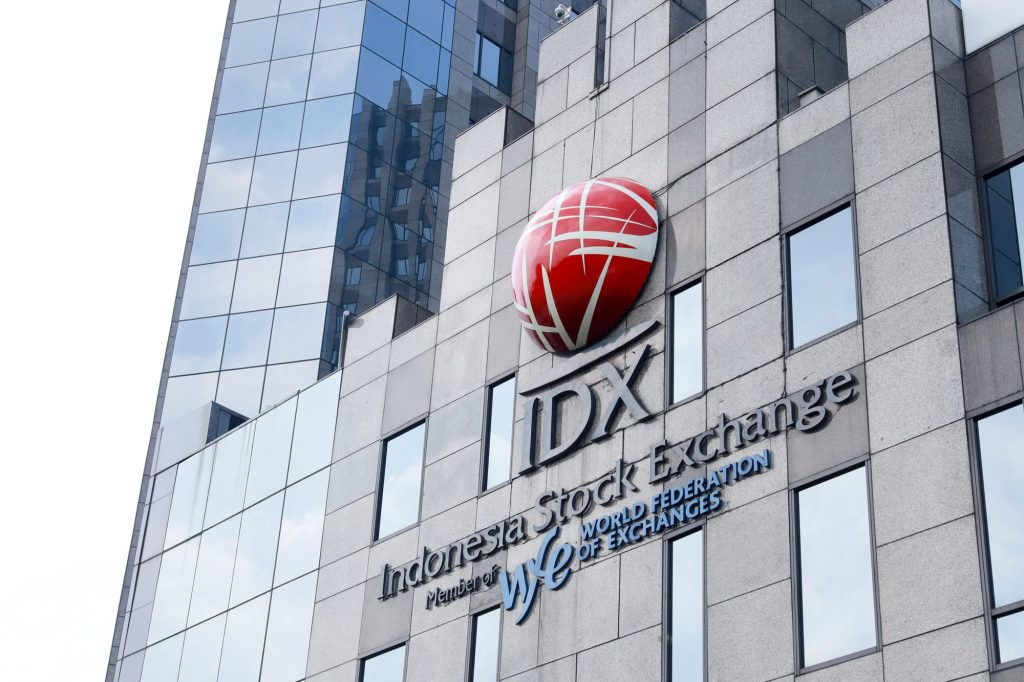
Indonesia has imposed fines totalling 11.05 billion rupiah (about US$655,000 or RM2.55 million) on one company and three individuals for alleged stock market manipulation between 2016 and 2022, according to the country’s capital markets regulator. The Financial Services Authority (OJK) said the parties were penalised for allegedly controlling multiple investor accounts to inflate the share price of a listed company. One individual, a social media influencer identified only as BVN, was also fined for encouraging followers to buy certain stocks while using multiple accounts to trade. The action comes after global index provider MSCI raised concerns in January about transparency in Indonesia’s stock market, which triggered a market sell-off. In response, authorities tightened oversight and proposed reforms to restore foreign investor confidence. Earlier this month, OJK also sanctioned several firms for misconduct, including suspending the underwriting licence of UOB Kay Hian Sekuritas for a year over due diligence lapses linked to a 2019 initial public offering.

Scroll to Top

Subscribe
FREE Newsletter