Investment & Market Trends

Investment & Market Trends

Nestlé May Reduce Ice Cream Focus, Revamps Leadership Team

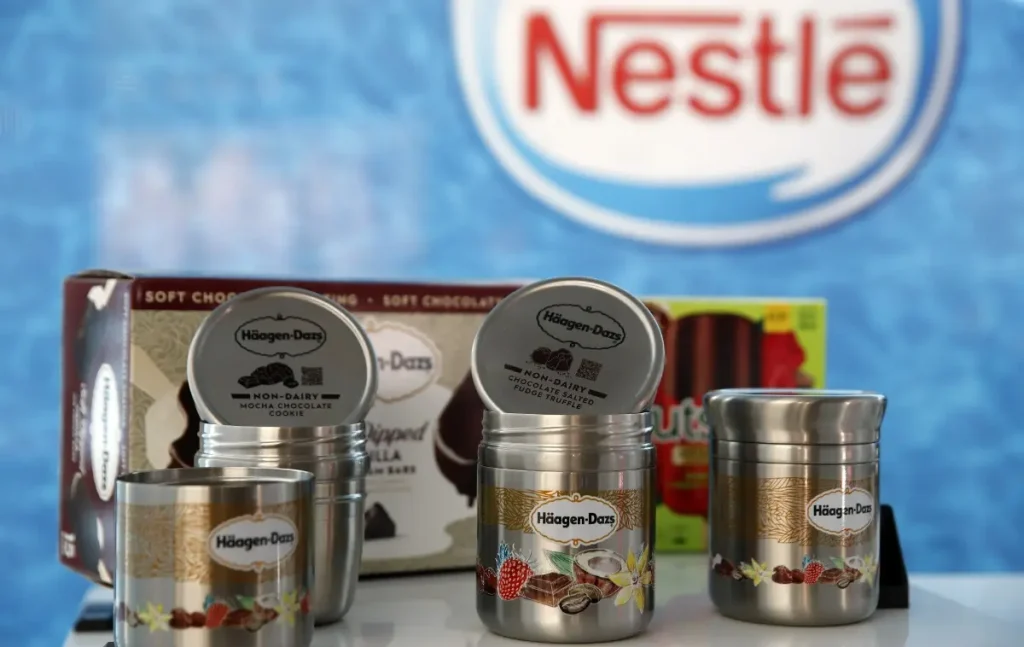
Nestlé SA is exploring ways to reduce its presence in the ice cream sector as new CEO Philipp Navratil reviews the company’s broad operations, according to sources. The Swiss food giant is evaluating options including trimming its stake in Froneri, an ice cream joint venture with private equity firm PAI Partners that owns brands like Häagen-Dazs and Mövenpick. Nestlé may also sell some of its fully-owned ice cream units to Froneri. Discussions are ongoing, and no deal is guaranteed. PAI could increase its stake if Nestlé sells, or the Swiss group could sell part of Froneri to another investor such as the Abu Dhabi Investment Authority (ADIA). Nestlé and ADIA declined to comment, while PAI did not respond. Once one of the world’s largest ice cream producers, Nestlé now sells ice cream mainly outside Froneri’s scope. Last year, PAI raised billions to maintain control of Froneri, with ADIA joining as a minority investor in a deal valuing the firm at about €15 billion (US$17.7 billion or RM69.18 billion) including debt. Nestlé shares have fallen roughly 40% from their 2022 peak, nearing an eight-year low, while competitors Danone SA and Unilever Plc have risen more than 20% over the same period. Board Shake-Up Amid an infant formula contamination crisis affecting the industry, Nestlé also announced changes to its board ahead of full-year results. Thomas Jordan, former president of the Swiss National Bank, and Fatima Francisco, a senior executive at Procter & Gamble, have been nominated to the board and will stand for election at the company’s annual general meeting in April. Chair Pablo Isla said the revamp aims to boost board engagement, enhance oversight, and improve decision-making. Isla became board chair last year following a governance crisis that led to the departure of former CEO Laurent Freixe and long-time chairman Paul Bulcke. Jordan brings financial expertise and Swiss institutional knowledge, having overseen major events like the removal of the Swiss franc cap in 2015 and Credit Suisse’s collapse in 2023. Francisco adds consumer goods experience while improving gender diversity on the board.
Investment & Market Trends

Vietnam Airlines, Vietjet Sign US$14.4B US Aerospace Deals

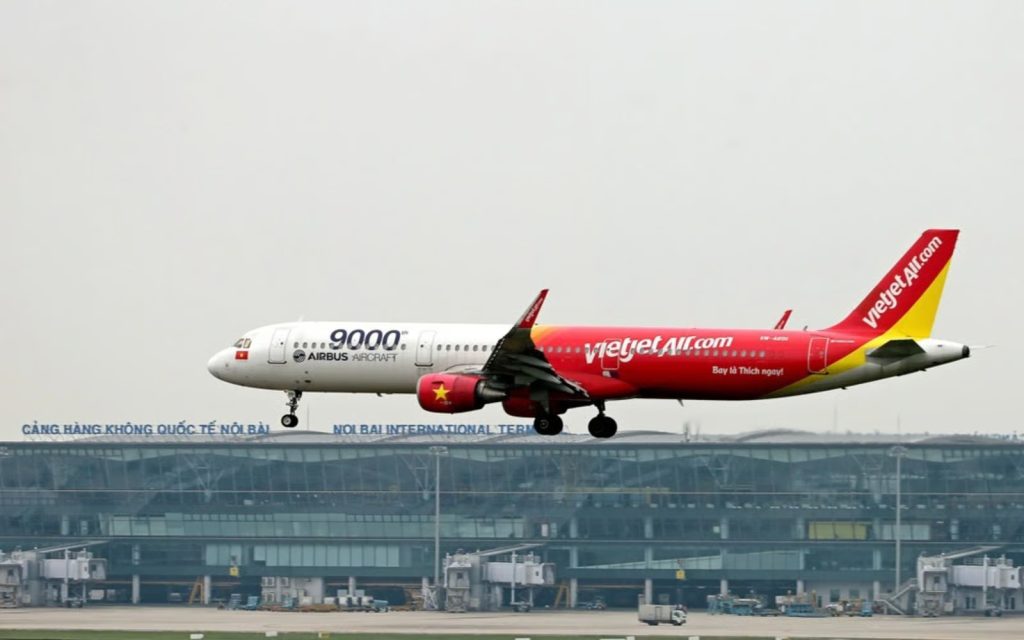
Vietnam Airlines and Vietjet Air have signed aerospace agreements with US companies worth a combined US$14.4 billion, including US$8.1 billion in aircraft orders from Boeing. Vietnam Airlines ordered about 50 Boeing 737-8 aircraft and is in talks to potentially purchase around 30 additional wide-body jets in the future. The carrier said the deal supports its goal of becoming a leading airline by 2030. Vietjet Air announced two separate agreements totalling US$6.3 billion. Around US$5.4 billion will be spent on engine supplies and maintenance for 44 Airbus A320 aircraft through US manufacturer Pratt & Whitney. The remaining US$960 million will go toward leasing six Boeing 737 aircraft from Griffin Global Asset Management. The agreements were signed during Vietnamese leader To Lam’s visit to Washington, amid ongoing trade negotiations between the two countries. The US currently imposes 20% tariffs on Vietnamese goods. Despite trade tensions, Vietnam’s economy has continued to grow strongly, recording 8% growth as it maintains its position as a key manufacturing hub in Southeast Asia.

Investment & Market Trends

Sunway’s Takeover Of IJM Needs Review

Sunway Bhd’s proposed RM11 billion acquisition of IJM Corporation is one of the largest corporate deals in Malaysia in recent years. However, with government-linked investment companies (GLICs) holding 43.88% of IJM, the deal carries major implications for millions of Malaysians whose savings are managed by these institutions. Key shareholders include the Employees Provident Fund (EPF), KWAP, PNB-ASN and Yayasan Pelaburan Bumiputra. Their decision on the takeover will directly affect contributors and pensioners. Concerns Over Returns One major issue is whether the deal truly benefits GLIC beneficiaries. If the takeover proceeds, EPF’s stake would fall from 20.41% in IJM to about 7.3% in the enlarged Sunway group. Although Sunway’s market value would rise from RM38 billion to around RM50 billion, the expected earnings boost is modest — about 1%. Dividend income is another concern. Over the past six years, EPF received an average of RM50 million annually from IJM. In comparison, its current stake in Sunway generates around RM38 million — and this amount would likely decrease further after dilution. Given that these returns support retirement savings, the question arises: does the transaction genuinely enhance long-term value, or weaken it? Strategic Asset Implications Beyond financial returns, IJM owns strategic infrastructure assets such as highways and ports — assets that generate stable cash flow and are difficult to replace. Although GLICs would remain shareholders in the combined entity, their influence would be reduced. This raises concerns about whether Malaysia’s sovereign funds should dilute their control over proven national infrastructure assets. In today’s market, acquiring similar large-scale infrastructure assets is increasingly challenging. Once diluted, regaining such positions may not be easy. Need for Transparency This is not an argument against corporate consolidation. Strong and competitive Malaysian companies are important for economic growth. However, when a transaction involves retirement savings and public funds, it must undergo thorough scrutiny. The impact of dilution, dividend reductions and loss of strategic influence deserves careful review. Fiduciary Responsibility GLICs manage public trust. EPF alone safeguards the retirement savings of more than 15 million Malaysians. KWAP protects civil servants’ pensions, while PNB represents bumiputera investors. Their primary responsibility is to maximise sustainable long-term returns for beneficiaries. Given the scale of this transaction, transparency and open discussion are crucial. The central question remains: does this deal serve the best interests of contributors and pensioners, or would maintaining current stakes in IJM better protect their long-term value? GLICs must ensure their decisions prioritise fiduciary duty above all else, and clearly communicate how those decisions protect the rakyat’s financial future.

Investment & Market Trends

Vantris Targets PN17 Exit By FY2027

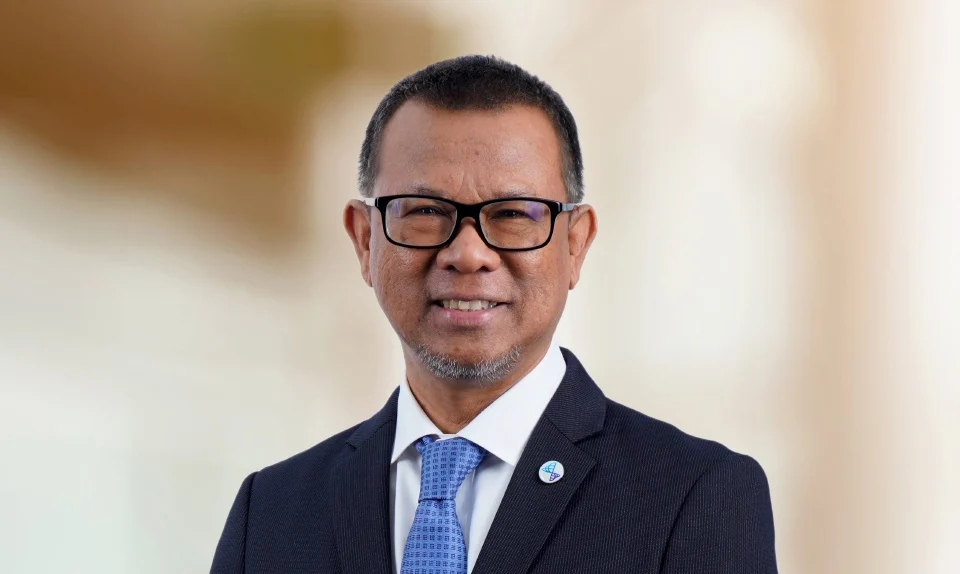
Vantris Energy Bhd, formerly known as Sapura Energy, is shifting its strategy from chasing large-scale contracts to focusing on profitability and cash flow as it works towards exiting PN17 status by the financial year ending Jan 31, 2027. Vantris Energy group chief executive officer Muhammad Zamri Jusoh. Once Malaysia’s largest integrated oil and gas services group, the company had pursued complex EPCIC projects that boosted revenue but weakened margins. Combined with heavy borrowings, legacy losses, and an industry downturn, this led to financial distress and its PN17 classification. Under group CEO Muhammad Zamri Jusoh, who took office in January 2025, the company has adopted a more disciplined approach. “We are now very selective. The most important things are margins and cash flows,” Zamri said. Major Financial Restructuring A comprehensive restructuring completed in September 2025 reduced borrowings from RM10.8 billion to RM5.6 billion, including RM784.3 million in debt forgiveness. Annual debt servicing costs fell sharply from over RM800 million to about RM250 million. Banks converted part of their debt into equity instruments, resulting in creditors holding about 40% of the company post-restructuring. The turnaround was further supported by RM1.1 billion in fresh funding via redeemable convertible loan stocks from Malaysia Development Holding Sdn Bhd, owned by the Ministry of Finance Inc. If fully converted, the funding vehicle could become the largest shareholder with a 35.92% stake. Meanwhile, existing shareholders such as ASNB and the Shamsuddin brothers saw their stakes diluted. Rebuilding Operations and Order Book Following the restructuring, Vantris paid RM1.1 billion to over 1,400 local vendors, fulfilling earlier commitments and helping rebuild trust within its ecosystem. As at Oct 31, 2025, the group’s order book stood at RM6.3 billion, mainly from drilling (47%), engineering and construction (29%), and operations and maintenance (24%). Recent contract wins worth RM1.4 billion from PETRONAS have lifted the order book above RM7 billion, providing earnings visibility for the next three years. The group is also shifting focus closer to home, reducing exposure to the western hemisphere to 12%, while 88% of its RM28.9 billion tender book is now in the Asia-Pacific region. Improving Margins and Risk Management Most projects over the past 15 months have delivered positive margins, except for the Angola project, which is nearing completion. New contracts are increasingly structured on day-rate or reimbursable terms, lowering risk compared to past lump-sum EPCIC projects. The company has also introduced mechanisms to manage cost fluctuations, such as sharing fuel cost changes with clients. Vantris operates nine active drilling rigs and 12 offshore construction vessels, with strong operational performance and over 99% technical utilisation year-to-date. Challenges Ahead Despite improvements, Vantris remains under PN17 and currently has no access to working capital or bank guarantee facilities, requiring it to self-fund operations. To exit PN17, the group must record two consecutive profitable quarters. Management is targeting a PN17 exit by FY2027. “We are watching our business like a hawk. No room for error,” Zamri said. The group continues to divest non-core assets to strengthen liquidity, including the recent US$30.5 million sale of its stake in an Indian joint venture. Looking ahead, Zamri remains cautiously optimistic about the oil and gas sector, citing sustained investment by major oil companies despite market volatility.

Investment & Market Trends

Malaysia’s 2025 GDP Growth Surpasses Forecast, Hits 5.2%

Malaysia’s economy grew 5.2% in 2025, exceeding forecasts of 4–4.8%, driven by strong domestic demand and robust exports, Bank Negara Malaysia (BNM) said. BNM governor Datuk Seri Abdul Rasheed Ghaffour said the economy also expanded 6.3% in the fourth quarter of 2025, supported mainly by higher household spending, positive labour market conditions, and income-related policy measures. Investment growth was bolstered by machinery and equipment purchases—especially for data centres—and ongoing multi-year projects by both public and private sectors. Exports strengthened, led by electrical and electronics (E&E) goods, while services exports benefited from inbound tourism and ICT-related services. Imports remained strong due to intermediate and capital goods supporting economic activity. By sector, growth was led by services and manufacturing. Services expanded on the back of consumer-related subsectors, government services, and ICT, including operational data centres. Manufacturing growth was supported by higher E&E output and consumer goods production. Agriculture also improved, with palm oil production rebounding amid less severe flooding than last year. On a seasonally adjusted basis, quarter-on-quarter growth was 0.8%. Looking ahead, Abdul Rasheed said 2026 growth will be supported by resilient domestic demand and exports. Household spending will continue to benefit from employment and wage growth, while investment activity will progress through multi-year projects and approved initiatives under national master plans, including the 13th Malaysia Plan. Export growth will be underpinned by steady global demand, especially for E&E goods, alongside a boost from tourism following the Visit Malaysia Year 2026 campaign.

Investment & Market Trends

China EXIM Bank Has Over US$289 Billion In Belt And Road Loans

China’s Export-Import Bank has more than two trillion yuan (about US$289 billion) in outstanding loans tied to the Belt and Road Initiative (BRI) as of end-January, according to state broadcaster CCTV. The loans, extended to over 130 countries, mainly support trade, infrastructure, advanced manufacturing, green development and social projects. Launched by President Xi Jinping in 2013, the BRI initially aimed to link East Asia and Europe through infrastructure, and later expanded to Africa, Oceania and Latin America. While supporters say the initiative promotes development and economic growth, critics argue it increases China’s political influence and leaves some developing nations with heavy debt burdens. A recent report noted that several African countries are now repaying more debt to China than the new financing they receive. Apart from the Export-Import Bank, BRI funding also comes from the China Development Bank, Silk Road Fund and major state-owned banks.

Investment & Market Trends

Solarvest-Backed Kee Ming Targets Bigger Projects After ACE Debut

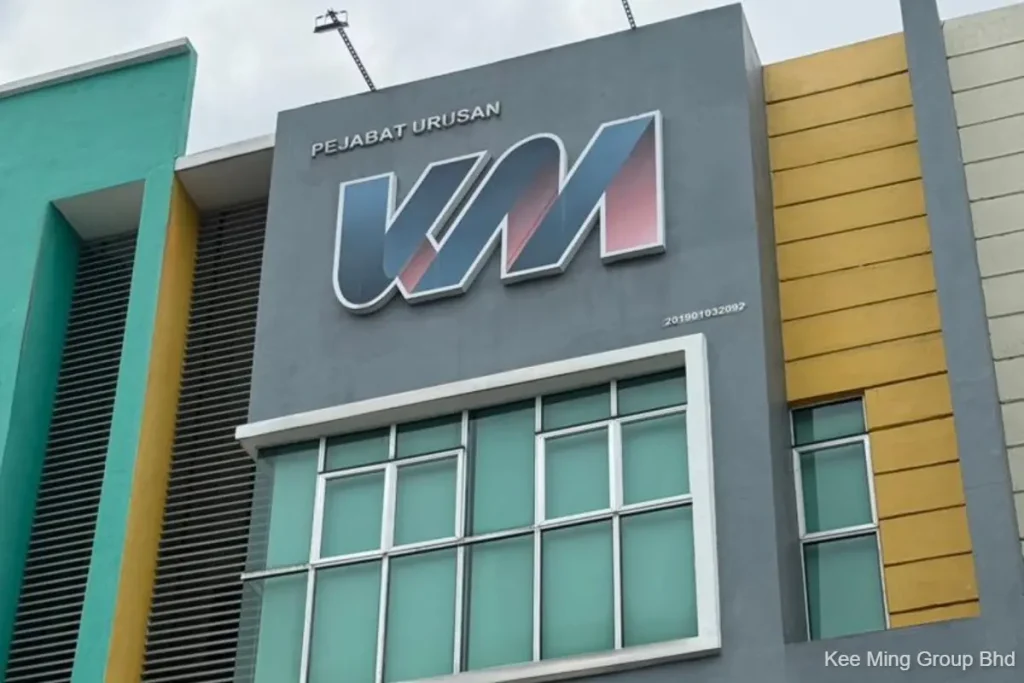
Perak-based Kee Ming Group Bhd expects to take on bigger mechanical and electrical (M&E) projects after raising RM20.32 million in net proceeds from its ACE Market listing on Feb 12. Out of the RM25.32 million raised (including listing expenses), most of the funds will be used to support future projects — mainly for working capital, project performance bonds and expanding its project team. Kee Ming focuses mainly on industrial projects and counts major contractors such as Sunway Construction and Gamuda among its clients. The company provides M&E engineering services, including electrical installations, air-conditioning and ventilation systems, fire protection systems, as well as solar panel and EV charger installations. Solarvest Holdings owns a 23.85% stake in Kee Ming, which could help the group secure larger projects, especially in areas like data centres and renewable energy. At its IPO price of 38 sen, Kee Ming has a market value of about RM123.5 million. The listing involves 66.63 million new shares, while 16.25 million existing shares are being sold by managing director Liew Kar Hoe. After the IPO, Liew’s stake will be reduced to 50.65%. The group has an unbilled order book of RM176.1 million across 64 projects, providing earnings visibility over the next two years. Several research houses are positive on Kee Ming’s prospects, citing strong earnings growth potential driven by industrial expansion, data centre investments and renewable energy demand. However, risks include reliance on subcontractors and potential cost increases in raw materials such as copper and steel, which could affect margins. Overall, the IPO is expected to strengthen Kee Ming’s financial position and support its expansion into larger-scale projects.

Investment & Market Trends

Health Ministry Awards RM117.6m Insulin Supply Contracts To Duopharma

Duopharma Biotech Bhd has secured two contracts worth a combined RM116.72 million from the Ministry of Health (MOH) to supply insulin products and injections to government healthcare facilities. The first contract, valued at RM65.08 million, was awarded to Duopharma Marketing Sdn Bhd and Biocon Sdn Bhd for the supply of recombinant human insulin formulations. Duopharma Marketing will act as the distributor, while Biocon will manufacture and supply the products. This contract runs until May 15, 2026, and requires a RM3.25 million performance bond. The second contract, worth RM52.54 million, was awarded to Duopharma (M) Sdn Bhd for the supply of insulin injections. It will run until Feb 5, 2028, with a RM1.31 million performance bond required. Duopharma said the contracts are expected to contribute positively to earnings for the financial year ending Dec 31, 2026. Malaysia has an estimated 4.75 million diabetics, with around 450,000 patients receiving insulin treatment at public healthcare facilities. Shares of Duopharma closed two sen higher at RM1.48, giving the company a market capitalisation of RM1.42 billion. The stock is up 18.9% year-to-date.

Investment & Market Trends

Hextar Industries Acquires 51% Stake In llaollao Malaysia For RM177.5m

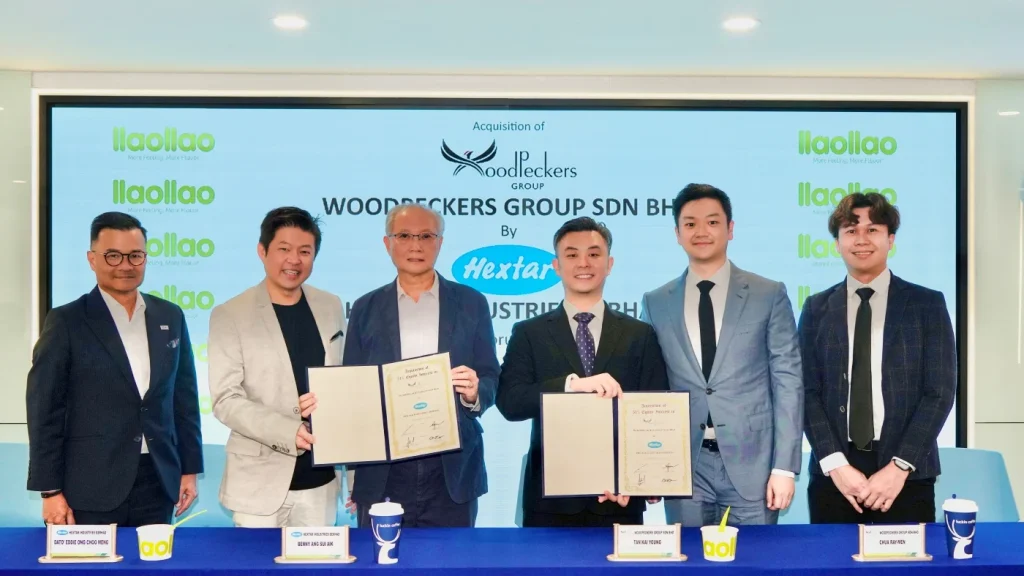
Hextar Industries Bhd has entered into a share sale agreement to acquire a 51% stake in Woodpeckers Group Sdn Bhd — the master franchise holder of llaollao in Malaysia — for RM177.5 million in cash. The acquisition involves 412,122 ordinary shares, valuing Woodpeckers Group at RM348 million. The deal also includes a three-year profit guarantee of RM29 million per year. Hextar Industries Bhd has signed a share purchase agreement to acquire a 51 per cent stake in Woodpeckers Group Sdn Bhd for RM177.5 million in cash. Following the acquisition, Hextar will hold master franchise rights in Malaysia for two global brands — Luckin and llaollao — creating potential synergies through stronger operational efficiency, wider market reach and improved cost optimisation while keeping both brands independent. The move is part of Hextar’s broader strategy to diversify into the food and beverage (F&B) retail sector, alongside plans to exit its fertiliser manufacturing business. Group managing director Benny Ang described the acquisition as a key step in Hextar’s strategic transformation, combining Woodpeckers’ F&B expertise with Hextar’s financial strength to drive long-term growth in Malaysia’s F&B market.

Investment & Market Trends

CIMB Could Make RM810m Selling CIMB Niaga Stake To Meet Indonesia Rule — HLIB

CIMB Group Holdings Bhd may earn a one-off gain of RM810 million by reducing its stake in PT Bank CIMB Niaga TBK to meet Indonesia’s proposed 15% minimum free float requirement, according to Hong Leong Investment Bank (HLIB). Selling about 7.4% of its CIMB Niaga shares would help the Malaysian bank comply with regulations while boosting its capital. The proceeds could be used to support loan growth or reward shareholders with special dividends, HLIB noted. The sale would add to CIMB’s existing RM2 billion capital return plan, potentially raising FY26-27 dividend payout ratio to around 70% and yield to 6.5%. CIMB currently owns 92.4% of CIMB Niaga, which contributes roughly a quarter of the group’s pre-tax profit. HLIB expects the divestment to have minimal impact on earnings, projecting a 1.2–2% drop in FY26-27 PBT. Despite the regulatory changes and rupiah volatility, HLIB maintains a “buy” rating on CIMB with a target price of RM9.50, highlighting its dividend yield of over 6% and ongoing capital management programme. CIMB shares closed at RM8.41, down five sen or 0.59%, giving the group a market cap of RM90.68 billion.

Scroll to Top

Subscribe
FREE Newsletter