Investment & Market Trends

Investment & Market Trends

Verdant Solar Inks IPO Underwriting Deal With Mercury Securities

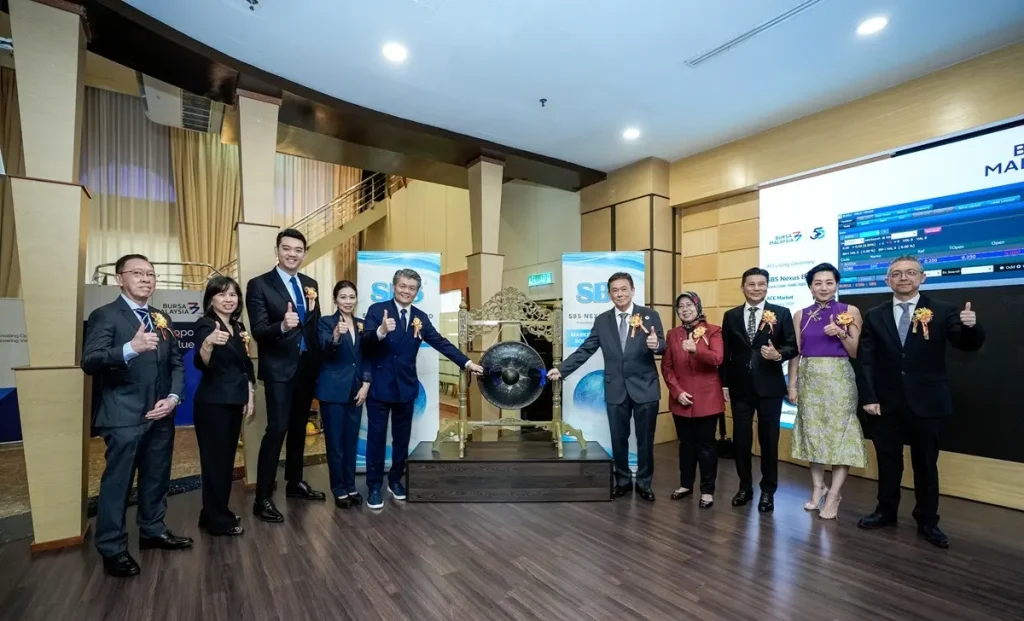
PETALING JAYA, Verdant Solar Sdn Bhd has signed an underwriting agreement with Mercury Securities Sdn Bhd for its upcoming initial public offering (IPO) on the ACE Market of Bursa Malaysia Securities. The solar solutions provider said the deal marked a key milestone in its journey towards becoming a listed company, paving the way for greater visibility and growth opportunities. Under the agreement, Mercury Securities will act as the principal adviser, sponsor, underwriter and placement agent for Verdant Solar’s IPO exercise. Verdant Solar Holdings Bhd managing director Lim Tzer Haur (left) and Mercury Securities Sdn Bhd managing director Chew Sing Guan (right). Verdant Solar, which specialises in residential and commercial rooftop solar solutions, said the listing will enable the group to raise funds for business expansion, working capital and to strengthen its market presence in Malaysia’s renewable energy sector. Chief executive officer Johnathan Tan said the IPO will accelerate Verdant Solar’s mission of making clean energy accessible and affordable. “With rising adoption of renewable energy and strong policy support, we believe this is the right time for us to scale our business and bring more innovative solar solutions to the market,” he said. The company has installed more than 50 megawatts (MW) of solar capacity to date and aims to expand its footprint further across Malaysia. Analysts said Verdant Solar’s IPO comes at an opportune time, as demand for rooftop solar continues to gain momentum in line with Malaysia’s National Energy Transition Roadmap (NETR). The listing is expected to take place by year-end, subject to approval from Bursa Malaysia and the Securities Commission.

Investment & Market Trends

EPF To Rebuild Members’ Savings After RM145b Withdrawals, Says Amir Hamzah

KUALA LUMPUR, The Employees Provident Fund (EPF) is prioritising efforts to rebuild members’ savings after RM145 billion was taken out under four COVID-19 withdrawal schemes, said Finance Minister II Datuk Seri Amir Hamzah Azizan. He said the withdrawals, carried out through i-Lestari, i-Sinar, i-Citra and the special withdrawal facility, involved 8.2 million contributors. “With such a significant amount already withdrawn, the main priority now is to strengthen retirement savings and ensure contributors have sustainable income for their retirement,” he said during a Dewan Negara question-and-answer session in response to Senator Mohd Hasbi Muda’s query on members’ financial readiness for retirement. Amir Hamzah added that the government has no plans to introduce new withdrawal options, given that EPF has restructured its accounts into Account 1, Account 2, and the newly introduced Account 3, which allows flexible withdrawals in times of emergency. He also revealed that EPF is studying the introduction of a monthly pension payment scheme for new members. The initiative is expected to be rolled out in the coming years, while existing contributors will have the option to transition into the scheme if they choose.

Investment & Market Trends

SME Corp Launches New Financing Scheme With Grants Covering Up To 40% Of Funds

KUALA LUMPUR, SME Corporation Malaysia (SME Corp) has rolled out the Business Accelerator Programme (BAP) Alternative Financing Programme 2025, a fresh initiative aimed at providing financing while rewarding small and medium enterprises (SMEs) for financial discipline. Backed by an allocation of RM35 million through its partnership with microLEAP, a shariah-compliant peer-to-peer (P2P) financing platform regulated by the Securities Commission Malaysia (SC), the scheme offers SMEs up to RM400,000 in financing at 3.5% per annum. Notably, up to 40% of the financing may be converted into a grant if repayments are made on time. “This is more than just another loan programme — it is structured to reward good repayment behaviour while directly supporting business growth. With this new allocation, total funds under SME Corp and microLEAP’s collaboration since 2021 have doubled to RM70 million, underscoring our shared commitment to strengthening Malaysia’s SME ecosystem,” the organisations said in a joint statement. SME Corp chief executive officer (CEO) Rizal Nainy said the scheme is designed to ease the repayment burden while investing in the future of high-potential SMEs. “By enabling up to 40% grant conversion, we are supporting growth-ready businesses, aligning with our target to increase the share of small enterprises transitioning into medium-sized enterprises from 1.6% today to 5% by 2030,” he said. MicroLEAP founder and CEO Tunku Danny Nasaifuddin Mudzaffar highlighted that the programme was developed in response to the needs of SMEs and market realities. “SMEs shouldn’t be held back by requirements like three years of audited accounts or collateral. If a business is generating revenue, growing, and can manage financing, we want to be there to back them,” he said.

Investment & Market Trends

Adnoc Reportedly Weighing Over US$10b Financing Package For Santos Acquisition

Abu Dhabi National Oil Company (Adnoc) is reportedly in talks to secure more than US$10 billion (RM42.24 billion) in debt financing from both local and international banks to support its planned US$19 billion acquisition of Australian energy producer Santos Ltd, Bloomberg reported, citing people familiar with the matter. According to the sources, JPMorgan Chase & Co is leading the financing package and also advising the Adnoc-led consortium on the deal. Negotiations between Adnoc and Santos are said to be moving forward as both parties aim to finalise a binding agreement by September 19, when the current exclusivity period expires. The bid is spearheaded by Adnoc’s investment arm, XRG PJSC, alongside Abu Dhabi Development Holding Co and US-based Carlyle Group Inc. The consortium’s US$18.7 billion offer, unveiled in June, would give Adnoc a stronger foothold in the fast-growing liquefied natural gas (LNG) sector, putting it in line with rivals such as Saudi Aramco. The group is currently working through due diligence, regulatory engagement, and internal approvals. However, sources cautioned that details of the financing package, including its size, could still change as discussions continue. Neither the consortium nor JPMorgan provided comments, while Santos has yet to respond to requests outside business hours. Santos extended the exclusivity period for a second time last month to allow the consortium additional time to complete due diligence and secure necessary approvals. The company also recently reported better-than-expected earnings. Santos’ board has endorsed Adnoc’s cash offer of US$5.76 per share. Chief executive officer Kevin Gallagher had previously turned away multiple takeover approaches, sparking criticism from investors. Shares of Santos closed 0.6% lower at A$7.80 on Friday, though they have risen about 17% this year, valuing the firm at A$25.3 billion (US$16.6 billion or RM70.15 billion).

Investment & Market Trends

VinFast Posts US$812 Million Net Loss In Q2

HANOI, Vietnam’s electric vehicle (EV) maker VinFast posted a net loss of US$812 million in the second quarter, even as deliveries surged. The country’s first homegrown car manufacturer — part of the Vingroup conglomerate led by Vietnam’s richest man — has set its sights on competing with global EV leaders such as Tesla. However, breaking into overseas markets has proven difficult, with its shares experiencing sharp swings since listing on Nasdaq in August 2023. Vietnam’s electronic vehicle (EV) manufacturer VinFast reported a net loss of US$812 million in the second quarter, despite deliveries jumping significantly. According to its unaudited results released Friday, VinFast’s Q2 net loss widened by nearly US$40 million compared with the same period last year. Vehicle deliveries rose sharply to more than 35,800 units, up 172% year-on-year, while revenue jumped 91.6% to US$663 million. Chairwoman Thuy Le said the results keep VinFast “on track to at least double our deliveries in 2025.” Despite reporting losses exceeding US$3 billion last year, the company has nearly 400 showrooms worldwide and is pushing into markets across Asia, the Middle East, Europe, the US and Canada. The company now faces added challenges from tariffs, after Washington imposed a 20% duty on Vietnamese EV exports in July under a deal with Hanoi. Vingroup, chaired by tycoon Pham Nhat Vuong, dominates various sectors in Vietnam, including real estate, healthcare, education and technology. Domestically, VinFast’s e-scooters, cars and buses have become a common sight on the streets of the 100-million-strong nation.

Investment & Market Trends

Bidders Value Starbucks China At Around US$5 billion

HONG KONG, Starbucks’ China operations have drawn initial bids valuing the business at up to US$5 billion (RM21.1 billion), according to people familiar with the matter. If completed, the deal would rank among the largest divestments of a China unit by a global consumer brand in recent years. The offers, which have not been reported previously, give Starbucks momentum to proceed with the partial sale as it faces slowing economic growth and rising competition from local rivals. Around 10 prospective buyers were invited to submit non-binding bids in early September, Reuters reported earlier. Most of the offers valued Starbucks China at about 10 times its estimated 2025 earnings before interest, taxes, depreciation and amortisation (Ebitda) of US$400 million to US$500 million, the sources said. At least one bidder proposed a higher multiple in the “high teens.” This valuation is broadly in line with Starbucks’ biggest competitor in the market, Luckin Coffee, which currently trades at around nine times its projected Ebitda over the next 12 months. Luckin has been rapidly expanding its footprint, especially in smaller Chinese cities, while winning over price-sensitive customers with cheaper drinks. The bidders’ identities remain confidential, but earlier reports named potential suitors such as private equity firms Carlyle, EQT, Bain Capital, Hillhouse Investment, Primavera Capital and Chinese tech giant Tencent. It is unclear whether all invited parties submitted offers. A Starbucks spokesperson declined to comment on the valuation or bidding process but pointed to the company’s record international sales growth and a return to revenue growth in China in recent quarters. Globally, Starbucks trades at an enterprise value of about 20.6 times its trailing 12-month Ebitda, according to LSEG data. The Seattle-based company has a market capitalisation of around US$99 billion. Starbucks has not disclosed how large a stake it intends to sell, though executives previously ruled out a full divestment. CEO Brian Niccol reiterated in July that the company will retain a “meaningful” stake in its China unit. China remains critical for Starbucks, housing more than 20% of its global outlets. However, its market share has slipped to 14% in 2023, down from 34% in 2019, according to Euromonitor International. To regain momentum, the company has rolled out more affordable non-coffee beverages and China-specific menu items while accelerating store openings. Comparable-store sales in China rose 2% in the quarter ended June 29, after showing no growth in the prior quarter. The bidding process is expected to move into a second round where shortlisted candidates will submit binding offers, the sources said, though the exact timeline remains uncertain.

Investment & Market Trends

AmanahRaya Trustees Partners With CoKeeps To Boost Digital Asset Infrastructure

KUALA LUMPUR, AmanahRaya Trustees Bhd (ART), a wholly owned unit of Amanah Raya Bhd, has signed a memorandum of understanding (MoU) with CoKeeps Sdn Bhd to explore the development of Digital Asset Custodian (DAC) services. In a joint statement, both parties said the collaboration represents a key step in advancing digital transformation, enhancing investor confidence, and strengthening Malaysia’s financial ecosystem. The partnership will combine ART’s expertise in fiduciary and trusteeship with CoKeeps’ position as Malaysia’s first Securities Commission (SC)-registered digital asset custodian. Together, they aim to create a testbed for tokenisation and build certified digital asset infrastructure to support corporate clients, private mandates, estate planning, and future tokenisation projects. ART chief executive officer Zainudin Suhaimi said digital assets are reshaping wealth management, and trustees must evolve to meet new market needs. “By bridging traditional fiduciary roles with modern infrastructure, AmanahRaya Trustees will continue to be a trusted partner in today’s fast-changing financial landscape,” he said. CoKeeps CEO Suhanna Hussein added that the collaboration is an important step toward building a secure and reliable digital asset ecosystem that complies with regulations while keeping pace with market expectations. “This partnership aligns with the government’s digital economy agenda and ensures custodial frameworks are built on strong governance, compliance, and risk management, paving the way for tokenisation and long-term value creation,” she said.

Investment & Market Trends

SoftBank Reduces Stake In India’s Ola Electric To 15.7%

Japan’s SoftBank Group has reduced its stake in Indian electric scooter manufacturer Ola Electric to 15.68% from 17.83%, following the sale of a 2.15% holding over the past two months, according to a filing with the stock exchange on Thursday. SoftBank, which is Ola Electric’s second-largest shareholder after founder Bhavish Aggarwal, disposed of a total of 94.9 million shares through multiple transactions conducted between July and September. The company did not disclose the sale price, leaving investors to speculate on the valuation of the divestment. Ola Electric, which made its stock market debut in August 2024, has recently experienced a surge in trading activity, reflecting heightened investor interest in the electric vehicle sector in India. The stock recorded gains of more than 10% in two of the last four trading sessions, indicating strong market momentum. The reduction in SoftBank’s stake marks another strategic adjustment by the Japanese investment giant, which has been actively managing its portfolio in response to changing market conditions and the evolving outlook for clean energy and mobility companies globally. Despite the partial exit, SoftBank remains a significant shareholder, continuing to support Ola Electric’s growth ambitions in India’s rapidly expanding electric two-wheeler market. Ola Electric has been investing heavily in scaling up production capacity and expanding its charging and service infrastructure to meet rising demand, positioning itself as one of the leading players in India’s transition to electric mobility. The company’s founder, Bhavish Aggarwal, retains control and continues to drive strategic initiatives, including new product launches and international expansion plans.

Investment & Market Trends

Hengyuan To Raise RM300 Million Through Rights Issue After Shareholder Commitment

KUALA LUMPUR, Hengyuan Refining Company Bhd (KL:HENGYUAN) said its major shareholder, Malaysia Hengyuan International Ltd (MHIL), has committed to subscribe for its full entitlement in the company’s ongoing rights issue. “This commitment secures the minimum fundraising of RM155 million under the exercise,” Hengyuan said in a filing with Bursa Malaysia on Thursday, noting that the group is now on course to raise up to RM300 million through the exercise. The rights issue will involve up to 300 million new shares and 150 million free detachable warrants, offered at one rights share for every existing share held and one warrant for every two rights shares subscribed. Proceeds from the exercise are primarily intended to fund the purchase of additional crude oil feedstock. Hengyuan remains the main supplier of Shell refined products in Peninsular Malaysia and has also expanded its customer base to include Petronas, Petron, and Five. Approximately 90% of Hengyuan’s refined products are sold domestically, with the remainder exported to Southeast Asia. Hengyuan, 51.02%-owned by MHIL, expects to raise up to RM300 million from the rights shares, based on an illustrative price of RM1 per share. If the warrants are fully exercised at RM1.41 each, the company could raise an additional RM211.5 million over five years. The group is targeting a return to profitability by 2026 and, subject to this, the board may consider resuming dividends in the future. Chief Financial Officer Yeo Bee Hwan said Hengyuan has invested more than RM2.2 billion over the past five years to boost production capacity and expand into higher-value products such as sustainable aviation fuel and Euro 5 gasoil. Hengyuan has reported losses over the past three financial years, including a RM158 million loss after tax in FY2022, RM489 million in FY2023, and RM358 million in FY2024. The first half of FY2025 saw a net loss of RM353.69 million, compared with RM198.34 million in the same period last year, on revenue of RM5.89 billion, down 39% from RM9.61 billion. Hengyuan’s share price closed two sen lower at RM1.19 on Thursday, down 45% year-to-date.

Investment & Market Trends

DigitalBridge’s Vantage Eyes US$1.6 Bil Acquisition Of Yondr’s Johor Data Centre Campus

Vantage Data Centers is in talks to acquire Yondr Group’s Malaysian assets, including its data centre campus in Johor, in a deal valued at about US$1.6 billion (RM6.76 billion), sources told Bloomberg. The potential acquisition would streamline the portfolio of their joint backer, DigitalBridge Group Inc, while strengthening its footprint in the Asia-Pacific region. Sovereign wealth fund Abu Dhabi Investment Authority (ADIA), a co-investor, is also expected to participate. Discussions are still ongoing, and details such as valuation may change. Representatives for DigitalBridge, Vantage, Yondr and ADIA declined to comment. Yondr, co-owned by DigitalBridge and La Caisse, operates independently within DigitalBridge’s portfolio. Vantage, meanwhile, provides data centre services for cloud providers, artificial intelligence (AI) and technology firms, with operations across Singapore, Malaysia, Australia, Hong Kong, Japan and Taiwan. DigitalBridge and Vantage already share close ties. Last year, DigitalBridge and Silver Lake Management led a US$6.4 billion equity injection into Vantage, following a €1.5 billion (RM7.38 billion) investment from AustralianSuper for its Europe, Middle East and Africa business. The surge in AI and data-driven technologies is fuelling global data centre investments. In July, Stonepeak Partners pledged US$1.3 billion to Princeton Digital Group for its Asia-Pacific expansion. Similarly, Bain Capital-owned Chindata Group’s China operations have attracted local bidders in a potential 30 billion yuan (RM17.75 billion) deal. In August, Bloomberg reported that DigitalBridge was weighing a stake sale in Vantage’s Asia-Pacific business worth up to US$1 billion and had previously explored selling its Hong Kong assets for as much as US$500 million.

Scroll to Top

Subscribe
FREE Newsletter