Investment & Market Trends

Investment & Market Trends

CIMB: TNG Digital Hits Unicorn Valuation, Exploring IPO

PETALING JAYA, TNG Digital Sdn Bhd, Malaysia’s largest fintech company, has achieved unicorn status and is considering a potential initial public offering (IPO), according to shareholder CIMB Group Holdings Bhd. Gurdip Singh Sidhu, CIMB Bank Bhd’s country head for Malaysia. “We’re confident that TNG has reached unicorn valuation,” said Gurdip Singh Sidhu, CIMB Bank Bhd’s country head for Malaysia, during a media briefing today. “An IPO is something we will evaluate, but there’s no immediate timeline,” he added. TNG Digital, the operator of one of Malaysia’s most widely used e-wallet apps, now joins Carsome Group—Southeast Asia’s online used-car marketplace—as the country’s latest startup valued at over US$1 billion. Finance Minister II Amir Hamzah Azizan recently stated that Malaysia aims to identify five unicorns by 2030, speaking at a fintech conference in Kuala Lumpur. “TNG Digital turned profitable this year,” said Sidhu, who also oversees the bank’s digital businesses. The fintech company is 45% owned by Touch ‘n Go Sdn Bhd, a subsidiary of CIMB Group. “The business is experiencing strong and healthy growth,” Sidhu noted.

Investment & Market Trends

KUSKOP Aims For Medium Enterprises To Make Up 5% Of MSMEs By 2030

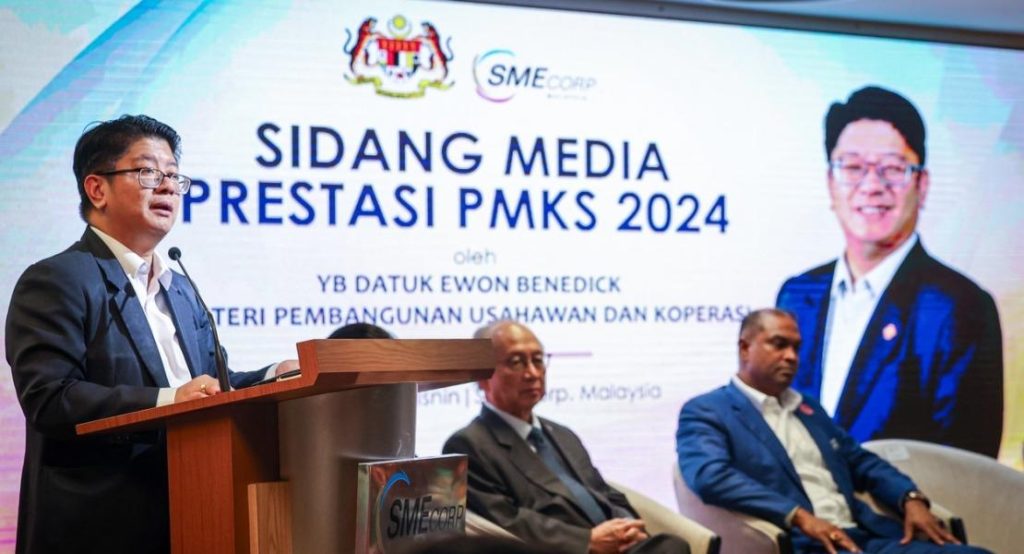
KUALA LUMPUR, The Ministry of Entrepreneur Development and Cooperatives (KUSKOP) aims to raise the proportion of medium-sized businesses to 5% of Malaysia’s total micro, small and medium enterprises (MSMEs) by 2030, up from the current 1.6%. Minister Datuk Ewon Benedick said the ministry will continue supporting MSMEs through targeted initiatives aimed at helping them grow and become more resilient in the long term. “Scaling up MSMEs is a key priority to ensure their sustainability and ability to withstand future challenges. It’s an ambitious goal, but we are identifying several new initiatives to help drive this, including encouraging MSME participation in high value-added sectors, disruptive business models, and global value chains. We’re also looking to increase MSME listings on the stock exchange,” he said during the 2024 MSME performance briefing by SME Corporation Malaysia. He noted that between 2023 and 2025, survey data shows 8.5% of businesses have formalised their operations, while 7.3% of MSMEs have successfully expanded into larger enterprises. “These scaled-up MSMEs often have strong competitive edges — they are involved in high-impact industries, export internationally, supply to larger companies, and adopt ESG practices in their operations,” he added. At the briefing, it was also reported that MSMEs are continuing to play a significant role in Malaysia’s economy, contributing RM652.4 billion in 2024. According to the Department of Statistics Malaysia, MSME GDP grew by 5.8% this year, outpacing the national GDP growth of 5.1% and non-MSMEs’ 4.7%.

Investment & Market Trends

AEON Bank, Foodpanda Team Up To Boost Financial Access For Riders And Merchants

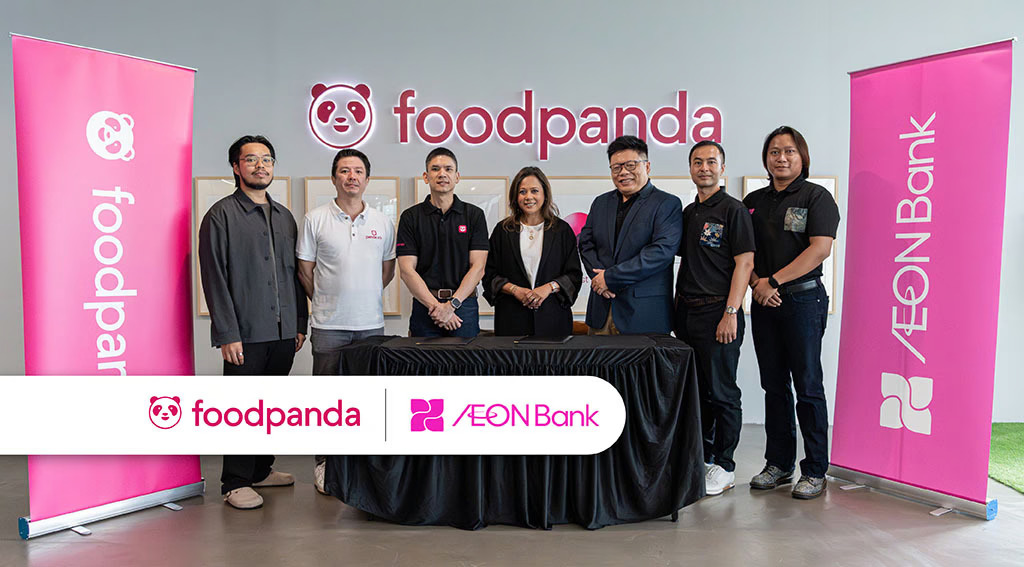
AEON Bank has partnered with foodpanda Malaysia to enhance digital banking adoption and improve financial access for riders, merchants, and consumers nationwide. The collaboration will focus on areas such as digital financing, customer outreach, joint marketing campaigns, and value-added services across both platforms. Through the partnership, foodpanda riders will gain access to microfinancing options — including support for purchasing motorcycles and mobile devices — as well as financial literacy programmes. Merchants on the foodpanda platform will benefit from AEON Bank’s AB2B Programme, which offers business financing support to help them scale. Customers can also look forward to exclusive perks such as special rewards and expanded access to AEON’s retail offerings, including a wider range of grocery options beyond AEON MaxValu Prime. AEON Bank, Malaysia’s first Islamic digital bank, and foodpanda, a leading delivery platform, will also roll out co-branded initiatives to meet the growing needs of Malaysia’s digital economy — particularly gig workers and micro, small and medium enterprises (MSMEs). YM Raja Datin Paduka Teh Maimunah Raja Abdul Aziz AEON Bank CEO YM Raja Datin Paduka Teh Maimunah Raja Abdul Aziz said the partnership is designed to create real value for foodpanda’s ecosystem through digital banking access, rewards programmes, and Shariah-compliant financial services. foodpanda Malaysia Managing Director Tan Ming Luk added that the collaboration empowers riders through tech-enabled financial tools, supports merchants with targeted growth solutions, and delivers more value and convenience to customers. Tan Ming Luk “This is more than just a commercial partnership — it’s about uplifting livelihoods, helping businesses grow, and enriching the overall customer experience,” he said.

Investment & Market Trends

Sapura Energy Rebrands To Vantris Energy As Part Of PN17 Recovery Effort

KUALA LUMPUR, Sapura Energy Bhd has officially rebranded as Vantris Energy Bhd, marking a significant step in its turnaround journey. The name change took effect on Friday (Aug 1), following shareholder approval at an extraordinary general meeting (EGM) held on Wednesday. The rebranding comes as the financially distressed oil and gas services provider begins implementing its long-awaited regularisation plan aimed at exiting Practice Note 17 (PN17) status. Bursa Malaysia approved the plan in June, and it was endorsed by shareholders in a separate EGM on the same day. Vantris Energy confirmed that the Companies Commission of Malaysia issued a Certificate of Incorporation for the name change on Friday, formalising its new corporate identity. Group CEO Muhammad Zamri Jusoh said the rebrand marks a fresh start for the company. “It symbolises a new chapter, honours our journey, and reflects the trust we seek to rebuild with our stakeholders,” he said in a statement. As part of its restructuring, Vantris Energy will carry out a 99.99% capital reduction to offset accumulated losses and a 20-to-1 share consolidation. The group’s debt will be slashed from RM10.8 billion to approximately RM5.6 billion, reducing annual interest costs by over RM500 million, or around 60%. “This significant deleveraging positions the company for a return to profitability and helps restore confidence among clients and financiers,” the group stated. To support the restructuring, the Ministry of Finance—via Malaysia Development Holding Sdn Bhd (MDH)—will subscribe up to RM1.1 billion in redeemable convertible loan stocks (RCLS), with proceeds earmarked to settle outstanding dues to Malaysian oil and gas vendors. Shareholders also approved a waiver that allows MDH and its concert parties to avoid triggering a mandatory general offer if their RCLS conversion leads to a stake above 33%. If fully converted, MDH would become the largest shareholder, overtaking Permodalan Nasional Bhd (PNB), whose stake could fall from 40.43% to just over 5%. The company plans to phase in its regularisation measures, aiming to exit PN17 status after achieving two consecutive quarters of profitability. “We’re grateful for the strong support from shareholders. Their active participation reflects a shared commitment to shaping Vantris Energy’s future. With these approvals, we are now better positioned to move forward with renewed focus, stronger finances, and clear purpose,” said Zamri. Once one of the region’s top oil and gas service providers, Sapura Energy was classified as a PN17 company in 2022 due to financial distress. Its recovery plan, led by MIDF Amanah Investment Bank Bhd as principal adviser, has been closely monitored by the market. Meanwhile, the company’s transformation continues amid a family feud involving Sapura Holdings shareholders Datuk Shahriman Shamsuddin and Tan Sri Shahril Shamsuddin, who together hold a 9.18% stake. Shahriman resigned as a non-independent, non-executive director on June 25, citing other commitments. Vantris Energy’s shares closed unchanged at four sen on Friday, giving it a market capitalisation of RM735.04 million.


Investment & Market Trends

RHB Signs RM1.62 Billion Insurance And Takaful Agreements With Tokio Marine And Takaful Malaysia

PETALING JAYA, RHB Bank Bhd has signed exclusive 20-year bancassurance and bancatakaful agreements with Tokio Marine Life Insurance Malaysia Bhd and Takaful Malaysia, in deals valued at up to RM1.62 billion. Under the agreements, RHB Bank will serve as the exclusive distributor of Tokio Marine Life’s conventional life insurance products. Meanwhile, its wholly owned subsidiary, RHB Islamic Bank Bhd, will distribute family and general takaful products offered by Syarikat Takaful Malaysia Keluarga Bhd (STMKB) and its subsidiary, Syarikat Takaful Malaysia Am Bhd. The parties have also entered into a framework agreement to outline the overall structure and coordination of the partnerships. In a filing with Bursa Malaysia, RHB stated that the RM1.62 billion access fee reflects the expected insurance and takaful business volume to be generated over the 20-year period, through both its branch network and digital platforms. “This includes projected sales of insurance and takaful products through physical branches and online channels, based on past performance and future growth projections,” the bank said. Proceeds from the access fee will be channelled towards working capital requirements and future growth plans. RHB added that the partnership will provide a strong upfront profit contribution, ensure long-term revenue stability, and allow further development of its operational and digital integration with its insurance partners. In a separate filing, STMKB noted that while the agreement is not expected to significantly impact earnings for the financial year ending Dec 31, 2025, it is expected to contribute positively to the group’s long-term profitability.

Investment & Market Trends

Hong Kong Regulator Accepts China Mobile’s Commitments For HKBN Acquisition

Hong Kong’s competition watchdog has accepted a set of commitments from China Mobile Hong Kong (CMHK) regarding its proposed acquisition of broadband provider HKBN Ltd, effectively allowing the merger to move forward without further investigation. Announced in December, the deal underwent a review by the Communications Authority under the Competition Ordinance due to concerns over its potential impact on market competition—particularly within the fixed local access network segment. To address these concerns, CMHK submitted a series of commitments last month. The authority then launched a consultation, inviting feedback from industry stakeholders and interested parties. One key issue raised during the process involved mobile backhaul infrastructure, which supports the transmission of data from mobile devices to broader networks. In response, CMHK revised its commitments to reflect industry input. Following the amendments, the authority concluded that the revised commitments adequately addressed competition concerns. It confirmed on Friday that the merger could proceed, noting CMHK’s active engagement to meet regulatory requirements.

Investment & Market Trends

BWYS To Divest Banting Industrial Assets For RM67 Million

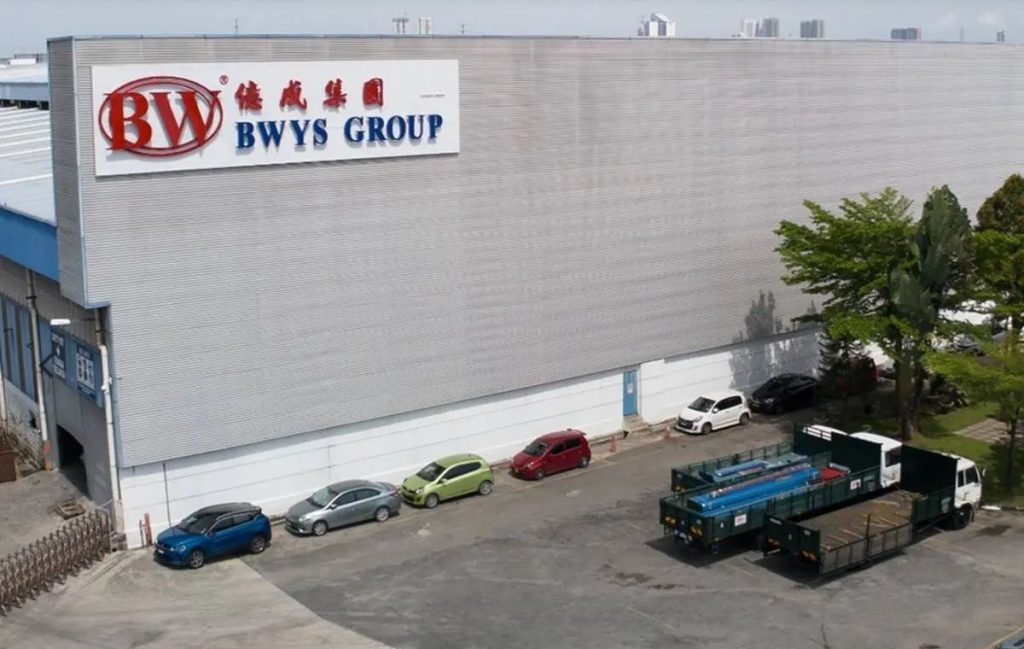
KUALA LUMPUR, BWYS Group Bhd has signed a sale and purchase agreement with Yusin Machinery (Malaysia) Sdn Bhd to dispose of its industrial properties in Banting, Selangor, for RM67 million in cash. In a statement, the sheet metal products manufacturer and scaffolding supplier said the properties are situated in Kawasan Perindustrian Olak Lempit, spanning approximately 339,386 square feet of developed industrial land. BWYS Group Bhd managing director Kang Beng Hai The site includes three blocks of four-storey office buildings, three blocks of single-storey detached factory buildings, and an ancillary structure. BWYS expects to record a gain of about RM33.8 million from the sale, which will be reflected in its financial results for the year ending December 31, 2026. Managing director Kang Beng Hai noted that the assets were purchased in January 2019 for RM28 million, and the current deal presents a timely opportunity to realise substantial value from the investment. “The proceeds will support our ongoing operations and improve business efficiency. This strategic move enables us to reallocate resources to better align with our long-term growth plans,” he said. Out of the RM67 million proceeds, RM37.9 million will be used to repay bank borrowings, potentially saving the group RM1.1 million in annual interest. Another RM24 million is earmarked for raw material purchases and operational needs, while RM5.1 million is allocated for estimated disposal-related expenses. The transaction is expected to be completed in the first quarter of 2026, pending shareholders’ approval and relevant regulatory clearances.

Investment & Market Trends

FNHB’s 3Q Net Profit Drops To RM84.81 Million On Lower Earnings And Tax Impact

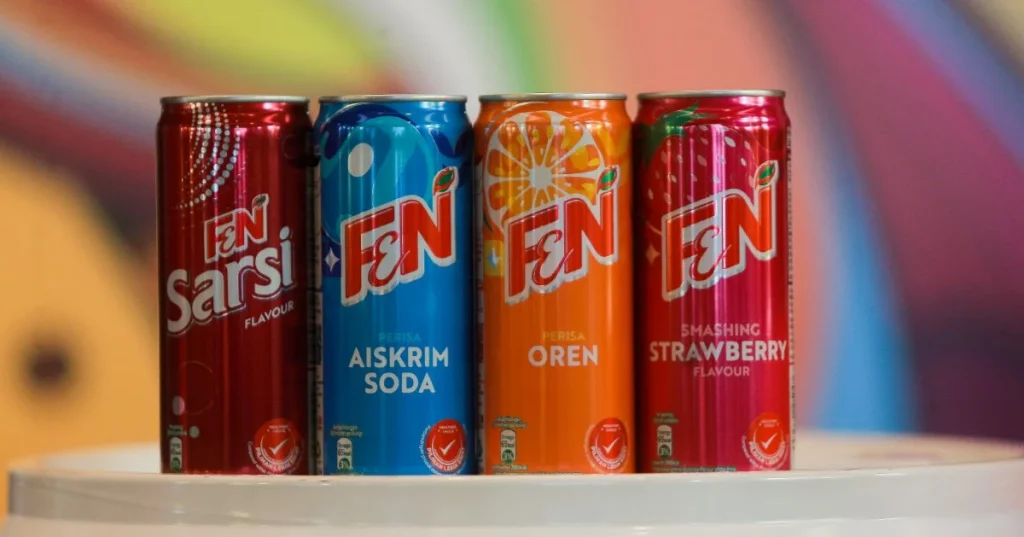
KUALA LUMPUR, Fraser & Neave Holdings Bhd (FNHB) reported a net profit of RM84.81 million for the third quarter ended June 30, 2025 (3QFY2025), down from RM121.62 million in the same period last year. The drop in profit was mainly due to weaker earnings and unrecognised deferred tax assets related to losses from the group’s dairy farm operations, FNHB said in a filing with Bursa Malaysia. Revenue for the quarter also declined by 4.5% to RM1.24 billion, compared to RM1.30 billion a year ago. This was mainly driven by softer performance in its food and beverage segments in both Malaysia and Indochina, reflecting cautious consumer spending after festive seasons and fewer tourist arrivals in Thailand. However, strong double-digit growth in exports to other markets helped ease the impact, though shipments to Cambodia were disrupted by the Thailand-Cambodia border closure. Looking ahead, FNHB said it expects continued uncertainty across its key markets due to cautious consumer sentiment, rising costs, and geopolitical tensions. In response to the border issues, the group activated safety measures and rerouted exports to Cambodia via sea from Malaysia to maintain supply. FNHB added that it will continue to closely monitor the situation, refine its procurement and sales strategies, and focus on innovation and healthier product offerings to drive resilience.

Investment & Market Trends

Nintendo Sees Strong Early Sales Of Switch 2, Maintains Full-Year Outlook

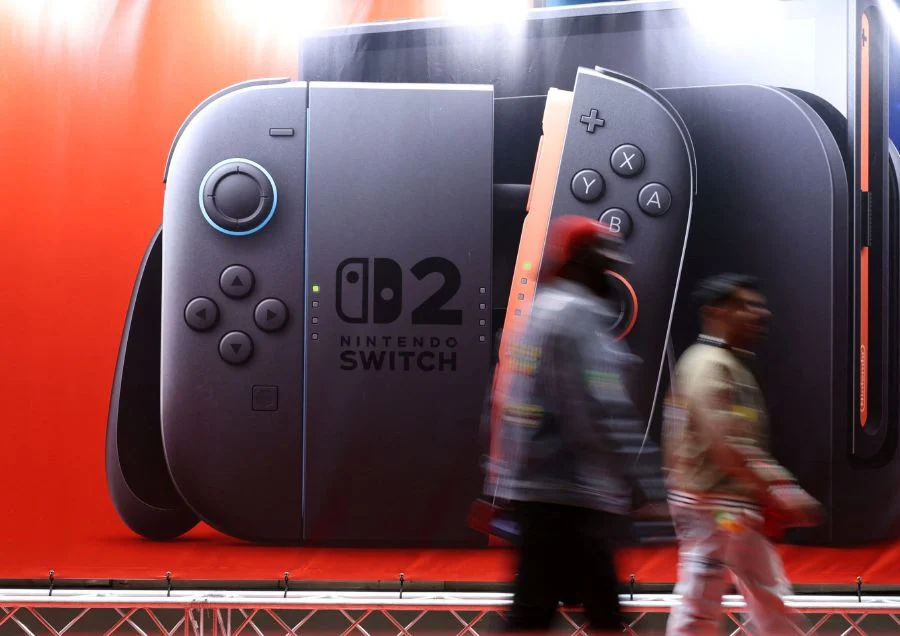
TOKYO, Nintendo has sold over six million units of its new Switch 2 console in just seven weeks since its launch in June, signaling strong early demand for the device. Despite launching during ongoing global trade tensions, the Japanese gaming giant demonstrated effective supply chain management, with analysts saying the figures reflect high pent-up demand for an upgraded version of the original Switch. “This shows just how eager fans were for a next-generation Switch,” said Serkan Toto, founder of game consultancy Kantan Games. In its latest earnings report, Nintendo said it is sticking to its full-year sales forecast of 15 million Switch 2 units by March 2026. The Kyoto-based company also reported a 4% rise in operating profit to 56.9 billion yen (US$378 million) for the April–June quarter, beating analyst expectations. Nintendo noted that current U.S. tariff policies and market changes have not significantly affected its earnings outlook. The Switch 2 debuted on June 5 alongside major game titles such as Mario Kart World and an enhanced Legend of Zelda with improved graphics. During the quarter, Nintendo sold 8.67 million Switch 2 game units, with Mario Kart World frequently included in console bundles. The company also released Donkey Kong Bananza on July 17, which received a strong rating of 92/100 on Metacritic, earning widespread praise. “Nintendo should ride this strong momentum into the holiday season, especially with no competition from GTA 6 this year,” Toto added, referring to the delay of Grand Theft Auto VI to 2026, which was expected to boost rival consoles like Sony’s PlayStation 5. Nintendo’s shares fell 0.75% before the earnings release but are up about 33% so far this year. ($1 = 150.58 yen)

Investment & Market Trends

OCBC Lowers 2025 Outlook As Tariff Worries Continue, Despite Solid Q2 Results

SINGAPORE, Oversea-Chinese Banking Corporation (OCBC) has revised its 2025 economic outlook downward, citing persistent global tariff uncertainties and geopolitical tensions, even as the bank posted resilient earnings for the second quarter of 2025. OCBC reported a net profit of S$1.81 billion for Q2, in line with analyst expectations and slightly above the S$1.77 billion posted in the same period a year earlier. The bank attributed the performance to steady loan growth, improved net interest margins, and a strong showing from its wealth management and insurance units. However, Group CEO Helen Wong said that continued friction in global trade policies — particularly between the US and China — is clouding the regional economic outlook. “While our core businesses remain stable, the prolonged uncertainty around tariffs and protectionist policies continues to weigh on investment confidence and supply chain stability,” she noted during the earnings briefing. OCBC’s key markets, including Singapore, Malaysia, and Greater China, have seen moderate growth, but Wong highlighted that the bank is adopting a “more measured stance” in forecasting next year’s business climate. The lender now expects GDP growth across its core ASEAN markets to moderate to 3.5%–4.0% in 2025, down from its earlier projection of 4.3%–4.7%. It also warned of potential pressure on asset quality and loan demand if trade disruptions persist. Despite the cautious outlook, OCBC’s fundamentals remain solid. Net interest income rose 8% year-on-year, underpinned by higher interest rates and sustained lending activities. Fee income, however, declined slightly due to lower investment product sales amid market volatility. The bank maintained its interim dividend at S$0.30 per share, reflecting confidence in its capital position. OCBC’s Common Equity Tier 1 (CET1) ratio stood at 15.2% as of end-June, well above regulatory requirements. Looking ahead, OCBC plans to maintain its focus on regional expansion, sustainable finance, and digital transformation. “We are actively investing in digital platforms and green financing initiatives to support long-term growth,” Wong added. Still, she cautioned that the full-year guidance would remain conservative unless there is meaningful progress in resolving major global trade disputes.

Scroll to Top

Subscribe
FREE Newsletter