Investment & Market Trends

Investment & Market Trends, News

MyAxis Anticipates Revenue Contribution from New Kedah Facility by 2QFY2026

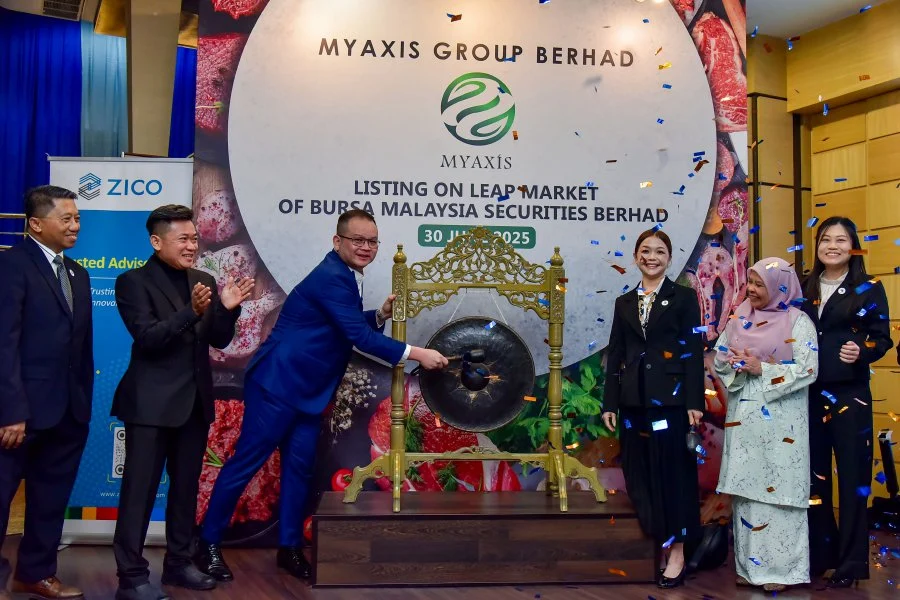
KUALA LUMPUR: Meat processor and distributor MyAxis Group Bhd expects its upcoming processing facility in Bukit Kayu Hitam, Kedah, to begin contributing to revenue in the second quarter of the financial year ending 31 July 2026. Executive Chairman Datuk Tan Hwa Sing announced that the group will invest RM11.3 million in the new facility, which will significantly enhance production capabilities. Upon completion, MyAxis’s annual poultry processing capacity will double to 708 tonnes, while red meat handling capacity is projected to triple to 1,870 tonnes. In addition, storage capacity will increase tenfold, from 53.0 tonnes to 566.0 tonnes. The announcement was made during a press conference held in conjunction with the company’s official listing on the LEAP Market of Bursa Malaysia. MyAxis has also laid out plans to migrate to the ACE Market within the next two years, in line with its long-term growth strategy. Tan highlighted that the company’s upstream operations, handled through its wholly owned subsidiary KK Fresh Frozen Sdn Bhd, mark a strategic shift towards processing and selling poultry and red meat products. With expanded facilities, the group aims to broaden its reach among food and beverage operators, hotel groups, and processed food manufacturers. The customer base has grown substantially to 300 nationwide, up from just 20 in 2024. The new facility, spanning a built-up area of 17,567.76 square feet, is expected to be fully operational in 2026. In response to queries regarding supply, Tan stated that half of the company’s poultry products are sourced from Thailand, with the remainder imported from Malaysia and China. He indicated that this sourcing ratio is expected to remain stable, ensuring consistent product quality for frozen meats. To support its expansion, MyAxis aims to raise RM5.29 million via a private placement of 44.1 million new shares at an issue price of 12 sen per share, implying a market capitalisation of RM40.9 million upon listing. The proceeds will be allocated towards repaying bank borrowings (RM3 million), acquiring new machinery, enhancing working capital, strengthening branding and marketing initiatives, and covering listing-related expenses. -Bernama

Investment & Market Trends

Kospi Set to Record Strongest First-Half Performance in Over Two Decades

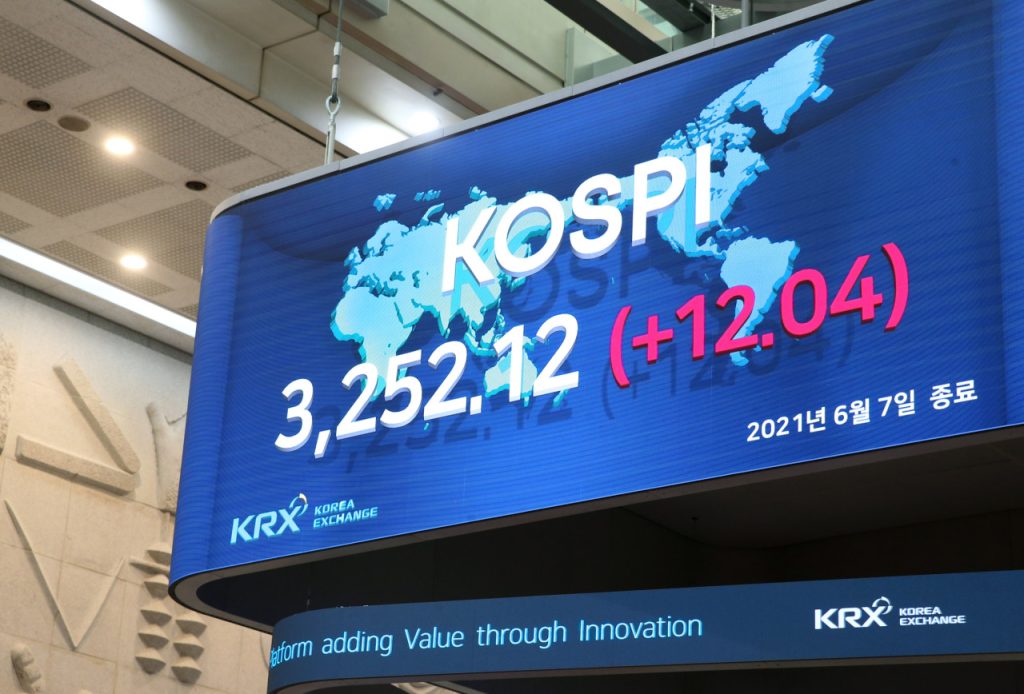
South Korea’s Kospi index is poised to deliver its largest first-half gain in 26 years, buoyed by a combination of renewed investor confidence and political clarity. The benchmark index has surged 27% in the first half of 2025, rising from 2,399.49 at the end of 2024 to 3,055.94 as of last Friday, according to data from the Korea Exchange. This marks the steepest first-half performance since 1999, when the Kospi soared 57% during the height of the dot-com rally. It also significantly outpaces the 5.4% increase recorded during the same period in 2024. Historic comparables include the 51% rise in the first half of 1987 and the 49% jump in 1986, both driven by favourable macroeconomic conditions such as a weak US dollar, low interest rates and declining oil prices. The Kospi has continued to rally into the final trading session of the half. Provided the index does not decline by more than 2.95% today, it will secure its best start to a year since 1999. A sharper fall would still mark the strongest first-half gain since 2009, when markets rebounded from the global financial crisis with a 23.6% rise. June has proven especially bullish, with the index gaining 13.2% in the month alone. The surge reflects optimism over newly elected President Lee Jae Myung’s market-friendly policy agenda. Pledging to revitalise capital markets and enhance corporate competitiveness, President Lee has set an ambitious goal of driving the Kospi to 5,000 points. However, concerns over market overheating are becoming increasingly pronounced. As of last Thursday, 10 stocks were labelled as an “investment risk” – the highest warning level under the Korea Exchange’s surveillance framework – compared to six at the same time last year. Designations of “investment alert” rose 55% to 175, while “investment caution” warnings climbed 27% to 1,176. In June alone, 30 stocks were tagged “short-term overheated”, up sharply from 11 in March. Analysts have cautioned that external pressures could further affect market dynamics. Washington recently extended a three-month grace period, until 9 July, on reciprocal tariffs targeting South Korean imports. This temporary reprieve is part of an effort to reach revised trade terms. Lee Kyoung-min, analyst at Daishin Securities, noted that the index’s proximity to record highs could amplify sensitivity to geopolitical and trade-related developments. “With the Kospi nearing an all-time high, upcoming noise from tariffs and political events could increase pressure for profit-taking,” he said. Lee Eun-taek, equity strategist at KB Securities, echoed similar concerns, warning that “tariff threats are highly likely to resurface, and while such risks are nothing new, the market is unlikely to remain unaffected – especially amid growing concerns over an economic slowdown”. The index breached the 3,000-point mark on 20 June for the first time in nearly three and a half years, and swiftly crossed 3,100 the following session. It is now approaching its record high of 3,305, reached in July 2021. Despite the mounting risks, market sentiment remains broadly positive. Many strategists anticipate further upside through the remainder of the year, particularly if corporate earnings momentum holds. Daishin Securities’ Lee Kyoung-min advised that in policy-driven sectors such as nuclear energy, finance and software, investors may benefit from waiting for a pullback. Conversely, undervalued sectors like semiconductors, autos and retail could offer opportunities amid ongoing capital rotation. Noh Dong-kil, strategist at Shinhan Securities, projected the Kospi could reach 3,400 by year-end, citing a potential valuation re-rating. “After the liquidity rally, earnings will become the key variable,” he said. “There’s a risk that third-quarter results may fall short of expectations due to weakening external demand. Only structurally growing stocks with low sensitivity to the economic cycle will be able to break through.” -ANN

Investment & Market Trends, News

Google to Invest RM9.4 Billion in Malaysia, Creating Over 26,000 Jobs

Google’s landmark RM9.4 billion investment in Malaysia is set to generate 26,500 jobs and contribute RM15.04 billion in long-term economic impact, according to Investment, Trade and Industry Minister Tengku Datuk Seri Zafrul Abdul Aziz. The investment will see the establishment of Google’s first data centre and Google Cloud Region in the country, representing a significant strategic milestone in Malaysia’s digital transformation agenda. Tengku Zafrul described the move as a “multi-faceted strategic boost” to the nation’s aspirations in the digital economy. The minister, currently on a working visit to Washington, United States, confirmed in a social media statement that discussions with Google focused on advancing Malaysia’s capabilities in artificial intelligence and cloud computing, enhancing cybersecurity, and developing digital skills within the local workforce. He reaffirmed the government’s commitment to ensuring a conducive environment for high-quality, forward-looking investments, underscoring strong support for digital infrastructure and innovation. According to national news agency Bernama, the discussions aimed to explore how Google’s technological leadership can further stimulate growth across Malaysia’s digital ecosystem. Malaysia’s position as a premier destination for data centre investment in Southeast Asia continues to strengthen. In May, Malaysia Digital Economy Corporation (MDEC) chief executive officer Anuar Fariz Fadzil stated that the country is increasingly viewed as a key regional hub by global technology players. He attributed this to stable governance, a well-articulated digital strategy, and strong institutional collaboration. Investor confidence, Anuar noted, is further bolstered by reliable power infrastructure, low exposure to natural disasters, effective public-private partnerships and a clear commitment to sustainability. -NST

Investment & Market Trends, News

NTT Files for S$1.36 Billion Data Centre REIT IPO on Singapore Exchange

Nippon Telegraph and Telephone Corporation (NTT) has submitted a preliminary prospectus for the initial public offering (IPO) of its data centre real estate investment trust, NTT DC REIT, on the Singapore Exchange (SGX), according to a filing published on the Monetary Authority of Singapore’s website. The move marks a significant development in NTT’s strategy to capitalise on growing investor interest in digital infrastructure. While the preliminary filing did not specify the expected IPO size or launch date, sources cited by Reuters earlier indicated the deal could raise up to US$1 billion (approximately S$1.36 billion), positioning it as the largest listing in Singapore in recent years. The last comparable IPO was the US$977 million (S$1.33 billion) listing of Digital Core REIT in 2021, based on LSEG data. NTT DC REIT’s initial portfolio comprises six data centre assets spanning the United States, Austria, and Singapore. The total appraised value of these assets stands at approximately US$1.6 billion (S$2.17 billion), the preliminary prospectus revealed. The REIT’s sponsor is NTT Ltd, the global IT services subsidiary of the Japanese telecommunications group. The offering has attracted strong institutional interest, with cornerstone investors including Singapore’s sovereign wealth fund GIC, AM Squared Ltd, and Viridian Asset Management Ltd. These investors commit to subscribing to shares ahead of the IPO’s public launch, offering early validation of the REIT’s market appeal. NTT declined to comment when approached for further details. The listing comes amid renewed momentum in Singapore’s equities market. In February, the city-state introduced a suite of initiatives aimed at revitalising IPO activity, including a 20% corporate tax rebate for companies undertaking primary listings on SGX. Market activity has responded positively. IPO proceeds on SGX rose more than five-fold in the first half of 2025, reaching US$331.6 million compared to US$59.3 million in the same period last year, according to LSEG data. Separately, Hong Kong-listed China Medical System announced earlier this week that it had applied for a secondary listing on SGX, signalling growing regional interest in Singapore’s capital markets. -Reuters

Investment & Market Trends, News

Shein Targets Hong Kong IPO with Confidential Filing in Strategic Shift

Fast-fashion giant Shein is preparing to confidentially file a draft prospectus for a planned initial public offering (IPO) in Hong Kong, according to three individuals familiar with the matter. This move marks a significant deviation from the typical practice in the territory, where major IPO applicants such as Xiaomi and Meituan have traditionally opted for public filings. Sources indicate the China-founded retailer is aiming to submit the draft as early as this week, with one suggesting a Monday deadline. If accepted, the confidential filing would require a waiver of one of the Hong Kong Stock Exchange’s principal listing regulations—an exceptional measure that underscores the unique regulatory complexities surrounding Shein’s public offering. The proposed listing in Hong Kong follows previous unsuccessful attempts to go public in the United States and the United Kingdom, where regulatory hurdles, including lack of approval from the China Securities Regulatory Commission (CSRC), impeded progress. Reuters previously reported that Shein’s London IPO bid had gained support from UK authorities, but still failed to secure the green light from Beijing. Founded in 2012 by entrepreneur Sky Xu, Shein has built a global presence, offering low-cost apparel such as US$5 dresses and US$10 jeans across approximately 150 countries. The business, headquartered in Singapore since 2022, maintains a significant reliance on its supply network in China, sourcing products from around 7,000 third-party suppliers. This operational structure has kept the firm within the ambit of Chinese offshore listing regulations, despite its overseas base. Confidential IPO filings—commonplace in the United States—allow companies to engage regulators without immediate public scrutiny of financials or risk factors. Although rare in Hong Kong, the exchange’s rules do permit such filings for secondary listings or in specific spin-off scenarios upon regulatory waiver. Should Shein proceed under this framework, details of the offering will remain undisclosed until it clears a formal hearing with the Hong Kong exchange. Final approval hinges on authorisation from the CSRC, though it remains unclear whether Shein has received an informal nod from the commission. According to sources, the confidential nature of the filing enables both Hong Kong and mainland Chinese regulators to conduct private evaluations and request clarifications before the materials are made available to institutional investors. A successful IPO in Hong Kong would mark Shein’s third and potentially final bid to enter the public markets, and could become the city’s largest float this year. It would also represent a critical boost to Hong Kong’s capital markets, which recorded US$12.8 billion in IPOs and secondary listings in the first half of the year, amid turbulence driven by geopolitical and trade tensions. Valued at US$66 billion during a 2023 pre-IPO fundraising round—down from earlier valuations—Shein’s public market debut will be closely watched. Analysts suggest the eventual valuation will reflect recent shifts in global trade policy, particularly US tariff increases on Chinese goods and the end of duty-free ecommerce imports, developments that have negatively impacted Shein’s largest market. The company has also faced reputational challenges related to its supply chain. Allegations of forced labour involving Uyghur minorities in China’s Xinjiang region have led to increased scrutiny. While Beijing denies any human rights abuses, the US has imposed a ban on products linked to forced labour in the region. Shein maintains that its global supplier code of conduct prohibits forced labour and asserts that it does not permit Chinese cotton to be used in products destined for the US market. Under current rules, Shein will be required to file with the CSRC within three business days of submitting its Hong Kong application. The regulator applies a “substance over form” principle, allowing significant discretion in determining whether companies fall under its purview—even if formally headquartered abroad. If granted regulatory clearance, Shein’s confidential listing could set a precedent for future high-profile IPOs in Hong Kong, marking a turning point for both the company and the broader fundraising environment in Asia. -Reuters

Investment & Market Trends

Danantara Commits 6.65 Trillion Rupiah Investment to Garuda Indonesia

Danantara Indonesia has announced a major capital injection into national flag carrier operator PT Garuda Indonesia, with an initial shareholder loan of 6.65 trillion rupiah to be channelled through PT Danantara Asset Management. The funding marks a significant step in the airline’s long-term business transformation, maintenance and fleet optimisation strategy. The state asset fund, which was mandated earlier this year to oversee Indonesia’s state-owned enterprises including Garuda Indonesia, disclosed that the capital support will be allocated for business optimisation, long-term funding, governance-driven assistance, and comprehensive performance restructuring. The total value of the funding package is projected to reach approximately US$1 billion. The first phase of the initiative will focus on maintenance and ensuring the operational readiness of aircraft belonging to both Garuda Indonesia and its low-cost subsidiary, Citilink. Subsequent stages will concentrate on optimising operational and financial performance in support of long-term business transformation. “The funding support reflects our mandate for transformation through a professional and measurable approach that prioritises the principles of good governance,” said Danantara Chief Operating Officer Dony Oskaria. He noted that the initiative builds on Garuda Indonesia’s restructuring process undertaken between 2021 and 2024, intended to secure long-term sustainability. According to Dony, the airline is entering a phase of accelerated improvement aimed at strengthening competitiveness and maximising asset utilisation. The initiative will be implemented under a governance framework aligned with international standards, including oversight by an independent financial controller and technical guidance from a global aviation industry expert. These measures are intended to ensure strict compliance with industry best practices. He further highlighted that the capital support aligns with broader national objectives to bolster domestic connectivity, drive tourism development, and establish Indonesia as a key aviation hub in the Southeast Asian region. Garuda Indonesia President Director Wamildan Tsani Panjaitan expressed confidence that the support from Danantara would reinforce the airline’s operational capacity and overall performance. “We believe that the success of performance improvement does not only depend on financial support, but also on the company’s commitment to reorganise overall operational and business strategy,” he said. Wamildan described the capital injection as a strategic opportunity to expedite performance enhancement and accelerate progress towards profitability. In the first quarter of the current fiscal year, the airline reported a 12.54% year-on-year reduction in net loss to US$75.93 million, despite ongoing costs associated with long-term restructuring. “With the corporate action from Danantara, we are projecting that 2026 will be a turning point for Garuda Indonesia. We are optimistic about recording positive net income,” Wamildan said at a press conference. Garuda Indonesia is targeting a fleet size of around 120 aircraft within the next five years, positioning itself for expansion and leadership in both the domestic and regional markets. As of March, the airline operated 98 aircraft. Deputy Industry Minister Faisol Riza confirmed in March that the carrier was preparing to place an order for up to 100 new aircraft this year from leading manufacturers such as Airbus and Boeing. The announcement, originally made by President Prabowo Subianto at the launch of Danantara, was tempered by acknowledgement of the challenges posed by global supply constraints and surging demand from other international carriers. -The Jakarta Post

Investment & Market Trends, News

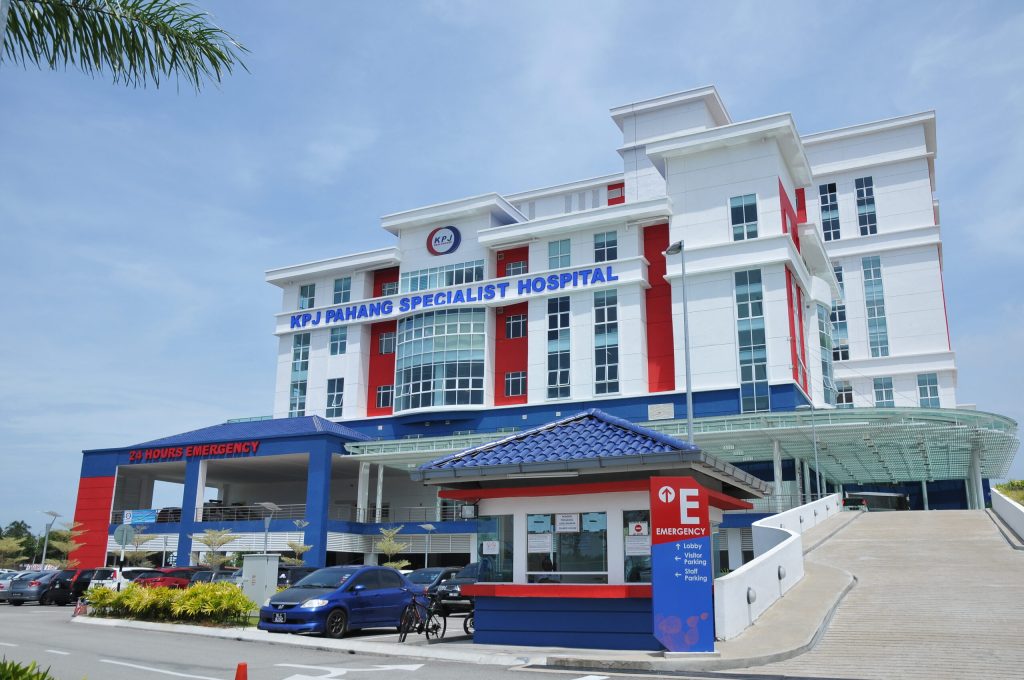
KPJ Healthcare Invests RM406 Million in FY2024 to Accelerate Transformation and Growth

KPJ Healthcare Berhad has announced a capital expenditure of RM406 million for the financial year ended 2024, representing a significant 66% increase compared to the previous year. The announcement was made in conjunction with the company’s 32nd Annual General Meeting, where it highlighted sustained progress under the KPJ Health System transformation strategy and a solid financial performance for FY2024, alongside a steady start to FY2025. In an official statement, the Group emphasised that the investments have supported infrastructure upgrades, the expansion of digital capabilities, and the launch of its 30th facility—KPJ Kuala Selangor Specialist Hospital—which commenced operations in April. These initiatives are aligned with KPJ Healthcare’s strategic vision to develop a future-ready, integrated healthcare network. Chairman Tan Sri Ismail Bakar stated that KPJ Healthcare’s transformation journey under the KPJ Health System remains focused on integrating care, education, and research. He noted that the framework underscores the organisation’s long-term commitment to enhancing health outcomes and delivering sustainable value to stakeholders. President and Managing Director Chin Keat Chyuan reiterated the Group’s focus on building capabilities that will drive future growth, particularly in digitalisation, talent development, and integrated care delivery. He added that KPJ Healthcare is actively expanding its specialist talent pool, strengthening its research infrastructure, and embedding digital solutions across its operations to reinforce its position as a leading regional healthcare provider. Throughout 2024, KPJ Healthcare continued to enhance its digital ecosystem by implementing smart technologies, AI-powered diagnostics, and significant upgrades to the KPJ Cares mobile application. In parallel, the Group maintained its commitment to sustainability, advancing environmental and community health initiatives as part of its broader ESG strategy. Looking ahead, KPJ Healthcare plans to deepen the development of its Centres of Excellence and further strengthen integration across its clinical, research, and educational pillars. The Group also aims to optimise hospital operations under the KPJ Health System framework. As part of its ongoing momentum, KPJ Healthcare will co-host the Malaysia International Healthcare Megatrends 2025 conference alongside the Ministry of Health, scheduled to take place from 25 to 27 November at the Kuala Lumpur Convention Centre. KPJ Healthcare reaffirmed its commitment to expanding its regional presence while ensuring the delivery of accessible, high-quality care throughout Malaysia. The Group currently operates a network of 30 hospitals nationwide, supported by four ambulatory care centres located in Kuala Lumpur, Pahang, Perak, and Selangor. Its medical team comprises over 1,491 consultants, collectively serving more than 3.3 million patients each year. -FMT

Investment & Market Trends, News

FWD Group Seeks HK$3.5 Billion in Long-Awaited Hong Kong IPO

Richard Li’s FWD Group Holdings Ltd is aiming to raise HK$3.5 billion (approximately US$442 million or RM1.9 billion) through an initial public offering in Hong Kong, according to a stock exchange filing issued on Thursday. The move comes after years of delays and reflects improved sentiment in the city’s equity markets. The pan-Asian insurer is offering 91.3 million shares at HK$38 apiece, with trading expected to commence on 7 July. The listing marks a significant milestone for Li, the son of Hong Kong tycoon Li Ka-shing, who first floated plans to take FWD public in 2021. Originally, FWD targeted a US IPO with ambitions of raising up to US$3 billion. However, that attempt was shelved amid growing regulatory scrutiny in Washington over Chinese-linked listings, following the high-profile investigation into Didi Global Inc. The aftermath triggered Beijing’s broader clampdown on overseas share sales by Chinese firms, forcing FWD to reconsider its approach. Subsequently, the company shifted its IPO ambitions to Hong Kong, though repeated filings never culminated in a launch due to weak market sentiment. Conditions in the city’s equity markets have only recently begun to rebound, buoyed by renewed interest from Chinese mainland companies seeking secondary listings. Notably, battery giant Contemporary Amperex Technology Co Ltd raised over US$5 billion in May, delivering the world’s largest market debut so far in 2025. Although valuations in the insurance sector — including those of peers such as AIA Group Ltd and Prudential plc — remain below their 2021 highs, they have shown marked improvement this year, offering a more conducive environment for FWD’s long-anticipated offering. Morgan Stanley and Goldman Sachs Group Inc are acting as joint sponsors for the listing, with HSBC Holdings plc serving as financial adviser, according to the company’s prospectus. -Bloomberg

Investment & Market Trends

Market Responds Favourably to Axiata’s Strategic Value-Unlocking Initiatives

Axiata Group Bhd is poised to attract positive investor sentiment following its strategic move to unlock value, despite a subdued near-term earnings outlook. Hong Leong Investment Bank (HLIB) Research maintains an optimistic stance, underscoring the monetisation of Axiata’s stake in edotco as a key catalyst for share price revaluation. HLIB Research has revised its financial year 2025 (FY25) to FY27 earnings projections upwards by between 2% and 15%, reflecting management’s latest guidance and refined operational assumptions. While second-quarter (2Q25) financial results are expected to be influenced by several one-off factors—including the deconsolidation of XLSmart, gains from the XLSmart stake divestment to Sinar Mas, and a loss on the disposal of edotco’s Myanmar operations—foreign exchange volatility will also play a role in earnings fluctuations. Despite these transitional dynamics, HLIB has reaffirmed its “buy” recommendation on Axiata, maintaining a target price of RM2.50 per share. The recent exit from Myanmar’s tower infrastructure business is seen as a step towards the broader monetisation of edotco. Market speculation indicates that a Khazanah Nasional Bhd–Employees Provident Fund (EPF) consortium may acquire Axiata’s 63% holding in edotco, valuing the deal at approximately US$3.5 billion. This proposed transaction aligns with Khazanah’s recent strategic moves, including its March 2025 acquisition of a 21% stake in edotco from Innovation Network Corporation of Japan, raising its total interest to 32%. Retirement Fund Inc. holds the remaining 5%. Should the transaction proceed, Axiata could realise an estimated RM6.3 billion from the sale. Coupled with US$475 million in equalisation payments from the completed XLSmart merger in April 2025, the company stands to significantly strengthen its balance sheet, enhancing its financial flexibility and positioning for future growth. -The Star

Investment & Market Trends

Tata Capital Gains Sebi Approval for IPO, Aiming to Raise US$2 Billion

Tata Capital Ltd has secured regulatory approval from the Securities and Exchange Board of India (Sebi) to move forward with its proposed initial public offering, which could raise approximately US$2 billion. This development positions the offering as potentially the largest listing on Indian exchanges in 2025, according to individuals familiar with the matter. The non-banking financial services subsidiary of the Tata Group is expected to launch the share sale as early as August, pending completion of preparatory activities. Sebi has formally communicated its approval to both the company and its appointed bankers, the sources confirmed. This regulatory clearance enables Tata Capital to incorporate Sebi’s feedback into its draft prospectus and begin engagement with potential investors. The proposed listing arrives at a time when India’s primary capital markets are showing renewed momentum. HDB Financial Services Ltd is also preparing to open a billion-dollar-plus offering, signalling increasing appetite for high-profile IPOs in the country. Tata Group is reported to be seeking a valuation of up to US$11 billion for Tata Capital, underscoring the strategic significance of the listing within the broader group portfolio. Representatives from Tata Capital and Sebi were not immediately available for comment. -Bloomberg

Scroll to Top

Subscribe
FREE Newsletter