Investment & Market Trends

Investment & Market Trends

Gold Futures Settle Higher on Bursa Malaysia

KUALA LUMPUR: Gold futures on Bursa Malaysia Derivatives closed higher today, supported by increased investor interest and a softer US dollar, which made the precious metal more attractive to international buyers. The benchmark spot-month contract for June 2025 rose to US$3,347.80 per troy ounce, up from US$3,339.50 on Tuesday. The July 2025 contract also recorded gains, settling at US$3,356.30 per troy ounce compared with US$3,348.00 previously. Further along the curve, the August, September and October 2025 contracts all posted improvements, with prices climbing to US$3,375.80 per troy ounce from US$3,365.30. Despite the uptick in prices, trading volume slipped to 38 lots, compared to 54 lots recorded in the previous session. Open interest, however, inched up marginally to 84 contracts, from 83 a day earlier. Meanwhile, the London Bullion Market Association (LBMA) reported the physical gold price at US$3,337.70 per troy ounce in its afternoon fix on 10 June. -Bernama

Investment & Market Trends

Malaysian EV Market Faces Potential Price War as Policy Decisions Loom

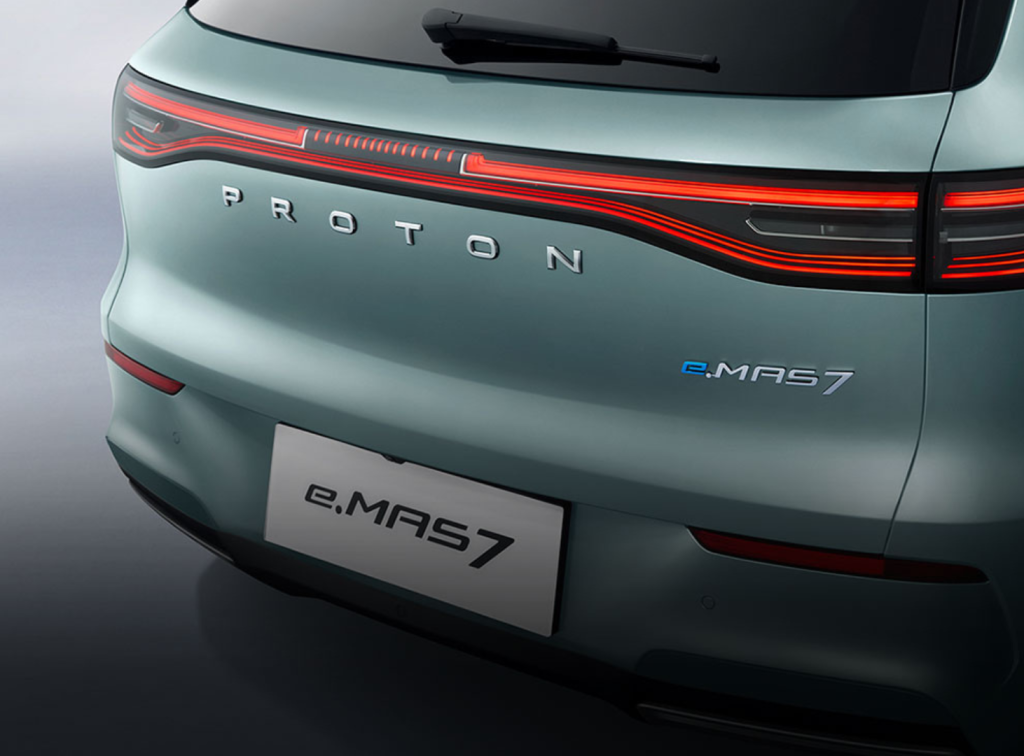
A potential price war in Malaysia’s electric vehicle (EV) segment is on the horizon, driven by global overcapacity and local policy shifts. Industry analysts caution that upcoming changes to tax structures and pricing regulations may reshape the competitive landscape significantly. Currently, Malaysia grants generous tax incentives for locally assembled EVs – or completely knocked down (CKD) units – including exemptions from import, excise, and sales duties until the end of 2027. Meanwhile, imported completely built-up (CBU) EVs also benefit from tax exemptions, but only until 31 December 2025. Post-2025, these units will be subject to full duties unless the exemptions are extended, an increasingly debated topic among stakeholders aiming to accelerate EV adoption. To safeguard domestic players, a minimum retail price of RM100,000 was also imposed on CBU EVs, effective until end-2025. With the global EV sector facing oversupply – highlighted by Geely Holding Group chairman Li Shufu’s remarks on “serious overcapacity” – Malaysia may soon witness the arrival of budget-friendly Chinese EVs, potentially triggering a pricing conflict. According to BIMB Securities analyst Sabariah Akhair, the approaching expiry of the RM100,000 minimum price policy represents a pivotal moment for the Malaysian EV ecosystem. She contends that if the government removes this price floor and extends tax exemptions for imported EVs beyond 2025, it could ignite a “full-blown EV price war”. Such a scenario would enable low-cost Chinese models like the BYD Seagull and Wuling Mini EV – priced between RM18,000 and RM45,000 – to flood the market. While consumers may initially benefit from these low-cost alternatives, Sabariah warned this may discourage investment from existing players lacking CKD scale or cost efficiency. She cautioned that the longer-term impact could include job losses, reduced localisation efforts, and stunted industrial growth. Conversely, if tax exemptions for CBU units are allowed to lapse while the RM100,000 price floor is lifted, she expects a more structured and sustainable market to take shape. Under this scenario, prices of imported EVs would gradually normalise, avoiding a race-to-the-bottom in pricing and allowing Malaysia’s localisation goals to progress. EV adoption may still grow at a moderate pace of 3.5 to 4 per cent of total industry volume (TIV) by 2025, supported by clearer policies, robust charging infrastructure, and accessible financing. In the first quarter of 2025, EVs made up 2.9 per cent of Malaysia’s TIV, up from 1.8 per cent in 2024, according to the Malaysian Automotive Association (MAA). An industry observer involved in EV distribution echoed similar sentiments. He noted that once tax exemptions for imported EVs expire at the end of 2025, CBU models will become less viable due to rising prices, potentially causing a dip in sales. However, the concurrent removal of the RM100,000 price floor may encourage the entry of more budget models. He also remarked that internal combustion engine (ICE) vehicles will remain relevant for some time, particularly as consumers grapple with limited charging infrastructure and range anxiety. Range-extended EVs (REVs), popular in China, offer a potential solution, though they currently receive no tax incentives in Malaysia. The observer further expressed scepticism about whether Chinese ICE vehicles could surpass traditional incumbents in performance, stating that they still fall short in key driving metrics. Meanwhile, Sabariah believes established distributors such as Bermaz Auto Bhd (BAuto) and Sime Darby Bhd are well-positioned to withstand intensifying competition. Both firms have strategically expanded their EV portfolios in anticipation of changing market dynamics and evolving consumer expectations. However, she acknowledged that some market share erosion could occur in the near term, particularly in the B and C-segment passenger vehicle categories, where Chinese brands are most aggressive. Nonetheless, both Sime Darby and BAuto have laid the foundation for long-term resilience through proactive positioning and robust planning. On the national front, Sabariah highlighted that Proton and Perusahaan Otomobil Kedua Sdn Bhd (Perodua) remain structurally strong and capable of defending their market share despite new entrants. Proton has made a notable move into the EV space with the launch of the e.MAS 7, which has emerged as the most registered EV in early 2025. Backed by its partnership with Geely and the ongoing development of the Automotive High-Tech Valley (AHTV) in Tanjung Malim, Proton is actively developing a vertically integrated EV ecosystem. This localised approach could lower production costs and offer the flexibility needed to compete with CBU imports. Perodua is expected to debut its first EV by the end of 2025, aimed at the sub-RM100,000 segment. Unlike rebadged alternatives, this model is reportedly built from scratch, enhancing consumer confidence in its brand and engineering. The planned adoption of a Battery-as-a-Service (BaaS) model – where batteries are leased rather than sold – could improve affordability and distinguish Perodua from less trusted foreign offerings. Sabariah stressed that both national brands benefit from strong brand loyalty, extensive dealership networks, and long-standing government backing. Despite the looming pricing pressure from Chinese EV imports, their strategic focus on CKD localisation and cost efficiency should enable them to remain competitive. The industry observer added that by 2026, Chinese EV manufacturers seeking to maintain tax incentives will be required to initiate CKD operations in Malaysia. However, due to volume limitations, this may not be feasible for many. He believes Perodua’s sub-RM100,000 EV may be unaffected by the influx of Chinese competitors, while Proton’s alliance with Geely positions it more favourably than CBU-only Chinese brands lacking local manufacturing operations. -The Star

Investment & Market Trends

Hartanah Kenyalang Makes Flat Market Debut on ACE Market

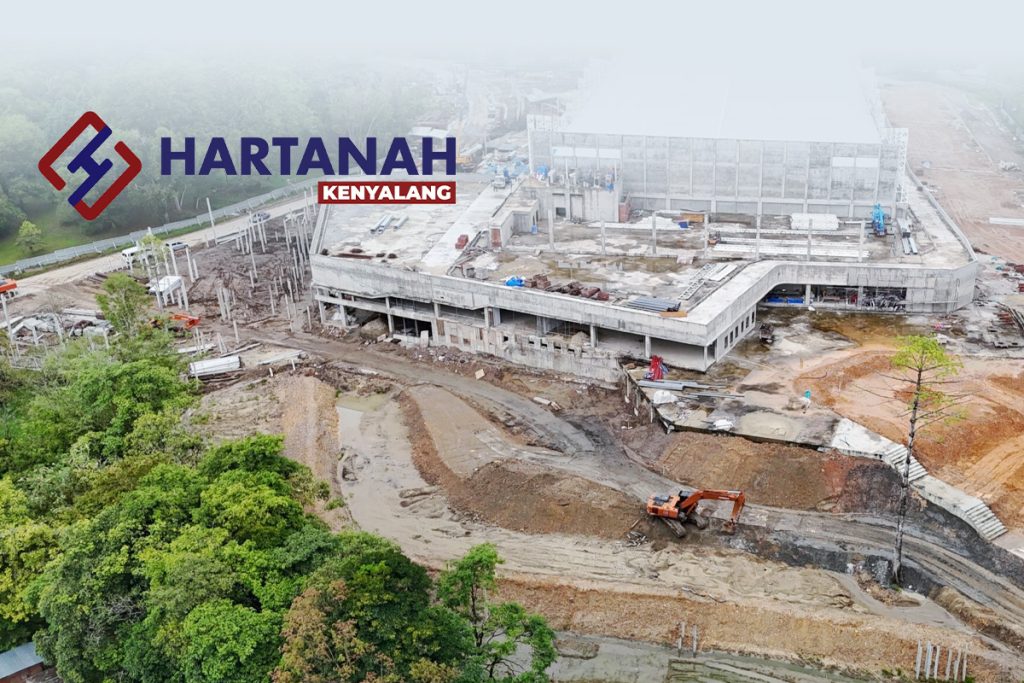
KUALA LUMPUR: Sarawak-based construction services firm Hartanah Kenyalang Bhd commenced trading on Bursa Malaysia’s ACE Market today, opening at 16 sen, matching its initial public offering (IPO) price. As of 10:28 a.m., the counter remained flat at 16 sen, with 14.55 million shares changing hands. The company successfully raised RM19.34 million from the IPO. Of the total proceeds, RM10.5 million has been allocated for project working capital, RM3 million for the acquisition of new machinery and IT-related hardware and software, RM2.1 million for the repayment of borrowings, and RM3.8 million to cover listing-related expenses. For the first financial quarter ended 31 January, Hartanah Kenyalang reported a net profit of RM1.9 million, with earnings per share of 0.38 sen, on revenue of RM44.8 million. -The Star

Investment & Market Trends, News

Gaw Capital Expands Middle East Investments Amid Regional Property Boom

Hong Kong-based multi-asset investment manager Gaw Capital is accelerating its investment activity in the Middle East, aiming to capitalise on the region’s robust post-pandemic rebound across real estate and industrial sectors. Christina Gaw, Managing Principal and Global Head of Capital Markets at Gaw Capital, confirmed the firm’s strategic interest in the United Arab Emirates and Saudi Arabia, citing strong demand for real assets across these rapidly growing markets. “The Middle East is very wealthy, but the question is what value can be added. The answer is expertise,” she said in a recent interview. “They want to attract talent and a wide range of businesses. We have tenants and enterprises ready to expand into the region, and we serve as a bridge to facilitate that expansion by offering capital and local networks.” In May, the firm acquired a residential property in Abu Dhabi valued at over $150 million. This follows a November agreement signed with Expo City Dubai and Lingang Group to explore the development of the Expo Life Science Park in Dubai. Gaw Capital anticipates closing an additional deal in the region in the second half of 2025. The firm, which reported $34.4 billion in assets under management as of the end of 2024, is planning to establish a dedicated investment vehicle to build a regional track record before allocating capital from its broader funds. This strategic shift aligns with the increasing inflow of business and foreign capital into the Middle East real estate market, supported by favourable economic conditions and development momentum in key sectors. While the Middle East emerges as a new focal point, Gaw Capital continues to expand its presence across Asia Pacific. The firm is currently raising a $2 billion fund targeting private equity and private credit investments in the region. Investors from the Middle East, Asia and North America have shown interest, driven by a desire to diversify in the face of evolving geopolitical dynamics. “Given the current uncertainties in the U.S., investors who have historically been overweight in the American market are now considering rebalancing,” said Gaw. “Asia, having underperformed over the past five years, now presents relative value and an opportunity for strategic repositioning.” In addition to its Middle East activities, Gaw Capital has recently completed other major investments including a more than $1 billion acquisition of Tokyo’s Tokyu Plaza Ginza mall in partnership with a joint venture, and a 45% stake in Agility Asset Advisers, a real estate asset manager in Japan. In its home market of Hong Kong, the firm is focusing on the private credit sector, particularly in upper-middle class residential developments. Gaw confirmed ongoing discussions with developers requiring liquidity and with banks seeking to offload non-performing loans. Gaw Capital, founded in 2005 by Christina Gaw’s two elder brothers, continues to diversify its investment portfolio both geographically and across asset classes, reflecting a proactive strategy in response to shifting global capital flows. -Reuters

Investment & Market Trends, News

Bursa Malaysia Opens Lower as Wall Street Decline

KUALA LUMPUR : Bursa Malaysia opened lower on Friday, mirroring overnight losses on Wall Street, as market sentiment turned cautious following heightened geopolitical tensions and weaker labour data from the United States. At 9.10am, the FTSE Bursa Malaysia KLCI (FBM KLCI) declined by 2.78 points to 1,515.34, down from Thursday’s close of 1,518.12. The benchmark index opened slightly softer at 1,516.91, registering a drop of 1.21 points at the start of trading. Market breadth was negative, with 207 counters declining against 84 gainers. A total of 243 counters remained unchanged, while 1,812 were untraded and 20 suspended. Turnover stood at 119.92 million units with a total value of RM70.92 million. Rakuten Trade Sdn Bhd equity research vice-president Thong Pak Leng noted that investors are closely monitoring developments surrounding a recent phone conversation between China’s President Xi Jinping and US President Donald Trump. Trump described the call as “very good”, raising expectations that a bilateral meeting may take place in the near future. Meanwhile, mixed signals from the US labour market added to investor caution. Latest data pointed to a slowdown in job growth, while the yield on the US 10-year Treasury note ticked up slightly to 4.39 per cent, suggesting market concerns over inflationary pressures and Federal Reserve policy direction. In contrast, Hong Kong’s Hang Seng Index advanced further, buoyed by China’s latest purchasing managers’ index (PMI) figures for May, which exceeded market expectations and helped alleviate fears of a broader economic deceleration. Domestically, the FBM KLCI came close to breaching the 1,520 level on Thursday, possibly driven by more aggressive stock accumulation by local institutional investors. “We were surprised by this sudden strong buying interest after a lacklustre performance throughout the past month. For today, we expect the index to hover within the 1,515 to 1,530 range,” said Thong. -Bernama

Investment & Market Trends, News

Ringgit Rises Marginally as US Services Index Misses Expectations

The ringgit made slight gains against the US dollar in early Thursday trading, supported by weaker-than-expected US economic data, though it posted mixed results against other major and regional currencies. According to Bank Muamalat Malaysia Bhd chief economist Dr. Mohd Afzanizam Abdul Rashid, the US Dollar Index (DXY) fell by 0.44% to 98.787 points after recent US economic indicators underwhelmed market expectations. He pointed to the US Institute for Supply Management (ISM) services index, which dropped below the key 50-point threshold to 49.9 in May—well below the forecasted 52.0—signaling a contraction in the services sector. “Based on the ISM survey, import tariffs were cited as a key source of uncertainty, pushing up raw material costs. Some suppliers are also holding back on inventory due to the unpredictable tariff environment,” Dr. Afzanizam noted. He added that this uncertainty may prompt investors and traders to reassess the strength of the US economy, potentially benefiting emerging market currencies like the ringgit. “Friday’s Nonfarm Payroll report will be another crucial indicator to watch,” he said. Looking ahead, he highlighted the upcoming US Federal Open Market Committee (FOMC) meeting on June 16–17 as a significant event, where the Federal Reserve is expected to unveil its macroeconomic forecast for the next three years. At 8am on Thursday, the ringgit inched up to 4.2410/2495 against the US dollar from Wednesday’s closing of 4.2435/2490. However, the local currency struggled against several other major currencies. It slipped against: The Japanese yen to 2.9705/9767 (from 2.9444/9486) The euro to 4.8428/8525 (from 4.8300/8362) The British pound to 5.7466/7581 (from 5.7427/7502) In regional trading, the ringgit remained flat against the Philippine peso at 7.60/7.62 but weakened against: The Singapore dollar to 3.2973/3040 (from 3.2906/2951) The Thai baht to 13.0132/0493 (from 12.9679/9911) The Indonesian rupiah to 260.2/260.8 (from 260.4/260.8) Despite Thursday’s modest improvement versus the greenback, market watchers will be closely monitoring upcoming US data and Fed policy moves for further direction on currency trends. -Business Today

Investment & Market Trends, News

Bursa Malaysia Rebounds as FBM KLCI Rises to 1,507.1 After Six-Day Slide

Bursa Malaysia opened on a firmer note on Wednesday, offering investors a degree of relief after enduring six consecutive sessions of decline. The FTSE Bursa Malaysia KLCI (FBM KLCI) advanced by 3.85 points to 1,507.10 at the opening bell, easing immediate concerns over a potential breach of the 1,500-point psychological threshold. The moderate rebound was seen as a response to pent-up bargain-hunting activity, with the index appearing oversold after an extended downtrend. Nonetheless, broader market sentiment remains cautious, weighed down by persistent net foreign outflows and a tepid corporate earnings outlook. TA Securities Research attributed the subdued investor mood to underwhelming first-quarter earnings from local corporates, compounded by weaker-than-expected manufacturing data from China—Malaysia’s largest trading partner. These developments have further clouded the market’s near-term direction and dampened risk appetite. “Immediate index support stays at 1,490, while stronger supports can be found at 1,465 and 1,444. Immediate resistance is kept at 1,564, with subsequent upside hurdles located at the recent high of 1,586, followed by 1,610,” the firm stated in its technical outlook. Wednesday’s early gains were supported by key blue-chip counters. Nestle (Malaysia) Bhd led the rebound, rising 30 sen to RM78.90. Kuala Lumpur Kepong Bhd added 10 sen to RM19.74, while Hong Leong Financial Group Bhd edged up eight sen to RM16.38. Among actively traded stocks, KNM Group Bhd slipped 0.5 sen to three sen, while Avangaad remained unchanged at 28 sen and Sunview Group Bhd held steady at 38 sen. Despite the technical rebound, analysts continue to caution against over-optimism, pointing to external headwinds and structural weaknesses within the domestic market as limiting factors for sustained recovery. -The Star

Investment & Market Trends, News

EPF Reports RM18.31 Billion in Q1 Investment Income as Global Risks Persist

The Employees Provident Fund (EPF) has reported a 13% year-on-year decline in investment income for the first quarter of 2025 (1Q25), recording RM18.31 billion compared to RM20.99 billion in the same period last year. The subdued performance reflects heightened geopolitical risks and economic uncertainty that have weighed heavily on global financial markets. This marks the fund’s weakest first-quarter return since 1Q22, when RM15.85 billion was generated, underscoring the volatility brought on by shifting global trade dynamics. EPF Chief Executive Officer Ahmad Zulqarnain Onn attributed the downturn to early-year disruptions in global markets driven by trade frictions and policy uncertainties, particularly surrounding the United States. “Although the US tariffs were formally announced on 2 April, markets were already pricing in volatility earlier in the quarter, leading to weakened sentiment,” he said in a statement. The timing and pace of monetary easing across regions have also diverged, further dampening investor appetite for risk. Dr Mohd Afzanizam Abdul Rashid, Chief Economist at Bank Muamalat Malaysia Bhd, noted that the pullback in global equity markets was expected, particularly as equity investments accounted for 59% of EPF’s total income during the quarter. “While the Q1 performance was soft, we have seen signs of a rebound in global equities in May, which may continue into June,” he remarked, suggesting a more optimistic outlook for the remainder of the year. Ahmad Zulqarnain emphasised that EPF’s globally diversified portfolio has helped cushion the impact of market volatility, preserving long-term value for members. Afzanizam echoed this, highlighting that 48% of EPF’s asset base remains in fixed income, providing stability and potential capital appreciation as global interest rates ease. Looking ahead, analysts expect improvement in EPF’s returns during the second half of 2025, though uncertainties remain. Afzanizam stressed the importance of US trade policy developments, particularly as the 90-day pause on tariffs concludes in July, noting that elevated geopolitical risks and fiscal concerns in the US may continue to weigh on market sentiment. Vincent Lau, Head of Equity Sales at Rakuten Trade, also anticipates a recovery in global markets as tariff tensions ease. “We expect statements from the White House soon that could provide the clarity markets need. That would bode well for Malaysia’s economic recovery,” he said. Despite some downward revisions in FBM KLCI valuations, Lau pointed to falling bond yields and strong risk appetite as encouraging signs. “Bitcoin reaching all-time highs also signals renewed investor confidence. EPF’s diversified portfolio and past dividend strength put it in a favourable position for a rebound.” Economist Geoffrey Williams noted that the FBM KLCI gained 13% in mid-May following the tariff pause, although these gains were not sustained due to profit-taking and lingering uncertainty. He cautioned that a domestic-centric investment approach may be limiting returns and advocated for more aggressive overseas diversification. In the first quarter, international investments generated RM8 billion, or 44% of EPF’s total investment income. Domestic investments, which make up 62% of total assets, continue to provide consistent income through dividends, interest, and sukuk profits. As of March 2025, EPF’s total investment assets stood at RM1.26 trillion, with 38% of this invested in international markets. Notably, the FBM KLCI has declined approximately 8% year-to-date and has contracted around 14% since its 2018 peak. In contrast, the Dow Jones has regained some ground after falling 16% earlier this year and is now up over 75% since 2018, reflecting the stronger long-term performance of foreign equities. With the International Monetary Fund lowering its global growth forecast for 2025 to 2.8%, and Malaysia’s GDP growth likely to come in below the earlier projection of 4.5%–5.5%, the outlook remains cautious. However, EPF maintains it is well-positioned. “In a more challenging and uncertain market environment, the EPF maintains a dynamic and well-diversified portfolio to help safeguard value and manage downside risks,” said Ahmad Zulqarnain. “We continue to explore opportunities across both domestic and international markets to support sustainable, long-term returns for our members.” Of the total Q1 investment income, RM15.87 billion was attributed to Simpanan Konvensional and RM2.44 billion to Simpanan Syariah. The EPF reaffirmed its commitment to allocating over 70% of its annual investments domestically, aligning with the government’s Ekonomi Madani framework. Additionally, through its GEAR-uP initiative, the fund is actively building investment opportunities in the healthcare sector, further reinforcing its role as a long-term institutional investor. -The Star

Investment & Market Trends, News

Gold Prices Rebound Amid US-China Trade Tensions and Weak Dollar

Gold prices remain subject to sharp fluctuations, with no definitive directional trend emerging as of early June 2025. Renewed geopolitical uncertainty and the escalating trade conflict between the United States and China are proving to be key catalysts for recent volatility in the precious metals market. As investors seek clarity in uncertain times, the outlook for gold remains complex and reactive to global macroeconomic and political developments. After posting a weekly decline of 2.02% for the period ending 30 May, spot gold prices have rebounded sharply at the start of this week, supported by renewed safe-haven demand. The immediate trigger appears to be rising tensions between the US and China, as well as ongoing instability in Eastern Europe. On Monday, Beijing accused Washington of violating the existing US-China trade truce following the imposition of additional US restrictions on chip-related technologies. These include tighter curbs on the export of critical jet engine parts to China, broader regulatory action targeting Chinese subsidiaries, and visa revocations for students linked to the Chinese Communist Party or studying sensitive disciplines. In response, China has reportedly delayed approvals for rare earth exports, a strategic countermeasure affecting US industry. In parallel, the global economic backdrop continues to send mixed signals. US manufacturing data released Monday showed contraction for a third consecutive month. The ISM manufacturing index printed at 48.5—below the forecasted 49.5—while its import component fell to a 16-year low. The export gauge also dropped to a five-year low. Furthermore, construction spending in April declined by 0.4%, defying expectations of a 0.2% increase. European data offered marginally more stability. The Eurozone’s final manufacturing PMI for May came in at 49.4, aligning with estimates. The UK manufacturing PMI surprised to the upside, registering 46.4 versus the projected 45.1. On the investment front, global gold ETF holdings stood at 88.508 million ounces as of 30 May. Significantly, this marked the first weekly inflow after five consecutive weeks of outflows, bringing year-to-date inflows to 6.82%. Market participants are now closely monitoring a series of pivotal economic indicators due later this week. These include the ECB’s monetary policy decision on 5 June, where the central bank is widely expected to implement a 25 basis point rate cut—its eighth reduction since initiating an easing cycle in June 2024. Key US data such as JOLTs job openings, ADP employment change, ISM Services, and non-farm payroll figures are also due. Meanwhile, investors are tracking China’s manufacturing and services PMIs and the Eurozone’s services data for broader global context. On the geopolitical front, developments in the Russia-Ukraine conflict continue to pose systemic risk. On 1 June, Ukraine’s Security Service launched a significant drone strike inside Russian territory, reportedly damaging 41 aircraft. Despite peace talks held in Istanbul on 2 June, the outlook for a lasting resolution remains bleak. Currency markets are responding accordingly. The US Dollar Index has slipped to 98.71, its lowest level since April 2022 excluding the tariff-induced dip in April 2024. Leading institutional investors have been scaling back their bullish forecasts on the greenback, adding further pressure. Concurrently, US 10-year and 30-year Treasury yields rose by 0.90% to 4.44% and 4.9781%, respectively. From a technical perspective, gold may gain further support if it closes above $3,372. Analysts advise adopting a buy-on-dips strategy with stop-loss levels set at $3,325 or $3,300. Should geopolitical risks escalate further and the dollar remain under pressure, gold could test key resistance at $3,400, followed by potential moves towards $3,414 and $3,435. Market watchers are advised to stay alert to ongoing US-China trade dynamics to better manage risk exposure. -Times of India

Investment & Market Trends, News

ICT Zone Debuts Flat on ACE Market Amid Subdued Investor Demand

KUALA LUMPUR: ICT Zone Asia Bhd began its maiden trading day on Bursa Malaysia’s ACE Market with a lacklustre performance, opening flat at 20 sen, matching its initial public offering (IPO) price. Investor sentiment remained subdued, with shares trading within a narrow band of 19 sen to 21 sen in early activity. As at 9.25am, the counter registered a slight uptick to 20.5 sen, with over 22 million shares changing hands. The modest reception mirrors the broader cautious mood among investors toward ACE Market listings in recent months. ICT Zone garnered a subscription rate of just 1.89 times from public investors during its IPO exercise — a relatively mild interest level compared to past market trends. The listing environment has been volatile, with global trade uncertainties weighing on investor confidence. Since March, a significant number of new ACE Market listings have posted weak performances on debut. ICT Zone is the second company to transition from the LEAP Market to the ACE Market in 2024, following geotechnical services provider Fibromat (M) Sdn Bhd’s transfer on 8 May. Beyond its trading activities, ICT Zone provides leasing solutions for computer hardware and software, and also offers cloud-based services. The company raised a total of RM30.8 million through its IPO. Of this, RM4.2 million was allocated to selling shareholders, namely ICT Zone Holding Sdn Bhd and co-founder and non-executive chairman Datuk Seri Ng Thien Phing, who collectively maintain a 72.85% stake in the business. Datuk Seri Ng is also the founder of Main Market-listed SkyWorld Development Bhd. The remaining RM26.6 million in gross proceeds will be utilised by ICT Zone to support its technology financing operations, fund sales and marketing initiatives, and cover listing-related expenses. Malacca Securities assumed multiple roles for the IPO, acting as principal adviser, sponsor, joint underwriter, and joint placement agent. Kenanga Investment Bank also served as joint underwriter and placement agent, while SCS Global Advisory (M) Sdn Bhd provided financial advisory support for the market transfer. -The Edge Malaysia

Scroll to Top

Subscribe
FREE Newsletter