Investment & Market Trends

Investment & Market Trends, News

Sarawak Secures US$1.5 Billion in Japanese Investments for High-Tech and Chemical Sectors

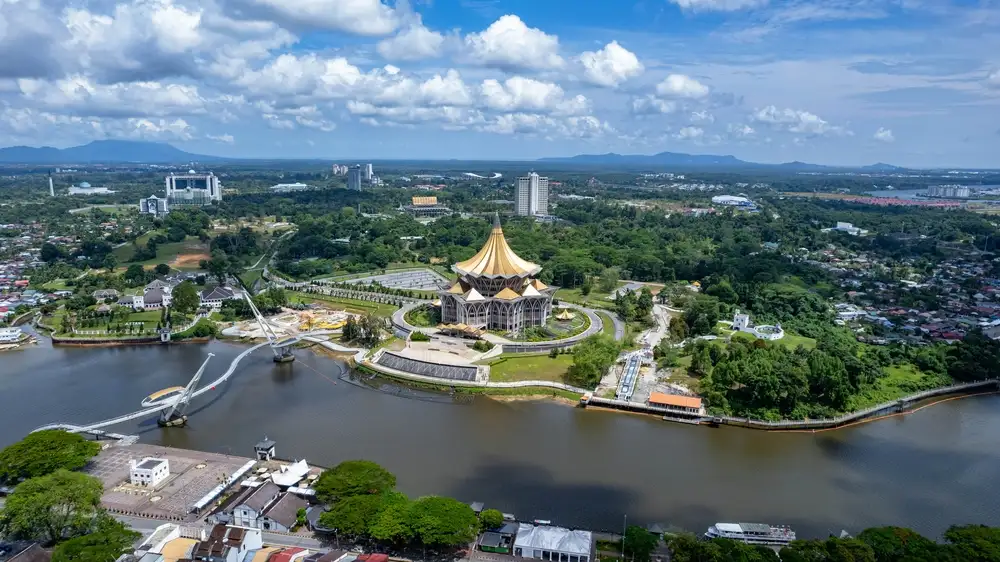
Sarawak’s reputation as a leading destination for international investment continues to grow, with two Japanese firms committing a combined investment of US$1.5 billion (approximately RM6.38 billion) in the region’s high-technology and chemical industries. According to a report by TV Sarawak (TVS), Sarawak Deputy Premier and Minister of International Trade, Industry and Investment, Datuk Amar Awang Tengah Ali Hasan, is currently in Osaka, Japan, where detailed discussions are underway regarding these strategic investments. One of the projects will see the construction of a semiconductor-grade polycrystalline silicon production facility, to be developed by Japan’s Tokuyama Corporation in partnership with South Korea’s OCI Company Ltd. The initiative represents an estimated investment of US$435 million and is expected to significantly enhance Sarawak’s global standing in high-performance semiconductor manufacturing. “The project has the potential to position Sarawak among the top five global hubs for advanced semiconductor production technology,” stated the Sarawak Ministry of International Trade, Industry and Investment. In parallel, a consortium of Japanese companies is preparing to invest an estimated US$1 billion in Sarawak’s chemical sector. Feasibility studies and site assessments are currently in progress, with the Sarawak government committed to accelerating the approval process to facilitate swift decision-making. These investments are closely aligned with Sarawak’s Post-COVID-19 Development Strategy 2030, which focuses on driving economic growth, promoting social inclusivity, and ensuring environmental sustainability. “The Sarawak government is unwavering in its support for high-impact investment projects of this nature. We provide a stable, competitive business environment underpinned by modern infrastructure and a highly skilled workforce,” said Awang Tengah. He affirmed the government’s full commitment to ensuring the successful execution of both projects. -Bernama

Investment & Market Trends, News

US-China Trade Tensions Spark 2-Month Low in Hong Kong Equities

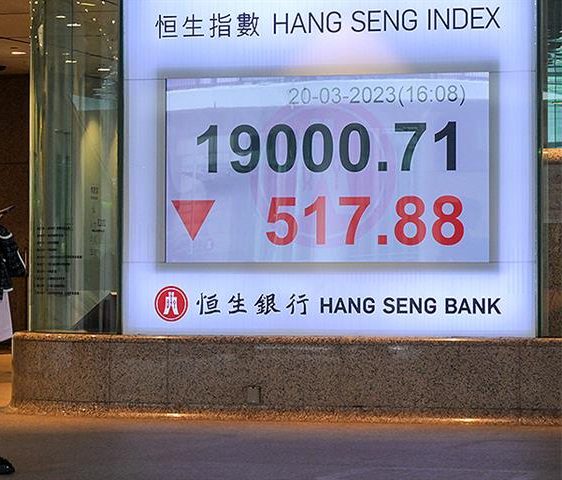
Hong Kong’s equity markets suffered their steepest decline in nearly two months on Monday, driven by renewed geopolitical friction between the United States and China and underwhelming property sector data. The downturn highlights mounting investor unease over the fragile state of global trade relations and domestic economic headwinds. The Hang Seng Index dropped 2.2 per cent to 22,778.45 by the midday trading break, marking its largest single-session loss since 7 April. The Hang Seng Tech Index also declined by 2.4 per cent. Mainland Chinese markets remained closed for the Dragon Boat Festival and are scheduled to resume trading on Tuesday. Market breadth was broadly negative, with 78 of the Hang Seng’s 83 constituents recording losses. Notably, electric vehicle manufacturers led the retreat: Li Auto fell 4.2 per cent to HK$107.60, while BYD declined 3.2 per cent to HK$380.20. Kuaishou Technology, a leading short-video platform, dropped 3.7 per cent to HK$51.35, and Anta Sports Products fell 3.5 per cent to HK$92.15. Conversely, casino operators defied the broader market trend. Sands China gained 1.2 per cent to HK$15.60, and Galaxy Entertainment Group rose 0.8 per cent to HK$33.65. Their uptick came after gaming revenue in Macau climbed 5 per cent year-on-year in May, reaching its highest level since January 2020. The sell-off followed comments from former US President Donald Trump, who accused China of breaching a significant portion of the trade tariff agreement, although he provided no specifics. Market sentiment was further dampened by Washington’s escalating measures targeting China, including export controls on AI-related chips and proposed visa restrictions for Chinese students. Beijing responded on Monday, accusing the US of violating prior commitments made during Geneva talks. “If the US insists on acting unilaterally and continues to harm China’s interests, China will resolutely take strong measures to safeguard its legitimate rights,” a spokesperson from China’s Ministry of Commerce stated. Analysts at Nomura, including Jing Wang, noted that the recent escalation could cast a shadow over trade discussions during the current 90-day truce period. They also warned that the ongoing strategic decoupling between the two nations appears to be accelerating. In the property sector, new figures showed that sales among China’s top 100 developers rose 3.5 per cent month-on-month in May, according to data from China Real Estate Information Corporation. Despite the uptick, the performance fell short of expectations, particularly given that May is typically a strong month for property transactions. Elsewhere across the Asia-Pacific region, Japan’s Nikkei 225 declined 1.6 per cent, while South Korea’s Kospi and Australia’s S&P/ASX 200 each registered losses of 0.3 per cent. -South China Morning Post

Investment & Market Trends, News

Apple Faces Further iPhone Shipment Decline in China as Huawei Gains Market Share

Apple Inc. is projected to face yet another year of declining iPhone shipments in China, as mounting competition from domestic brands—particularly Huawei Technologies—continues to erode its market share in the world’s largest smartphone market, according to new data from IDC. The US tech giant’s shipments in China are forecast to fall by 1.9% in 2025, driven by Huawei’s renewed momentum in the premium segment and a broader economic slowdown affecting consumer spending. IDC’s report, published Thursday, also attributes the decline to Apple’s exclusion from a major government subsidy initiative, which favours consumer electronics priced below 6,000 yuan (approx. US$818)—a threshold that disqualifies most iPhone models. By contrast, China’s overall smartphone market is projected to expand by 3% in 2025, buoyed by demand for Android devices that benefit directly from the government’s consumer stimulus policies. The data highlights the intensifying challenges Apple faces in maintaining its foothold in China, its second-largest market after the United States. The competitive landscape has shifted rapidly, particularly with Chinese manufacturers leading the charge in integrating artificial intelligence (AI) capabilities into their devices. Apple, meanwhile, is still awaiting regulatory clearance to introduce its own AI-driven service, Apple Intelligence, in the Chinese market. For the fiscal quarter ending 29 March 2025, Apple reported a 2.25% year-on-year decline in revenue from the Greater China region—which includes mainland China, Hong Kong, and Taiwan. This follows an 8% revenue drop for the fiscal year ending 28 September 2024, and a 2% decline the previous year, further underlining the company’s diminishing momentum in the region. In the first quarter of 2025, iPhone shipments in China plunged 9% year-on-year, making Apple the only brand among the top five vendors to post a decline, according to IDC. In sharp contrast, Xiaomi’s shipments surged 39.9%, and Huawei recorded a 10% increase during the same period. Sales figures echoed the trend. According to Counterpoint Research, iPhone sales declined 7.7% year-on-year in the first quarter, while Huawei saw its handset sales jump 28.5%. Despite these headwinds, there are signs of short-term reprieve. Deep discounts during China’s upcoming 618 shopping festival—the nation’s largest retail event outside of Singles’ Day—may help bolster iPhone sales. Moreover, the anticipated launch of the iPhone 17 series in September, expected to feature substantial hardware upgrades, could provide renewed momentum for Apple in the Chinese market. -South China Morning Post

Investment & Market Trends, News

Suzuki Allocates Over Rp 1 Trillion for Fronx Development in Indonesia

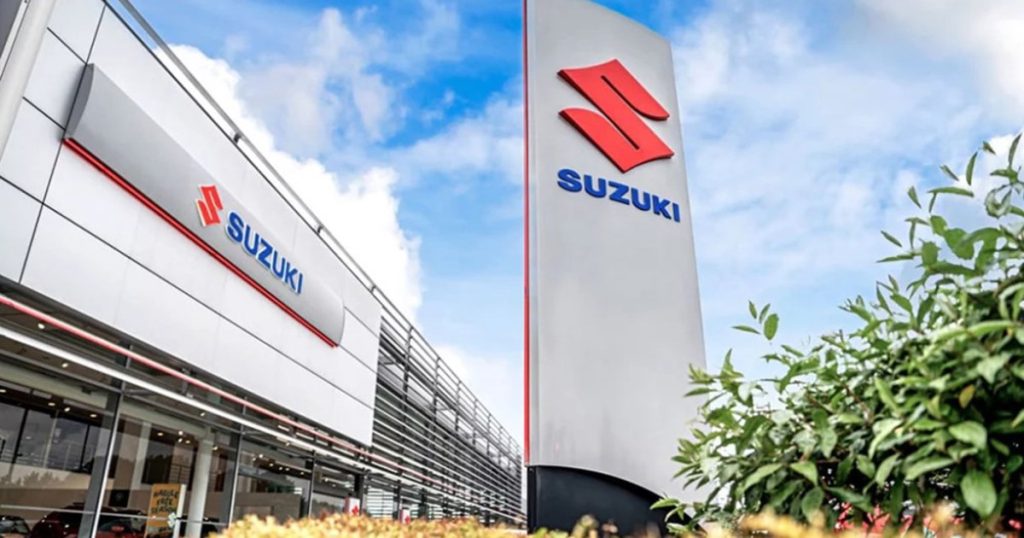
Jakarta: Suzuki, the Japanese automotive giant, has invested more than Rp 1 trillion (approximately $61 million) in the development of its latest vehicle, the Fronx, in Indonesia. This strategic investment signals a robust commitment to local manufacturing and hybrid technology advancement in one of Southeast Asia’s most dynamic automotive markets. The Fronx, which is offered in both petrol and hybrid variants, is being assembled domestically with a local content level of around 60 percent, according to Suzuki Indomobil Motor (SIM), the brand’s manufacturing arm in Indonesia. The new model is available in a range of trims, including the GL, priced at Rp 259 million for the manual version and Rp 271 million for the automatic; the GX at Rp 276 million (MT) and Rp 293.3 million (AT); and the premium GSX variant, offered exclusively in automatic transmission at Rp 319.9 million. SIM Executive Director Shodiq Wicaksono confirmed the significant investment during the Fronx’s official launch in Jakarta, noting that “over Rp 1 trillion has been allocated solely for component procurement,” with overall development costs exceeding that amount. The Cikarang plant in West Java has been designated as the sole global production hub for the Fronx, which is positioned as a strategic global model under Suzuki Motor Corporation. The facility currently operates on a single production shift and manufactures the Ertiga, XL7, and Fronx models, with a maximum annual capacity of 108,000 units. Minoru Amano, President Director of Suzuki Indomobil Sales, emphasised that the investment seeks to elevate the Cikarang facility into a world-class production and export base. Amano noted that by exceeding regulatory local content thresholds for low-emission vehicles, Suzuki aims to bolster its contributions to Indonesia’s national economy and industrial development. He described the Fronx as a cornerstone of Suzuki’s future strategy in Indonesia, targeting monthly sales of 2,000 units. “The Fronx is not just a new model. It represents a new pillar for our business in Indonesia,” Amano stated. Deputy Industry Minister Faisol Riza praised Suzuki’s ongoing commitment and highlighted the Fronx launch as a milestone for Indonesia’s automotive sector. He underscored its relevance in strengthening the country’s role in the global automotive supply chain and advancing sustainable vehicle adoption. “This launch marks Suzuki’s strong commitment to the Indonesian market and demonstrates international confidence in the country’s automotive potential,” Riza commented. The Fronx follows the momentum of Suzuki’s previous hybrid models, including the Ertiga Hybrid and XL7 Hybrid. Government officials expressed optimism that the new model will cater to both domestic and international markets, reinforcing Indonesia’s position as a rising automotive production hub. Last year, Suzuki Indomobil Motor manufactured 73,000 vehicles, securing its place among the top five car manufacturers in Indonesia. -Jakarta Globe

Investment & Market Trends

Japan Expands Strategic Investment in Africa

Japan is intensifying efforts to support its private sector in expanding operations across Africa, a region where the country has traditionally been perceived primarily as a donor. This renewed focus aligns with Japan’s broader strategic intent to diversify its global economic partnerships and reduce reliance on China. Takehiko Matsuo, Vice-Minister for International Affairs at Japan’s Ministry of Economy, Trade and Industry, highlighted this shift during a recent visit to Abidjan, Ivory Coast’s commercial capital. “The mindset of Japanese business leaders has changed dramatically. They are now much more proactive about expanding their business globally,” Matsuo said. “Africa is one of the destinations where we expect Japanese companies to grow their presence.” Japan’s private sector had previously exhibited caution on overseas ventures, constrained by a domestic economy that endured three decades of deflation. However, the economic landscape is evolving. Recent data show that consumer prices have consistently met or exceeded the Bank of Japan’s 2% inflation target for three consecutive years, encouraging greater risk appetite among Japanese corporations. This change is mirrored in Japan’s international investment profile. The country’s net external assets reached a record high in 2024, with the United States and the United Kingdom remaining key destinations for foreign direct investment. However, Africa currently receives only about 0.5% of Japan’s foreign direct investments. The timing of Japan’s renewed engagement is also significant for Africa. With geopolitical shifts, including the return of President Donald Trump to the White House and the subsequent reduction in US aid, mobilising private sector capital has become increasingly critical for the continent. Japan’s efforts could offer mutual benefits. According to research by Goldman Sachs, Africa’s demographic and economic trajectory suggests that by 2050, one in four people globally will be African. By 2075, six of the world’s largest economies may be in the Global South, including Nigeria. Japan is prioritising strategic sectors such as critical minerals, base metals, and rare earths, all essential to reducing its dependence on Chinese imports. “We are pretty much depending on Chinese companies,” Matsuo noted. “I’m not saying that we cannot work with Chinese companies, but only depending on one country may be causing some vulnerability.” Evidence of Japan’s commitment is already emerging. Trading conglomerate Mitsui & Co. was the top bidder for a stake in First Quantum Minerals Ltd.’s Zambian copper mines, according to Bloomberg. In parallel, Japanese firms are exploring opportunities in technology-driven services and green innovation. Fujifilm is developing preventive medical care services suitable for regions with limited health insurance coverage. Toyota Tsusho is investigating automotive recycling systems, while Hitachi Construction Machinery is introducing hybrid dump trucks for environmentally friendly mining operations. Japanese investors are also showing interest in green hydrogen and ammonia, technologies seen as vital to decarbonising industrial sectors. The Japanese government is fostering broader collaboration through new initiatives, including a programme launched this month to link Japanese and African startups and drive innovation. In terms of development aid, Japan remains a major contributor. In 2022, it was the third-largest provider of overseas development assistance to sub-Saharan Africa among OECD members, disbursing $1.68 billion in gross aid. Unlike the US or the UK, Japan has not signalled any reduction in its aid commitments. Matsuo underscored this commitment by highlighting the upcoming Tokyo International Conference on African Development (TICAD), scheduled for August in Yokohama. “This year, we will have the biggest meeting for collaboration between Japan and African countries,” he said. “In that sense, we are rather making efforts to expand our cooperation.” -Japan Times

Investment & Market Trends, News

41% of Japanese Rice Farmers Anticipate Price Decline in 2026

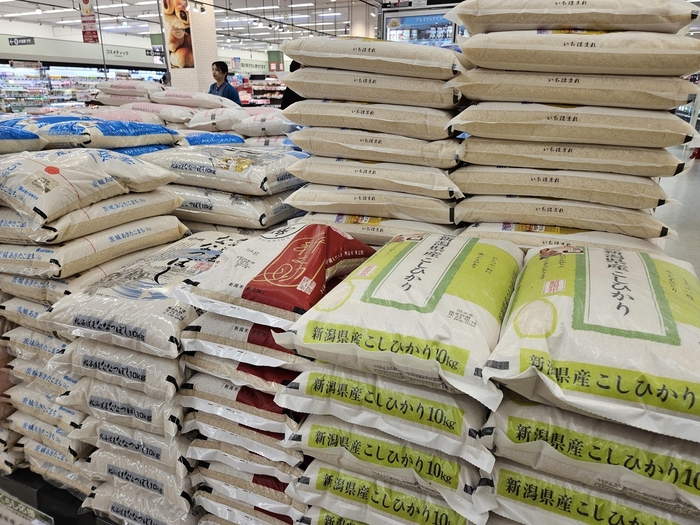
A recent survey conducted by the Japan Agricultural Corporations Association has revealed growing concern among large-scale rice farmers regarding the future of rice pricing. According to the results, 41.0 per cent of respondents expect the retail price of rice harvested in 2026 to be lower than that of the 2025 crop, while only 22.9 per cent anticipate higher prices. In contrast, 72.3 per cent expect prices for 2025 rice to surpass those of the 2024 harvest. The online survey was carried out between 12 and 19 May, receiving feedback from 188 members of the association. The findings come at a time when rice prices in Japan have surged to record levels, leading the government to intervene by releasing stockpiled rice to the market in an effort to stabilise consumer prices. Retailers began selling this rice to consumers on Saturday for the first time. At a press conference, Association Chairman Kazushi Saito voiced concerns over the sustainability of current price levels, warning that a potential price collapse in 2026 could significantly impact farm management. He attributed the risk to increased domestic production and the availability of cheaper imported rice. Regarding the 2024 crop, 53.7 per cent of farmers stated that current prices are excessively high. In terms of producer prices, the most frequently reported range was between ¥20,001 and ¥25,000 per 60 kilograms, as cited by 45.2 per cent of respondents. When compared to 2023 prices, the largest segment—38.3 per cent—indicated that current prices have risen by ¥5,001 to ¥10,000, while 5.0 per cent reported an increase of ¥15,001 to ¥20,000. Farmers also highlighted a number of operational challenges, including elevated costs for construction and machinery, labour shortages, and the looming threat of a price downturn driven by overproduction. -Japan Times

Investment & Market Trends

KPJ Healthcare Posts RM57.1 Million Net Profit in Q1 2025

KUALA LUMPUR: KPJ Healthcare Bhd reported a net profit of RM57.1 million for the first quarter ended 31 March 2025 (Q1 FY2025), down from RM71.4 million in the same period last year. Despite the decline in net profit, the group’s revenue rose to RM971.8 million from RM908.0 million in Q1 FY2024, supported by increased patient volume and expanded bed capacity across its hospital network. Profit before tax grew 7% to RM97.7 million, while EBITDA climbed 4% to RM211.3 million. In a Bursa Malaysia filing, KPJ attributed the performance to improved operating margins and service efficiency. The board declared an interim dividend of 0.8 sen per share, payable on 11 July 2025. Looking ahead, the group remains cautiously optimistic, supported by asset optimisation, ongoing capacity expansion, and operational efficiency. The opening of its 30th hospital in Kuala Selangor this March further solidifies its position as the largest private healthcare provider in Malaysia.

Investment & Market Trends

Destini Delivers RM23.2 Million Profit Over Nine Months

KUALA LUMPUR: Engineering solutions provider Destini Berhad has posted a net profit of RM23.2 million for the nine-month period ended March 31, 2025, buoyed by steady growth across its rail, defence, and energy operations. The group’s revenue totalled RM250.2 million, reflecting robust demand and the continued execution of high-value contracts. The company’s latest quarterly performance also remained solid. Destini recorded revenue of RM87.67 million for the third quarter, a 4.9% increase from RM83.56 million in the preceding quarter. Profit after tax for the period came in at RM8.47 million, up 4.8% quarter-on-quarter from RM8.09 million. Executive director Ismail Mustaffa expressed confidence in the group’s prospects, stating that Destini is on track to close the financial year on a strong note. “With sustained momentum across all business segments, the ongoing execution of high-value contracts, and strategic contributions from recent acquisitions, Destini is well-positioned to deliver continued growth,” he said. A key indicator of the group’s future potential is its growing tender book, which stood at RM1.01 billion as of March 31, underscoring Destini’s strong pipeline of opportunities. Segmental Highlights Destini’s mobility division emerged as the top-performing segment, contributing RM49.6 million in revenue and RM4.32 million in profit after tax and non-controlling interest (PATNCI). The strong showing was attributed to the successful delivery of three train units to the Ministry of Transport and the first revenue contribution from its recent acquisition of Trovon Group Pty Ltd, an Australian firm. The acquisition is expected to bolster Destini’s access to international markets and positively impact future earnings. In a notable turnaround, the aviation and defence segment posted RM22.42 million in revenue and RM2.42 million in PATNCI, rebounding from a loss of RM3.97 million in the same period last year. This marks a significant recovery in the division, driven by improved operational execution and contract fulfilments. The marine division delivered RM12.27 million in revenue and RM1.07 million in PATNCI, maintaining a steady contribution to the group’s overall performance. Meanwhile, the energy segment reported a modest RM260,000 profit on RM3.38 million in revenue. The return to profitability was supported by increased rig-related activity and effective cost management. A Diversified Engineering Powerhouse Destini is an integrated engineering group with diversified operations in mobility, aviation and defence, marine, and energy. The company offers maintenance, repair, and overhaul (MRO) services for both rail and aviation assets, supplies marine safety and defence equipment, and is expanding into renewable energy solutions. The group’s strategic expansion, particularly through its acquisition of Trovon, signals its intent to strengthen its global presence and unlock new sources of revenue. As its tender book grows and operational performance improves across all sectors, Destini is positioning itself as a resilient and future-ready engineering partner in Malaysia and beyond. With one quarter left in the fiscal year, market watchers will be observing whether Destini can sustain its upward momentum and deliver on its growth ambitions amid a complex global economic environment.

Investment & Market Trends

Tune Protect Group Posts Strong 1Q25 with 100% PAT YoY Growth

Tune Protect Group Berhad (TUNEPRO, 5230) has begun its financial year on a strong note, recording a 100% year-on-year (YoY) growth in Profit After Tax (PAT) for the first quarter of 2025 (1Q25). This robust performance was underpinned by a notable turnaround in its net insurance service result and a sustained improvement in operational efficiency. According to How Kim Lian, Chief Executive Officer of Tune Protect Group, the group posted a net insurance service result of RM5.8 million in 1Q25, a stark improvement from the RM9.3 million loss in the same period last year. This recovery was driven by a 30.6% reduction in net incurred claims and attributable expenses, primarily due to more favourable claims experience in the Motor and Fire segments. The Group’s combined ratio improved to 93.4%, down from 109.8% in 1Q24, reflecting better underwriting performance. The Group’s PAT rose to RM7.4 million in 1Q25 from a loss after tax of RM3.9 million YoY. Although insurance revenue dipped slightly by 6.5% to RM88.5 million, the decline was partially offset by a stronger showing in the travel insurance portfolio. The increase in travel insurance revenue was attributed to higher take-up rates and expanded distribution channels, which mitigated the impact of higher acquisition costs. Investment income saw a 14.2% decline to RM8.1 million, largely due to market volatility and uncertainty surrounding US tariff policies. Despite this, the Group maintained a conservative investment strategy, shifting its portfolio to low-risk unit trust funds focused on Malaysian Government Securities and government-backed corporate bonds. This repositioning allowed the Group to benefit from the fixed income rally in April 2025, with further gains anticipated from potential rate cuts. Tune Protect’s travel segment continued to gain momentum with a 22% YoY increase in revenue. The Group activated six of the top ten key agents for its airline partner in Malaysia and expanded into new B2B markets including Zambia, Sri Lanka, Pakistan, and Kenya. Strategic digital partnerships, such as with AirPaz in Malaysia, Gettgo in Thailand, and TrueDtac in Thailand, supported this growth by improving accessibility to travel and personal accident insurance. In EMEIA, the Group launched Pet Health insurance through the Shory platform, demonstrating agility in addressing emerging consumer needs. Efforts to optimise pricing and portfolio management contributed to improvements in the Motor segment’s performance. The Group reported a second consecutive quarter of reduced net claims incurred (NCI) ratio, thanks to better claims management practices. A 5-percentage point YoY reduction in the Motor loss ratio and a 6% YoY rise in average premiums for Private Car policies reflected stronger underwriting and pricing discipline. The motorcycle segment’s share grew to 18.4% in 1Q25 from 17.6% in 4Q24, while Private Car Comprehensive policies valued above RM50,000 increased to 25.5% from 25.1%. Looking ahead, Tune Protect remains focused on three strategic pillars: expanding market reach, establishing a travel centre of excellence, and enhancing the travel experience through value-added services. The Group plans to introduce its insurance offerings in Pakistan and Uzbekistan, launch inbound travel products in the Philippines, and extend its partnership with AirPaz in Indonesia and Thailand. It is also set to roll out innovative products such as Baggage Shield for sports equipment and checked baggage, along with new services like Flight Watcher and Travel eSIM. The Group’s Delay Lounge Pass – already launched in Vietnam and Indonesia – will soon be available in the Philippines, reinforcing its commitment to delivering comprehensive travel solutions across ASEAN. With over 500,000 policies sold as of March 2025 and a 50% increase in airline platform take-up rates driven by enhanced UI/UX, Tune Protect’s continued digital innovation and customer-centric approach are set to sustain its positive momentum throughout the year.

Investment & Market Trends

PDD Holdings Profit Plunges 47%

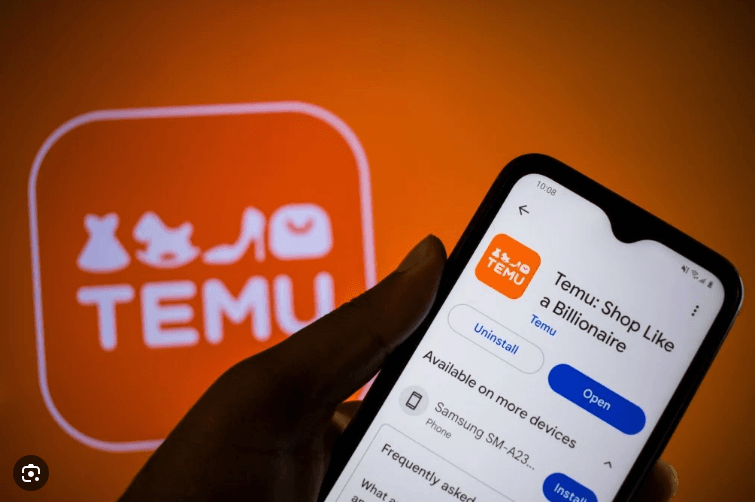
PDD Holdings, the Chinese e-commerce giant behind Temu and Pinduoduo, reported a 47% year-on-year drop in net profit for the first quarter to 14.74 billion yuan (US$2.05 billion), falling significantly short of analyst expectations. Revenue also missed estimates, coming in at 95.67 billion yuan against a projected 102.51 billion yuan. The company attributed the steep profit decline to tighter margins, driven by US tariffs, heightened promotional spending, and a challenging macroeconomic environment. Shares listed in the US plunged over 17% following the announcement. Domestically, PDD’s budget-focused Pinduoduo platform is grappling with intensified competition and sluggish consumer spending, exacerbated by China’s prolonged property sector downturn. Internationally, Temu faces uncertainty amid escalating US-China trade tensions, despite a recent temporary easing of tariffs under the “de minimis” rule. Analysts pointed to elevated advertising and promotion costs as necessary investments in merchant support and long-term ecosystem health, though they weighed heavily on short-term profitability. Chairman and Co-CEO Chen Lei reaffirmed the company’s global strategy, noting efforts to maintain low prices and ensure supply chain stability by partnering with local merchants.

Scroll to Top

Subscribe
FREE Newsletter