Investment & Market Trends

Investment & Market Trends, News

Tune Protect driving future performance with a focus in Travel

KUALA LUMPUR: Tune Protect Group Berhad’s (“Tune Protect” or “Group”; TUNEPRO, 5230) financial results for the second quarter of the financial year 2024 (“2Q24”) were affected by one-off impairments from the Group’s subsidiary Tune Protect Ventures (“TPV”) and its associate company, Tune Protect Thailand (“TPT”), and abnormally high fire losses. Insurance revenue also declined 6.7% year-on-year (“YoY”) which led to a Loss Before Tax (“LBT”) of RM10.3 million. How Kim Lian (“How”) Tune Protect Group’s Chief Executive Officer elaborated further on the key factors affecting the Group’s 2Q24 financial performance.   Normalised numbers, excluding one-off impairments and claims   “The Group’s profitability was impacted by the one-off impairments from TPV of RM3.0 million, as well TPT of RM4.9 million. Our net claims incurred were also higher as we experienced two abnormally large fire losses in 2Q24, contrary to 2Q23 where we had benefitted from the better-than-anticipated claims experience from the Tenang Personal Accident (“Tenang PA”) scheme, which had since been discontinued,” said How.   Consequently, the Group’s combined ratio increased by 9.9% YoY due to the higher net incurred claims and attributable expenses. Increased acquisition cost ratio also contributed to the increase in the Group’s combined ratio, partially offset by a lower reinsurance ratio.   “The lower reinsurance ratio was due to the Group’s gradual exit from the Large Industrial Risk business leading to savings in reinsurance premiums. If we were to remove the anomalies mentioned above from the equation, overall, the Group would have recorded a slight Profit Before Tax (“PBT”) of RM1.5 million,” added How. Tune Protect Group (RM’mil)            2Q24 2Q23 YoY 1H24 1H23 YoY Insurance revenue 95.4 102.3 -6.7% 190.0 224.3 -15.2% Net incurred claims and attributable expenses (50.9) (39.8) 28.1% (108.0) (87.8) 23.0% Amortisation of insurance acquisition cash flow (34.9) (36.6) -4.7% (66.9) (68.9) -2.9% Allocation of reinsurance premiums (14.5) (21.2) -31.4% (29.3) (57.0) -48.6% Net insurance service result (4.9) 4.8 >-100% (14.2) 10.4 >-100% Combined ratio 105.2% 95.3% 9.9% 107.5% 95.4% 12.1% Total investment income 7.0 8.7 -19.7% 16.4 18.0 -8.9% Total other income and expenses (7.3)     (2.5) >100% (11.7) (12.6) -7.0% Share of results1 (5.0) 2.0 >-100% (4.8) 1.0 >-100% Profit/(loss) before tax (10.3) 13.0 >-100% (14.3) 16.8 >-100% Profit/(loss) after tax (10.1) 11.2 >-100% (14.0) 14.4 > -100% Notes: Share of results of an associate (TPT) and a joint venture company (TP EMEIA) Amounts presented may not foot due to rounding.   Stable investment performance and strategy   The Group maintains a conservative investment strategy while looking for opportunities to enhance its overall investment returns. Moving forward, it plans to progressively increase its investment into Low-Risk Unit Trust Funds, with underlying investment predominantly in Malaysian Government Securities, Government Investment Issues, and Government Guaranteed Corporate Bonds.   “The Group’s investment performance in 1H24 has been stable and we expect more of the same in 2H24. We will be rebalancing some of our money market or fixed deposits into Malaysian government guaranteed bond funds where we are aiming for a reallocation mix of 2% in deposits and 98% in low-risk unit trust funds by the end of 2024,” said How.   Capitalising on market gaps and opportunities   The Group is reprioritising its efforts in the Travel segment with various initiatives in key growth areas such as championing the regional travel ecosystem. For example, it is focused on increasing the take-up rate (“TUR”) through existing distribution channels, such as AirAsia.   “Through in-depth analysis of our current Travel business, we acknowledge that more can still be done to address the gaps in the take-up rate for the Group’s airline business such as AirAsia. Now that we’ve seen where the gaps are, we will be actively rolling out various initiatives to increase the take-up rate and grow our Travel business further,” said How.   To capitalise on various market gaps and opportunities identified by the Group, there are exciting plans to optimise the airline market by seizing new opportunities based on flight durations and meeting the demands of customers with new products based on certain behaviours and lifestyles.   For medium-haul flights, there are opportunities to reprice bundled products to be more competitive by offering better product benefits. For international short-haul flights, the Group is benchmarking the affordability of insurance relative to air tickets and premiums to airfare ratio. It is conducting some experiments to increase the TUR by adjusting prices to match affordability.   “We are also actively looking at addressing market needs with unique new products. For example, for budget-conscious non-tourists we plan to offer gadget protection at low premiums on top of our travel insurance. For eventgoers and concertgoers, we plan to offer event protection at affordable premiums. For affluent travellers, we plan to offer cancellation insurance,” explained How.  

Investment & Market Trends

DNeX receives contract extension for National Single Window for Trade Facilitation

CYBERJAYA: Dagang NeXchange Berhad (“DNeX”), through wholly-owned subsidiary company Dagang Net Technologies Sdn Bhd, has received a contract extension from the Government of Malaysia for the National Single Window (“NSW”) for Trade Facilitation.   The new contract extension spans for one year, from 1 September 2024 until 31 August 2025. Dagang Net has been the operator of the NSW for Trade Facilitation since it was first launched in 2009. The NSW for Trade Facilitation contributes about 6.9 per cent of DNeX Group’s revenue, the majority of which is coming from its Technology and Energy business segments as a result of the Group’s aggressive diversification.  For information purposes, the Group’s audited revenue for the 18-month financial year ending 31 December 2023, stood at RM1.912 billion.   The NSW for Trade Facilitation is a one-stop system linking the trading community with relevant Government agencies and various trade and logistics parties through a single interface. It connects more than 45,000 users, processes over 100 million electronic transactions annually, and integrates with 36 Permit Issuing Agencies, 16 banks, and 167 Customs stations with 24/7 call centre services and has a 99.9 per cent system uptime ensuring exporters and importers can accomplish their business anytime and anywhere.   Under the contract extension, DNeX will continue to deliver six essential eServices of the NSW for Trade Facilitation, namely eDeclare, eManifest, ePCO, ePermit, ePermitSTA, and ePayment, optimising trade flows by providing a digital platform for seamless interactions among the trading community, Customs, and related agencies.   DNeX’s Executive Chairman Tan Sri Syed Zainal Abidin Syed Mohamed Tahir Jamalullail expressed the Group’s sincere gratitude to the Government of Malaysia, specifically the Ministry of Finance and the Royal Malaysian Customs Department for their continued trust in DNeX.   “The contract extension is a testament to the Group’s strength and capabilities in delivering innovative and efficient trade facilitation solutions. We remain committed to delivering eServices for trade facilitation that exceed our client’s expectations and empower businesses to optimise their operations and drive growth. DNeX Group has once again proven its capability and moving forward, we plan to bring this established track record to other countries.    Since Dagang Net’s inception in 1989, we have continued to enhance our solutions with additional features and modules as well as value-added services to better facilitate export and import activities in the country. Hence, we believe we have the proficiency to offer such in-house developed services and solutions and market them to other countries.” he said. With 35 years of experience in providing eServices for trade facilitation, Dagang Net has been enabling the electronic exchange of trade documents among businesses and approving authorities and agencies.   “Our eServices are developed, managed and maintained by a group of dedicated and energetic local talents where we have successfully managed to consistently achieve the required service level availability and service level agreements. We are also managing the ASEAN Single Window for Malaysia,” said Tan Sri Syed Zainal Abidin Syed Mohamed Tahir Jamalullail.   He said the company’s services offerings, which are already entrenched in trade facilitation, also cover the development, implementation and maintenance of Phase 1 of the Malaysia Maritime Single Window (“MMSW”). MMSW is a central platform developed to facilitate end-to-end information flow which in turn will serve as a one-stop portal through a single sign-on and single submission for maritime regulatory and port services transactions at a national level.   Further extending the reach of the NSW for Trade Facilitation to include air mode, he said the company is currently developing the Air Manifest system, which enables the electronic exchange of critical documents in the air cargo industry, which is essential for an airline’s operational management, as well as for Customs and security purposes. This service ensures transparency and accountability, making it a key document for all stakeholders involved in air freight.   “All these connectivities developed by Dagang Net ensure the relevant stakeholders have proper oversight and view on all air and maritime trade points of entry, and moving forward we can extend this to include oversight in other areas as we seek to leverage on our capability to offer more solutions to our customers in the trade facilitation business,” added Tan Sri Syed Zainal Abidin Syed Mohamed Tahir Jamalullail.   The National Single Window for Trade Facilitation – An Overview In Malaysia, the National Single Window (“NSW”) for Trade Facilitation serves as the foundation of the nation’s electronic trade ecosystem. This one-stop system, an initiative by the Malaysian Government under the Ministry of Finance, was launched in 2009 to streamline clearance procedures, enable the electronic exchange of trade-related data, and reduce business costs, thereby enhancing trade efficiency and national competitiveness.   Dagang Net, the sole operator of Malaysia’s NSW, facilitates electronic customs transactions, duty payments, and the transfer of electronic documents among members of the trading community. This platform supports Malaysia’s efforts to promote seamless trade and enhance the country’s attractiveness as a trade hub.   The platform connects exporters and importers with customs, freight forwarders, and other key stakeholders within the trade ecosystem, enabling real-time exchange of trade data and enhancing the efficiency of trade processes.  

Investment & Market Trends, News

Resilient Spending, Investments Propel Malaysia’s 2Q Economy to 5.9%

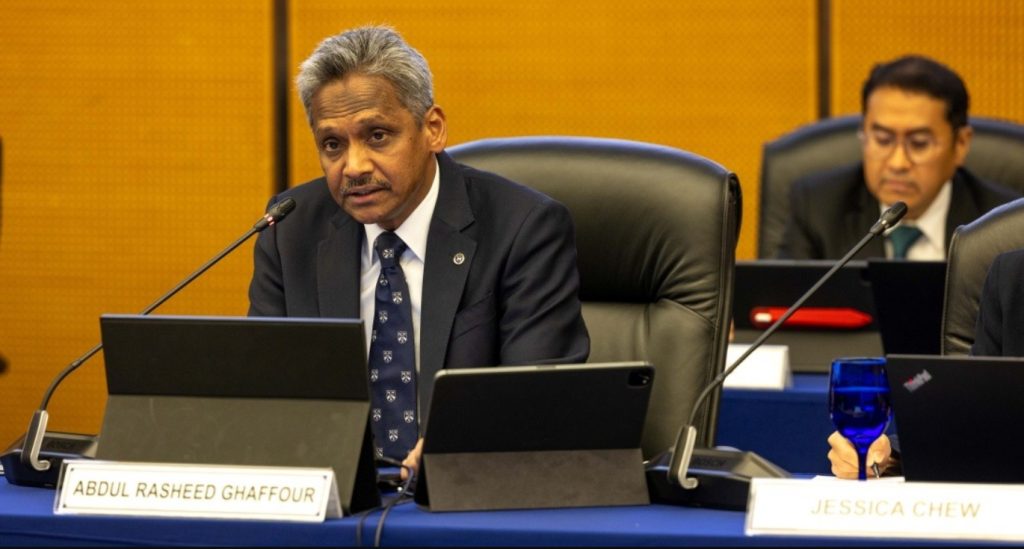
KUALA LUMPUR: Malaysia’s economy saw a robust expansion of 5.9% in the second quarter of 2024 (2Q 2024), exceeding earlier prediction of 5.8%, bolstered by resilient household spending, vigorous investment activities and a significant boost in tourism arrivals. Bank Negara Malaysia (BNM) Governor Datuk Seri Abdul Rasheed Ghaffour said the central bank views Malaysia’s growth as on track to end the year near the upper end of the 4%-5% forecast range. The country’s economy expanded by 4.2% in 1Q 2024, bringing the first half’s growth to an average of 5.05%. The gross domestic product (GDP) grew by 2.9% in 2Q 2023. “The 5.9% GDP growth in 2Q 2024 is the highest since 4Q in 2022,” he said. In terms of sectoral performance, Abdul Rasheed noted the services sector expanded by 5.9% in 2Q 2024 compared to 4.8% in 1Q 2024, contributed by broad-based improvement in customer and business-related services. The manufacturing sector increased by 4.7% in 2Q 2024 after recording an expansion of 1.9% in the previous quarter, driven by higher growth across export and domestic-oriented industries,” he said. On agriculture, Abdul Rasheed said the sector expanded to 7.2% in 2Q 2024 versus 1.7% in 1Q 2024, contributed by stronger production in the oil palm and fisheries subsector, while the construction sector recorded better growth of 17.3% in 2Q 2024 compared to 11.9% in 1Q 2024. This is supported by higher activities, particularly in the civil engineering and special trade subsectors. He added that the mining sector showed moderate growth of 2.7% after recording 5.7% in 1Q 2024, due to lower growth in the oil and gas subsector following production disruption in May. In a statement, Abdul Rasheed said growth in the second half of 2024 (2H 2024) will be driven by domestic spending with continued strong support from external demand. On the domestic front, BNM noted household spending will be underpinned by continued employment, wage growth and policy measures. The central bank said investment activities will be driven by progress in multi-year projects across private and public sectors. Catalytic initiatives announced in national master plans and the higher realisation of approved investments are also key drivers for investment activities. Externally, BNM opined that the ongoing global tech upcycle and continued strong demand for non-electrical and electronics goods will lift exports. It said that improvement in tourist arrivals and spending are expected to continue. BNM said upside risks to growth include greater spillover from the tech upcycle, robust tourism activities and foster implementation of existing and new investment projects. “Downside risks to Malaysia’s growth prospects stem from a downturn in external demand, an escalation in geopolitical conflicts and lower-than-expected commodity production,” it added. — BERNAMA

Investment & Market Trends, News

65% Malaysian Muslims Prefer Shariah-Compliant Banking Investment Products

KUALA LUMPUR: In a Hong Leong Islamic Bank Bhd (HLISB) survey, it has been revealed that 65% of Malaysian Muslims would choose Shariah-compliant banking and investment products.   This presents an opportunity for the bank to leverage a growing market by offering a comprehensive wealth management approach aligned with Islamic wealth management approach aligned with Islamic wealth principles, HLISB Chief Executive Officer Dafinah Ahmed Hilmi said. “In Islamic banking, investments are not just about growing your personal wealth, but they serve as a vital component within the Islamic wealth management ecosystem, an end-to-end framework that addresses the creation, accumulation, distribution, preservation and purification of wealth. “Built on Islamic values and Shariah principles, this comprehensive approach actively promotes altruism and social responsibility, ensuring risks and profits are shared between those who are in need and those who have excess,” she said. The HLISB survey was conducted among 690 Malaysian Muslims aged 18 and 77 years old, most of whom recorded a median monthly household income of below RM10,000. Additionally, the bank reported that 47% of the respondents claimed to be currently investing, with the top 3 choices being Amanah Saham Nasional Bhd funds, Tabung Haji savings and gold commodities, followed by Malaysian stocks and high-income savings accounts. However, it said 77% did not have a documented financial plan, despite 84% of them claiming to have the desire to be wealthy. Meanwhile, HLISB Head of Shariah, Akmal Solihi Mohd Yazid highlighted the significance of Islamic wealth management and how the bank wanted to help its customers utilise it to its full potential. “In Islam, the acquisition expenditure and preservation of wealth should be conducted properly and responsibly, adhering to Islamic principles, which led to contemporary Muslim scholars creating a set of guidelines that ensures the entire wealth journey complies with these Islamic rules. “With a team of dedicated Shariah experts and a proven track record in Islamic finance, we ensure that our tailor-made wealth solutions meet these stringent Shariah guidelines while fulfilling the diversified needs of our customers,” he said. — BERNAMA

Investment & Market Trends, News

Airbus Set to Fulfil Aircraft Backlog, Leveraging Malaysia’s US$350 Mil Annual Supply Chain

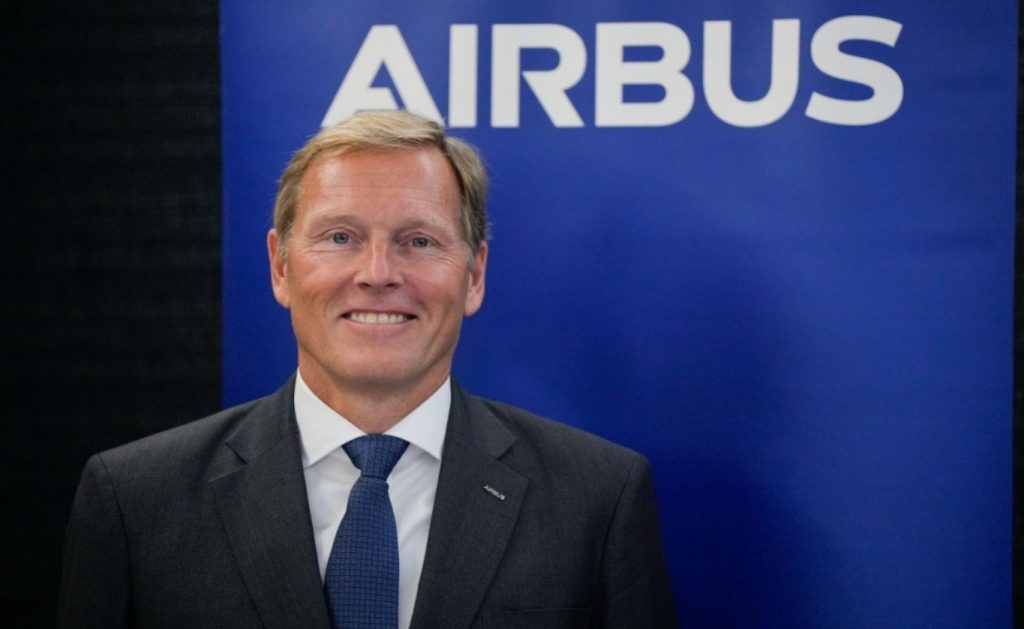
KUALA LUMPUR: Airbus is on track to deliver a backlog of 400 commercial aircraft comprising single-aisle and wide-body models to Malaysia within the contractual schedule. According to Airbus Executive Vice President International, Wouter van Wersch, Airbus has a global backlog of 8,500 aircraft and plans to produce 770 aircraft of all types in 2024. “At the same time, we are also working with our suppliers closely to mitigate and meet our scheduled wrap-up goals,” he said at a media roundtable with Airbus. Airbus said aircraft production was cut by 40% from 863 units in 2019 due to the Covid-19 pandemic but has steadily risen since, with production levels at 566 aircraft in 2020, 611 in 2021, 661 in 2022 and 735 in 2023. The plane manufacturer plans to ramp up production for its commercial aircraft, specifically a total of 14 for the A220 in 2026, 75 a month in 2027 for the A320 family and raise the production rate to 12 a month for the A350 passenger aircraft in 2028. “The pandemic was a big interruption (for us). We reduced production by 40% but we are (now) working to ramp up and increase our production rates. So that’s very positive,” van Wersch said. Demand has risen tremendously post-pandemic, with the recovery being driven by the Asia Pacific region, especially Malaysia, due to its strategic location in ASEAN. “We have a large supplier base in (Malaysia). We work with 14 companies, including Composites Technology Research Malaysia (CTRM), Spirit Aerosystems Malaysia Sdn Bhd and SME Aerospace Sdn Bhd,” he said, adding that the Malaysian supply chain is valued at about US$350 million per year. Currently, Airbus has over 280 commercial aircraft in service with Malaysian carriers, nearly 100 civil and military helicopters, 4 military transport aircraft and 2 satellites supporting national defence and development. Airbus aims to build new partnerships in sustainability as it sees significant potential for Malaysia to be a key source of feedstock in the region to produce sustainable aviation fuel (SAF), van Wersch said. “Current feedstocks being studied include sources such as algae oil and seaweed. We are also working on a wide range of projects in Malaysia, especially with the Aerospace Malaysia Innovation Centre to define potential opportunities in developing and enhancing decarbonisation,” he added. The company is also taking the lead to ensure a sustainable future for the industry based on several pillars, including replacing older aircraft with the latest generation, increasing production and use of SAF as well as ultimately introducing new energy sources such as hydrogen. — BERNAMA

Investment & Market Trends, News

Strengthen Domestic Economy to Mitigate Effects From External Challenges, Says PM

JOHOR BAHRU: Malaysia must enhance its economic foundation and strengthen its resilience to shield the nation from the ripple effects of external forces, including geopolitical tensions. Prime Minister Datuk Seri Anwar Ibrahim said the government’s MADANI Economic Framework is carefully designed to ensure the smooth execution of its plans, but some exposure to global factors remains unavoidable. “We couldn’t have predicted the geopolitical shifts in the Middle East or the political changes unfolding worldwide. “That’s why reinforcing our domestic and internal strength is critical. This is our top priority and it’s essential that the people understand this,” Anwar said. He emphasised that building internal resilience requires commitment from leaders, civil servants, the private sector and the public. “If we have a strong domestic foundation, the impact from external pressures will be more manageable,” he said during a dialogue and forum on ‘A Year of MADANI Economic Achievements’ at the Southern Zone MADANI Rakyat 2024 programme. Anwar, who is also the Finance Minister, highlighted that the ongoing efforts to strengthen the economy resulted in an economic growth 5.9% in the second quarter of 2024 (2Q 2024), surpassing earlier forecasts. On the subject of targeted diesel subsidies, Anwar stressed that measure was implemented by the government to prevent leakage in government funds which have also benefited the rich as well as foreign nationals. He said the move was in line with the government’s efforts to reduce leakage of subsidies which have cost the government billions of ringgit and put a stop to diesel smuggling. “When we enforce the targeted diesel subsidies, people get upset. But the government must be responsible and do what is necessary. “If there are additional measures to ease the burden on the people, we will implement them. For instance, there are those who are entitled to RM200 but have not received it, so they must register with the Subsidised Diesel Control System (SKSD2.0) and we will ensure that they get it,” Anwar said. In his speech, the Prime Minister highlighted that Malaysia’s economic performance in 2Q 2024 had exceeded projections, driven by various initiatives and agendas implemented by the government under the MADANI Economic Framework. “All of this has bolstered investor confidence and as a result, the ringgit has become one of the strongest currencies in our region,” he added. — BERNAMA

Investment & Market Trends

AFFIN Group Announces Profit Before Tax of RM293.1 Million in 1H2024

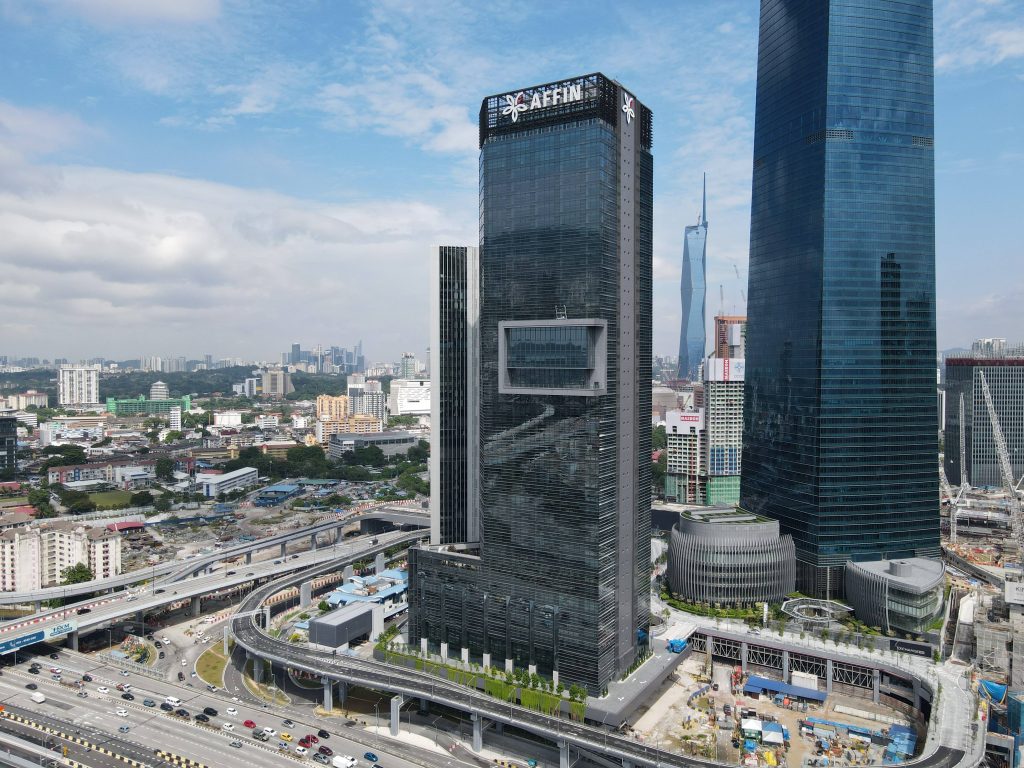
KUALA LUMPUR: AFFIN Group achieved a Profit Before Tax (PBT) after zakat of RM293.1 million for the six months ended 30 June 2024 (1H2024), marking a 15.2% decrease from RM345.7 million in the same period last year (1H2023), primarily due to Net Interest Margin (NIM) compression. Despite this, the Group demonstrated strategic growth with total assets increasing by 7.2% to RM108.2 billion, up from RM100.9 billion in the previous corresponding period, driven by a 10.5% rise in loan and financing portfolios, reaching RM69.0 billion. Datuk Wan Razly Abdullah, President & Group Chief Executive Officer of Affin Bank Berhad, stated that the Group expects NIM to normalize by the first half of 2025 under the AX28 Strategic Plan. This outlook is bolstered by anticipated Federal Reserve rate cuts and improving economic conditions in Malaysia. He emphasized the Group’s focus on optimizing operational costs, enhancing customer solutions, and maintaining high credit quality amidst soft economic conditions. In tandem with these efforts, the Group is advancing its digital transformation initiatives. Pending regulatory approval for Go-Live, the Digital Core enhancements include improvements to CASA, Deposits, and e-wallet capabilities, with a new Mobile Banking Platform scheduled for a December 2024 launch to bolster the deposit franchise. The Group remains committed to its AX28 strategic pillars: Unrivalled Customer Service, Digital Leadership, and Responsible Banking with Impact. Notably, achieving an NPS Score of +69 underscores its customer-centric approach. Affin Private Banking is set to launch in September 2024 to drive further expansion. Looking ahead, the Group anticipates achieving its Digital Leadership goals by end-2025, with potentially transformative impacts from the delayed entry of Sarawak State Shareholder, enhancing customer base and liquidity by end-2024. In recognition of its excellence, the Group received prestigious accolades including ‘Malaysia Domestic Cash Management Bank of the Year for AFFINMAX’ and ‘Best Retail Bank in Malaysia and Best Syndicated Loan in Renewable Energy’ by various industry awards. Financial Metrics Overview Net Interest Income (NII): RM386.0 million, down 11.5% from RM436.2 million. Islamic Banking: Affin Islamic Bank Berhad’s PBT increased by 12.0% to RM148.8 million, supported by a 13.9% growth in Gross Financing. Non-Interest Income: RM284.2 million, up 7.8% from RM263.6 million. Asset Quality: The Gross Impaired Loan (GIL) ratio stood at 1.89% in 1H2024 compared to 1.78% in 1H2023. Loan Loss Coverage (LLC) and Loan Loss Reserve (LLR): LLC at 100.06% and LLR at 130.12%. Operating Expenses: Increased to RM746.7 million, with a Cost-to-Income ratio of 74.7%. Loans and Deposits Growth: Total loans reached RM69.0 billion, with CASA ratio at 25.89% and customer deposits at RM71.2 billion, down 0.4% YoY. Capital Adequacy and Liquidity: Total Capital ratio at 16.84%, Tier 1 capital ratio at 14.27%, CET1 capital ratio at 12.84%, and Liquidity Coverage Ratio at 170.23%.  

Energy & Technology, Investment & Market Trends, News

Survey Reveals Over 35% of Enterprises Struggle to Retain Crucial AI Expertise

KUALA LUMPUR: In its latest survey, Expereo revealed that over one-third (35%) of global enterprises are struggling to retain or attract crucial skills in artificial intelligence (AI), data and automation, which is threatening their optimistic AI ambitions. According to the Technology Leaders Survey, there is a critically low supply of AI expertise, despite AI now being considered as the biggest priority for Chief Information Officers (CIOs) across the world. Its Chief Executive Officer, Ben Elms, “CIOs need to keep up with market innovations, customer expectations and fierce competition when it comes to AI, while ensuring they are adopting the technology responsibly and effectively without cutting corners. “Networking technology, data strategies and wider tech infrastructure are all key areas which run adjacent to AI initiatives, which must also not be ignored.” The research of 650 technology leaders in global enterprises across Europe, the United States and Asia Pacific showed that not only are enterprises struggling to attract or retain crucial talent, but their current external technology partners are not aligned with their AI ambitions either. In addition, 29% of global CIOs said their current external technology partners do not have the right capabilities in place to support AI initiatives and 28% of global respondents feel regional variations in ability to implement AI initiatives is a key challenge. The other leading obstacle to fulfilling AI ambitions includes navigating AI governance and ethics (36%), referring to ongoing challenges such as regulation, trust and data protection when it comes to using AI tools in a business setting. The survey also found that 42% of CIOs believe that training for new ways of working as a result of AI is one of the biggest information technology challenges in supporting remote and hybrid workers, with 39% saying that understanding how employees use AI is now a concern. In spite of these challenges, 32% of CIOs are moving forward with caution regarding AI implementation and 44% are excited and ready to take on AI intiatives. — BERNAMA

Energy & Technology, Investment & Market Trends, News

M’sia Must Be Strategic in Acquiring, Developing Tech to Join Developed Nations

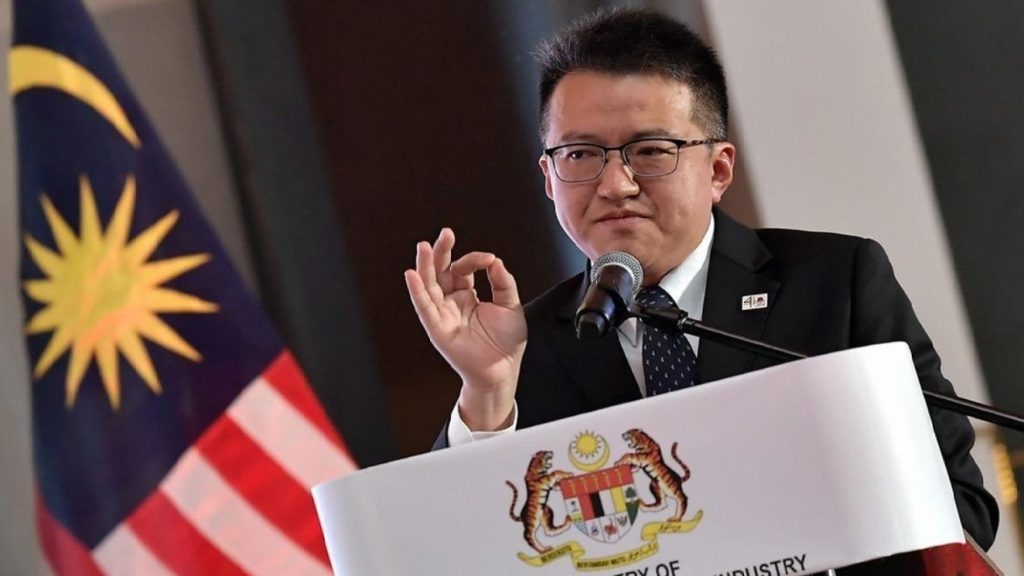
KUALA LUMPUR: Malaysia needs to strategically acquire and develop its own technology to be counted among develop nations. Deputy Investment, Trade and Industry Minister Liew Chin Tong said that while the foreign direct investment (FDI) is necessary, it’s not an end in itself and Malaysia needs to be strategic in its approach. “Malaysia thinks that FDI is almost everything and I think that mindset has to change,” he said. According to the deputy minister, the MADANI Economic Framework, Prime Minister Datuk Seri Anwar Ibrahim highlighted that for over 20 years, investment has constituted only about 20% of the gross domestic product (GDP). “In contrast, during the early days of economic growth, it constituted around 40% of GDP. At one point in 1997, it rose to about 45%. “While there were instances of overheating, the key takeaway is that investment is crucial and foreign investment is necessary, but we need to be strategic in our approach,” he added. Liew stressed that industrialisation cannot just be about exports but also has to have some form of mission to solve societal problems. “The New Industrial Master Plan (NIMP) 2030 lists 4 missions namely advance economic complexity, tech up for a digitally vibrant nation, push for Net Zero, safeguard economic security and inclusivity, which are all key to transforming Malaysia’s industry into one that is of high productivity, high skill, and most importantly. High wage,” he said. Liew also highlighted a comparison made by Seoul National University Professor of Economics, Prof Keun Lee on the semiconductor sectors in Taiwan, Shenzhen and Penang, where the sector is still mainly driven my foreign firms. “In comparison, the sectors in Taiwan and Shenzhen have acquired many more technologies and innovations,” he added. Meanwhile, Liew said he is glad to see government-linked investment companies (GLICs) paying more attention to the semiconductor industry in Malaysia. “The semiconductor industry used to be treated as a private-driven investment. Now, the industry has been thrust into the spotlight amid the current geopolitical fight between China and the US due to the growing necessity of having access to advanced chips to power everything from smartphones to electric vehicles (EVs). “Clearly, the ability to think critically about the way to position and accelerate advancements in semiconductors will have significant implications for trade, investment and geopolitics in the years to come,” he continued. It is also crucial, Liew said, to develop horizontal industrial linkages with Malaysia. “For example, the mature semiconductor industry in Malaysia should form a basis for developing the automotive industry, including EVs and agritech,” he said, adding that Malaysia is at the brink of a second economic takeoff built upon the development of a high productivity, high skills and high wage model. — BERNAMA

Investment & Market Trends, News

MIDF Maintains a Positive Stance on Oil and Gas Sector

KUALA LUMPUR: MIDF Amanah Investment Bank Bhd is maintaining its positive stance on the oil and gas (O&G) sector as the outlook for 2024 remains encouraging. However, the investment bank remained cautious about potential escalations in geopolitical tensions, significant production adjustments by the Organisation of the Petroleum Exporting Countries and its allies (OPEC+) and the US Federal Reserve’s monetary policy. It anticipates brent crude oil prices to remain relatively stable within the range of US$77-US$84 per barrel in August 2024 (year-to-date 2024 (YTD24): US$83.51 per  barrel), buoyed by the geopolitical tensions and OPEC+ production cuts through tempered by lower demand from China. Meanwhile, natural gas prices are expected to decline in the near term due to oversupply, settling at US$2.10-US$2.35 per million British Thermal Units (MMBtu) (YTD24: US$2.24 per MMBtu) in August. “We are highly optimistic about the upstream division, given that its contractual work basis provides operational stability, despite brent crude oil prices slipping to a maximum threshold of 20%-25% below the current spot price. “This is on top of Petronas’ expected capital expenditure (capex) of RM50-RM60 billion in 2024,” it said. However, it noted that the short-term downside risks include the uncertainty in the demand for crude oil, geopolitical risks and the OPEC+ production cut decision following the drop in brent crude oil daily spot price to below US$80 per barrel since the last week of July 2024. Similarly, investment bank holds a positive view on the midstream sector, particularly the ship tankers and storage facilities on the back of relatively stable and elevated short-term and long-term charter rates across ship sizes. It added that the recent decline in crude oil and natural gas prices in late July 2024 is expected to benefit tanker operators as lower prices may encourage the mobilisation and storage of crude and refined petroleum products, allowing sellers to mitigate charter costs while buyers take advantage of restocking opportunities. “While we are generally neutral on the downstream sector, we continue to anticipate a recovery in demand for petrochemicals as well as the increase in demand for biofuels and renewable energy (RE),” it said. Looking ahead, the investment bank expects the O&G services and equipment (OGSE) subindustry to show improved performance in the first half of 2024 (1H 2024). The upstream division is expected to remain resilient, given the higher capex both globally and domestically (global capex: +24% year-on-year (YoY) to US$600 billion, Malaysia’s capex: +23.3% YoY to RM31.2 billion) and relatively stable brent crude oil prices. “Immediate downside risks are sudden escalation in geopolitical tension, drastic changes to OPEC+ supply cut and unfavourable RM/US$ exchange rates. “We forecast brent to reach an average of US$82 per barrel and Henvy Hub to average US$2.20 per MMBtu in August,” it added, As for the downstream sector, MIDF noted that while uncertainties in petrochemicals persist, the diesel rationalisation initiative has started to yield positive results for end buyers of refined petroleum products. Demand for Jet A1 and Mogas is expected to remain strong during the upcoming holiday and travel season, barring any changes to the RON95 subsidy as anticipated following the diesel targeted subsidy rollout. Additionally, the bank expects demand for sustainable fuels to surge, driven by the increase in biomass projects across the nation in 1H 2024. This shift will create new revenue streams for downstream players as they refine and distribute these alternative fuels. — BERNAMA

Scroll to Top

Subscribe
FREE Newsletter