Investment & Market Trends

Investment & Market Trends

Chagee Joins $333 Billion Market Boom with US IPO Filing

Chinese tea chain Chagee filed for an initial public offering (IPO) in the United States on Tuesday (25 March 2025), positioning itself to become the first Chinese “new-style tea drink brand” listed on the US stock market. If successful, Chagee will join the ranks of Nayuki’s Tea, Chabaidao, Guming, and Mixue Group, which are already publicly traded in Hong Kong. The wave of IPOs among Chinese tea brands reflects growing investor confidence in China’s expanding consumer market, an industry expert said on Wednesday. Founded in 2017, Chagee has rapidly scaled its presence, operating 6,440 teahouses as of December 31, 2024, including 6,284 locations in China. The company’s financial performance has been equally impressive, with net revenue soaring to 12.41 billion yuan ($1.71 billion) in 2024—up from 4.64 billion yuan the previous year. Net income surged 213.3% to 2.51 billion yuan, according to company filings. Chagee plans to use the IPO proceeds to expand its teahouse network both domestically and internationally, alongside other corporate initiatives. Its public offering follows a series of successful listings by other Chinese tea brands. On March 3, Mixue Group saw its shares jump 43.21% on its debut trading day on the Hong Kong Stock Exchange (HKSE). Guming, another bubble tea chain, went public on February 12, marking Hong Kong’s first new listing of the Year of the Snake. Nayuki’s Tea set the precedent in June 2021 as the world’s first publicly listed tea drink brand, followed by Chabaidao’s IPO in April 2024. Tian Yun, a veteran economist, told the Global Times that the increasing number of publicly traded Chinese tea brands highlights strong investor confidence in the country’s consumer sector. Chagee’s US IPO, he added, could attract international investors and support the company’s global expansion efforts. China’s booming tea beverage industry is driven by consumers’ demand for quality, innovative flavors, and personalized experiences. Younger consumers, in particular, have fueled the rapid growth of the sector, Tian noted. According to a report by iiMedia Research, China’s new-style tea drinks market reached 333.38 billion yuan in 2023 and is projected to grow to 374.93 billion yuan by 2025. Meanwhile, China continues to implement policies to bolster domestic consumption. Official data released in March showed that retail sales, a key indicator of consumer spending, rose 4% year-on-year in the first two months of 2025.–GLOBAL TIMES 

Investment & Market Trends

Matrade Sets Bold RM1.58 Trillion Export Target for 2025

KUALA LUMPUR: The Malaysia External Trade Development Corporation (Matrade) has been tasked with increasing Malaysia’s export value of goods by 5% to RM1.58 trillion this year, following its success in surpassing the RM1.5 trillion target in 2024. Matrade chairman Datuk Seri Reezal Merican Naina Merican announced that the goal was set by Investment, Trade, and Industry Minister Datuk Seri Tengku Zafrul Abdul Aziz after the agency recorded RM1.51 trillion in exports last year—exceeding expectations by RM10 billion. “This is yet another remarkable success. However, looking ahead to 2025, we anticipate several challenges, including geopolitical uncertainties and the ongoing technology war,” he said at Matrade’s 2025 Iftar ceremony on Monday. Reezal Merican emphasised that Matrade will develop new strategies in response to global trade shifts, particularly those influenced by the United States. “We need to closely monitor developments in the US and adjust our approach accordingly. The Ministry of Investment, Trade, and Industry has already begun discussions on this matter,” he added. As Malaysia navigates an increasingly complex global trade landscape, Matrade’s efforts will focus on strengthening the country’s position and resilience in international markets.

Events, Investment & Market Trends

ASEAN Investment Conference 2025 Set to Catalyse Regional Growth and Sustainability

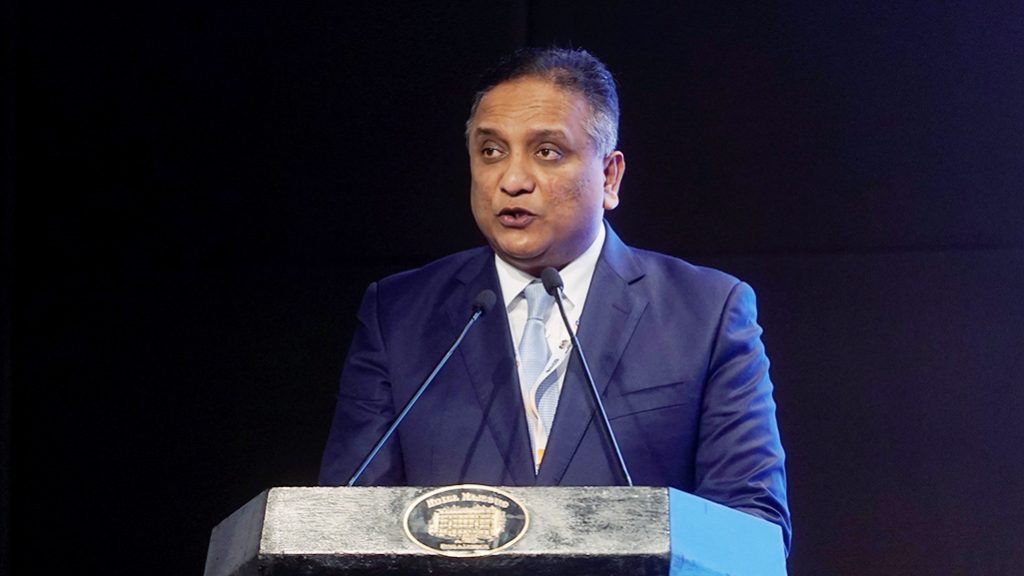
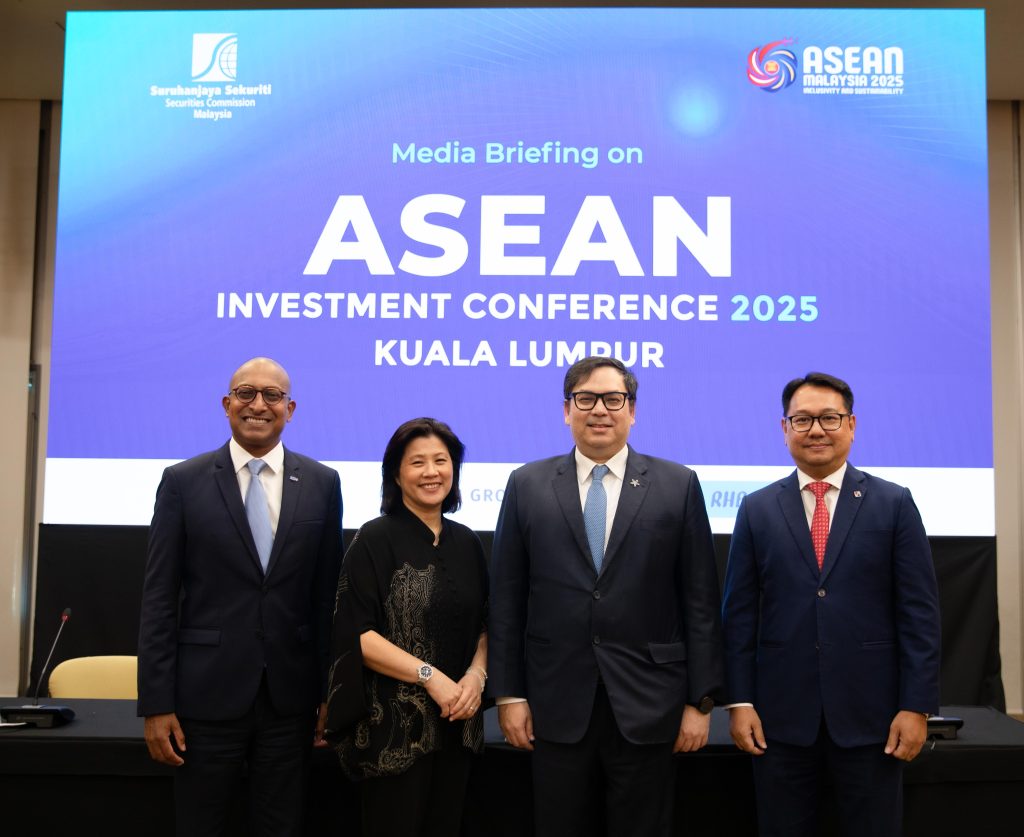
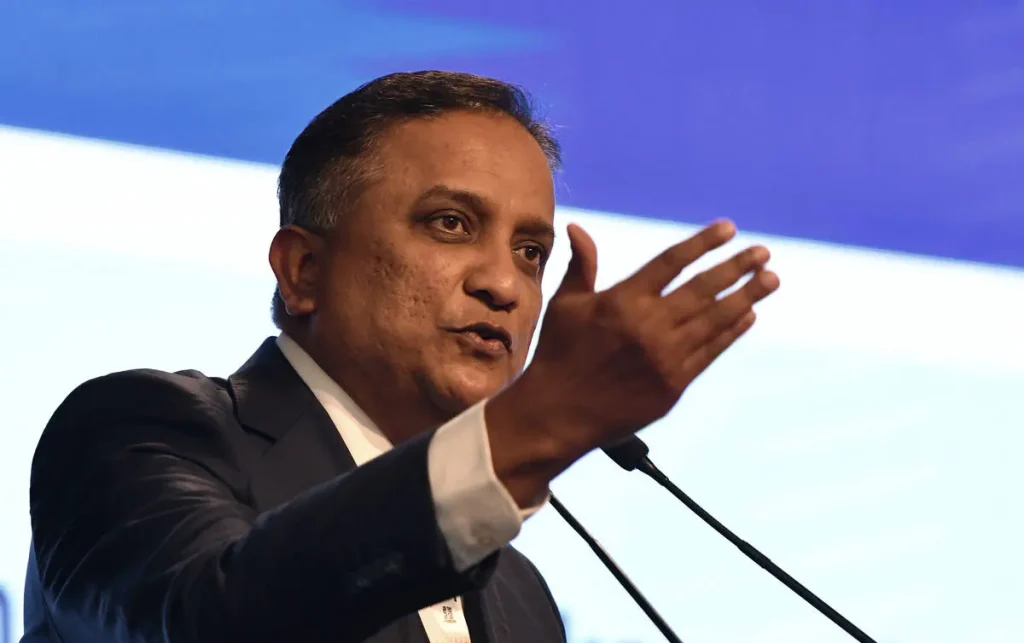
KUALA LUMPUR: Malaysia will host the ASEAN Investment Conference (AIC) 2025, an engagement platform to connect capital and unlock ASEAN opportunities. Aligned with the core principles of inclusivity and sustainability, the conference reflects the priorities of Malaysia’s Chairmanship of ASEAN this year. Hosted by the Securities Commission Malaysia (SC) in collaboration with strategic partners, AFFIN Group, CGS International Securities Malaysia (CGS MY) and RHB Banking Group (RHB), AIC 2025 will take place in Kuala Lumpur from 8 – 9 April 2025. Under the theme ‘Connecting Capital, Unlocking Opportunities and Driving Sustainability’, AIC 2025 will emphasise ASEAN’s regional connectivity and unity as essential drivers for sustained growth. The conference will showcase the region as a leading investment destination and a compelling, sustainable asset class. The conference will be inaugurated by the Prime Minister of Malaysia, Dato’ Seri Anwar Ibrahim, who will also launch the ASEAN Simplified ESG Disclosure Guide for SMEs in Supply Chains. High-level attendees include Senator Datuk Seri Amir Hamzah Azizan, Minister of Finance II, Malaysia, H.E. Chee Hong Tat, Minister for Transport and Second Minister for Finance, Singapore and Senator Tengku Datuk Seri Utama Zafrul Tengku Abdul Aziz, Minister of Investment, Trade and Industry, Malaysia. The conference is expected to bringing together around 400 attendees, including leading policymakers, investors, financiers, business leaders and thought leaders from across the ten ASEAN member states and the ASEAN+3 region, including key financiers from Japan, China and Korea, AIC 2025 will serve as a catalyst for cross-border collaboration and unlocking the region’s vast potential.   The SC Chairman Dato’ Mohammad Faiz Azmi said, “ASEAN’s position as the world’s fifth largest economy, with a GDP exceeding USD3.3 trillion and over 600 million people, underscores its growing influence on the global stage. With a robust annual growth averaging 5%, high saving rates exceeding 30% of GDP, and a young population – 60% of whom are under 35 – ASEAN offers a compelling investment proposition. As ACMF Chair, we recognise the crucial role that ASEAN capital markets play in driving sustainable growth, fostering innovation and attracting global investments.” “AIC 2025 aims to further cement ASEAN’s standing as a premier investment destination, spotlighting it’s dynamic opportunities and fostering deeper collaboration to unlock the region’s immense potential for inclusive and sustainable growth.”   Datuk Wan Razly Abdullah, President & Group Chief Executive Officer of AFFIN Group, said, “AFFIN Group is proud to be part of AIC 2025, a forum where capital, ideas and policy converge to shape the region’s economic future. Our participation reflects the Group’s commitment to driving regional resilience through purposeful collaboration, capital connectivity and sustainable growth. As we commemorate 50 years of building trust, empowering businesses and enhancing lives, we remain focused on redefining the future of banking through our AFFIN Axelerate 2028 (AX28) Plan, anchored on the pillars of Unrivalled Customer Service, Digital Leadership, and Responsible Banking With Impact.” “The recent MoU with MUFG Bank (Malaysia) Berhad marks a significant milestone in our ambition to catalyse cross-border opportunities and strengthen ASEAN’s financial ecosystem. This enables us to mobilise institutional partnerships, deepen regional integration and unlock new investment flows across ASEAN. Looking ahead, AFFIN Group will continue to support businesses and institutions through tailored solutions, financial innovation and long-term value creation — helping shape a more inclusive, future-ready ASEAN economy.”   Azizah Mohd Yatim, Chief Executive Officer of CGS International Securities Malaysia said “CGS MY has been leveraging our strong regional presence, deep market understanding, and China linkages to facilitate intra-ASEAN business and investment opportunities; and for businesses looking to grow beyond its borders, we serve as a bridge for businesses and investments to access ASEAN’s largest trade partner.” “ASEAN has a well-developed capital market and large sophisticated retail and institutional base and in these are exciting times, we see immediate opportunities in pipeline building for initial public offerings and positioning the ASEAN asset class as a fundamental inclusion in any investment portfolio. CGS MY looks forward to continue playing a vital role as a facilitator and intermediary that brings to the table best-in-class business and investment ideas and opportunities for mutual advantage.” Kevin Davies, Chief Executive Officer/ Managing Director, RHB Investment Bank, said “RHB Banking Group is committed to positioning ASEAN as a competitive and sustainable investment destination by connecting global investors to the region’s diverse growth opportunities. Through our deep market expertise, strong investor relationships, and innovative solutions, we aim to facilitate cross-border capital flows and unlock the region’s potential in key sectors such as green finance, technology, and infrastructure.” “Our participation in the ASEAN Investment Conference reflects our dedication to advancing sustainable finance and fostering greater regional market integration, ensuring ASEAN remains a dynamic hub for global investment destination.” Key discussions of the two-day event include discussions on digital transformation, sustainable finance, infrastructure development and capital market opportunities across ASEAN. Panels and presentations will explore critical policy frameworks, investment strategies, regulatory reforms, and best practices to strengthen regional competitiveness and economic resilience. For more information on ASEAN Investment Conference, visit aic25.com.

Investment & Market Trends

Deemples Expands to Thailand After USD 2 Million Funding Round

KUALA LUMPUR: Deemples, Malaysia’s leading homegrown golf platform, has officially made its mark in Thailand with a grand launch event at Lakewood Country Club in Bangkok. This expansion is a game-changer for the region’s golfing community, reinforcing Deemples’ mission to bring golfers together and elevate the sport through technology and connectivity. What began as a simple idea—helping golfers find playing partners—has evolved into Southeast Asia’s largest golf community. Whether it’s a casual round, a tournament, or a club match, Deemples makes it seamless for golfers to arrange games with ease. With its tech-driven approach and integrated payment system, the platform ensures that players can focus on what truly matters—enjoying the game. “Golf is a universal language that transcends borders, and Deemples is all about connecting passionate players. Thailand’s thriving golf community has welcomed us with open arms, and with our strong foundation in Malaysia, we’re excited to bring our platform to this golf-loving nation. Our goal is to make it effortless for golfers to connect, organize games, and share their passion, no matter where they are,” said David Wong, CEO and founder of Deemples. Tapping into Southeast Asia’s Booming Golf Market As golf continues to gain traction across Asia, Southeast Asia stands out as a fast-growing hotspot. In Malaysia alone, golfer participation surged by 25% between 2016 and 2020, contributing to the region’s total of 23.3 million golfers. Thailand, with its world-class golf courses and growing golf tourism industry, is the ideal next step for Deemples’ expansion. Building on this momentum, Deemples is set to thrive in Thailand’s booming golf tourism landscape. By connecting local players with international visitors and offering seamless booking and event management tools, the platform is creating a dynamic and inclusive golfing ecosystem. “Our technology is built for scalability, ensuring that golfers in Thailand enjoy the same frictionless experience that has made Deemples the leading golf community in Southeast Asia. With sophisticated matching algorithms and a secure payment gateway, we’re committed to continuous innovation to meet the evolving demands of the modern golfer,” said Ahmad Daleen, Chief Technology Officer of Deemples. With partnerships across almost every golf course in Malaysia, Deemples is more than just a platform—it’s a driving force behind the growth of golf tourism in the region. As it extends its reach to Thailand, the company is poised to offer golfers an unparalleled booking and matchmaking experience, making it easier than ever to enjoy the game anytime, anywhere.

Investment & Market Trends

Wawasan Dengkil Tanks on Debut – Investors Left Cold Despite 17x Oversubscription

Wawasan Dengkil Holdings Bhd’s debut on the ACE Market was far from a victory lap, as the construction services firm’s shares slipped below its IPO price within minutes of trading on Tuesday. The stock opened flat at 25 sen—matching its reference price—with an initial volume of 2.89 million shares. But the optimism quickly faded. Within minutes, heavy selling pressure sent the stock tumbling to 23.5 sen by 9.10am, after over 11 million shares had changed hands. Wawasan Dengkil now joins a growing list of newly-listed counters that have stumbled out of the gate this month, becoming the fourth IPO in March to disappoint investors on day one. Lim Soon Yik – Wawasan Dengkil Holdings Bhd, Executive Director Despite the weak market reception, Executive Director Lim Soon Yik struck a confident tone at the company’s listing ceremony, saying the fresh capital would enable Wawasan Dengkil to accelerate its expansion plans and tap new business opportunities. The public seemed to share that initial confidence—at least on paper. The IPO saw public retail applications exceed their allocation by 17 times, while all shares offered to eligible persons and private placements were fully subscribed. In total, the company raised RM27.01 million from the listing. Of that, over a third is earmarked for working capital tied to project execution. Another 28% is set aside for new heavy machinery purchases, including excavators, a mobile crane, and dump trucks. “This is a timely expansion, especially with the government’s continued push for infrastructure development,” Lim said. The firm is currently working on 14 active construction projects with unbilled orders worth RM378.14 million and is bidding for new jobs totalling RM1.3 billion. Its involvement includes notable projects like the third phase of the Light Rail Transit (LRT3). “As earthworks are crucial during the early stages of infrastructure builds, we’re well-positioned to ride the wave of upcoming construction demand,” Lim added. Meanwhile, RM13.5 million raised from the offer-for-sale portion of the IPO—comprising existing shares—will go directly into the pockets of Lim and his family, raising eyebrows amid the stock’s lacklustre performance. Of the IPO proceeds, 5% will go toward general working capital, debt repayment, office upgrades, and listing expenses. M&A Securities served as the adviser, sponsor, underwriter, and placement agent for the listing, while Eco Asia Capital Advisory acted as the financial adviser. The poor debut now casts a shadow over what was supposed to be a growth story—leaving many investors questioning whether oversubscription hype is enough to support post-listing performance in today’s cautious market.

Investment & Market Trends

RM1.7 Tril Target: Matrade Eyes Africa to Power Next Export Boom

Malaysia is setting its sights high on the global trade stage, with the Malaysia External Trade Development Corporation (Matrade) gunning for over RM1.7 trillion in exports for 2025. Chairman Datuk Seri Reezal Merican Naina Merican revealed that the push toward this ambitious target will be fuelled by tapping into new and fast-growing markets—particularly in Africa. Countries like Egypt, Libya, and Botswana, he said, offer fresh trade potential for Malaysian exporters looking beyond traditional partners. “There’s immense untapped opportunity. Africa’s population has ballooned from around 800 million a decade ago to nearly 1.4 billion today. That signals growing demand, rising economies, and markets ready for Malaysian goods,” Reezal said during a Ramadan charity event in Kepala Batas. He emphasised that venturing into emerging markets is a key part of Malaysia’s strategy to secure sustainable trade growth amid global uncertainties—including rising geopolitical tensions and the ongoing US-China trade war. “Malaysia may be a small nation, but we punch above our weight in exports—especially in high-demand sectors like electrical and electronics, and semiconductors. With fresh strategies now being deployed by the Ministry of Investment, Trade and Industry, we’re aiming for stronger global positioning,” he added. Earlier this year, Reezal announced that Malaysia closed 2024 with a record-breaking trade value of RM2.88 trillion—up 9.2% from the previous year. Export performance played a significant role, climbing 5.7% to RM1.508 trillion. It marked only the second time exports breached the RM1.5 trillion threshold, the first being in 2022. With global dynamics shifting and new opportunities on the horizon, Matrade’s RM1.7 trillion export target is more than a figure—it’s a statement of intent.

Investment & Market Trends

Malaysia’s Capital Market Hits RM4.2 Trillion Milestone

KUALA LUMPUR: The Malaysian capital market achieved a historic milestone in 2024, reaching a record RM4.2 trillion in total market size, up from RM3.8 trillion in the previous year. This growth was driven by the expansion of stock market capitalisation, as well as increased bonds and sukuk issuances, according to the Securities Commission Malaysia (SC) in its Annual Report 2024 released. The fund management industry also witnessed significant progress, with assets under management (AUM) surpassing RM1.1 trillion, crossing the RM1 trillion mark for the first time. This was largely attributed to the strong performance of global equity markets. Robust Fundraising and IPO Activity The capital market demonstrated its strength as a fundraising platform, with total fundraising increasing to RM138.9 billion in 2024, marking an 8.7% rise from RM127.7 billion in 2023. This included a record 55 initial public offerings (IPOs), which collectively raised RM7.42 billion, more than doubling the RM3.6 billion raised in 2023 from 32 IPOs. SC Chairman Dato’ Mohammad Faiz Azmi highlighted the resilience of the market, emphasizing that strong bond and sukuk issuances played a key role in maintaining capital market stability and facilitating economic growth. Looking ahead, the SC is formulating a new five-year capital market masterplan, focusing on enhancing financial security for retirees and promoting sustainable financing. “Building on our market’s strengths, the SC remains committed to fostering an inclusive and vibrant capital market, while facilitating innovation and enhancing regulatory efficiency,” Dato’ Faiz stated. Key Highlights from the SC Annual Report 2024 Market Growth & Fundraising Total fundraising from the equity and corporate bond market grew by 8.7% to RM138.9 billion. Record-breaking IPO activity with 55 IPOs raising RM7.42 billion. Bond & sukuk issuances totaled RM124.2 billion, including RM13.3 billion in sustainability-linked issuances (2023: RM8.7 billion). Islamic capital market (ICM) expanded by 8.5% to RM2.6 trillion, supported by a 7.1% rise in sukuk outstanding and a 3.6% increase in market capitalisation of Shariah-compliant equities. Alternative financing avenues for micro, small, and medium enterprises (MSMEs) gained momentum, with RM4.1 billion raised through peer-to-peer (P2P) financing, equity crowdfunding (ECF), and venture capital/private equity (VC/PE). Investor Activity & Market Sentiment The average daily trading value surged to RM3.44 billion in 2024, compared to RM2.29 billion in 2023, reflecting improved investor sentiment. AUM in the fund management industry surpassed RM1 trillion, driven by a buoyant global equity market. The Private Retirement Scheme (PRS) saw net asset value growth of 18% year-on-year, reaching RM7.61 billion. Digital Investment Management (DIM) AUM reached RM1.9 billion, increasing more than 500 times since its inception in 2018. Digital asset exchange (DAX) trading volume grew 2.6 times, highlighting the rising interest in digital assets. Key Market Development Initiatives Launched the Single Family Office (SFO) Incentive Scheme in Forest City to position Malaysia as a premier wealth management hub. Introduced the National Sustainability Reporting Framework (NSRF) to align corporate sustainability disclosures with global standards. Rolled out the Catalysing MSME and MTC Access to Capital Market 5-Year Roadmap (2024-2028) to facilitate SME financing. Streamlined IPO approval processes, reducing time-to-market from over six months to three months through the Focus Scope Assessment framework. Expanded the Regulatory Sandbox, allowing controlled testing of innovative financial products beyond existing regulatory frameworks. Strengthening Market Integrity and Enforcement The SC took decisive actions in 2024 to enhance market integrity and protect investors: One criminal conviction and RM9.87 million in civil penalties imposed. 125 administrative sanctions issued, including RM13.72 million in fines. Heightened surveillance against financial scams and unlicensed activities, leading to 273 entities added to the Investor Alert List, 153 website blocks, and 261 social media takedowns. AOB Annual Report 2024: Strengthening Audit Oversight The Audit Oversight Board (AOB) continued its efforts to uphold audit quality and corporate governance. Key measures included: Registration and recognition of 42 audit firms and 393 individual auditors. Inspections of 40 audit engagements across 13 firms to ensure compliance with auditing and ethical standards. Enforcement actions against two audit firms and four individual partners, resulting in RM275,000 in penalties. Capacity-building initiatives, including subsidizing 100 accountants for the GRI Professional Certification Programme. Capital Market Stability Review 2024: Resilience Amid Global Uncertainty Despite external economic pressures such as interest rate adjustments, foreign exchange fluctuations, and geopolitical risks, Malaysia’s capital market remained stable and resilient. Stress tests on investment funds affirmed the market’s ability to withstand redemption shocks even in extreme conditions. Corporate earnings, particularly in the energy, property, and construction sectors, contributed to index performance and revenue growth for stockbroking firms. Meanwhile, cybersecurity remained a key focus, with enhanced measures introduced to safeguard against digital threats. Looking Ahead: Key Initiatives for 2025 The SC has outlined several priorities for 2025: Strengthening Malaysia’s leadership in ASEAN capital markets, including finalizing the ACMF Action Plan 2026-2030. Developing the Capital Market Masterplan 4 (CMP4) to ensure long-term market competitiveness. Enhancing Malaysia’s Islamic finance leadership, including defining Maqasid al-Shariah-based indicators for the equity market. Preparing for two key assessments: The Financial Action Task Force (FATF) Mutual Evaluation and the Corporate Governance (CG) Watch 2025. Reviewing regulatory fees to create a more sustainable regulatory environment that supports market growth. With a strong foundation in place, the Malaysian capital market is poised for continued growth, innovation, and resilience in the years ahead.

Investment & Market Trends

Halogen Capital & Affin Bank Unveil Malaysia’s 1st Shariah Bitcoin Fund

Halogen Capital, Malaysia’s first licensed digital asset fund manager, has signed with Affin Bank Berhad (“AFFIN BANK” or “the Bank”) to distribute their Halogen Shariah Defensive Bitcoin Fund with an integrated capital preservation strategy. This innovative fund aims to provide high net-worth individuals and institutional investors with a low-risk and secure pathway to harness the growth potential of Bitcoin. The Fund will employ a buy-and-hold strategy that is a combination of low-risk islamic deposits and high-growth active asset, Bitcoin. This approach ensures the portfolio value is safeguarded from significant market volatility, providing investors with both stability and potential upside. “The Halogen Shariah Defensive Bitcoin Fund is redefining how high net worth and institutional investors approach digital asset investments in Malaysia,” said Hann Liew, Founder and CEO of Halogen Capital. “By combining Bitcoin’s high-growth potential with a capital preservation strategy, we are providing a solution that is both innovative and practical.” He added: “In volatile markets, this fund acts accordingly, ensuring investors can confidently navigate downturns without compromising on long-term returns, in which we recognise the need for investors to access high-growth opportunities in the digital asset market without experiencing significant capital loss and maintaining Shariah compliance.” Through its distribution of the Fund on behalf of Halogen Capital, AFFIN BANK is looking to introduce a risk-managed alternative for investors, bridging the gap between traditional financial principles and the dynamic digital asset market. This Fund serves as an ideal solution for investors looking to diversify their portfolios with innovative yet secure investment options. Encik Mohammad Fairuz Mohd Radi, Executive Director of Group Community Banking, Affin Bank Berhad said, “We are delighted to introduce an innovative investment strategy that synergises Bitcoin with Islamic deposits, offering our customers a secure gateway to the digital asset landscape. This initiative underscores our unwavering commitment to delivering cutting-edge solutions while aligning seamlessly with the strategic pillars of the AFFIN Axelerate 2028 (AX28) Plan – Unrivalled Customer Service, Digital Leadership, and Responsible Banking With Impact.” The Fund is a close-ended Wholesale Fund open to sophisticated investors only. Investors are expected to have a short-medium term horizon of two years. The Fund’s initial minimum investment is RM 10,000 with an initial sales charge of up to 2% and annual management fee of 1%.

Investment & Market Trends

Forever 21 Files for Bankruptcy Twice in Six Years

NEW YORK: Fast-fashion retailer Forever 21 has filed for Chapter 11 bankruptcy for the second time in six years, signaling a likely liquidation after failing to secure a buyer for its 350 U.S. stores. The brand, once a go-to for trendy, budget-friendly apparel, struggled amid the shift to e-commerce and the decline of American shopping malls. Founded in Los Angeles in 1984 by South Korean immigrants, Forever 21 expanded rapidly, peaking at 800 stores worldwide by 2016. However, mounting financial challenges led to its first bankruptcy in 2019, after which it was acquired by Sparc Group, a joint venture between Authentic Brands Group, Simon Property Group, and Brookfield Asset Management. Now owned by Catalyst Brands—formed in January through the merger of Sparc Group and JCPenney—Forever 21 has initiated liquidation sales while exploring a court-supervised sale of some or all of its assets. Its U.S. stores and website remain operational, and international locations are unaffected. The company reported estimated assets between $100 million and $500 million, with liabilities ranging from $1 billion to $10 billion. A successful sale could prevent a full wind-down, allowing operations to continue under new ownership. Despite Forever 21’s uncertain future, Authentic Brands Group retains control of its trademark and intellectual property, leaving the possibility of a rebranded revival. CEO Jamie Salter previously called acquiring Forever 21 “the biggest mistake I made.” This latest bankruptcy highlights the broader struggles of traditional retail in an increasingly digital landscape, as e-commerce and changing consumer habits continue to reshape the industry.

Investment & Market Trends

Salesforce to Invest US$1 Billion in Singapore

SINGAPORE: Global AI-powered customer management software firm Salesforce has announced a US$1 billion (S$1.3 billion) investment in Singapore over the next five years, reinforcing its commitment to accelerating the nation’s digital transformation and AI adoption. The investment, unveiled on March 12, will support the growth of Agentforce, Salesforce’s AI system that deploys autonomous agents for specific tasks. It will also help expand Singapore’s workforce in key service and public sector roles, addressing the nation’s slowing labour force growth due to an ageing population and declining birth rates. Bridging the AI Skills Gap To equip Singaporeans with essential AI and customer relationship management (CRM) skills, Salesforce is partnering with leading Institutes of Higher Learning such as Singapore Management University (SMU), the Institute of Technical Education (ITE), and Ngee Ann Polytechnic. These collaborations will provide training, certifications, and direct employment opportunities within the Salesforce ecosystem. Salesforce’s investment aligns with Singapore’s vision of becoming a global AI innovation hub, said Mr. Jermaine Loy, Managing Director of the Singapore Economic Development Board (EDB). “Salesforce’s initiatives in AI research and workforce development will strengthen our ecosystem by catalysing innovation across key industries,” he noted. Enhancing Customer Experience Through AI Salesforce has been a key player in Singapore’s digital economy for nearly two decades, serving major companies such as Singapore Airlines (SIA), Grab, M1, FairPrice Group, Ocean Network Express, and Prism+. These companies leverage Salesforce’s AI technologies to drive efficiency and enhance customer experiences. SIA, in particular, will integrate Salesforce’s AI-powered solutions into its customer case management system, enabling more personalised and efficient customer service. Agentforce will help streamline operations by automating routine tasks, allowing customer service representatives to focus on delivering high-quality, personalised support. Powered by Salesforce’s Data Cloud, Agentforce will aggregate relevant customer data, equipping AI agents with insights to provide real-time, tailored solutions. Additionally, SIA will adopt Salesforce’s generative AI capabilities to summarise past customer interactions and offer proactive guidance, reducing response times and improving service efficiency. Co-Developing AI Solutions for the Airline Industry Beyond its immediate implementation, Salesforce and SIA will co-develop AI-driven solutions for airlines at Salesforce’s AI Research Hub in Singapore. These innovations aim to deliver greater value and enhanced operational efficiency across the aviation industry. SIA’s Chief Executive Officer, Mr. Goh Choon Phong, highlighted the airline’s commitment to AI and digital transformation: “As the world’s leading digital airline, Singapore Airlines continues to invest in cutting-edge technologies to enhance customer experiences, improve operational efficiencies, drive revenue, and boost employee productivity. We have been early adopters of generative AI, developing over 250 use cases in the past 18 months and implementing around 50 initiatives across our operations.” A Stronger AI Ecosystem for Singapore With this significant investment, Salesforce is set to play a key role in Singapore’s AI revolution, strengthening AI research, workforce development, and corporate innovation. As Singapore advances towards becoming a regional AI powerhouse, partnerships like these will be instrumental in shaping the future of digital transformation and economic growth.

Scroll to Top

Subscribe
FREE Newsletter