Investment & Market Trends

Investment & Market Trends, News

MITI Unveils Initiatives for Stronger Industrial Supply Chain

KUALA LUMPUR: The Ministry of Investment, Trade and Industry (MITI) will implement preventive measures to address potential supply chain disruptions, including the development of a platform to enhance traceability, ensuring the resilience of Malaysia’s industrial supply chain. MITI also plans to establish initiatives that provide centralised access to guidelines, funding opportunities and support programmes while fostering knowledge sharing among industry players. These measures were decided at the Sixth National Investment Council (MPN) Meeting that focused on ‘Building Economic Security Through a Resilient Supply Chain’. Its minister, Tengku Datuk Seri Zafrul Abdul Aziz emphasised the need for responsive strategies to manage and recover from supply chain disruptions, citing findings from its engagement sessions with industry stakeholders and bilateral and multilateral cooperation. He said the global supply chain is the lifeline of the world economy with interconnected systems that complement one another. “Supply chain security ensures the smooth flow of goods, services and inputs across borders and fosters economic growth and universal prosperity. “The COVID-19 pandemic served as a wake-up call, exposing vulnerabilities and underscoring the importance of a resilient and efficient industrial supply chain,” he said. As an open economy, Malaysia is particularly sensitive to supply chain disruptions caused by global geopolitical events and natural disasters, MITI noted. “To maintain the competitiveness of the Malaysian economy, MITI is committed to ensuring that the national industrial supply chain remains resilient and secure against future disruptions,” the minister added. The ministry stressed the importance of a multi-pronged approach to bolster global supply chain resilience. “Collaboration between governments, businesses, and international organisations is crucial for facilitating information sharing, coordinating responses, and developing uniform standards. “This includes leveraging technology, diversifying sourcing options, fostering regional cooperation, and enhancing flexibility as key strategies to strengthen supply chains against disruptions,” MITl said. MITI also highlighted the need for digitisation to reinforce supply chain resilience and security, drive innovation, and provide a competitive edge in the increasingly complex global market. “By embracing digital technology, Malaysia can improve its ability to prevent and respond to disruptions, implement robust security measures, and streamline operations for greater efficiency and agility through digitisation, including systems, applications, and virtual centres of excellence,” the ministry explained. — BERNAMA
Investment & Market Trends, News

China Could Help Cushion US Recession Impact on Malaysia’s Economy

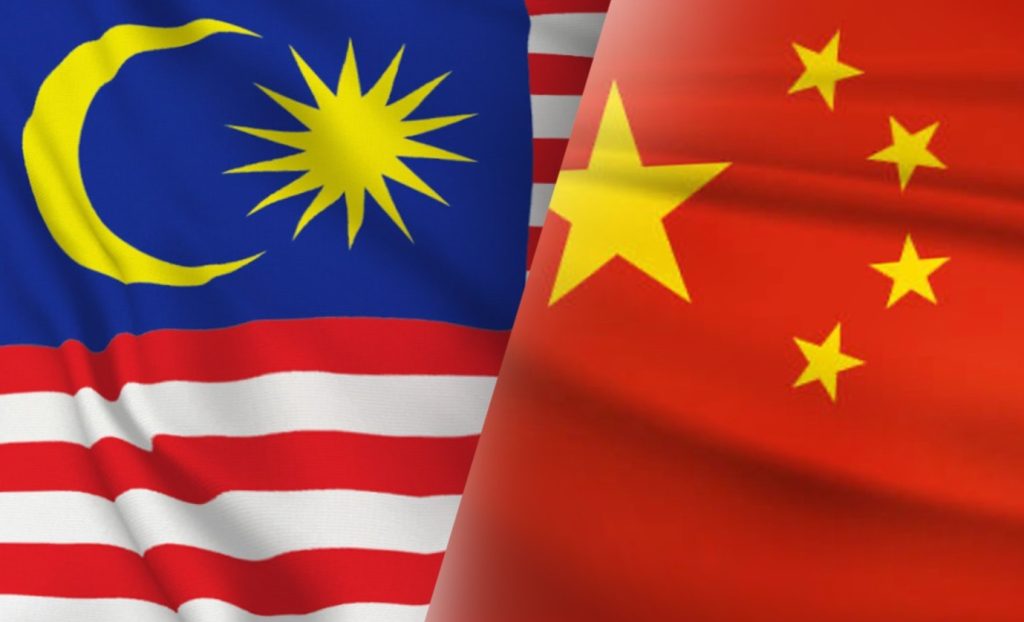
KUALA LUMPUR: A strong Malaysia-China economic relationship is expected to help the country face and overcome the adverse effects of a US recession. Capital Dynamics Asset Management Sdn Bhd Managing Director, Tan Teng Boo said that China is set to introduce aggressive policies to shore up its economy on the back of the latest development in the country and the US, helping to cushion the impacts of a possible global recession. Therefore, he believed Malaysia’s economy would still grow relatively better than other countries due to its links with China. Tan opined that Bursa Malaysia’s FBM KLCI would be able to end the year at the 1,600 level and the ringgit between 4.40 and 4.50 as US recession risks are set to induce monetary policy change in the world’s largest economy. “China has always been an important country to the world and Malaysia, not just for businesses and investments but also for the nation’s economy and foreign policies,” he said. Tan described the US recession as potentially unprecedented and very much different from previous crises, with the US government having limited policy space and may cut its interest rates significantly starting this year. “I will not be surprised if the US cuts interest rates to near zero again, he highlighted. Tan said that with a 2024 budget deficit estimated at 7% of GDP, the US has limited means to launch fiscal stimulus to boost its economy. He opined that Bank Negara Malaysia may retain its overnight policy rate at the current 3% to ensure that the monetary policy stance remains conducive to sustainable economic growth, amid a narrow rate differential should the US start cutting interest rates this year. According to Tan, China is in an excellent position to make use of fiscal measures to support the economy, and it has plenty of room to loosen its monetary policy. He added that with the decoupling already ongoing with the US, the resilient Chinese economy will be able to safely sail through another US-led financial crisis, just like 2008-2009. Tan said China saved the global economy in 2009 with her massive fiscal stimulus and again in 2022 to 2023 from a cost of living crisis, by not taking a fiscal-bazooka stimulus. “This time, we may see China saving the global economy for the third time, he said. China has been Malaysia’s largest trading partner since 2009, making up 14% of exports. Tourist arrivals from China reached nearly 1.2 million Chinese in five months of 2024, a 200% increase over the same period of last year. — BERNAMA

Investment & Market Trends, News

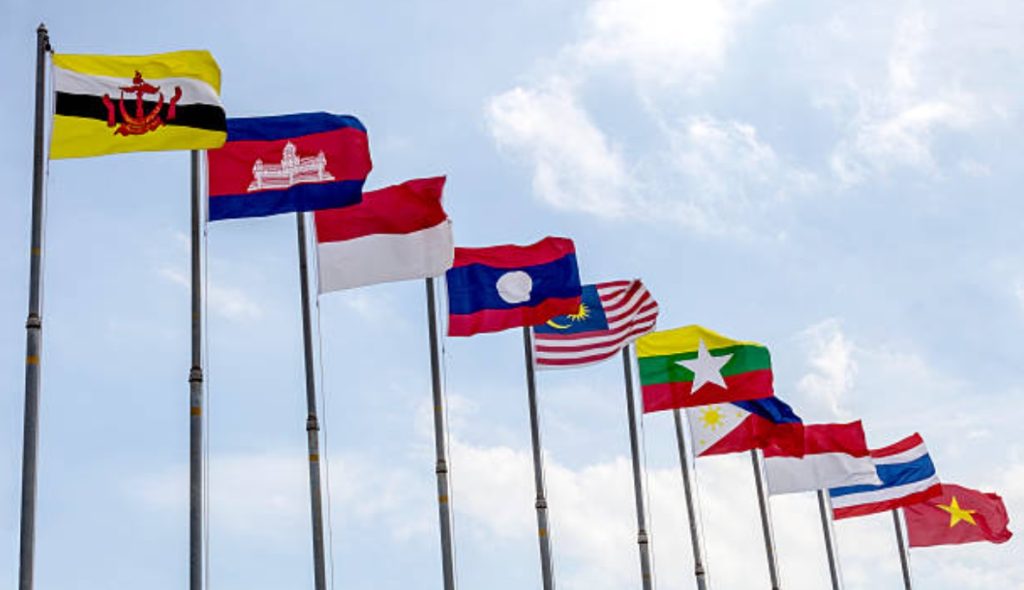
ASEAN on Positive Trajectory to Become World’s 4th Largest Economy by 2030

KUALA LUMPUR: ASEAN is on a positive trajectory to emerge as the world’s fourth-largest economy by 2030 from its current fifth, given its progressive and significant macroeconomic environment. ASEAN Economic Community (AEC) Deputy Secretary-General Satvinder Singh said this includes its gross domestic product (GDP) which soared 51% to US$3.8 trillion last year versus US$2.5 trillion in 2015. This was further reinforced by regional trade which rose to US$3.5 trillion in 2023 from US$2.3 trillion in 2015, which helped raise per capita income significantly. This reflects ASEAN’s persistent commitment to becoming an open economic region for global trade and investment, which has improved significantly, he said. “The important thing is, we are one of the very few regions in the world where our trade is almost as large as our GDP and the biggest component of trade is not our trade with China or the US, but our intra-Asian trade, which is somewhere close to US$800 trillion. “What we are trying to say is, as much as we have grown as the largest trade Component, we have also grown a lot in terms of our trade with the rest of the world,” he said. This is the uniqueness of economies within the ASEAN bloc, unlike the European Union or the North American Free Trade Area where “they like to trade with each other.” For Canada, Mexico and the European Union (EU), most of the countries trade with each other and not with the rest of the world. “So, this is the uniqueness of ASEAN. We are strong in Asia, and at the same time, we are (also) strong globally trading in goods and services,” he said. Satvinder said in the global south, ASEAN is also the largest recipient of foreign direct investments totalling about US$230 billion, to date. He said the global supply chain of companies with low carbon footprints and high-value activities is more likely to be in ASEAN countries in the coming years. Some of the sectors to see significant growth include semiconductors, agriculture, data equipment as well as minerals and the metals industries. Besides this, “the sweet spot for ASEAN is technology transformation and that frontier technologies such as 56, artificial intelligence, Internet of Things, are going to create another US$8 trillion, he said. Nonetheless, ASEAN should work hard to reduce the cost of technology across their economies and ensure regional economies have access to technological devices and solutions. Despite these economic positives, Satvinder expressed concern that the region’s young workers are expected to decrease while ageing workers are estimated to increase marginally, presenting the risk of skills mismatch. Across member countries, automation will also affect the different types of occupations. “Therefore, reskilling young workers in technology and innovation through technology management hubs, online education platforms for science, technology and innovation and upskilling the elderly will instil productivity and help strategic industries to move up,” he said. — BERNAMA

Investment & Market Trends, News

UOB Survey Shows Businesses Positive on Malaysia’s Prospects

KUALA LUMPUR: Malaysian and overseas small and medium enterprises (SMEs) as well as large enterprises, are optimistic about the country’s business landscape and prospects, according to the UOB Business Outlook Study 2024. The annual study revealed that Malaysia has emerged as the most important country for businesses in ASEAN and Greater China to venture into over the next 3 years. UOB Malaysia Chief Executive Officer Ng Wei Wei said the study indicates that local businesses are gearing up for growth and are bullish on Malaysia’s economic potential, while overseas businesses are looking to expand into the country. “This is due to Malaysia’s strong economic fundamentals and attractiveness as a regional business hub, driven by the China+1 strategy, the upcoming Johor-Singapore special economic zone, the upcycle of the global semiconductor industry and the rising adoption of sustainability among businesses and states. “UOB Malaysia remains committed to leveraging our extensive regional network, strong sector expertise and local market knowledge to support the growth of local businesses and facilitate more foreign direct investment and trade into the country,” she said. The survey aimed to understand the business outlook and key expectations among SMEs and large enterprises in Malaysia, Hong Kong, Indonesia, Mainland China, Singapore, Thailand and Vietnam. Among the key findings of the survey, more than 7 in 10 Malaysian businesses are positive about the current business environment, with 76% expecting business performance to improve this year. The sectors most positive about the current business environment are industrials, oil and gas (90%) and manufacturing and engineering (80%). The survey also showed that the top 3 priorities for local businesses in the next 1 to 3 years are reducing costs, adopting digital solutions to improve productivity, and sourcing new customers. “Almost 80% of Malaysian businesses want to expand overseas to boost their profits, grow revenue and build their reputation as international businesses. “Businesses also want to incorporate sustainability practices into their operations to attract investors, collaborate more easily with multinational corporations with sustainability goals, and improve their brand and reputation,” the survey reported. — BERNAMA

Investment & Market Trends

ACE Market-Bound Steel Hawk Berhad Targets to Raise RM13.50 Million from Transfer of Listing

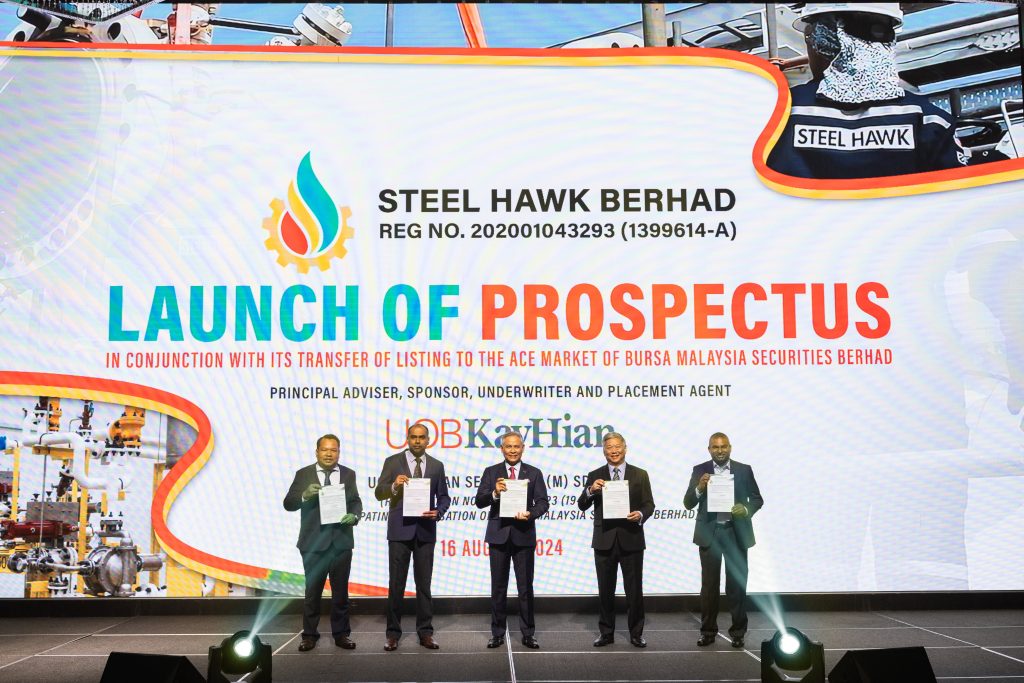
KUALA LUMPUR: Steel Hawk Berhad (“Steel Hawk” or the “Company”), a provider of oil and gas (O&G) services and equipment, has successfully launched its prospectus in preparation for its upcoming transfer from the LEAP Market to the ACE Market of Bursa Malaysia Securities Berhad (“Bursa Securities”). Steel Hawk, through its subsidiaries (collectively referred to as the “Group”), specializes in providing onshore and offshore support services for the O&G industry. The Group’s core capabilities include engineering, procurement, construction, and commissioning (“EPCC”) services, as well as the maintenance of topside O&G facilities, installation and maintenance of oilfield equipment, and the supply of oilfield equipment. With over a decade of proven experience, Steel Hawk serves clients across the upstream, midstream, and downstream sectors of the O&G value chain. Deputy Chairman and Executive Director of Steel Hawk, Dato’ Sharman K. Michael, commented, “The launch of our prospectus marks a significant milestone as we prepare to list on the ACE Market. This transition will provide us with access to a broader fundraising platform, supporting our expansion plans and accelerating our long-term growth initiatives.” Dato’ Sharman emphasized that the outlook for Malaysia’s O&G industry is positive, with Steel Hawk well-positioned to capitalize on upcoming opportunities. He highlighted the potential surge in contracts, which could help the Group expand its market share and enhance its financial performance. Steel Hawk’s ongoing efforts to boost its capabilities aim to solidify its standing as a leading industry player. Of the RM13.50 million to be raised through the transfer of listing, RM7.00 million (51.85%) will be allocated to expand the Group’s fabrication capacity fivefold, from approximately 13 metric tonnes (“MT”) to 65MT per month, by constructing an additional fabrication yard in Kemaman, Terengganu (the “Teluk Kalung Facility 2”). This new facility will help Steel Hawk overcome space constraints and reduce its reliance on subcontractors, optimizing the turnaround time for its EPCC services and generating cost savings. The facility will also allow the Group to undertake more fabrication activities, including blasting and painting works. Steel Hawk also plans to expand its EPCC and facilities improvement/maintenance services into the renewable energy (“RE”) sector, particularly in solar and hydroelectric energy. Additionally, the Group intends to offer integrated hook-up and commissioning (“HUC”) services to interconnect O&G infrastructure, encompassing onshore services such as fabrication, assembly, system integration, and pre-commissioning, as well as offshore services like transportation, installation, and start-up commissioning. Furthermore, RM2.00 million (14.81%) of the proceeds will be used to finance working capital, primarily for the purchase of raw materials like piping, fittings, and structures. An additional RM1.00 million (7.41%) will be allocated for the repayment of bank borrowings, while the remaining RM3.50 million (25.93%) will cover the expenses related to the transfer of listing. According to an Independent Market Research Report by Protégé Associates, Petroliam Nasional Berhad’s (“PETRONAS”) domestic capital expenditure (“CAPEX”) is projected to increase from RM26.50 billion in 2024 to RM28.00 billion by 2028. Steel Hawk is expected to benefit from this increase as demand for its services grows in line with PETRONAS’ renewed focus on exploration and production activities, signaling potential expansion opportunities for the Group. The transfer of listing involves a public issuance of 90.00 million new ordinary shares, representing 18.37% of the Group’s enlarged share capital of 490.00 million shares. The exercise also includes an offer for sale of 44.70 million existing shares, or 9.12% of the enlarged share capital, to selected investors via private placement. Out of the 90.00 million new shares to be issued, 24.50 million shares, representing 5.00% of the enlarged share capital, will be available for application by the Malaysian public. Another 12.25 million shares, representing 2.50% of the enlarged share capital, will be allocated to eligible employees and contributors to the Group’s success (“Pink Form Shares”). The remaining 53.25 million new shares, or 10.87% of the enlarged share capital, will be issued to selected investors through private placement. Based on an IPO price of RM0.15 per share and the enlarged share capital of 490.00 million shares, Steel Hawk’s market capitalization upon listing will be approximately RM73.50 million. The Group has shown strong financial performance, with revenue growing from RM24.85 million in the financial year ended December 31, 2021 (“FYE2021”), to RM72.54 million in the financial year ended December 31, 2023 (“FYE2023”), representing a compound annual growth rate (“CAGR”) of 71.00%. Correspondingly, the Group’s net profit increased from RM2.08 million in FYE2021 to RM7.22 million in FYE2023, reflecting a CAGR of 85.16%. Following the prospectus launch, applications for shares are now open and will close on August 23, 2024, at 5:00 p.m. Barring any unforeseen circumstances, Steel Hawk is scheduled to be listed on the ACE Market of Bursa Securities on September 5, 2024. UOB Kay Hian Securities (M) Sdn Bhd (“UOB Kay Hian”) is the Principal Adviser, Sponsor, Underwriter, and Placement Agent for the transfer of listing.

Investment & Market Trends

ACE Market-Bound VETECE Holdings Berhad’s IPO Oversubscribed by 187.41 Times

KUALA LUMPUR: Enterprise information technology (“IT”) solutions provider VETECE Holdings Berhad (“VETECE”) has attracted significant investor interest for its upcoming initial public offering (“IPO”), which has been oversubscribed by 187.41 times ahead of its listing on the ACE Market of Bursa Malaysia Securities Berhad (“Bursa Securities”). VETECE, through its subsidiaries (collectively referred to as the “Group”), specializes in the implementation of enterprise IT solutions, offering maintenance, support, and professional services, along with the resale of hardware and software. The Group’s portfolio includes application integration and Single Sign-On (“SSO”) management solutions, data engineering and analytics solutions, Customer Relationship Management (“CRM”) solutions, software testing solutions, as well as on-premise and cloud infrastructure solutions. By collaborating with technology leaders such as Oracle, WSO2, Salesforce, and Teradata, VETECE delivers customized IT solutions to clients across sectors including telecommunications, financial services, and technology. Among its prominent clients are Telekom Malaysia Berhad, Telstra Corporation Limited, and China Construction Bank. The Group’s IPO consists of 137,200,000 ordinary shares, comprising a public issue of 98,000,000 new ordinary shares (“Issue Shares”), representing 25.0% of the enlarged issued share capital. Priced at RM0.25 per share, VETECE expects to raise RM24.50 million from this public issue. Additionally, the IPO includes an offer for sale of 39,200,000 existing shares (“Offer Shares”), accounting for 10.0% of the enlarged issued share capital, by way of private placement to selected investors. VETECE received a total of 31,054 applications for 3,692,919,000 shares, valued at approximately RM923.23 million, for the 19,600,000 shares allocated to the Malaysian public, reflecting an oversubscription rate of 187.41 times. The 9,800,000 Issue Shares available for application by eligible directors, key senior management, employees, and contributors to VETECE’s success have been fully subscribed. Meanwhile, the 68,600,000 Issue Shares and 39,200,000 Offer Shares offered via private placement to selected investors have also been fully placed out. Successful applicants will receive their notices of allotment by August 26, 2024. VETECE’s Executive Vice Chairman, Mr. Vernon Tee Chee Chiang, commented, “The overwhelming response to our IPO reflects strong investor confidence in VETECE’s growth potential. The funds raised will be critical in accelerating our strategic initiatives, expanding our market reach, and enhancing our portfolio of enterprise IT solutions. By focusing on innovation and meeting customer needs, we aim to strengthen our position as a leading provider of enterprise IT solutions both domestically and regionally.” Datuk Roslan Hj Tik, Executive Director and Head of Group Investment Banking and Islamic Banking at Kenanga Investment Bank Berhad, added, “We are thrilled with the overwhelming response to VETECE’s IPO, which demonstrates strong market confidence in the company’s growth trajectory and prospects. We are proud to support VETECE on this significant journey.” VETECE is set to be listed on the ACE Market of Bursa Securities on Wednesday, August 28, 2024. Upon listing, VETECE will have a market capitalization of approximately RM98.00 million, based on an issue price of RM0.25 per share and an enlarged issued share capital of 392,000,000 shares. Kenanga Investment Bank Berhad is the Principal Adviser, Sponsor, Underwriter, and Placement Agent for the IPO.

Investment & Market Trends, News

Malaysia’s Digital Investment Soars to RM66.22 Bil in 1H 2024

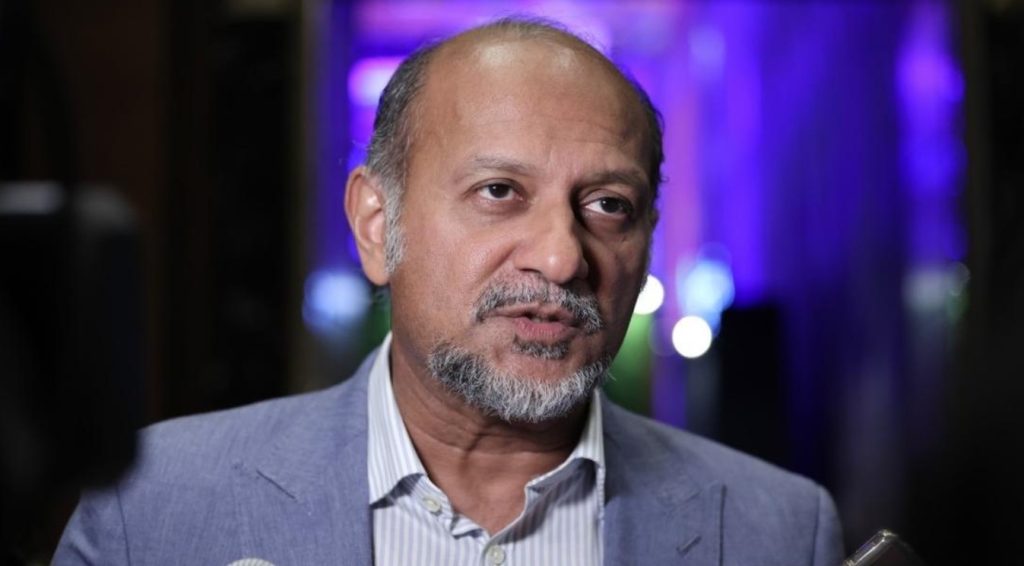
KUALA LUMPUR: Malaysia’s digital investment soared to RM66.22 billion in the first half of this year (1H 2024), demonstrating robust growth and resilience of the digital economy despite global geopolitical tensions. Digital Minister Gobind Singh Deo said this was a significant achievement, noting that the amount has already surpassed the full-year digital investment for 2023 which stood at RM46.2 billion. He attributed the strong upward trajectory to stronger investor confidence and the economy’s forecasted growth of 4%-5% this year. “This investment inflow created 25,498 jobs in 1H 2024, surpassing the 22,258 tally recorded in 2023. The digital sector continues to be a powerhouse for high-skilled, high-income employment,” he said. As for digital exports, Gobind said the ministry’s efforts via the Malaysia Digital Economy Corporation’s (MDEC) partnerships and business matching programmes generated export opportunities worth over RM1.93 billion. These involve 228 companies from 11 countries, namely Indonesia, the Philippines, Cambodia, Turkiye, Spain, Saudi Arabia, Japan, Taiwan, Kenya, Tanzania and the United Kingdom. “This represents an increase of over 43% from the export opportunities worth RM1.35 billion generated in 1H 2023,” he said. Gobind said MDEC’s DEX Connex initiatives in the Philippines and Indonesia as well as business missions have significantly contributed to the export opportunities in the first half of 2024. “It is worth noting that data centres and cloud companies collectively contributed the lion’s share of digital investment value across all sectors. “Information Technology (Infotech) and Global Business Services (GBS) companies took the lead in digital job creation, as they race to set up their centres of excellence and high-value GBS operations in Malaysia,” he said. He added that 451 tech companies have been awarded the Malaysia Digital (MD) Status in 1H 2024 (2023: 256 companies). “Of these, 39% are foreign companies contributing to foreign direct investments, while 61% are local companies,” he said. Gobind said companies with MD Status are entitled to many incentives, rights and privileges from the government, subject to necessary approvals and compliance with applicable conditions. The benefits include competitive tax incentives and duty import and sales tax exemption on the importation of multimedia equipment, access to local and foreign knowledge workers, exemption from local ownership requirements and access to funding facilitation. — BERNAMA

Investment & Market Trends, News

Malaysia on Track for High-Income Status, Says Economist

KUALA LUMPUR: Malaysia’s target to achieve high-income status is realistic, given its solid growth trajectory, economic stability and strong investor confidence. Its economic growth will continue to be driven by contributions from key states such as Selangor, Sarawak, Kuala Lumpur and Penang over the next 3 to 6 years, said Juwai IQI Global Chief Economist Shan Saeed. “Selangor currently contributes 25% to the nation’s gross domestic product (GDP), Sarawak is set to rise strongly and become a major contributor to the economy while Penang remains as the manufacturing hub,” he said. Overall, he expects Malaysia’s GDP growth to be around 4%-5% in the next 3 to 5 years, supported by a stronger ringgit, as the local note is expected to range between RM4.10 and RM4.40 versus the US dollar. “The budget deficit target remains under 3.5% with disciplined fiscal policy,” said Shan. He opined that growth in information and communication technologies (ICT), oil and gas (O&G), real estate, electrical and electronics (E&E), e-commerce, and logistics sectors will support Malaysia’s bid for high-income status. Malaysia is already a significant player in the E&E market, exporting to countries like China, the United States, Singapore, Hong Kong, and Japan. At the same time, the O&G sector continues to be crucial to the nation’s economy, with a strong ecosystem supporting both domestic and regional value chains. Recently, World Bank Malaysia lead economist, Apurva Sanghi said five Malaysian states, namely Selangor, Sarawak, Penang, Labuan and Kuala Lumpur, have surpassed the 2023 high-income threshold of US$14,005. According to his posting on X, Kuala Lumpur has the highest US$29,967 gross national income (GNI) per capita, followed by Labuan (US$19,17), Penang (US$16,660), Sarawak (US$16,650) and Selangor (US$14,29). Meanwhile, states with the lowest GNI per capita are Kelantan (US$3,850), Perlis (US$5,490) and Kedah (US$6,027). He noted that Malaysia could reach high-income status by 2030, emphasising the need for faster reforms to speed up the transition. Economy Minister Rafizi Ramli recently said Malaysia could attain high-income nation status from 2027 if the national economy grows 4%-5% every year and the ringgit strengthens to around RM4.20 against the US dollar. — BERNAMA

Investment & Market Trends, Property

Mah Sing Group Berhad’s Budget 2025 Wishlist

In light of Malaysia’s robust economic performance and buoyant property market, Mah Sing, under the leadership of Tan Sri Dato’ Sri Leong Hoy Kum, Founder and Group Managing Director, has outlined a strategic wishlist aimed at bolstering the country’s housing sector and fostering economic growth. As Malaysia’s economy expanded by 5.9% in the second quarter of 2024, driven by increased household spending and favourable labour market conditions, Mah Sing underscores the pivotal role of government support in sustaining this momentum. The property landscape has shown significant resilience, with over 104,000 transactions recorded in the first quarter of 2024—a 17% surge from the previous year—indicating robust market demand and economic vitality. Against this backdrop, Mah Sing emphasizes the importance of proactive governmental measures to sustain the sector’s growth trajectory and support broader economic recovery efforts. Key Proposals for Budget 2025   Revival of the Home Ownership Campaign (HOC) Mah Sing advocates for reinstating the Home Ownership Campaign, citing its pivotal role in facilitating home purchases and reducing housing overhang. The proposal includes reinstating incentives such as a 100% stamp duty exemption for properties priced between RM300,001 to RM1 million and offering a 10% discount on property purchase prices for first-time homebuyers. One-off First-Time Home Buyers’ Grant and Lower Fixed-Rate Financing To alleviate financial barriers for first-time buyers, Mah Sing proposes a one-off First-Time Home Buyers’ Grant of RM30,000 for properties priced up to RM500,000. Coupled with lower fixed-rate financing options, these initiatives aim to enhance affordability and stability in urban housing markets. Re-introduction of Tax Deduction for Housing Loan Interest The reintroduction of tax deductions for housing loan interest is highlighted as a critical measure to support new homeowners. Previously implemented from 2009-2010, this policy allowed deductions of up to RM10,000 per year on interest paid for housing loans over three years, significantly easing financial burdens and encouraging property investments. Reduction of Compliance Costs and Streamlining Approval Processes Mah Sing urges the government to reduce compliance costs and streamline approval processes to mitigate development expenses and housing costs. Proposed measures include reducing development charges, lowering land conversion premiums, and exempting utility contribution charges. Simplifying regulatory frameworks would expedite project timelines and enhance affordability for homebuyers. Incentives for Green Building and Sustainable Development In alignment with Malaysia’s environmental goals, Mah Sing proposes enhanced tax reliefs and grants for developers adopting green building technologies and sustainable practices. These incentives aim to accelerate the adoption of eco-friendly construction methods, supporting Malaysia’s commitment to carbon neutrality by 2050 and promoting sustainable urban development. Mah Sing’s Budget 2025 wishlist underscores the synergistic relationship between robust governmental support and sustained economic growth in Malaysia’s property sector. By implementing these proposals, the government can stimulate homeownership, reduce housing affordability barriers, and foster a resilient property market that contributes positively to Malaysia’s economic development and societal well-being.

Investment & Market Trends, News

Malaysia Achieves 3.6% GDP Growth in 2023 Amid Global Challenges

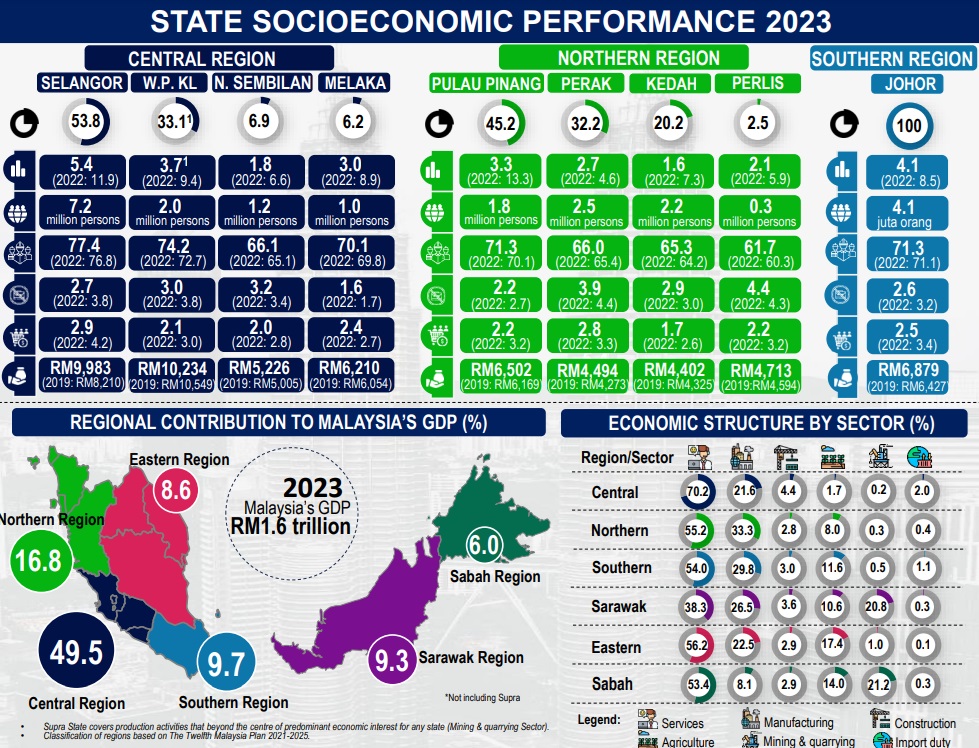
PUTRAJAYA: Malaysia demonstrated commendable economic resilience by achieving a gross domestic product (GDP) growth of 3.6% in 2023. According to the Department of Statistics Malaysia (DOSM), the achievement was recorded amidst the challenging global economic environment, which includes geopolitical tensions impacting global markets, rising cost of living and commodity price fluctuations. “The services sector notably contributed to the growth with a robust performance of 5.1%, counterbalancing the manufacturing sector’s modest growth of 0.7% due to global economic challenges, including supply chain disruptions and fluctuating commodity prices,” said DOSM Chief Statistician Daruk Seri Dr Mohd Uzir Mahidin. He said that Malaysia experienced a notable influx of tourist arrivals in 2023, indicating a substantial recovery to 20.1 million tourists compared to 10.1 million tourists in 2022 when global travel restrictions were more stringent due to the pandemic. “Domestic tourism also improved, recording 213.7 million visitors, an increase of 24.6% against 2022 (171.6 million),” he said. Mohd Uzir noted that Malaysia will continue positioning itself as a resilient and attractive destination for global investors in 2023, based on its robust investment performance. “The influx of capital not only strengthened Malaysia’s economic resilience but also elevated its competitiveness in the global market. “The Malaysian Investment Development Authority (MIDA) reported that Malaysia secured approved investments of RM329.5 billion in 2023, a 23% increase compared to the previous year’s RM267.8 billion,” he said. Mohd Uzir added that despite facing a challenging global economic environment, Malaysia’s trade surpassed RM2 trillion for the third consecutive year, reaching RM2.64 trillion in 2023, with a trade surplus of RM214.1 billion. He said Pulau Pinang, Johor, and Selangor continued to lead as Malaysia’s top exporting states, contributing 31.4%, 20.3%, and 17.7%, respectively, to national exports. He said Malaysia’s inflation in 2023 eased to 2.5% from 3.3% in 2022. This was in tandem with the decline in most global commodity prices, the easing of supply disruptions, price controls and the provision of subsidies for selected goods. Additionally, Malaysia’s population in 2023 is estimated at 33.4 million, increasing 2.1% from 32.7 million recorded in 2022. “5 states, namely Selangor, Johor, Sabah, Perak, and Sarawak, registered a total population of 19.9 million people, contributing 59.8% to the total population. “The Labour Force Participation Rate (LFPR) increased by 0.7 percentage points to 70% in 2023, up from 69.3% in 2022. This increase was observed across all states compared to the previous year,” he added. — BERNAMA

Scroll to Top

Subscribe
FREE Newsletter