News

News

SAP Names Liher Urbizu as Southeast Asia Head; Verena Siow Moves to APAC Role

SINGAPORE: SAP today announced the appointment of Liher Urbizu as President and Managing Director for SAP Southeast Asia (SEA). Liher succeeds Verena Siow, who will take on a new role as Regional Business Suite Leader for SAP, Asia Pacific (APAC). Both leaders bring decades of experience to their positions, strengthening SAP’s continued commitment to delivering customer success and driving forward its cloud and AI innovation strategy. In his new role, Liher will be responsible for overseeing strategy, operations, and customer success across SAP’s Southeast Asia market unit, encompassing Singapore, Malaysia, Indonesia, the Philippines, Vietnam, Thailand and emerging countries within Indochina. He will focus on helping organizations in the region drive continued innovation and sustainable growth in the digital economy, underpinned by data, AI, and the cloud. Liher has served in multiple leadership roles at SAP, most recently as Chief Business Officer, APAC. Over his 25 years in the SAP ecosystem, he has been a customer, a partner, and an SAP executive. Highlights of his tenure include serving as Global Head of Partner Success Services, Head of Services Asia Pacific & Japan, Chief Operating Officer Japan, and Managing Director for SAP Indochina, where he led the team to several significant achievements and accolades. Commenting on his new appointment, Liher said, “Southeast Asia was the launchpad of my career within the SAP ecosystem. I am energized by the opportunity to return and lead this dynamic market unit, with a focus on delivering tangible business outcomes for our customers by harnessing AI and SAP’s industry-leading business software solutions. I firmly believe that by aligning our technology with the region’s growth ambitions, we will help businesses of all sizes and industries innovate and thrive in the digital-first era.”   Simon Davies, President, SAP Asia Pacific, said, “Southeast Asia is leading the world in this new era of AI adoption. Verena Siow’s contribution to SAP SEA over the past several years has been significant, and I am confident that her outstanding leadership will help us execute on our strategy and achieve tangible cloud momentum for SAP and our customers across the APAC region. Liher’s extensive leadership experience in Asia will also serve the SEA team well in its next phase of growth. Liher combines a deep understanding of our customers’ evolving business needs with a proven track record of leading high-impact teams. As the new President and Managing Director of Southeast Asia, he will play a critical role in accelerating our cloud and AI initiatives, ensuring that organizations in SEA can fully leverage SAP’s innovation to solve their most pressing business challenges.” Having served SAP for over 13 years, Verena Siow transitions from her role as President and Managing Director of Southeast Asia to take on the new role of Regional Business Suite Leader for SAP, Asia Pacific (APAC). In her new position, she will drive cloud growth and strategic business development across Asia Pacific. She will focus on creating a seamless experience for SAP’s cloud customers, from demand generation to renewals, in support of the company’s broader vision of delivering consistent and exceptional outcomes across all markets. Verena said, “Over the past five years, the Southeast Asia team has demonstrated remarkable resilience and consistent success, anchored by our customers’ trust in SAP’s solutions and innovation. I’m excited to bring my experience to the whole of APAC, as SAP continues to deliver next-generation cloud solutions and expand our footprint across Asia. I look forward to helping customers, both in Southeast Asia and across APAC, continue to Accelerate to Innovate and unlock further value on their transformation journeys.”

News

Zoho Forges Strategic Partnership with Cradle to Empower Malaysia’s Startup Ecosystem

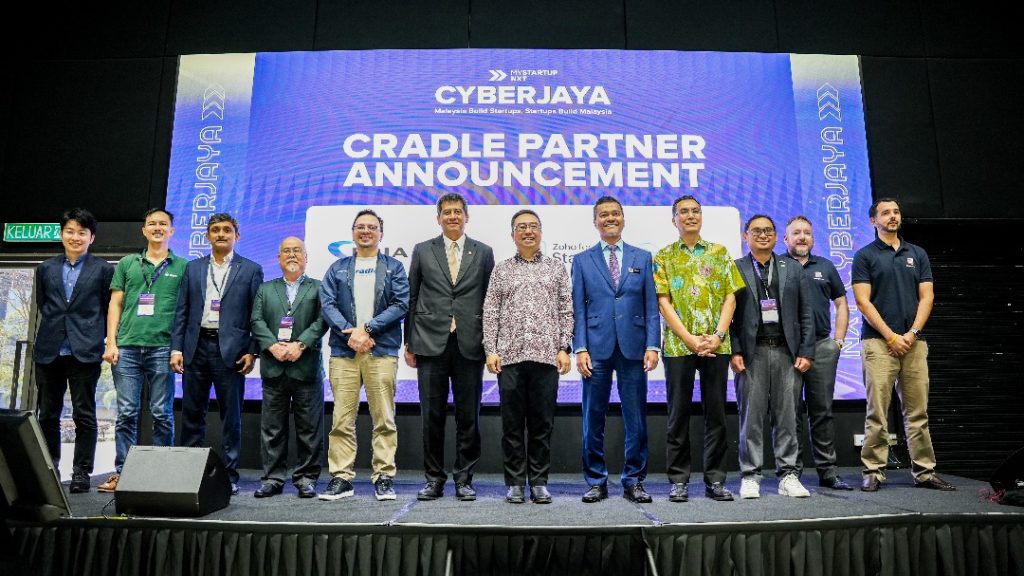
KUALA LUMPUR:  Zoho Corporation, a global technology company is pleased to announce a strategic partnership with Cradle Fund Sdn Bhd (Cradle), Malaysia’s focal agency for early-stage startups. Under this collaboration, Zoho will extend its Zoho for Startups program via Cradle’s MYStartup Single Window platform, an integrated hub supporting startup founders at various stages of their journey. Malaysia is the second ASEAN country that will have access to this program. This initiative aligns with Zoho’s global mission to equip startups with resources to launch and scale their ventures.  The strategic partnership was announced at MYStartup NXT – a micro conference in Cyberjaya witnessed by YB Tuan Chang Lih Kang, Minister of Science, Technology and Innovation (MOSTI). As part of the strategic partnership, Zoho has committed over RM44 million in Zoho Wallet credits to empower 4,400 Malaysian startups with access to its comprehensive suite of business applications. Each participating startup will receive credits valid for one year, allowing them the flexibility to explore and adopt tools tailored to their specific operational and growth needs. Since its inception in 2017, the Zoho for Startups program has engaged with over 18,000 startups globally through impactful partnerships with more than 200 incubators, accelerators, and startup-enabling organizations. In Malaysia, this opportunity will be extended to startups with Cradle’s expansive ecosystem, which includes companies ranging from early-stage to those that have reached Series B funding. Promotion of the program will be carried out through various touchpoints, including WhatsApp groups, emails, events, and social media to ensure broad visibility and engagement. Startups interested in accessing this support may apply through the MYStartup Single Window platform (www.mystartup.gov.my) to be part of the program and leverage Zoho’s solutions for their next phase of growth.     “At Cradle, we believe startups grow faster when they’re equipped with the right tools and surrounded by the right ecosystem. Our collaboration with Zoho is all about making that happen, giving founders easy access to world-class software solutions that can power their next big leap. Through the MYStartup Single Window platform, we are not just connecting startups to the right tools and resources-we are opening doors to global opportunities and helping them build with confidence.” – Norman Matthieu Vanhaecke, Group CEO, Cradle “The Zoho for Startups program operates like any “pull model” responding to the startup ecosystem’s proactiveness, also keeping in mind Zoho’s growth strategy for the region. Malaysia is steadily focusing on its innovation landscape, strengthened by the support and budget from the government and the new policies in place. With the collective experience we have of running the Zoho for Startups program in more than 10 locations across the world, including India, we are poised to make this collaboration as one of the most impactful one for Malaysia.”   — Kuppulakshmi Krishnamoorthy, Global Head—Zoho for Startups “Malaysia’s rapidly growing startup ecosystem presents an exciting opportunity for us to engage with a dynamic, tech-savvy community. With strong government support and innovative founders driving growth, now is the perfect time to launch Zoho for Startups. Our solutions—Zoho CRM, Zoho Workplace, Zoho Books, Zoho Creator, Zoho Desk and Zoho One—are already popular among startups, and we look forward to seeing how Malaysia’s vibrant ecosystem shapes their adoption.” – Gibu Mathew, VP & GM, Zoho APAC In addition to providing wallet credits, Zoho is exploring opportunities around may also supporting other government-led startup initiatives by participating as an expert or speaker at relevant cohort events. This involvement reflects Zoho’s ongoing commitment to fostering a sustainable startup ecosystem in Malaysia and equipping entrepreneurs with the tools they need to succeed. This partnership represents a significant step toward strengthening the Malaysian startup landscape, fostering innovation, and supporting the growth of the next generation of successful tech companies in the country. For more information on Zoho for Startups and how your company can benefit from this program, please visit Zoho for Startups.

News

Nio to Launch Firefly EV in Europe by Q3 2025

SHANGHAI: Chinese electric vehicle (EV) manufacturer Nio is set to launch its new compact model, the Firefly, in Europe during the third quarter of 2025, company President Qin Lihong confirmed on 22 April 2025. The announcement comes amid Nio’s ongoing push into global markets, although its expansion in Europe has faced unexpected hurdles. Speaking ahead of the Shanghai Auto Show, CEO William Li acknowledged that the company had underestimated the complexities involved in scaling its sales and service network across the continent. Despite those challenges, Nio remains committed to establishing a strong European presence, with the Firefly EV positioned as an affordable entry-level model aimed at urban drivers. The launch is expected to help Nio compete more aggressively with established European automakers and rising local EV players. The company’s strategic move highlights the growing competition in the global EV market, as Chinese manufacturers look to expand their footprint beyond domestic borders amid increasing international demand for sustainable mobility solutions.

News

South Korea’s LG Energy Solution pulls out from Indonesia EV battery investment

JAKARTA: South Korea’s LG Energy Solution has formally withdrawn from a 142 trillion rupiah ($8.45 billion) project to develop electric vehicle battery making in Indonesia, the company said on 21 April 2025. LGES and the Indonesian government signed a deal on the so-called Indonesia Grand Package project in late 2020, which includes investments across the EV battery supply chain in the Southeast Asian country. “Taking into account various factors, including market conditions and investment environment, we have agreed to formally withdraw from the Indonesia GP (Grand Package) project,” LGES said in a statement. “However, we will continue to explore various avenues of collaboration with the Indonesian government, centering on the Indonesia battery joint venture, HLI Green Power,” it added. HLI Green Power, a joint venture led by LGES and Hyundai Motor Group, last year inaugurated Indonesia’s first battery cell production plant with an annual capacity of 10 gigawatt hours. It has plans to expand the capacity in the second phase of investment. Indonesia will continue to seek foreign investors to partner with local companies to develop the battery industry, leveraging the country’s rich nickel reserves, said energy ministry official Tri Winarno. “Even though LG has exited, Indonesia remains convinced our nickel is more competitive than other countries,” he told reporters. Indonesian state-controlled miner Aneka Tambang, which had planned to form a JV with LGES to mine nickel, said it remained committed to work with other companies to supply nickel for battery production. State firm Indonesia Battery Corporation, which had also planned to partner with LGES, did not respond to requests for comment.

News

Transport Ministry Proposes Phased 30% Port Tariff Hike to Sustain Growth

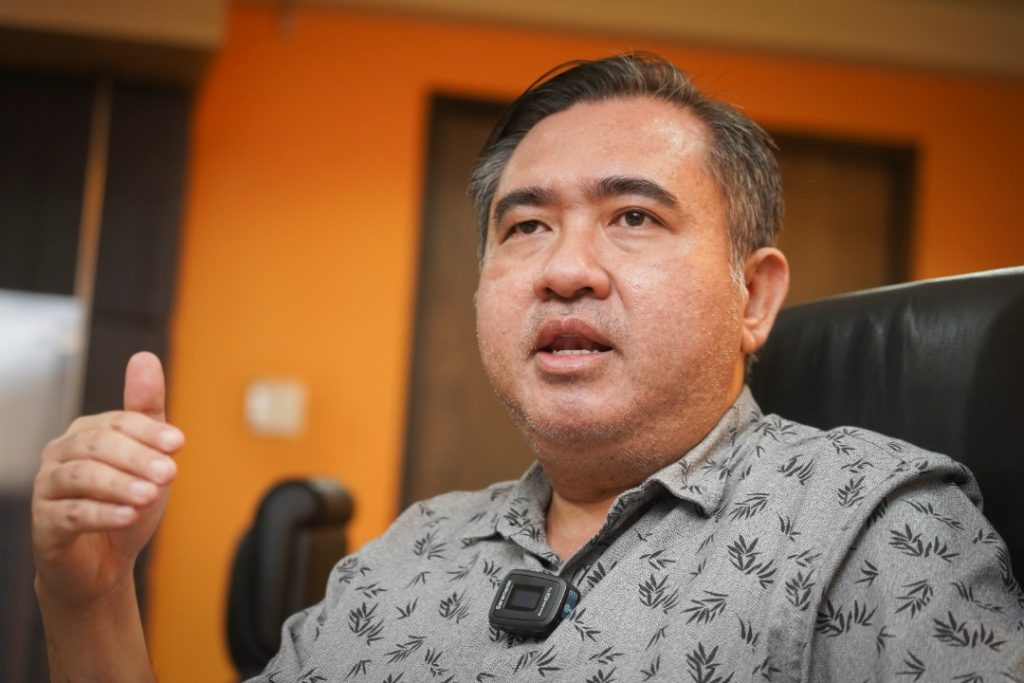
PUTRAJAYA: The Ministry of Transport (MoT) is considering a structured mechanism to implement a phased 30% increase in port tariffs over the next three years, aimed at balancing market needs with the long-term development of Malaysia’s port infrastructure. Transport Minister Anthony Loke Siew Fook said the review comes amid concerns that the current system lacks transparency and consistency. Speaking after the MoT’s monthly assembly and the Raikan Kasih Madani 2025 event on Tuesday, Loke outlined the need for a transparent formulaic approach, possibly linked to annual inflation rates. “If the inflation rate is 2%, for example, then the increase could be gradual, not sudden as it has been previously,” he said. The new proposal suggests a three-phase tariff hike: 15% in the first phase, followed by 10% and 5% in the subsequent phases. Loke emphasised that the changes will only be implemented after extensive consultation and will be carefully reviewed by the Port Klang Authority and Johor Port Authority, who have yet to submit final documents for approval. Responding to the Federation of Malaysian Manufacturers’ (FMM) request to delay the proposed hike due to concerns over rising business costs, Loke clarified that tariff increases are not imposed arbitrarily but are subject to strict oversight and stakeholder engagement. “The last review was done a decade ago, with a 15% increase in 2015 and another 15% in 2018,” he noted. “Revenue from port operations must be sustainable to encourage investment and capacity expansion.” He added that without a reassessment of port charges, declining operator revenue could deter critical infrastructure investments, undermining the competitiveness of Malaysia’s ports. The phased increase aims to avoid sudden shocks to the logistics and manufacturing sectors, while ensuring long-term viability and development of port infrastructure.–BERNAMA

News

AmBank Moves to Auction Property of Jho Low’s Former Aide to Recover RM1 Million Loan

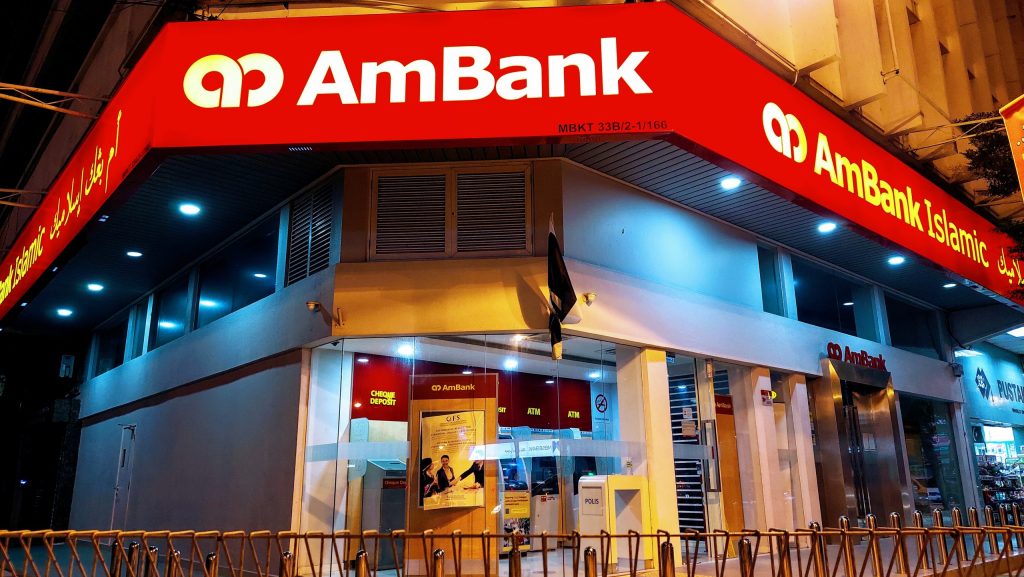
KUALA LUMPUR: AmBank (M) Bhd is taking steps to auction off a property in Bandar Kundang, Rawang, belonging to the late Kee Kok Thiam — a former aide to fugitive financier Low Taek Jho (Jho Low) — in a bid to recover an outstanding housing loan of RM1.018 million. According to court documents, the bank filed the legal action in February and subsequently applied on April 18 to amend its statement of claim to include Kee’s estate. The matter is scheduled for case management on Tuesday before High Court senior assistant registrar Liew Yen Fern. AmBank is seeking court approval to conduct the auction within a month of the order, with the property to be handed over vacant within 14 days post-sale. The bank has also requested to waive the usual 10% bidder’s deposit and is proposing a 120-day settlement period for the winning bid. Legal costs and a reserve price are also being sought. In a supporting affidavit, AmBank manager Shamshaharul Abdul Khalid stated that Kee had mortgaged the property on September 30, 2013, to secure the RM1.018 million loan. By December 2023, Kee had defaulted on payments, owing RM26,091.58. The bank then issued a Form 16D foreclosure notice and claimed the full outstanding sum of RM873,245.89, with interest accruing at 2.5% under a 6.70% loan rate. Kee passed away on May 29, 2023, from a stroke shortly after returning from Macau. Prior to his death, the Malaysian Anti-Corruption Commission (MACC) had confirmed that a person linked to the 1MDB scandal had returned to Malaysia — later identified as Kee. He was believed to have been involved in illicit fund transfers related to both 1MDB and SRC International Sdn Bhd, through a company called Wright Shaw Ltd. Kee’s alleged links to cash deposits into former prime minister Datuk Seri Najib Razak’s accounts had also surfaced in several 1MDB-related trials. This case echoes similar proceedings involving Jasmine Loo Ai Swan, 1MDB’s former general counsel, whose properties and vehicles were subject to foreclosure by OCBC Bank in 2021. Loo returned to Malaysia in July 2023.

News

Sapura Holdings Winding-Up Case Postponed as Shamsuddin Brothers Explore Settlement

KUALA LUMPUR:  The High Court has postponed the winding-up hearing of Sapura Holdings Sdn Bhd to Wednesday (April 23), as brothers and co-shareholders Tan Sri Shahril Shamsuddin and Datuk Shahriman Shamsuddin engage in last-minute settlement talks. Presiding Judge Leong Wai Hong granted the adjournment following a request from Shahriman’s counsel, Gopal Sreenevasan, who cited the ongoing negotiations and the desire to avoid cross-examination. However, the judge stressed the case’s legal clarity and warned against further delays if no resolution is reached. The dispute stems from a winding-up petition filed by Shahriman in September 2024, seeking equitable asset distribution. Shahril, opposing the petition, maintains that Sapura Holdings is not a family-run enterprise. Their father, Tan Sri Shamsuddin Abdul Kadir — Sapura’s founder — supported Shahriman’s view in an affidavit, stating that the company was intended to be jointly managed by both sons. Shahril and Shahriman each hold a 40.5% stake in Sapura Holdings, while their jointly owned Brothers Capital Sdn Bhd holds 15%. Minority shareholder Datuk Rameli Musa owns the remaining 4% and is aligned with Shahril in disputing the family-company claim. The case is closely watched due to Sapura Holdings’ significant stakes in listed entities such as Sapura Resources Bhd (51.1%) and Sapura Energy Bhd (11%), as well as investments in rail and luxury watch businesses. At the centre of the brothers’ dispute is the Permata Sapura office development, a joint venture with KLCC Holdings.–THE EDGE

News

Women-Led SMEs Fuel Malaysia’s Growth Amid Push for Gender Parity

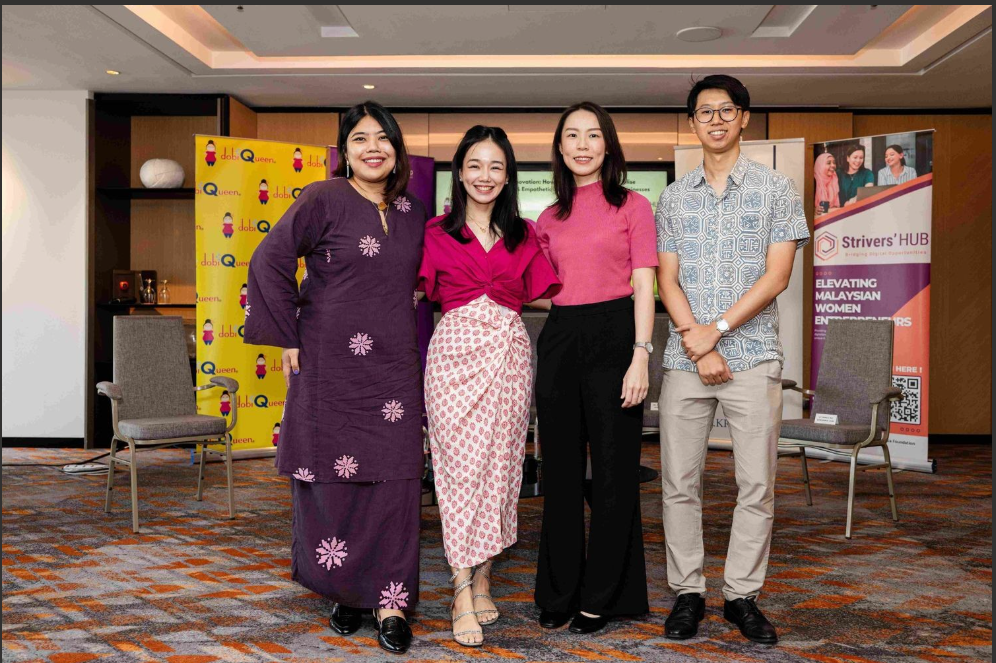
Women-led micro and small enterprises (MSWEs) now account for 21% of Malaysia’s SME landscape, equivalent to over 241,000 businesses. As the nation targets a 60% female labour force participation rate (LFPR) by 2033, coordinated efforts from both public and private sectors are stepping up to support these entrepreneurs in meaningful ways. SMEs make up 97.4% of all businesses in Malaysia. While the female LFPR rose slightly to 56.3%, the gap remains significant compared to the male LFPR of 82.9%, underlining the urgency for gender-inclusive policies and initiatives. One recent initiative came from self-service laundrette brand dobiQueen, which hosted a panel discussion titled “Empathy Meets Innovation: How Women Entrepreneurs Utilise Purposeful Technology & Empathetic Leadership to Transform Businesses.” The session brought together voices from TalentCorp’s Wanita MyWira, Khazanah Research Institute (KRI) and Strive Malaysia, providing a platform to examine systemic challenges and practical solutions. Addressing Time Poverty and the Digital Divide A study by Strive Malaysia highlighted that 97% of women entrepreneurs struggle with time poverty, balancing business operations with childcare and domestic responsibilities. While over 80% are digitally literate via platforms such as Facebook and TikTok, many do not fully leverage digital tools for business. Furthermore, only half of MSWEs feel confident managing business finances. Many cited limited understanding of broader financial concepts and a lack of accessible, relevant information from financial institutions. To address these gaps, Strive Malaysia has rolled out Strivers’ Hub, a digital platform offering a self-assessment tool, tailored microlearning, and mentorship aimed at building resilient, scalable women-led businesses. “This report has helped shape targeted interventions for women entrepreneurs,” said Li Yang Lau, Programme Officer at Strive Malaysia. “We aim to create an enabling ecosystem that reflects their evolving needs.” Empathy in Business: dobiQueen’s Mission dobiQueen, co-founded by Nini Tan, is one such business born from empathy. With 90 outlets in Klang Valley, it has revolutionised the laundry experience through digital solutions tailored to time-strapped households. “Women in Malaysia spend over 60% more time on unpaid care work daily,” Nini noted. “We designed dobiQueen to reduce that second shift, combining tech with services like express delivery, folding and pickup via a mobile app.” Institutional Support Scaling Up In 2024, TalentCorp, under the Ministry of Human Resources, launched Wanita MyWira to create pathways for women in the workforce — from students and returnees to entrepreneurs and leaders. “Through advocacy, employer engagement, and skills development, we’re addressing systemic workforce gaps,” said Natasha Alias, Head of Wanita MyWira. “In 2025, we’re scaling up efforts, promoting Career Comeback tax incentives, and working with universities and industries on inclusive hiring.” TalentCorp is also developing a Gender Action Lab Report, aligned with UN Women’s Empowerment Principles, to push forward workplace equality. Women in Agriculture: The ‘Invisible Farmers’ Dr Teoh Ai Ni, a Research Associate at Khazanah Research Institute, shared that while women in agriculture contribute significantly, they remain under-recognised due to gender stereotypes and limited access to resources. “Digital adoption is transforming agriculture. It’s no longer as labour-intensive, opening new doors for women,” Dr Teoh said. “But structural barriers — from care burdens to stereotypes — still need urgent redress.” As Malaysia advances toward its 2033 LFPR target, the contributions of women-led businesses — empowered by empathy, digital innovation, and collaborative policy — are proving pivotal to national growth. Strengthening support systems for MSWEs is not just an economic imperative, but a foundational move toward a more inclusive future.

News

Malaysia welcomes China’s policies to boost domestic consumption — Zafrul

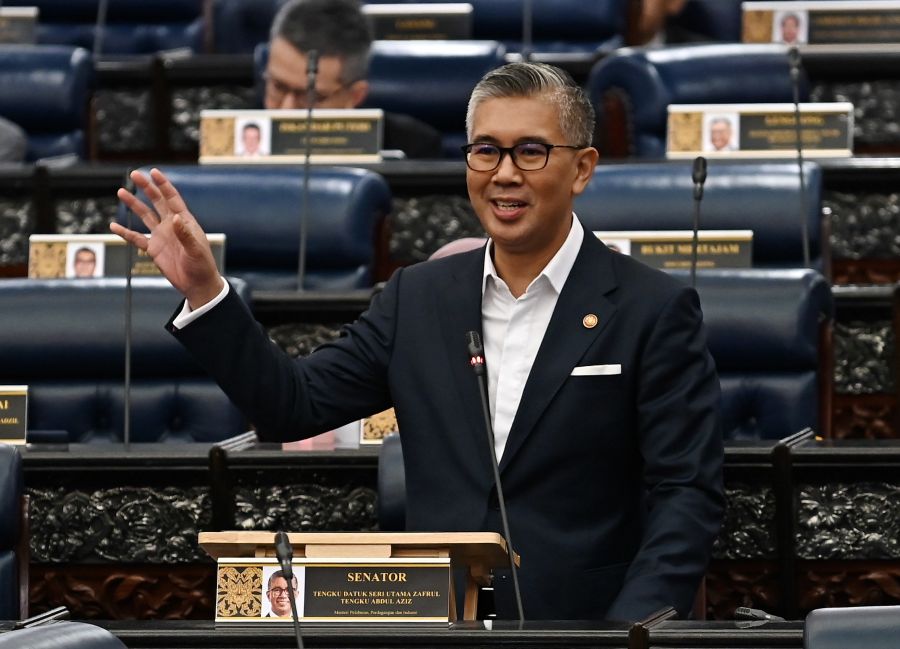
KUALA LUMPUR: Malaysia appreciates the recent policies introduced in China, as the government actively formulates measures to stimulate domestic consumption. Investment, Trade and Industry Minister Tengku Datuk Seri Zafrul Abdul Aziz said he sees this as a proactive step in the right direction. “The concern has not only been about the possibility of Chinese products flooding other markets due to restricted access to the United States, but also the wider implications for other exporters, including those from Malaysia, Indonesia or Vietnam, who may now face increased competition in third markets. As the world marks World Health Day, an often overlooked kitchen staple is proving essential in the global quest for better nutrition. Palm oil — derived from the fruit of the oil palm — is the most widely consumed vegetable oil on the planet, supplying over 30% of the world’s edible oils and fats. “These new domestic consumption measures from China could help mitigate both the direct and indirect impact on regional trade,” he said in an interview uploaded on his X account on Monday. Zafrul made this comment in response to a question about promising initiatives by China’s private sector, where major e-commerce platforms are pledging to boost domestic consumption by sourcing products from Chinese exporters and promoting them within the local market. One example is Chinese e-commerce giant JD.com, which has pledged to purchase approximately US$27 billion (RM118.1 billion) worth of goods from Chinese exporters over the next year for the domestic market. Zafrul said this would be a positive development and believes Malaysia should continue to work closely with China to explore further collaborative opportunities, especially in the context of such private sector-driven initiatives.–BERNAMA

Investment & Market Trends, News

Thai Manufacturers Hit by 36% US Tariff, Sentiment Drops

BANGKOK:  Thailand’s industrial sentiment declined in March for the first time in three months, reflecting growing unease among manufacturers over the prospect of renewed US tariffs, according to data released by the Federation of Thai Industries (FTI) on Tuesday. The FTI’s Industrial Sentiment Index dropped to 91.8 in March, down from 93.4 in February. A separate forward-looking index, measuring expectations for the next three months, also registered its first decline in a quarter, falling to 95.7 from 97.6. Concerns have been heightened by the imposition of a 36% tariff by the United States, a move that has particularly impacted Thailand, one of the Southeast Asian countries most exposed to such trade measures. FTI Vice Chairman Apichit Prasoprat noted that a recently announced 90-day pause on the US tariffs provides a temporary reprieve, allowing Thai exporters more time to adapt. “While the short-term outlook remains cautious, the tariff pause is a critical window for the industry to recalibrate,” he said during a press briefing. Compounding the uncertainty, Prime Minister Paetongtarn Shinawatra confirmed that scheduled Thai-US trade negotiations, initially set for April 23, have been postponed, though no new date was provided. The United States remains Thailand’s largest export destination, accounting for 18.3% of total exports last year, valued at $54.96 billion. Washington, however, continues to cite a $45.6 billion trade deficit with Thailand as a concern.–REUTERS

Scroll to Top

Subscribe
FREE Newsletter