News

News

South Korea’s Acting President Expects US Trade Talks to Yield Mutually Beneficial Outcome

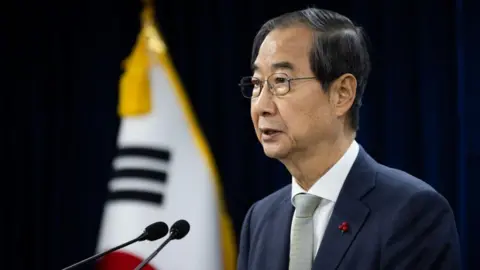
SEOUL: South Korea’s acting President Han Duck-soo expressed optimism on Tuesday that upcoming trade talks with the United States will result in a mutually beneficial agreement, amid rising geopolitical and economic pressures. Speaking at a Cabinet meeting, Han said the bilateral meeting scheduled for April 24 in Washington was arranged at the request of the US and will address critical areas of economic cooperation. Finance Minister Choi Sang-mok and Industry Minister Ahn Duk-geun will represent South Korea in the talks, which will involve US Treasury Secretary Scott Bessent and US Trade Representative Jamieson Greer. Choi, speaking to reporters before departing for the US, said he intends to “open the door to discussions that will strengthen the alliance between South Korea and the US.” Industry Minister Ahn is expected to depart on Wednesday. While the exact agenda remains unconfirmed, South Korea’s Industry Ministry stated that details are still being coordinated with US counterparts. This comes in response to a report from South Korea’s Maeil Business Newspaper, which suggested the talks could include discussions on Seoul potentially joining US-led efforts to curb trade with China. The backdrop to the meeting includes renewed friction between Washington and Beijing, with China on Monday accusing the US of abusing tariff policies and cautioning other countries against entering broader economic pacts that could undermine its interests. South Korean officials have indicated that cooperation on shipbuilding and potential involvement in an Alaska gas project could serve as bargaining chips in the negotiations. However, the government has firmly denied that defence cost-sharing for US troops stationed in South Korea is on the table. Han noted that although the discussions may present challenges, he remains confident that both sides can reach an agreement that reinforces the longstanding economic and strategic partnership. The high-stakes meeting highlights Seoul’s balancing act between maintaining strong trade ties with both Washington and Beijing, amid increasing global economic fragmentation and supply chain realignment.


News

Nomura to Acquire Macquarie’s US and European Asset Management Units for $1.8 Billion

Japanese investment bank Nomura Holdings has announced plans to acquire Macquarie Group’s public asset management operations in the United States and Europe for A$2.8 billion (US$1.8 billion), in a move aimed at strengthening its global asset management presence. The acquisition will include all public investment assets, operating platforms, and investment teams in both regions, while retaining the current management structure. The deal is expected to close by the end of 2025. Nomura President and Group CEO Kentaro Okuda said the acquisition would be “transformational” for the bank’s investment management division outside Japan. “It adds significant scale in the U.S., strengthens our platform, and provides opportunities to build our public and private capabilities,” he said. This move marks another major international acquisition by a Japanese firm, as the country’s corporations increasingly look abroad for expansion amid a shrinking domestic market. The asset management sector has become a key growth driver for Japanese financial institutions, offering more stable, fee-based income streams that are less sensitive to market volatility. Macquarie, Australia’s largest investment bank by assets, will retain its public investments business in its home market and continue operating a broad-based asset management platform that includes both public and private markets. As part of the agreement, Macquarie will collaborate with Nomura on product development and distribution. Following completion of the transaction, Nomura’s assets under management are expected to rise from US$590 billion to approximately US$770 billion.–REUTERS

News

Toyota and Daimler Near Merger of Truck Units, Eyes on 2026 Listing

Japanese automaker Toyota Motor’s truck unit Hino Motors and Mitsubishi Fuso Truck and Bus Corporation, a subsidiary of Germany’s Daimler Truck, are reportedly in the final stages of a long-anticipated merger, according to a report by Nikkei Asia. The two companies are expected to formalise a merger agreement as early as May 2025, following a delay announced in early 2024. If successful, the merger would establish a new holding company that will own both Hino Motors and Mitsubishi Fuso, with plans to list the entity on the Tokyo Stock Exchange’s Prime Market by April 2026. The original agreement to integrate the truck operations was announced in May 2023, with a target completion date by the end of 2024. However, the timeline was pushed back indefinitely in February 2024 due to undisclosed reasons. The Nikkei report noted that the merger is now gaining momentum, with the antitrust review by the Japan Fair Trade Commission nearing completion. The holding company structure is designed to strengthen the companies’ competitiveness in the commercial vehicle sector by pooling resources in technology, electrification, and global supply chains. Neither Toyota nor Daimler Truck have responded publicly to the latest reports as of press time. If finalised, the move would mark a significant shift in Japan’s truck manufacturing landscape, consolidating two of its major players in response to industry challenges including rising costs, decarbonisation targets, and growing competition from emerging markets.–REUTERS

News

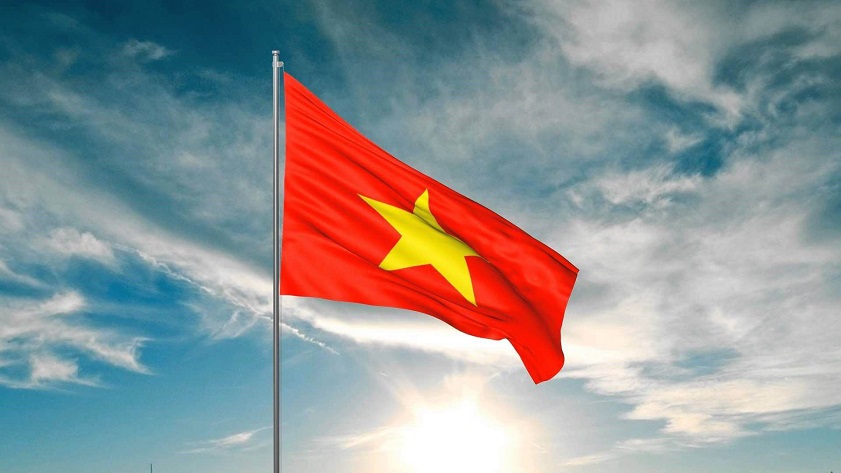
Vietnam to Finalise Restructuring Plan for Troubled Lender SCB

HANOI: Vietnam’s central bank is finalising a report based on a restructuring plan to address the issues of Saigon Joint Stock Commercial Bank (SCB), which has been at the centre of the country’s largest financial fraud scandal. Local media reported that the bank’s restructuring plan is based on a proposal from an unnamed investor. Last month, Reuters revealed that the Sun Group, a prominent Vietnamese developer, had submitted a rescue plan to the central bank. This plan involves a full reimbursement of nearly US$26 billion that the central bank has injected into SCB since October 2022 after the bank experienced a run on its deposits. The proposed timeline for reimbursement spans 15 years. The finance ministry’s Dau Tu newspaper stated that the central bank has drafted the report based on the investor’s proposal, but changes are expected after reviews by relevant state bodies. No further details about the plan or a timeline for its final submission were disclosed. The central bank had appointed Sun Group to prepare the restructuring plan, although neither the central bank, SCB, nor Sun Group have responded to media requests for comment. SCB came under the supervision of the State Bank of Vietnam in October 2022 following the arrest of real estate mogul Truong My Lan. Lan, who was sentenced to death for her role in diverting billions of dollars in loans from SCB to shell companies she controlled, sparked a crisis at the bank. In a separate case involving money laundering and the illegal issuance of corporate bonds, Lan’s life sentence was later reduced to 30 years on appeal. Since the crisis began, SCB has been reliant on central bank cash injections to manage its liquidity and cover deposit withdrawals. Despite efforts to involve the private sector, including calls for foreign investments, the central bank faces limitations such as a 30% cap on foreign ownership in Vietnamese banks. The government and central bank are keen to resolve the crisis, but the restructuring process continues to unfold under tight scrutiny.

News

Foreign Investors Pull US$3.8 Billion from Asian Market

PETALING JAYA: Foreign investors extended their net selling in Asian markets for a third consecutive week, with a significant net outflow of US$3.84 billion (RM16.84 billion) during the week ended April 18, 2025, according to MIDF Amanah Investment Bank Bhd’s fund flow report. Among the tracked markets, only the Philippines and India recorded net foreign inflows. India saw the largest regional inflows, with US$990.4 million (RM4.35 billion) reversing a two-week streak of net selling. This rebound was attributed to easing inflation, which fell to a 67-month low of 3.34% in March 2025, mainly due to deflation in food prices. Additionally, the country’s resilient domestic growth outlook, with forecasts of a normal monsoon and a 6.5% growth target from the Reserve Bank of India, boosted investor confidence. MIDF also noted progress in India’s trade talks with the US, including potential removal of import duties on energy products like ethane and liquefied petroleum gas, further enhancing bilateral ties. The Philippines ended a three-week selling streak with a modest net inflow of US$6.5 million (RM28.51 million). In contrast, Indonesia saw a net outflow of US$1.26 billion (RM5.52 billion), marking its second consecutive week of foreign selling. The country’s palm oil sector is pressing the government to reduce export taxes due to reciprocal tariffs imposed by the US, which are expected to lower farm-gate prices. South Korea continued to experience foreign selling for a fourth week, with outflows totaling US$1 billion (RM4.38 billion). The government announced an US$8.6 billion (RM37.72 billion) supplementary budget to support sectors such as automobiles and semiconductors, which were hit by US tariffs. Vietnam, which has faced eleven consecutive weeks of foreign selling, recorded outflows of US$185.8 million (RM815.17 million). The country’s cautious stance on aligning with China’s anti-US rhetoric, despite Xi Jinping’s visit to Hanoi and over 40 cooperation agreements, appeared to weigh on investor sentiment. Thailand also experienced US$26.9 million (RM118.02 million) in net outflows, marking its eighth straight week of foreign selling. The Bank of Thailand warned that US tariffs could reduce GDP growth by up to one percentage point, with the full impact expected to be felt in the second half of the year. On the domestic front, foreign net selling on Bursa Malaysia eased to RM330.5 million, significantly lower than the RM1.97 billion recorded the previous week. Foreign investors were net sellers every trading day except Friday, which saw a net inflow of RM39.9 million. The largest outflow occurred on Wednesday at RM153.6 million, while other days ranged between RM16.2 million and RM120.6 million. Friday’s inflow followed five consecutive days of outflows. The sectors that saw net foreign inflows included telecommunications and media (RM119.5 million), consumer products and services (RM34.4 million), and property (RM2.45 million). The largest net foreign outflows were observed in financial services (RM96.6 million), technology (RM87 million), and construction (RM80.8 million). Local institutions continued to support the market with net inflows of RM356.2 million, marking their 26th consecutive week of net buying. Meanwhile, local retail investors became net sellers with outflows of RM25.7 million, reversing a two-week buying trend. The average daily trading volume declined across the board, with foreign investors, local institutions, and local retailers registering decreases of 48.7%, 56.7%, and 47.2%, respectively. –BERNAMA

News

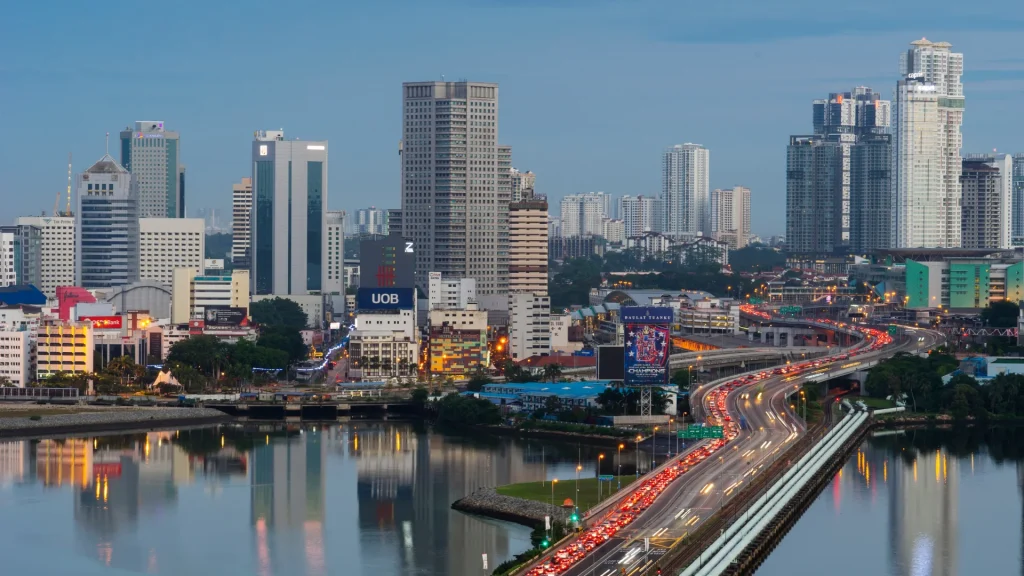
Johor Proposes ASEAN Industrial Park in Johor-Singapore SEZ to Attract Strategic Investments

JOHOR BAHRU: The Johor state government is considering the establishment of an ASEAN industrial park within the Johor-Singapore Special Economic Zone (JS-SEZ), aimed at attracting strategic investments from ASEAN and Regional Comprehensive Economic Partnership (RCEP) member countries. Menteri Besar Onn Hafiz Ghazi outlined that the industrial park would focus on high-value sectors such as advanced manufacturing, green technology, and the digital economy. The park is envisioned to drive technology transfer, boost regional competitiveness, and diversify supply chains across ASEAN. Onn Hafiz emphasized that the industrial park would offer customised incentives to foreign investors, including tax breaks, simplified talent mobility, and temporary relaxation of fund repatriation rules, making it an attractive proposition for RCEP-related investments. “We aim to stimulate economic growth and job creation in the JS-SEZ and establish the region as a key investment destination for RCEP countries,” he stated during the JS-SEZ joint business and investment forum. The JS-SEZ has already proven to be an investment hub, with RM27.4 billion in new investments approved in the first quarter of 2025, a substantial increase compared to RM48.5 billion in 2024. Additionally, another RM23 billion worth of projects are in the pipeline for April 2025. Onn Hafiz highlighted the state government’s efforts to create an efficient and investor-friendly environment, noting the success of the Invest Malaysia Facilitation Centre-Johor (IMFC-J), launched in February 2025. The centre has significantly streamlined the investment process, enabling faster approvals for high-impact projects, with 42 such projects now under accelerated processing. “We are committed to reducing bureaucratic delays. What traditionally took 24 months from briefing to operations can now be completed in just 13 to 14 months, saving nearly 10 months of processing time. Johor is serious, responsive, and ready for investments,” he affirmed.

News, Property

IWG & PNB to launch new top-class workspaces at Malaysia’s tallest tower

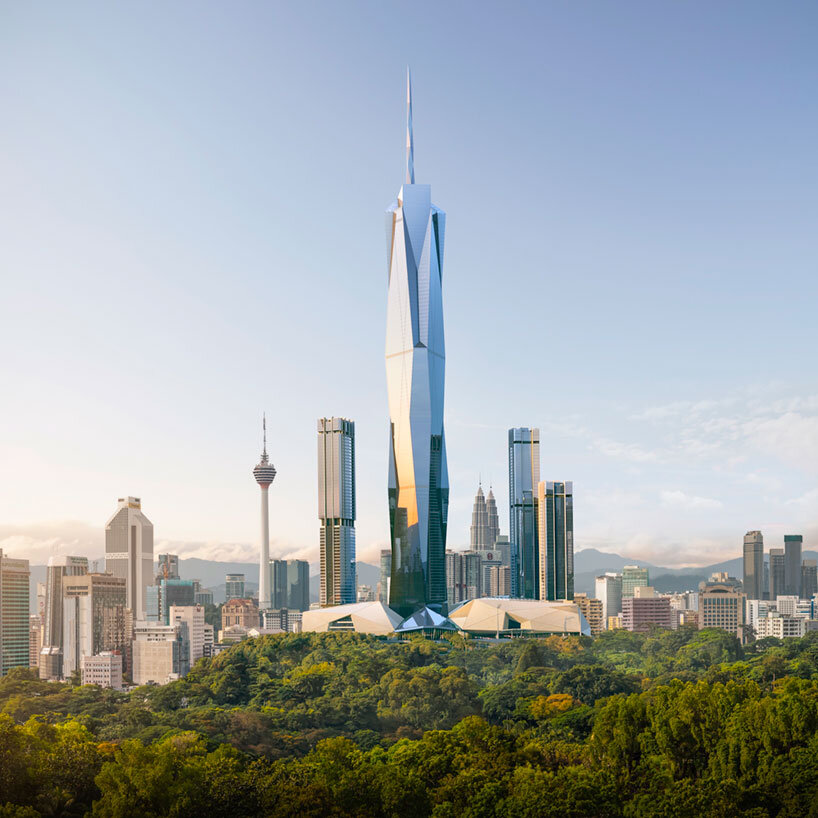
International Workplace Group (IWG) has announced the signing of a new centre under its Signature brand, located at the landmark Menara Merdeka 118. It will add to IWG’s global network of 4,000 locations spanning 120 countries, and support IWG’s future growth as it continues to cater to the rising demand for hybrid working. The new Signature centre boasts two floors of flexible work solutions, with 637 workstations, three meeting rooms, 31 coworking desks, a business lounge, and ample open space to support businesses of all sizes, with the option for large, branded and customised client areas. The premium city centre location has excellent transport accessibility, with easy access to highways, major roads and immediate access to the MRT, LRT, and expressway networks connecting users to locations like Klang Valley, Ampang, Sungai Buloh, Rawang, Shah Alam, Bangsar, Seremban and the Kuala Lumpur International Airport. Founder and Chief Executive Officer of IWG Mark Dixon said, “We are establishing a stronger presence in Malaysia with the signing of Signature at the renowned Menara Merdeka 118 in Kuala Lumpur, a prime business hub and the ideal location to drive our expansion plans. The signing of our newest Signature location comes as the demand for quality hybrid work solutions and access to a vast network of locations across Malaysia continues to rise.” Dixon added, “Our proven workplace model not only boosts employee satisfaction and productivity but also supports a more sustainable way of working. Through our continued collaboration with PNB, we are offering businesses a prestigious address in one of the world’s most sought-after locations, combining iconic locations with sophisticated flexible workspaces.” In Malaysia, IWG has 45 centres across four brands – Regus, HQ, Signature and Spaces, including four new centres announced last year, as well as four more new centres expected to open this year. In Kuala Lumpur, IWG currently has 16 operational centres throughout the city. This new centre is the fourth IWG location within PNB-owned properties, following three previous centres across Johor and Kuala Lumpur. This expansion is part of IWG’s broader network growth strategy in Malaysia, aimed at increasing accessibility to flexible work solutions for professionals and businesses. Dato’ Rick Ramli, Deputy President and Group Chief Executive of PNB, said, “We are pleased to welcome IWG’s new centre at Merdeka 118 as part of our continued efforts to support high-quality workspaces in Malaysia.” “As more Malaysian businesses and professionals seek premium office spaces tailored to their operational needs, we remain committed to facilitating greater access to diverse and high-quality work solutions. The addition of IWG’s latest centre aligns with our broader objective of supporting the evolving needs of the professional community in Malaysia,” he added. IWG’s Signature brand, known for its world-class workspaces in landmark buildings in major global hubs, offers a premium working environment with a custom design reflecting the quality and nature of the building – Signature at Merdeka 118 reflects the brand’s commitment to excellence. Standing tall at 678.9 metres, Merdeka 118 is the tallest building in Malaysia and Southeast Asia, and the second tallest building in the world, and also the first building in Malaysia to target triple green building platinum accreditations – Green Building Index (GBI), Green Real Estate (GreenRE), and has recently been certified in Leadership in Energy & Environmental Design (LEED).

News, Property

EcoWorld Up 4% on PD Industrial Park Development

KUALA LUMPUR: Share prices of Eco World Development Group Bhd (EcoWorld) rose in early trade on Monday after signing a tripartite agreement with SD Guthrie Bhd and NS Corporation to transform 483.59 hectares in Bukit Pelandok, Port Dickson, into an integrated industrial park. At 10.25am, EcoWorld advanced to 4.0 per cent or 7.0 sen to RM1.82 with 107400 units traded. In a joint statement last Friday, the parties said the collaboration sets the wheels in motion for the development of Parcel C within Malaysia Vision Valley 2.0 (MVV 2.0). The development will be via a special purpose vehicle Eco Business Park Sdn Bhd (EBP7SB). EcoWorld will have a 55 per cent stake in EBP7SB, SD Guthrie, and NS Corp, 30 per cent and 15 per cent, respectively. MIDF Amanah Investment Bank Bhd said EcoWorld’s net gearing is expected to increase marginally to 0.39 times (x) from 0.37x. It remains positive on EcoWorld as the growing business park segment will drive earnings growth. The investment bank expects the impact on EcoWorld’s balance sheet to be minimal. “Assuming EBP7SB funds the land acquisition via 30 per cent equity and 70 per cent borrowings, capital requirement for EcoWorld is estimated at RM94 million (at 55 per cent stake), which will lift net gearing marginally higher to 0.39x from 0.37x in the first quarter of it’s financial year 2025,” it said in a research note today. Meanwhile, the project will be developed over nine years with the first launch targeted by the first half of 2026, which will support EcoWorld’s new sales prospects, said MIDF Amanah. –BERNAMA

News

Malaysia Aviation Group Eyes Boeing Jets Dropped by China Amid Fleet Expansion Plans

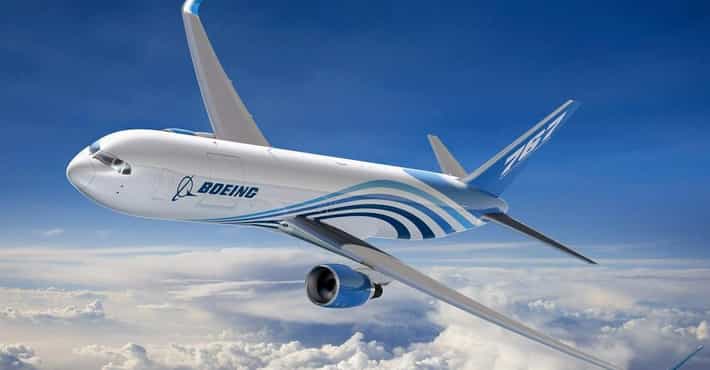
KUALA LUMPUR: Malaysia Aviation Group (MAG) is looking to fast-track its fleet expansion by securing Boeing aircraft delivery slots vacated by Chinese carriers amid escalating trade tensions between China and the United States. Group Managing Director Datuk Captain Izham Ismail confirmed ongoing discussions with Boeing, noting that the opportunity could accelerate MAG’s fleet growth, though competition for the aircraft remains fierce. “We’re speaking with Boeing to potentially take over those slots,” he said. “Everyone wants them—there’s a high demand—so we’re approaching it cautiously.” The opportunity arose following reports that China had instructed its airlines to halt deliveries from Boeing, forcing the US plane manufacturer to redirect aircraft previously intended for Chinese buyers. Any additional aircraft acquired under this arrangement would be separate from MAG’s current order of 25 aircraft under lease from Air Lease Corporation (ALC), set to be delivered between 2023 and early 2026. Izham noted that several key factors must be considered before acquiring new jets, including where the aircraft sits in the production queue and its configuration. “We need to know whether the aircraft is a green tail (unassigned) or already partially configured,” he explained. “Seat layout, lavatories, and galleys must align with our specifications.” Strategic Shift in Fleet Composition According to MAG’s Chief Strategy and Transformation Officer Bryan Foong Chee Yeong, the group is also shifting its long-term fleet strategy to better serve the Asia-Pacific region’s high-traffic routes, particularly in congested ASEAN capitals. “Currently, we operate a narrowbody Boeing 737 fleet, but by 2035, we’re looking at becoming more widebody-focused,” Foong said. “In congested airports, adding more flight frequency isn’t feasible, so we need larger aircraft to increase capacity.” MAG also plans to expand or replace its Airbus A350 fleet, with long-term planning extending to 2043. Financial Prudence and Capital Market Plans Group Chief Financial Officer Boo Hui Yee said MAG has only drawn RM1.3 billion of the RM3.6 billion capital injection pledged by sole shareholder Khazanah Nasional Bhd, with the remaining funds carefully managed to avoid unnecessary financial burden. “We’ve maintained a cash-positive position and continue to cover our operational costs,” she said. “We still have approximately RM2.3 billion in reserve. There’s no need to draw more unless required.” Izham also outlined plans to reduce MAG’s reliance on operating leases, aiming for a balanced fleet ownership model—50 per cent leased, 50 per cent owned. Currently, 80 per cent of MAG’s fleet is leased. “Leased aircraft come with costly end-of-lease conditions. Owning aircraft provides more control and reduces long-term costs,” he added. MAG’s efforts to secure vacated Boeing slots, recalibrate its fleet mix, and approach capital markets for expansion funding mark a strategic push to strengthen its regional competitiveness and financial sustainability.–BERNAMA

News

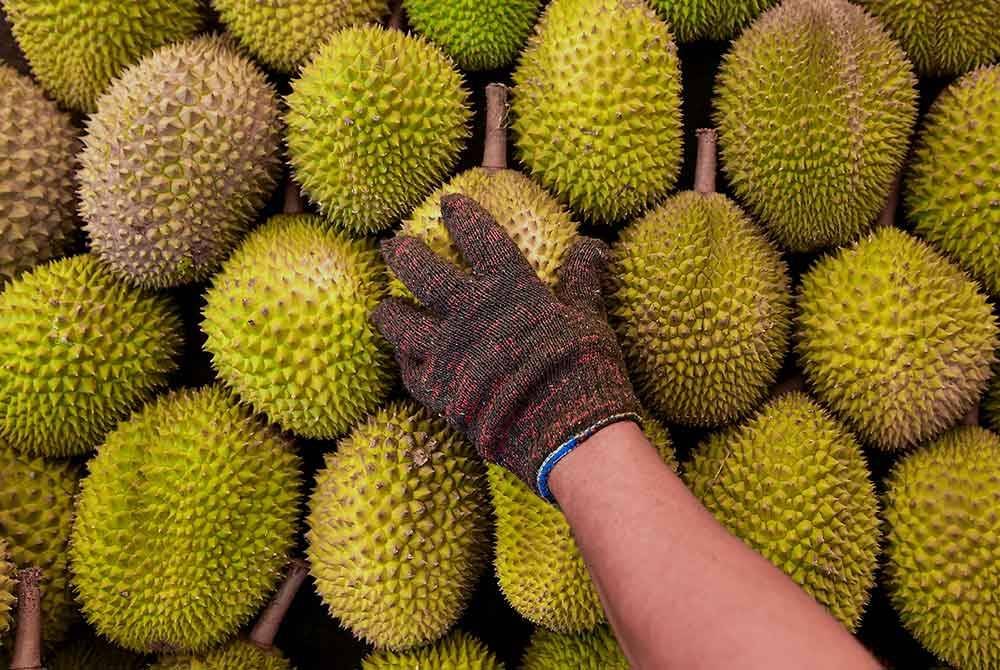
Malaysian Durian Exports to China Surge Following Xi Jinping’s Visit

SHANGHAI: Sales of Malaysian durians in China are experiencing a remarkable surge, offering a significant boost to the country’s durian industry. The increase in demand comes in the wake of Chinese President Xi Jinping’s recent visit to Malaysia, and reflects growing consumer interest in fresh, tree-ripened fruit. Between August and December 2024, Malaysia exported RM24.8 million (US$5.6 million) worth of fresh durians to China, according to the Ministry of Agriculture and Food Security. Industry experts attribute this growth to improved logistics, rising consumer preference for premium fruit, and strengthened diplomatic ties between the two nations. “Fresh durians, transported to China by air within 48 hours of harvest, are highly popular among affluent Chinese consumers,” said Guo Min, Deputy Marketing Director at Joy Wing Mau, a major fresh fruit distributor in China. “Our Malaysian partners have increased exports by 30 per cent this year, boosting our confidence in further developing the market.” Vivian Wang, Marketing Director at Dole Asia Holdings, echoed this optimism. “Fresh Malaysian durians are among the fastest-growing imported fruits in China. This trend creates substantial opportunities for growers in Malaysia.” While Thailand remains the market leader, holding 57 per cent of China’s US$6.99 billion durian market, and Vietnam accounts for 38 per cent, Malaysian durians are gaining traction. Malaysia and the Philippines together recorded US$38.2 million in durian sales to China last year. Malaysia’s appeal lies in the distinctive quality of its fruit—durians that are allowed to ripen naturally on the tree, unlike many Thai and Vietnamese varieties. This enhances flavour and aroma, making them highly desirable among discerning consumers. “The consistent supply and the premium nature of Malaysian durians set them apart,” said a representative from a food processing company. “Chinese consumers are increasingly valuing authenticity and quality.” Jiang Jianli, Logistics Director at Goodfarmer Fresh Fruit Trading, noted that demand for high-quality imports remains steady in China. “The market for fresh produce continues to grow. Health-conscious consumers are willing to pay for premium imported fruits, providing further opportunities for suppliers.” This momentum is reflected in the success of the China International Import Expo (CIIE), which has become a key platform for global agricultural and food product suppliers. In 2024, the expo recorded US$80 billion in purchase agreements—a 2 per cent increase from the previous year. More than 800 international companies from over 70 countries participated, positioning Malaysia to further expand its durian footprint in China. The surge in durian exports not only represents a win for Malaysian agriculture but also symbolises the deepening trade relationship between Malaysia and China, fuelled by diplomatic goodwill and a shared appetite for premium produce.–MALAYMAIL

Scroll to Top

Subscribe
FREE Newsletter