News

News

New Prudential Wealth Suite caters to growing high net worth segment

SINGAPORE: Prudential Singapore (“Prudential”) has launched the Prudential Wealth Suite (“Wealth Suite”). It is an exclusive space for the life insurer’s Private Client Advisors (PCAs) to serve their expanding pool of high net worth (HNW) customers who seek comprehensive wealth and financial planning services in Singapore. The Wealth Suite is located within the insurer’s main customer service centre at Prudential Tower in Raffles Place, and opened its doors on 17 March 2025. Prudential Singapore recently launched the Prudential Wealth Suite, an exclusive space for the life insurer’s Private Client Advisors such as Danny Susanto, Senior Executive Wealth Director, Prudential Financial Advisors Singapore (left) and Peiyi Tang, Master Financial Consultant, Prudential Singapore (middle), to serve the insurer’s expanding pool of high net worth customers. Prudential’s HNW business has grown in recent years, mirroring Singapore’s rise in prominence as a leading international financial centre. The company saw a 16 per cent increase in its number of HNW customers from 2023 to 2024, driven by its financial representatives and advisors, and sales rose by over 40 per cent within the same time period. With the millionaire population in Asia projected to more than double from 10 million in 2022 to 22 million in 2030,[1] Prudential anticipates leveraging this growth momentum to build on its HNW business. Mr Goh Theng Kiat, Chief Customer Officer, Prudential Singapore, said: “The Prudential Wealth Suite is part of Prudential’s strategy to support the continued growth of wealthy individuals in Singapore and the region, and it is designed to deliver seamless and convenient holistic advisory to our high net worth customers. “In tandem with the region’s growing pool of wealthy individuals who view Singapore as a global wealth hub, we anticipate that overseas customers will make up a significant portion of Prudential Wealth Suite users. These customers often have complex and globally connected portfolios, and appreciate Singapore’s strategic location for accessing Asian markets and a climate of stability in the country, making it their preferred location for wealth diversification solutions.” The Wealth Suite offers a private, by-appointment-only environment where HNW customers can discuss their insurance and wealth management requirements with their PCA in comfort. A special feature of the Wealth Suite is the presence of an in-house advisor who works together with PCAs to support HNW customers with more complex financial needs. Eligible HNW customers can additionally request to consult with an external panel of experts for tax and business advisory, legal and estate planning, fiduciary and trust services, family office advisory services as well as legacy giving. “Tax planning is an integral part of financial planning for high net worth individuals with complex wealth structures and estate planning needs. Many of our wealthy customers seek ongoing guidance on tax-related matters to optimise their financial planning strategies. Another priority is growing and preserving their wealth, so we are focused on ensuring that we have the right advisors and solutions to meet their unique needs,” said Mr Goh. In response to these priorities, Prudential offers a range of solutions from wealth accumulation to legacy planning for HNW customers, including its latest offering – PRUVantage Legacy Index – an indexed universal life insurance product designed to address HNW individuals’ protection and legacy planning needs. Prudential’s HNW customers also receive swift underwriting, priority service, and VIP medical services. In 2018, Prudential set up a team of 60 PCAs who are specially trained to support the unique needs of HNW individuals. This group has since grown over six-fold in strength to more than 380 PCAs today. There are stringent criteria for Prudential financial representatives to become a PCA, including being a Million Dollar Round Table (MDRT)[2] qualifier with at least three years of licensed financial advisor experience in the industry. “We invest in our Private Client Advisors to equip them with the knowledge and skills needed to deliver the highest level of advice and service to our growing clientele of high net worth customers. We now have more than 380 Private Client Advisors who are specially trained to advise our customers,” added Mr Goh. In addition to in-house training, Prudential fully funds the professional development of its PCAs through customised courses designed by the Wealth Management Institute (WMI), a leading centre for wealth and asset management education and research. Through the WMI training, PCAs gain expertise in wealth structuring areas such as asset protection, liquidity planning, wealth accumulation, and wealth preservation. About the Prudential Wealth Suite and Customer Service Centre The Wealth Suite is located within Prudential’s new customer service centre (CSC) at Prudential Tower (30 Cecil Street, Singapore 049712) and commenced operations on 17 March 2025. The location may be familiar to some customers who would have been served at the CSC when it was housed in Prudential Tower back in 1999. The CSC was moved to the Marina One building in 2018, before being relocated back to Prudential Tower in 2025. The CSC covers two floors at Prudential Tower, with the Wealth Suite situated on the mezzanine level. The entire CSC is constructed from eco-friendly, green-labelled materials, and is wheelchair-accessible. It offers a lounge-style environment with private servicing areas for customers. Besides serving customers in-person, the CSC offers video servicing for all customers for greater convenience. Customers can make a video servicing appointment easily on the Prudential Singapore website.

ESG, News

Maybank & TikTok Shop Aim for 25% Women-Led SME Growth by 2026

KUALA LUMPUR: Maybank and TikTok Shop Malaysia have partnered to introduce the ASEAN SME Upskilling and Digitalisation Programme, aiming to accelerate digital adoption among small and medium enterprises (SMEs) across the region. According to Bernama, the initiative will kick off in Malaysia next month with a pilot programme featuring webinars, workshops, and a six-month accelerator plan to help SMEs enhance their digital capabilities. Driving Digital Transformation for SMEs Maybank’s Group Chief Executive Officer of Community Financial Services, Syed Ahmad Taufik Albar, highlighted that the programme is designed to equip entrepreneurs with practical experience in digital solutions, content-driven e-commerce, and account management optimisation. These skills are critical for future-proofing businesses and driving long-term growth in an increasingly digital economy. As part of the first phase, Maybank will focus on supporting women entrepreneurs under its HERpower initiative. Currently, women-led SMEs account for 20% of the sector in Malaysia but continue to face challenges in securing funding and scaling their businesses. The bank aims to increase this share to at least 25% by 2026 through targeted financial solutions, mentorship, and business development support. Scaling SMEs from Local to Regional Markets TikTok Shop Malaysia’s Director of Strategic Partnerships, Nur Azre Abdul Aziz, emphasised that the platform will take both a qualitative and quantitative approach to SME development. Beyond enhancing social media visibility, TikTok Shop will provide resources to help businesses expand from local markets to the regional stage. The platform has already facilitated success stories, with SMEs transitioning from night market stalls to online sales, physical store expansions, and participation in major regional events like the ASEAN Investment and Business Summit. The partnership between Maybank and TikTok Shop Malaysia marks a significant step in bridging the digital gap for SMEs, equipping them with the necessary tools to thrive in a competitive digital landscape.

ESG, News

Koltiva is Turning EUDR Challenges into Opportunities for Indonesia

JAKARTA: The evolving European Union Deforestation-Free Regulation (EUDR) continues to reshape global trade dynamics, placing sustainability at the core of market access requirements. Designed to prevent products linked to deforestation from entering the EU market, its implementation has faced hurdles, including delays, proposed amendments, and ongoing political discussions. These evolving dynamics present both challenges and strategic opportunities for commodity-producing nations like Indonesia. To address these pressing issues, BeyondTraceability Talks, a hybrid forum hosted by Koltiva, brought together key industry stakeholders to discuss the evolving landscape of EUDR compliance. The discussion featured insights from Ainu Rofiq, Co-Founder and Board Member of Koltiva, Diah Suradiredja, from the Secretariat National Dashboard Development at Indonesia’s Coordinating Ministry of Economic Affairs (CMEA), and Insan Syafaat, Executive Director at PISAgro. The forum delved into the complexities of the regulation, the economic implications for Indonesian exports, and strategies for enhancing sustainability in global supply chains. The recent 12-month delay in EUDR enforcement reflects the complexities surrounding its implementation. While this postponement offers flexibility, it also highlights concerns from various stakeholders regarding its impact on global trade. For Indonesia, the regulation demands substantial investment in traceability systems, capacity building, certification processes, and supporting technologies—posing significant challenges, particularly for smallholder producers.  “The current regulatory framework presents significant challenges for smallholders,” says Ainu Rofiq, Co-Founder and Board Member of Koltiva, a leading agricultural technology company focused on sustainable supply chains. “Without proper support, these producers could be left behind, unable to meet compliance requirements and ultimately excluded from global trade.” Despite these challenges, there is a clear path forward—one that leverages technology, direct field engagement, and inclusive business models to bridge the gap between smallholder producers and regulatory compliance. Koltiva has developed an integrated approach that ensures transparency, accountability, and sustainability, enabling businesses to navigate the complexities of EUDR while supporting smallholder inclusion. With EUDR set to be fully enforced by 2026, the time for action is now. As the global market shifts toward sustainable, deforestation-free commodities, collaboration between government bodies, industry leaders, and technology providers is critical in ensuring Indonesia remains a key player in the international trade landscape.   Technology-Driven Traceability for Compliance   Indonesia’s agricultural sector plays a crucial role in the economy, with agricultural exports reaching USD 52.9 billion and imports at USD 30.3 billion in 2023, reflecting a positive trade balance (Antara, 2023). However, the sector faces deforestation and greenhouse gas emissions from land-use changes and lags in global value chain integration due to limited technological capabilities, affecting product quality and production efficiency (World Economic Forum, 2024; World Bank, 2022). To support smallholders impacted by restrictive European regulations, Indonesia’s government is working on protection measures initiative such as developing National Dashboard, an integrated data system designed to ensure transparency and traceability in commodity supply chains.  According to Rofiq, businesses must shift from reactive to proactive supply chain management by investing in technology-driven traceability solutions. He explains that companies failing to monitor their sourcing practices risk losing market access, facing legal consequences, and damaging their brand reputation. To stay competitive, businesses must demonstrate complete traceability and accountability across their supply chains. One of the key aspects of EUDR compliance is supply chain traceability. Koltiva’s flagship solution, KoltiTrace, provides real-time insights into product origins, supplier compliance, and sustainability risks. The platform enables businesses to conduct risk assessments, implement mitigation strategies, and ensure alignment with evolving regulations frameworks. Field Verification and Direct Engagement   While digital solutions are important, Rofiq highlights that compliance cannot be attained solely through data collection. The on-ground team collaborates directly with producers, cooperatives, and suppliers to verify sustainability practices in the field. These experts perform field audits, offer training on sustainable farming techniques, and assist farmers in meeting regulatory standards. “Relying on digital reports alone is not enough,” says Rofiq. “Sustainability claims must be verified in the field to ensure credibility. That’s why the hybrid approach—combining technology with hands-on field engagement— is the most effective way to build trust and ensures real impact.” Empowering Smallholders Through Capacity Building   Beyond compliance, empowering smallholder producers with the necessary knowledge and tools is crucial for ensuring their competitiveness in global markets. Programs that combine digital and in-person training sessions play a key role in equipping farmers with essential skills, including good agricultural practices, financial literacy, and regulatory requirements. These initiatives help smallholders navigate complex sustainability standards and strengthen their market access.  “Education is critical in ensuring that smallholders are not excluded from global supply chains,” says Rofiq. “By equipping them with the right skills, we help them improve productivity, increase income, and meet international standards. “ As the debate over the EUDR continues, businesses must take proactive steps to future-proof their supply chains. While the regulation presents challenges, it also offers an opportunity to drive meaningful change in sustainable sourcing. Companies that invest in traceability, verification, and smallholder inclusion will not only meet compliance requirements but also position themselves as leaders in ethical trade. “With the right combination of technology, field engagement, and capacity building, we can turn compliance into a competitive advantage,” concludes Rofiq. As regulatory landscapes continue to evolve, businesses that embrace transparency and innovation will be best positioned to thrive. Navigating EUDR compliance while driving positive impact for smallholder producers and ensuring long-term sustainability in global trade. Watch the discussion featuring Ainu Rofiq in recent BeyondTraceability Talks, hosted by Koltiva, at https://www.koltiva.com/beyond-traceability-talks-vol2

News

$22B Rally Puts Pressure on Intel’s New CEO

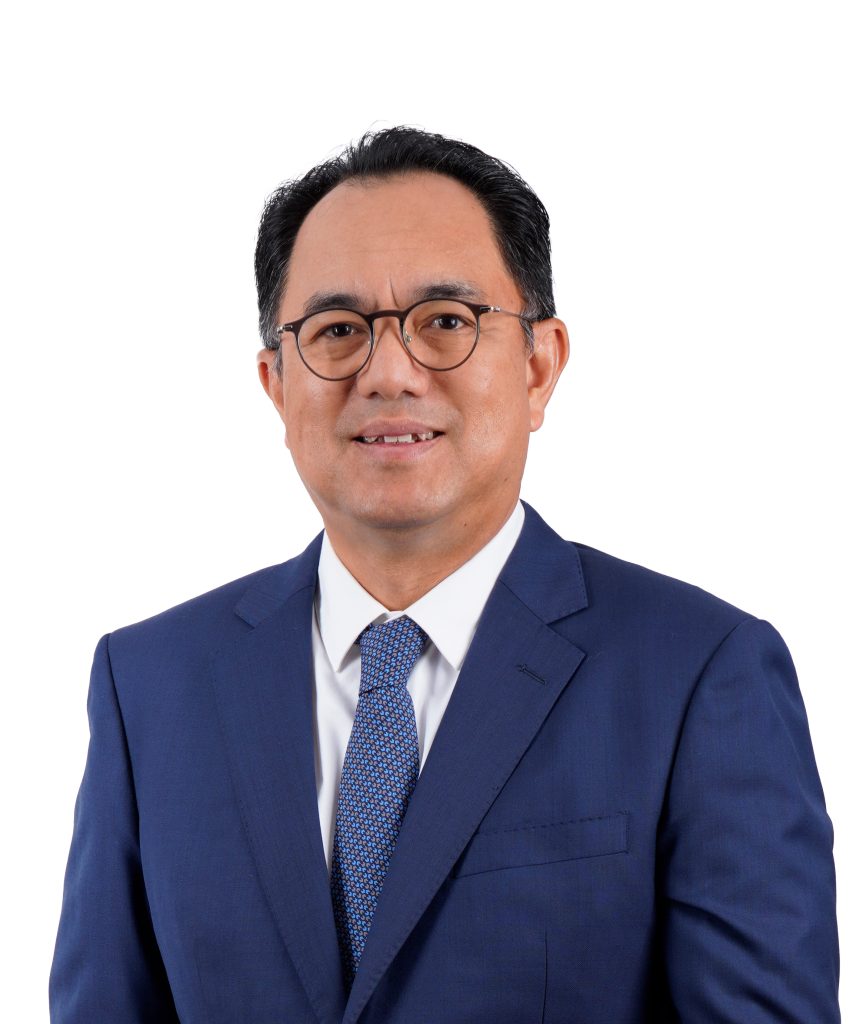
Since Intel Corporation announced Lip-Bu Tan as its new Chief Executive Officer last week, the company’s shares have surged. However, as Tan officially steps into the role, investors and analysts remain uncertain about how he will tackle the challenges that have plagued the semiconductor giant. Ahead of assuming his position on Tuesday, Tan sent a letter to employees acknowledging the difficulties ahead, warning that Intel must fight to reverse its decline. Yet, he provided little insight into his specific strategy, leaving speculation over whether he will pursue a breakup of the company—a move favored by some on Wall Street—or attempt to revive Intel’s manufacturing and product lines from within, following his predecessor’s approach. The uncertainty has created what Joe Tigay, portfolio manager of the Rational Equity Armor Fund, describes as a “show me” moment for Intel. “We are going to need to see some improvement in their product in order for it to get back to where it once was. It’s a good start, but they are still a long way from where they were,” he said. Despite the lack of clarity, Intel’s stock has rallied 24% since Tan’s appointment was announced, adding $22 billion (RM97.57 billion) to its market capitalization. The stock has been the top performer on the Philadelphia Stock Exchange Semiconductor Index this year. Bank of America responded to the leadership change by upgrading Intel’s rating, citing a greater opportunity for restructuring and revitalization under Tan. However, on Tuesday, shares slipped about 1% in early trading amid a broader market downturn. A key question remains whether Tan will separate Intel’s foundry business from its chip-design division, a move that has been debated in the past. His letter referenced plans to re-establish Intel as a “world-class foundry,” but it did not clarify whether he intends to pursue a full split. Additionally, he made no mention of reports that Taiwan Semiconductor Manufacturing Co. (TSMC) may be asked by the U.S. government to operate some of Intel’s U.S. factories. Tan’s appointment comes at a critical juncture for Intel, which has lost significant ground in the semiconductor industry. The company’s stock has declined roughly 60% from its peak in early 2000, erasing over $330 billion in market value. Intel has struggled to compete in the fast-evolving chip market, particularly as artificial intelligence (AI) drives demand for specialized processors. According to a Reuters report, Tan is considering substantial changes to Intel’s AI strategy and manufacturing operations, with a focus on improving efficiency and competitiveness. However, even semiconductor companies that have benefited from the AI boom are facing headwinds due to macroeconomic uncertainty and shifting demand for AI chips. The Philadelphia Semiconductor Index (SOX) has dropped 21% from its July 2024 peak through Monday’s close. Intel’s financial outlook remains shaky. In January, the company issued a weaker-than-expected revenue forecast, marking yet another disappointment for investors. According to Bloomberg data, Intel’s earnings reports have been met with positive market reactions only once in the last five quarters. Analysts have repeatedly cut estimates, now predicting a net loss of 28 cents per share in 2025—down from an expected profit of 12 cents per share just three months ago. Revenue forecasts have also dropped by more than 4% over the same period. Currently, fewer than 10% of analysts tracked by Bloomberg recommend buying Intel stock. The company’s recommendation consensus—reflecting the ratio of buy, hold, and sell ratings—is among the worst in the SOX index. Intel is trading approximately 5% above the average analyst target price, signaling the lowest implied return among major chipmakers for the next 12 months. Randy Hare, Director of Equity Research at Huntington National Bank, views the $19 price level as a key threshold for Intel’s stock, which last closed at $25.69. “If Intel cuts its outlook but sets a clear plan for growth, a dip below $19 could be a buying opportunity. However, if the stock falls under $19 with no strategic direction and no revenue acceleration, that’s a clear sell signal,” Hare said. As Tan takes on the challenge of leading Intel’s turnaround, he faces mounting pressure from both investors and industry analysts. His next steps will determine whether Intel can reclaim its dominance—or if it will continue to struggle in an increasingly competitive semiconductor landscape.

News

HitPay Brings UPI to Singapore

SINGAPORE: HitPay, a leading payments solution provider for businesses, has announced a strategic partnership with NPCI International Payments Limited (NIPL) to integrate India’s Unified Payments Interface (UPI) into its platform. This move enables Singapore merchants to accept UPI payments for both in-store and e-commerce transactions, further enhancing cross-border payment accessibility. The integration provides businesses with access to over 450 million UPI users in India, offering a cost-effective alternative to traditional credit card payments. With transaction fees reduced by up to 50%, merchants stand to benefit significantly from this seamless and affordable payment option. India has emerged as one of Singapore’s fastest-growing tourist markets, with 1.2 million Indian travelers visiting the country in 2024. The partnership ensures that these visitors can conveniently make payments using over 50 UPI-supported apps, including BHIM, Google Pay, PhonePe, and Paytm. HitPay’s integration extends across major e-commerce platforms such as Shopify, Wix, and WooCommerce, allowing businesses to process UPI transactions effortlessly. Currently, more than 9,000 merchants in Singapore have already enabled UPI payments, particularly in retail, food and beverage, and tourism-related sectors. This development marks a significant expansion of HitPay’s cross-border payment network, which already includes PayID in Australia, PromptPay in Thailand, QRIS in Indonesia, QR Ph in the Philippines, VietQR in Vietnam, and WeChat Pay in China. Looking ahead, HitPay plans to introduce DuitNow in Malaysia and additional regional payment solutions in 2025, further strengthening its footprint in Asia. Industry Leaders Weigh In Ritesh Shukla, Chief Executive Officer of NPCI International, emphasized the importance of UPI’s global expansion: “We are focused on increasing UPI’s global presence to make transactions easier for Indians traveling abroad. Our partnership with HitPay expands UPI’s acceptance in Singapore, offering Indians a reliable, cost-effective payment option during their travel. This collaboration also highlights our commitment to building a globally connected payments ecosystem.” Echoing this sentiment, Aditya Haripurkar, CEO and Co-Founder of HitPay, highlighted the significance of the integration: “UPI has transformed India’s payment landscape with unmatched speed, simplicity, and scalability. This integration reflects HitPay’s vision to be the trusted partner for merchants in Singapore, providing seamless access to the fastest-growing markets in Asia and beyond.” As digital payment adoption continues to rise, this partnership underscores the growing demand for efficient, low-cost, and globally connected payment solutions. HitPay’s expansion aligns with the broader trend of strengthening regional payment networks, fostering financial inclusivity, and enhancing the overall payment experience for businesses and consumers alike.

News

Canon Malaysia Appoints Vincent Low as Head of BIS Centre

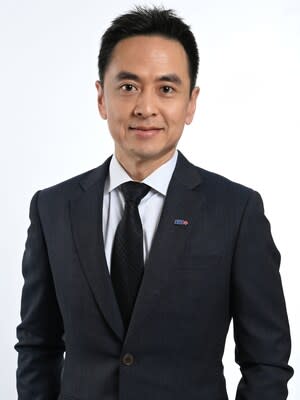
SHAH ALAM: Canon Marketing (Malaysia) Sdn Bhd (“Canon”) is pleased to announce the appointment of Vincent Low as the new Head of Business Imaging Solution (BIS) Centre, effective immediately. Vincent succeeds Jeffrey Kung, who led the company with unwavering dedication. Bringing a wealth of experience from his tenure at Canon Singapore, Vincent previously served as the Senior Director of Enterprise Business, where he spearheaded sales and market development for Business Imaging Solutions. A graduate of the National University of Singapore with a Bachelor of Science degree, Vincent began his career at Fuji Xerox as a Key Accounts Manager, specialising in digital colour copier sales, training, and consultancy to end users. Since joining Canon in 2015, Vincent has held key leadership roles, including Head of Business Imaging Solutions (BIS) at Canon Singapore, before expanding his scope to oversee both the BIS Sales and Market Engineering Division. With over 30 years of industry experience, he has a proven track record in strategic sales execution, market growth, and stakeholder collaboration, ensuring success across target markets and industries. Commenting on the appointment, Mr Masato Yoshiie, President and CEO of Canon Marketing Malaysia stated, “We are excited to welcome Vincent Low as the new Head of the Business Imaging Solution Centre. His extensive experience and strategic insights will be invaluable in strengthening Canon’s position in the digital imaging and business solution sector; we are confident that Canon will continue to innovate and empower businesses to thrive in the era of digital transformation.”   “I am honoured to take on this new role and continue driving Canon’s commitment to excellence in business imaging solutions. As businesses navigate digitalisation and hybrid work environments, I look forward to working closely with our partners and customers to provide solutions that enhance efficiency and productivity” said Vincent Low.  Guided by his leadership philosophy, “Believe, Excel, Celebrate,” Vincent emphasises empowering teams, striving for excellence and recognising achievement. His appointment aligns with Canon’s commitments to delivering high quality solutions that meet the evolving needs of SMEs, corporate clients and business partners in an increasingly dynamic business landscape.  Canon welcomes Vincent to his new role and looks forward to his leadership in driving the Business Imaging Solution Centre forward.

News

Can PKA Repay RM3.2 Billion and Still Thrive?

PETALING JAYA: The (PKA) has consistently fulfilled its annual loan repayment obligations to the federal government, according to its general manager, K Subramaniam. The federal government had extended a RM3.8 billion loan to PKA in 2013 to support the development of the Port Klang Free Zone (PKFZ). As of now, RM3.2 billion of the loan remains outstanding. Under the loan agreement, PKA is required to make an annual repayment of RM222 million to the finance ministry starting from 2018. Subramaniam affirmed that these payments have been made without fail. He also highlighted that over the past six years, PKA’s financial position has remained relatively balanced, with annual deficits and surpluses offsetting each other. In 2023, the authority recorded a minor loss of RM600,000. “This year, our revenue is expected to exceed RM400 million, with a projected surplus of RM10 million. Additionally, we maintain reserves of over RM500 million,” Subramaniam said. In 2018, then transport minister Loke Siew Fook disclosed that the annual repayments had placed a financial strain on PKA, leading to a cash flow deficit of almost RM43 million seven years ago. However, PKA has since strengthened its financial standing. Subramaniam attributed the improved revenue projections to more efficient management of the authority’s land assets and enhanced port services, which have resulted in higher returns. Looking ahead, he outlined PKA’s strategy for boosting revenue, stating: “We will further enhance PKFZ’s operations to generate higher revenue through increased occupancy rates in warehouses and improved industrial park management services.” PKA remains focused on ensuring financial stability while continuing to drive growth within the Port Klang Free Zone.

News

Alipay+ Boosts Malaysian SMEs with 80% of Cross-Border Payments

KUALA LUMPUR: A strategic partnership between Payments Network Malaysia (PayNet) and Ant International has significantly expanded cross-border payment opportunities for Malaysian SMEs, with Alipay+ now powering over 80% of DuitNow’s international QR payments. The collaboration has led to a remarkable six-fold increase in revenue for Malaysian merchants in December 2024 compared to the previous year, underscoring its effectiveness—particularly during peak travel seasons. Expanding Access for Global Travellers Since Alipay+ was integrated with DuitNow QR in October 2023, it has enabled local businesses to seamlessly accept QR payments from a growing number of international travellers. Over the past year, the number of Alipay+ payment partners using DuitNow QR has more than doubled, reaching 15 international apps and expanding Malaysian merchants’ reach to a broader global customer base. Gary Yeoh, Chief Marketing Officer of PayNet, highlighted the company’s commitment to fostering an open payment ecosystem that supports SME growth. “Our partnership with Ant International has significantly enhanced cross-border payment acceptance for local merchants, helping them tap into a growing wave of global travellers. With Alipay+ as a key driver, DuitNow QR is empowering SMEs to compete on an international scale, reinforcing Malaysia’s position as a premier travel and shopping destination,” he said. Surging Digital Transactions and Tourism Growth Ant International’s payment ecosystem has enabled seamless transactions for travellers from 10 countries and regions at over 2.5 million DuitNow QR touchpoints across Malaysia. Throughout 2024, Alipay+ transactions on DuitNow QR grew by an average of 50% quarter-on-quarter, further solidifying its position as the largest contributor to cross-border QR payments in Malaysia. Edward Yue, General Manager for Southeast Asia, Australia, and New Zealand at Ant International, emphasised the role of travel in driving economic growth. “With Alipay+, we offer local businesses a gateway to global customers, driving more inclusive growth in local communities. PayNet has built the infrastructure and partnerships to enable this, and we’re proud to collaborate and bring international users into this ecosystem. We’re just getting started, and in the years ahead, we can make an even greater impact together, positioning Malaysia as a global tourism hub and generating more growth for Malaysian businesses,” he said. This surge in digital transactions aligns with Malaysia’s booming tourism sector. According to Tourism Malaysia, the country welcomed over 25 million visitors in 2024 and aims to attract 35.6 million tourists for the Visit Malaysia 2026 campaign. The seamless experience of using familiar payment apps via DuitNow QR has also driven a five-fold increase in visitors using Alipay+-enabled payment apps in Q4 2024. As Malaysia continues to strengthen its position as a key travel and shopping destination, the PayNet-Ant International partnership is poised to drive even greater growth in the years to come.

News

Dutch Lady Milk Appoints Veronika Winanti Wahyu Utami as New Managing Director

KUALA LUMPUR: Dutch Lady Milk Industries Bhd (DLMI) has announced the appointment of Veronika Winanti Wahyu Utami as its incoming managing director, effective April 15, 2025. This move follows the tenure of Ramjeet Kaur Vurik, who has served in this role since July 2021 and will transition to become the global director of marketing and innovations at FrieslandCampina Professional and Trading in the Netherlands. Currently serving as the marketing director for consumer dairy and specialised nutrition at Frisian Flag Indonesia, Utami brings a wealth of experience to DLMI. She will oversee the company’s operations and report directly to Corine Tap, president of Asia at FrieslandCampina. Utami’s career spans over two decades, with a significant tenure at Unilever prior to her current role. Joining Unilever in 2002, she held various leadership positions in marketing across Indonesia and the wider region. Notably, she served as fabric cleaning director for South East Asia and New Zealand at Unilever Asia Pte Ltd from January 2018 to March 2019. Her achievements culminated in her appointment to the Unilever Indonesia Board of Directors in 2019. “We are confident that Utami’s expertise will be instrumental in guiding DLMI through its next phase of growth and development,” stated the group in a press release. With her extensive background in consumer goods and strategic leadership, Utami’s appointment underscores DLMI’s commitment to advancing its market position under her leadership. Her transition marks a pivotal moment for the company as it prepares to navigate future challenges and opportunities in the dairy industry.

News

Malaysia Secures $250 Million Deal with Arm Holdings to Boost AI Chip Sector

Malaysia has taken a significant step towards establishing itself as a key player in the global artificial intelligence (AI) chip market with a landmark agreement worth $250 million signed with British semiconductor firm Arm Holdings. According to Reuters, this strategic move aims to propel the nation into the forefront of AI and data center technology development. Over a decade, Malaysia will gain access to Arm’s cutting-edge chip design blueprints, which include seven high-end models critical for next-generation technologies. Prime Minister Anwar Ibrahim highlighted that this agreement paves the way for Malaysia to independently design, manufacture, and globally distribute AI chips, marking a pivotal moment in the country’s technological advancement strategy. In addition to acquiring intellectual property, Arm Holdings will establish its first Southeast Asian office in Kuala Lumpur, underscoring its commitment to expanding regional operations. Arm CEO Rene Haas expressed confidence in Malaysia’s capabilities, citing the country’s extensive experience in semiconductor manufacturing. Economy Minister Rafizi Ramli announced plans to train 10,000 engineers under this initiative, aiming to bolster Malaysia’s semiconductor workforce. The government’s broader objective includes nurturing at least ten local firms capable of generating annual revenues ranging from $1.5 to $2 billion. “We are focused on building a robust supply chain encompassing AI data servers, autonomous vehicles, Internet of Things, and robotics,” Rafizi emphasized, highlighting Malaysia’s strategic pivot towards advanced industries. This agreement follows substantial digital investments by global tech giants such as Microsoft, Nvidia, Google, and ByteDance in Malaysia. These investments underscore Malaysia’s increasing prominence as a hub for AI-driven infrastructure and technological innovation. By securing this partnership with Arm Holdings, Malaysia aims not only to enhance its technological capabilities but also to position itself as a pivotal player in shaping the future of AI technology on a global scale.–BABL

Scroll to Top

Subscribe
FREE Newsletter