News

News

China Central Bank Cuts Two Key Interest Rates

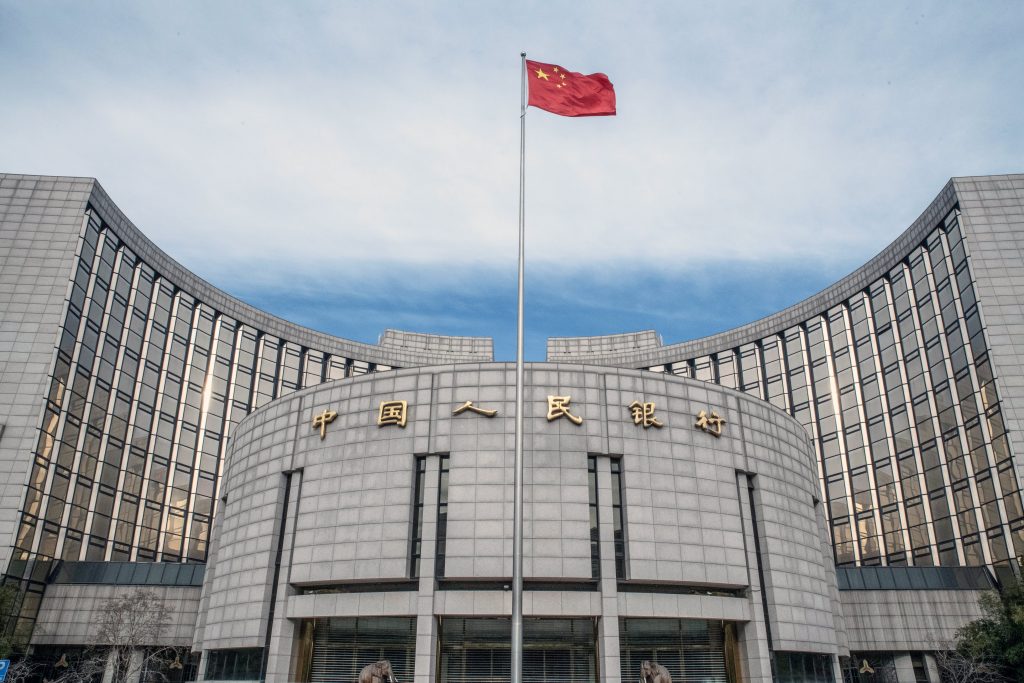
BEIJING: China’s central bank yesterday said it had cut two key interest rates to historic lows, in the latest move by Beijing to boost sluggish spending and kickstart the world’s second-largest economy. The cuts come just days after the country posted its slowest quarterly growth in a year and a half, underlining the deep economic woes the country faces. Leaders are targeting annual growth of five percent this year, but that goal is being challenged by weak consumption and a prolonged and debilitating debt crisis in the colossal property sector. The one-year loan prime rate (LPR), which constitutes the benchmark for the most advantageous rates lenders can offer to businesses and households, was cut from 3.35 percent to 3.1 percent. The five-year LPR, the benchmark for mortgage loans, was cut from 3.85 percent to 3.6 percent. Both rates were last reduced in July and are sitting at all-time lows. The economy grew 4.6 percent year-on-year in the third quarter, its slowest rate in a year and a half, Chinese government data released on Friday showed. Authorities acknowledged a “complicated and severe external environment… as well as new problems of domestic economic development.” The data came after weeks of announcements and news conferences about a stimulus plan, although investors say they are still waiting to see more details. The country’s top banks on Friday cut interest rates on yuan-denominated deposits for the second time this year in another potential boost to spending. People’s Bank of China Governor Pan Gongsheng said that authorities were considering a further cut to the amount commercial lenders must hold in reserve before the end of the year. Months of sluggish spending have raised fears that China would dip back into deflation after it ended a months-long stretch of falling prices early this year. Pinpoint Asset Management Ltd  president and chief economist Zhiwei Zhang  said yesterday’s rate cut was “an encouraging sign.” “The monetary policy has clearly shifted to a more supportive stance since the press conference on September 24. The real interest rate in China is too high,” he said. Meanwhile, the central bank yesterday also conducted its first operations under a swap facility designed to bolster the stock market, exchanging assets worth 50 billion yuan (US$7 billion) with brokerages, fund companies and insurers. The authorities said 20 institutions participated in the swap operations with a fee rate of 20 basis points. Under the swap scheme, initially worth 500 billion yuan, brokerages, asset managers and insurers can have easier access to funding by exchanging risk assets such as exchange-traded funds and blue-chip stocks for highly liquid assets such as treasury bonds and central bank bills. The 20 participants include China International Capital Corp , Citic Securities Co, China Asset Management Co and E Fund Management Co.–REUTERS
News

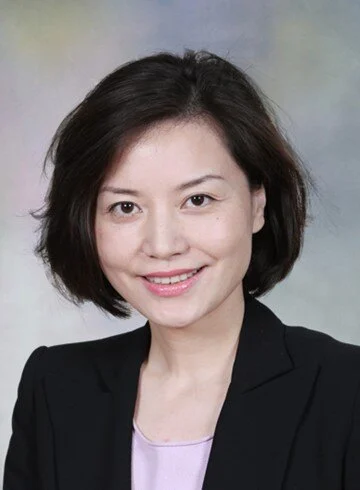
Knight Frank names Virginia Huang as Managing Director, North and East China

HONG KONG: Knight Frank Hong Kong today announces the appointment of Virginia Huang as the Managing Director, North and East China based in Shanghai, with immediate effect. Reporting to Craig Shute, Chief Executive Officer (CEO) of Greater China, Virginia will oversee the firm’s operations in both the Beijing and Shanghai offices.   Virginia joins Knight Frank with over 27 years of experience and a proven track record of success in the commercial real estate sector, including 12 years in leadership roles where she successfully managed large operations in China. Her extensive background encompasses commercial office, real estate fund management, and sustainable operations during her significant tenures at CBRE and Keppel Land. Additionally, Virginia exhibited her entrepreneurial flair by establishing BIBT, an AI-enabled property technology startup.   Virginia Huang, Managing Director, North and East China of Knight Frank China, commented, “I am honoured to lead the North China and East China teams and look forward to working closely with our talented professionals at Knight Frank. Together, we will build on our strengths, uncover fresh opportunities, and foster innovation to deliver exceptional value to our clients. By leveraging our expertise and local insights to navigate the changing landscape, embracing sustainability, and capitalising on emerging trends, I am confident that we will be strongly positioned for sustained success.”   Craig Shute, CEO of Knight Frank Greater China, said, “We are delighted to welcome Virginia to Knight Frank. Her extensive experience, entrepreneurial spirit, and proven leadership in the commercial real estate sector make her an excellent fit for this role. Virginia’s appointment heralds an exciting new chapter for our North and East China operations. As we look forward to harnessing the opportunities that lie ahead, we also express our heartfelt appreciation to Ying Shin Lee, Managing Director of Shanghai, for her invaluable contributions over the past five years. Ying, a dedicated leader, has steered us through numerous challenges, including those brought about by the COVID-19 pandemic. We wish her all the best in her future endeavours.”

News

Peak XV Launches Surge 10: Most Global, Sector-Diverse Cohort

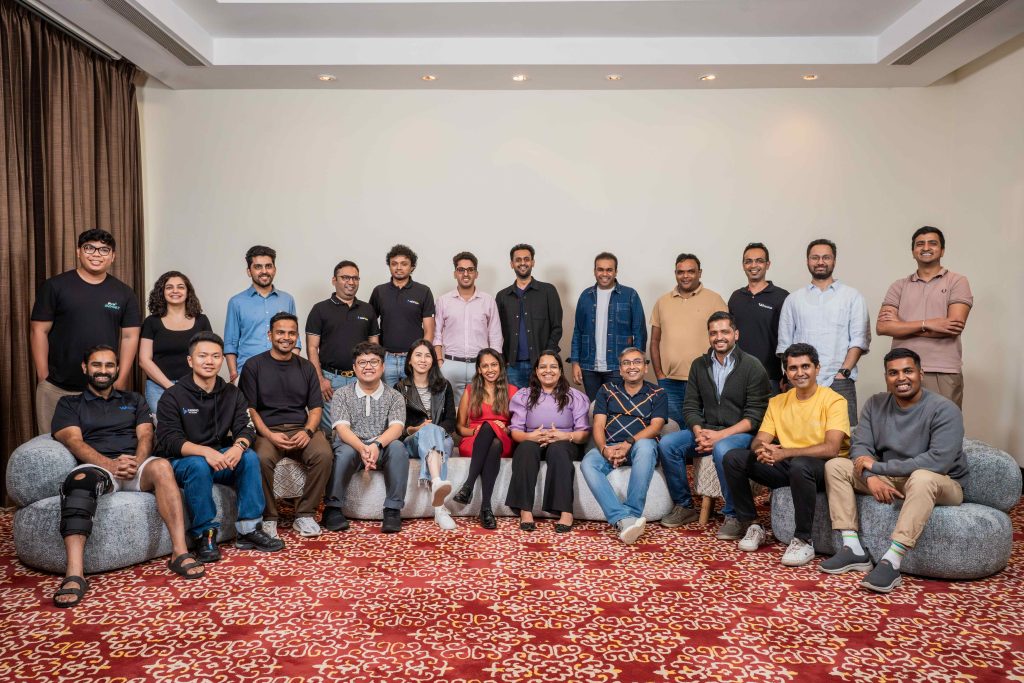
BENGALURU & SINGAPORE: Peak XV announced the tenth cohort of its flagship seed-stage program, Surge, highlighting its most globally diverse lineup to date. The new batch features 13 startups from across India, Singapore, Philippines, China, UAE, Australia, UK, and the US, underscoring Peak XV’s expanding geographical footprint. The cohort covers a wide range of sectors, including AI, developer tools, consumer brands, fintech, healthcare, and more. Notably, Amaani becomes the first Middle Eastern startup to participate in Surge, alongside other companies such as Ambak, Auquan, Brainfish, Clout Kitchen, Dezy, Dubbing AI, OrbitShift, Parseable, SalarySe, Tailcall, The Health Factory, Wobot, and a stealth healthcare company. Funding and Full-Stack Support Each startup will receive up to $3 million in seed funding. Beyond capital, founders will gain access to comprehensive operational support through Peak XV’s investment and operating teams, offering assistance with hiring, product development, technology, and marketing. Founders will also benefit from: 1:1 mentorship with seasoned global founders and operators. Zero-to-one company-building support to accelerate growth. Access to Peak XV’s vast network of mission-driven founders and builders. Perks valued at over $2 million, including cloud services, marketing tools, and software. Program Structure Running from October 2024 to February 2025, Surge 10 will feature a mix of in-person and online sessions, covering key areas such as founder development, go-to-market strategies, product design, sales, and brand building. The program will conclude with a Silicon Valley immersion experience in February 2025, where founders will visit major tech hubs, including OpenAI and Notion campuses. Surge’s Growing Impact Since its inception in 2019, Surge has supported more than 350 founders, contributing significantly to the seed-stage startup ecosystem in India and Southeast Asia. Many early participants have since scaled into global businesses. “Announcing our tenth cohort of Surge is a special milestone for us,” said Rajan Anandan, Managing Director of Peak XV and Surge. “We’re proud to have played a role in the company-building journeys of these founders. Surge continues to be a key platform for nurturing innovative startups, and we’re excited to see what this cohort will achieve.” With an eye toward fostering home-market dominance and global expansion, Surge offers startups a comprehensive launchpad to scale rapidly.

News

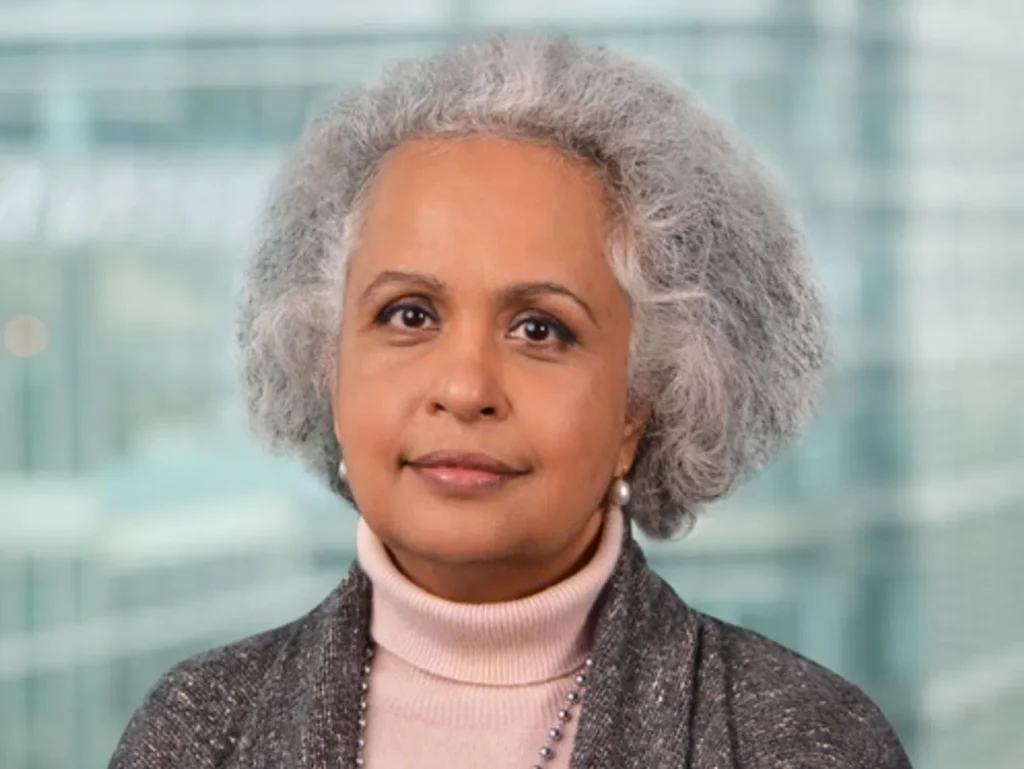
HSBC appoints Pam Kaur as first female CFO; announces restructuring

HSBC Holdings named insider Pam Kaur as its first female finance chief on Tuesday, replacing Georges Elhedery who became CEO earlier this year, and announced a reorganisation streamlining the bank into four business units. Effective Jan 1, 2025, the company will restructure its operations into four distinct business lines: Hong Kong, UK, Corporate and Institutional Banking, and International Wealth and Premier Banking, HSBC said in a separate filing. HSBC is consolidating its Commercial Banking operations (excluding UK and Hong Kong) with its Global Banking and Markets business. The new Corporate and Institutional Banking unit will also incorporate the predominantly wholesale banking activities of the Western Markets region (UK non-ring-fenced bank, Europe, and the Americas), the company said. “The new structure will result in a simpler, more dynamic, and agile organisation as we focus on executing against our strategic priorities, which remain unchanged,” Elhedery said in a statement. Kaur’s appointment fits into the 160-year-old lender’s focus on continuity amid a shift to growth from restructuring, in the backdrop of rising risks associated with geopolitical tensions and an end to interest rate hikes. Chief risk and compliance officer Pam Kaur, 60, joined HSBC in April 2013 as group head of internal audit. Kaur has previously held senior positions at top global banks, including Citigroup’s global director of compliance for consumer banking and Deutsche Bank’s global head of group audit. Jon Bingham, interim Group CFO, will resume his role of Global Financial Controller, HSBC said. “We had a strong bench of internal and external candidates to choose from and Pam was the exceptional candidate to recommend to the Board,” Elhedery said. –REUTERS

News

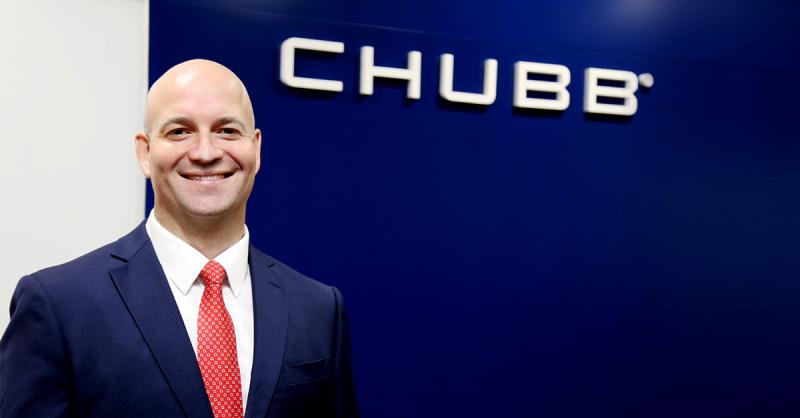
Chubb Appoints Jon Longmore as Country President of Malaysia

KUALA LUMPUR: Chubb announced the appointment of Jon Longmore as Country President of Malaysia, effective early November and subject to regulatory and other approvals. Currently Country President of PT Chubb General Insurance Indonesia, Longmore succeeds Stephen Crouch, who has been appointed Head of Government Affairs, Asia Pacific. In his new role, Longmore will have responsibility for the overall performance of Chubb in Malaysia. He will be based in Kuala Lumpur and continue reporting to Marcos Gunn, Regional President, Asia Pacific. Longmore began his 13-year career with Chubb in a series of underwriting, distribution and partnership roles while based in Australia. He was appointed Head of Digital for Asia Pacific in 2018 before assuming his latest role as Country President of PT Chubb General Insurance in 2020. On announcing Longmore’s appointment, Gunn said, “Jon is an experienced international insurance professional with a track record of driving sustainable business growth. His keen focus on innovation and passion for building teams position him well to further grow our business in Malaysia.” Longmore holds a Bachelor of Arts in International Relations from the University of Queensland. Adrianto Gunawan, Chief Financial Officer for Indonesia, will take on the additional role of interim Country President while the appointment of a permanent successor is underway.

News

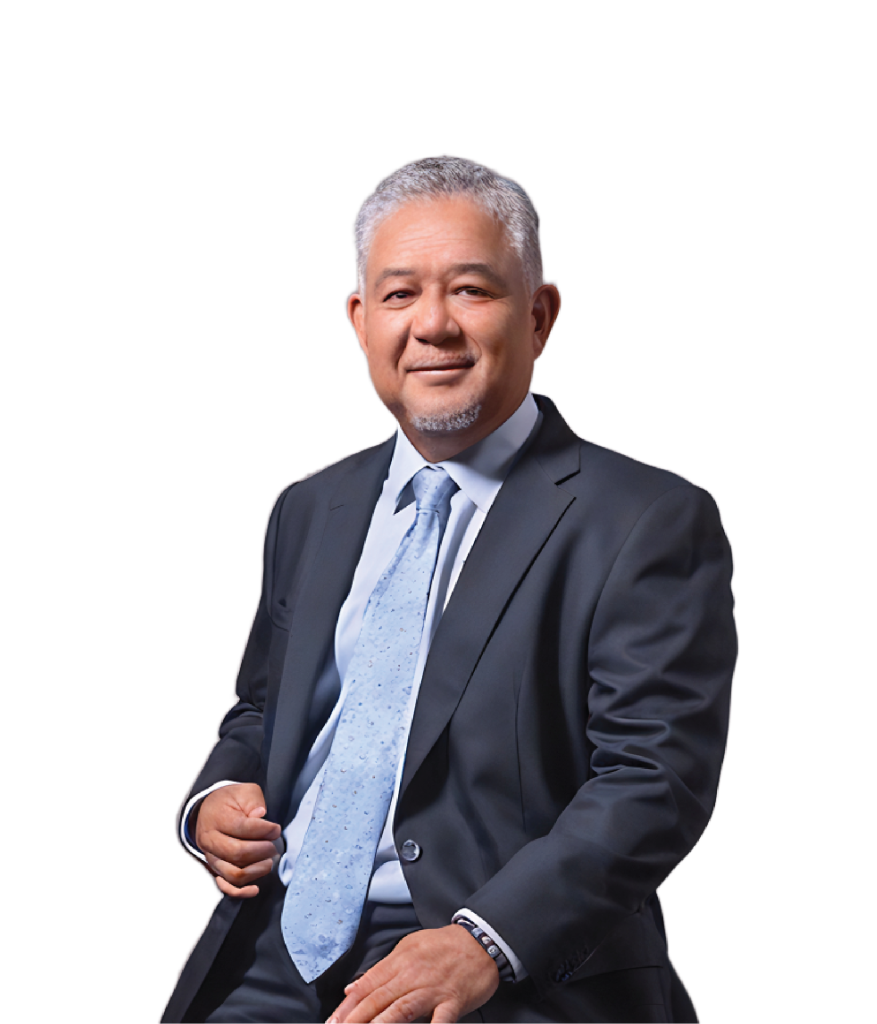
DNeX announces appointment of Faizal Sham Abu Mansor as Group Chief Executive Officer

 CYBERJAYA: Dagang NeXchange Berhad (“DNeX“) has announced the appointment of Encik Faizal Sham Abu Mansor as its Group Chief Executive Officer effective 1 November 2024. Tan Sri Syed Zainal Abidin Syed Mohamed Tahir Jamalullail, will continue to lead the management team in his role as Executive Chairman until 31 December 2024, after which Faizal will succeed him in leading the management team of the Group whilst Tan Sri Syed Zainal Abidin will be redesignated as Non-Executive Chairman of the Board on 1 January 2025. In his role as Non-Executive Chairman of the Board, Tan Sri Syed Zainal Abidin will continue to lead DNeX’s board of directors in departing its role and fulfilling its responsibilities to the Group’s stakeholders whilst ensuring compliance with regulations and best practices in corporate governance. Moreover, Tan Sri Syed Zainal Abidin will also continue to lend his experience and support to the Group on key strategic initiatives and stakeholder management.   Faizal is a distinguished corporate professional and has an extensive career in leading and being part of senior leadership team of major corporations. He most notably served as Chief Financial Officer (“CFO”) at Malaysia Airports Holdings Berhad from 2006 to 2015 where he was recognised on numerous occasions as Best CFO in the country by both local and international institutions. Awards received by Faizal include Best CFO for Investor Relations 2012 by the Malaysian Investor Relations Association, Best CFO in Malaysia 2013 by FinanceAsia Magazine and CFO of the Year 2014 from the Malaysian Institute of Accountants and the Chartered Institute of Management Accountants.   His corporate experience also includes serving as Chief Executive Officer of Astro Productions and Astro Awani, a world-class media production services and news organisation under Astro Malaysia Holdings Berhad from 2015 to 2018 where he was able to turn the entities into profitability during his stint there. From 2021 to 2024, he served as Executive Director and Group Chief Financial Officer at Vantage Energy Group, a private entrepreneurial O&G company where he provided strategic leadership in financial management, mergers and acquisitions, and capital restructuring whilst managing the company’s relations with its investors and stakeholders. He also spent six years in the financial industry most notably with Bank of Tokyo-Mitsubishi and the Corporate Finance and Investment banking division of AmMerchant Bank Berhad (now known as AmInvestment Bank Berhad).   Faizal is currently an Independent Non-Executive Director and Chairman of Audit Committee of YTL Power International Berhad and Solution Group Berhad. In 2019, he was appointed an Independent Non-Executive Director and Chairman of Audit Committee of Affin Hwang Asset Management Berhad which had RM80 billion in assets under management until it was acquired by CVC Capital Partners in 2022. He is also Director of Airdroitech, a private company providing software and hardware engineering support to Polyaire, a family-owned company that is one of Australia’s leading businesses in the air-conditioning industry. Faizal also contributes as a partner in MGI MR, a boutique advisory firm with a global presence. Tan Sri Syed Zainal Abidin said the Board welcomes Faizal and looks forward to working together as the Group enters its next phase of growth.   “We are confident that Faizal’s expertise and proven track record will be able to drive the Group’s growth and expansion journey with an added focus on increasing cross-selling within the Group, leverage on the recent partnership with global players such as Google and internal realignment to focus on cost efficiency, improving profitability and ensuring sustainable return to shareholders” he said.   Faizal graduated with a Bachelor of Science in Accounting from Rutgers University and holds a Master’s in Business Administration from Ohio University. Fellow with Chartered Accountants Australia and New Zealand and a member of Malaysian Institute of Accountants. He also has Graduate Diploma in Aviation from the International Air Transport Association.  

News

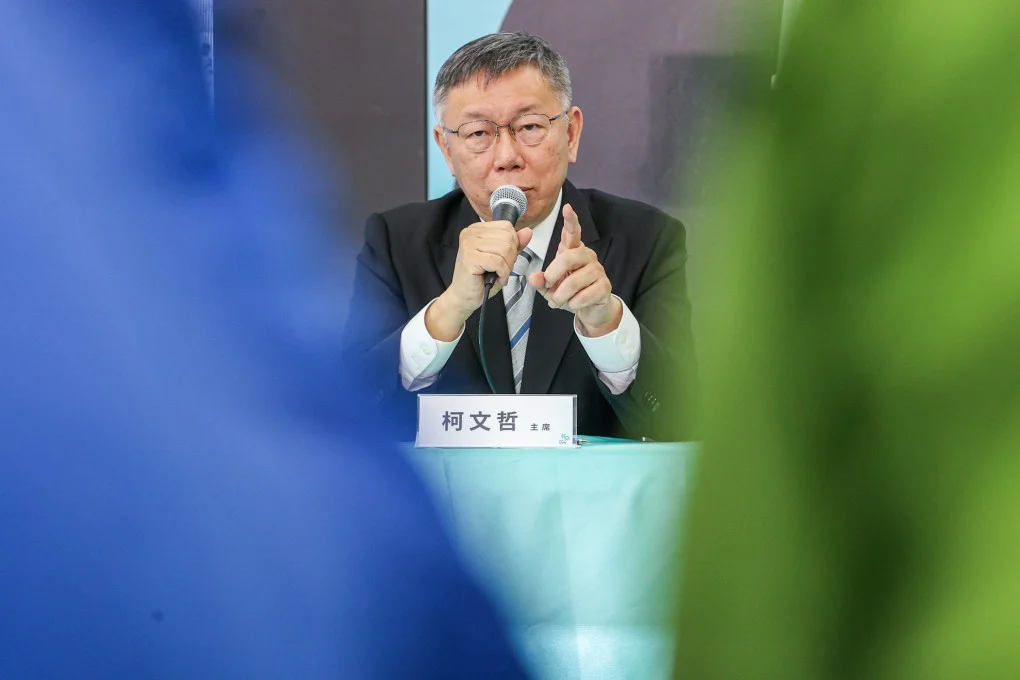
Taiwan Signals Openness to Nuclear Power Amid Surging AI Demand

TAIPEI: Taiwan is “very open” to using new nuclear technology to meet surging demand from chipmakers devouring electricity in the artificial intelligence (AI) boom, according to Premier Cho Jung-tai –one of the strongest signs yet that the government is rethinking its opposition to reactors. “As long as there is a consensus within Taiwan on nuclear safety and a good direction and guarantees for handling nuclear waste, with this strong consensus, we can have a public discussion,” Cho said in an interview with Bloomberg News. “We hope that Taiwan can also catch up with global trends and new nuclear technologies,” Cho said last Thursday, while also reiterating his view that “Taiwan will have no issues with power supply for industries before 2030.” Cho’s comments underscored what appears to be a shift by a government that has opposed using nuclear for safety reasons. Public support for using reactors in Taiwan plunged in 2011 when neighbouring Japan was struck by an earthquake that wrecked the Fukushima plant, leading to a crisis Tokyo is still sorting out. The opposition to nuclear power is getting harder to maintain given the incessant demand that the AI boom is placing on chipmakers like Taiwan Semiconductor Manufacturing Co Taiwan has raised electricity prices twice this year, with the latest being a 12.5% increase for industrial users that began earlier this month. Still, TSMC chief executive officer C. C. Wei said during a post-earnings call that the company has been assured by the government it will have enough electricity, water and land to support expansion. Taiwan isn’t alone in taking a closer look at nuclear to boost power supply. Microsoft Corp is helping revive the shuttered Three Mile Island nuclear plant in Pennsylvania by agreeing to buy all the output. Meanwhile, Alphabet Inc’s Google and Amazon.com Inc are both investing in next-generation nuclear technology. The Philippines and South Korea have also agreed to conduct a feasibility study on possibly rehabbing the South-East Asian nation’s mothballed nuclear plant. Taiwan’s rethink also comes as China’s military has staged drills that appear to simulate a blockade of the self-ruled island that’s home to 23 million people. Though there are no signs of imminent conflict, the risk of Taiwan being cut off from important energy supplies is one that officials such as Cho must consider. Underscoring the interest in someday embracing nuclear power, the 65-year-old Cho said he’d ask the state-backed power provider to make sure that personnel from the archipelago’s decommissioned reactors stay in their jobs. Taiwan is set to close its last nuclear reactor in the spring. “This is because we need to prepare for future nuclear technology developments and to respond to any potential legal changes in Taiwan,” Cho said. In addition to boosting power demand, surging global investment in AI has also put Taiwan’s chipmakers, especially TSMC, in the spotlight because they make the vast majority of the world’s most-advanced semiconductors. The United States, Japan and other governments have in turn sought to lure TSMC to build chip plants on their soil. The government of Taiwanese President Lai Ching-te, of which Cho is a member, has been fine with TSMC’s overseas expansion. — BLOOMBERG

News

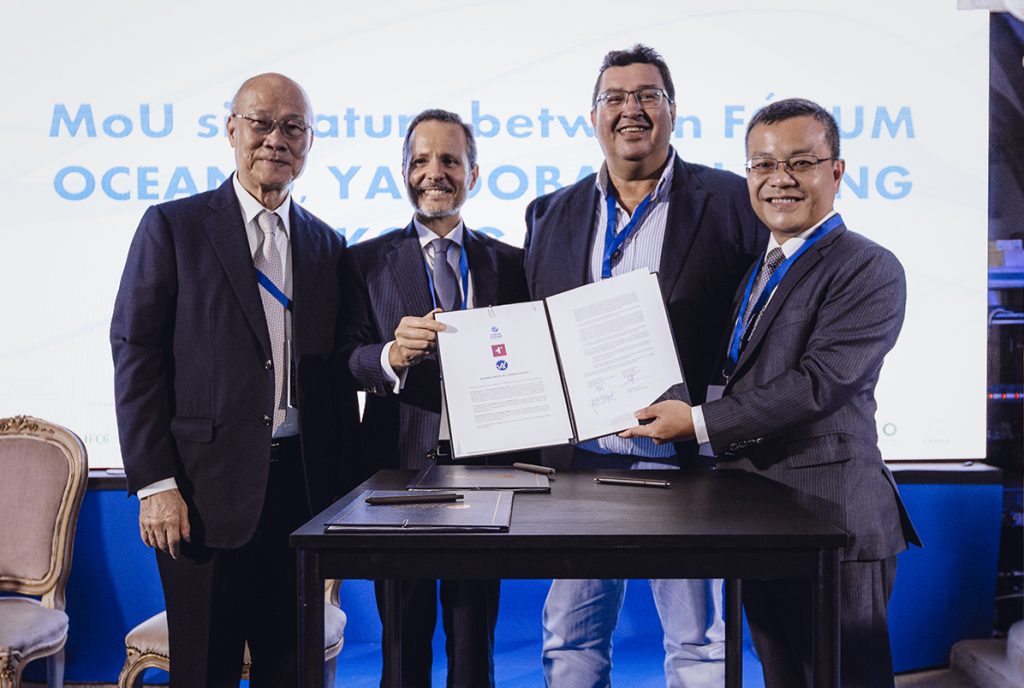
HKVAX Pioneers Blue Economy Security Tokens: Signs Strategic MoU at Ocean Forum

HONG KONG SAR: Hong Kong Virtual Asset Exchange Limited (HKVAX) showcased its leadership in facilitating Security Token Offerings (STOs) for the blue economy at the Oeiras BlueTech Ocean Forum cum 10th International Forum on Clean Energy. The event, held on October 16-17, 2024, in Oeiras, Lisbon, saw HKVAX sign a Memorandum of Understanding (MoU) with Fórum Oceano and Yacooba Labs for a Blue Economy STO project, exemplifying its commitment to global collaboration in sustainable finance. HKVAX, a leading virtual asset trading platform licensed by Hong Kong’s Securities and Futures Commission, Fórum Oceano, a prominent Portuguese organization dedicated to promoting sustainable ocean management, and Yacooba Labs, a cutting-edge technology company specializing in data analytics and AI solutions, formalized their partnership by signing an MoU for an innovative Blue Economy STO project at the forum. The MoU outlines a broader commitment to the Blue Economy sector. The partners will make their best efforts to engage high-quality security token projects related to the Blue Economy with HKVAX covering aspects such as tokenization, distribution, listing, trading, and token custody. Dr. Anthony Ng, Co-Founder and CEO of HKVAX, emphasized the project’s significance: “This collaboration exemplifies our commitment to driving security token innovations in the Blue Economy sector. By tokenizing Blue Economy projects, we’re not only creating new investment opportunities but also actively contributing to marine ecosystem preservation.”HKVAX, a leading virtual asset trading platform licensed by Hong Kong’s Securities and Futures Commission, Fórum Oceano, a prominent Portuguese organization dedicated to promoting sustainable ocean management, and Yacooba Labs, a cutting-edge technology company specializing in data analytics and AI solutions, formalized their partnership by signing an MoU for an innovative Blue Economy STO project at the forum. The MoU outlines a broader commitment to the Blue Economy sector. The partners will make their best efforts to engage high-quality security token projects related to the Blue Economy with HKVAX covering aspects such as tokenization, distribution, listing, trading, and token custody. Dr. Anthony Ng, Co-Founder and CEO of HKVAX, emphasized the project’s significance: “This collaboration exemplifies our commitment to driving security token innovations in the Blue Economy sector. By tokenizing Blue Economy projects, we’re not only creating new investment opportunities but also actively contributing to marine ecosystem preservation.” Dr. Ambrose So, President of the International Forum for Clean Energy (Macau), delivered an opening speech emphasizing the importance of international partnerships in advancing blue economy initiatives. “China and Portugal can leverage their technological advantages to advance blue technology commercialization,” Dr. So stated. He highlighted green finance and blue carbon investments as key growth areas, commending initiatives like HKVAX’s Blue Economy STO project. “By combining our strengths, we can accelerate innovation and contribute significantly to global ocean sustainability,” Dr. So concluded. His remarks underscored the value of cross-border collaboration, aligning with HKVAX’s mission of facilitating international partnerships through tokenization. The Oeiras BlueTech Ocean Forum served as a catalyst for HKVAX’s mission to drive innovation in the blue economy through STOs and international partnerships. By bringing together diverse stakeholders from industry, academia, and policy, the forum enabled HKVAX to demonstrate its unique position at the intersection of fintech and sustainability. The MoU signing for the Blue Economy STO project underscores HKVAX’s role in translating global collaborations into tangible financial solutions for environmental challenges, reinforcing Hong Kong’s status as a hub for sustainable finance innovation. innovation.

News

M’sia remains open to Chinese companies seeking to list on Bursa

PETALING JAYA: Malaysia remains open and welcoming to Chinese companies seeking to list on Bursa Malaysia whether for their first or second listing exercise, in line with both countries’ shared goals of fostering innovation and promoting high-value products and services. The Securities Commission’s (SC) executive director of corporate finance and investments Datuk Zain Azhari Mazlan said the listings will certainly enrich Bursa Malaysia with a greater variety of stocks and broaden the investment opportunities available to investors. “Malaysia saw an influx of China-based companies seeking a primary listing via initial public offerings or IPOs on Bursa Malaysia about 15 years ago from 2009 to 2013, but a number of these companies have since delisted or undergone takeovers. “This is largely due to corporate governance issues, financial performance and compliance with audit and listing requirements. “(However), these experiences have provided valuable lessons for both the market and regulators, prompting ongoing efforts to strengthen listing requirements and investor protections,” he told Bernama on the sidelines of the CGS Southeast Asia (SEA) Bilateral Investment Forum in Hainan, China. Zain was one of the speakers during the round-table session of the forum. He said these Chinese firms that have sought listing on Bursa, which were mostly in the typical consumer product sector, were noted to be mostly third-tier entities or small and medium enterprises or SMEs operating in the lower industry value chain. “The landscape has shifted significantly towards newer sectors for economic development such as the rise in digital transformation and the focus on innovation and sustainability,” he said. According to him, Malaysia has established itself as a leading destination for new data centre installations and an attractive semiconductor hub. This is driven by supportive government policies such as through the New Industrial Master Plan 2030, which aims to further strengthen the sector. “We are seeing renewed interest from Chinese companies in the new economy sectors, especially those with existing Malaysian-based operations or planned expansion into Malaysia. “These newer economy-type of Chinese companies, especially in sectors such as technology and cloud computing, offer several benefits to the Malaysian market by providing investment opportunities, technology transfer and knowledge, job creation and boosting innovation that can lead to our economic growth, advancement and enhanced competitiveness in the region,” he said. Currently, he said, several Chinese companies in those mentioned areas and sectors have shown their interest in list on Bursa Malaysia. Meanwhile, Deputy Investment, Trade and Industry Minister Liew Chin Tong said Chinese companies should consider Malaysia as an ideal destination to set up their regional headquarters, from which they can expand internationally. In his pre-recorded keynote address at the forum on Oct 16, he said Malaysia’s strength lies in having a skilled and educated multilingual workforce, an internationally recognised common law framework, comprehensive logistics network and a stable society. He hoped improved communication between the two nations would allow for a deeper and closer collaboration between Malaysia and China. The CGS SEA Bilateral Investment Forum 2024, from Oct 16-17, 2024, brought together 300 leading policymakers, industry experts and business leaders to explore emerging macroeconomic trends and bilateral investment opportunities between China and South-East Asia. The forum also explored high-growth sectors such as semiconductors, new energy, healthcare, private equity, hospitality and the digital economy, featuring expert panellists from China and South-East Asia.

News

ZJLD Appreciates Hong Kong’s Liquor Tax Cuts and Sees Bright Prospects for Premium Baijiu Trade

HONG KONG: Hong Kong Chief Executive John Lee Ka-chiu issued the “Policy Address”, announcing a reduction in liquors tax: the custom duty for liquors with import prices over HK$200 will be reduced from 100% to 10%, and the portion HK$200 and below remains unchanged. ZJLD Group Inc. (“ZJLD” or the “Company”, SEHK stock code: 06979. HK) expressed high appreciation for this new tax reduction policy. It not only benefits the entire liquors industry in Hong Kong but also has the potential to stimulate the local Food and Beverage, Tourism, and other high-value-added industries, thereby benefiting the local economy as a whole. Chief Executive John Lee said that the adjustment of the liquors tax is a measure to “consolidate and enhance” Hong Kong’s position as an international trade center. The Chief Executive has also referenced the successful experience of abolishing the wine tax in 2008 to boost the wine trade and added that such a measure would promote the trade in the liquor business and drive the development of high-value-added industries such as Logistics and Warehousing, Tourism, and Premium F&B Business. Data shows that compared to 2008, wine’s import and re-export value increased by 375% in 2023. In 2009, the number of wine trade-related companies in Hong Kong increased by 350, creating 1,000 new jobs. The industry’s revenue increased by 35% over two years after implementing the duty-free policy. Wine import volumes have also maintained steady growth, with the number of companies engaged in the wholesale of alcoholic beverages increasing from 310 in 2008 to 800 in 2023, according to government statistics. Meanwhile, the number of retail stores selling alcoholic drinks has increased from 140 in 2008 to 520 in 2023. Hong Kong ranks as the world’s third-largest wine auction center. Mr. Paul Ng, the Executive Director and Head of International Operations of ZJLD Group, expressed, “The Hong Kong Government’s decision to lower the import duty on liquors will undoubtedly be a major boost for the industry, especially for the local premium baijiu market and its international trade. As the largest listed baijiu company headquartered in Hong Kong, we are well-positioned to seize this opportunity. In addition to relying on Hong Kong as a financing platform, we also view Hong Kong as a gateway for our global development. Many of the Group’s high-end products will benefit from the relevant policies,” He further analyzed, “On the one hand, we will pass on the benefits of the tax cuts to the market, allowing those who love and want to try Zhenjiu products to enjoy value-for-money and high-quality baijiu, thereby further expanding our brand’s influence and enhancing the capital market’s valuation of our Group. On the other hand, as an international financial center and a major tourism destination, Hong Kong’s wine auction, premium F&B, and hotel industries are thriving, with strong demand for quality baijiu. The tax reduction policy will undoubtedly drive further development of the entire industry ecosystem, thereby benefiting the public.” Hong Kong is the springboard for Chinese baijiu to go global, and the adjustment of its tariff policy directly affects the initiative for Chinese baijiu companies to showcase and market their products in Hong Kong, thereby driving the growth of Chinese baijiu exports. ZJLD believes that this reduction in liquors tax will inject new vitality into the local and national baijiu market, promote the export competitiveness of baijiu, and help Hong Kong further consolidate its strategic position in the global baijiu trade. Meanwhile, many outstanding baijiu brands can leverage Hong Kong’s internationalized platform to radiate across Southeast Asia and global markets, jointly promoting the Chinese baijiu culture to the world and comprehensively strengthening international recognition and influence.  

Scroll to Top

Subscribe
FREE Newsletter