News

Energy & Technology, News

Japan Committed to Invest in Msia’s Green Energy, Focus on Hydrogen

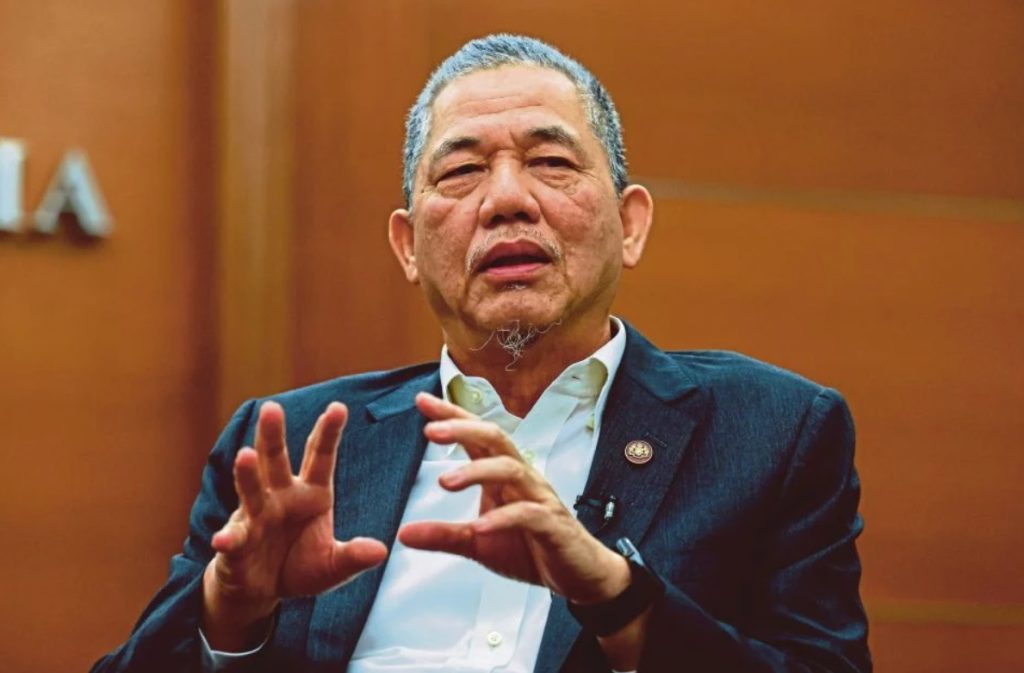
LIMA (PERU): Japan continues to show deep interest in investing in Malaysia’s energy sector, especially in the green hydrogen sector. Deputy Prime Minister Datuk Seri Fadillah Yusof, who is also the Minister of Energy Transition and Water Transformation, said Japan has already invested in Sarawak in the same industry and that it would continue to support Malaysia in terms of investment. In December last year, it was reported that Sarawak would be producing green hydrogen on a large scale mainly for the Japanese market. This was agreed upon under a tripartite agreement inked between the Sarawak Economic Development Corp (SEDC) and 2 Japanese firms. “They are asking for our support and cooperation for what they have to offer. We can’t give a final decision (at this meeting). I have to bring it back to get a decision at the government level,” he said. Fadillah expressed this at the courtesy visit session with 4 countries, namely Singapore, Vietnam, Brunei and Japan, in conjunction with his visit to Peru to attend the Energy Ministers Meeting, under the Asia Pacific Economic Cooperation (APEC) from 15-16 August 2024. He said the 4 countries were ready to support Malaysia’s plans. “(In a meeting), each of the APEC countries had their views on the topic that had been prepared, which was related to how we want to mobilise the strategies of the respective countries in relation to the energy transition, which is the supply of clean and renewable energy. “And at the same time (in switching) to this renewable and clean energy, we want to ensure the security of energy supply. Second, in terms of safety and third, to ensure that no party is left behind,” he added. The meeting also discussed cooperation opportunities in the development of halal certification by Vietnam, the SME capacity development and investment by Singapore and the organisation of the Third Asia Zero Emission Community (AZEC) Ministerial Meeting by Malaysia in 2025. Meanwhile, Fadillah also said the issue of implementing third party access (TPA) was also discussed at the meeting of energy ministers. “We will announce everything in September, in terms of the mechanism and rules, including the cost. Many are interested in the TPA of the electricity supply industry,” he added. The 14th APEC Energy Ministers’ Meeting (EMM14) at the Lima Convention Centre, hosted by Peru, brings together energy ministers from across the Asia-Pacific region to discuss strategies to drive the energy transition. — BERNAMA

Energy & Technology, Investment & Market Trends, News

Survey Reveals Over 35% of Enterprises Struggle to Retain Crucial AI Expertise

KUALA LUMPUR: In its latest survey, Expereo revealed that over one-third (35%) of global enterprises are struggling to retain or attract crucial skills in artificial intelligence (AI), data and automation, which is threatening their optimistic AI ambitions. According to the Technology Leaders Survey, there is a critically low supply of AI expertise, despite AI now being considered as the biggest priority for Chief Information Officers (CIOs) across the world. Its Chief Executive Officer, Ben Elms, “CIOs need to keep up with market innovations, customer expectations and fierce competition when it comes to AI, while ensuring they are adopting the technology responsibly and effectively without cutting corners. “Networking technology, data strategies and wider tech infrastructure are all key areas which run adjacent to AI initiatives, which must also not be ignored.” The research of 650 technology leaders in global enterprises across Europe, the United States and Asia Pacific showed that not only are enterprises struggling to attract or retain crucial talent, but their current external technology partners are not aligned with their AI ambitions either. In addition, 29% of global CIOs said their current external technology partners do not have the right capabilities in place to support AI initiatives and 28% of global respondents feel regional variations in ability to implement AI initiatives is a key challenge. The other leading obstacle to fulfilling AI ambitions includes navigating AI governance and ethics (36%), referring to ongoing challenges such as regulation, trust and data protection when it comes to using AI tools in a business setting. The survey also found that 42% of CIOs believe that training for new ways of working as a result of AI is one of the biggest information technology challenges in supporting remote and hybrid workers, with 39% saying that understanding how employees use AI is now a concern. In spite of these challenges, 32% of CIOs are moving forward with caution regarding AI implementation and 44% are excited and ready to take on AI intiatives. — BERNAMA

News

Great Eastern appoints new Group CEO

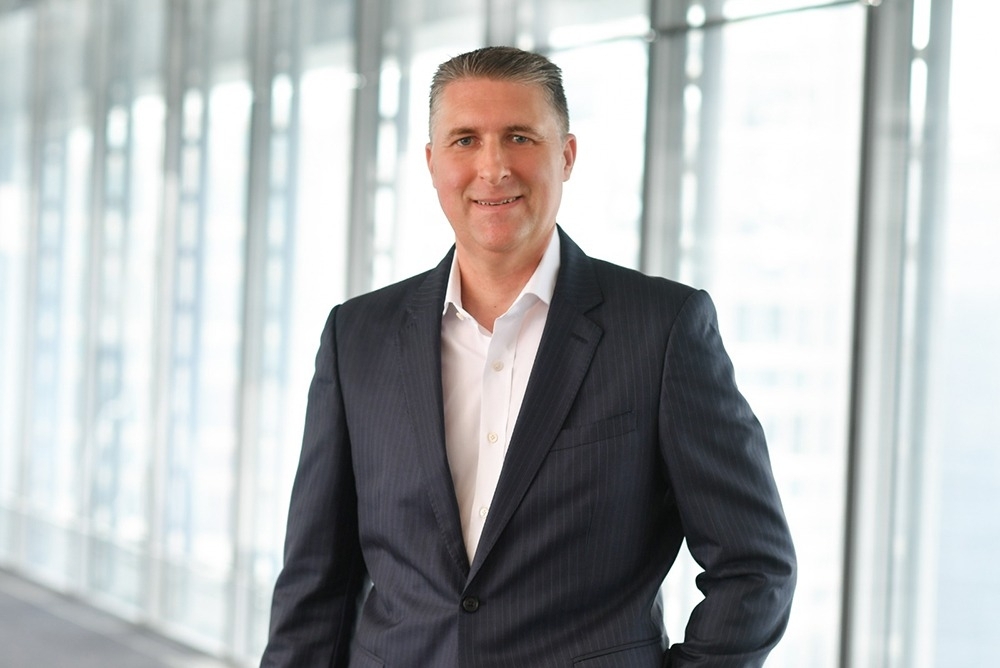
SINGAPORE: Great Eastern will get a new Group CEO in November, with the appointment of Mr Greg Hingston. He will assume the role on Nov 1, succeeding Mr Khor Hock Seng who retires on Oct 31. Mr Hingston has worked in Asia for over 20 years, based in Hong Kong, the company in a statement on Wednesday (Aug 28). He spent the last 18 years with HSBC. “During this time, Mr Hingston has held various senior executive management positions across retail banking, wealth management and life insurance, including managing wealth and personal banking businesses in Hong Kong and for the Asia Pacific region,” Great Eastern said. In his most recent role as CEO of HSBC’s global insurance and partnerships, he was “primarily responsible for setting the strategy, managing and growing the life insurance businesses of the HSBC Group”. Mr Hingston was selected after a wide-ranging search that looked at internal candidates as well as those within and outside Singapore. Great Eastern’s nominating committee and its board selected Mr Hingston from a final shortlist that was put together after a “rigorous and extensive” process. Mr Hingston was found to be the most suitable candidate for the role given the company’s strategy to grow and expand beyond its core markets of Singapore and Malaysia, read the statement. Helen Wong, director of Great Eastern Holdings and Group CEO of OCBC, said Mr Hingston’s experience in both wealth and insurance will be helpful in “fostering synergy and collaboration between OCBC and Great Eastern Group under OCBC’s One Group approach”. OCBC in May announced a S$1.4 billion offer to buy the remaining stake in insurer Great Eastern Holdings, intending to delist the company. The takeover offer closed on Jul 12, with the bank holding more than 93 per cent of the company. Mr Khor retires from Great Eastern after serving as Group CEO for nine years. He will be an adviser to the board to assist with the transition for a period of six months. “Under Mr Khor’s stewardship, Great Eastern Group’s total assets grew steadily from S$65.8 billion (US$50.5 billion) as at end-2015 to S$109 billion as at end-2023,” said the company. “Over the same period, significant growth was also experienced in Great Eastern Group’s financial performance such as gross premiums and total weighted new sales.”–CNA

Energy & Technology, Investment & Market Trends, News

M’sia Must Be Strategic in Acquiring, Developing Tech to Join Developed Nations

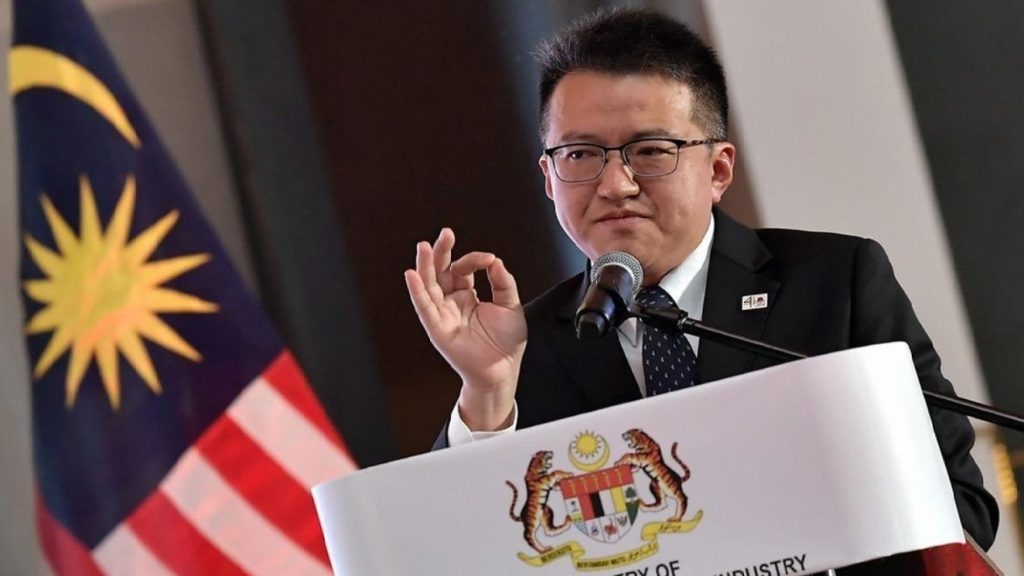
KUALA LUMPUR: Malaysia needs to strategically acquire and develop its own technology to be counted among develop nations. Deputy Investment, Trade and Industry Minister Liew Chin Tong said that while the foreign direct investment (FDI) is necessary, it’s not an end in itself and Malaysia needs to be strategic in its approach. “Malaysia thinks that FDI is almost everything and I think that mindset has to change,” he said. According to the deputy minister, the MADANI Economic Framework, Prime Minister Datuk Seri Anwar Ibrahim highlighted that for over 20 years, investment has constituted only about 20% of the gross domestic product (GDP). “In contrast, during the early days of economic growth, it constituted around 40% of GDP. At one point in 1997, it rose to about 45%. “While there were instances of overheating, the key takeaway is that investment is crucial and foreign investment is necessary, but we need to be strategic in our approach,” he added. Liew stressed that industrialisation cannot just be about exports but also has to have some form of mission to solve societal problems. “The New Industrial Master Plan (NIMP) 2030 lists 4 missions namely advance economic complexity, tech up for a digitally vibrant nation, push for Net Zero, safeguard economic security and inclusivity, which are all key to transforming Malaysia’s industry into one that is of high productivity, high skill, and most importantly. High wage,” he said. Liew also highlighted a comparison made by Seoul National University Professor of Economics, Prof Keun Lee on the semiconductor sectors in Taiwan, Shenzhen and Penang, where the sector is still mainly driven my foreign firms. “In comparison, the sectors in Taiwan and Shenzhen have acquired many more technologies and innovations,” he added. Meanwhile, Liew said he is glad to see government-linked investment companies (GLICs) paying more attention to the semiconductor industry in Malaysia. “The semiconductor industry used to be treated as a private-driven investment. Now, the industry has been thrust into the spotlight amid the current geopolitical fight between China and the US due to the growing necessity of having access to advanced chips to power everything from smartphones to electric vehicles (EVs). “Clearly, the ability to think critically about the way to position and accelerate advancements in semiconductors will have significant implications for trade, investment and geopolitics in the years to come,” he continued. It is also crucial, Liew said, to develop horizontal industrial linkages with Malaysia. “For example, the mature semiconductor industry in Malaysia should form a basis for developing the automotive industry, including EVs and agritech,” he said, adding that Malaysia is at the brink of a second economic takeoff built upon the development of a high productivity, high skills and high wage model. — BERNAMA

News

Chinese EV giant BYD posts 24.4% rise in profit

BEIJING: Leading Chinese automaker BYD posted on Wednesday (Aug 28) a 24.4 per cent rise in net profit for the first half of 2024, boosted by continuing strong demand for electric cars in its home and overseas markets. The company posted a net profit of US$1.91 billion in the January-June period, up from US$1.54 billion in the same period last year, according to results published at the Hong Kong Stock Exchange where BYD is listed. The firm said sales during the period stood at US$42.3 billion, up 15.8 per cent year-on-year. The Shenzhen-based company – which adopts the English slogan “Build Your Dreams” – is the most prominent EV manufacturer in China, the world’s largest automotive market. Leaders in Beijing are aiming for car sales to be mainly made up of electric and hybrid models by 2035. In July, such vehicles accounted for more than half of all domestic sales, passing the threshold for the first time, according to the Chinese Association of Automobile Manufacturers. Generous government subsidies initially helped sales take off – but the policies were phased out in late 2022 and the market now appears to be reaching maturity. Local EV firms have since been locked in a cut-throat price war as they fight to remain competitive, weighing on their profitability. BYD has “effectively dealt with challenges brought by intensified industrial competition”, it said in the filing. OVERSEAS CHALLENGES BYD and other Chinese EV giants have accelerated overseas expansion in recent years, despite concerns in Western countries that local markets will become flooded with imports at prices they view as artificially low. The European Union has alleged that Beijing’s automotive subsidies have given Chinese firms an unfair leg up in foreign markets, distorting competition and harming the competitiveness of European automakers. Earlier this month, Brussels released a draft plan to impose tariffs of up to 36.3 per cent on Chinese EVs – a measure that will become permanent in October unless a deal is reached with Beijing. The United States said in May that it would significantly raise customs duties on Chinese EVs to 100 per cent. Canada also announced a 100 per cent tariff on Monday, accusing China of “not playing by the same rules as other countries” in areas such as environmental and labour standards. BYD has nonetheless been ramping up globalisation efforts, with plans to open factories in Hungary and Turkey. Originally specialising in the design and production of batteries, BYD diversified into the automotive industry in 2003.

Investment & Market Trends, News

MIDF Maintains a Positive Stance on Oil and Gas Sector

KUALA LUMPUR: MIDF Amanah Investment Bank Bhd is maintaining its positive stance on the oil and gas (O&G) sector as the outlook for 2024 remains encouraging. However, the investment bank remained cautious about potential escalations in geopolitical tensions, significant production adjustments by the Organisation of the Petroleum Exporting Countries and its allies (OPEC+) and the US Federal Reserve’s monetary policy. It anticipates brent crude oil prices to remain relatively stable within the range of US$77-US$84 per barrel in August 2024 (year-to-date 2024 (YTD24): US$83.51 per  barrel), buoyed by the geopolitical tensions and OPEC+ production cuts through tempered by lower demand from China. Meanwhile, natural gas prices are expected to decline in the near term due to oversupply, settling at US$2.10-US$2.35 per million British Thermal Units (MMBtu) (YTD24: US$2.24 per MMBtu) in August. “We are highly optimistic about the upstream division, given that its contractual work basis provides operational stability, despite brent crude oil prices slipping to a maximum threshold of 20%-25% below the current spot price. “This is on top of Petronas’ expected capital expenditure (capex) of RM50-RM60 billion in 2024,” it said. However, it noted that the short-term downside risks include the uncertainty in the demand for crude oil, geopolitical risks and the OPEC+ production cut decision following the drop in brent crude oil daily spot price to below US$80 per barrel since the last week of July 2024. Similarly, investment bank holds a positive view on the midstream sector, particularly the ship tankers and storage facilities on the back of relatively stable and elevated short-term and long-term charter rates across ship sizes. It added that the recent decline in crude oil and natural gas prices in late July 2024 is expected to benefit tanker operators as lower prices may encourage the mobilisation and storage of crude and refined petroleum products, allowing sellers to mitigate charter costs while buyers take advantage of restocking opportunities. “While we are generally neutral on the downstream sector, we continue to anticipate a recovery in demand for petrochemicals as well as the increase in demand for biofuels and renewable energy (RE),” it said. Looking ahead, the investment bank expects the O&G services and equipment (OGSE) subindustry to show improved performance in the first half of 2024 (1H 2024). The upstream division is expected to remain resilient, given the higher capex both globally and domestically (global capex: +24% year-on-year (YoY) to US$600 billion, Malaysia’s capex: +23.3% YoY to RM31.2 billion) and relatively stable brent crude oil prices. “Immediate downside risks are sudden escalation in geopolitical tension, drastic changes to OPEC+ supply cut and unfavourable RM/US$ exchange rates. “We forecast brent to reach an average of US$82 per barrel and Henvy Hub to average US$2.20 per MMBtu in August,” it added, As for the downstream sector, MIDF noted that while uncertainties in petrochemicals persist, the diesel rationalisation initiative has started to yield positive results for end buyers of refined petroleum products. Demand for Jet A1 and Mogas is expected to remain strong during the upcoming holiday and travel season, barring any changes to the RON95 subsidy as anticipated following the diesel targeted subsidy rollout. Additionally, the bank expects demand for sustainable fuels to surge, driven by the increase in biomass projects across the nation in 1H 2024. This shift will create new revenue streams for downstream players as they refine and distribute these alternative fuels. — BERNAMA

News

EPF has appointed Tan Sri Mohd Zuki Ali as its new chairman

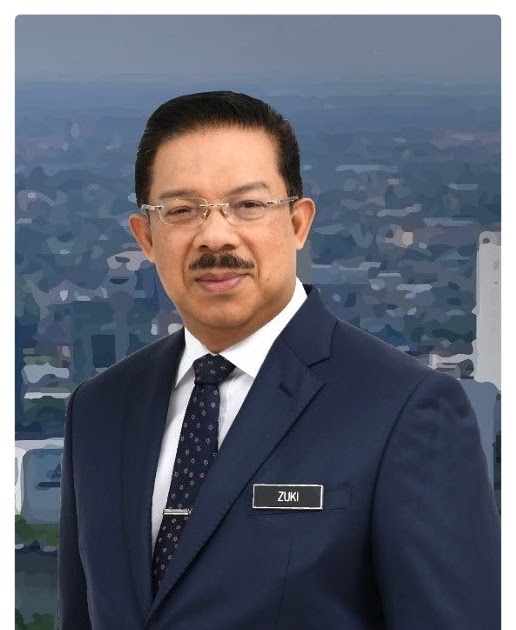
KUALA LUMPUR: The Employees Provident Fund (EPF) has appointed Tan Sri Mohd Zuki Ali as its new chairman, effective Sept 1, 2024. Mohd Zuki, previously the 15th chief secretary to the government, will be taking over from Tan Sri Ahmad Badri Mohd Zahir, who has held the post since May 1, 2020, the EPF said in a statement today. “The EPF board extends its heartfelt appreciation to Ahmad Badri for his exemplary leadership and significant contributions. “At the same time, the board would like to welcome and congratulate Mohd Zuki, whose extensive experience in the government sector and strategic direction will continue to drive the EPF to greater heights,” it said–The Sun

News

Bank Negara appoints Yogeesvaran Kumaraguru as an external member of the MPC.

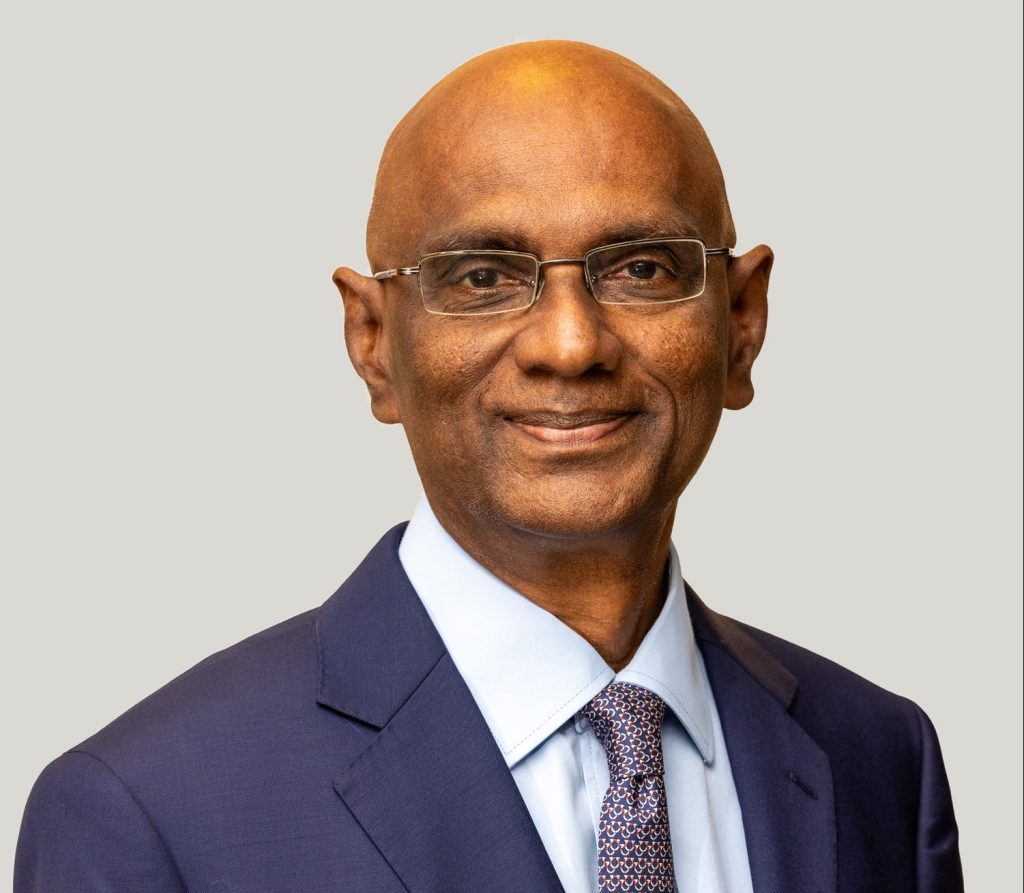
KUALA LUMPUR: Bank Negara has appointed Datuk Yogeesvaran Kumaraguru as an external member of the Monetary Policy Committee (MPC). In a statement, the central bank said the appointment is for a two-year term, effective Sept 1, 2024. “An accomplished economist, Datuk Yogeesvaran Kumaraguru had 27 years of experience in the Economic Planning Unit before joining the Ministry of Plantation Industries and Commodities as Secretary General in 2017. “During his tenure at EPU, he was involved in the formulation of several Malaysia Plans and was a member of the National Economic Action Council Secretariat. Bank Negara said Yogeesvaran has also served as a consultant on economic matters to the World Bank and the United Nations. Commenting on the appointment, Bank Negara Governor Datuk Seri Abdul Rasheed Ghaffour said Yogeesvaran’s insights and experience in the field of economics and policymaking will be beneficial to the MPC’s discussions and deliberations. Under the Central Bank of Malaysia Act 2009 (CBA), the MPC is responsible for formulating monetary policy and deciding on policies for the conduct of monetary policy operations. The CBA also sets out the process for appointing members to the MPC. The MPC’s members comprise Abdul Rasheed, Deputy Governor Datuk Jessica Chew Cheng Lian, Deputy Governor Datuk Marzunisham Omar, Deputy Governor Adnan Zaylani Mohamad Zahid, Assistant Governor Dr Norhana Endut, Assistant Governor Mohd Fraziali Ismail, Assistant Governor Mohamad Ali Iqbal Abdul Khalid (effective Sept 1), external members Lim Chee Sing and Nor Zahidi Alias, as well as Yogeesvaran.–The Star

News

Fernandes hopes to hit the sweet spot with MAS

SEPANG: Capital A Bhd is open to collaborating with Malaysia Airlines (MAS) to provide in-flight meals via its food and beverage catering subsidiary Santan Food Sdn Bhd. Chief executive officer (CEO) Tan Sri Tony Fernandes said he had met MAS executive director Datuk Izham Ismail and Santan CEO Catherine Goh on the suggestion recently. “Malaysia Airlines has moved forward with other caterers – but who knows maybe it will consider our zero-sugar option one day. “We dare to dream of working with Malaysia Airlines one day,” he told a press conference at the launch of Club Zero here yesterday. Santan launched its Club Zero campaign intending to promote less sugar consumption. Health Minister Datuk Seri Dr Dzulkefly Ahmad, who launched the campaign, said the ministry is looking at more approaches towards its “War on Sugar” initiative, including the sugar-sweetened beverage (SSB) tax. In January, the Health Ministry announced an increase in SSB tax by 20% to 50 sen per litre from 40 sen per litre. The SSB tax applies to ready-to-drink packaged sweetened beverages, including drinks with more than 5g of sugar per 100 millilitres and fruit or vegetable juices with over 12g of sugar per 100 millilitres. When asked whether the tax would be expanded to other items, Dzulkefly said the ministry has yet to decide on the option. He said the ministry is considering imposing a tax on sweetened beverages prepared on-site in cafes and restaurants. “That is in our planning, but as of now, I am not able to reveal anything yet. “There will be more to come and we have some very good approaches for our ‘War on Sugar’ plans. “We will disclose and unveil this once the time is right,” he added. On a positive note, he said sugar consumption had seen a decrease following the implementation of the SSB. The Club Zero initiative represents Santan’s ongoing efforts to align with the health-conscious preference of consumers as well improving public health through innovative product offerings and strategic partnerships. “The launch of Club Zero is a significant step forward in our collective effort to reduce sugar intake and encourage healthier eating habits among Malaysians. “I hope more brands will follow suit and offer healthier options to customers,” Dzulkefly added. Meanwhile, Goh said the group is proud to lead the way by providing healthier choices to its customers considering the significant public health issue of diabetes in the country. “Our goal is really to spark positive changes in people’s lives and our core message is simple. “We strive to motivate consumers to understand that products with less sugar can still taste great, inspiring confidence, all while encouraging consumers to adopt less sugar products,” she stated. Santan had collaborated with Tealive, fully owned by Loob Holding Sdn Bhd, as well as Secret Recipe. Santan offers a zero-sugar drink series which includes several beverages. Additionally, Tealive is offering the zero original milk tea with konjac pearl and Secret Recipe is providing its zero chocolate indulgence cake, both with 50% less sugar.–The Star

Investment & Market Trends, News

Singapore Narrows 2024 GDP Growth Forecast to 2%-3%

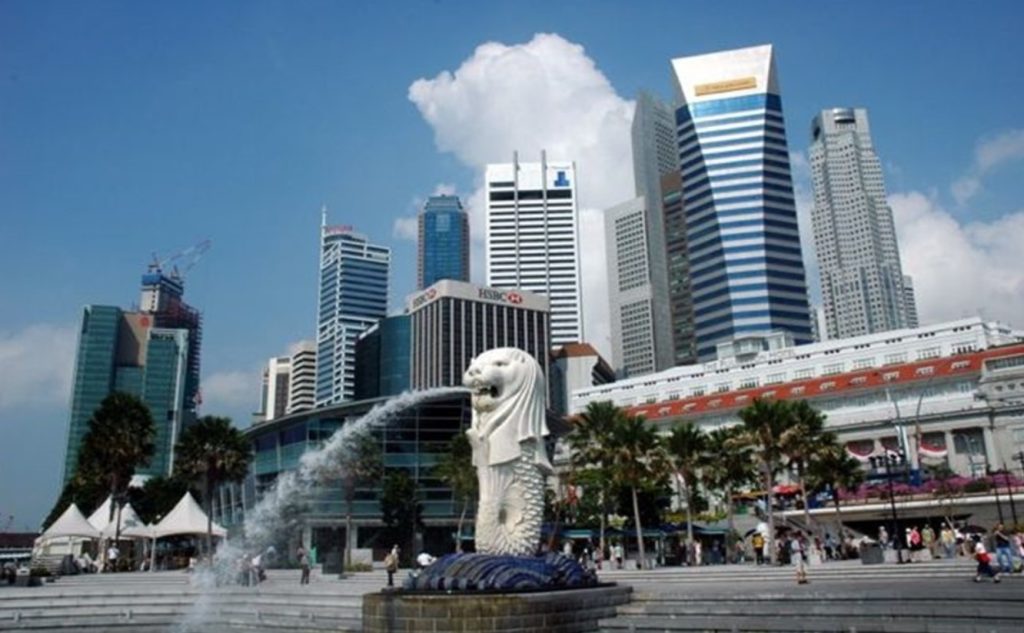
SINGAPORE: Singapore has narrowed its gross domestic product (GDP) growth forecast for 2024 to 2%-3%, from the previous 1%-3%, after taking into account its economic performance in the first half of the year as well as the latest global and domestic economic situations. The Singaporean Ministry of Trade and Industry (MTI) said the country’s economy expanded by 2.9% year-on-year (YoY) in the second quarter of 2024 (2Q 2024), extending the 3% expansion in the previous quarter. “For the first half of 2024, Singapore’s GDP growth averaged 3% YoY,” it said in a statement in conjunction with the release of the 2Q 2024 Economic Survey of Singapore report. MTI said the 2Q 2024 GDP growth was primarily driven by the wholesale trade, finance and insurance, as well as the information and communication sectors. Among the sectors, the finance and insurance sector grew by 6.7% YoY, mainly driven by the banking and fund management segments, which saw net commissions surge during the quarter as global interest rates started to ease. In contrast, the manufacturing sector contracted by 1% YoY in 2Q, mainly due to output declines in the biomedical manufacturing and precision engineering clusters, with the former in turn weighed down by a sharp fall in pharmaceuticals output. Consumer-facing sectors such as the retail trade and food & beverage services sectors also shrank, partly due to an increase in outbound travel by locals. As for the outlook for 2024, MTI said that since the Economic Survey of Singapore in May, the GDP growth performances of Singapore’s major trading partners have largely been in line with expectations, with the United States (US), Japan and Malaysia being key exceptions. “Notably, the US and Malaysian economies performed better than expected in 2Q on the back of strong domestic demand. By contrast, GDP growth in Japan was weighed down by weak private consumption as real wages continued to decline,” the ministry said. It said that the US GDP growth is expected to ease gradually for the rest of the year as consumption growth slows in tandem with weakening labour market conditions, while China’s economy is projected to expand at a slightly slower pace in the second half of the year as investment growth tapers amid signs of overcapacity in some sectors. According to MTI, GDP growth in key Southeast Asian economies is projected to pick up slightly in the second half of the year in tandem with improvements in domestic demand, as well as the ongoing recoveries in global electronics and tourism demand. Singapore’s external demand outlook is expected to be resilient for the rest of the year, it said, amid that 2 downside risks in the global economy that still remain. These include an intensification of geopolitical and trade conflicts that could dampen business sentiments and add to production costs, which could weigh on global trade and growth. “Secondly, disruptions to the global disinflation process could lead to tighter financial conditions for longer and trigger market volatility or latent vulnerabilities in baking and financial systems,” it added. — BERNAMA

Scroll to Top

Subscribe
FREE Newsletter