News

News

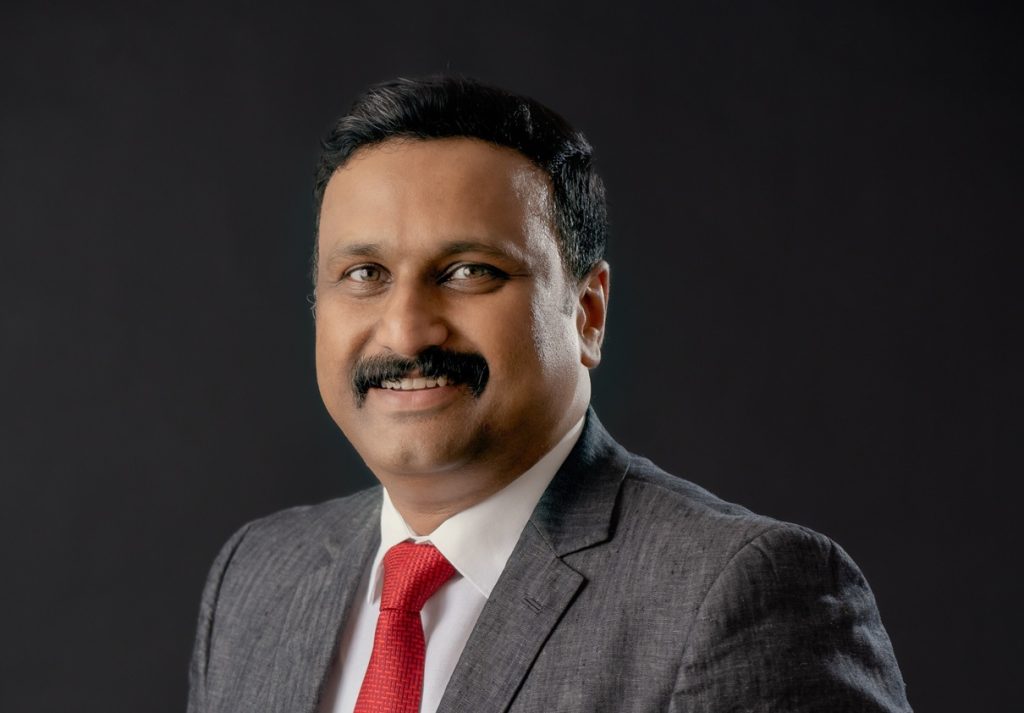
Assembly Hires Shivaprasad Nair as Managing Director of New Global Delivery Offering

BANGALORE: Global omnichannel media agency Assembly appointed Shivaprasad Nair as the Managing Director of Global Delivery. Assembly Global Delivery connects data, digital, and e-commerce talents worldwide within centres of excellence – bringing to life the agency’s proposition to ‘Find the Change That Fuels Growth’ and underscoring a commitment to driving innovation and scale for clients. The decision to create Assembly Global Delivery brings a consistent and world-class digital talent platform globally and already consists of over 1,000 experts spanning India, Egypt, and the Philippines. As Managing Director, Shiva will lead the Global Delivery teams across the world and continue to bring the best talents within the centre of excellence to Assembly’s clients. He will be tasked with cultivating a high-performance culture of innovation and excellence – prioritising growth and ensuring alignment with the agency’s global strategic objectives. Nair brings a wealth of experience to Assembly, having led similar initiatives in former positions where he demonstrated exceptional leadership skills and a profound understanding of international business dynamics. In this new role, Nair will be responsible for developing the global delivery strategy, managing relationships with partners, ensuring compliance with international standards, and leading the seamless integration of cross-cultural teams to achieve strategic objectives and operational excellence. Assembly Europe CEO, Matt Adams said, “There is no one better to have on the team than Shiva – he is a world-class leader. We’re proud to have him on board and excited to see how he will accelerate our Global Delivery offering and help us achieve new levels of success.” Nair added, “I am thrilled to be part of Assembly at this transformative time. I look at the agency’s global centres as more than just assets; instead, they are hubs of creativity and expertise poised to move us forward. “I’m looking forward to further enhancing the agency’s delivery systems, ensuring that we consistently go beyond what our clients envision, turning complex global challenges into opportunities for change and strategic success,” he continued.

News

CLPS Incorporation Promotes Henry Li Li, From COO to President

HONG KONG: CLPS Incorporation announced the organisational restructuring with the appointment of the Chief Operating Officer, Henry Li Li, as the President of the company, since 2 July 2024. Li will transition from his COO role to exclusively assume the responsibilities of the President, and he will report directly to the Board of Directors. Since joining CLPS in 2019, Li has been instrumental in driving the company’s continued growth and innovation. As COO, he has implemented advanced technologies and optimised processes to significantly enhance operational efficiency and productivity. He has also established a comprehensive internal management system, enabling precise resource allocation and collaboration, resulting in improved operational effectiveness. Additionally, Li has actively expanded the market scope and cultivated strong relationships with key clients, contributing to the company’s sustained organic growth. Li has 20 years of professional experience in the financial and IT industries. He previously served as Vice President of Technology and Operations at Mastercard and as Executive Manager, Head of Business Solution and Quality Assurance at Commonwealth Bank of Australia in China. Li graduated from Tianjin University, Tianjin, China, with a bachelor’s degree in Computer Science. He holds an MSE degree from Fudan University, Shanghai, China. “I am honoured to step into the role of President at CLPS. In the dynamic IT services industry, I will focus on leveraging our competitive advantage, fostering innovation, and achieving operational excellence. “By investing in cutting-edge technology, streamlining processes, and expanding our international reach, we are positioned to deliver exceptional value to our stakeholders,” Li said. CLPS Chairman, Paul Xiao Feng Yang commented, “The board is impressed by Li’s strategic vision and execution capabilities, and we look forward to his leadership as the President of CLPS. This initiative is part of our long-term strategic plan to strengthen our corporate leadership and enhance management competence, enabling us to better respond to market changes and client needs. “We will keep pushing the boundaries of innovation and development, delivering high-quality IT products and services to our clients.”

Energy & Technology, News

Tesla Breaks Its Promise to Malaysia and Rest of Southeast Asia

It has been reported that the electric vehicle manufacturer, Tesla has cancelled its plans of establishing manufacturing plants in Southeast Asia, which also includes Malaysia. This is reported by Thailand newspaper, The Nation when a source from the Thai government stated that Tesla is currently only focusing on charging stations, with factory plans suspended globally. “They are not proceeding in Malaysia, Indonesia or anywhere else except for China, America and Germany,” said the source. It is said that the decision is part of Tesla’s broader withdrawal of investments across Asia and beyond, as the company has reportedly disbanded the executive team that was leading its Southeast Asian expansion efforts last year. The report also mentioned that Tesla has halted plans for a gigafactory in Mexico, citing economic concerns and potential political impacts from the upcoming US presidential election, specifically regarding US presidential candidate Donald Trump’s pledge to impose a 100% tariff on Mexico-made vehicles. The gigafactory near Monterrey in Nuevo Leon was first announced in March last year and was expected to start operating in the first quarter of 2025. However, the project has faced multiple delays and uncertainty. By September 2023, some of Tesla’s suppliers had slowed their own plans to build new manufacturing facilities in Mexico, worried they wouldn’t be completed on time. In October, Tesla confirmed it had paused the project due to economic concerns Disappointing Reneged Investments In November last year, Thai Prime Minister Srettha Thavisin announced that Tesla was poised to make Thailand a hub of its EV manufacturing, which followed after several meetings with Tesla executives, both in the US and Thailand. At the time, Srettha also mentioned that Tesla was surveying three potential factory sites in Thailand and was expected to announce an investment of over US$5 billion in the first quarter of this year. As for Malaysia, under the terms of an agreement signed in February 2023, Tesla was said to be able to sell its vehicles assembled abroad in Malaysia without any import tariffs. The company was also granted exemption from having a local partner as well as the minimum 30% Bumiputera equity rule. Tesla began selling its cars in Malaysia months later. In fact, Prime Minister Datuk Seri Anwar Ibrahim announced in July 2023 that Tesla would set up its Malaysian headquarters and service centres in Selangor which would potentially create ‘tens of thousands of high-value jobs’ in the country. Late last year, Tesla opened its Malaysian head office in Cyberjaya, with plans to introduce a minimum of 50 EV charging stations nationwide. Anwar even courted Tesla’s billionaire owner Elon Musk for further investments from Tesla. Musk’s other business Starlink was also allowed to operate in the country with full foreign ownership after the government waived the ceiling of 49%. However, the Ministry of Investment, Trade and Industry (MITI) has advised that the news report did not cite Tesla directly, hence questions regarding the actual expansion plans of the company should be ignored until Tesla itself has issued an official statement on the matter. “Please take note that this report is not an official statement from Tesla but quotes an unnamed source. “Confirmation on the report would have to come from Tesla,” the MITI source said, who added that the move is unrelated to MITI’s initiatives on industrial reforms and improved investment landscape. Last month, Tesla shares tumbled 12% after posting its lowest quarterly profit margin in five years, with earnings per share missing estimates for the fourth consecutive quarter. It was the biggest one-day percentage drop in Tesla’s stock since 2020, and it left Tesla’s market capitalisation at just under US$700 billion, down from over US$1 trillion in 2021.

News

Mohamed Rezwan is new Maybank GCRO

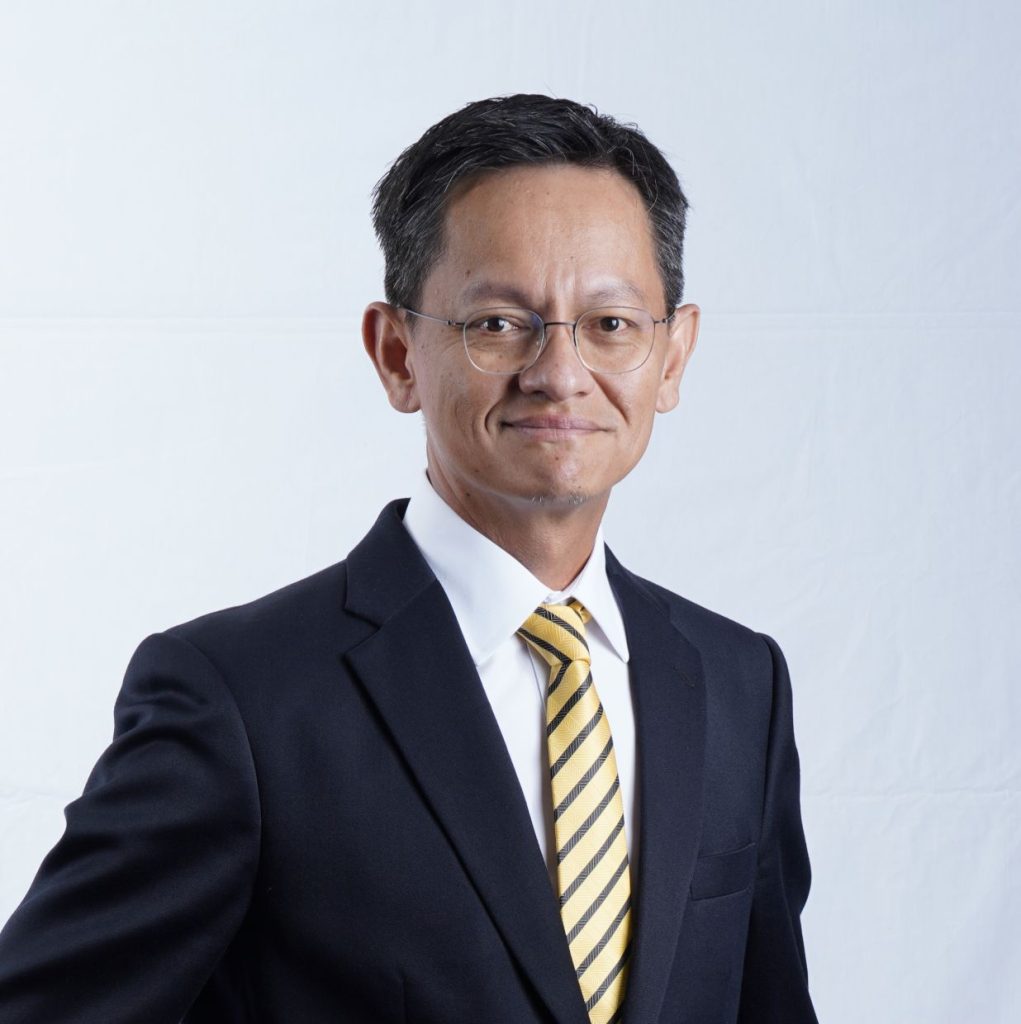
PETALING JAYA: Malayan Banking Bhd (Maybank) has appointed Mohamed Rezwan Abdullah Ismail as its group chief risk officer (GCRO) effective Aug 8, 2024. In a statement, Maybank said Mohamed Rezwan will be responsible to strategise, lead and implement a progressive enterprise-wide risk management framework that appropriately identifies, manages and mitigates risks to achieve the strategic and business objectives of Maybank Group. “He will report to the president and group chief executive officer of Maybank and be a member of the group executive committee.” Mohamed Rezwan, 48, will succeed Datuk Hamzah Bachee, who will retire from Maybank Group effective Aug 8, 2024, after a long-standing career of close to 36 years with Maybank.

News

DBS appoints Tan Su Shan as deputy CEO

SINGAPORE: DBS Group Holdings Ltd picked Tan Su Shan as deputy to chief executive officer Piyush Gupta, setting the stage for her to eventually become the first woman to lead South-East Asia’s largest bank. Tan, currently head of DBS’s institutional banking group, will succeed Gupta as CEO when he retires at the next AGM on March 28, 2025, according to a statement by the bank yesterday. The appointment caps years of speculation over who will succeed Gupta, one of Asia’s most high-profile bankers who has led DBS for 14 years. Gupta, 64, is credited with multiplying returns at the former state-owned bank, while transforming its culture and technology to face growing competition from digital lenders. Tan, 56, is the only female banker among the four contenders being groomed to replace Gupta, Bloomberg reported in 2023. She’s credited with expanding the consumer and wealth businesses, which accounted for about a third of pre-tax profit by the time she moved to her current job in 2019. — Bloomberg

News

Tokyo the centre of worry for global investors

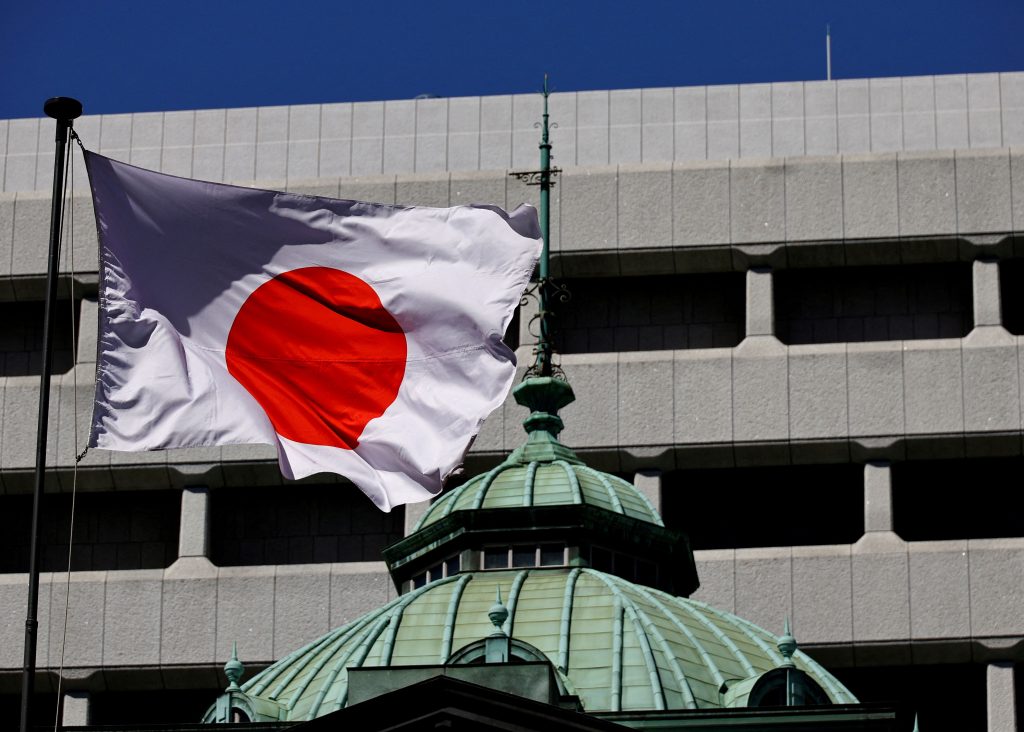
TOKYO: In less than a week, Japan has completely upended the world’s expectations for its markets and economy. The country was the darling of the financial world for over a year. Its weak currency pushed the stock market to record highs and rekindled inflation after decades. Then the Bank of Japan (BoJ) hiked rates last Wednesday and governor Kazuo Ueda indicated he intended to keep going, helping trigger a sharp rise in the yen and wild gyrations across the global markets. Traders and investors were forced to abandon strategies based on the macro view that Japan’s currency would stay weak and interest rates wouldn’t rise too fast. “Without a doubt, this is new ground for markets” said Stephen Miller, a consultant at Grant Samuel Funds Management and former BlackRock Inc fund manager. “There’s soul searching everywhere now that we have a BoJ that seems hellbent on getting away from years of zero or negative rates policy. “Japan is now at the centre of emergent worries across everything – stocks, bonds, yen, credit, everything.” Volatility coursed through Japan’s markets, with the Nikkei 225 suffering its biggest rout since 1987 on Monday, only to come back 10% the next day. The whiplash carries implications for the country’s politics and households, as the market turmoil could impact consumer confidence and Japan’s delicate climb out of deflation. Adding to investors’ confusion, the yen weakened about 2% yesterday after BoJ deputy governor Shinichi Uchida said the bank wouldn’t raise rates as long as markets are unstable. “The risk is that consumption and investment will be held back due to the increased uncertainty in the markets,” said Hirofumi Suzuki, chief foreign exchange strategist at Sumitomo Mitsui Banking Corp. “If it drags on, it could affect business behaviour and households as well.” The initial historic sell-off in the market indicates that any momentum trades hoping to profit from the weak yen and the broad rally in Japanese equities have been wiped out, according to analysts. The surge in the yen also derailed one of the most profitable market strategies this year – carry trades, which involve borrowing the Japanese currency to invest in other global assets. The yen’s rebound set off a rush to take profits on these trades and close positions, which exacerbated the currency’s rise. “This outsized response compared with previous instances of carry trades being quickly unwound suggests there is more at play in Japan than recession fears and could have global ramifications if it continues,” said Wei Li, global chief investment strategist at BlackRock. Politicians and business leaders have sought to soothe concerns in Japan, particularly around expanded tax-free investment accounts, an initiative to get people to move some of the more than one quadrillion yen sitting in bank accounts as of March into the market. Foreign investors that have stayed will likely take a longer view of companies that have been diligent about reform, business growth and balance sheet management. “I think it’s a market that should now suit fundamental analysis, bottom-up rather than top-down,” said Pelham Smithers, whose London-based firm offers research on Asian companies with a focus on Japan. “Going forward, it becomes an interesting time if you are a stock picker.” There’s an emerging view that BoJ’s move was a misstep and influenced by political pressure, as several prominent politicians have called out the weak yen in recent weeks. That could jeopardise the relationship between the Japanese government and the central bank and impact Prime Minister Fumio Kishida’s bid to be re-elected as the head of Japan’s ruling party next month, said Takuji Aida, chief economist at Credit Agricole. — Bloomberg

Investment & Market Trends, News

Maybank IB Believes Malaysia Currently in Investment Upcycle

KUALA LUMPUR: Maybank Investment Bank Bhd (Maybank IB) believes that Malaysia is currently undergoing its third investment upcycle. It said the combined private and public investments share of the GDP picked up from the recent post-pandemic low of 19.7% in 2022 to 21.3% in the first quarter of 2024 (1Q 2024). In a note, Maybank IB said the previous two investment upcycles saw gross fixed capital formation’s share of the GDP surging from 22.1% in 1987 to 49.2% in 1997, and from 21.7% in 2009 to 26.6 in 2013. “Investment is on the upswing as robust approved private sector investment since 2021 is being realised as per the trend in actual private investment. “Rising momentum in investment realisation can also be seen from the surge in imports of capital goods – especially machinery and transport equipment, as well as the acceleration banking system’s loans growth for industrial buildings, factories, land, construction and working capital,” it said. The investment bank reckoned that the investment upcycle reflects the benefit or payoff from political stability post-15th general election, foreseeing 5 drivers or themes: green economy, technology, Johor-Singapore Special Economic Zones (JS-SEZ), infrastructure and government-linked in the current wave. It noted that green investment is driven by the National Energy Transition Roadmap (NETR), where the energy transition financing needs imply a projected total investment of RM1.2 trillion – RM1.3 trillion over 2023-2050. Meanwhile, the technology industry investment is central to the New Industrial Master Plan (NIMP) 2030, with the National Semiconductor Strategy (NSS) aiming to attract RM500 billion worth of investments in the high-end semiconductor sector. Another significant investment area in technology is data centres, with an estimated RM130 billion investment expected between 2024 and 2035. At the same time, the Iskandar Regional Development Authority (IRDA) expects to attract investments worth RM226.5 billion into Iskandar Malaysia via JS-SEZ between 2024 and 2030 Maybank IB also foresees enhanced domestic investments by government-linked companies and government-linked investment companies (GLCs/GLICS), with committed investments in domestic capital markets totalling RM440 billion and RM120 billion in domestic direct investment (DDI) over the next 5 years. Historically, investment upcycles have led to sustained multi-year GDP growth, double-digit growth in construction, and above-trend consumer spending, it said. Inflation and the ringgit also saw upward trends during these periods. “However, note that inflation is also driven by a multitude of dynamics such as internal and external cost-push factors (such as subsidy removal/rationalisation; minimum wage hikes, global commodity prices), currency movements, as well as the more recent ‘shocks’ such as geopolitics and pandemic causing supply chain disruptions and inefficiencies,” it said. As for the ringgit, Maybank IB said the currency tends to appreciate versus the US dollar during the investment upcycle periods. In the first investment upcycle period, the currency appreciated from a low of 2.7960 on 13 June 1991 to a high of 2.4365 on 21 June 1995; a gain of 14.8%. In the second investment upcycle period, the local unit rose by 26.8 per cent from a low of 3.728 on 2 March 2009 to a high of 2.939 on July 27, 201. “Currently, the ringgit is on an uptrend as it closed at 4.4970 against the greenback on 2 August 2024; up 6.7% from this year’s low of 4.7987 on 20 February 2024. “The local note is supported by improving market sentiments amid strengthening domestic economic performance and macro fundamentals, as well as the prospect of the start of the United States Federal Reserve’s interest rate cuts cycle in September,” it said. — BERNAMA

Events, News

Qew Group Berhad Showcases Significant Achievements and Future Plans at T20 Gala Event

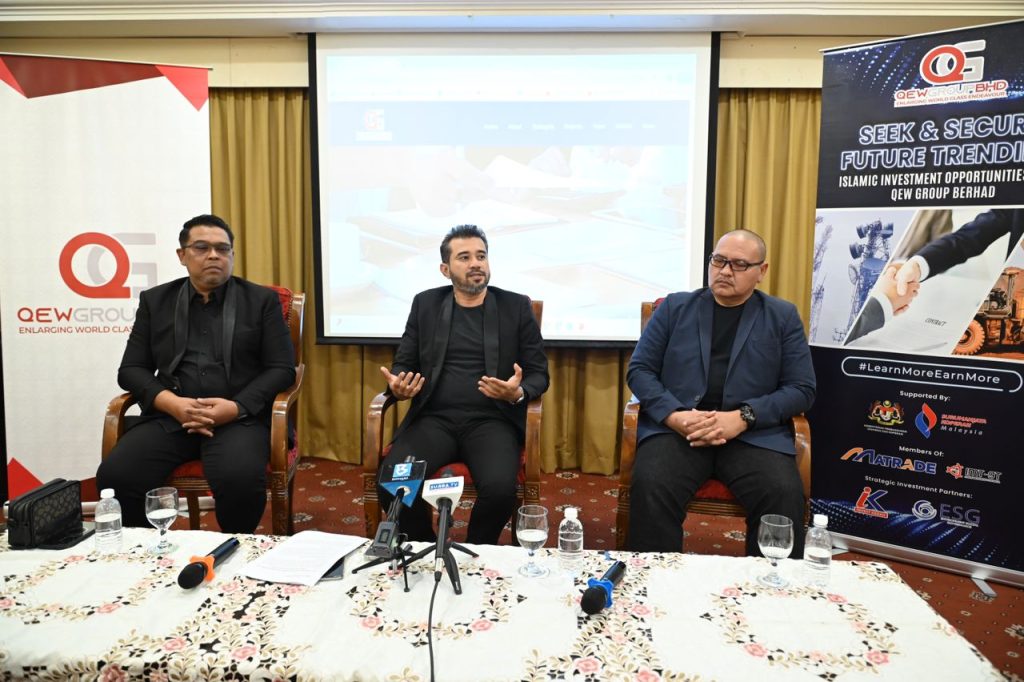
KUALA LUMPUR: Qew Group Berhad (QGB), a prominent investment outfit with a presence in Kuala Lumpur, Putrajaya, and London, participated in the T20 Charity Gala and A-Listers Concert, where the Group was able to present its vision, mission, and strategic initiatives, to demonstrate QGB’s commitment to long-term growth and community impact. “We are thrilled to participate in the T20 Charity Gala and Concert as the event aligns perfectly with our core values and commitment to making a positive impact on society. Our contribution to Yayasan Prihatin Nasional (YPN) this evening is one of our many efforts in meeting our on-going commitment to our corporate social responsibilities (CSR),” said its Group Executive Chairman, Dato’ Dr Muhamad Iqbal. “Additionally, the T20 Gala brings together the right target audience of sophisticated investors, fitting well with our investment portfolio and long-term strategies,” he added. The T20 Charity Gala and A-Listers Concert was a celebration of entrepreneurship, diversity, and unity, where acted as a platform to share detailed insights into the vision, mission, and objectives of this initiative. The event attracted over 1,000 guests from the T20 group, providing an unparalleled networking opportunity for business leaders and investors. (subhead) Qew Group’s expertise ranges in various sectors, including mining, healthcare, and partnering services, combined with its strategic partnerships and focus on market expansion, positioning the company for a prosperous future.   Currently, its primary goal is to tap into various lucrative opportunities and deliver consistent returns and long-term capital gains for its investors and shareholders.      More strategically, Qew Group continues setting its pace in the future with a comprehensive strategy with its plan, aptly named ‘Bright Future’, ‘Big Future’, and ‘Benevolent Future,’ outlining three key pillars that will guide its development in the years to come.  The Bright Future pillar focuses on driving growth in QGB’s telecommunications and real estate development businesses. These established sectors provide a strong foundation for the company’s future success.  The Big Future pillar ventures into new and exciting territories, encompassing QGB’s investments in mining and healthcare. These sectors hold immense potential for future growth and diversification.  Finally, the Benevolent Future pillar underscores QGB’s commitment to social responsibility and creating positive change. Through its partnering services, the company aims to contribute to the well-being of its stakeholders and the community.  Through the three-pronged strategy, Qew Group placed strategic investments in mining and healthcare, revealing a future brimming with potential, allowing the Group to capitalise on lucrative market opportunities, promising significant growth and returns.  For the mining business, in July 2022, Qew Group sealed a 600-acre iron ore mining sites deal in Bukit Besi, Terengganu and in March 2023, another 100-acre deal in Seri Bandi, Terengganu, which will grant the company access to a valuable resource, with iron ore being a vital component in various industries.    Partnering in a joint venture worth RM30 billion, Qew Group stands to gain a substantial 13% share, translating to significant revenue potential. Providing a timely boost, QGB currently has a stockpile of approximately 150,000 MT of iron ore ready for processing and export, coinciding with high prices of US$135 per metric tonne (MT) for grade 62 ore.   Furthermore, technical scans reveal an estimated 1.5 million MT of additional iron ore reserves in Seri Bandi in Terengganu undergoing preparation for the mining process. This promising development positions the company to capitalise on the current favourable market conditions.  “Such activity will also boost the domestic economy and increase employment opportunities for the locals,” Dato’ Iqbal pointed out. For the telecommunications sector, commanding a 0.3% share, the Group is well-placed to tap into the lucrative market potential in the booming Malaysian telecommunications market, estimated at a massive RM36.8 billion.    Under Phase 1, Qew Group owns 59 telco towers strategically located in Klang Valley, Sabah, and Labuan for the telecommunications business segment, positioning the company in a solid position to capitalise on more new telco tenders. These towers operate under a 10-year renewable Network Facilities Provider (NFP) license, ensuring long-term stability.   An additional 22 monopole structures are slated for completion by the third quarter (Q3) of 2024, further expanding the network’s reach.  The Group also has invested RM15 million in developing KELNET, a fibre network operating centre in Kelantan with an aim to strengthen network connectivity. In the real estate development segment, QGB forged its presence with the 258-acre Digital Asian Halal Hub Industrial Park in Kedah, catering to the growing halal industry, offering a unique blend of industrial facilities and Islamic principles, attracting potential investors and businesses.  Recently, Qew Group has invested in a 6-storey building dedicated to a holistic healthcare centre in Johor, expanding its business horizon into healthcare. The company took a holistic approach with Phase 1 of the Medeseri Healthcare Johor Bahru project, offering diverse services and catering to the growing demand for integrative and alternative medicine solutions.   This strategic investment positions Qew Group to tap into the booming healthcare market, estimated at RM72 billion in Malaysia.  By delving into the lucrative mining and healthcare industries, the Group positions itself to capture significant market share and generate substantial returns for its investors.   “This move, coupled with their expansion into the lucrative mining industry, showcases a commitment to diversification and growth. “By tapping into these sectors, QGB positions itself to capture significant market share and drive long-term success. Furthermore, the company’s established strength in telecommunications and real estate development creates a well-rounded foundation for a prosperous future, ensuring positive returns for investors,” Dato’ Iqbal concluded.

News

KPJ Healthcare significant expanding capacity

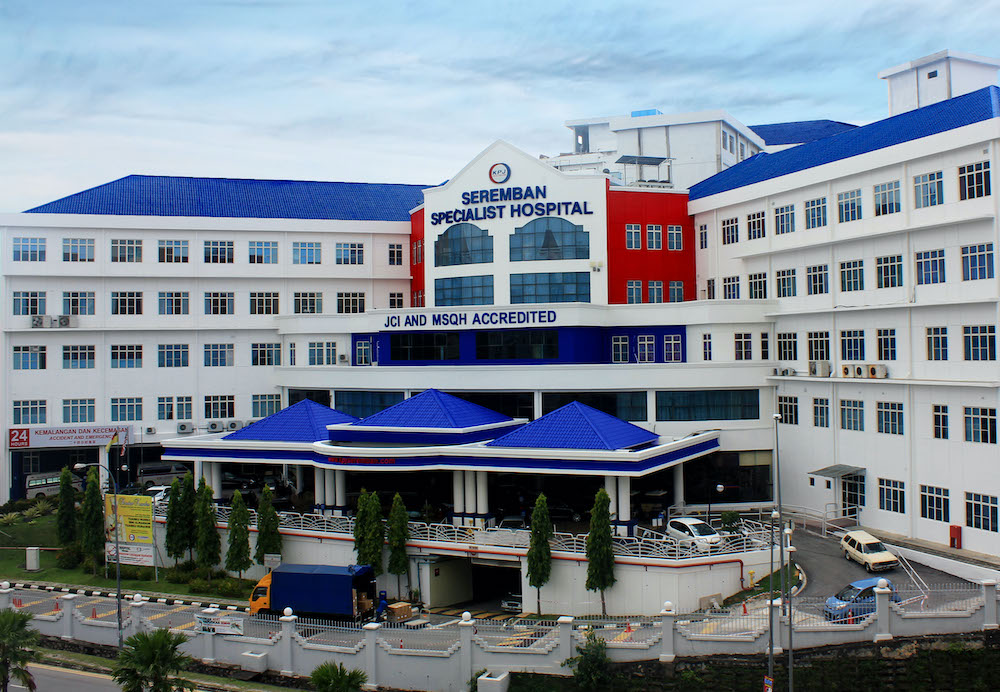
KUALA LUMPUR: While KPJ Healthcare Bhd remains on the lookout for new assets, the private healthcare provider is focusing on optimising its current resources to increase its bed utilisation rate. President and managing director Chin Keat Chyuan said that as of the end of the first quarter (1Q24), the group was registering over 60% bed occupancy, which is similar to the full-year figure from the previous year. “We remain very optimistic with the very encouraging numbers in terms of our bed occupancy while we continue to expand our capacity to house more patients,” he said during a press conference in conjunction with the launch of the group’s rebranding yesterday, 43 years since its inception. To note, KPJ Healthcare is significantly expanding its capacity, aiming to increase its bed count from 3,733 last year to about 4,101 by the end of this year. Moreover, KPJ Healthcare, which operates 29 hospitals in Malaysia, one in Bangladesh and one in Thailand, will add another in Kuala Selangor, expected to open in 1Q25. Meanwhile, Chin acknowledged that KPJ Healthcare has been actively looking for merger and acquisition opportunities, both greenfield and brownfield, over the past 10 months. “As a hospital group, we have been looking for every single opportunity, organically or inorganically, to grow our business and strengthen our market share,” Chin said. He emphasised that stringent due diligence is performed to ensure new opportunities complement the current portfolio. “We have seen many opportunities, whether you’re talking about earlier Ramsay (Sime Darby Healthcare) or even now, as we speak, the Island Hospital in Penang, which is still on the table. “Certainly, this is actually one of the areas that we’re looking at – inorganic growth – to help achieve exponential growth, as aspired,” he noted. “We also inspire to do better by optimising our assets,” he added. Meanwhile, health tourism contributed close to about 5% to 6% of KPJ Healthcare’s total business last year. Moving forward, Chin said the group aims to increase this share, noting that the Malaysia Healthcare Travel Council recorded about RM2.3bil in revenue from medical tourism last year, with KPJ Healthcare contributing around RM190mil. “When we are looking at growth, organic or inorganic, one of the key elements is actually health tourism. We are looking to tap into the market and sweat our assets,” he added. Regarding the possibility of injecting assets into Al-Aqar Real Estate Investment Trust (REIT) to raise more funds, Chin noted that KPJ Healthcare is “not in a rush”. He said the group is comfortable with its current financial standing and net gearing and instead, will be focusing more on affordable and attractive capital market opportunities. Although the group’s five-year growth plan will require significant capital, Chin said injecting more assets into the REIT is not the top priority at this moment. “We are not saying that we are totally ignoring that opportunity, but that might not be our number one priority in terms of getting a source of funds,” he said.

Investment & Market Trends, News

Neurogine MPEX, CB Bank to Provide Myanmar’s MSMEs With Digital Financial Services

KUALA LUMPUR: Financial tech innovator Neurogine MPEX (C) Ltd has partnered Myanmar’s CB Bank PCL to revolutionise the merchant onboarding process using mobile-centric platform, Neurogine nMerchant. Neurogine Chief Executive Officer, Owen Chen said the collaboration aims to drive Myanmar’s economic growth by supporting micro, small and medium-sized enterprises (MSMEs), which contribute 36% to the country’s gross domestic product (GDP). He said with MSMEs representing 99.4% of businesses in Myanmar, the partnership focuses on enhancing their access to financial services through mobile technology. “By streamlining the merchant registration process, Neurogine nMerchant enables CB Bank to rapidly onboard new businesses, providing them with easier access to financial services,” said Chen in a statement. He said the platform significantly reduced paperwork, accelerating turnaround times and improving efficiency for CB Bank and its merchant partners. He added that the nMerchant platform allows merchants to accept payments using quick response (QR) codes and integrates with Neurogine n2Tap, Malaysia’s first software point-of-sale solution certified by the Payment Card Industry Security Standards Council. “With an intuitive interface, the platform supports CB Bank to acquire and manage merchants while enhancing customer experiences. “In addition to improving efficiency, Neurogine nBank enables CB Bank to adopt a data-driven decision-making approach, reducing operational costs and mitigating risks,” Chen said. He said mobile device registration eliminates the need for physical bank visits, expanding access to financial services in regions such as Mandalay, Ayeyarwady, Bago, Sagaing, and Yangon. CB Bank Managing Director (Head of Merchant Services) U Zayar Aung, highlighted the collaboration’s role in advancing Myanmar’s digital transformation. “CB Bank is committed to supporting the growth of Myanmar’s MSMEs, and this partnership with Neurogine MPEX is a significant step forward,” he said. “We are confident that Neurogine nMerchant will be a game-changer for the Myanmar market,” he said. CB Bank, established in 1992, is one of Myanmar’s largest banks, employing 9,000 people and operating 220 branches. It was the first in Myanmar to offer Visa and Mastercard transactions at ATMs and introduced Internet banking services for businesses. — BERNAMA

Scroll to Top

Subscribe
FREE Newsletter