News

News

Mark Tucker to Rejoin AIA as Chairman After Leading HSBC Through Strategic Overhaul

Mark Tucker, Chairman of HSBC Holdings, is set to step down from the bank and return to the insurance sector as Chairman of AIA Group, marking the end of a transformative tenure at one of the world’s largest financial institutions. The move, announced by both companies on Friday, will see Tucker formally exit HSBC by 30 September and assume his new role at the Hong Kong-headquartered AIA on 1 October. Tucker previously served as Chief Executive and President of AIA between 2010 and 2017, a period during which he led the company through a successful public listing and established his reputation as a seasoned leader in the insurance industry. His return to AIA comes at a pivotal time as the insurer intensifies its focus on growth in mainland China and Hong Kong, while also maintaining a significant presence across 18 other Asian markets including Thailand, Singapore, Malaysia, Indonesia, South Korea, and a joint venture in India. During his eight-year term at HSBC, Tucker steered the Asia-focused bank through a period of intense geopolitical tension and sweeping internal restructuring. He played a central role in strategic decisions amid increasingly complex dynamics between China, the United States and the United Kingdom. Under his leadership, HSBC underwent significant cost-cutting measures and reshaped its operations to sharpen its focus on Asia, where the bank continues to generate the majority of its revenues and profits. Tucker, who joined HSBC in 2017 as its first externally appointed Chairman, worked with four Chief Executives and was instrumental in the selection of three. His tenure was marked by efforts to expand the bank’s footprint in China and counter pressure from major shareholders such as Ping An Insurance, which in 2023 advocated for a spin-off of HSBC’s Asian operations—a proposal later rejected at the bank’s annual meeting. His succession plan at HSBC is already in motion. Brendan Nelson, Chair of the Group Audit Committee and a former KPMG partner, will serve as Interim Chairman from 1 October. Nelson brings extensive experience from previous roles as an independent non-executive director on UK-listed boards, including BP and NatWest. The bank’s Senior Independent Director, Ann Godbehere, confirmed that the search for a permanent chairman is actively underway. Tucker will remain available as a strategic adviser to Group Chief Executive Georges Elhedery and the board throughout the transition. Tucker will succeed Edmund Sze-Wing Tse as Chairman of AIA. His deep expertise in Asia and the insurance sector is expected to strengthen AIA’s competitive position, particularly in its core markets of Hong Kong and China. Market reaction to the announcement was mixed, with AIA shares gaining 1.8% while HSBC’s Hong Kong-listed shares dipped by 0.3%. The broader Hang Seng Index declined by 0.2%. Tucker’s departure coincides with his nearing the end of the UK corporate governance code’s recommended nine-year term limit for board chairs, making the timing of his transition aligned with governance best practices. -Reuters
News

Jakarta Moves to Finalise EU Trade Agreement Amid US Tariff Pressures

JAKARTA: Indonesia has announced its intention to conclude its free trade agreement negotiations with the European Union by the end of June, marking the possible end of nearly a decade of discussions. Chief Economic Minister Airlangga Hartarto revealed the development following a high-level meeting with European Commissioner for Trade Maros Sefcovic in Brussels on Tuesday. “Indonesia and the European Union have agreed to conclude outstanding issues and we are ready to announce a conclusion of substantial negotiations by the end of June 2025,” Airlangga stated. However, he did not elaborate on the specific terms or progress achieved in the latest round of talks. EU Ambassador to Indonesia Denis Chaibi responded by noting that “negotiations are ongoing and substance will determine timing,” and assured that further details would be shared once a formal outcome is reached. The European Union is currently Indonesia’s fifth-largest trading partner, with bilateral trade totalling US$30.1 billion in 2024. Indonesia recorded a trade surplus of US$4.5 billion during that period, underscoring the strategic importance of the agreement. Negotiations have previously encountered challenges, particularly regarding EU regulations on products linked to deforestation, which could impact key Indonesian exports such as palm oil. Disputes have also arisen over Jakarta’s policy on the export ban of raw minerals. Indonesia is accelerating its trade negotiations to diversify export markets in the face of growing trade uncertainties with the United States. The country is currently subject to a 32 per cent tariff rate under measures introduced by the Trump administration aimed at addressing global trade imbalances. These “reciprocal” tariffs are presently paused until July. -Reuters

News

OCBC Offers S$900 Million to Fully Acquire Great Eastern in Delisting Proposal

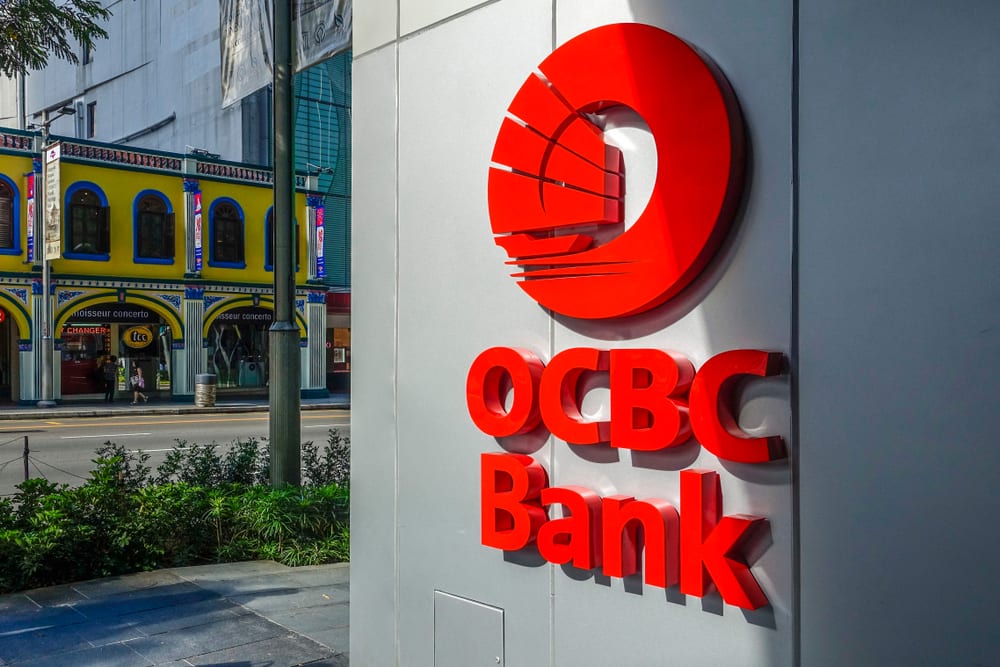
Great Eastern has announced its proposal to delist from the Singapore Exchange, following an acquisition offer from its majority shareholder, Oversea-Chinese Banking Corporation (OCBC), amounting to S$900 million (approximately US$700 million). The move was disclosed in a joint statement and official filings on Friday, 6 June. OCBC, Singapore’s second-largest lender, is seeking to acquire the remaining 6.28 per cent stake in Great Eastern that it does not already own. The offer, priced at S$30.15 per share, represents a 17.8 per cent premium over a previous offer made in May 2024 at S$25.60 per share. At this revised price, Great Eastern is valued at S$14.27 billion. Trading in Great Eastern shares has been suspended since 15 July 2024 after the company’s public float fell below 10 per cent, triggered by OCBC’s earlier acquisition of an 11.56 per cent stake. As of this latest development, OCBC holds a 93.72 per cent interest in the insurer. However, this still falls short of the ownership threshold required to initiate a compulsory acquisition or effect a delisting without minority shareholder approval. According to the joint statement, EY, acting as the independent financial adviser, has assessed the latest offer to be both fair and reasonable. OCBC has stated that it does not intend to revise the terms of the offer. This marks OCBC’s fourth attempt to fully acquire Great Eastern, with previous bids dating back to 2004. Great Eastern’s proposed delisting is subject to at least 75 per cent approval from minority shareholders. OCBC will abstain from voting on the proposal. In the event that the delisting does not proceed, the company intends to seek shareholder approval for an alternative solution to restore its public float. This would involve a one-for-one bonus issue of new shares, comprising both listed shares with voting rights and non-listed shares without voting rights. Should the bonus issue proceed, OCBC plans to receive the non-voting shares. This would result in a reduction of its shareholding in Great Eastern to 88.19 per cent, thereby facilitating the restoration of public float and a resumption of trading activity. Two entities controlled by Lee Thor Seng and his sons, members of the OCBC founding family, collectively hold nearly 2 per cent of Great Eastern, making them the second-largest shareholders. Other shareholders include Wong Hong Sun and Wong Hong Yen, who together own about 1 per cent, and Palliser Capital, which holds a 0.27 per cent stake and has criticised the offer as unfavourable to shareholders. The Securities Investors Association (Singapore), or SIAS, acknowledged that the revised offer price represents a material increase from the earlier bid. David Gerald, SIAS founder, president and CEO, noted that the final decision now lies with shareholders. However, he expressed disappointment that those who had accepted the initial offer of S$25.60 would not receive any further compensation, having lost the opportunity to realise full value for their holdings. Mr Gerald also highlighted the uncertainty faced by shareholders during the prolonged trading suspension, which has severely restricted their ability to make investment decisions or exit their positions. He urged regulatory bodies to refine existing rules to offer stronger protections for investors in similar scenarios. SIAS is preparing to engage with both Great Eastern and its shareholders to clarify the implications of the proposed resolutions. The organisation has encouraged investors to evaluate the offer based on their individual circumstances and investment goals, noting that the measures put forward aim to bring the insurer back into compliance with Singapore Exchange listing requirements. -Reuters

News

Singapore Firm With China Ties Lays Off 300 Employees Following US Sanctions

A Singapore-based cargo inspection company with ties to China has entered liquidation proceedings and laid off hundreds of employees following its inclusion in a recent round of United States sanctions targeting companies involved in illicit Iranian oil shipments. CCIC Singapore, a wholly-owned subsidiary of Beijing-headquartered China Certification & Inspection Group (CCIC), was among 15 entities blacklisted by the US on 13 May. The firm is alleged to have assisted in obscuring the origin of Iranian oil destined for China, including through document falsification and inspection of sanctioned shipments. According to employees affected by the layoffs, staff across all departments were informed of their termination on 30 May, with immediate effect the following day. The company, which reportedly employed over 400 staff across Singapore and Malaysia, had more than 300 personnel based in Singapore alone. Employees disclosed to CNA that the company had delayed payment of May salaries, citing pending liquidation. Retrenchment notices provided to staff indicated that severance packages would be calculated at two weeks’ salary per year of service. Surveyors, in particular, expressed concern, as their income is heavily reliant on overtime and allowances, with junior staff reportedly earning under S$1,000 per month and senior surveyors between S$1,000 and S$1,500. The firm is not unionised. Several affected individuals have sought assistance from the National Trades Union Congress (NTUC) and the Tripartite Alliance for Dispute Management (TADM). In a statement responding to media queries, Ms Marilyn Chew, Executive Secretary of the Shipbuilding and Marine Engineering Employees’ Union (SMEEU), confirmed CCIC Singapore’s non-union status. Nonetheless, NTUC’s affiliated unions, including SMEEU, are extending support to affected workers. This support includes facilitating claims through TADM and offering access to NTUC’s Employment and Employability Institute (e2i), which provides job matching, career coaching, and skills upgrading. Additional resources include the SkillsFuture Jobseeker Support Scheme, offering up to S$6,000 over six months, contingent on participation in job-seeking activities, as well as the Union Training Assistance Programme to subsidise training costs. CNA has reached out to CCIC Singapore, its parent company in China, and Singapore’s Ministry of Trade and Industry for further comment. Details of US Sanctions and Alleged Violations CCIC Singapore, established in 1989 and registered at Singapore Science Park, counts major energy companies such as Shell, BP, Total, and Exxon Mobil among its clients. Its parent organisation, CCIC, is a Chinese state-owned enterprise under the supervision of the State Council’s State-Owned Assets Supervision and Administration Commission. The US Treasury Department sanctioned the company for allegedly helping Iranian military-linked entity Sepehr Energy conduct oil shipments to China. In 2024, CCIC Singapore is reported to have inspected a 2 million-barrel transfer of Iranian oil and likely falsified documents to present sanctioned cargo as Malaysian crude. The US government asserts that proceeds from Iran’s illicit oil trade support ballistic missile development, drone production, and terrorism financing. The imposed sanctions freeze any US-linked assets and prohibit business interactions with US entities or the financial system. Companies majority-owned by sanctioned entities are also automatically blocked. Employee Discontent Over Communication and Support Displaced workers said they were unaware of the company’s alleged violations until clients began cancelling job orders shortly after the sanctions were announced. Employees voiced frustration over inconsistent internal messaging and the absence of leadership engagement during the crisis. Internal communications show that on 14 May, employees received an email stating that CCIC’s headquarters was committed to supporting operations, with plans to establish a new entity under which staff would be transferred with no disruption to roles or pay. This was followed by another email a day later instructing staff to disregard the earlier message, citing an “internal restructuring initiative” but maintaining that salaries and claims would be honoured. On 16 May, department heads were asked to identify key staff as the company began preparations for downsizing. They were informed that frozen bank accounts meant retrenchment benefits could not be paid. By 23 May, employees were notified that salary disbursement would also be delayed and that the managing director was heading to Beijing for high-level discussions. Retrenchment notices were formally issued on 30 May, indicating that benefits would only be fully paid upon completion of the liquidation process, estimated to conclude by 30 June 2026. Employees have questioned why the firm’s Singapore-based assets could not be liquidated to meet payroll obligations and criticised the lack of support from the parent company in China. One employee expressed disappointment in the leadership, saying, “When your children are in trouble, rightfully, the parents should rescue them. Why aren’t the HQ rescuing us?” -CNA

News

EchoStar Considers Bankruptcy Amid FCC Scrutiny and Financial Pressures

EchoStar Corporation is reportedly preparing for a potential Chapter 11 bankruptcy filing as it seeks to safeguard its wireless spectrum licences amid increased regulatory scrutiny from the Federal Communications Commission (FCC), according to sources cited by The Wall Street Journal. The telecommunications services provider has not issued an official response regarding the report. In May, the FCC informed EchoStar that it was reviewing the company’s adherence to federal obligations, particularly those related to the provision of 5G services within the United States. The investigation includes an assessment of EchoStar’s request for an extension to its network buildout deadlines and its mobile-satellite service operations. EchoStar disclosed in a recent regulatory filing that the FCC’s actions have significantly restricted its capacity to make key strategic decisions, particularly those involving investment in and the future direction of its Boost Mobile business. The company has also acknowledged missing approximately USD 500 million in interest payments, attributing the lapse to the ongoing uncertainty stemming from the FCC’s investigation. Further compounding its financial and operational challenges, EchoStar suffered a setback last year when U.S. satellite television provider DirecTV terminated an agreement to acquire EchoStar’s satellite TV business, which includes rival provider Dish TV. The deal fell through following a failed debt-exchange proposal. -Reuters

News

Bursa Malaysia Reprimands Meridian and Fines Five Directors RM350K for Listing Breach

KUALA LUMPUR: Bursa Malaysia Securities Bhd has issued a public reprimand against Meridian Bhd and levied fines totalling RM350,000 against five of its directors for breaching Main Market listing requirements. According to a statement released today, Meridian was found to have failed in making an immediate announcement regarding its status as having insignificant business or operations following the release of its unaudited quarterly report for the financial period ended 30 June 2023 (4Q FY2023), which was announced on 29 August 2023. Bursa Malaysia clarified that the company’s business operations were deemed insignificant, given that its consolidated revenue for the quarter stood at RM2.738 million. This figure represented only 0.93 per cent of Meridian’s share capital of RM294.021 million as of 30 June 2023. As a consequence, the regulatory authority imposed fines on five directors. Datuk Yap Ting Hau, who served as executive director and chief executive officer until his resignation on 29 December 2023, was fined RM100,000. Two other directors, Tang Boon Koon and Chew Shin Yong, received fines of RM100,000 and RM50,000 respectively. Ng Kok Hok and Kunamony S Kandiah were each fined RM50,000. -Bernama

News

Sub-Regional Initiatives Drive ASEAN Economic Integration and Inclusive Growth

KUALA LUMPUR: Sub-regional cooperation frameworks such as the Indonesia-Malaysia-Thailand Growth Triangle (IMT-GT) and the Brunei Darussalam-Indonesia-Malaysia-Philippines East ASEAN Growth Area (BIMP-EAGA) have delivered tangible outcomes and now play an increasingly critical role in advancing the ASEAN Economic Community’s (AEC) vision for inclusive regional development. According to UOB Kay Hian Wealth Advisors Sdn Bhd’s Head of Investment Research, Mohd Sedek Jantan, these initiatives complement the broader macroeconomic direction set by the AEC by addressing intra-national disparities and enabling inclusive growth in marginalised and underdeveloped regions. The IMT-GT spans the Strait of Malacca, one of the world’s busiest trade routes, while BIMP-EAGA lies along the Sulu and Sulawesi Seas, key maritime gateways that enhance regional connectivity and economic exchange. Their strategic geographic locations, said Mohd Sedek, render them natural trade and investment hubs. “These sub-regions are not merely geographic areas — they are spatial economic strategies tailored to uplift lagging regions through targeted interventions,” he stated. IMT-GT leverages agro-processing and tourism, aligning the complementary strengths of southern Thailand, northern Peninsular Malaysia and Sumatra. In contrast, BIMP-EAGA capitalises on fisheries, renewable energy and ecotourism to build sustainable economic activity. “This is not a one-size-fits-all model. It’s about drawing on local advantages to integrate these regions into broader regional and global value chains,” he added. Special Economic Zones (SEZs) have emerged as critical enablers, acting as growth catalysts that attract foreign direct investment, foster industrial development and create employment through favourable regulatory environments. Notable SEZs in the IMT-GT include Medan, Bukit Kayu Hitam and Sei Mangkei, while BIMP-EAGA encompasses over 60 zones from Bitung in Indonesia to Zamboanga in the Philippines. “These zones are not just industrial hubs. They drive structural transformation by fostering agglomeration economies — ecosystems where businesses, infrastructure and skilled labour coalesce to fuel productivity,” Mohd Sedek said. He noted that SEZs linked to cross-border trade and investment networks are building economic bridges that enhance ASEAN’s regional cohesion. Key sectors showing strong momentum across both IMT-GT and BIMP-EAGA include tourism, agrobusiness, renewable energy and manufacturing. In tourism, eco and halal tourism are showing considerable potential, with IMT-GT advancing cross-border tourism under Vision 2036 and BIMP-EAGA promoting ecotourism and multi-country tourism circuits through key natural sites like the Heart of Borneo and the Sulu-Sulawesi Marine Ecoregion. In agrobusiness, IMT-GT has emerged as a leader in agro-processing for palm oil and rubber, while BIMP-EAGA positions itself as ASEAN’s food basket, producing commodities such as shrimp, rice and seaweed. Both initiatives offer synergies in the halal food industry. The sub-regions are also driving ASEAN’s clean energy transition. Mohd Sedek highlighted the potential of geothermal energy in Kalimantan, as well as ocean energy and biodiesel, noting that these efforts are vital in the face of rising energy costs and could benefit neighbouring ASEAN states. Manufacturing in export-oriented SEZs — such as Medan, Sei Mangkei and Lhokseumawe — is supporting structural reforms and deeper integration into regional supply chains. “These initiatives are strategic instruments for narrowing development gaps and improving spatial equity. They address economic disparities that the AEC alone cannot fully resolve,” he noted. As evidence of their impact, Mohd Sedek pointed to the Penang-Medan economic corridor under IMT-GT, which facilitated US$4.2 billion (RM17.8 billion) in trade in 2024. Additionally, Malaysia-Thailand cross-border infrastructure projects have significantly improved regional connectivity. Under BIMP-EAGA’s Vision 2025, infrastructure investments have reached US$2.8 billion (RM11.87 billion), supporting key upgrades to ports in Davao and Bitung. These projects contribute to regional resilience and align with the Master Plan on ASEAN Connectivity 2025. Beyond infrastructure, both initiatives have made notable progress in strengthening local economies. The Southern Economic Corridor in Thailand, backed by IMT-GT, generated over 15,000 jobs in 2023 through projects that attract foreign investors and integrate entrepreneurs into broader supply chains. These efforts also support sectoral linkages in agriculture, energy and tourism. Mohd Sedek concluded that the project-driven, bottom-up nature of IMT-GT and BIMP-EAGA serves as a decentralised complement to ASEAN’s top-down integration strategy. “By reinforcing trade linkages, building human capital and enhancing cross-border governance, these sub-regional initiatives help ASEAN mitigate global supply chain risks and chart a resilient, inclusive and sustainable growth path for the region,” he said. -Bernama

News

State Governments Secure Nearly RM800 Million for Critical Water Projects

The federal government has approved RM796.4 million in loans to state governments this year to support the implementation of water supply projects, as part of a broader strategy to mitigate the effects of the southwest monsoon season, which is anticipated to bring extended periods of dry weather and potential drought. Deputy Prime Minister Fadillah Yusof, who also serves as the Minister of Energy Transition and Water Transformation, stated that a total of 28 projects are currently underway under this initiative as of May. Of these, 12 projects are located in Sabah, five in Sarawak, three each in Pahang and Terengganu, two each in Kedah and Perlis, and one in Kelantan. “These projects are at varying stages of implementation, and seven are expected to reach completion within this year,” he remarked during a press briefing following an Aidiladha sacrificial event held in Kampung Tupong Jaya, Kuching, Sarawak. Fadillah further highlighted that the ministry is intensifying its efforts to address the issue of non-revenue water (NRW), a longstanding concern stemming from factors such as system inefficiencies, pipe leakages, and illegal connections. “When pipe connections are substandard or deteriorate over time, leakages are inevitable. There are also ageing pipes that require replacement. It is estimated that approximately 40% of treated water nationwide is lost due to NRW. Although the water is processed, nearly half is not reaching consumers, resulting in substantial financial loss,” he said. The ministry’s current priority, he added, is to reassess the existing piping infrastructure and initiate targeted pipe replacement efforts to reduce wastage and enhance water supply efficiency. -Free Malaysia Today

News

Mitraland Founder Reduces Stake in Eonmetall Below Substantial Threshold

KUALA LUMPUR: Chuah Theong Yee, founder of property developer Mitraland Group, is no longer a substantial shareholder in Eonmetall Group Bhd following a recent disposal of shares in the open market. According to a filing with Bursa Malaysia on Friday, Chuah disposed of 410,000 shares in the steel products manufacturer, reducing his stake by 0.13%. The sale brought his total equity down to 4.99%, falling below the 5% threshold that qualifies an investor as a substantial shareholder under Malaysian market regulations. Chuah initially acquired a 7.3% stake in Eonmetall in October 2022, maintaining the position until May 2025, when he began to gradually pare down his holdings. Eonmetall’s largest shareholder remains its executive director Datuk Goh Cheng Huat, who holds a 41.08% interest in the company. He is followed by Datuk Seri Lee Hock Seng, executive chairman and major shareholder of Magma Group Bhd, who owns an 8.21% stake. Shares in Eonmetall were not traded on Friday. The counter last closed at 25 sen on 4 June, giving the company a market capitalisation of RM76.95 million. -The Edge Malaysia

News, Property

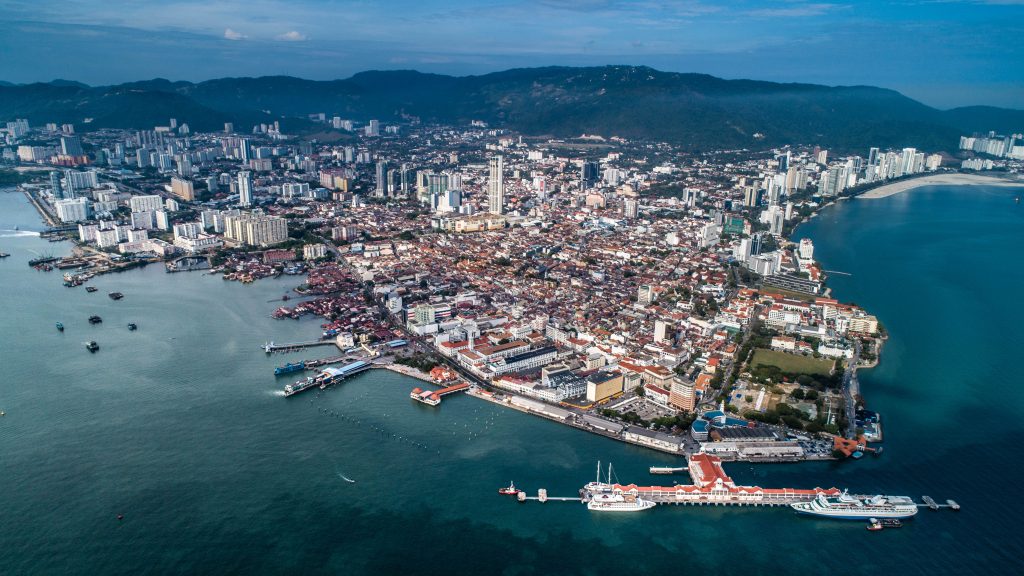
Penang’s 5% Housing Incentive May Extend Beyond Indian Muslim Buyers

The Penang state government is considering broadening its recently introduced 5% housing discount—initially designated for Indian Muslim first-time homebuyers—to include all communities. This potential policy shift reflects efforts to revitalise the property market and address the issue of unsold residential units across the state. Chief Minister Chow Kon Yeow confirmed the possibility of extending the initiative following public feedback suggesting that a more inclusive approach could generate broader economic and social benefits. He has tasked state executive councillor for housing and environment, S Sundarajoo, with collaborating with private developers to evaluate and refine the discount mechanism. Chow stated that the goal is to create a policy that benefits all segments of society, aligning with the state’s commitment to social justice. “This would make the initiative more inclusive and beneficial to all segments of society, in line with the principles of social justice,” he said, adding that the matter will be deliberated in detail by the state executive council before a final decision is made. The original announcement, made on Thursday by Sundarajoo, proposed that private developers voluntarily offer a 5% discount to Indian Muslim first-time homebuyers for a period of one year as part of a targeted housing campaign. The move was framed as an effort to enhance homeownership among communities with historically lower participation in the open housing market. However, the initiative attracted criticism from human rights lawyer Rajesh Nagarajan, who described it as discriminatory and unconstitutional. In response, Sundarajoo maintained that the discount did not infringe upon the rights of other communities, emphasising that it was a form of corporate social responsibility rather than a state-funded programme. He clarified that the scheme was intended solely to encourage greater inclusivity in homeownership through the voluntary cooperation of private developers, without any financial outlay from the state government. -Free Malaysia Today

Scroll to Top

Subscribe
FREE Newsletter