News

News

Shiraz Ramli Appointed CEO Of DNeX IT Division To Lead the Group’s Strategic IT Projects

KUALA LUMPUR: Dagang NeXchange Bhd has announced the appointment of Marlishiraz Ramli, also known as Shiraz Ramli, as Chief Executive Officer of its information technology division, effective 1 June. In her new role, Shiraz will be responsible for leading the group’s digital transformation agenda and overseeing critical IT initiatives, including the recently established cloud joint venture with Gamuda Bhd. The new venture, Gamuda DNeX Cloud, is designed to deliver secure Google Distributed Cloud services to both public and private sector clients across Malaysia. Shiraz will report directly to Group Chief Executive Officer Faizal Sham Abu Mansor. DNeX noted in its official statement on Tuesday that Shiraz brings to the role a wealth of experience acquired from global technology leaders such as Microsoft, Google and SAP, as well as government-linked entities including Prasarana and Telekom Malaysia. Prior to her appointment, she served as Regional Director for Asia within Microsoft’s Worldwide Public Sector division. As CEO of the IT division, Shiraz will work closely with the Group Head of IT, Jasbendarjit Kaur, and collaborate with strategic partners such as Google, Gamuda, Havelsan and Shanghai E&P International. DNeX operates across multiple sectors, including semiconductor manufacturing, information technology and e-commerce, and oil and gas exploration. -The Edge Malaysia

Energy & Technology, News

ZTE Unleashes AI-First Future at “Catalyzing Intelligent Innovation” Showcase in Malaysia

KUALA LUMPUR: ZTE Corporation (0763.HK / 000063.SZ), a global leading provider of integrated information and communication technology solutions, unveiled its latest AI-powered innovations at the “Catalyzing Intelligent Innovation” showcase in Kuala Lumpur, bringing highlights from Mobile World Congress (MWC) 2025 to Malaysia. The event reinforced ZTE’s commitment to helping Malaysia lead in next-generation digital infrastructure and intelligent transformation. At the heart of the showcase was ZTE’s vision for building ultra-efficient mobile networks, led by its cutting-edge Ultra Band Radio (UBR) technology. Designed for simplified deployment and green energy usage, UBR enables highly compact, power-efficient sites that reduce environmental impact while improving network performance. Key innovations included 5G-A solutions like 4K AR live broadcasting with ultra-low latency and high reliability, as well as real-world applications for drone logistics and smart waterways. To bridge the digital divide, ZTE introduced solar-powered and modular rural connectivity solutions like the Eco Radio and Rural Pilot, designed for sustainable and scalable deployment in remote areas. The event also highlighted ZTE’s advancement in All-Optical Networks, where high-speed fiber connectivity meets AI-driven intelligence. ZTE introduced its latest smart home ecosystem, including a next-generation AI Home Media Center, 4K AI Soundbar, the industry’s first AI screen-equipped FTTR (Fiber-To-The-Room), and its high-performance LinkPro Wi-Fi 7 series. These solutions offer seamless, intelligent connectivity for households and SMEs, supporting Malaysia’s broadband and digital lifestyle goals. Taking AI integration even further, ZTE presented the AIR DNA Future Network, a pioneering solution that re-engineers the foundational “genetics” of mobile networks. This AI-native infrastructure empowers operators to automate network operations, improve efficiency, and build more dynamic service models in a hyper-connected era. Complementing this was the debut of AiCube, ZTE’s full-stack intelligent computing solution that supports full-version DeepSeek deployment. Engineered to flexibly serve large data centers, edge computing facilities, and enterprise-grade systems, AiCube delivers high-performance AI processing across diverse scenarios—powering everything from smart cities to intelligent factories. ZTE is expanding its consumer-focused ‘nubia’ brand in Malaysia, introducing a strong focus on gaming through the nubia Neo 3 series. It is named Official Co-Branded Gaming Smartphone for Free Fire, bringing together its “Born to Win” and Free Fire’s “BOOYAH” spirit to provide an accessible esports-grade gaming experience for everyone. The new lineup features gaming oriented enhancement such as shoulder triggers and an expansive 4083mm² VC liquid cooling system. The nubia Neo 3 series also integrates cutting-edge AI features, including Demi, an AI gaming companion, and AI-powered tools for photography and voice interaction. The co-branding partnership between nubia Neo 3 series and Garena’s hit mobile game Free Fire. ZTE also highlighted its role in global policy leadership through GSMA forums, with potential to collaborate more closely with local regulators in shaping Malaysia’s digital future. Steven Ge, Managing Director of ZTE Malaysia, said during his keynote speech, “ZTE Malaysia has proudly spearheaded several landmark achievements, including setting a Malaysia Book of Records title for the fastest 5G-Advanced speed reaching 30.8 Gbps during a live test in Sarawak. Furthermore, ZTE is deeply committed to bridging Malaysia’s digital divide. Through active support of national initiatives like JENDELA, we have modernized and expanded coverage especially in rural and underserved areas.” The event drew participation from key Malaysian stakeholders including Axiata, CelcomDigi, Digital Nasional Berhad (DNB), EdotCo, Maxis, Telekom Malaysia, U Mobile, YTL Corporation, and the Malaysian Communications and Multimedia Commission (MCMC). Through this showcase, ZTE extended a call for deeper collaboration with ecosystem players to co-build a smarter, more inclusive digital future. ZTE has filed over 93,000 global patent applications, and has approximately 48,000 patents in total, as well as a proven track record of supporting national infrastructure—having modernized over 10,000 sites and delivered more than half of the nationwide JENDELA rollout—ZTE continues to support Malaysia’s long-term digital agenda. The “Catalyzing Intelligent Innovation” event demonstrates ZTE’s position as a global driver of digital progress. By empowering operators, developers, and policymakers with the tools to build intelligent infrastructure, ZTE is enabling Malaysia to accelerate its position as a regional digital leader and future-ready economy.

News

Desaru Coast Enters Next Growth Phase, Welcomes Mandarin Oriental to its Expanding Portfolio

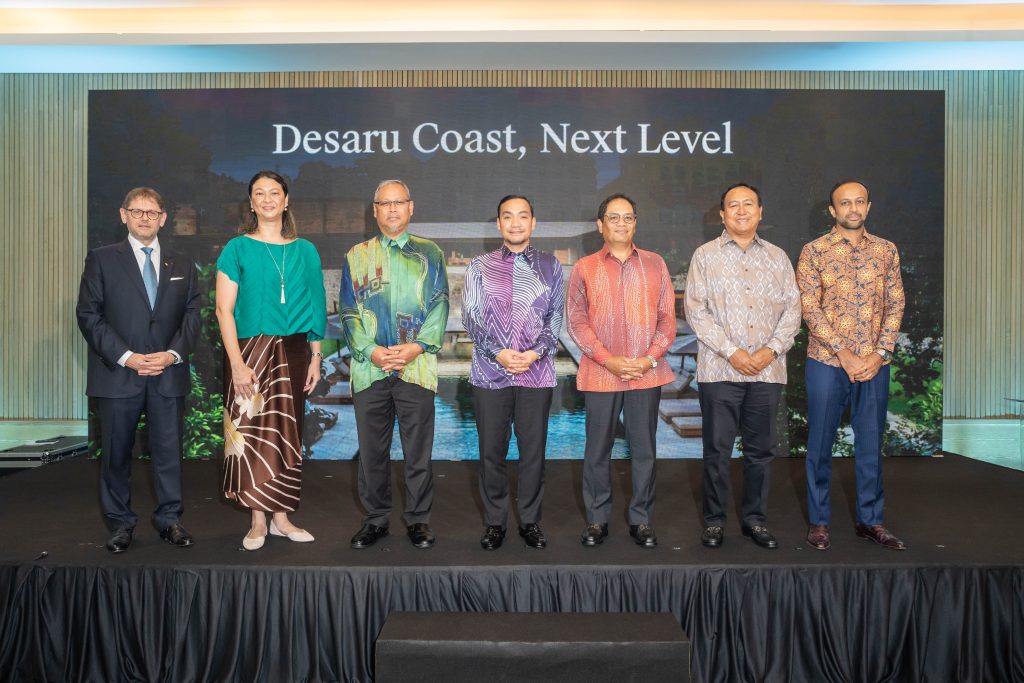
JOHOR : A dynamic period of growth and opportunities abound at award-winning destination Desaru Coast as it embarks on its next phase of new offerings and developments to strengthen its position as a leading destination for tourism and resort living. Under the Desaru Coast, Next Level growth agenda, the destination is rolling out a multi-phase expansion programme that will see i) the introduction of global leader in luxury hospitality, Mandarin Oriental as the new operator of its iconic resort property; ii) upcoming resorts and service residences by new investors; iii) premium marina facilities with sailing events and yacht charters and a host of international events; and iv) community-uplifting initiatives. Legacy meets legacy— Mandarin Oriental, Desaru Coast The arrival of Mandarin Oriental marks a significant milestone in the new phase for Desaru Coast. Mandarin Oriental will operate the iconic beachfront property that was the last masterpiece of legendary architect Kerry Hill. The resort, under the management of Mandarin Oriental, will offer a tranquil retreat combining refined luxury, holistic wellness, and exceptional hospitality. Mandarin Oriental will commence managing the property from June 2025, with a full rebranding in January 2026 as Mandarin Oriental, Desaru Coast – making this the first Mandarin Oriental beach resort in Southeast Asia. It is also currently the only Mandarin Oriental beach resort in Southeast Asia with a residential component. The 40 upcoming branded residences will provide owners access to Mandarin Oriental’s legendary service, enhancing the property’s appeal as a year-round destination for luxury living. The Chief Minister of Johor, YAB Dato’ Onn Hafiz Ghazi, who witnessed the signing ceremony of the hotel management agreement at the resort, said, “Mandarin Oriental has created and defined some of the world’s most renowned properties and destinations across the world, and this, being their choice for their second property in Malaysia, is a testament to Johor’s immense potential. There is no better brand to lead the reintroduction of this iconic beachfront resort property as we prepare for Visit Johor Year 2026.” Laurent Kleitman, Group Chief Executive of Mandarin Oriental, said, “Mandarin Oriental, Desaru Coast represents a significant step in our strategic vision to bring the Group’s legendary service and crafted experiences, that resonate deeply with today’s luxury traveller, to new and exceptional locations.” Welcoming investors, backed by Johor-Singapore Special Economic Zone Policies Positioned at the heart of Asia Pacific’s booming tourism sector, Desaru Coast’s world class infrastructure, diverse offerings and strategic location within the Johor-Singapore Special Economic Zone (Johor-Singapore SEZ) bodes well for the resort, enhancing its accessibility to high-value travellers from Singapore and the region who are seeking authenticity, accessibility, and premium experiences. Dato’ Onn Hafiz said, “Initiatives like the Johor-Singapore SEZ enable Desaru Coast to become a premium resort destination for investors looking to be key players in this region. In turn, we recognise the efforts Desaru Coast has made in investing and re-investing in Johorean people and businesses continuously as part of its 30-year masterplan.” The addition of like-minded partners and investors, who share Desaru Coast’s ambition to shape the integrated resort into an innovative, future-forward coastal landmark, not only strengthens the destination’s regional positioning but also reflects the shared commitment to curating exceptional experiences and driving long-term economic growth through high-value tourism. Dato’ Mohamed Nasri Sallehuddin, Chairman of Destination Resorts and Hotels, said, “All of these are amplified by our alignment with national and state-level priorities — particularly the Johor–Singapore Special Economic Zone, which presents meaningful opportunities to further embed Desaru Coast within a broader cross-border flow of talent, investment, and high-value tourism.” Desaru Coast began welcoming third-party investors in 2023, marking a new era of collaborative growth, strengthened momentum, and diverse offerings. Over the next five years, the destination will see the addition of new keys, facilities, and curated experiences, including resort and residential offerings as well as other hospitality components. These developments will be driven by new investors and leading Malaysian hospitality players. Riyaz Group is set to deliver Dash Resort Desaru Coast and branded residences, while ECM Libra Group will introduce an Ormond-branded hotel along with managed branded residences. As these new projects take shape, Minor International — the destination’s first foreign investor — is also exploring further opportunities to expand its footprint in Desaru Coast. Karina Ridzuan, (Interim) Group Chief Executive Officer of Destination Resorts and Hotels, said, “Strategic partnerships with reputable brands such as Mandarin Oriental, elevated enhancements at the destination, along with differentiated events and programmes year-round, will drive sustainable growth, boost tourism, uplift communities, and attract investments – not only for Desaru Coast, but also for the State of Johor. Our next chapter brings innovation, collaboration, and unique guest experiences for all.” A canvas for international events and curated experiences Earlier this year, Desaru Coast inked a partnership with Singapore’s ONE°15 Marina to introduce premium marina facilities and curated sailing experiences at the Desaru Coast Ferry Terminal, expected to be operational by September 2025. This partnership will allow visiting yachts improved access to the Malaysian eastern coastline, while offering sailing events and luxury yacht charters designed to attract the global yachting community. Large-scale international events like the recently concluded Desaru Coast Multi Sport Festival presented by IRONMAN and the upcoming Ombak Festival in September 2025 — Desaru Coast’s signature coastal celebration of music, arts, and culture which is anticipated to draw over 8,000 visitors this year — further enrich guest experiences across the destination. Empowering people, uplifting communities As part of its long-term commitment to local community development, Desaru Coast also continues to invest in social impact initiatives like its school programmes that provide resources and learning opportunities to equip local students with the knowledge and skills needed for future success. Plans are also underway for the establishment of a Centre of Excellence focused on tourism and hospitality training, an initiative under the Johor Talent Development Council. This hub for training, innovation, and skills development will empower locals and aspiring professionals with specialised skills, strengthening the region’s talent pipeline and fostering inclusive economic growth.


News

China Launches Five-Year Multi-Entry ASEAN Visa to Deepen Regional Business Ties

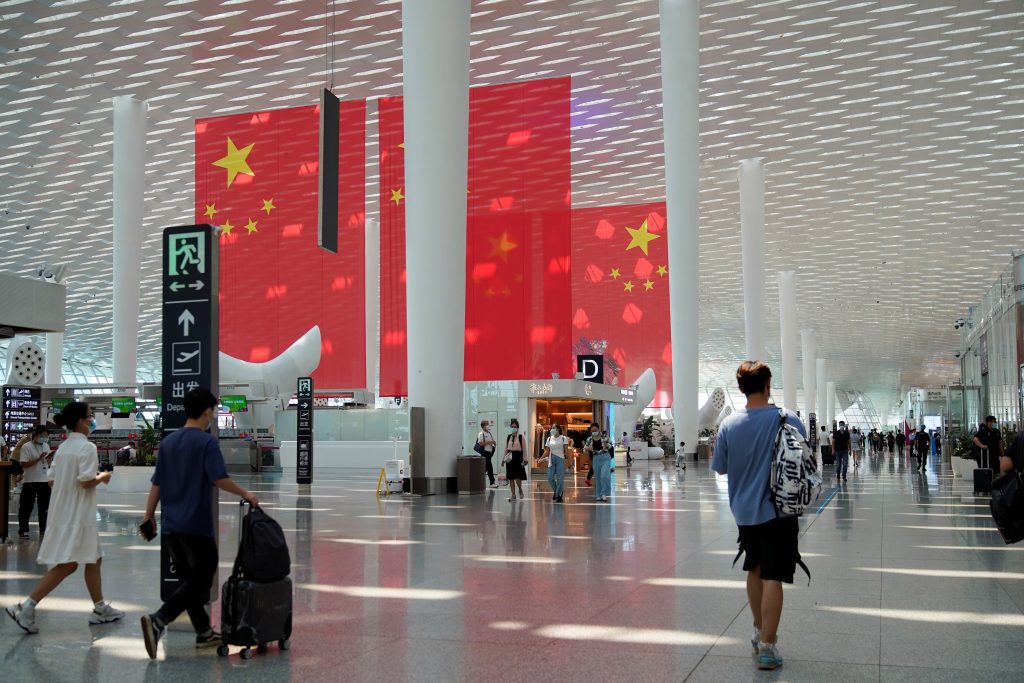
China has officially introduced a new multiple-entry visa scheme tailored for business travellers from the 10 ASEAN member nations, as well as ASEAN observer Timor-Leste, the Ministry of Foreign Affairs announced on Tuesday, 3 June. The initiative, dubbed the “ASEAN visa”, enables eligible individuals from Southeast Asian countries to enter China multiple times over a five-year period, with each stay permitting a duration of up to 180 days. The visa also extends to accompanying spouses and children. The ASEAN countries covered under this new arrangement include Indonesia, Malaysia, the Philippines, Singapore, Thailand, Brunei, Vietnam, Laos, Myanmar, and Cambodia. Timor-Leste, a formal observer of ASEAN, is also included. This strategic move comes amid China’s broader efforts to facilitate regional travel and deepen cross-border economic engagement. “With frequent visits between the people of China and Southeast Asian countries, the new scheme aims to further facilitate cross-border travel in the region,” said Foreign Ministry spokesperson Lin Jian during a press briefing. The ASEAN visa complements several bilateral visa-free agreements already in place. China currently maintains reciprocal visa-free travel arrangements with Singapore, Thailand and Malaysia, allowing citizens to visit each other’s countries for up to 30 days without a visa. These agreements have contributed to a surge in regional mobility since their respective inceptions, including the Singapore-China visa-free policy that commenced in February last year. This latest scheme builds upon the “Lancang-Mekong visa”, which was introduced in November 2024. That programme provides five-year multiple-entry business visas, with a stay of up to 180 days, for nationals from Cambodia, Laos, Myanmar, Thailand and Vietnam—five countries along the Mekong River. In a broader effort to boost inbound tourism and international engagement, China has expanded its visa-free access globally. As of 1 June, a pilot policy has been implemented granting unilateral visa-free entry to citizens from several Latin American countries, including Brazil, Argentina, Chile, Peru and Uruguay. Additionally, visa-free entry has recently been extended to all member states of the Gulf Cooperation Council (GCC). China reported a significant uptick in foreign arrivals in early 2025, with over 9 million international visitors recorded in the first quarter—a year-on-year increase exceeding 40%, according to official figures. “The growing list of nations granted visa-free entry into the country reflects China’s strong commitment to advancing high-level opening up,” Lin said. “The continuous optimisation of measures to facilitate cross-border personnel exchanges underscores China’s concrete efforts to help build an open world economy.” He added that China remains committed to refining its entry policies and expanding the number of countries eligible for visa-free travel, as part of a wider strategy to attract global visitors and promote its rich array of products and services. -CNA

News

K-Beauty Startups Expand US Retail Presence Amid Tariff Concerns

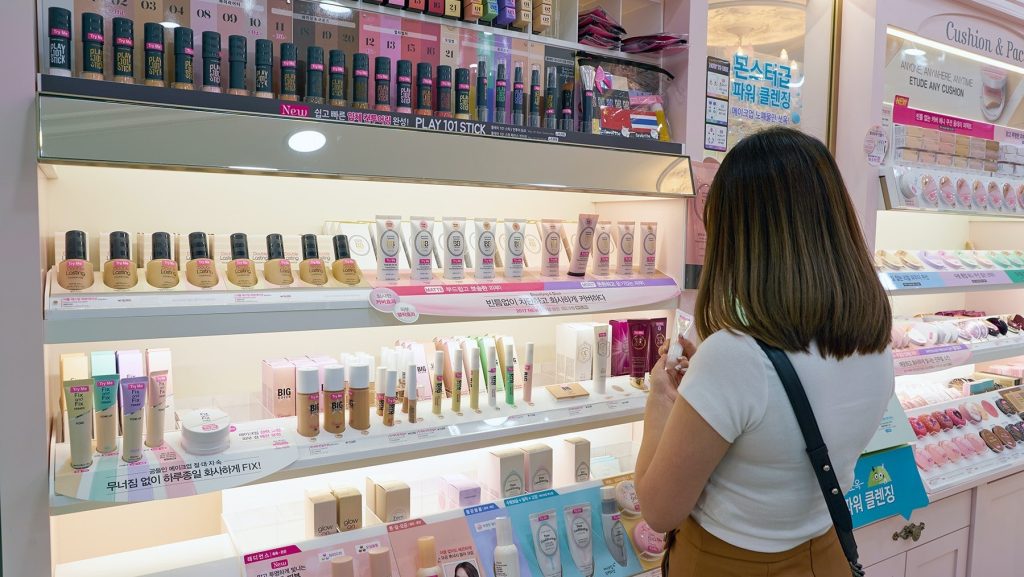
South Korean beauty startups, buoyed by robust online sales in the United States, are accelerating their physical retail expansion in the world’s largest consumer market, betting that strong brand appeal and quality will outweigh rising tariff concerns. Emerging brands such as Tirtir, d’Alba, Torriden, and Beauty of Joseon are in discussions with major US retailers to stock their products in physical stores, according to company executives interviewed by Reuters. This strategic pivot underscores the confidence K-beauty players have in their ability to maintain momentum in a dynamic and highly competitive market. Korean beauty products, widely recognised for their quality, affordability and savvy digital marketing, have risen on the back of South Korea’s wider cultural influence — often referred to as the ‘K-wave’. Music, film, and television successes like BTS and Parasite have paved the way for consumer interest in Korean lifestyle exports. “In the US, interest in South Korea had already been growing. Korean cosmetics entered at the right moment. The quality is high, but prices remain competitive against legacy luxury brands like Estée Lauder and L’Oréal,” said An Byung-Jun, CEO of Tirtir. Tirtir saw its US profile surge last year following the viral popularity of its cushion foundation tailored for darker skin tones. The product is slated to be available at select Ulta Beauty stores this summer. An added that the company is targeting a twofold increase in US sales this year. Retailers including Sephora, Ulta Beauty, Costco, and Target are currently engaged in talks with Korean cosmetics firms to expand their offerings to physical store locations, according to more than a dozen industry sources including executives, CEOs, and market analysts. Many Korean brands remain optimistic that they can weather tariff headwinds more effectively than global peers, due in part to their lean operational models. A significant number outsource manufacturing to firms like Cosmax and Kolmar—often referred to as the “Foxconns of fast beauty”—to minimise production costs. In 2024, South Korea surpassed Germany to become the world’s third-largest exporter of beauty products, following only France and the United States. Export volume accounted for 80% of the nation’s $13 billion cosmetics output, largely propelled by e-commerce channels. The growing interest is also visible at the consumer level. “They go straight to the point to fix what your skin needs,” said 25-year-old Yuliet Mendosa, a US tourist in Seoul and fan of K-pop group BTS, while browsing an Olive Young store. Expanding Amid Global Trade Uncertainty The US expansion effort comes amid ongoing global trade uncertainty triggered by the tariff regime introduced under former President Donald Trump. While this has raised concerns among exporters, Korean executives maintain that solid demand and brand equity will offset potential losses. Olive Young, South Korea’s leading beauty retailer, is preparing to open its first US store in Los Angeles later this year, confirmed Jin Se-hoon, Executive Vice President of the company’s global platform business. “California is currently the largest customer base for our global online platform,” Jin stated, acknowledging that tariffs are a concern but not a deal-breaker. The US market push also reflects a strategic pivot following a downturn in exports to China, previously the largest overseas destination for Korean beauty products. This decline has been attributed to escalating geopolitical tensions and intensified market competition. Skincare label d’Alba—owned by newly listed d’Alba Global—is currently negotiating with Costco, Ulta Beauty and Target to expand its physical presence. The brand is known for its vegan-certified mist serums and sunscreens. Meanwhile, luxury retailer Sephora, part of LVMH, is preparing to introduce two Korean brands—Torriden and Beauty of Joseon—into its US stores this summer, according to a company spokesperson. While the current 10% tariff is “endurable,” Tirtir’s CEO An noted that a proposed 25% levy expected in July may prompt slight price adjustments. The South Korean government is actively pursuing tariff exemptions in bilateral trade discussions with Washington. Jung Jun-ho, strategy team leader at The Founders—maker of skincare line Anua—believes Korean brands retain an edge. “Our operating profit margin was over 30% last year, giving us flexibility to absorb cost increases,” he said. Anua products became available in Ulta Beauty stores this year. Digital Success Sets the Stage for Physical Growth In 2024, South Korea overtook France as the top exporter of cosmetics to the United States, according to official statistics. The shift was driven largely by surging e-commerce sales, especially through platforms such as Amazon. Market data from Euromonitor reveals that the five top-performing Korean cosmetics brands in US e-commerce—including Beauty of Joseon, Medicube and Biodance—have collectively recorded an average online sales growth of 71% over the past two years. In comparison, the top five French brands posted only 15% growth, while the overall US market expanded by 21%. Social media continues to be a powerful driver of this growth. “A single viral TikTok post or influencer endorsement can turn a product into an international bestseller before it’s even sold overseas,” said South Korea-based beauty marketer Odile Monod. Nonetheless, experts warn that long-term success will hinge on building offline visibility and in-store availability. Jason Kim, CEO of cosmetics distributor Silicon2, said that physical retail presence is now crucial for brand sustainability. Some early signs of market saturation are beginning to emerge. COSRX, a startup now under cosmetics giant AmorePacific, is reportedly seeing sales growth flatten amid intensifying competition and the rise of lower-cost alternatives. Still, investor sentiment remains positive. Shares of d’Alba Global have more than doubled since their market debut last month. “The K-beauty wave is powerful,” said Kim. “But indie brands must prepare for the challenges ahead.”

News

Citigroup to Cut 3,500 Tech Jobs in China Amid Global Restructuring Drive

HONG KONG : Citigroup Inc has confirmed plans to reduce its workforce by approximately 3,500 employees across its two China-based technology centres in Shanghai and Dalian. The move forms part of a broader global restructuring strategy aimed at streamlining technology operations and enhancing risk and data management. The reduction, primarily affecting full-time positions, is expected to be finalised by the beginning of the fourth quarter of 2025. While the bank has not disclosed how many roles will be relocated, it noted that some functions will transition to other Citi technology hubs globally. The decision follows an earlier reduction of around 200 information technology contractor roles in China, as first reported in May. In March, Citi internally announced a significant shift away from contractor reliance, revealing plans to onboard thousands of new full-time IT employees. This came in the wake of regulatory scrutiny and penalties relating to data governance and operational controls. Citi’s latest move reflects similar workforce adjustments across other markets, including the United States, Indonesia, the Philippines, and Poland, under its enterprise-wide transformation initiative. The technology and services division in China plays a critical role in delivering financial technology and operational support to Citi’s global businesses. Despite the planned headcount reduction, the bank reaffirmed its long-term commitment to the Chinese market. “Citi continues to pursue the establishment of a wholly owned securities and futures company in China,” said Marc Luet, Head of Banking for Japan, Asia North, and Australia. He further emphasised Citi’s dedication to serving both its corporate and institutional clients in China, supporting their cross-border requirements, and enabling international clients’ operations within the country. Following the reduction, Citi will maintain an approximate workforce of 2,000 in China, including several hundred within its technology unit, according to a source familiar with the matter. -Reuters

News

Grab Enters Taxi Market with GrabCab, Targets Dormant Licence Holders

Grab’s newest venture into the taxi sector, GrabCab, is set to launch in Singapore this July with an initial fleet of 40 hybrid vehicles, marking the ride-hailing giant’s official entry into the traditional street-hail market. Rather than competing directly with existing taxi companies for drivers, GrabCab is targeting a largely untapped pool: new and inactive Taxi Driver’s Vocational Licence (TDVL) holders. The company, a subsidiary of Grab Rentals and sister to GrabCar, announced on Wednesday that driver recruitment efforts have already garnered interest from between 700 and 800 individuals. Of these, approximately 400 to 500 drivers are currently being shortlisted based on their possession of a valid TDVL. GrabCab is not pursuing drivers from rival firms, said Mr Victor Sim, Head of GrabCab and GrabRentals. “There’s a very big pool of drivers that we believe we want to reactivate, that we can reactivate with our benefits and offerings … that’s a big focus for us,” he stated. The company will begin appointment scheduling for pre-registered drivers from 5 June, with open registration commencing on 9 June. This move follows GrabCab’s approval as Singapore’s sixth licensed taxi operator, as announced by the Land Transport Authority (LTA) in April. The entrance of GrabCab—alongside established names such as CityCab, CDG, Prime, Strides, and Trans-cab—is expected to broaden options for both drivers and commuters, thereby bolstering the supply of taxis. At launch, GrabCab will operate a fully green fleet comprised exclusively of low- and zero-emission hybrid Toyota Prius cars in a distinctive dark green livery. In line with regulatory standards, each vehicle will be equipped with a Mobile Data Terminal (MDT), commonly known as a taxi meter, showing fares and driver details. The Grab app will integrate seamlessly with the MDT via a QR code scan at the start of each shift, syncing trip data across both systems and the taxi’s rooftop indicator. Drivers will have the flexibility to toggle between street-hail and ride-hail assignments through the Grab app. From the commuter’s perspective, fares will remain consistent with current market rates. The starting fare will be S$4.60 for standard 4-seaters, and S$4.80 for both 4-seater electric vehicles and 6-seater cars. Fare increments will follow a structure of S$0.26 every 400m up to 10km, and every 350m thereafter, along with 45-second waiting charges. Although GrabCab has been granted a three-year grace period to scale its operations to a minimum of 800 taxis, Mr Sim confirmed that the company does not intend to wait until the final year to reach that benchmark. “We want to scale up corresponding to driver demand … we will do it sustainably,” he said. Additional driver-oriented features include a relief matching system within the Grab app to ease the process of finding substitute drivers during shift changes. Among the range of benefits GrabCab drivers can expect is a safe driving bonus of S$1,000 awarded annually for those with no at-fault accidents. A performance-based “GrabStreak” incentive will reward drivers with an additional 1 per cent bonus on monthly fares for completing between 500 to 700 trips. Fuel discounts will also be available—up to 40 per cent at Caltex stations and up to 25 per cent at electric charging partners including SP, Charge+, Volt, and Shell. Medical leave entitlements include 14 days for the first 100 drivers and up to S$500 in medical credits, with extended medical and hospitalisation coverage also in place. Drivers will benefit from the ability to cash out fares instantly via the app. Rental fees for vehicles will start competitively at S$117 per day, aligning with rates across the sector. Furthermore, the first 100 drivers to commit will receive welcome bonuses of S$1,888 for a 12-month term or S$3,888 for a 36-month term. GrabCab is also covering up to S$400 in TDVL application costs, which includes training, application, and medical examination expenses. Responding to industry speculation that GrabCab could disrupt the existing operator ecosystem, Mr Sim reiterated that the company’s intent is not to poach drivers but to address a national supply shortage. “If the driver is already driving with another taxi company, and he comes to us … we are not going to turn him away,” he said. “But at the end of the day, it’s back to our acquisition plan—our focus is on new TDVL holders and TDVL holders that have gone dormant.” He added that ride-hailing demand is projected to grow significantly in the coming years, creating a need for more consistent and reliable transport options. “When you think about taxis, you think of a sunset industry … so it seems counterintuitive for Grab to launch a taxi business,” Mr Sim said. However, he emphasised that taxis remain relevant, particularly during high-demand periods like post-concert surges, where Grab’s current platform struggles to ensure consistent supply. New regulatory measures introduced earlier this year are also expected to level the competitive playing field between ride-hail and taxi operators. These include allowances for taxi companies to convert used vehicles into taxis, provided they are less than five years old. Importantly, GrabCab’s launch does not signal a shift in focus away from other taxi partnerships within the Grab ecosystem. Mr Sim confirmed that the platform will continue to support bookings with other taxi companies and has no intention of prioritising GrabCab rides over existing partners. “Our aim here is to grow the pie, not to split the pie, or take some away from (other operators),” he concluded. -CNA

News

Komeito to Propose 5% Food Tax Cut in Bid to Tackle Japan’s Cost-of-Living Crisis

TOKYO : Japan’s junior coalition partner, Komeito, is poised to unveil a proposal to reduce the consumption tax rate on food items from the current 8% to 5%, as part of its campaign platform for the upcoming upper house election in July, according to a report by the Yomiuri Shimbun. The full pledge is expected to be formally announced on Friday. The initiative aims to provide immediate relief to households grappling with rising living expenses, with the party also set to advocate for direct cash payments. A Komeito official, speaking on condition of anonymity, confirmed to Reuters that the proposed tax cut would feature prominently in the party’s policy platform. Unlike previous fiscal stimulus plans that relied heavily on debt issuance, Komeito intends to finance the proposed measures through anticipated gains in tax revenues. A draft of the campaign pledge, obtained by Yomiuri, suggests that the party is seeking to maintain fiscal discipline amid a challenging economic backdrop. Currently, Japan imposes a consumption tax of 8% on food and 10% on other goods and services. Revenues from the tax are primarily allocated to support the nation’s ballooning social welfare costs, exacerbated by a rapidly ageing population. Komeito’s proposal could increase pressure on Prime Minister Shigeru Ishiba and the ruling Liberal Democratic Party (LDP) to take additional fiscal action ahead of the election. While the LDP has so far resisted calls—particularly from opposition parties—to reduce the consumption tax, citing concerns over fiscal sustainability, the introduction of such a measure by a coalition partner may compel a policy reconsideration. Government finances remain a key concern, especially as the Bank of Japan signals a potential upward shift in interest rates. Rising yields on super-long-term government bonds last month reflect investor unease over Japan’s towering public debt burden and the increasing cost of servicing it. -Reuters

News

N2N Founder Tiang Boon Hwa Emerges as Largest Shareholder with Fresh Stake Boost

Tiang Boon Hwa, the founder and managing director of N2N Connect Bhd, has solidified his position in the company by acquiring an additional 3.76% stake for RM8.715 million, making him the largest shareholder of the direct market access platform provider. Following the acquisition, Tiang now holds a direct stake of 6.88% in N2N. Combined with the 19.65% held indirectly through his spouse, Lai Su Ping, and their jointly controlled entity N2N Connect Holdings Sdn Bhd, the couple commands a collective stake of 26.53% in the company. This positions them ahead of China-based Hundsun Holdings Ltd, which owns 23.66%, as N2N’s top shareholders. Another notable stakeholder is Quah Choon Wah, who holds a 7.35% interest in the firm. According to N2N’s filing with Bursa Malaysia, Tiang acquired 21 million shares via a direct business transaction on June 3 at 41.5 sen apiece — a 3.61% premium over the stock’s closing price of 40 sen that same day. The move comes in the wake of heightened attention on N2N, after a hacking incident in April affected several broker clients. The Edge had previously reported that N2N is one of the two main providers of direct market access platforms for Malaysia’s stockbroking industry. Following the cyberattack, N2N issued an advisory to clients recommending enhanced security protocols. Bursa Securities subsequently issued a query, prompting a disclosure from N2N on April 27. In its response, the company affirmed its commitment to working with regulators and assured that the incident had no material financial or operational impact. Despite the recent cybersecurity concerns, investor confidence appears to be holding steady. N2N shares closed 2.5 sen higher on Wednesday, up 6.25% to 42.5 sen, giving the ACE Market-listed company a market capitalisation of RM237.24 million. -The Edge Malaysia

News

BIG Caring Group Embarks on Digital Transformation with RISE with SAP on AWS

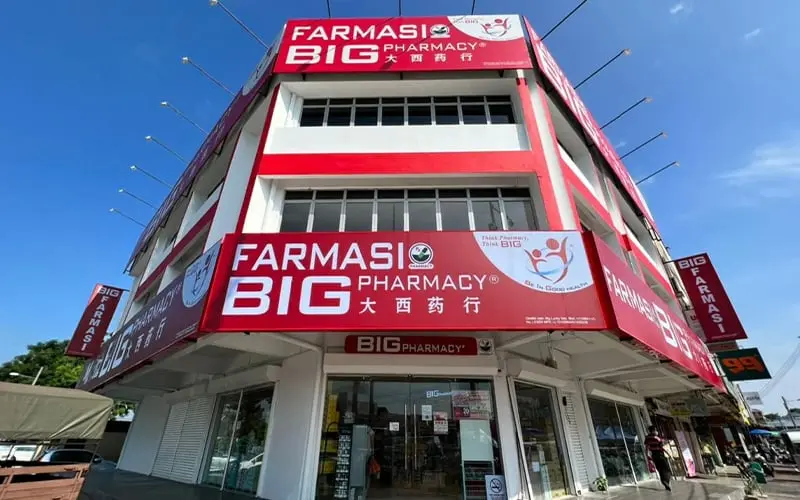
BIG Caring Group, one of Malaysia’s largest retail pharmacy chains, is embarking on a major digital transformation initiative by adopting RISE with SAP on Amazon Web Services (AWS). This strategic implementation is designed to establish a unified, scalable cloud-based platform that seamlessly connects its retail operations across more than 500 outlets nationwide.   The Road to Digital Integration The group’s digital journey began in 2019, when Caring Pharmacy—prior to merging with BIG Pharmacy—faced limitations with its legacy on-premise ERP system. These challenges included system capacity constraints and complicated data processing, which impeded effective collaboration across departments. To address these issues and better support its expanding network, Caring Pharmacy implemented SAP S/4HANA Retail in 2021, streamlining core business functions such as inventory management, supply chain processes, and customer relationship management (CRM). Following the merger with BIG Pharmacy in 2023, operational complexities increased, prompting the newly formed BIG Caring Group to accelerate its digital transformation. The goal was to unify its systems under a secure, agile, and scalable cloud infrastructure. Highlighting the significance of this transition, BIG Caring Group’s Chief Information Officer, Ooh Chin Boon, said: “Integrating our diverse retail operations onto a unified cloud platform is a crucial milestone for us. We have selected RISE with SAP on AWS to help us access more accurate and comprehensive data across the entire group, so that we can respond with more agility to customer demands and supply chain volatility. This strengthens our capacity to deliver enhanced customer experiences and future proof our business.” Embracing Cloud-Based Innovation By deploying RISE with SAP on AWS, BIG Caring Group aims to centralize data from its various divisions into a single cloud platform. This integration is expected to drive higher operational efficiency by minimizing manual work, lowering costs, and enabling faster decision-making across its business units. The cloud-based model also offers increased flexibility, empowering the company to scale and adapt quickly to evolving market conditions and customer expectations. Redefining the Future of Pharmacy Retail With a more advanced digital foundation in place, BIG Caring Group is positioning itself to harness technologies such as generative AI and predictive analytics to elevate the retail pharmacy experience in Malaysia. Plans include leveraging real-time data to optimize stock levels, using AI to deliver personalized customer interactions, and enhancing supply chain efficiency with IoT and machine learning technologies. Commenting on the initiative, Vipin Chandran, Managing Director of SAP Malaysia, stated: “SAP Business AI is a huge enabler of automation and innovation for our customers, and being in the cloud is the first step to unlocking its full potential.” On BIG Caring Group’s partnership with SAP, he added: “With the group’s massive scale of operations in the country, there is so much opportunity that we can uncover together and reimagine retail experiences in Malaysia.” -FutureIoT

Scroll to Top

Subscribe
FREE Newsletter