Generic selectors
Exact matches only
Search in title
Search in content
Post Type Selectors
post
Generic selectors
Exact matches only
Search in title
Search in content
Post Type Selectors
post

Property

Property

Asia-Pacific Logistics Rents Stall at 0.2% in 2024

SINGAPORE: The Asia-Pacific logistics sector is navigating shifting tides as rental growth slowed sharply to just 0.2% in 2024, a steep decline from 7.0% in 2023, according to Knight Frank’s latest Asia-Pacific H2 2024 Logistics Highlights report. The slowdown underscores widening disparities across the region, with China grappling with oversupply while Southeast Asia emerges as a bright spot for growth. Diverging Market Trends: China vs. Southeast Asia While 14 out of 17 tracked cities posted stable or increasing rents, the overall pace of growth masked stark regional contrasts. Beijing and Shanghai saw rents plummet by 14% to 15% amid a surging supply pipeline set to exceed 4 million sqm in 2025. Vacancy rates in both cities are projected to reach nearly 30%, putting sustained pressure on rents. Conversely, Southeast Asia bucked the trend, with Greater Kuala Lumpur leading the region in half-yearly rental growth of 5%. The city benefited from an influx of high-quality industrial spaces and strong e-commerce demand. Melbourne also outperformed with a 6.7% rental increase, fueled by land scarcity in key submarkets. Geopolitics and Supply Chain Realignments in 2025 The logistics sector faces further headwinds as global trade dynamics shift. With the potential for increased tariffs under a second Trump administration, supply chains are expected to realign more aggressively within Asia-Pacific and beyond. “As the world braces for Trump 2.0, manufacturers are doubling down on China-plus strategies,” said Tim Armstrong, Global Head of Occupier Strategy & Solutions at Knight Frank. “Southeast Asia and India are emerging as prime alternatives for companies looking to diversify their manufacturing and logistics footprint.” The Road Ahead: Stability Amid Market Adjustments Despite ongoing fluctuations, the Asia-Pacific logistics sector is expected to find equilibrium in 2025, with leasing volumes keeping pace with new supply. Prime logistics spaces—particularly those in well-connected hubs—are projected to maintain steady demand. “A flight-to-quality trend will continue to shape the sector, with occupiers focusing on modern, well-located logistics facilities,” said Christine Li, Head of Research, Asia-Pacific at Knight Frank. “Beyond China, most markets will experience balanced demand-supply conditions, supporting moderate rent growth of up to 2%.” Key Market Trends for 2025 Market dynamics shifting from landlord-favorable to neutral conditions Leasing volumes expected to match new supply, stabilizing vacancy rates Strategically located logistics hubs to benefit from geopolitical shifts As Asia-Pacific’s logistics landscape continues to evolve, well-connected industrial hubs with proximity to major trade routes will be best positioned to weather uncertainty and sustain long-term demand.

Property

APAC Office Market Struggles, but Australia & Japan Shine

The Asia-Pacific office market experienced a challenging year in 2024, with prime rents resuming their decline after a brief period of stability. Global consultancy Knight Frank’s Asia-Pacific Prime Office Rental Index for Q4 2024 shows a 1.6% drop in prime office rents over the full year, an improvement from the 2.4% decrease observed in 2023. Despite the overall trend of declining prime rents in Asia-Pacific, 16 out of 23 monitored cities reported stable or increasing rents year-on-year, with Australian cities and Japan showing particular resilience. Australian markets are projected to see some of the most substantial rental uplifts due to a contracting development pipeline. Brisbane emerged as a bright spot, leading the region with a strong 11.8% rental growth in 2024. This growth was attributed to sustained occupier demand and property owners pushing higher face rents to support valuations.   Regional vacancies are expected to rise, with rents likely to soften by 2 to 3%, primarily due to weak demand in Chinese mainland markets. Tokyo saw 3.9% year-on-year and 0.8% quarter-on-quarter increases in the prime office rents, suggesting potential workspace expansions by Japanese companies could strengthen leasing activity, particularly in core business districts near major transport hubs.   On the other hand, occupier demand remained subdued in Chinese mainland markets, which continued to face slow economic growth and a high supply pipeline. This weakness in China significantly impacted the overall regional performance. In contrast, vacancies regionwide fell for the second consecutive quarter, dropping 0.3 percentage points to 14.5% in Q4 2024. This improvement was largely due to tightening availabilities in India and Southeast Asian markets.   Christine Li, head of research, Asia-Pacific, Knight Frank, said “Although the region’s rent is expected to decline in 2025, much of the weakness is largely concentrated in Chinese mainland markets. The rest of Asia-Pacific is still expected to see moderate increases of 1 to 2%, with leasing volumes anchored by markets in India. Leasing activity will also remain healthy in Tokyo, as strong demand for new office developments will gradually tighten availabilities in the city. As inflation concerns subside in the region, geopolitics will be the key variable to watch in 2025. This shift in focus is likely to influence occupier behaviour, with many adopting a defensive stance and showing a strong preference for renewing leases rather than relocating. The region’s softening rents and ample new supply will be conducive to those looking to upgrade their office spaces.”   Looking ahead, the Asia-Pacific office market is poised for significant changes in 2025, with a 7% increase in prime Grade A office space expected, up from 4% in 2024. Over 40% of the region’s new supply will be delivered to mainland Chinese markets.   Tim Armstrong, global head of occupier strategy and solutions, Knight Frank, said, “Despite challenges in Chinese mainland markets, office space demand across Asia-Pacific is expected to remain resilient. The region is well positioned for growth, with strong office utilisation driven by sustained employment growth and stabilising workplace arrangements. The ample development pipeline continues to provide occupiers with opportunities to transform their workspaces, focusing on fostering employee productivity and engagement. While sustainability and access to talent remain primary drivers of occupier decisions, proximity to amenities and connectivity are rapidly becoming key differentiators, particularly for companies aiming to increase office attendance. While well-located prime offices lead the market, occupiers must adapt to varied economic trajectories and supply conditions when developing their space strategies.”​   Forecast for the next 12 months: The full report can be found here.

Property

Gamuda Appointed Main Contractor for RM8 Billion Penang LRT Mutiara Line

KUALA LUMPUR: Gamuda Bhd (KL:GAMUDA), through its consortium, has secured the contract for the first civil works package of the Penang Light Rail Transit (LRT) project. The contract, valued at RM8.31 billion, marks a significant milestone for the long-awaited infrastructure project. SRS Consortium Sdn Bhd, a joint venture with Gamuda holding a 60% stake, will oversee the construction of the Mutiara Line. Spanning 24 kilometers from Komtar in George Town to Island A of the Penang South Reclamation (PSR) project, the line will include 19 stations and other related facilities. Expediting the Project Implementation “This contract aims to simplify and accelerate the initial execution of the project,” said Transport Minister Anthony Loke Siew Fook during the signing ceremony. The project is expected to ease Penang Island’s persistent traffic congestion. Once the notice to proceed is issued, Gamuda will have six years to complete the project. Loh Phoy Yen Holdings Sdn Bhd and Ideal Property Development Sdn Bhd each hold 20% stakes in SRS Consortium, while MRT Corporation Sdn Bhd (MRT Corp) acts as the developer and asset owner for the Mutiara Line. Future Tender Packages The tender for the second civil works package, which will connect Macallum Station in George Town to Penang Sentral in Seberang Perai, is scheduled for July, with the award expected by early next year. The third package, a turnkey systems contract, will cover design, construction, and maintenance of the railway systems. The Mutiara Line will ultimately feature 21 stations over 29.5 kilometers. However, the final land acquisition costs remain undecided. Federal Government Takes the Lead The federal government officially assumed responsibility for the project in March 2024, transferring ownership from the state government. MRT Corp, fully owned by the Minister of Finance Incorporated, will manage the project, which will be executed through an open tender process. Datuk Mohd Zarif Hashim, CEO of MRT Corp, highlighted that the direct project management approach would ensure seamless coordination and integration across various work packages. Priority will also be given to Penang-based subcontractors, creating local job opportunities and strengthening the supply chain. Additionally, the federal government has mandated that 40% of subcontracts be allocated to Bumiputera companies, reaffirming its commitment to equitable participation. Gamuda’s Commitment Gamuda views this award as recognition of its technical expertise and proven track record in delivering complex infrastructure projects. “The Mutiara Line is transformative for Penang’s public transportation. We are dedicated to delivering the project within budget and on time, enhancing connectivity and supporting Penang’s broader transportation master plan,” Gamuda stated. The completion of the Mutiara Line is set to significantly improve mobility, contributing to the state’s economic growth and alleviating traffic congestion across Penang Island.  

Tay Sze Tuck, General Manager of Nippon Paint Malaysia.
Property

Nippon Paint Malaysia Projects Steady Growth in 2025, Boosted by Infrastructure and Construction Demand

In the second half of 2024, Malaysia’s construction industry sustained its momentum with a robust 20% growth , a strong resurgence from 2023 driven by a surge in infrastructure projects, public and private investment and a rebound in tourism.  Aligning with industry trends, Nippon Paint Malaysia Sdn Bhd anticipates steady growth in the construction sector in 2025, fuelled by large-scale infrastructure projects, increased investments in industrial facilities and a growing demand for residential buildings. Government policies on infrastructure, manufacturing, digitalisation and sustainability have positively impacted Malaysia’s construction sectors, attracting foreign and domestic investment. Major infrastructure projects, such as the East Coast Rail Link (ECRL), Rapid Transit System (RTS) Link, Pan Borneo Highway and the expansion of data centres by global tech giants like Amazon Web Services (AWS), Microsoft and Google, are set to play a pivotal role in boosting the sector.  In addition, the rising demand for affordable housing, spurred by government initiatives under Budget 2025, has driven significant growth in the residential buildings’ subsector. This momentum is expected to carry into 2025, creating ongoing opportunities for developers and industry players. “As Malaysia embarks on these exciting projects, the construction industry must adopt innovative solutions and foster close collaborations to remain resilient and competitive. For the past two years, Nippon Paint has secured more than 100 Total Coating & Construction Solutions (TCCS) projects, and we anticipate further growth in 2025, reflecting the industry’s trust in our construction solutions,” said Tay Sze Tuck, General Manager of Nippon Paint Malaysia. Nippon Paint’s TCCS continues to push boundaries by offering comprehensive solutions for industrial, infrastructure and residential developments—from bare concrete surfaces to final finishes, including drymix solutions, waterproofing solutions, flooring solutions, architectural coatings, protective coatings and sealant adhesive filler.  Nippon Paint has identified a few key strategic areas of focus for 2025:  Addressing the Challenges of Malaysia’s Ageing Buildings Nippon Paint anticipates that refurbishments for residential buildings will be a growing segment for construction activities in 2025. Malaysia’s ageing buildings present a critical need for refurbishment, as many structures face issues such as structural safety risks, loss of property value, air quality and deteriorating aesthetics, with water leakages being one of the primary sources of these problems.  These problems threaten the integrity of the buildings and affect their functionality, value and appeal.  However, the industry acknowledges that residential properties continue to face challenges brought on by budget constraints when it comes to refurbishment, as it is often a costly endeavour.  “We find that building management often relies on cheap, temporary solutions rather than addressing waterproofing issues at their root which increases long-term cost,” said Tay. “When it comes to building refurbishment, Nippon Paint Malaysia’s Total Coating and Construction Solutions (TCCS) addresses these challenges by working closely with the building management, offering expert inspection services and tailored budget planning. TCCS prides itself on its excellent workmanship and materials know-how as we focus on providing customised compatible system solutions for a specific problem.” “When building owners neglect the root causes of water leakage, recurring issues and escalating maintenance costs often follow. Nippon Paint Malaysia is at the forefront of advancing waterproofing technologies, offering innovative rewaterproofing and repainting solutions. Designed to provide long-term protection, Nippon Paint’s comprehensive waterproofing systems minimise the need for frequent repairs and maintenance, ensuring lasting durability and offering property owners peace of mind.” he added. Industrial property boom expected in 2025 Several factors are contributing towards an industrial property boom in Malaysia. Malaysia’s manufacturing sector remains a key driver of the economy, recording a 5.3% expansion in the third quarter of 2024. ASEAN has set its sights on building economic resilience through enhanced supply chain connectivity, which is expected to lead to the establishment of more local manufacturing hubs. Additionally, Malaysia is strategically positioning itself as a regional data centre hub, creating opportunities for more data centres to set up operations in the country.  Nippon Paint believes that prospects for the manufacturing and data centre sectors are on a path of sustainable growth in 2025. The company is committed to becoming the leading coating and construction solutions provider for the anticipated industrial property boom. Industrial properties, particularly those in the manufacturing sector, must adhere to strict construction compliance codes. These codes address critical aspects such as structural safety, durability, and most importantly, occupational and hygiene.  To address these challenges, Nippon Paint is investing heavily in advanced flooring solutions that enhance durability, safety, and aesthetic appeal.  “Flooring, though often overlooked in construction, represents a significant and underappreciated market,” said Tay. “An expert understanding of high-quality flooring coatings plays a critical role in enhancing the durability and safety of industrial buildings. From industrial flooring for production facilities, chemical plants to food-safe options for food processing and cold storage as well as anti-static solutions for data centres and semi-con, these solutions are essential to ensuring industrial properties comply with current standards.” Nippon Paint’s Overall Outlook 2025 “With the industry’s primary focus on transformative infrastructure and industrial projects, we see immense opportunities to support both government and private sector initiatives.” “We remain committed to strengthening collaborations and expanding our footprint in refurbishment, industrial, infrastructure and residential developments, offering compatible system solutions for long-term durability, efficiency and enhanced performance.” Tay added. “For 2025, our aim is to grow Nippon Paint’s TCCS more aggressively and become the market leader in addressing the industry’s most pressing challenges, offering the reliability and efficiency that elevates the standards within the construction industry. Whether for new builds, industrial developments, or refurbishment projects, we are proud to enhance Malaysia’s thriving construction industry with innovative solutions that drive productivity and excellence,” Tay concluded. For more information about Nippon Paint and TCCS, please visit www.professional.nipponpaint.com.my.   References: 1. https://themalaysianreserve.com/2024/11/11/dosm-malaysias-construction-sector-continues-positive-growth-up-22-9-to-rm41-1b-in-3q/ 2. https://www.cidb.gov.my/eng/part-1-malaysias-construction-industry-roars-back-to-life-a-boom-fueled-by-investment-and-infrastructure/  3. https://thesun.my/business-news/major-infrastructure-works-keep-malaysian-construction-sector-busy-in-2024-CG13402404 4. https://theexchangeasia.com/malaysias-property-sector-set-for-growth-in-2025/ 5. https://www.mida.gov.my/mida-news/manufacturing-to-stabilise-in-2025/ 6. https://asean.org/wp-content/uploads/2024/09/SG-remarks_High-level-Forum-on-ASEAN-Supply-Chain-Connectivity-Final-clean.pdf 7. https://theedgemalaysia.com/node/730064  

Gamuda Land Integrates Eldercare into Sustainable Communities
News, Property

Gamuda Land Integrates Eldercare into Sustainable Communities

KOTA KEMUNING: With 15% of Malaysia’s population projected to be over 60 by 2030, developers face the challenge of creating communities that cater to a maturing demographic while maintaining intergenerational appeal. Gamuda Land , in collaboration with Meaningfull Life, is setting a new benchmark for integrated multigenerational living through its innovative eldercare initiative in the twentyfive7 township. Shifting Demographics: A Local Challenge with Global Roots As the global population ages, urban planners and developers are rethinking community designs to support inclusive, sustainable living. According to the World Health Organization, the proportion of people over 60 is set to double by 2050, driving demand for urban solutions that promote health, social engagement, and independence. In Malaysia, the rapidly growing senior population highlights the urgency for eldercare solutions that integrate seamlessly into existing infrastructures. Developers have a unique opportunity to create ecosystems that encourage active aging, alleviate pressure on public resources, and enhance community well-being. A New Model for Eldercare and Community Living Gamuda Land, in partnership with Meaningfull Life—an award-winning eldercare and hospitality company—has launched The Meaningfull Clubhouse at Quayside Plaza in twentyfive7. Scheduled to open in March 2025, this clubhouse marks Malaysia’s first eldercare model embedded within a multigenerational township. “This partnership goes beyond caregiving,” said Anna Chew, CEO of Meaningfull Life. “It’s about creating opportunities for seniors to thrive—to engage in meaningful activities, maintain independence, and stay connected with their families and communities.” Traditional eldercare often requires seniors to move into standalone facilities, which can be costly and isolating. By contrast, this new model leverages the township’s amenities—parks, retail outlets, and medical facilities—combined with professional services provided by Meaningfull Life and Gamuda Clinic. This integrated approach offers seniors a quality lifestyle where they can enjoy time with family and friends while receiving expert care. Addressing Key Eldercare Needs Gamuda Land has conducted comprehensive studies to ensure its townships meet critical eldercare and community health concerns. The Meaningfull Clubhouse will provide: Health and Nutrition: Meals curated by Meaningfull Life’s dietitians in collaboration with Quayside Mall’s F&B tenants. Healthcare Access: Quality medical support through partnerships with Gamuda Clinic. Social Connectivity: Activities such as woodworking workshops, pickleball games, and group outings to reduce loneliness and foster interaction. Physical and Cognitive Wellness: Programs designed by physiotherapists and psychologists to encourage mobility, mental stimulation, and overall well-being. Creating a Community-Centric Ecosystem “Our vision for twentyfive7 was always more than just residential development,” said Wong Siew Lee, Chief Operating Officer of Gamuda Land. “We wanted to foster a self-sustaining, family-oriented ecosystem where every generation—from children to seniors—feels at home.” The Meaningful Clubhouse integrates seamlessly with twentyfive7’s existing amenities, such as parks, recreational facilities, and retail outlets, to create a vibrant environment that supports active lifestyles and eldercare needs. Convenient transportation services will further enhance accessibility for residents. Scaling for the Future Gamuda Land plans to replicate this eldercare model across its other townships, underscoring its commitment to sustainable, inclusive communities. As Malaysia’s population continues to evolve, this forward-thinking approach positions Gamuda Land as a leader in addressing one of the country’s most pressing demographic challenges. By integrating eldercare into its developments, Gamuda Land not only meets the immediate needs of a growing senior population but ensures its communities remain vibrant and relevant for generations to come.

Property

The MET Corporate Towers Redefine Corporate Spaces with Innovation 3rd Space Concept

KUALA LUMPUR: Developed by Triterra, The MET Corporate Towers (The MET) represents a groundbreaking addition to Malaysia’s commercial real estate. As the first Grade A Strata office office in KL Metropolis, The MET redefines corporate spaces with an innovative blend of functionality, lifestyle integration, and cutting-edge tenancy management. Positioned as “The New Business Class,” The MET introduces a future-focused approach to office environments, supporting SMEs—the backbone of Malaysia’s economy—while seamlessly merging productivity, lifestyle, and community. Prime Location in Mont’ Kiara Strategically located in the prestigious Mont’ Kiara enclave, The MET is perfectly positioned to serve as a hub for global and regional business activities. Its proximity to key economic landmarks such as the Malaysia International Trade and Exhibition Centre (MITEC), the Malaysia External Trade Development Corporation (MATRADE), and the Ministry of Investment, Trade, and Industry (MITI) offers unparalleled access to Malaysia’s economic nerve centers. Situated in a culturally diverse neighborhood with over 50 nationalities, The MET fosters innovation and collaboration among professionals worldwide. The 3rd Space Concept: Where Work Meets Lifestyle A defining feature of The MET is its innovative 3rd Space Concept, which integrates work, leisure, and lifestyle. Its culinary directory boasts renowned outlets such as %Arabica, Lacher Patisserie, Fiancée, Culinart, OR Gelato, Brotani, and SOL, a rooftop lounge on Level 40. The Malaysiana Food Garden transforms from a vibrant daytime food court into an event-ready venue by evening, providing tenants and visitors with a dynamic dining experience. Upcoming additions, including JHOL, Niko Neko, and Atlas Super Bar, will further enhance this offering. The MET also features premium amenities, including a state-of-the-art gym, a business theatre with a 70-seat auditorium, and versatile event spaces on Level 9 with stunning views. On Level 10, “The MET Club by Colony” provides a luxurious coworking hub designed for startups, solo entrepreneurs, and small teams. Thoughtfully crafted green landscapes and hospitality-inspired features further elevate work-life balance, making The MET a hub for dynamic, inspiring experiences. Flexibility and Tenant-Centric Solutions The MET offers flexible office layouts, from compact spaces ideal for startups to expansive, full-floor offices for larger corporations. Tower A provides a variety of options across its low, mid, and high floors, allowing tenants to scale their operations without relocating. The introduction of Strata-Tenancy-Management, pioneered by Trilink Real Estate, has transformed the landlord-tenant relationship. This system improves operational efficiency, reduces vacancies, and minimizes downtime through centralized management. Commitment to Connectivity and Community The MET will also launch Trek Rides, a Demand Responsive Transit (DRT) service designed to simplify commuting for tenants and visitors. This initiative reinforces Triterra’s commitment to accessibility and convenience. Beyond the tower, Triterra actively collaborates with local councils, community leaders, and stakeholders to enhance the surrounding environment—beautifying pavements, improving pedestrian safety, optimizing traffic flow, and organizing community events. A Magnet for Industry Leaders As the first Grade A strata office in KL Metropolis, The MET has already attracted leading tenants, including Siemens Healthineers, Siemens Malaysia, and CIDB, cementing its reputation as a premier choice for businesses seeking innovation, growth, and long-term success. A Vision for the Future of Workspaces “Our goal with The MET was to create more than just office spaces. We envisioned a community that empowers success, fosters innovation, and enhances daily experiences,” said Christopher Lim, CEO of Triterra. “The MET embodies our commitment to delivering excellence and innovation.” With its strategic location, forward-thinking design, and tenant-focused solutions, The MET Corporate Towers sets a new benchmark for modern workspaces. By blending functionality, elegance, and innovation, it reimagines what a corporate environment can achieve.

News, Property

Knight Frank: 2024 Office Redevelopment to Focus on Premium Spaces

SINGAPORE: Asia-Pacific’s office sector offers compelling opportunities for value-add investments, according to Knight Frank Asia-Pacific’s latest outlook report, Charting new horizons – 25 trends shaping 2025. The report features its 25 key significant developments across sectors trends.   The report showed that 45% of office transactions earmarked for redevelopment or renovation focused on upgrading and enhancing office specifications in 2024. The issue of building obsolescence gained prevalence over the past year, as Grade B and lower-tier buildings face increasing challenges in leasing due to a growing ‘flight-to-quality’ trend among corporate occupiers. This shift presents significant investment opportunities in the value-add segment, particularly in revitalising older stock by incorporating ESG (environment, social and governance) and wellness features. Christine Li, head of research, Asia-Pacific and report author, says, “The Asia-Pacific office sector is evolving into a two-tiered market, offering opportunities for value-add investors. This transformation is driven by the widening gap between outdated and premium office spaces, increasing focus on sustainability and ESG compliance, and mandatory stock market regulations. Consequently, we are witnessing a sustained demand for ESG-compliant office spaces.” Neil Brookes, global head of capital markets, Knight Frank, says, “Despite ongoing challenges, we expect a steady recovery in the region as pricing stabilises, bid-ask spread narrows, and confidence grows. Investors are increasingly diversifying their portfolios with alternative real estate investments alongside traditional assets. Diverse market conditions and economies in the region offer opportunities for different investment strategies, requiring investors to remain adaptable and responsive in their strategic approaches to capitalise on the most attractive opportunities.”   16% Rise in APAC office investment, first uptick in two years The office sector led investment volume across Asia-Pacific. Annual investment volume in office assets grew 16%, the fastest growing asset class, to reach US$59.5 billion in 2024 from US$51.2 billion in 2023. This growth accounted for 37% of all capital received in the region’s real estate market.   A major draw of office assets in Asia-Pacific is the high occupancy rate compared with western counterparts. Utilisation rate averages to 80% in the region, far higher than the 65% recorded in major US cities and 70% in the UK and Europe.   Data centres lead alternative real estate amid shifting investor landscape   Investor appetite for defensive sectors remains strong, with data centres leading alternative real estate investments, despite anticipated rate cuts. Data centres have consistently ranked first in niche property type prospects, showcasing remarkable growth. In 2024, data centre investments reached US$6.3 billion (excluding the AirTrunk takeover) a 2.5-fold increase from US$2.5 billion in 2023. This trend is driven by persistent pricing expectation gaps and narrowing yield spreads, pushing investors towards assets that can meet their return targets. Fred Fitzalan Howard, data centre lead, Knight Frank, says “Asia-Pacific offers significant investment opportunities in the data centre sector due to strong live supply growth and a persistent supply-demand imbalance. From 2018 to 2023, the region experienced a compound annual growth rate (CAGR) of 19% in live supply, as reported by DC Byte. Yet, the current supply remains insufficient to meet the demands of its vast population’s digital growth. Malaysia continues to lead as the top data centre hub in Knight Frank’s SEA-5 Data Centre Opportunity Index 2024, while emerging markets such as Chennai, Melbourne, and Bangkok show promising potential in this sector as Cloud Service Providers and AI companies diversify away from tier 1 data centre hubs.”   Emerging markets drive industrial asset growth amid global supply chain shifts The industrial sector in emerging markets experienced remarkable growth, with total capital received for industrial assets reaching a record-breaking US$3.0 billion in 2024, marking a 50% increase from the previous year. This growth significantly outpaced the rest of Asia-Pacific, which saw only an 8% increase during the same period. Vietnam emerged as a leading investment destination in the region, leveraging its strategic proximity to Chinese mainland and strong export growth. As Southeast Asia’s largest exporter, Vietnam’s exports grew rising from US$320 billion in 2019 to US$440 billion in 2023 at a CAGR of 8.2%, as noted by IHS Markit, driven by substantial foreign direct investment in manufacturing.   To download Knight Frank Asia-Pacific Charting new horizons – 25 trends shaping 2025, report, please visit https://hubs.ly/Q033Fw0_0.

News, Property

Arte Corp Partners with COBNB for Short-Term Stays at Arte Solaris, Mont Kiara

KUALA LUMPUR: Arte Corp Malaysia, a leading name in iconic property development, has announced a strategic partnership with COBNB Malaysia, a luxury short-term stay operator, to manage serviced apartments at its iconic Arte Solaris development in Mont Kiara. This collaboration comes as Malaysia experiences robust growth in its tourism sector. According to the Ministry of Tourism, Arts, and Culture Malaysia (MOTAC), the country welcomed over 15 million international visitors in 2023, contributing RM50 billion to the economy. With the government targeting 20 million international arrivals by 2025, initiatives under the National Tourism Policy 2020–2030 emphasize embracing smart tourism, promoting experiential travel, and positioning Malaysia as a premier destination for premium hospitality services.   A Fusion of Luxury Design and Hospitality Expertise This partnership promises to redefine luxury living and hospitality in Mont Kiara, merging Arte Corp’s architectural brilliance with COBNB’s hospitality expertise. Arte Solaris, celebrated for its modern design and opulence, will provide seamless short-term accommodation options for travelers, expatriates, and corporate clients alike. With Arte Solaris close proximity to MITEC, this also makes it a great choice for visitors to various events and exhibition attendees. Arte Corp’s latest project, Arte Solaris, is a palatial themed development which comprises of 433 units of Office Suites and 170 units of Serviced Apartments. The project’s Gross Development Value (GDV) is RM460 million and is slated for completion in Q4 2026. Nestled in the prime location of Solaris Mont Kiara, the development promises flexible unit layouts and a suite of premium amenities, setting a new standard of luxury living in the area. “We are thrilled to partner with COBNB Malaysia,” said Joan Goh, Head of Sales and Marketing of Arte Corp “Their exceptional track record in managing high-quality short-term stays perfectly aligns with our vision to craft unique lifestyle experiences at Arte Solaris. Together, we aim to deliver optimum return to our investors and create a truly differentiated development in the market.” COBNB Malaysia: Elevating Guest Experiences COBNB Malaysia has established itself as a leader in managing luxury properties with a focus on optimizing returns for property owners and ensuring exceptional guest experiences.  Glenn Wong, Co-Founder of COBNB Malaysia, expressed his enthusiasm for the collaboration: “Arte Solaris represents the pinnacle of luxury and innovation, and we are honored to bring our expertise to this landmark project. Today’s travelers seek experiences that inspire and Arte Solaris stands out with its breathtaking architecture, reminiscent of a modern-day Vatican City, surrounded by palatial art and intricate sculptures.” For more information about Arte Solaris and COBNB Malaysia, please visit https://www.artecorp.com.my/  and https://www.cobnb.com.my/ .

Investment & Market Trends, Property

Pavilion REIT Adds RM480M Iconic KL Hotels to Portfolio

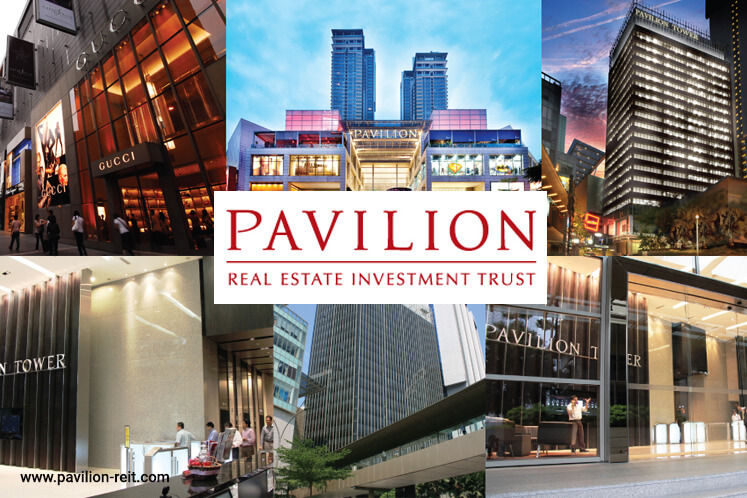
KUALA LUMPUR: Pavilion Real Estate Investment Trust (Pavilion REIT) has announced the proposed acquisitions of two prestigious hospitality assets in Kuala Lumpur, the Banyan Tree Kuala Lumpur (BTKL) and Pavilion Hotel Kuala Lumpur (PHKL), in a landmark deal worth RM480 million. MTrustee Berhad, acting for and on behalf of Pavilion REIT, entered into conditional sale and purchase agreements with Lumayan Indah Sdn Bhd for the acquisition of BTKL at a purchase consideration of RM140 million, and with Harmoni Perkasa Sdn Bhd for the acquisition of PHKL at a purchase consideration of RM340 million.   Both properties are located in the bustling Bukit Bintang area, at the heart of Kuala Lumpur’s Golden Triangle.   Dato’ Philip Ho, Chief Executive Officer of Pavilion REIT Management Sdn Bhd, which is the manager of Pavilion REIT said, “The acquisitions align with Pavilion REIT’s strategy which contributes positively to the overall portfolio and future growth, while also generating stable and sustainable income for unitholders.”   “Acquiring these iconic hospitality assets reinforces our commitment to delivering premium offerings while capitalising on synergistic opportunities with Pavilion Kuala Lumpur Mall”, he added.   The acquisitions will be funded via a combination of debt and/or equity, with Pavilion REIT proposing a private placement of new units to raise gross proceeds between RM264 million and RM552 million. Alternatively, it may issue up to RM246.5 million worth of units to settle part of the purchase consideration.   The transaction is expected to enhance portfolio diversification by reducing Pavilion Kuala Lumpur Mall’s contribution to Pavilion REIT’s total asset value from 61.4% to 58.0% via exposure to the hospitality sector.   BTKL and PHKL are seamlessly connected to Pavilion Kuala Lumpur Mall, one of Malaysia’s premier shopping destinations. The integration enables synergistic marketing and operational strategies, which are anticipated to drive higher revenue per available room for the hotels and further elevate the overall value proposition of the mall. Pavilion REIT’s ownership further enhances this synergy, enabling strategic partnerships that will maximise the long-term value.   The hotels are operated and managed by Banyan Tree Hotels & Resorts Pte Ltd since their openings in 2018. Banyan Tree Hotels & Resorts Pte Ltd is part of Singapore-listed Banyan Tree Holdings Limited, a global hospitality group renowned for its luxury offerings and award-winning services.   BTKL, an award winning five-star hotel within a 59-storey integrated building, features 55 premium suites, a rooftop bar, and the renowned Banyan Tree Spa. PHKL, located above Pavilion Kuala Lumpur Mall, offers 325 well-appointed rooms and extensive event and dining facilities.   BTKL and PHKL have consistently achieved average occupancy rates of 83.0% and 82.2% respectively up to 30 September 2024.   As part of the deal, the hotels will be leased back to the current operator for an initial 10-year term, with the option to renew for up to 20 additional years. The fixed annual rental income will commence at RM33.5 million for the first five years, generating an approximate annual gross yield of 7.0%. This rental income will be subject to incremental adjustments every five years.   This structure provides Pavilion REIT with a yield-accretive, stable and predictable income stream while offering potential upside through variable rental arrangements tied to the hotels’ performance.   These acquisitions come at a time when Malaysia’s tourism and hospitality industry is rebounding strongly. International tourist arrivals in 2024 are projected to reach 27.3 million, a significant increase from 20.1 million in 2023.   Dato’ Philip Ho said, “Within Kuala Lumpur’s Golden Triangle lies what we consider the ‘golden mile,’ Jalan Bukit Bintang. The area’s proximity to world-class attractions, premier retail, and excellent connectivity ensures the hotels and Pavilion Kuala Lumpur Mall are well-positioned to benefit from Malaysia’s ongoing promotion of the tourism sector.”   The proposals are subject to approval by Pavilion REIT’s unitholders and Bursa Malaysia Securities Berhad.   Upon completion, the hotels will represent 5.5% of Pavilion REIT’s enlarged total assets under management, further solidifying its position as a dominant player in Malaysia’s real estate investment trust industry.

Energy & Technology, Property, The Executives

AI’s Transformative Impact on the Real Estate Industry

In an interview with The Exchange Asia, Christophe Vicic, Chief Growth Officer of JLL Malaysia, discusses how the integration of artificial intelligence (AI) is reshaping the real estate sector. AI is transforming traditional operations, creating innovative solutions, and opening new possibilities for investors, developers, and property managers. As AI technologies continue to evolve, Vicic highlights that their impact on real estate is becoming increasingly significant, particularly in Malaysia, where the market’s unique dynamics present significant opportunities for growth and innovation. Traditional AI vs. Generative AI in Real Estate AI applications in real estate can be categorised into two primary types: traditional AI and generative AI. Each offers distinct capabilities: Traditional AI: Specialises in structured data analysis and decision-making based on predefined rules. Common applications include market analysis, predictive maintenance, and risk assessments. Generative AI: Excels with unstructured data, offering creative solutions. It is used for property design, virtual tours, and bespoke marketing strategies. “Generative AI’s creative potential enables real estate firms to deliver tailored experiences and innovative designs, setting new standards in customer engagement and operational efficiency.” Current AI Applications in Real Estate AI is already revolutionising real estate through various cutting-edge applications: Property Valuation and Predictive Analytics: Data-driven tools provide accurate pricing and market forecasts. Tenant Engagement: AI-powered apps offer personalised recommendations for amenities and events. Smart Building Management: AI optimises energy consumption, automates maintenance, and enhances security systems. Automated Customer Service: Chatbots handle tenant queries and maintenance requests efficiently. “By automating repetitive tasks and enhancing analytical capabilities, AI enables property managers to focus on high-value activities, resulting in greater efficiency and improved tenant satisfaction.” AI’s Role in Malaysia’s Real Estate Decision-Making In Malaysia, AI’s transformative potential is particularly compelling. By harnessing big data analytics and machine learning, AI can: Identify emerging property hotspots and predict the impact of major infrastructure projects. Offer localised investment strategies, tailored to Malaysia’s unique market conditions. Simplify compliance with the country’s complex property regulations. “Developers can leverage AI to design smarter buildings and meet the rising demand for sustainable living, aligning with Malaysia’s growing focus on green developments.” Challenges and Opportunities While the benefits of AI are significant, widespread adoption faces several challenges: Data Privacy Concerns: Adherence to local and international regulations is vital. Algorithmic Bias and Transparency: The need for explainable AI ensures fairness in decision-making. Workforce Reskilling: Automation of routine tasks increases demand for AI expertise. “Overcoming these challenges requires collaboration between tech firms and real estate players, alongside investments in workforce upskilling and robust regulatory frameworks.” Emerging AI Trends in Real Estate Looking ahead, several AI advancements are poised to revolutionise the real estate sector: Natural Language Processing: Facilitating sophisticated chatbots and document analysis tools. Computer Vision and Augmented Reality: Transforming property inspections and visualisations. Edge AI and Quantum Computing: Enhancing smart building functionalities and market forecasting. AI-Driven Blockchain: Streamlining property transactions with improved security and efficiency. “AI trends such as edge computing and federated learning promise enhanced personalisation and privacy, paving the way for smarter cities and more responsive real estate ecosystems.” Competing in an AI-Driven Landscape For smaller firms, competing with AI-enabled giants is achievable by: Leveraging open-source tools and cloud-based solutions. Focusing on niche markets and adopting agile innovation strategies. Partnering with tech start-ups to access expertise cost-effectively. “Adaptability and customer focus are key differentiators, allowing smaller firms to implement AI solutions quickly and tailor them to specific client needs.” AI is not merely a tool; it is a transformative force redefining the real estate industry. As Malaysia and the global market continue to embrace these advancements, stakeholders must navigate challenges while seizing opportunities to drive efficiency, innovation, and sustainability in real estate practices.

Scroll to Top

Subscribe
FREE Newsletter