Longevity in business is rarely about doing the same thing well for decades. More often, it is about knowing what should remain unchanged — and recognising what must evolve.
For Salleh Food Industries Sdn. Bhd., almost four decades in Malaysia’s food manufacturing industry have been shaped by precisely that balance. Established in 1987, the company began with products deeply familiar to Malaysian consumers: kerepek ubi, kerepek pisang and a variety of traditional snacks made from locally sourced agricultural produce.
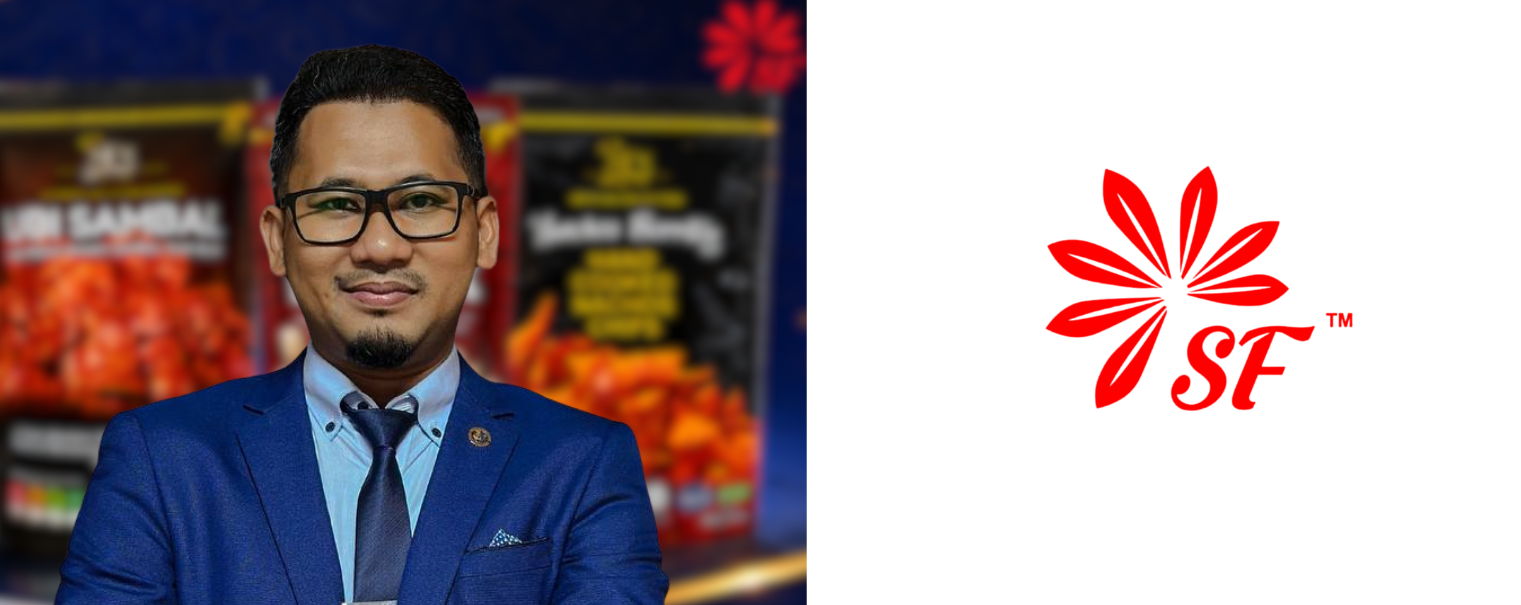
Chief Executive Officer di Salleh Food Industries Sdn Bhd – Mohd Fauzie Salleh.
The flavours may be rooted in tradition, but the business behind them is increasingly looking forward.
Today, Salleh Food distributes its products throughout Malaysia via retailers and distributors while embracing newer channels including e-commerce and TikTok Shop. Behind that expansion is a wider transformation taking place across the company — one that involves strengthening its brand, modernising systems, developing people and preparing the organisation for its next phase of growth.
For a business approaching its fourth decade, the question is no longer simply how to sell more products. It is how to build an organisation capable of remaining relevant for decades more.
The Business Behind the Snack
Salleh Food may be recognised as a snack manufacturer, but its role extends further along the value chain.
The company takes locally grown agricultural produce and transforms it into accessible, higher-value consumer products. In doing so, its business connects farmers and suppliers with consumers while creating economic opportunities across the communities that support its operations.
There is also an emotional dimension to the products it makes.
Traditional food occupies a distinctive place within Malaysian culture. A familiar snack can carry memories of childhood, family gatherings and traditions passed from one generation to another. Preserving that connection has remained important to Salleh Food even as the expectations surrounding food manufacturing have changed.
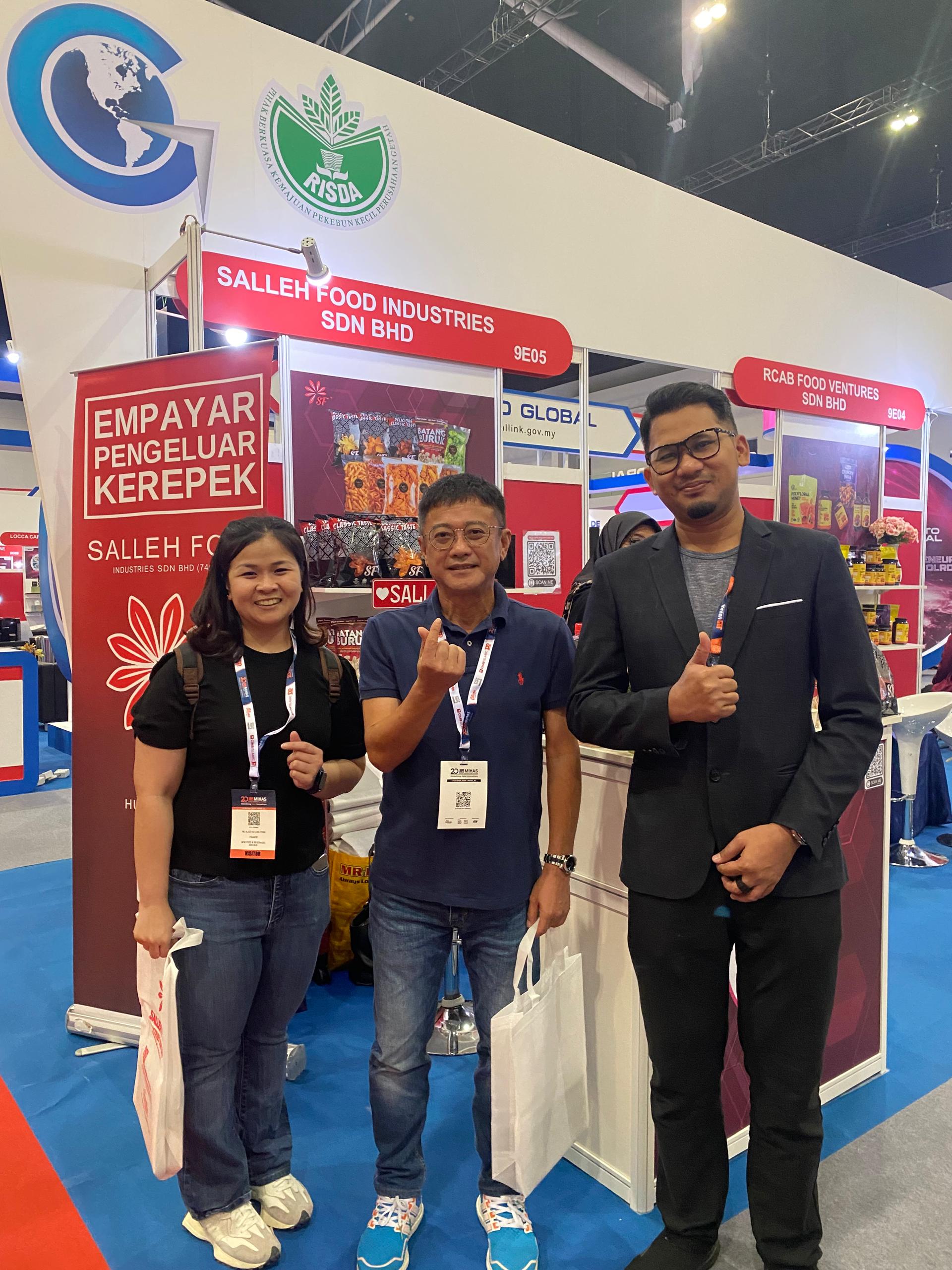
The challenge is to retain the familiarity consumers appreciate while ensuring the business behind the product continues to advance.
That means bringing modern processes, technology, stronger quality standards and contemporary distribution into a category that has traditionally been dominated by smaller producers.
When a Good Product Is No Longer Enough
When Salleh Food began operating in 1987, the opportunity in the market was relatively clear. Demand for local snacks was strong, but many smaller producers faced challenges in maintaining consistency, developing their brands and reaching consumers beyond their immediate markets.
Building greater structure around these areas created room for businesses such as Salleh Food to grow.
Nearly 40 years later, the market gap has changed.
Producing something that tastes good remains fundamental, but it is no longer enough to guarantee success. Consumers have more choices. Brands are discovered through social media as much as supermarket shelves. E-commerce has changed how products are purchased, while digital platforms allow new competitors to enter the market much faster.
Trust, consistency, visibility and convenience have become increasingly important.
This has pushed Salleh Food to think beyond manufacturing. The company is now focused on building the infrastructure around the product — from its brand and distribution capabilities to its internal systems, people and leadership.
Its strategic direction centres on three priorities: strengthening the brand, developing systems and talent, and expanding into larger markets.
It is a deliberately focused approach.
Like any business, Salleh Food operates with finite time, capital and management resources. Rather than pursuing every opportunity available, the company is increasingly assessing opportunities according to their ability to contribute to long-term organisational value.
Growing Stronger, Not Simply Bigger
The distinction between getting bigger and becoming stronger has become increasingly important to Salleh Food.
Sales growth is one measurement of success, but the company believes genuine growth should also be reflected in the organisation’s ability to operate without excessive dependence on any single individual.
That requires processes that can be repeated, people who can make decisions and leaders capable of taking responsibility.
As organisations expand, this becomes significantly more difficult.
A management approach that works with ten employees may become ineffective with 50 or 100. Communication becomes more complex. Informal decision-making begins to create bottlenecks. Responsibilities must become clearer, and maintaining alignment around a common vision becomes a leadership challenge in itself.
For Salleh Food, scaling has therefore required a shift in the way leadership is approached.
Where a leader may once have been heavily involved in solving day-to-day operational problems, the next stage requires becoming what the company describes as a “builder of leaders”.
Instead of solving every problem, leadership must develop people who can solve problems themselves.
It is a fundamental transition for any growing organisation — particularly one that has evolved from a family-founded enterprise.
The objective is to create a business that can continue progressing because capability has been distributed throughout the organisation rather than concentrated at the top.
What Four Decades Really Teach a Business
Remaining in business for almost 40 years inevitably means operating through very different economic and commercial environments.
Salleh Food has experienced changing consumer preferences, rising costs, operational pressures, new forms of competition and the disruption created by the pandemic.
Through each period, the company’s competitive advantage has not necessarily been something consumers can see on its packaging.
It has been adaptability.
Products can be copied. Prices can be challenged. New competitors can enter a category. What is considerably harder to replicate is an organisation’s ability to continuously learn, adjust and recover when circumstances change.
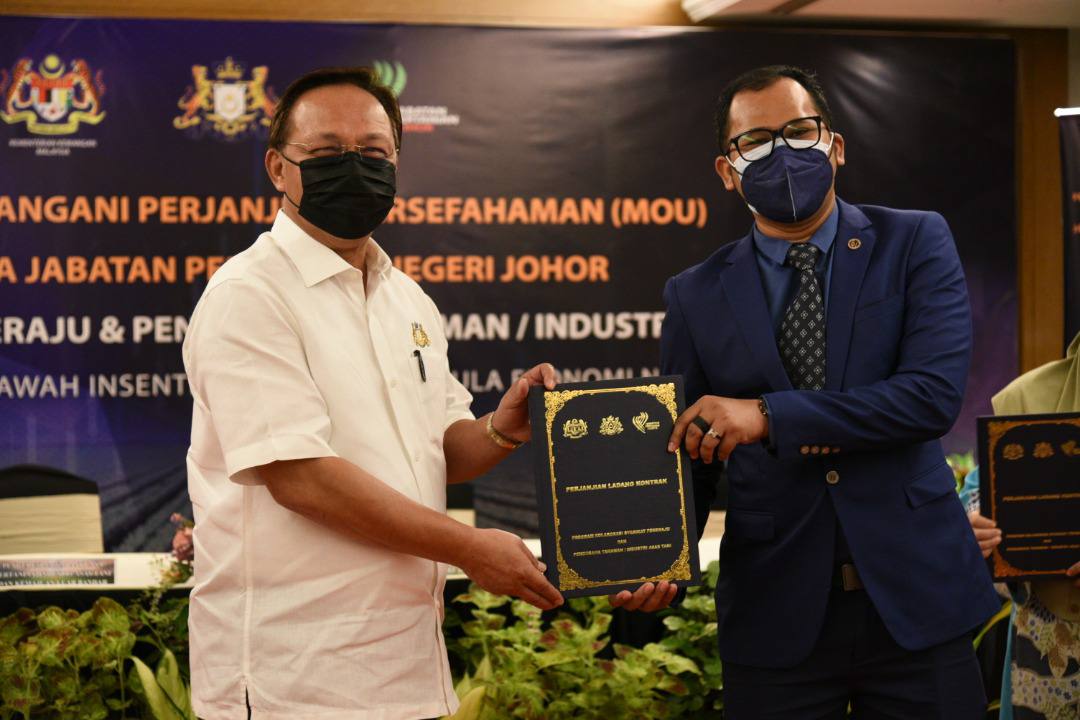
This willingness to evolve has become one of Salleh Food’s most important strengths.
While consumers see the final product on a shelf or online, behind it sits an ongoing process of improvement — refining operations, strengthening systems, developing employees and responding to what the market requires next.
That mindset is particularly important for established businesses. Longevity can be an advantage, bringing experience, market knowledge and consumer familiarity. But history alone does not guarantee future relevance.
The companies that endure are often those willing to challenge the very practices that helped them succeed in the past.
Investing Before the Return Appears
Some of Salleh Food’s most important investments are also among the hardest to measure immediately.
The company continues to invest in employee training, talent development and stronger internal systems despite recognising that the returns may not appear within the next quarter or financial year.
Training, in particular, can easily be viewed as a cost. Salleh Food considers it part of building the organisation’s future capacity.
As the company grows, stronger machinery or technology alone will not determine whether it can scale successfully. The people operating within those systems must grow as well.
Employees need greater capabilities. Managers need to become leaders. Processes need to become more efficient, and the organisation needs a culture where learning and continuous improvement become part of everyday operations.
This approach also shapes the company’s attitude towards the speed of growth.
Salleh Food is not interested in expansion that comes at the expense of product quality, organisational stability or the values that have supported the business for decades.
If the choice is between expanding rapidly with a weaker foundation or growing more deliberately with the right capabilities in place, the company is prepared to take the longer route.
Because growth that cannot be supported internally eventually becomes a liability.
From Malaysian Market to Regional Opportunity
The next evolution of Salleh Food is likely to be its most significant.
Having built its presence in Malaysia, the company is setting its sights on becoming a stronger regional brand and introducing more locally rooted products to international consumers.
The opportunity extends beyond exporting snacks.
Across international markets, consumers are increasingly exposed to foods, flavours and brands from different cultures. For Malaysian food companies, this creates an opportunity to position familiar local products for a much wider audience without stripping away the identity that makes them distinctive in the first place.
Salleh Food wants to pursue that opportunity while retaining the values and product identity that have shaped the company since 1987.
But management recognises that expanding geographically requires the organisation itself to mature.
New markets bring new customers, partners, regulations, distribution requirements and operational complexity. A company cannot simply export its products; it must also ensure that its systems and people are capable of supporting the demands that come with a larger footprint.
For Salleh Food, international ambition therefore begins with internal transformation.
Leadership must improve. Systems must become more disciplined. Talent must become deeper. Decision-making must become stronger.
Evolving for the Next Four Decades
There is something instructive about a business that has spent almost 40 years producing products associated with tradition while simultaneously recognising that its future depends on change.
Salleh Food does not see these ideas as contradictory.
Its heritage provides the foundation. Evolution determines what can be built upon it.
The company that began in 1987 operates in a fundamentally different marketplace today, and the business it wants to become in the years ahead will require another level of organisational capability altogether.
Its transformation from manufacturer to brand, from founder-driven operations to a stronger leadership organisation, and from domestic player to regional contender represents the next stage of that journey.
Ultimately, Salleh Food’s experience points to a broader reality about long-term business success: companies rarely outgrow the capabilities of the people and systems behind them.
If the ambition is to compete at a world-class level, the work begins internally.
Four decades have given Salleh Food its foundation. How it continues to evolve will define the decades that come next.