In the oil and gas industry, some of the most valuable work happens before anything goes wrong.
A defect in a tubular or critical rig component may be barely visible. Left undetected, however, equipment problems can contribute to failure, interrupt drilling operations and create significant safety and operational risks. On an offshore or upstream operation where downtime is costly, prevention carries its own economics.

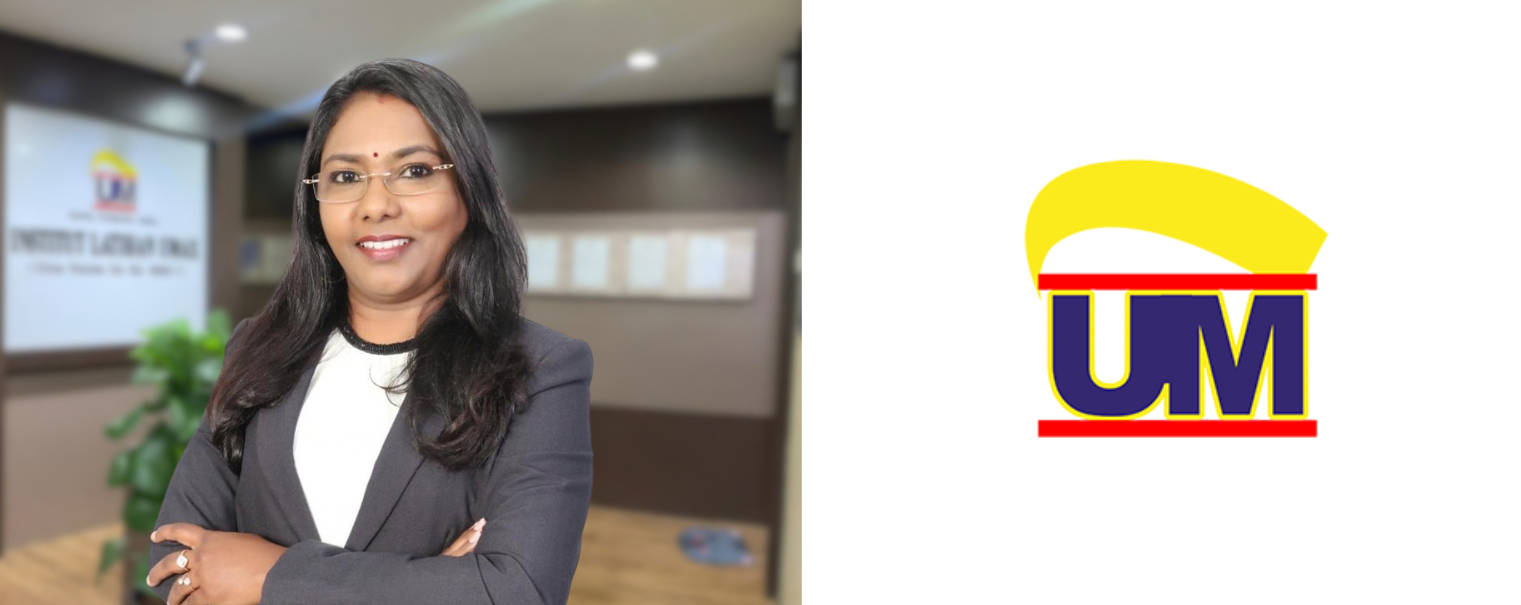
General Manager & Director of DESA 7 Resources (M) Sdn Bhd – Syamil Arib.
Finding those problems before equipment is deployed is the business of DESA 7 Resources (M) Sdn Bhd, better known as DS7.
Established in 2009, the Malaysian company provides certified inspection, maintenance and asset integrity services to the upstream oil and gas sector, operating across Peninsular Malaysia, Borneo and Singapore.
Its role sounds technical because it is. But the underlying proposition is straightforward: determine whether critical equipment is fit for use before it becomes a problem.
DS7 inspects tubulars and rig components, helping customers identify equipment issues early, reduce the risk of failures and downtime, and maintain safer, more reliable operations throughout an asset’s lifecycle.
In an industry built around increasingly sophisticated equipment and enormous capital commitments, that assurance has become progressively more valuable.
The Cost of Finding Out Too Late
When DS7 entered the market, it identified a relatively practical gap: there were limited specialised local providers capable of independently inspecting critical drilling components with the accessibility and responsiveness operators required.
More than 15 years later, the underlying need remains, but expectations have changed considerably.
Customers still need technical competence. Now they also expect speed, traceability, transparency and increasingly digital evidence of what has been inspected and verified.
Inspection itself is becoming more data-driven.
DS7 has consequently been developing digital initiatives that improve the traceability and efficiency of its inspection and verification processes. The objective is not simply to tell a customer that equipment has passed inspection, but to strengthen the information and assurance surrounding that decision.
The company operates with ISO 9001, ISO 29001 and ISO 45001 certifications, supporting its quality, sector-specific and occupational health and safety systems.
For DS7, these disciplines matter because the product it ultimately sells is confidence.
Why Being Cheaper Isn’t Enough
Growth has introduced another reality: competing on price becomes increasingly difficult as operations become more sophisticated.
DS7 does not necessarily see that as a disadvantage.
As upstream operations become more complex, the consequences of poor execution increase. The competitive conversation therefore shifts from the lowest inspection price towards reliability, safety, uptime and quality.

It is a trade-off familiar across industrial services.
A cheaper service can appear attractive when viewed as a line item. Its economics look rather different if inadequate execution contributes to disruption later.
DS7 has therefore chosen to stay close to its core technical expertise rather than diversify aggressively into unrelated businesses.
Its definition of growth centres on stronger technical capabilities, greater digital maturity and expansion within inspection and asset integrity, including international oil and gas markets.
The company believes credibility is easier to protect when expansion remains anchored to what the organisation knows how to do well.
The Advantage Customers Rarely See
Some of DS7’s differentiation is less technical than might be expected.
The company says customers frequently value its responsiveness: how quickly teams adapt to changing requirements, communicate throughout an assignment and complete inspections without creating an unnecessary coordination burden.
That agility becomes significant in operations where schedules can change quickly and delays cascade through other activities.
Digitalisation is intended to reinforce that advantage by improving visibility, traceability and control.
It also forms part of DS7’s wider approach to ESG.
Rather than treating sustainability purely as a reporting requirement, the company has begun incorporating it into everyday operations.
Environmental initiatives include reducing waste and managing electricity and fuel consumption. On the social side, DS7 continues to invest in employee training and development, educational contributions, CSR activities and employee engagement.
Governance measures include more structured customer feedback and complaints management, stakeholder feedback, risk management and greater ESG awareness internally.
The common thread is operational discipline.
For DS7, responsible growth means that becoming larger cannot come at the expense of how safely or transparently the company operates.
An Oil and Gas Company Preparing for What Comes After
There is, however, a larger question hanging over almost every company whose expertise has been built around hydrocarbons: what happens as the energy system changes?
DS7 is not abandoning oil and gas.
Quite the opposite. It intends to deepen its inspection and asset integrity capabilities within the upstream sector and expand its presence beyond Malaysia into Southeast Asia.
But management is also beginning to explore opportunities in renewable energy and adjacent sectors.
The strategy is gradual rather than abrupt.
Instead of chasing diversification for its own sake, DS7 wants to determine where the technical disciplines it has developed — inspection, verification, safety and asset integrity — can remain relevant as the energy landscape evolves.
That transition will demand internal changes.
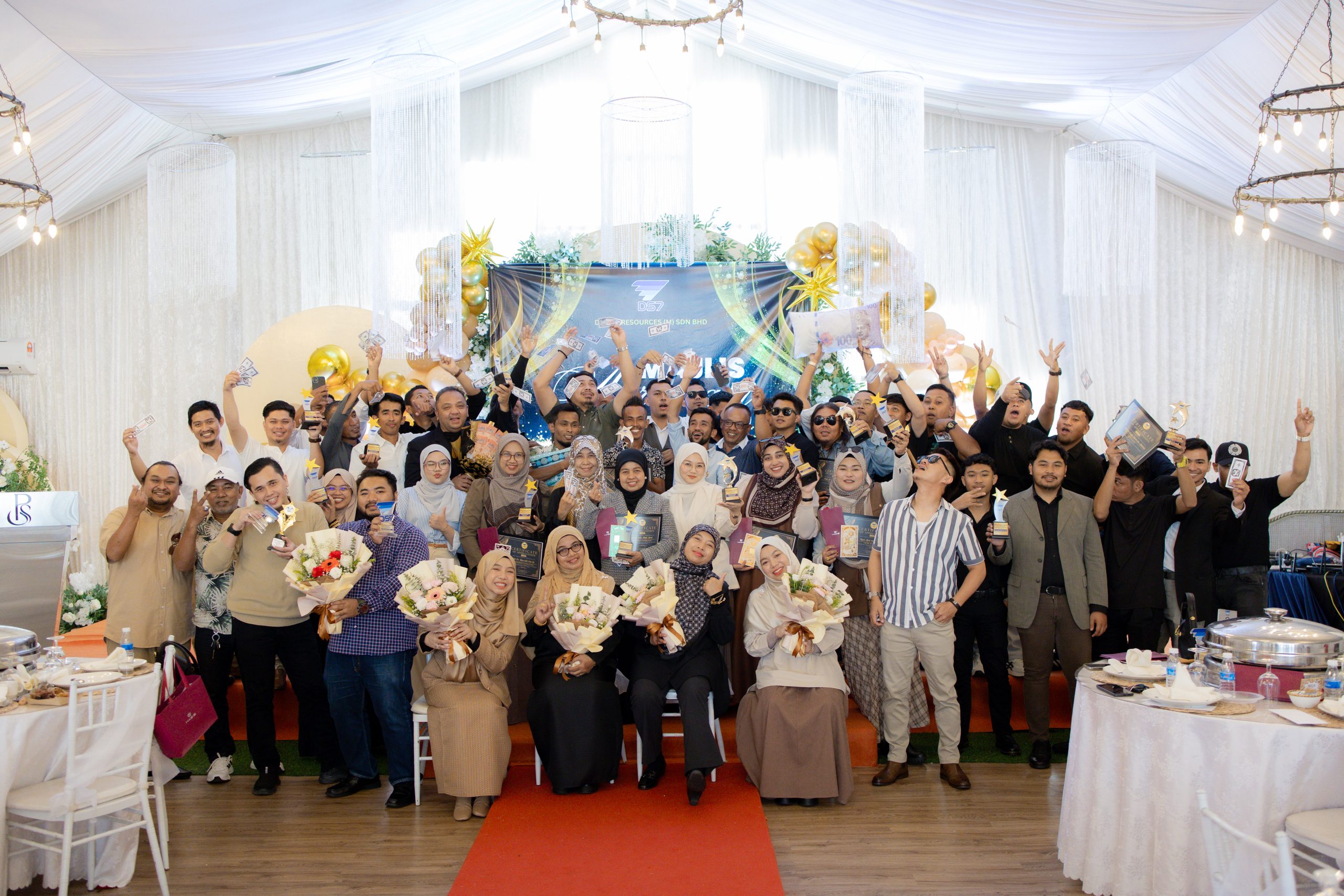
Processes will need to become more standardised if DS7 is to deliver consistent quality across multiple countries. Technical and leadership capabilities will have to deepen. Digital systems and governance structures will need to support a larger and geographically broader organisation.
In other words, regional expansion will depend as much on what happens inside DS7 as where it goes next.
There is an interesting irony to the company’s position.
Its business has been built on finding weaknesses before they become failures. Now DS7 is applying a similar philosophy to itself: strengthening systems, developing people and preparing for changes in the energy market before they become urgent.
The oil and gas industry may be changing, but equipment will still need to work, infrastructure will still need to be trusted and increasingly complex energy assets will still need to be inspected.
For DS7, that creates a path forward.
Because whether the asset belongs to today’s energy industry or tomorrow’s, someone still has to find the problem before the problem finds everyone else.