asia

News

Japan Will Not Use US Treasury Holdings as Leverage in Tariff Talks

TOKYO: Japan has stated that it will not use its holdings of US Treasury bonds as a bargaining chip in upcoming trade talks with the United States, scheduled for April 17. This follows concerns regarding Japan’s potential role in leveraging its bond holdings to counter the tariffs imposed by the US. Itsunori Onodera, policy chief of Japan’s ruling Liberal Democratic Party, reassured the public during an interview on NHK on Sunday, stating, “As an ally, we would not intentionally take action against US government bonds, and causing market disruption is certainly not a good idea.” Last week, a significant pullback from US Treasuries contributed to a sharp rise in long-term yields, marking the largest increase since the pandemic in 2020. This sparked speculation among investors that global reserve managers, including China, might reconsider their positions in US government debt, influenced by the US’s trade policies under President Donald Trump. The timing of these concerns is critical, as Japan is seeking an exemption from the reciprocal tariffs that went into effect on April 9. At the same time, the US is pushing for concessions on agricultural products and liquefied natural gas (LNG). Japan, historically a close ally of the US, is facing a 24% tariff, with its auto industry – a key sector in its economy – being subject to a 25% tariff. Onodera indicated that Japan would address the issue of US tariffs at the World Trade Organization (WTO) and emphasized Japan’s commitment to strengthening cooperation with regional neighbours, particularly those affected by the high tariffs. Japan plans to enhance its role in the Association of Southeast Asian Nations (ASEAN) to strengthen regional ties.–BLOOMBERG

News

China’s Trade Minister Warns US Tariffs Could Trigger Humanitarian Crisis

 Chinese Trade Minister Wang Wentao has warned that the United States’ ongoing tariff measures could inflict significant damage on developing nations, potentially triggering a humanitarian crisis. In a video call with Ngozi Okonjo-Iweala, the Director-General of the World Trade Organization (WTO), Wang said that the continued introduction of tariffs by the US poses severe risks to the global economy, particularly affecting the least developed countries (LDCs). He argued that these nations stand to face the worst consequences from such protectionist measures. Wang emphasised China’s determination to take “decisive countermeasures” to protect its legitimate rights and interests, while upholding fairness and justice within the international community. He also reiterated China’s stance against unilateralism and protectionism, calling on WTO members to come together in promoting open cooperation and multilateralism. During a separate call with Brazil’s Minister of Development, Industry, Foreign Trade, and Services, Geraldo Alckmin, Wang discussed strengthening economic and trade ties between China and Brazil in light of the tariffs imposed by the US. Both sides explored ways to mitigate the effects of these tariffs and enhance their collaboration to ensure mutual benefit. China’s concerns over the US tariff policies have grown amidst rising global economic tensions, with the trade war between the two superpowers showing no signs of abating. The US tariffs have affected a wide range of industries and goods, and China’s calls for multilateral cooperation reflect a desire to maintain global economic stability amid escalating trade disputes. As the trade landscape shifts, China is determined to leverage its position and resources to counter the adverse effects of protectionism and strengthen international partnerships.–BLOOMBERG

News

Taiwan Begins Tariff Talks with US

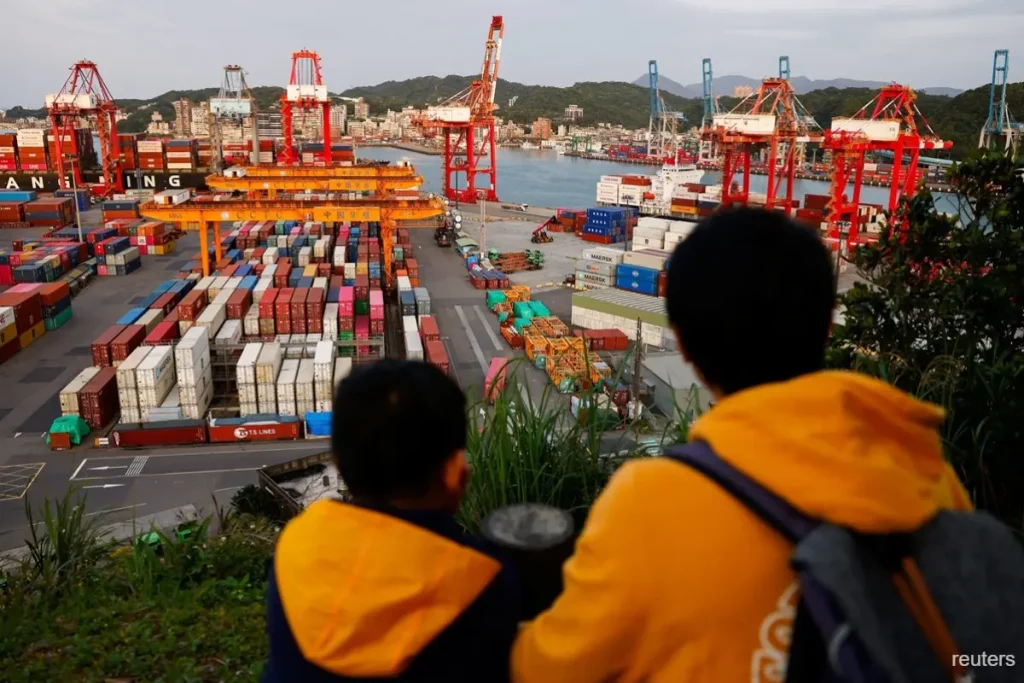
TAIPEI:  Taiwan has held its first round of tariff negotiations with the United States, with both sides expressing interest in continuing discussions in the near future, the island’s government announced today. The talks come as Taiwan, a globashortlyl leader in semiconductor manufacturing and home to industry giant TSMC, faces a 32% tariff on its exports to the US. While labelling the duties as unfair, Taiwan moved swiftly to engage with Washington, proposing a zero-tariff regime alongside increased purchases and investment in the United States. According to a statement by Taiwan’s Office of Trade Negotiations, officials from both sides conducted the discussions via video conference, though the identities of the US participants were not disclosed. The dialogue focused on reciprocal tariffs, non-tariff trade barriers, and broader economic concerns — including export controls. “Both sides look forward to conducting follow-up consultations in the near future and jointly building a strong and stable economic and trade relationship between Taiwan and the US,” the office said. The US Trade Representative’s office has yet to comment, with the request for a statement made outside of Washington’s regular working hours. Earlier this week, US President Donald Trump announced a temporary easing of the newly imposed tariffs on numerous countries, while intensifying trade pressure on China. Taiwan has long sought a formal free trade agreement with the US, its key international supporter and arms supplier, despite the absence of official diplomatic relations. These latest talks mark a significant step in that direction. The island continues to face rising military and political pressure from China, which claims Taiwan as part of its territory. Taiwan’s government firmly rejects these claims, asserting that only the island’s people have the right to determine their future.–REUTERS

News

China Escalates Trade War with US, Raising Tariffs to 125%

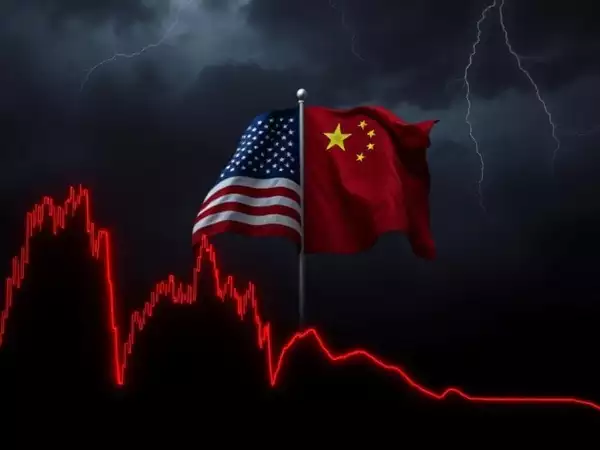
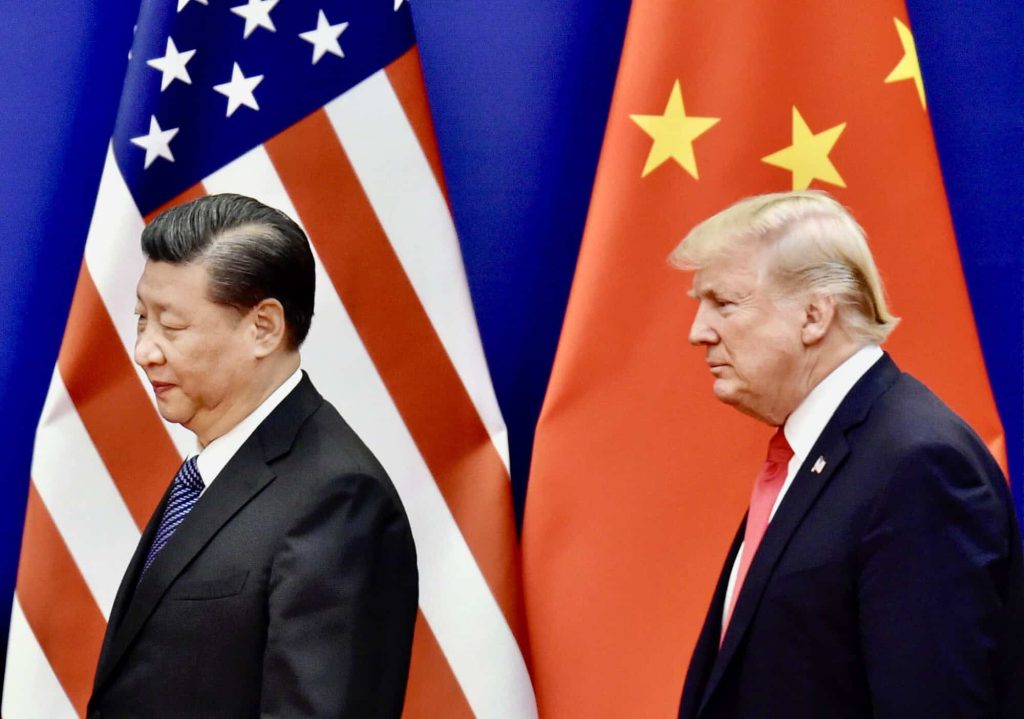
In a bold move responding to the US’s ongoing tariff increases, China has announced it will raise tariffs on all US goods from 84% to 125%, effective April 12, 2025. This decision follows the White House’s recent clarification that tariffs on Chinese imports had reached 145%, further escalating trade tensions between the two countries. The Chinese Ministry of Finance made the announcement on Friday, stating that this latest increase is a direct response to the US’s decision to impose higher tariffs. The Chinese government also made it clear that it would no longer entertain any additional US tariff hikes, signaling that further increases from Washington would be disregarded entirely. According to the statement, the Chinese market can no longer accommodate US goods under the current tariffs, and the situation has become economically unviable for both sides. “Given that there is no longer any possibility of market acceptance for US goods exported to China under the current tariff levels, if the US side subsequently continues to impose tariffs on Chinese goods exported to the US, the Chinese side will pay no attention to it,” the Ministry of Finance stated. The move comes amidst rising frustrations over the ongoing tariff war, which has already put significant pressure on global trade. China’s decision to raise tariffs has had an immediate impact on financial markets. S&P 500 futures saw a decline, while the Hang Seng China Enterprises Index pared back its earlier gains. The US dollar also extended its losses, reflecting investor unease following China’s announcement. In a statement responding to the US’s recent tariff hikes, China’s Commerce Ministry expressed deep dissatisfaction with Washington’s approach, calling the actions economically meaningless and accusing the US of using tariffs as a “tool for bullying and coercion.” The ministry labeled the current situation as a “joke,” criticizing the US for treating tariffs as part of a “numbers game” that has little bearing on actual economic impact. This escalation in the trade war has significant implications not just for the US and China, but for the broader global economy. While the US has raised tariffs on Chinese goods to 145%, China’s new tariff rates on US goods will only intensify the already strained relations between the world’s two largest economies. The dispute is not only about trade imbalances but also the strategic competition between the two nations, particularly in the areas of technology, intellectual property, and geopolitical influence. Both countries have long used tariffs as leverage in negotiations, but with no immediate resolution in sight, the escalating tariffs are expected to have lasting effects on global supply chains, businesses, and consumers worldwide.–BLOOMBERG

News

Why Trump’s Made-in-America iPhone Dream Faces Impossible Odds

WASHINGTON: US President Donald Trump’s ambition to see iPhones manufactured on American soil is clashing with the stark realities of global supply chains and decades of industrial evolution. Although Apple Inc. has pledged to invest US$500 billion in the US over the next four years and the Trump administration plans to impose tariffs of up to 145% on Chinese imports, experts say the idea of domestically produced iPhones remains unrealistic in the foreseeable future. The US lacks the complex ecosystem that supports iPhone production—one that includes a vast network of specialised suppliers, engineering talent, and logistical infrastructure found in Asia, particularly China. “Boston is over 500,000 people. The whole city would need to stop everything and start assembling iPhones,” said Matthew Moore, a former Apple manufacturing engineer. “Millions of people are employed by the Apple supply chain in China.” The Scale Problem Apple’s Chinese manufacturing facilities are enormous. The Zhengzhou complex, dubbed “iPhone City,” employs hundreds of thousands and operates like a self-contained town—with dormitories, schools, gyms, and hospitals. Replicating such a setup in the US would be unprecedented. Meanwhile, Apple’s partners are building the world’s second-largest iPhone facility in India. The country is rapidly becoming a key production hub, now producing an estimated 35 million iPhones a year, enough to meet a large share of US demand. Skills Gap and Supply Chain Challenges Apple CEO Tim Cook has long argued that China’s advantage lies not in low labour costs, but in its concentration of skilled engineers and tooling experts. As early as 2017, Cook pointed out that the US lacked the number of tooling engineers needed even to fill a room, while China could fill football fields. Moreover, Apple’s complex supply chain relies on thousands of components and partners primarily based in Asia. Even the Mac Pro, assembled in Texas, relies on parts manufactured in China. Automation Isn’t the Answer – Yet While some suggest that Apple could sidestep labour shortages by building a fully automated, robotic plant in the US, industry experts say automation can’t yet match the adaptability or precision of human workers—especially when product designs and materials are constantly evolving. “You design the thing, rebuild the factory, and then you only have six months to sell it,” said a source familiar with Apple’s supply chain. “The pace of change makes it so much harder to automate.” Diversification, Not Repatriation Apple has been steadily reducing its reliance on China, shifting some production to countries like Vietnam, Malaysia, and Thailand—for devices like AirPods, Macs, and iPads. But for the iPhone, which sells over 220 million units annually and comes in multiple configurations, China’s scale remains unmatched. Even in India, Apple’s largest alternative production site, it has taken a decade to reach meaningful output levels. For now, while Indian-made iPhones are increasingly shipped to US shelves to circumvent tariffs, the dream of a fully American-made iPhone remains just that—a dream.–BLOOMBERG

News

Jack Ma: AI Should Empower, Not Replace, Humanity

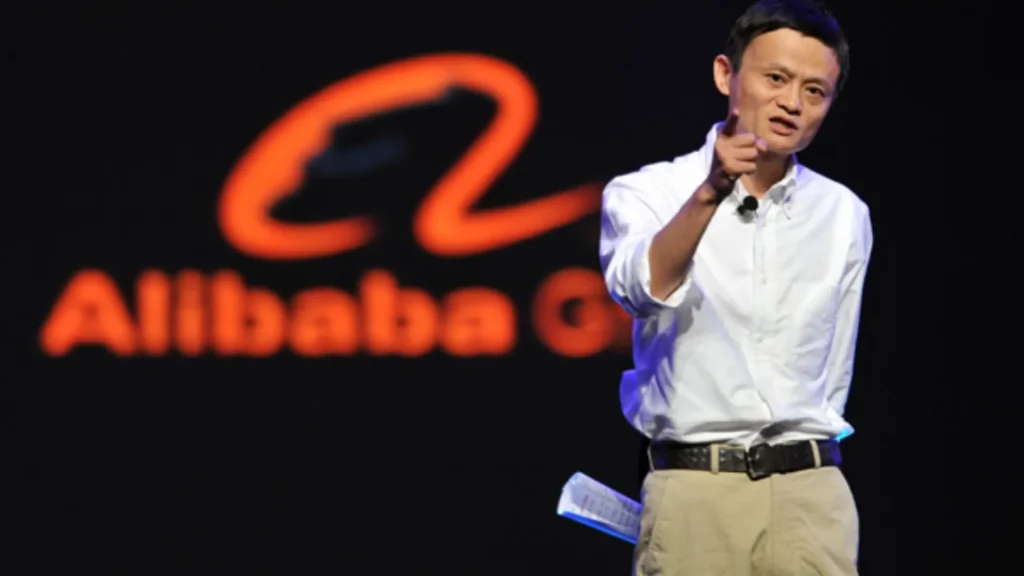
HANGZHOU: Alibaba co-founder Jack Ma has reaffirmed his long-held view that artificial intelligence (AI) should serve human interests—not replace them. In a rare public appearance at Alibaba Group’s headquarters on Thursday, the Chinese tech mogul urged technologists to ensure AI remains a tool that empowers people rather than a force that threatens livelihoods. “We’re not trying to make machines more like humans,” Ma said. “We’re trying to make them understand humans—to think like us and do things we can’t.” Addressing employees at the company’s Hangzhou campus, Ma emphasised the ethical responsibility of developers to align AI advancements with human values and societal needs. He described AI not as a threat, but as a powerful enabler when used appropriately. “Technology isn’t just about conquering the stars and the oceans,” he said. “It’s about preserving the spark among all of us.” Alibaba, once best known for dominating China’s e-commerce market, has shifted its focus sharply towards AI innovation. Its Qwen AI model series has received industry recognition, positioning the company alongside global leaders such as OpenAI and China’s Deepseek. In February, Alibaba CEO Eddie Wu announced the company’s strategic pivot toward artificial general intelligence (AGI), aiming to develop AI systems with capabilities comparable to human intellect. Ma’s latest remarks come as China repositions its private sector to spur economic recovery. Once at odds with regulators over industry reform, Ma has recently resurfaced in both corporate and national forums. He joined other entrepreneurs in February for a high-profile meeting with Chinese President Xi Jinping to discuss technology and innovation—signalling renewed state support for private enterprise. Though Ma stepped back from public life in recent years, Thursday’s appearance rekindled echoes of his visionary leadership. His message was clear: the future of AI should be grounded in compassion, creativity, and service to humanity.–BLOOMBERG

The Executives

Compliance or Chaos? How Fintechs Can Stay Ahead in APAC

In a recent interview with The Exchange Asia, Damien Gough, Head of Asia Pacific at Thredd, highlighted the challenges fintech companies face in staying compliant across APAC’s diverse regulatory landscape. The region’s financial regulations are evolving rapidly, yet unlike the European Economic Area’s (EEA) “Passporting” arrangement, APAC lacks a unified framework. This forces fintechs to adapt to varying financial laws, data privacy regulations, and Know Your Customer (KYC) requirements in each market. One of the biggest hurdles fintech companies face is compliance with anti-money laundering (AML) and fraud prevention measures. Authorities in markets like Singapore have ramped up enforcement, issuing hefty fines for non-compliance. Cross-border payments also add complexity, as many fintechs still rely on outdated infrastructure while navigating country-specific regulations. Despite the rise of real-time payment systems, the industry continues to grapple with inefficiencies, making compliance a moving target. “Fintechs need to adopt newer technologies and regulatory tools that ensure compliance while delivering efficient services across jurisdictions,” says Gough. Recognising these challenges, Thredd has developed a suite of compliance and risk tools designed to support fintechs in meeting regulatory requirements efficiently. The platform incorporates fraud and scam transaction monitoring powered by AI, helping businesses detect suspicious activities in real-time while minimising reputational risks. Automation tools further simplify compliance tasks, reducing the need for excessive manual oversight. Additionally, Thredd streamlines dispute and chargeback management, ensuring fintechs remain compliant while operating seamlessly across different jurisdictions. For fintechs expanding in APAC, flexibility and adaptability are essential. “Partnering with companies like Thredd, which provide next-gen compliance tools, allows fintechs to automate compliance tasks and stay ahead of regulatory changes,” Gough explains. Establishing strong relationships with regulators and industry stakeholders is equally crucial. Thredd’s existing connections with local BIN Sponsors in key APAC markets help fintechs partner with licensed issuers, reducing market entry timelines by over a year in some cases. Cloud-based platforms and modular microservices tailored to local regulations further facilitate market integration, allowing fintechs to scale efficiently. While regulation can be perceived as a hurdle, it also presents an opportunity. “Regulation can be both a hurdle and an opportunity,” Gough notes. “Fintechs that embrace regulation early on can avoid the pitfalls of global scandals like FTX and Wirecard, where lack of oversight led to significant losses and reputational damage. Compliance-first fintechs position themselves as trustworthy partners, enhancing customer retention and growth.” A strong compliance framework builds trust among customers, regulators, and partners, positioning fintechs for long-term success. Regulators across APAC are increasingly embracing AI and automation as critical tools for fraud prevention and compliance. Markets like Singapore and Hong Kong recognise AI’s potential to enhance transaction monitoring, a key aspect of AML and KYC compliance. However, authorities also stress the importance of transparency in AI decision-making to prevent bias and ensure accountability. “Regulators in markets like Singapore and Hong Kong view AI as a valuable compliance tool, but they also stress the need for transparency in decision-making to mitigate bias and prevent ‘black-box’ models that are difficult to audit,” says Gough. The rise in financial fraud and scams has led to new regulatory measures, including Singapore’s Shared Responsibility Framework (SRF) and Australia’s Scams Prevention Framework Act 2025, which emphasise real-time monitoring and accountability. The tightening of regulations in APAC has been influenced by global financial scandals, prompting authorities to strengthen oversight. In response to cases like Wirecard and FTX, regulatory bodies in Singapore and Hong Kong have ramped up AML enforcement and introduced stricter digital asset frameworks to maintain financial stability. “In Singapore, enforcement actions against AML breaches have increased, and regulators in Hong Kong and Singapore are strengthening their frameworks for digital assets to ensure financial stability,” Gough highlights. Despite growing regulatory pressures, many fintech startups still make the mistake of neglecting compliance early on. Some underestimate the complexity of financial regulations, leading to costly penalties and operational setbacks. “Investing in robust compliance tools and legal expertise early on can help fintechs avoid these pitfalls,” Gough advises. Additionally, failing to update systems in line with evolving regulations can leave fintechs vulnerable to compliance risks. “Working with a trusted payments partner, like Thredd, ensures fintechs stay compliant with the latest standards and requirements.” Thredd plays a vital role in helping fintechs navigate these challenges by offering fraud monitoring, scam transaction detection, and 3D Secure solutions that simplify compliance across multiple jurisdictions. “Our solutions are integrated with our platform to ensure full compliance across multiple jurisdictions. We also offer scalable, cloud-based services tailored to local regulatory requirements, allowing fintechs to expand efficiently while remaining compliant,” Gough explains. APAC’s fintech industry has undergone a significant transformation over the past two decades, evolving from expanding banking access to driving innovation in payments, lending, insurance, and wealth management. The future of fintech in the region will revolve around digital assets, blockchain, and AI integration. “The future of fintech in APAC will revolve around digital assets, blockchain, and AI integration. These technologies will facilitate low-cost cross-border payments and real-time settlements as regulatory frameworks mature,” Gough predicts. For fintechs looking to scale while staying compliant, the key is to integrate regulatory adherence into business operations from day one. “My advice is simple: invest in the right technology and integrate compliance into your business from day one,” Gough emphasises. “Fintechs that establish scalable, compliant systems early on are the ones that succeed. Automated fraud detection, real-time monitoring, and regulatory reporting infrastructure will make regulatory navigation much smoother.” Embedding compliance into a company’s DNA not only ensures regulatory adherence but also strengthens its position in an increasingly competitive fintech landscape.

News

Japan’s Nikkei Soars Nearly 8% as Trump Suspends Tariffs

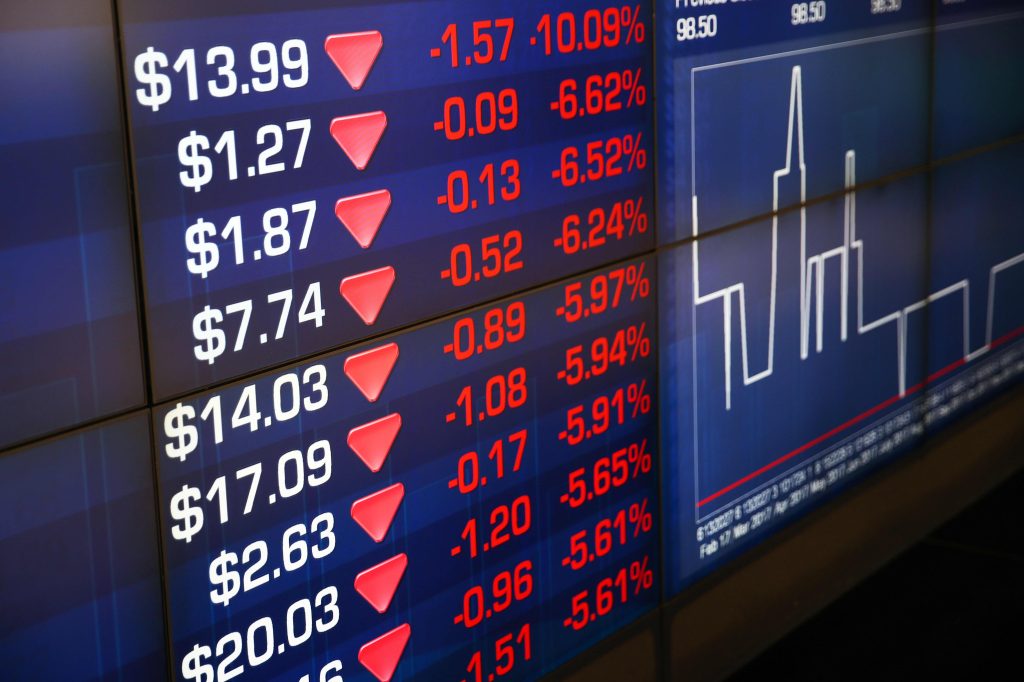
TOKYO: Japan’s Nikkei 225 surged 7.9% to close at 34,226.17 on Thursday, buoyed by investor relief following US President Donald Trump’s surprise announcement of a 90-day suspension on newly imposed tariffs. The broader Topix index also climbed 7.2% to 2,518.26, as nearly all sectors rebounded sharply. The rally marks a dramatic turnaround after a week of heightened market volatility. On Monday, the Nikkei plunged 7.8% to a one-and-a-half-year low, before rebounding 6% on Tuesday, then falling another 4% on Wednesday. Thursday’s recovery was fueled by a strong overnight performance on Wall Street, where the S&P 500 posted a 9.5% gain — its biggest single-day increase since 2008. Market analysts attributed the rebound to investor optimism that the tariff pause could soften geopolitical tensions and reduce headwinds for global trade. “Investors were quick to buy back into the market, likely regretting the heavy selling earlier in the week,” said Seiichi Suzuki, Chief Equity Market Analyst at Tokai Tokyo Intelligence Laboratory. “The sharp rebound also shows the market had overreacted to the initial tariff announcement.” Fast Retailing, the parent company of Uniqlo, rose 7.2%, providing a strong lift to the benchmark index. Chip-related stocks also posted outsized gains, with Tokyo Electron jumping 11.77% and Advantest surging 13.66%, buoyed by renewed investor confidence in the tech sector. All 33 industry sub-indexes on the Tokyo Stock Exchange gained, with the nonferrous metals sector leading the rally with a 12.65% increase. The banking sector, which had been heavily sold off amid recession concerns, bounced back with a 9.2% gain. Morgan Stanley analysts said the tariff suspension is particularly bullish for Asian markets, with Japan standing out due to its strong reflationary fundamentals. “Japan had come closest to pricing in a recession among major Asian markets,” the investment bank noted in a research update. “This policy reversal unlocks significant upside potential.” Of the 225 constituents on the Nikkei, all but one registered gains. On the Tokyo Stock Exchange’s Prime Market, 99% of stocks advanced, underscoring broad-based investor confidence and renewed momentum in Japanese equities.

News

China, Japan, South Korea Meet in Kuala Lumpur. Likely to discuss US Tariffs, Countermeasures

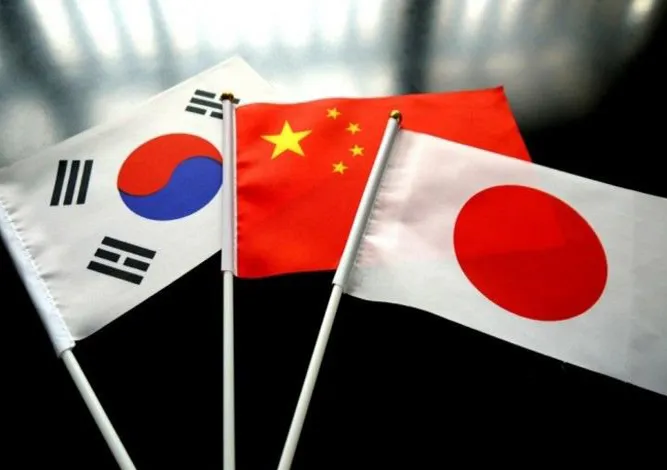
KUALA LUMPUR: China, Japan and South Korea, which have signalled alliances since the announcement of sweeping US tariffs, held their second trilateral meeting in just eight days after their first engagement this year, reflecting the urgency as Washington’s move has caused ripple effects globally. The meeting between the three economic powerhouses on March 30 came under the spotlight after the US President announced a baseline tariff of 10 per cent on all countries, with higher duties for some, including China, which now faces a 34 per cent tariff on imports, and Japan, hit with a 24 per cent duty. As for South Korea, it is bidding to lower the 25 per cent tariff rate. It is understood the meeting raised concerns over global and their respective economic outlooks, as tariff policies such as this hurt trade, business and consumer confidence, and ultimately strain diplomatic ties. Global markets took a route on Monday, reportedly wiping out more than US$10 Trillion from major markets. The Malaysian bourse reportedly lost RM93.15 Billion in market capitalisation. The trilateral meeting, held on the sidelines of the 12th ASEAN Finance Ministers’ and Central Bank Governors’ Meeting (AFMGM), saw the attendance of China Vice Minister of Finance, Liao Min; Japan’s Vice Minister of Finance, Atsushi Mimura; and South Korea’s Deputy Minister for International Affairs, Ministry of Economy and Finance, Choi Jiyoung. The three leaders are also likely to attend two  sessions of the ASEAN +3 Finance and Central Bank Deputies Meeting (AFCDM+3) today. This latest US move is expected to raise the total duties on Chinese goods to %$ per cent this year, while for South Korea, the Trump administration’s global reciprocal tariffs chart shows a 25 per cent rate. In response, China has fired back with retaliatory tariffs of 34 per cent on all US imports, effective April 10, according to international media reports. The +3 economies had previously convened in late March and hinted at a joint response to the escalating tariff tensions. The meeting marked the first economic dialogue in five years among the three Asian export powerhouses, who are seeking to bolster regional trade amid mounting US protectionism. At the March 30 meeting in Seoul, China, Japan and South Korea reaffirmed their commitment to trilateral economic and trade cooperation to tackle “emerging challenges”— a partnership now seen as increasingly vital in light of the US measures that have sparked fears of a global trade war. The three nations also agreed to accelerate negotiations on a trilateral free trade agreement, though concrete progress remains elusive. — BERNAMA

Investment & Market Trends, News

Foreign Investors Pull RM31.68b from Asian Markets Amid US Tariff

KUALA LUMPUR: Foreign investors turned net sellers across eight Asian markets last week, recording a significant outflow of US$7.12 billion (RM31.68 billion), reversing the prior week’s inflow streak, according to MIDF Amanah Investment Bank Bhd. South Korea saw the heaviest withdrawals, with a net outflow of US$4.44 billion — nearly 20 times the previous week — driven by political instability following President Yoon Suk Yeol’s impeachment and newly announced US tariffs of up to 26%. India followed with US$1.21 billion in outflows, after US President Donald Trump’s announcement on April 2 of a 10% baseline tariff and a 27% tariff specifically targeting Indian goods, effective April 9. Taiwan experienced its sixth straight week of outflows at US$814.6 million, amid concerns over a 32% reciprocal tariff on Taiwanese imports to the US. Other notable outflows included: Vietnam: US$345 million (9th consecutive week), impacted by a 46% tariff Thailand: US$202.4 million (6th week), impacted by a 36% tariff Philippines: US$14.9 million (2nd week) Indonesia: No fund flows recorded due to Hari Raya market closures On Bursa Malaysia, foreign investors marked their 24th straight week of net selling with an outflow of RM426.6 million, although this was lower than the previous week’s RM1.15 billion due to two days of market closure for Hari Raya. Local institutions continued to absorb the outflows with RM369.1 million in net buying, while retail investors returned as net buyers with RM57.5 million in inflows. Participation levels declined across the board, with foreign and institutional trading volumes down 11.7% and 28.8%, respectively. Local retail activity saw a marginal increase of 2.2%. — BERNAMA

Scroll to Top

Subscribe
FREE Newsletter