international

News

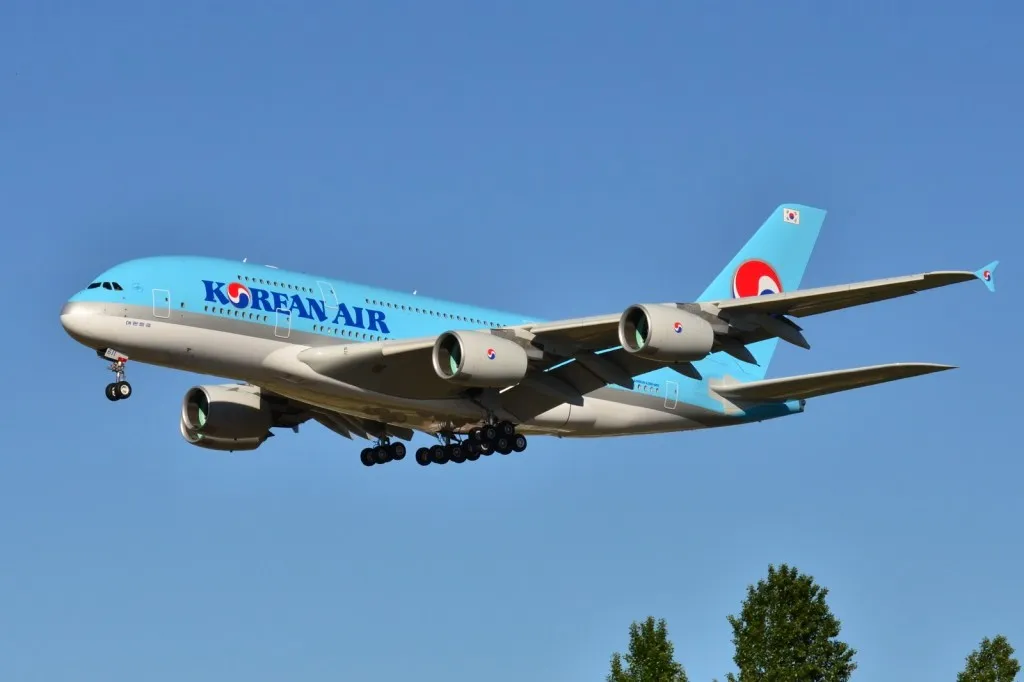
Korean Air Reports 4% Decline in Q2 Cargo Revenue Amid US Tariff Disruption

Korean Air has reported a 4 per cent decline in cargo revenue for the second quarter of its financial year, attributing the decrease to continued market volatility, largely influenced by changes in United States tariff policies. The South Korean flag carrier, also one of Asia’s leading air freight operators, noted that its cargo segment had previously enjoyed consistent annual growth driven by a surge in e-commerce shipments from China. In the same quarter last year, cargo revenues had increased by 14 per cent year-on-year, marking a sustained upward trend until this latest reversal. Recent disruptions stem largely from a shift in US trade policy. According to data cited by Reuters, air cargo volumes from Asia to the United States dropped sharply in May following the removal of a tax-free exemption for low-value packages from China. The move significantly impacted cross-border e-commerce shipments, a key revenue stream for Korean Air’s cargo division. In a statement, Korean Air said it responded to the challenging environment by broadening its cargo portfolio and prioritising high-yield shipments. The airline highlighted increased focus on sectors such as semiconductors, batteries, solar cells, and seasonal perishables to cushion the effects of declining e-commerce volumes. Despite the contraction in cargo performance, the company’s total revenue remained steady compared to the same quarter a year earlier, standing at 4 trillion won (approximately US$2.90 billion). However, operating profit declined by 3.5 per cent, with the airline citing rising personnel and depreciation costs as offsetting the benefit of lower fuel prices. Korean Air completed its acquisition of Asiana Airlines last year in a US$1.30 billion deal, positioning it among the largest carriers in Asia by capacity and market share. -Reuters

News

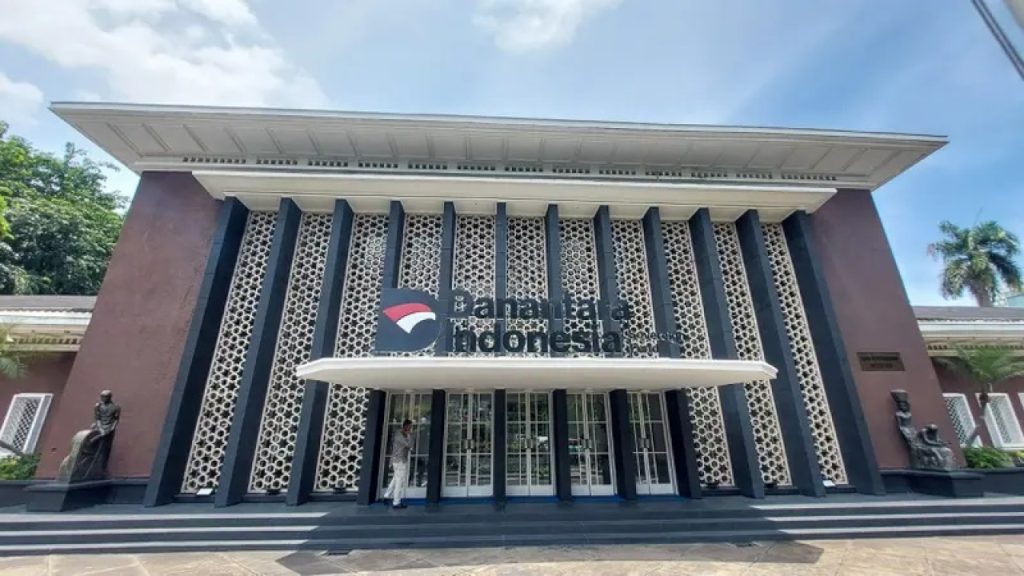
Danantara to Tap US$3 Billion from Landmark US$10 Billion Credit Line for Strategic Projects

Danantara, Indonesia’s newly established sovereign wealth fund, is expected to draw down an initial US$3 billion from a US$10 billion credit line secured through a consortium of international banks, according to sources with direct knowledge of the matter. The financing arrangement, sourced from five foreign banks, marks the first instance of private sector funding for Danantara and is set to become the largest facility of its kind disbursed in Southeast Asia by private banks, should it be fully utilised. Danantara, formally known as Daya Anagata Nusantara, was launched in February and oversees assets exceeding US$900 billion. This development aligns with President Prabowo Subianto’s ambitious economic strategy to accelerate Indonesia’s GDP growth to 8 percent—up from the current rate of 5 percent. The fund is envisioned as a key vehicle for driving large-scale investments and catalysing economic transformation across the archipelago. Among the first investment initiatives supported by the facility is a US$800 million chlor-alkali and ethylene dichloride plant, developed by petrochemical group Chandra Asri Pacific. The facility is expected to contribute to key downstream sectors, including water treatment, soap, alumina, and nickel production. Danantara and the Indonesia Investment Authority previously signalled potential participation in the project in a joint statement issued in June. Additionally, Danantara has signed separate co-investment agreements with the Qatar Investment Authority and China Investment Corporation earlier this year. However, the specific projects earmarked under these partnerships for funding through the initial drawdown have yet to be confirmed. DBS, HSBC, Natixis SA, Standard Chartered, and United Overseas Bank were named lead arrangers for the US$10 billion facility. These institutions were selected from a competitive pool of 11 international banks that submitted proposals, one source noted. While DBS, Natixis, and HSBC declined to comment, the remaining banks had not responded to inquiries at the time of publication. The credit facility will remain available to Danantara over a three-year term. The interest rate is understood to be on par with yields on Indonesian sovereign bonds. Each participating bank has committed US$1 billion on an unsecured basis, with no requirement for a government guarantee—an unusual feature for transactions of this scale. A source remarked, “Danantara is a sovereign.” In January, Indonesia issued five-year US dollar-denominated sovereign bonds with a 5.30 percent yield, offering a reference point for the pricing of the current facility. While proposals from other foreign lenders were considered, they were ultimately rejected due to their requirement for government backing. As is standard in such syndications, the lead arrangers are expected to engage additional banks to contribute towards the full value of the facility. At present, Danantara has no immediate plans to issue bonds. Danantara did not respond to a request for comment. -Reuters

News

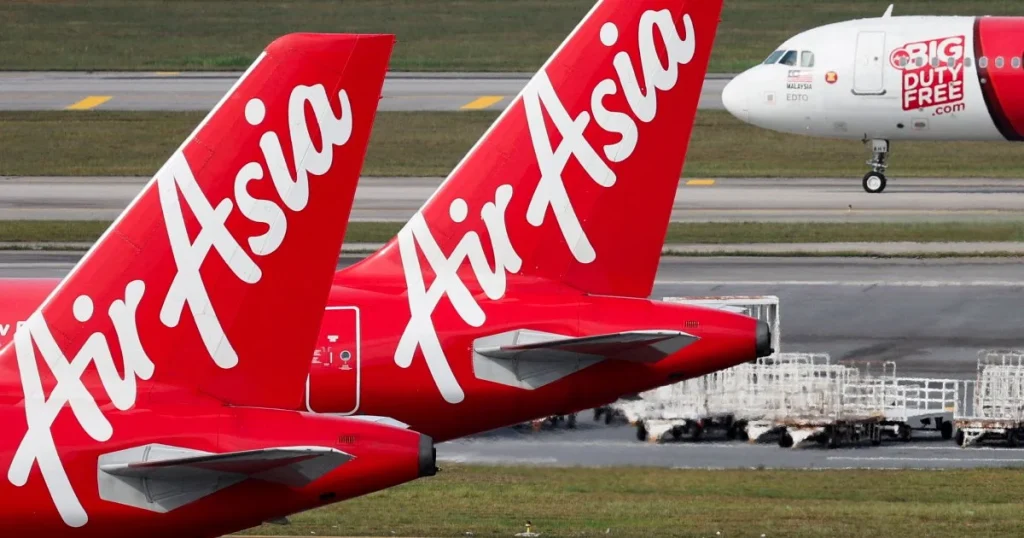
AirAsia Nears Conclusion of Investor Talks as Restructuring Reaches Final Stages

AirAsia is close to finalising discussions with strategic investors as it nears the completion of a major restructuring initiative, according to Deputy Group Chief Executive Officer Farouk Kamal. Speaking at the Reuters NEXT Asia summit on Wednesday, Kamal confirmed the Malaysia-based low-cost airline is advancing towards a pivotal stage in securing new funding and operational consolidation. The carrier, a unit of Capital A Berhad, was designated as financially distressed by Bursa Malaysia in 2022. In response, the group is currently coordinating a RM1 billion (approximately $235 million) equity injection, alongside efforts to finance its substantial aircraft order book. In March, Capital A Group Chief Executive Officer Tony Fernandes stated that the RM1 billion private placement was “done”, although no further details regarding investor identities have been disclosed. He declined to comment on a Bloomberg report that named Saudi Arabia’s sovereign wealth fund as a potential contributor of $100 million. Kamal highlighted that the investment discussions are reaching a comprehensive conclusion, encompassing more than equity alone. “It’s not just from an equity injection perspective, but from an overall transactions perspective,” he said, adding that an official announcement is expected in due course. AirAsia remains one of Asia’s largest low-cost carriers and a major client of Airbus, with approximately 360 aircraft currently on order. The airline further expanded its commitment to the European aircraft manufacturer last Friday by signing a memorandum of understanding to acquire 50 long-range A321XLR aircraft, with conversion rights for an additional 20 units of the same model. As part of the restructuring efforts, Capital A is in the process of divesting its aviation business to long-haul affiliate AirAsia X. The consolidation is intended to unify both long-haul and short-haul services under the AirAsia brand. Fernandes recently reiterated his ambition to remove the group from its financially distressed classification once restructuring measures are finalised. -Reuters

Energy & Technology, Investment & Market Trends

SpaceX Commits $2 Billion to Elon Musk’s xAI in Strategic Investment Push

SpaceX has pledged a significant $2 billion investment in xAI, Elon Musk’s artificial intelligence venture, according to a report published by the Wall Street Journal. The funding forms part of a larger $5 billion equity round and signals a deepening alignment between Musk’s various business interests as xAI scales up to rival OpenAI. The development comes shortly after xAI merged with X, the social media platform also owned by Musk. This consolidation places the valuation of the combined entity at $113 billion. The move underscores Musk’s ambition to integrate AI across his portfolio of companies, with the Grok chatbot—developed by xAI—already deployed to support customer services within Starlink, SpaceX’s satellite internet business. Further applications are under consideration, with Grok expected to play a role in Tesla’s Optimus robot project. Despite attracting criticism over some of Grok’s recent responses, Musk has maintained that it is “the smartest AI in the world.” xAI is continuing to invest heavily in the development of its models and supporting infrastructure in pursuit of that claim. Requests for comment sent to both SpaceX and xAI by Reuters have not yet received a response.

Investment & Market Trends, News

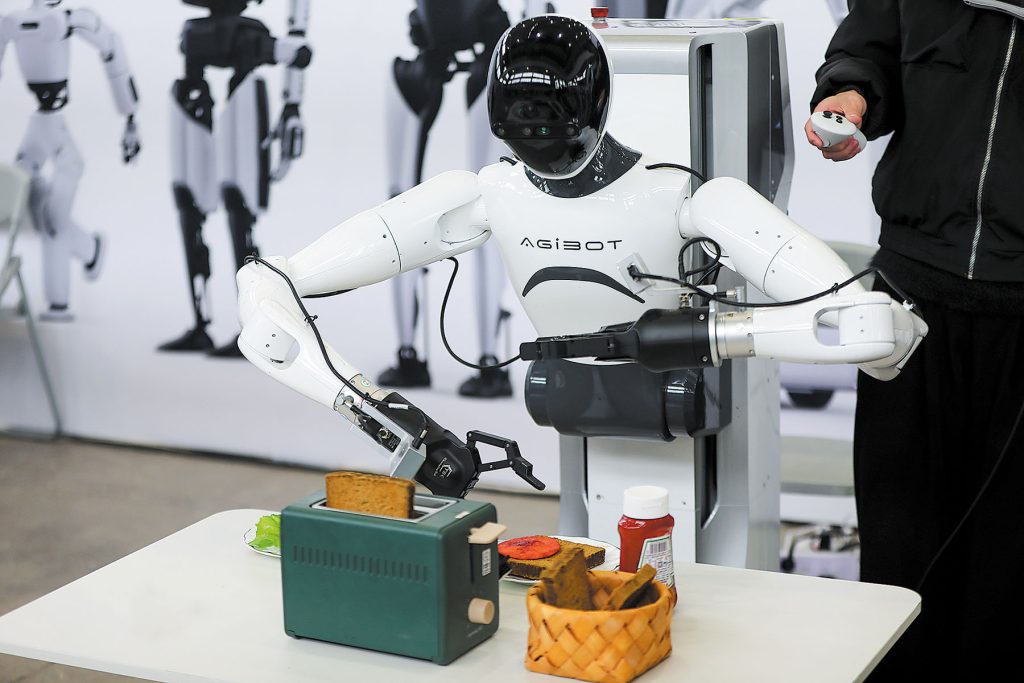
AgiBot Targets Swancor Stake in $279 Million Deal, Signalling Possible Market Entry

Tencent-backed humanoid robot maker AgiBot is seeking to acquire a controlling stake in Swancor Advanced Materials, a Shanghai-listed manufacturer, in a move widely seen as a potential precursor to a back-door listing. The start-up, also known as Zhiyuan Robotics, intends to acquire at least 63.62 per cent of Swancor through its affiliates Shanghai Zhiyuan Hengyue Technology Partnership and Shanghai Zhiyuan Xinchuang Technology Equipment Partnership, according to a regulatory disclosure made by Swancor to the Shanghai Stock Exchange on Tuesday. The proposed transaction, valued at approximately 2 billion yuan (US$279 million), would position AgiBot chairman and CEO Deng Taihua as the de facto controller of Swancor. The current controlling shareholders have agreed to relinquish their voting rights, the filing confirmed. Pending approval from Swancor shareholders and the relevant regulatory bodies including the Shanghai Stock Exchange, the deal has triggered considerable market interest. Swancor’s share price surged by the daily limit of 20 per cent to close at 11.21 yuan on Thursday. While AgiBot did not respond to requests for comment, reports from China Securities Journal and Yicai cited the company as denying any intention to pursue a back-door listing through the Swancor deal. Nonetheless, the acquisition underscores the intensifying capital requirements of China’s burgeoning humanoid robotics industry. According to a TrendForce report published in April, six out of 11 domestic humanoid robot firms, including AgiBot, Unitree Robotics, Galbot, Engine AI and Leju Robotics, plan to manufacture over 1,000 units each this year. Following a successful acquisition, AgiBot could raise additional capital and potentially operate under Swancor’s listed ticker. However, AgiBot has pledged not to alter Swancor’s principal business operations or implement major structural reorganisations for at least 12 months, as stated in a separate filing from Swancor on Tuesday. If completed, the deal could enable AgiBot to become the first Chinese humanoid robotics firm to list on the Shanghai market. By comparison, Unitree Robotics is reportedly preparing dual listings in both Shanghai and Hong Kong, while Shenzhen-based UBTech Robotics listed in Hong Kong in 2023. Despite the strategic significance of the Swancor transaction, regulatory challenges remain. AgiBot, established in February 2023, does not currently meet the three-year operational requirement for a reverse initial public offering under Chinese listing rules. The start-up has attracted substantial investment, having completed multiple financing rounds backed by Hillhouse Investment, Tencent, and JD.com. During a funding round in March, AgiBot was valued at over 10 billion yuan. At the time, Yao Maoqing, head of AgiBot’s embodied intelligence division, stated that the company aims to deliver between 3,000 and 5,000 robots in 2025, up from fewer than 1,000 units the previous year. -SCMP

Energy & Technology

Chinese AI Firm Moonshot Launches Open-Source Model Kimi K2

Beijing-based artificial intelligence start-up Moonshot AI has unveiled Kimi K2, its latest open-source AI model, as part of a strategic push to strengthen its position in the increasingly competitive AI development landscape. The launch is aimed at reinforcing Moonshot’s edge over domestic competitors such as DeepSeek and aligning with the growing industry shift toward open-source AI innovation. Kimi K2, built on a mixture-of-experts (MoE) architecture, incorporates a staggering 1 trillion total parameters, with 32 billion activated parameters deployed dynamically based on the task at hand. The MoE framework allows for individual subnetworks – or “experts” – to focus on specific data subsets, a technique that reduces pre-training computation costs while accelerating inference performance. Moonshot has released two distinct open-source versions of Kimi K2. The foundation model, Kimi-K2-Base, is tailored for researchers and developers requiring full control for fine-tuning and bespoke AI applications. Kimi-K2-Instruct, by contrast, has been post-trained for seamless integration into general-purpose chat and autonomous agentic AI systems. Both versions are now available via Moonshot’s web and mobile platforms. The model’s release underscores a broader move within the Chinese AI sector to embrace open-source development. This approach has been rapidly adopted by peers including Zhipu AI, MiniMax, and Stepfun, as well as tech giants such as Alibaba Cloud and Baidu. Open-sourcing AI models not only enhances development efficiency but also broadens access and encourages adoption within both commercial and academic circles. Alibaba Cloud’s Qwen family of AI models has emerged as a global leader in the open-source space. According to a February report from Hugging Face, Qwen powers more of the top 10 open-source large language models (LLMs) worldwide than any other group, surpassing Meta Platforms’ Llama in terms of ecosystem scale. Moonshot’s Kimi K2 arrives in the wake of DeepSeek’s widely noted release of its open-source V3 and R1 models, which demonstrated high performance at significantly lower costs and hardware requirements compared to traditional LLM projects. With Alibaba among its major backers, Moonshot is now positioned to attract increased global attention. According to Moonshot, Kimi K2 demonstrates “advanced agentic intelligence”, enabling it to execute complex, tool-based workflows autonomously. Examples include producing detailed, interactive salary analyses complete with statistical visualisations and web interface generation. The model can also perform dynamic planning tasks, such as organising a travel itinerary to a London Coldplay concert, by interacting across multiple platforms including Gmail, Airbnb, search engines, and online booking systems. Moonshot is also planning to introduce advanced model context protocol capabilities, an open standard that allows AI systems to access and utilise external tools and services more effectively. The company’s API – which is compatible with OpenAI and Anthropic interfaces – is currently priced at 4 yuan (approximately USD 0.56) per million input tokens and 16 yuan per million output tokens. Shortly after Kimi K2’s launch, OpenAI CEO Sam Altman announced a delay in the release of OpenAI’s own forthcoming open-source model, originally expected the following week, citing the need for additional safety testing. -SCMP

Investment & Market Trends

Malaysia Leads Southeast Asia in IPO Market for First Half of 2025, Says Deloitte

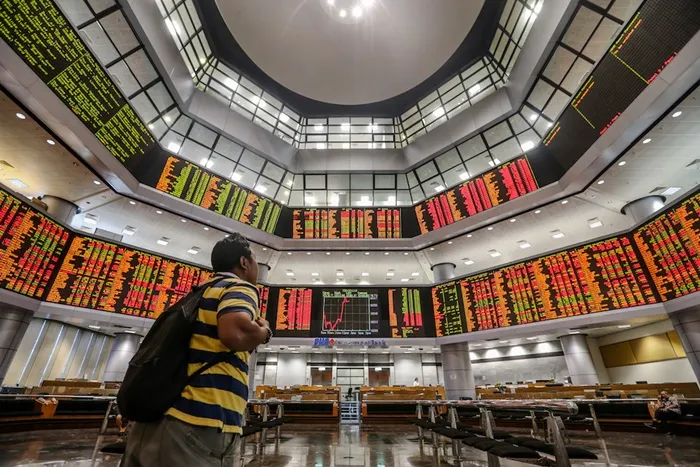
Malaysia has secured its position as the top performer in Southeast Asia’s initial public offering (IPO) capital market for the first half of 2025, accounting for 66 per cent of total IPO proceeds raised across the region. According to Deloitte’s Mid-Year IPO Snapshot 2025 report, the country raised US$940 million out of a regional total exceeding US$1.4 billion. Deloitte noted that Malaysia continued its strong IPO momentum from the previous year, outperforming its regional peers in three critical metrics: total funds raised, market capitalisation, and number of IPOs. Among the standout listings was Eco-Shop Marketing Bhd, a household name that debuted on the Main Market of Bursa Malaysia. The discount retail chain led Malaysian IPO fundraising with US$230 million and saw its share price climb six per cent on the first day of trading. This marks the largest IPO in Southeast Asia so far this year. Malaysia recorded 32 IPOs in the first half of 2025, placing six of them among the region’s top 10 listings. Compared to the same period in 2024, the number of listings increased by approximately 48 per cent, while IPO proceeds rose by around 109 per cent. Notably, total IPO market capitalisation surged by roughly 165 per cent. Across Southeast Asia, there were 53 IPOs in the first half of 2025, raising over US$1.4 billion with a combined market capitalisation of US$7.7 billion. This is slightly lower than the 67 IPOs recorded during the same period in 2024, which raised just under US$1.4 billion with total market capitalisation exceeding US$5.8 billion. Commenting on the outlook, Deloitte Malaysia Transactions Accounting Support partner Wong Kar Choon said the IPO market in Malaysia remains positive for the remainder of 2025. As of 30 June 2025, the country has recorded 32 listings, putting Bursa Malaysia on track to meet its full-year target of 60 listings. However, Wong cautioned that external factors could influence the market trajectory. “The recent US trade tariffs and geopolitical tensions have introduced uncertainty, and we foresee there could be an impact on the IPO market,” he said. “This situation may lead to cautious investor sentiment, with investors possibly favouring lower-risk assets in the near term.” Wong also noted that companies, particularly those reliant on exports and vulnerable to supply chain disruptions and rising costs, may opt to delay their IPO plans amid ongoing market uncertainties. -Bernama

ESG

Building Asia’s Low-Carbon Industrial Future

Asia’s rapid industrialisation has long served as an engine of global economic growth. However, with industry now accounting for nearly one-third of global carbon emissions — and Asia’s share more than doubling over the past two decades — the region must lead the next wave: sustainable industrialisation. As global markets shift towards decarbonisation, the industrial sector must adapt to maintain competitiveness. Governments and enterprises are increasingly investing in low-carbon industrial parks — comprehensive, scalable platforms designed to decarbonise operations and position businesses for sustainable, long-term growth. Sembcorp Industries, a recognised leader in renewables and integrated urban solutions, is at the forefront of this transition. Through its development of next-generation industrial parks, Sembcorp embeds sustainability into each phase — from green master planning and low-carbon construction to clean energy provision and circular utility design. These parks are purpose-built to meet the demands of tomorrow’s low-carbon economy, providing critical infrastructure for industries looking to future-proof their operations. Why Low-Carbon Industrial Parks Are Crucial Decarbonising industry is now a strategic imperative for governments, manufacturers, and investors alike. Across Asia, net-zero commitments are intensifying the need to reduce emissions across both operations and supply chains. Meanwhile, consumer demand for sustainably produced goods is growing, and industrial activity is expanding in emerging markets such as Vietnam and Indonesia, propelled by reshoring, digitalisation, and rising domestic consumption. Low-carbon industrial parks offer a turnkey platform to address these converging trends. By delivering reliable clean energy and shared infrastructure, they help tenants reduce carbon intensity, increase supply chain resilience, and sharpen competitive advantage. These ecosystems also support rigorous environmental, social, and governance (ESG) compliance — a key requirement for global trade and capital access. Moreover, they promote responsible land use, inclusive employment, and long-term resource resilience, reducing pressure on local grids and water systems. Upgrading the Old, Building for the New Many existing industrial zones across Asia were designed with speed, not sustainability, in mind. These legacy sites often rely on fossil fuels and lack the infrastructure needed to support decarbonised operations. Retrofitting these facilities demands targeted investment in renewables, energy storage, and digital utilities. While the long-term benefits are clear, high upfront capital expenditure remains a hurdle, particularly for small- and medium-sized enterprises. Innovative financing models and public-private partnerships will be essential to unlocking this transformation. Equally critical is regulatory clarity. Harmonised emissions standards, stable incentive frameworks, and cross-border policy alignment are necessary to mobilise investment and accelerate action. Without such enablers, progress on industrial decarbonisation could stagnate. Delivering low-carbon industrial ecosystems at scale requires deep collaboration. Developers, tenants, energy providers, and governments must align on shared objectives. Integrated players such as Sembcorp are well positioned to deliver the end-to-end infrastructure and solutions needed to enable this shift efficiently and cost-effectively. Scaling Across Asia With more than 35 years of experience, Sembcorp has established a strong track record across Asia’s high-growth markets, including Vietnam, Indonesia, and China. To date, the company has developed 24 industrial parks covering 14,800 hectares, home to over 1,000 tenants and attracting nearly US$58 billion in cumulative investment. By 2028, Sembcorp aims to expand its footprint to 18,000 hectares and increase leasable industrial space to 1.5 million square metres — positioning itself at the forefront of sustainable industrial growth in the region. Designing for Sustainability and Performance Sembcorp’s low-carbon industrial parks integrate renewable energy, circular utilities, and advanced ESG-enabling technologies to deliver both environmental and commercial value. Renewable energy infrastructure is already in place, including large-scale solar deployment. The company is actively exploring wind energy to further diversify its clean energy mix and is investing in energy storage systems to enhance grid stability. Power purchase agreements offer tenants direct access to renewables. Digital platforms also play a pivotal role. Tenants use Sembcorp’s proprietary GoNetZero™ system to manage renewable energy certificates, track carbon credits, and monitor emissions. This supports transparent reporting and data-driven ESG performance. Water and waste management systems are equally advanced, with capabilities for industrial wastewater treatment, water reuse, and the use of low-carbon construction materials. Sembcorp’s ready-built facilities meet green building standards, helping tenants reduce operating costs, enhance ESG credentials, and create healthier, more productive workspaces. Circular industrial design further enables the closed-loop use of materials — from transforming plastic waste into building components to facilitating by-product exchanges between tenants. Accelerating the Transition In Vietnam, Sembcorp has built 20 Vietnam Singapore Industrial Parks (VSIPs), which integrate industrial facilities with renewable energy, water management, and waste solutions. The Sembcorp Logistics Park Hai Phong, for instance, supports Vietnam’s industrial and urban development goals with rooftop solar installations that lower emissions. In Indonesia, Sembcorp is developing Kendal Industrial Park — the largest township of its kind in Central Java and a designated Special Economic Zone. It offers investment incentives and is emerging as a regional hub for clean technology supply chains. The company is also launching the Tembesi Innovation District in Batam — a new low-carbon industrial park. In China, Sembcorp supports the country’s dual carbon goals through high-tech industrial zones that integrate clean energy, water reuse, and sustainable urban planning. The Sino-Singapore Nanjing Eco Hi-Tech Island, in particular, exemplifies innovation in climate resilience and smart city design. Looking Ahead Asia’s low-carbon industrial transformation is gaining momentum. However, scaling these ecosystems will require bold collaboration across sectors, long-term capital deployment, and harmonised regulatory frameworks. Sembcorp remains committed to leading this transformation, integrating planning, utilities, and digital innovation to build resilient, low-carbon industrial parks across Asia — enabling sustainable growth for decades to come. -The Edge

News

Zhipu May Shift US$300 Million IPO to Hong Kong

Chinese artificial intelligence start-up Zhipu is reportedly weighing a move to list in Hong Kong, shifting away from its original plans for a domestic IPO in mainland China. According to sources familiar with the matter, the potential listing could raise approximately US$300 million (RM1.28 billion), positioning the company to benefit from a renewed surge in equity capital markets activity in the city. Backed by Chinese tech giants Alibaba Group Holding Ltd and Tencent Holdings Ltd, Zhipu is said to be working closely with financial advisers to prepare for a first-time share sale. While deliberations remain ongoing and a final decision has yet to be reached, the start-up has not ruled out returning to its initial plan for a domestic listing, sources noted. Zhipu has not commented on the matter. Founded in 2019 and based in Beijing, Zhipu is one of China’s emerging AI firms vying for global competitiveness against players like OpenAI. The company is known for its proprietary AI agent, AutoGLM, and open-source GLM-series models, designed for deep research and advanced natural language processing. The company recently secured one billion yuan (US$139 million or RM593.0 million) in funding from a state-backed venture capital firm affiliated with the Zhangjiang Group in Shanghai, bolstering its capital base ahead of a potential public offering. Zhipu is part of a new wave of fast-scaling AI companies in China, including DeepSeek, Moonshot, and MiniMax, which are accelerating the rollout of low-cost, high-performance AI solutions. These firms are positioning themselves at the forefront of the country’s ambitions to set benchmarks for the future of artificial intelligence. Hong Kong’s equity markets are witnessing a marked revival, with IPOs and follow-on offerings raising around US$40 billion so far in 2025, according to Bloomberg data. This figure represents a significant rebound from the US$5.7 billion raised during the same period in 2024 and is the highest since the record-setting year of 2021. MiniMax, another prominent AI start-up and one of China’s so-called AI “Dragons” or “Tigers”, is also reportedly aiming to go public as early as this year. As investor appetite for high-growth technology firms regains momentum in the region, Zhipu’s potential IPO could serve as a bellwether for China’s next generation of AI innovators seeking access to international capital. -Bloomberg

News

Indonesia Detains Trafigura Employee in Expanding US$17.6 Billion Oil Graft Investigation

Indonesia’s Attorney General’s Office (AGO) has detained an employee of commodity trading firm Trafigura Group alongside seven other individuals as part of a sweeping corruption investigation involving state-owned energy company PT Pertamina. The case centres on alleged irregularities in oil procurement processes between 2018 and 2023 and is emerging as one of the country’s most significant graft probes in decades. In a statement released late Thursday, the AGO confirmed that eight suspects are now in custody, with authorities actively pursuing a ninth individual believed to be located overseas. The allegations concern purported misconduct in export-import activities, vessel and terminal leasing, as well as product compensation schemes. Among those detained is a former business development manager at Trafigura’s Indonesian unit. The other suspects include two individuals affiliated with private sector entities and six former executives of Pertamina and its subsidiaries. The AGO has not released the full identities of the individuals, disclosing only initials and professional roles. A spokesperson for Trafigura noted that the detained employee had been cooperating with the authorities prior to being named a suspect. The company is currently providing legal representation while awaiting further information regarding the case. Pertamina has stated via text message that it is committed to cooperating fully with the ongoing legal proceedings and will respect due process. The suspects have yet to be formally charged. Under Indonesian law, the AGO may detain individuals for an initial period of up to 20 days, after which it must either file formal charges, request a detention extension, or release the individuals. Prosecutors now estimate that the graft has cost the state approximately 285 trillion rupiah (equivalent to US$17.6 billion or RM74.73 billion), a significant increase from the 193 trillion rupiah previously reported in February. The revised figure reflects the broader economic impact of the alleged misconduct, according to Abdul Qohar, a director at the AGO. The investigation, which continues to widen, poses a key test for President Prabowo Subianto’s administration. President Subianto has publicly committed to addressing corruption across Indonesia’s extensive network of state-owned enterprises. The nation ranked 99th out of 180 countries in Transparency International’s 2024 Corruption Perceptions Index. Since February, authorities have detained over a dozen individuals connected to Pertamina, its affiliates, and various trading firms. The probe has involved questioning more than 250 witnesses. Prosecutors have alleged that the suspects orchestrated inflated oil imports through opaque trading structures, directing refineries to procure crude oil and refined products at above-market prices. In May, Indonesian investigators approached several Singapore-based oil traders for meetings in the city-state, a major storage hub for refined petroleum products and a critical node in the regional energy supply chain. The AGO is currently working with overseas legal representatives to locate and repatriate the final suspect, with efforts focused on neighbouring Singapore. “We’ve received information that the individual is there,” Qohar said. “We’re taking all necessary steps to locate and bring him back.” -Bloomberg

Scroll to Top

Subscribe
FREE Newsletter