Malaysia

News

Genting Completes Divestment of Meizhou Wan Phase I Coal-Fired Power Plant

Genting Berhad has announced the formal transfer of its 49%-owned indirect joint-venture asset, the 2x393MW subcritical coal-fired Meizhou Wan Power Plant (Phase I), to Fujian Investment & Development Group Co Ltd. The handover was finalised on 30 June 2025 through SDIC Genting Meizhou Wan Electric Power Company Ltd (SDICG MZW). The plant, which has been operational since 1 January 2004, was managed under a 21.5-year build-operate-transfer (BOT) power purchase agreement. The conclusion of this agreement marks a significant step in Genting’s broader strategy to transition away from coal-fired power generation, aligning with the group’s long-term focus on developing a more sustainable and cleaner energy portfolio. Despite the divestment of Phase I, SDICG MZW will retain full ownership and operation of the 2×1,000MW ultra-supercritical Meizhou Wan Phase II plant. Operational since 2017, Phase II employs advanced generation technologies and continues to meet all prevailing environmental regulatory requirements. Genting reaffirmed its commitment to cease future coal-based developments but emphasised its intention to manage its existing coal-fired assets responsibly through to the end of their operational life. “This prudent and balanced approach allows the company to manage its legacy assets responsibly,” Genting stated. In alignment with its strategic shift, Genting’s power division remains actively engaged in identifying high-value investment opportunities across the renewable and clean energy sectors, supporting the global transition towards decarbonised energy systems. This direction is underscored by its recent collaboration with SDIC Power Holdings Co Ltd on the 120MWp Dongwucha aquaculture-complementary solar power plant project in China. The project reflects the group’s evolving energy strategy and ongoing commitment to sustainability. Genting Berhad’s shares ended slightly higher at RM3.08 on the day of the announcement. -The Star

Energy & Technology

Velesto Secures RM168 Million Drilling Contract with PTTEP

Velesto Energy Berhad, through its wholly owned subsidiary Velesto Drilling Sdn Bhd, has been awarded a drilling services contract worth approximately RM167.94 million (US$40 million) by PTTEP HK Offshore Ltd and PTTEP Sarawak Oil Ltd. The contract involves the deployment of Naga 5, one of Velesto’s premium 10,000-psi jack-up drilling rigs, for the drilling of 15 wells. Operations are slated to begin in June 2025. Velesto President Megat Zariman Abdul Rahim expressed gratitude for the continued trust shown by PTTEP in the company’s capabilities. “We thank PTTEP for its continued confidence and the opportunity to support its drilling operations in Malaysia. Our focus remains on safe, reliable execution, driven by consistent delivery across campaigns,” he stated. He added that the group remains committed to maintaining strong operational discipline and value-driven execution in order to deliver sustainable shareholder returns, especially as several of its rigs are currently secured under long-term contracts. Velesto also noted that it continues to benefit from a strengthening regional demand for jack-up rigs. The company anticipates increased activity in the second half of 2025, bolstered by a strong tender pipeline and stable client engagement. -The Star

News

Securities Commission Malaysia Proposes Overhaul of Digital Asset Exchange Framework

The Securities Commission Malaysia (SC) has released a consultation paper outlining proposed enhancements to the regulatory framework governing Digital Asset Exchanges (DAX), in response to continued growth in the domestic digital asset market. Since the introduction of the DAX regulatory framework in 2019, Malaysia’s digital asset ecosystem has experienced significant development, culminating in a record annual trading value of RM13.9 billion in 2024. This figure marks a 2.6-fold increase compared to the previous year, signalling a sharp rise in both retail and institutional participation. Recognising the expanding role of DAXs in facilitating responsible access to digital asset investments within a regulated environment, the SC is seeking public feedback on a series of revisions aimed at fortifying market integrity and investor protection while enabling greater agility for exchange operators. Key proposals include the introduction of streamlined listing requirements for digital assets, enhanced safeguards for client assets, and more robust financial and operational standards for DAX operators. In a move intended to foster innovation and reduce regulatory friction, the SC is also considering the removal of its direct approval requirement for certain asset listings, provided minimum criteria are met. This approach is expected to shorten time-to-market while increasing the accountability of licensed operators. The regulator has also observed rising interest from capital market intermediaries and institutional investors engaging in the sector either through direct exposure or fund-based strategies, underscoring the need for a more sophisticated and resilient regulatory infrastructure. Feedback is invited from a broad spectrum of stakeholders, including digital asset issuers, DAX operators, financial institutions, market participants, industry associations, and legal and compliance professionals. Submissions must be made by 11 August 2025. The full consultation paper is available on the SC’s official website. -Fintech News

News

Prasarana Announces Leadership Transition with New Chairman and Acting Group CEO

Prasarana Malaysia Berhad (Prasarana) has announced significant changes to its senior leadership, appointing Tan Sri Nasir Ahmad as its new Group Chairman effective 1 August. He succeeds Tan Sri Jamaludin Ibrahim, who retired on 30 April following the conclusion of his tenure. Tan Sri Nasir brings a wealth of experience to the role, having previously served as Chief Executive Officer of Perbadanan Usahawan Nasional Berhad (PUNB) until June 2011. He later assumed the position of Group Chairman at CIMB Group Holdings Berhad in 2018, further cementing his credentials in strategic leadership within the Malaysian corporate sector. In tandem with this appointment, Prasarana has confirmed that its current Group Chief Operating Officer (Operations), Encik Amir Hamdan, will be stepping in as Acting President and Group Chief Executive Officer effective 15 July. He will succeed Datuk Azharuddin Mat Sah, whose term officially concludes on 14 July. Encik Amir joined Prasarana in 2019 as Deputy Chief Financial Officer before being appointed Chief Executive Officer of Rapid Rail Sdn Bhd in 2022. Under his leadership, Rapid Rail implemented a series of initiatives aimed at enhancing operational efficiency and service reliability. His academic background includes a Bachelor of Commerce from Lincoln University, New Zealand, and a Master’s in Islamic Finance Practice from INCEIF University. He is also a certified member of the Association of Chartered Certified Accountants (ACCA). Prasarana has expressed its sincere appreciation to Tan Sri Jamaludin and Datuk Azharuddin for their leadership and service to the organisation. During their tenure, Prasarana achieved several key milestones, including a record high of 1.5 million daily rail and bus passengers as of 31 December 2024. The company also successfully reduced rail service disruptions from 255 incidents in 2022 to just 71 in 2024, and introduced innovative solutions such as the Rapid On-Demand (ROD) van service to improve commuter connectivity. -FMT

News

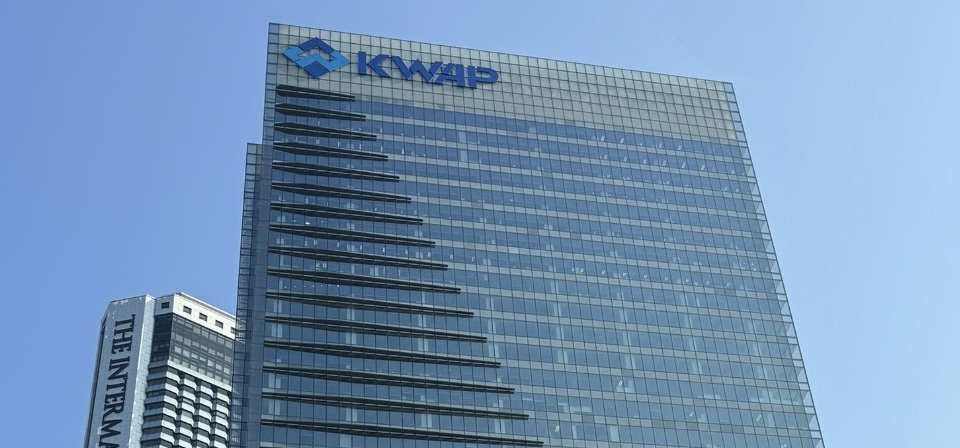
KWAP Appoints 12 Global Partners to Manage RM6 Billion Dana Pemacu Fund

Kumpulan Wang Persaraan (KWAP) has officially appointed 12 international General Partners (GPs) to manage RM6 billion under the Dana Pemacu initiative, which targets strategic investments across private equity, infrastructure, and real estate. Introduced in May 2024, Dana Pemacu is a key pillar under the Government’s GEAR-uP initiative and the Ekonomi MADANI framework, designed to accelerate Malaysia’s economic transformation. The fund places emphasis on sectors with high national impact, including financial inclusion, food security, education, the silver economy, healthcare, energy transition, the digital economy, and other sustainability-driven themes. KWAP confirmed that a significant portion of the RM6 billion will be channelled into Shariah-compliant investments, while the remainder will be allocated internationally to ensure sustainable, risk-adjusted returns. Among those selected in the private equity category are Investcorp, Navis Capital Partners, Nexus Point, and The Vistria Group. For infrastructure mandates, Climate Fund Managers, DigitalBridge, I Squared Capital, and Seraya Partners have been appointed. Meanwhile, Castleforge Partners Limited, Lendlease Investment Management, Savills Investment Management, and TrustCapital Advisors Investment Management will lead in the real estate segment. The Dana Pemacu programme incorporates a co-General Partner model, aligning global fund managers with local partners to build domestic investment capabilities while introducing international expertise to Malaysia’s private market landscape. All global GPs have nominated local counterparts and are currently undergoing regulatory approvals. KWAP Chief Executive Officer, Datuk Hajah Nik Amlizan Mohamed, highlighted the fund’s strong reception from international investors. “We received positive interest from global GPs since the launch of Dana Pemacu, with over 40 submissions reviewed. Following a rigorous evaluation and due diligence process, we have identified 12 global GPs that we believe will contribute significantly to the development of Malaysia’s private market ecosystem. KWAP recognises the strength of the selected managers, who bring proven track records and deep experience in driving investment performance,” she said. Datuk Hajah Nik Amlizan further emphasised that most of the capital will be invested domestically, aligning with KWAP’s strategic objective to support national development while delivering long-term value. -Fintech News

News

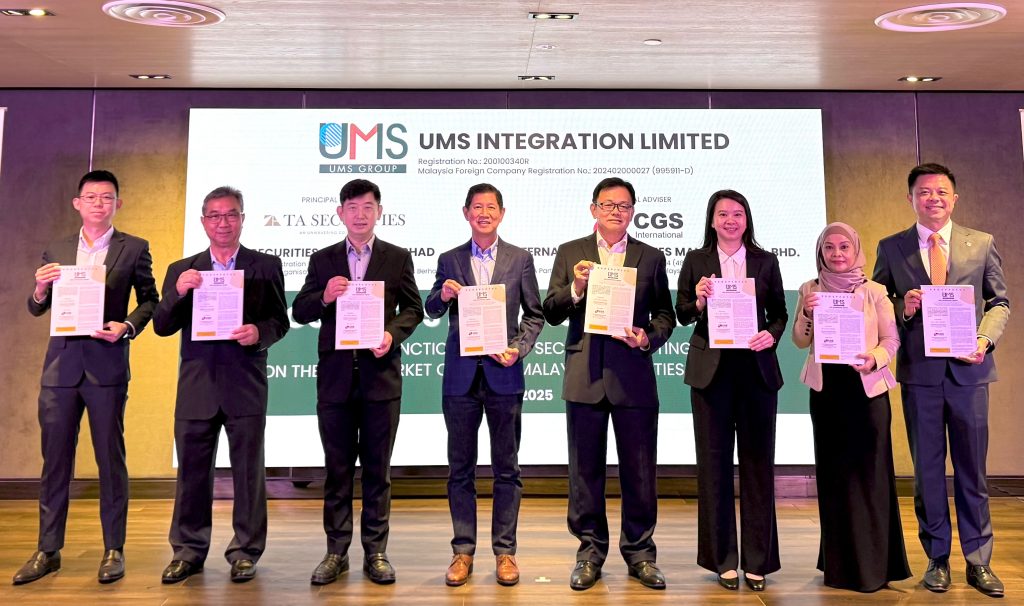
UMS Integration Limited Files Prospectus for Bursa Secondary Listing

Precision engineering specialist, UMS Integration Limited (“UMS”), has today issued its prospectus for the secondary listing of and quotation for the entire issued share capital of UMS on the Main Market of Bursa Malaysia Securities Berhad (“Bursa Securities”) by way of introduction (“Secondary Listing”). Headquartered in Singapore, UMS, through its subsidiaries (collectively known as the “Group”) is an integrated high-precision engineering and manufacturing solutions provider, offering complex precision machining, sheet metal fabrication, surface treatment, as well as sub-module and full-module assembly services, with a focus on serving high-tech industries such as semiconductor and aerospace. UMS’ clientele includes Fortune 500 companies as well as multinational companies listed on, among others, the New York Stock Exchange, NASDAQ, Singapore Exchange (“SGX”) and Euronext Paris. Chief Executive Officer of UMS, Mr. Luong Andy (梁世光), said, “Our Secondary Listing on Bursa Securities represents a strategic advancement in our corporate journey, and we will be the first Singapore public company to have a Secondary Listing on the Main Market of Bursa Securities. Having evaluated several potential listing venues, we have concluded that Bursa Securities is the most strategic platform to broaden our investor base, potentially improve liquidity through separate trading platforms, and provide flexibility to access different equity markets to raise funds in the future.” “This also enhances our visibility across Southeast Asia, which aligns with our key operational presence in Penang that has an aggregate built-up area of about 689,870 square feet. We believe our Secondary Listing on Bursa Securities will enhance our position as an integrated comprehensive service provider for global chip companies and support our long-term growth ambitions. I am very much looking forward to this significant milestone,” Mr. Luong added. UMS is currently listed on the Mainboard of SGX with a market capitalisation of approximately S$970 million (equivalent to about RM3.2 billion). The Group recorded a revenue of S$242.1 million for the financial year ended 31 December 2024 (“FYE 2024”) while profit after tax (“PAT”) stood at S$40.6 million, translating into a PAT margin of 16.8%. It has consistently generated positive net operating cash flow for at least the past 10 fiscal years, and held a net cash position equivalent to S$0.11 per share as at 31 December 2024. UMS has a dividend policy to declare dividends on a quarterly basis. Based on the prevailing share price in Singapore, UMS offers a dividend yield of approximately 4% based on the aggregate payout of S$0.052 for FYE 2024. Mr. Luong concluded by saying, “Looking ahead, UMS will continue to expand our role across the semiconductor and aerospace value chains. In particular, within the semiconductor space, we see exciting opportunities in manufacturing high-precision components used in advanced packaging solutions, which play a vital role in enabling next-generation artificial intelligence and high-performance computing applications.” The Secondary Listing will be undertaken by way of introduction and will not involve any issuance or offering of shares. UMS shares will be fully fungible, where shareholders will be able to transfer their shares between the Mainboard of SGX and the Main Market of Bursa Securities for trading. Following the issuance of the prospectus, UMS is scheduled to be listed on the Main Market of Bursa Securities on 1 August 2025. TA Securities Holdings Berhad is the Principal Adviser, while CGS International Securities Malaysia Sdn. Bhd. is the Financial Adviser for the Secondary Listing.

Energy & Technology, ESG

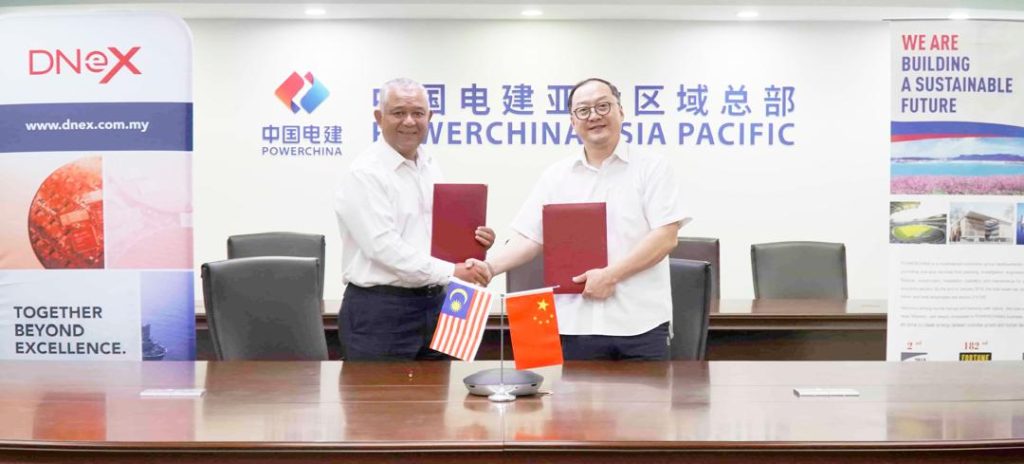
DNex and PowerChina’s Subsidiary Ink Landmark Agreement to Advance Renewable Energy in Malaysia

Dagang NeXchange Berhad (“DNeX”) has signed a Memorandum of Understanding (“MoU”) agreement with Sinohydro Corporation (M) Sdn  Bhd (“Sinohydro Malaysia”), a wholly-owned subsidiary of Sinohydro Corporation Ltd (“SINOHYDRO”), which in turn is a wholly-owned subsidiary of a major Chinese state-owned company, Power Construction Corporation of China, Ltd (“POWERCHINA”), to explore and develop key initiatives across Malaysia’s growing renewable energy sector. Sinohydro Malaysia serves as POWERCHINA‘s wholly-owned subsidiary in Malaysia, actively undertaking major construction and engineering projects across the country since 1998. Among its notable projects, SINOHYDRO participated in the construction of Bakun Hydroelectric Plant (HEP) in Sarawak, with an installed capacity of 2400MW which is the largest hydroelectric power station in Malaysia and in Southeast Asia. SINOHYDRO also participated in the construction of several major power plants in Malaysia, including Connaught Bridge Power Station, Tanjung Kidurong Combined Cycle Gas Turbine Power Plant, Hulu Terengganu Hydroelectric Project, Murum Hydroelectric Plant, Large Scale Solar 3 (LSS3) Coara Marang Solar Power Project and Telekosang Small Hydro Power Plants.  Sinohydro Malaysia is currently carrying out the construction of the Baleh Hydroelectric Project, the largest on-going hydroelectric power plant project in Malaysia, as well as the Miri Combine Circle Gas Turbine Power Plant in Miri, Sarawak. This strategic partnership underscores both parties’ commitment to drive innovation, fostering technological advancement, and contributing to Malaysia’s clean energy transition and economic growth while upskilling local Malaysians with the transfer of technologies and best global practice. The MoU outlines several key areas of cooperation designed to support the Government’s vision of accelerating Malaysia’s clean energy agenda in line with the National Energy Transition Roadmap: Renewable Energy Project Development: The parties will jointly identify, evaluate, and develop viable renewable energy projects throughout Malaysia. These include, but are not limited to, initiatives in solar, geothermal, hydroelectric, and other clean energy technologies, leveraging the unique strengths and expertise of both companies to harness Malaysia’s natural resources for clean power generation. Technology Transfer and Best Practices: A core objective of the collaboration is to facilitate the transfer of advanced technologies and best practices. This will encompass critical fields such as cutting-edge solar solutions, geothermal energy, hydropower systems, and small modular reactor (“SMR”) technologies, thereby accelerating Malaysia’s adoption of state-of-the-art clean energy solutions. Sustainable Rare Earth Exploration: The MoU also paves the way for exploring opportunities in sustainable rare earth mining projects, specifically those related to usage in renewable energy. This initiative aims to secure a reliable and environmentally responsible source of these critical materials, which are essential for the production, construction and operation of renewable technologies. This aligns with the increasing global demand for not only clean electricity, but also for clean sources of electricity. Innovation and Enhancement: Both parties are committed to jointly pursuing the development of enhancements and innovations stemming from the transfer of technology in renewable energy, supporting DNeX’s stated commitment Malaysia’s Net Zero emissions target by 2050, and its ambition to capitalise on global Energy Transition opportunities. Local Talent Development: Recognising the paramount importance of a skilled workforce for sustainable growth, the MoU includes provisions to upskill and develop local talent within both the renewable energy sector and the rare earth mining, extraction, and production industries. “This partnership marks a pivotal moment for DNeX ‘s journey towards a sustainable future,” said Faizal Sham Abu Mansor, Group Chief Executive Officer of DNeX, adding that, “Our collaboration with SINOHYDRO will not only unlock new renewable energy potential across the nation but also enable us to embrace advanced technologies like SMR. This opportunity will greatly complement our on-going sustainability plans in the Energy sector as we intend to move our oil and gas portfolio closer to bridge fuel like natural gas in lieu of oil and in our IT sector which is focusing more and more on provision of sovereign cloud and AI services. This requires large amount of energy, and partnering with SINOHYDRO enables us to moonshot ourselves in the field of SMR and ensure our products and service offerings are not only reliable but a carbon-free power source. Furthermore, our joint commitment to clean rare earth extraction aligns perfectly with our vision for responsible resource management and industrial growth. We are particularly excited about the prospect of developing local expertise and creating high-value jobs in these critical sectors.” “As we accelerate our shift towards a greener future, this partnership represents a milestone in our renewable energy transition and expansion from our traditional oil and gas business reinforcing our dedication to environmental stewardship,” he added.

ESG, News

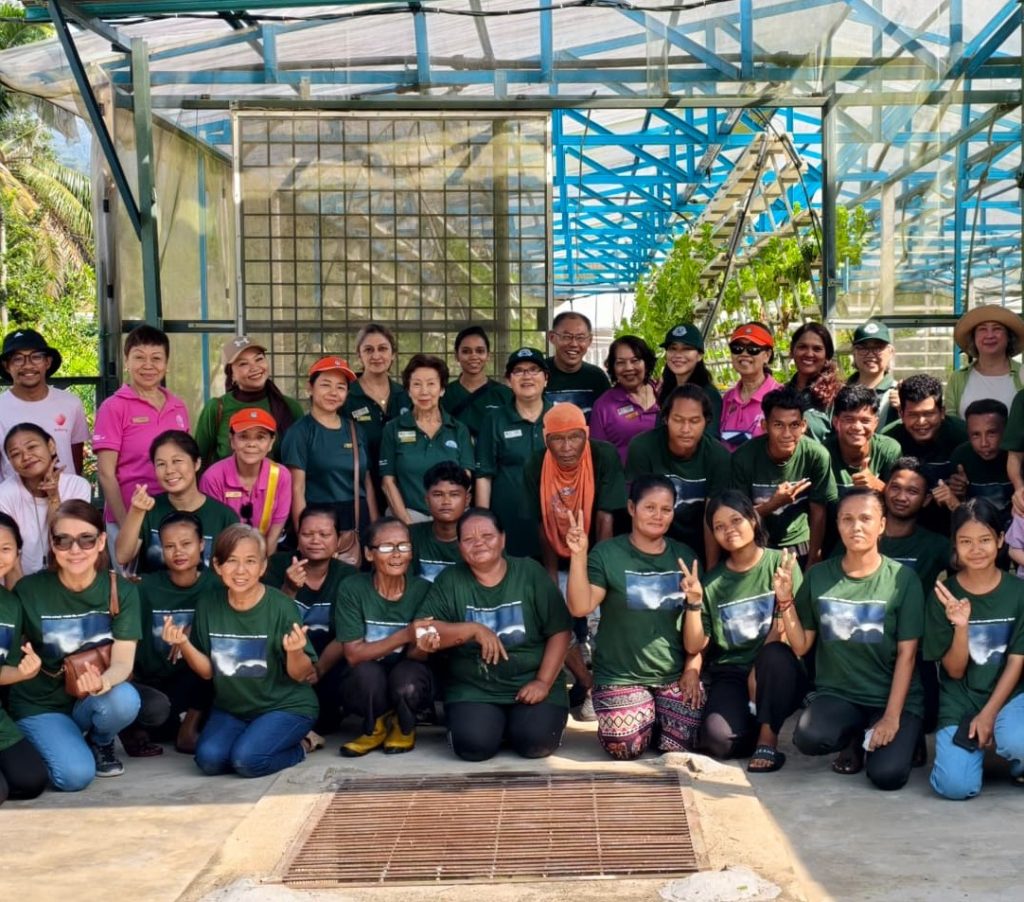
SIROM, HEINEKEN Malaysia & Sokong Unite to Enhance Community Resilience

In conjunction with United Nations (UN) Environment Day, Soroptimist International Region of Malaysia (SIROM), Heineken Malaysia Berhad (HEINEKEN Malaysia), and Sokong by Yayasan Malaysiakini, proudly presented Sustainability Day 2025—a community-powered initiative aimed at promoting eco-friendly practices and building more sustainable food systems. Held at GCC Farm in Bentong on 14 June 2025, the event highlighted two practical and impactful approaches to sustainability: aquaponics farming and organic composting. These methods provide scalable solutions that empower communities to actively contribute to food security, environmental preservation, and climate resilience. Participants engaged in hands-on workshops, educational demonstrations, and community dialogues, making it a meaningful day of learning, collaboration, and action. This effort reflects the spirit of the 2025 UN Environment Day theme: “Our Land. Our Future. We Are #GenerationRestoration.” “Sustainability Day is about more than awareness—it’s about action,” said Rebecca Lai, President of SIROM. “Aquaponics and composting provide scalable, low-carbon impact solutions to food waste, water conservation, and urban farming challenges. These practices demonstrate how communities can take charge of their own sustainability.” Aquaponics, a method that integrates aquaculture and hydroponics, uses up to 90% less water than conventional farming and supports chemical-free, year-round food production. Meanwhile, organic composting transforms kitchen and garden waste into nutrient-rich soil, reducing landfill use while enhancing soil health and biodiversity. These practices directly support Malaysia’s sustainability agenda and align with several UN Sustainable Development Goals (SDGs)—notably Zero Hunger (SDG 2), Responsible Consumption and Production (SDG 12), and Climate Action (SDG 13). “At HEINEKEN Malaysia, we believe true progress begins at the grassroots. Our partnership with Soroptimist International began in 2017 and has been a testament to the power of community-driven change, where food security, sustainability, and women’s empowerment come together to build resilient futures. Together, we’re not just growing crops, we’re cultivating opportunity and long-term impact,” said Renuka Indrarajah, Corporate Affairs & Legal Director of HEINEKEN Malaysia. The event embodies a shared dedication to inclusive, community-led climate action. As part of its Brew a Better World sustainability strategy, HEINEKEN Malaysia continues to invest in environmental sustainability and community empowerment. Puteri Afiqah Mazelan, Community & Marketing Manager of Sokong by Yayasan Malaysiakini, added: “At Sokong, we’re proud to connect changemakers and grassroots organisations who are doing the real work on the ground. Sustainability Day is a great example of how collective action—supported by strong partnerships—can spark long-term change.” As a digital fundraising and impact platform, Sokong is committed to amplifying causes that matter—whether through community engagement, public awareness, or funding for environmental and social initiatives. SIROM, a national body under Soroptimist International South East Asia Pacific, continues to lead efforts in empowering women and uplifting communities through sustainable development and environmental education. Sustainability Day 2025 is more than just a celebration of green practices—it is a reminder of what’s possible when communities, corporations, and civil society come together. Hand in hand, HEINEKEN Malaysia, Sokong, and SIROM are planting the seeds of lasting change—one household, one garden, one community at a time.

Investment & Market Trends

GEAR-uP Deploys RM11 Billion to Drive Strategic Industries and Social Reform

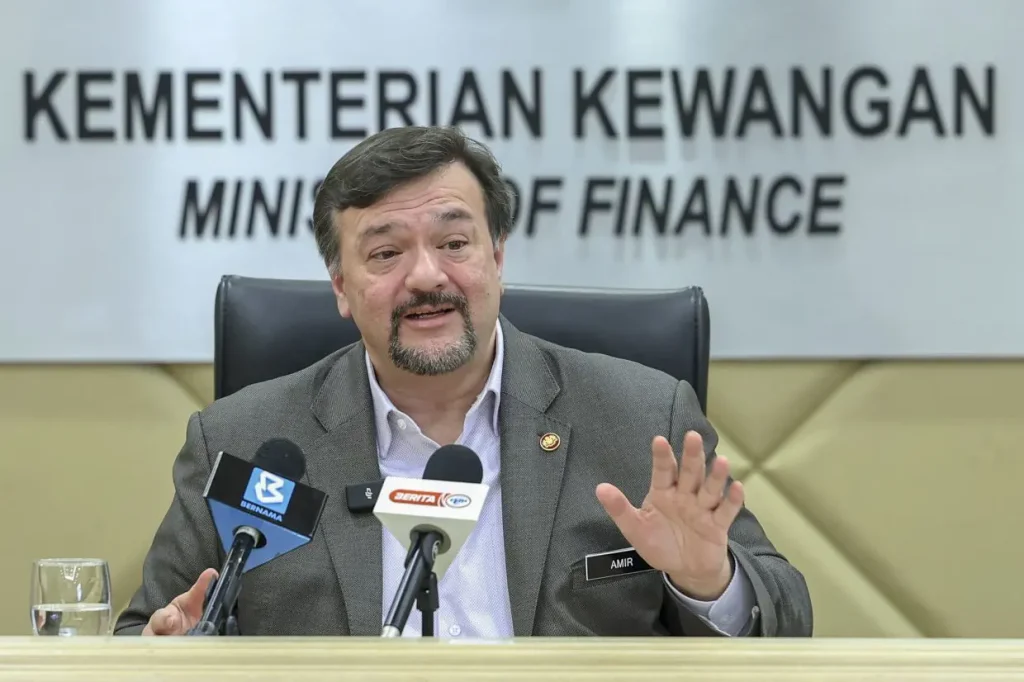
PUTRAJAYA : The Government-linked Enterprises Activation and Reform Programme (GEAR-uP), under the stewardship of the Ministry of Finance, has disbursed RM11 billion to catalyse high-growth sectors, notably semiconductors and the energy transition, while simultaneously advancing social equity and talent development nationwide. The deployment represents approximately 50% of the RM22 billion allocated for domestic direct investments (DDI), which in turn constitutes 88% of the RM25 billion collectively pledged by six key government-linked investment companies (GLICs) since the programme’s inception in August 2023. The initiative is driven by Malaysia’s foremost institutional investors, namely Khazanah Nasional Bhd, the Employees Provident Fund (EPF), Permodalan Nasional Bhd (PNB), Kumpulan Wang Persaraan (Diperbadankan) (KWAP), Lembaga Tabung Angkatan Tentera (LTAT), and Lembaga Tabung Haji. Operating within the Ekonomi Madani framework, GEAR-uP is designed to unlock RM120 billion over five years, aimed at accelerating socioeconomic reforms and supporting Malaysia’s industrial transition. To date, more than RM800 million has been invested into Malaysia’s semiconductor ecosystem. In parallel, GLICs have launched green industrial developments across 3,000 acres in Kerian and Carey Island, Port Klang. Additionally, over 50 local enterprises have received support through venture capital and private equity channels. A notable milestone includes the agreement by 34 GLICs and government-linked companies (GLCs) to implement a minimum monthly living wage of RM3,100 for 153,000 employees. This move underscores the programme’s commitment to wage reform and raising quality of life standards. Further, RM200 million in scholarships have been awarded, while employment placements have benefited 8,000 youths from the bottom 40% income group. Broader community investment initiatives under the programme have reached more than 700,000 Malaysians. Prime Minister Datuk Seri Anwar Ibrahim noted that GEAR-uP realigns GLICs with a renewed mandate for nation-building, stating that the initiative is mobilising national wealth to uplift communities and cultivate high-value industrial ecosystems. Second Finance Minister Datuk Seri Amir Hamzah Azizan elaborated on the investment strategy, confirming continued momentum through targeted allocations. He highlighted that PNB will groom ten Bumiputera companies towards IPO-readiness, and EPF will deepen its involvement in the healthcare sector, expanding into ambulatory and home-based services. Meanwhile, LTAT and PNB will collaborate to enhance domestic pharmaceutical manufacturing, supporting efforts under the Joint Ministerial Committee on Private Healthcare Cost. Khazanah will intensify development of the semiconductor supply chain, and KWAP is set to channel RM6 billion via its Dana Pemacu initiative starting Q3 this year, with focus areas including private equity, infrastructure, and real estate. Amir Hamzah emphasised that GEAR-uP is strategically aligned to unlock RM120 billion of investment over the medium term, facilitating growth in emerging industries, while simultaneously driving income uplift and capacity-building. The programme is also preparing to broaden participation to over 30 GLCs, with key performance targets including RM10 billion in market capitalisation, 7.5% shareholder returns, and non-financial deliverables encompassing minimum living wages and workforce development. These efforts aim to fortify Malaysia’s economic resilience in the face of evolving global trade dynamics. On a related note, the Second Finance Minister expressed hope that the RM3,100 minimum wage standard adopted by GLICs and GLCs will catalyse adoption within the broader private sector. He noted that initiatives by Khazanah to invest in workforce upskilling, coupled with this new wage benchmark, are expected to enhance productivity and quality of life. He added that the shift may incentivise competition among corporations to offer more competitive compensation, further supporting wage growth and strengthening Malaysia’s talent retention landscape. -The Star

Property

JS-SEZ and RTS Link Set to Drive Johor Property Market Expansion

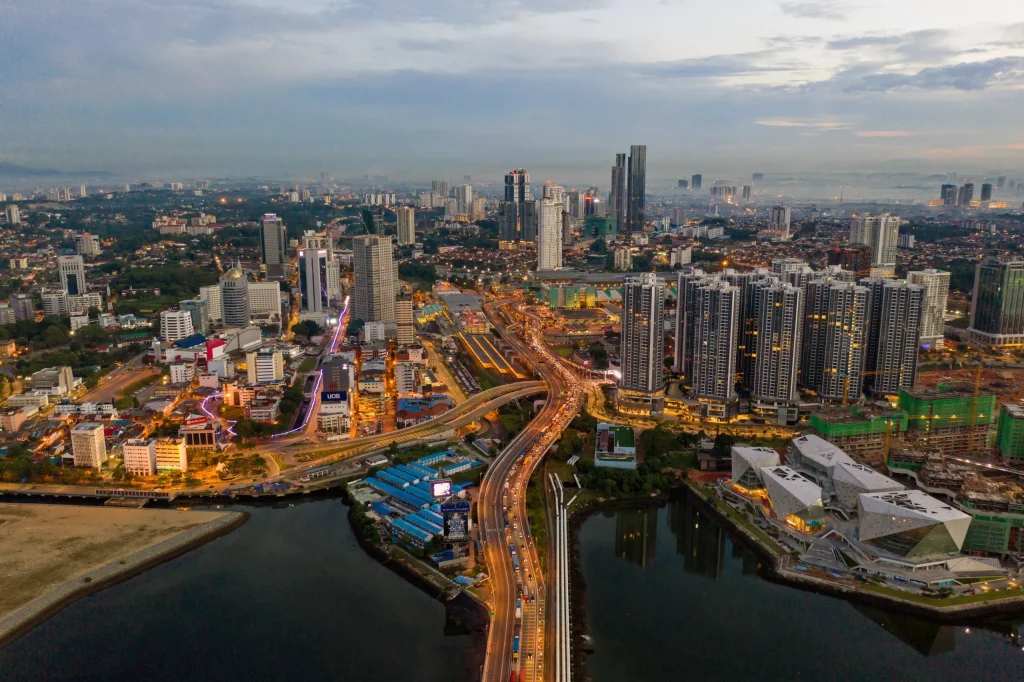
JOHOR BARU : Johor’s property sector is set to enter a new phase of expansion following the formalisation of the Johor-Singapore Special Economic Zone (JS-SEZ) agreement and ongoing progress on the Johor Baru–Singapore Rapid Transit System (RTS) Link. Real estate consultancy Nawawie Tie reported that residential property demand in Johor is anticipated to rise steadily, particularly in the rental segment. The increase is attributed to growing interest from local buyers, Malaysians working in Singapore, and Singaporean investors, with the JS-SEZ expected to heighten foreign interest in the region. Despite the positive outlook, Nawawie Tie noted that owner-occupiers are likely to adopt a wait-and-see approach until there is more clarity on the supporting infrastructure and policy frameworks tied to these developments. Landed residential properties remain the top choice among buyers, accounting for 65% of total property transactions in Johor. The Johor Baru district continues to lead the market, contributing 60% of these transactions, underscoring its position as a focal point for residential activity. On the industrial front, the market in the Johor Baru district is forecasted to strengthen, underpinned by robust manufacturing growth and increasing levels of foreign direct investment. The state is also rapidly positioning itself as a regional data centre hub, which is further intensifying demand for industrial property assets. In the first quarter of 2025, Johor recorded 353 housing unit transactions, with terraced and semi-detached homes representing the majority of sales. Johor Baru remains the location of choice for industrial players due to its strategic connectivity and infrastructure pipeline. -Bernama

Scroll to Top

Subscribe
FREE Newsletter