Malaysia

Investment & Market Trends, News

MyAxis Anticipates Revenue Contribution from New Kedah Facility by 2QFY2026

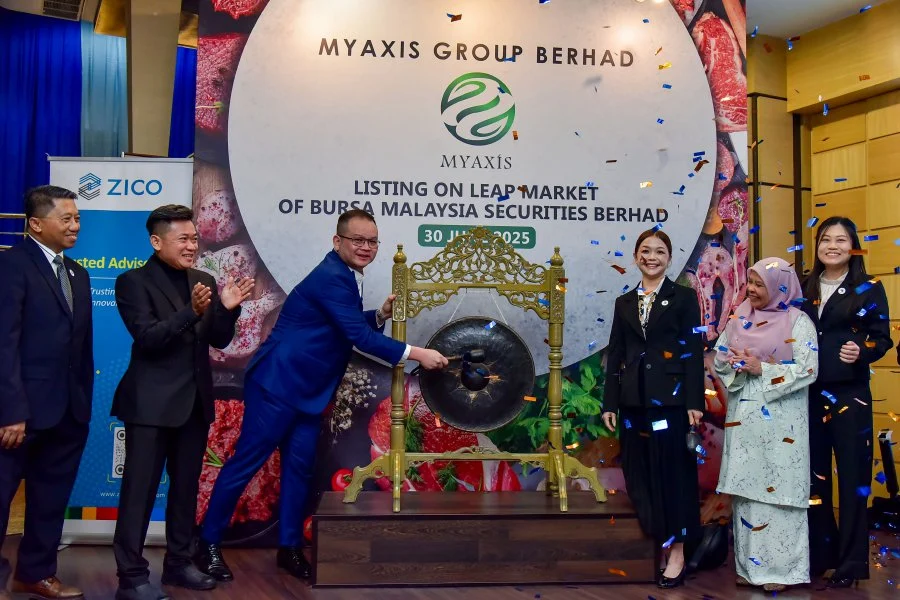
KUALA LUMPUR: Meat processor and distributor MyAxis Group Bhd expects its upcoming processing facility in Bukit Kayu Hitam, Kedah, to begin contributing to revenue in the second quarter of the financial year ending 31 July 2026. Executive Chairman Datuk Tan Hwa Sing announced that the group will invest RM11.3 million in the new facility, which will significantly enhance production capabilities. Upon completion, MyAxis’s annual poultry processing capacity will double to 708 tonnes, while red meat handling capacity is projected to triple to 1,870 tonnes. In addition, storage capacity will increase tenfold, from 53.0 tonnes to 566.0 tonnes. The announcement was made during a press conference held in conjunction with the company’s official listing on the LEAP Market of Bursa Malaysia. MyAxis has also laid out plans to migrate to the ACE Market within the next two years, in line with its long-term growth strategy. Tan highlighted that the company’s upstream operations, handled through its wholly owned subsidiary KK Fresh Frozen Sdn Bhd, mark a strategic shift towards processing and selling poultry and red meat products. With expanded facilities, the group aims to broaden its reach among food and beverage operators, hotel groups, and processed food manufacturers. The customer base has grown substantially to 300 nationwide, up from just 20 in 2024. The new facility, spanning a built-up area of 17,567.76 square feet, is expected to be fully operational in 2026. In response to queries regarding supply, Tan stated that half of the company’s poultry products are sourced from Thailand, with the remainder imported from Malaysia and China. He indicated that this sourcing ratio is expected to remain stable, ensuring consistent product quality for frozen meats. To support its expansion, MyAxis aims to raise RM5.29 million via a private placement of 44.1 million new shares at an issue price of 12 sen per share, implying a market capitalisation of RM40.9 million upon listing. The proceeds will be allocated towards repaying bank borrowings (RM3 million), acquiring new machinery, enhancing working capital, strengthening branding and marketing initiatives, and covering listing-related expenses. -Bernama

ESG, News

CIMB Commits RM200 Million to Enhance Financial and Digital Literacy Across Malaysia

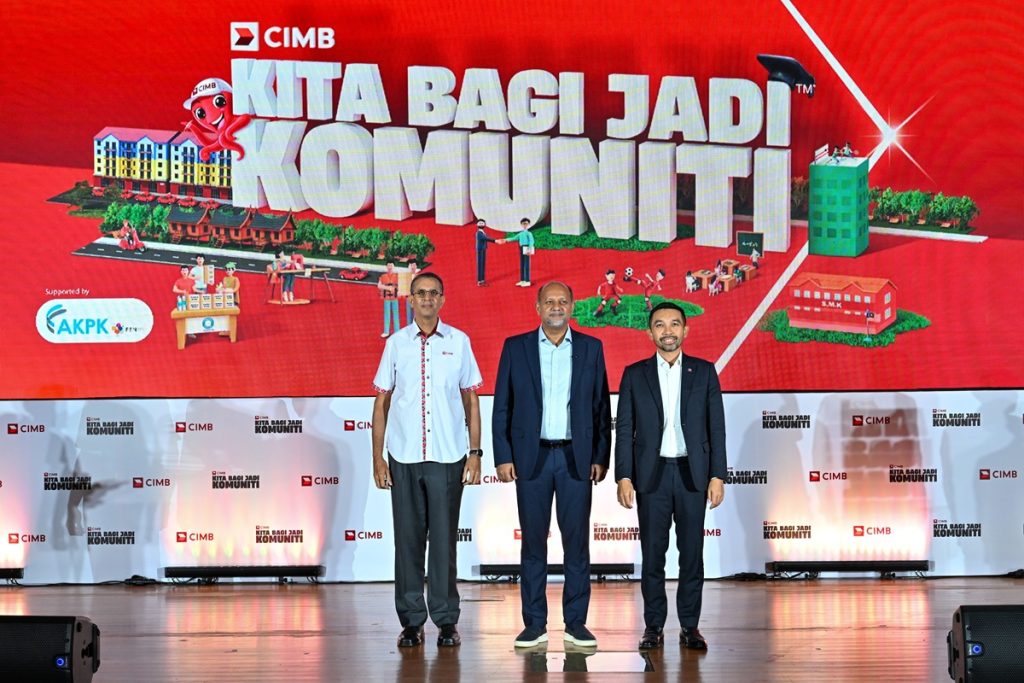
CIMB Group Holdings Bhd has announced a RM200 million commitment over five years (2026–2030) under its “Kita Bagi Jadi Komuniti” (KBJK) platform, reinforcing its ambition to empower communities and drive inclusive growth across Malaysia. The initiative underscores the bank’s long-term strategy to promote economic empowerment, strengthen community wellbeing, and enhance financial inclusion through skills development, particularly in digital and financial literacy. The pledge was unveiled by CIMB Group Chief Executive Officer Novan Amirudin in Kuala Lumpur. He emphasised the socio-economic urgency of closing income inequality gaps, stating that nations with greater disparity often experience less sustainable development. “In contrast, a thriving, inclusive society that leaves no one behind benefits all its members. At CIMB, our purpose to advance customers and society is simple but powerful,” he said. As part of the KBJK platform, CIMB introduced several targeted programmes aimed at key segments of society. Among them is the Women Entrepreneur Empowerment Programme, designed to provide customised financing and networking support for women-led enterprises. The initiative aims to assist 300 women entrepreneurs over a three-year period. In collaboration with the Credit Counselling and Debt Management Agency (AKPK), CIMB is also delivering ‘Jaga Duit’ workshops – a financial literacy programme tailored for low-income employees within its corporate and SME client base. Nearly 1,500 individuals have already participated in these sessions. Additionally, through the ‘Let’s Duit’ initiative led by TNG Digital, around 1,000 senior citizens nationwide have received practical, hands-on training in digital payment tools, helping them navigate the digital economy with greater confidence and safety. CIMB continues to build on a strong foundation of social investment. Between 2021 and 2024, the group has disbursed over RM125 million in community-focused initiatives, keeping it firmly on track to meet its RM150 million target by end-2025. During the same period, the bank has channelled more than RM50 billion in financing to support low-income customers and SMEs, reaffirming its role as a responsible financial intermediary driving inclusive economic impact. Through TNG Digital, CIMB has also facilitated nearly RM1 billion in salary disbursements to over 40,000 migrant workers while expanding financial access for refugees and gig economy participants. -Bernama

News

MyEG Changes Name to Zetrix AI Bhd

KUALA LUMPUR: MyEG Services Bhd has announced that it will be officially changing its corporate name to Zetrix AI Bhd, effective 9:00am on Thursday. The announcement was made through a filing with Bursa Malaysia. In line with the rebranding exercise, the company’s stock short name will also be updated from MYEG to ZETRIX, while its stock number will remain unchanged, ensuring continuity for investors and stakeholders. The company, a longstanding concessionaire for the Malaysian electronic government MSC flagship application, is known for providing a wide range of online government services to Malaysian citizens and businesses. The name change reflects its strategic shift and growing focus on artificial intelligence and blockchain technologies, aligning with its evolving digital ambitions under the Zetrix brand. -Bernama

News

Top Glove Downgraded as Q3 Profit Falls 31%, Analysts Cut Estimates

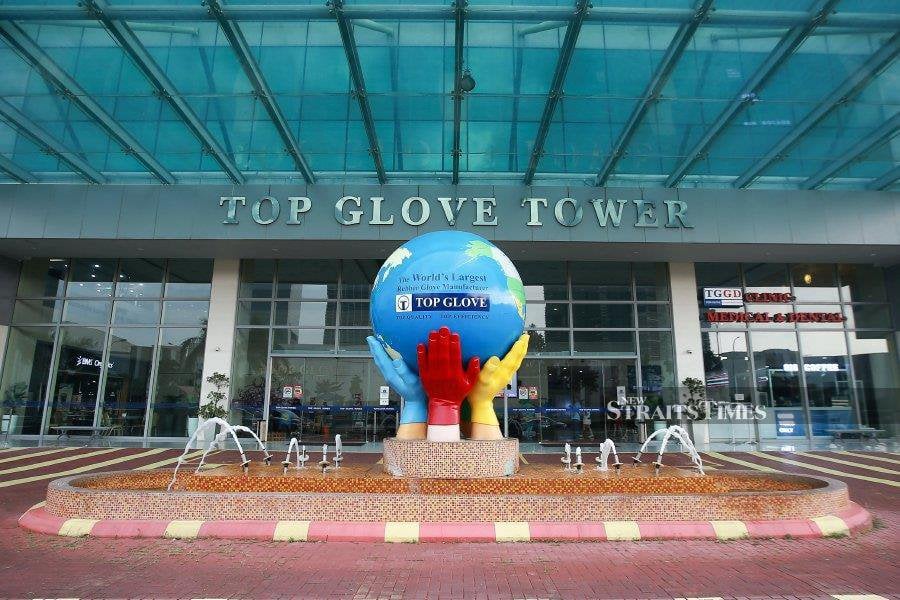
Top Glove Corporation Bhd, the world’s largest glove manufacturer, has come under pressure from analysts following the release of disappointing third-quarter results for its financial year ending 31 May 2025 (Q3 FY2025), prompting several downgrades and target price revisions. The company reported a 31% year-on-year decline in Q3 net profit to RM34.74 million, down from RM50.67 million, despite a 30% increase in revenue to RM830.25 million from RM636.87 million. Notably, Q3 profit was partially bolstered by RM29.72 million in gains from the disposal of property, plant, and equipment, indicating underlying operational weakness. For the cumulative nine-month period (M9 FY2025), Top Glove recorded a net profit of RM70.5 million, marking a turnaround from a net loss of RM58.24 million in the same period last year. Revenue for the nine months surged 55% to RM2.6 billion compared to RM1.68 billion previously. However, this recovery has not been enough to meet analyst expectations. CLSA downgraded the stock to “hold” and cut its target price to 70 sen from RM1.05, citing sustained pricing pressure in non-US markets. The firm flagged that core net profit for M9 FY2025 came in at RM39 million—significantly below consensus forecasts—due to weaker-than-anticipated average selling prices (ASP), despite declining input costs and a gradual uptick in demand from the US. The research house also trimmed its earnings per share estimates for FY2025 to FY2027 by 5% to 25%, arguing that Top Glove’s earnings recovery had already been priced in, limiting further upside potential. Top Glove’s shares closed at 71 sen, down one sen or 1.4% on the day, giving the group a market capitalisation of RM5.83 billion. The stock has declined 45% year to date. AmInvestment Bank reiterated its “sell” recommendation and lowered its target price to 50 sen from 68 sen, describing the earnings outcome as a “big miss”. The firm cited uncertainty in US demand, particularly in Q3, as customers delayed purchases in response to unresolved tariff issues. It also noted that any benefit from US tariffs on Chinese gloves appears limited amid rising global competition. In Europe, prospects remain subdued. While the European Union recently restricted Chinese manufacturers from public tenders exceeding €5 million, Top Glove management indicated that the impact is negligible, as most tenders fall below the threshold. Moreover, sales volume in Europe—accounting for 37% of group revenue—continued to decline in Q3 as Chinese players redirected exports away from the US market. Analysts have raised concerns about aggressive pricing strategies by Chinese competitors in non-US markets, viewed as an attempt to mitigate the effects of US-imposed tariffs. North America currently comprises about 26% of Top Glove’s total sales. Maybank Investment Bank maintained its “sell” call, pointing to escalating competition, particularly from Chinese manufacturers expanding capacity both within China and in ASEAN countries to serve global markets, including the US. Top Glove, founded in 1991 by Executive Chairman Tan Sri Lim Wee Chai and his wife Tong Siew Bee, has grown into a global leader in glove production. The group operates 51 factories across Malaysia, Thailand, and Vietnam, with an annual capacity of 95 billion gloves and exports to 195 countries. Lim, 67, holds a net worth of US$1 billion (RM4.2 billion), ranking 21st on Forbes Malaysia’s 50 Richest list. -FMT

News

Two Malaysian Startups to Compete in USD 1M Startup World Cup Grand Finale 2025

KUALA LUMPUR: Startup World Cup Malaysia 2025 marks a historic milestone as two national finalists—from both East and West Malaysia—will represent the country at the Grand Finale in Silicon Valley, competing for a USD 1 million investment prize.  Organised by Growth Charger, the official Malaysia partner of the global Startup World Cup by Pegasus Tech Ventures, this year’s competition attracted nearly 200 applications nationwide and aligns with over 100 regional competitions held worldwide. For the first time, dual finals are being held in Kuala Lumpur and Kuching, a major step in ensuring inclusive innovation and equal representation for startups across the nation. The West Malaysia Semi-Final took place on 22 May at WORQ KL Sentral, where emerging founders from diverse sectors such as deep tech, digital health, and climate innovation pitched their ideas to a panel of expert judges.  Startup World Cup is a global competition and conference that brings together top innovators and business leaders, with the winner receiving a USD1M investment. Growth Charger Co-founder and Director Iskandar Shafi’i said “Our vision has always been to empower founders regardless of geography or background. By spotlighting both East and West Malaysia, we’re not just hosting a competition, we’re building a national movement.” In East Malaysia, the Kuching Semi-Final was held on 26 June at Makeramai Makerspace and will culminate in the East Final at Tabung Ekonomi Gagasan Anak Sarawak (TEGAS) Digital Village on 31 July. As a testament of their partnership with Startup World Cup, TEGAS will be hosting the TOP 10 East Malaysian startups to pitch and compete for the finals, aligning with their mission to nurture high-potential local talents, accelerating startup growth, and connect them to regional and global opportunities. By introducing dual finals, KL and Kuching, the competition is making significant strides to ensure innovation from across Malaysia is equally represented on the global stage.  “At WORQ, we champion bold ideas and thriving communities. By hosting the Semi-Finals, we’re proud to help Malaysia’s brightest startups connect, compete, and shine on the world stage,” said Stephanie Ping, Co-founder and CEO of WORQ.  Echoing the same sentiment, Head of Technology Hub Development at Cyberview Sdn Bhd,  Shafinaz Salim said Cyberview, as a Tech Hub Developer, accelerates startup growth by providing strategic support, resources, and market access for regional and global scaling.  “We are honoured to be part of this event and witness startups from our Cyberview Living Lab® Accelerator programme advance to their next stages of growth. This further reaffirms Cyberjaya’s collaborative ecosystem,” she said. Meanwhile, MDEC CEO Anuar Fariz Fadzil noted that Startup World Cup Malaysia reflects the country’s commitment to digital inclusion and global market access. “Initiatives like this reflect MDEC’s vision of an inclusive, innovation-driven nation, one where high-impact startups from all corners of Malaysia have the potential to succeed beyond our local shores,” he said.  “Through strategic partnerships with Malaysia Digital companies like Growth Charger, we continue to strengthen Malaysia’s position as a launchpad for regional and global tech success.” The Finals promise to be a celebration of Malaysian startup excellence, with the Top 10 from each region set to compete for a coveted chance to take the global stage. RSVP now and witness the future of Malaysian innovation in action. Khazanah Auditorium, Asia School of Business (ASB), Kuala Lumpur | 17th July 2025 RSVP KL Final: bit.ly/SWC2025KLFinal TEGAS Digital Village, Sarawak | 31st July 2025 RSVP Kuching Final: bit.ly/SWC2025KuchingFinal

Property

Mah Sing Expands Strategic Presence in Penang Amid Strong Market Performance

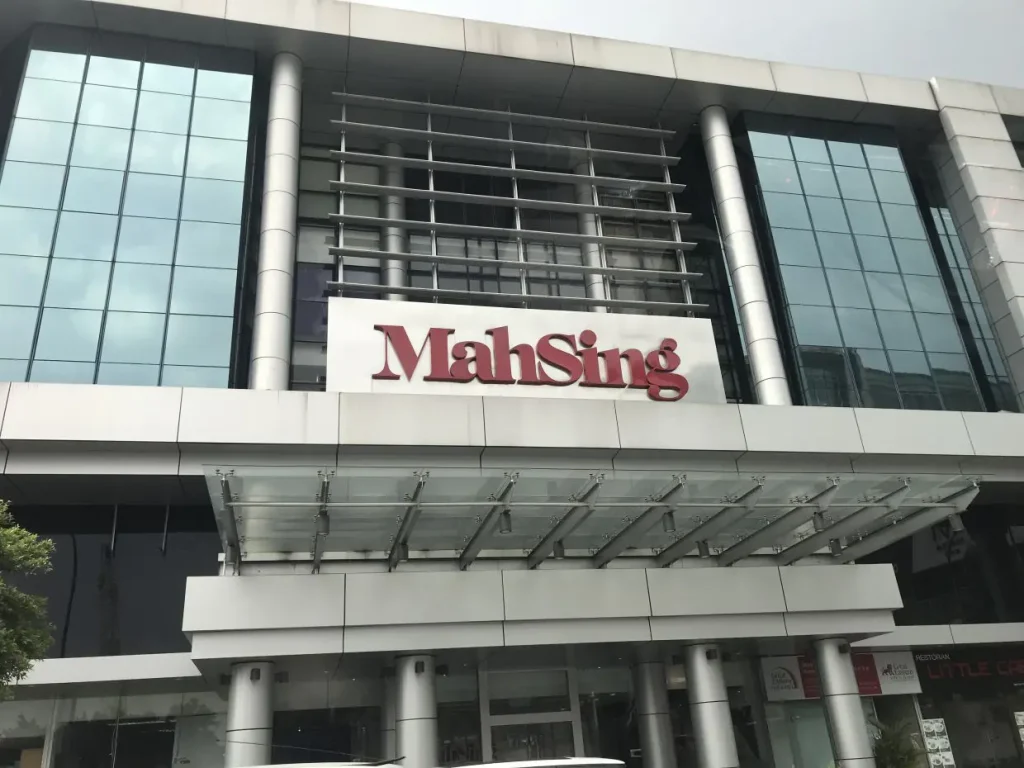
Mah Sing Group Berhad (Mah Sing), one of Malaysia’s leading integrated property developers, continues to strengthen its presence in Penang as part of its long-term strategic expansion. Established over three decades ago by Tan Sri Leong Hoy Kum, the group has grown into a key player in the Malaysian property landscape, offering a diverse range of residential, commercial, retail, hospitality and industrial developments nationwide. In 2024, Mah Sing achieved RM2.41 billion in property sales – its highest annual performance since 2015 – signalling strong market confidence in its offerings. Building on this momentum, the group has set an ambitious sales target of at least RM2.6 billion for 2025. This target is supported by RM3.3 billion in planned new launches, RM2.7 billion in unbilled sales and a strategy centred on accelerating project completions to expedite revenue recognition. The group also plans to introduce more developments under its premium M Grand Series, aimed at the upmarket segment. This complements the company’s successful M Series, which focuses on affordable housing, thus expanding Mah Sing’s reach across multiple buyer demographics. With 63 active projects as of May 2025, Mah Sing maintains a strong footprint in Greater Kuala Lumpur, the Klang Valley, Johor, Sabah and Penang – the latter being a strategic northern growth region identified by the group nearly 20 years ago. Mah Sing’s entry into Penang began in 2009 with the launch of Southbay City in Batu Maung. The initial development, Residence @ Southbay, featured 284 strata superlink homes in a gated and guarded community. This was followed in 2010 by Legenda @ Southbay, comprising low-density, high-end bungalows offering panoramic views of the Penang Bridge. In 2012, the group unveiled Southbay Plaza, its first mixed-use development in the state, followed by The Loft in 2013, a seafront luxury serviced suite project featuring two 30-storey towers. In 2017, the M Vista project added 237 serviced residences to Southbay City’s portfolio. All five phases in the master development have been successfully sold and completed. The group continued to diversify in Penang with the 2014 launch of Ferringhi Residence in Batu Ferringhi. Its success prompted the subsequent launch of Ferringhi Residence 2 in 2016. Currently, Tower B is 85% sold, while Towers A and C are scheduled for future release. The development stands to benefit from the upcoming North Coastal Paired Road project, expected to enhance regional accessibility. Further bolstering its position in the northern corridor, Mah Sing will introduce M Zenni in Southbay City in Q4 2025. This freehold, mixed-use development with a GDV of RM309 million offers 494 residential units in a single 33-storey tower, with layouts designed for first-time buyers, professionals and families. Unit sizes range from 688 sq ft to 1,184 sq ft, with prices starting from RM480,000. According to Yeoh Chee Beng, CEO of Mah Sing’s property subsidiaries, M Zenni’s design draws from the natural mountain landscape, integrating split-level platforms and earth-toned materials to harmonise with the environment. The project also targets provisional GreenRE Gold certification, reinforcing Mah Sing’s ESG commitments. Amenities include barrier-free access, wellness areas, co-living lounges, and work pods, reflecting a community-focused, family-friendly ethos that aligns with contemporary living trends. As at May 2025, Mah Sing retains approximately 18.4 acres of undeveloped land in Southbay City, with an estimated GDV of RM1.7 billion. This provides ample opportunity for future developments that align with the group’s vision of delivering well-designed, sustainable urban environments. In a move to enhance customer engagement and brand visibility, Mah Sing will relocate its Penang office and sales gallery to a 7,000 sq ft space within Southbay Plaza by July. The new gallery has been designed to offer a more accessible, modern and customer-centric experience. The group continues to explore strategic land acquisitions across Penang and the northern region to support future projects, in line with its broader expansion agenda. Beyond Penang, Mah Sing sees sustained demand across central, southern and northern Malaysia, with its diversified portfolio – from affordable M Series homes to aspirational M Grand offerings – positioned to address varying market needs. According to Yeoh, Mah Sing’s strong brand presence, combined with supportive macroeconomic trends such as stable employment, rising wages and policy initiatives including EPF flexible withdrawals and the Johor-Singapore Special Economic Zone, will help sustain demand across its core markets. As the property market evolves, Mah Sing remains committed to delivering developments that not only meet current demand but also contribute to shaping Malaysia’s future urban landscape. -The Edge

Property

Malaysia Urged to Introduce Vacancy Tax to Tackle Persistent Housing Oversupply

Malaysia must urgently adopt structural reforms, including the introduction of a vacancy tax, to resolve its persistent housing overhang and improve homeownership access for the B40 and M40 income groups, according to Dr Muhammad Najib Razali, Associate Professor of Property Economics at Universiti Teknologi Malaysia. Dr Najib highlighted the entrenched mismatch between residential developments and actual housing demand, underscoring that current market inefficiencies are contributing to affordability challenges. “Malaysia’s price-to-income ratio reached 9.78 in 2022—more than triple the global affordability benchmark of 3.0,” he said. “This clearly indicates that homeownership remains out of reach for many low- and middle-income households.” He noted that structural constraints are exacerbated by limited access to mortgage financing, with many families facing difficulties due to unstable incomes or poor credit profiles. To address the problem, Dr Najib proposed the implementation of a vacancy tax on unoccupied residential units. Such a measure would discourage speculative hoarding by developers and investors, and incentivise the release or repurposing of unsold properties into more accessible housing types. “Cities such as Vancouver, Melbourne and Singapore have successfully employed vacancy-related taxes to suppress speculative behaviour and accelerate the release of idle housing stock,” he said. Dr Najib also emphasised that affordability must be aligned with liveability. Many low-cost homes remain unsold not due to pricing, but because they are located in remote or poorly connected areas, deterring prospective buyers. He recommended that housing policy be integrated with urban transport planning to ensure accessibility. “The expansion of public transport—particularly rail and bus networks—into high-demand corridors will improve the attractiveness and uptake of affordable homes,” he said. To enhance mortgage accessibility, Dr Najib called for the development of tailored financing schemes for lower-income households. These would include capped monthly repayments tied to household income and government-backed guarantees or housing funds to reduce banking sector risk. He further encouraged regulatory support for banks to adopt flexible credit assessment models. These may include evaluations based on employment stability, rental payment history or utility bill records, rather than traditional credit scores. Dr Najib cited international models such as Colombia’s Mi Casa Ya, India’s Credit-Linked Subsidy Scheme, and Singapore’s HDB concessionary loans as potential templates for adaptation in Malaysia. Strengthening public-private partnerships is also critical, he noted. Government-led initiatives such as land provision, tax incentives and infrastructure support could spur the development of affordable, well-located homes priced under RM300,000 without sacrificing quality. Dr Najib also called for the revamp of the National Property Information Centre (NAPIC) to deliver granular, real-time data on regional housing demand, income levels, and consumer preferences. “The current overhang reflects a systemic disconnect between supply and actual needs at the local level,” he said. He proposed the incorporation of predictive analytics within NAPIC’s framework to improve demand forecasting and prevent future oversupply in unsuitable segments. “Robust data governance is essential for ensuring that housing development remains demand-driven, efficient and equitable,” he added. Lastly, Dr Najib recommended repurposing unsold units into alternative housing formats, such as rental properties, co-living spaces, student housing or age-friendly residences. Incentivisation through refurbishment grants or tax relief could facilitate this transition and align supply with Malaysia’s evolving demographic landscape. -NST

News

AirAsia Consolidates Operations in Strategic RM6.8 Billion Deal to Strengthen ASEAN Dominance

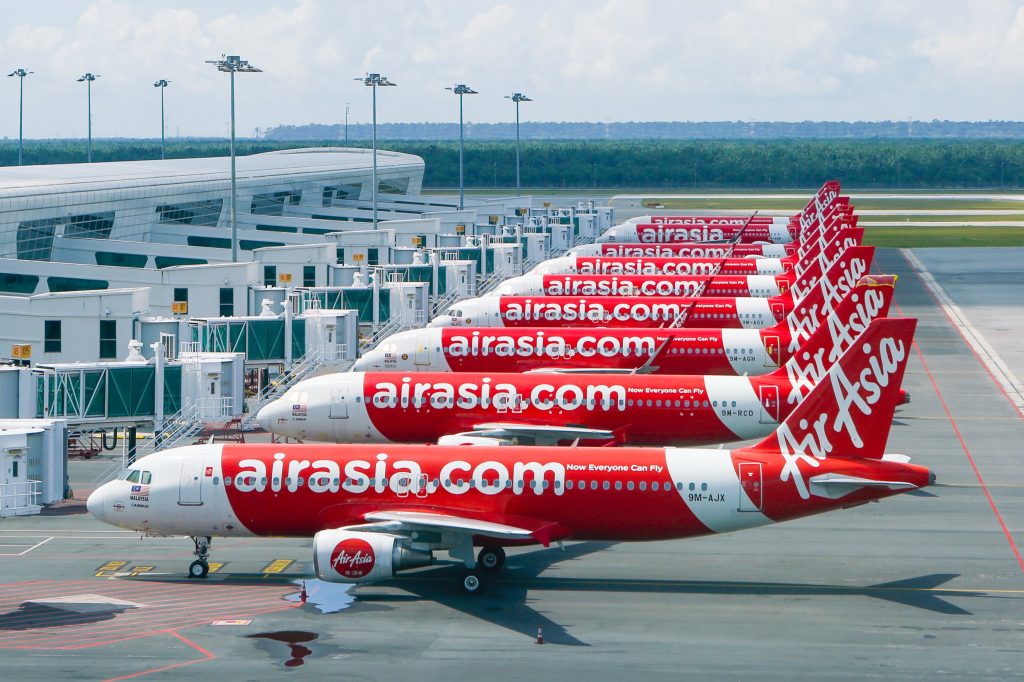
AirAsia is executing a transformative consolidation of its short-haul and long-haul operations to establish a more streamlined, efficient airline group under a unified corporate identity. This move is designed to enhance competitiveness across the ASEAN region and reinforce its position as Asia’s leading low-cost carrier. AirAsia Aviation Group Limited (AAGL) deputy group chief executive officer (corporate), Farouk Kamal, confirmed that the consolidation plan had been in the pipeline prior to the COVID-19 pandemic, but the global crisis significantly accelerated its implementation. “The idea of integrating AirAsia and AirAsia X is not new. COVID-19 expedited our timeline. By merging short-haul and long-haul networks, we are now able to cross-subsidise routes and enhance profitability on a network-wide scale,” Farouk said in a recent interview with Business Times. The integration will see AirAsia X Bhd become the listed parent company, enabling the group to manage route planning more strategically. A long-haul flight from Kazakhstan to Kuala Lumpur could, for instance, be synchronised with a short-haul leg to Bali, creating a seamless and commercially viable travel corridor. Going forward, all short-haul services under the AirAsia brand will fall under the AirAsia X umbrella and be rebranded to reflect the unified group structure. Earlier this year, Capital A Bhd CEO Tan Sri Tony Fernandes announced the group’s planned renaming to AirAsia Group. Capital A, currently the parent of both AAGL and AirAsia, has agreed to divest its airline operations to AirAsia X for RM6.8 billion. As part of the transaction, Capital A will receive RM3 billion in AirAsia X shares, with AirAsia X also assuming RM3.83 billion in debt from Capital A. Farouk confirmed that AAGL’s group CEO, Bo Lingam, will continue to lead the consolidated airline business. The current CEOs of the airline’s national affiliates in Malaysia, Thailand, Cambodia and the Philippines will remain in their existing roles. Bo stated that the integration aligns with the group’s fleet expansion strategy. AirAsia is scheduled to take delivery of 14 new Airbus A321 aircraft this year, with five already received. The remaining nine units are expected to arrive progressively before year-end. Unlike many global carriers, AirAsia did not cancel aircraft orders during the pandemic, helping the airline avoid major delays. “Some airlines are facing delays of one to two years. We’re only seeing delays of a month or two, which is manageable,” said Bo, citing the efficiency of AAGL’s single-type fleet strategy with Airbus. The airline remains committed to growth, supported by an existing order book of 358 A320 family aircraft, including the LR (long-range) and XLR (extra long-range) variants capable of operating up to 10-hour sectors. Farouk highlighted that these aircraft reduce the distinction between short and long-haul routes, offering better management of capacity and seasonality than wide-body A330s. Beyond Airbus, the group is evaluating alternative aircraft options from Embraer and COMAC for regional and secondary markets. The Embraer E2 and Airbus A220, both seating between 130 to 160 passengers, are under active consideration for point-to-point and underserved routes. Bo noted that these smaller narrow-body aircraft could enable access to markets in Indonesia, the Philippines, Cambodia, and regional hubs such as Kota Kinabalu. Discussions with multiple manufacturers regarding potential new purchases are currently ongoing. AirAsia is also implementing a network rationalisation programme to focus on profitability and core markets across ASEAN, India, China and key destinations within Asia. “We’re ceasing routes that no longer make commercial sense. The goal is sustainable growth, not presence for the sake of it,” said Bo. As part of this optimisation strategy, AirAsia aims to strengthen Kuala Lumpur’s position as a key regional hub. “We’re building a network where KL serves as a convenient transit point to neighbouring destinations such as Indonesia, Cambodia and the Philippines,” Bo explained, adding that most of the adjustments will be finalised in time for the winter schedule. In March, Business Times reported that AirAsia would cease operations on eight international routes and reduce frequency on four others. According to AeroRoutes, the discontinued routes include Ipoh-Singapore, Kota Kinabalu-Kaohsiung, Kota Kinabalu-Kunming, Kota Kinabalu-Manado, Kota Kinabalu-Ningbo, Kota Kinabalu-Wuhan, Kuala Lumpur-Port Blair, and Penang-Hong Kong. The final flights on these routes occurred between 27 March and 5 May 2024. Also in March, AirAsia announced the relocation of flights to Sabah and Sarawak from Sultan Abdul Aziz Shah Airport (Subang Airport) to Kuala Lumpur International Airport (KLIA) Terminal 2, effective from 7 April. -NST

News

Enproserve Boosts Machinery and Fleet Ahead of Landmark Pengerang Turnaround

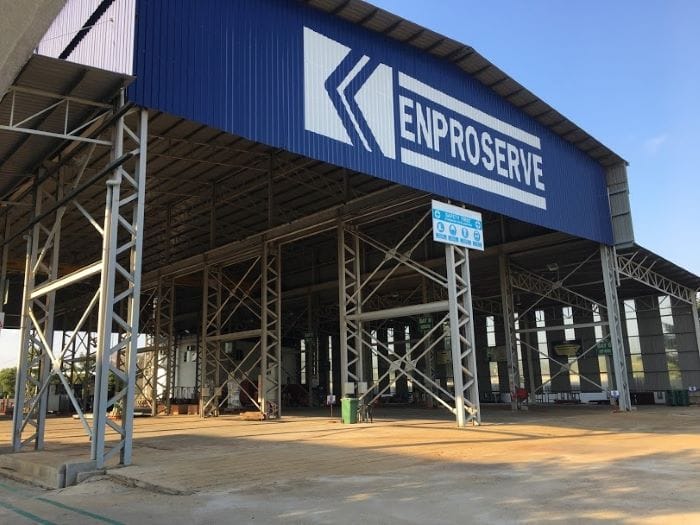
Enproserve Group Bhd, a specialist in plant maintenance and turnaround services, is significantly expanding its machinery and fleet capacity as it positions itself for robust growth in 2026 and 2027. This strategic build-up is driven by the anticipated large-scale plant turnaround at the Pengerang Integrated Petroleum Complex – a job that may be the largest of its kind in Malaysia – and the company’s expansion into new business segments, including mobile crane rental and facilities management. Managing Director Azman Yusof stated that the company, which is en route to a listing on the ACE Market, is actively preparing to execute the Pengerang turnaround by 2027 at the latest. “There will be substantial equipment and manpower requirements to stop the plant, open and inspect the equipment, undertake necessary repairs and safely restart operations,” Azman told StarBiz in a recent interview. The company’s initial public offering (IPO) entails the issuance of 210 million new ordinary shares, targeted to raise RM50.4 million at an IPO price of 24 sen per share. Concurrently, Azman will offer for sale 105 million existing shares, raising an additional RM25.2 million and diluting his ownership from 100% to 70% post-listing. Of the RM50.4 million to be raised from the public issue, RM23.68 million – or 47% – has been allocated for capital expenditure. This includes RM9.16 million for the acquisition of new machinery and equipment, RM9 million for lorries and a mobile crane, and RM5.5 million for the establishment of a dedicated crane depot. The investment is intended to support both existing and future contracts without eroding profit margins, while simultaneously reducing reliance on third-party leasing. “If you want to maintain strong margins in the oil and gas sector, you must own the assets required to deliver the work,” Azman added. Between 2019 and 2023, Enproserve completed 14 contracts. It currently holds 33 active contracts, including six turnaround contracts that will run through to 2029. The majority are within its core plant maintenance and turnaround division. In addition, the group has secured five engineering, procurement, construction and commissioning (EPCC) contracts, two facilities management contracts, and seven crane rental contracts. The company’s contracts are predominantly secured through long-term master service agreements based on unit-rate pricing, which ensures recurring revenue as specific work scopes are confirmed and executed. To further strengthen its balance sheet, RM11.65 million or 23% of the IPO proceeds will be allocated to repay existing bank borrowings. This will reduce the group’s net gearing from 1.07 times to 0.50 times. Another RM10 million (20%) will be reserved for working capital, while RM5.03 million (10%) will cover listing-related expenses. For the financial year ended 31 December 2024 (FY24), Enproserve recorded revenue of RM198.41 million and a net profit of RM20.22 million. Over the past three years, the company achieved a compound annual growth rate of 29.5% in revenue, driven largely by its plant maintenance and turnaround segment, which contributed RM164.95 million or 83% of total revenue. Notably, revenue from related services such as equipment and vehicle rental, as well as manpower supply, more than doubled to RM11.5 million in FY24 from RM4.08 million in FY23. This segment now contributes nearly 6% of the group’s topline, bolstered by seven long-term rental contracts awarded by Petroliam Nasional Bhd (PETRONAS) in September 2023. These contracts span three years from 2023 to 2026, with an option for a two-year extension, and cover the provision of mobile cranes, forklifts, lorries and other lifting equipment for daily operations and scheduled turnarounds. In response, Enproserve invested RM34.5 million to acquire 21 new mobile cranes, bringing its total fleet to 24 units. The IPO proceeds will further enable the company to expand its fleet and crane depot infrastructure to meet growing demand. The EPCC segment contributed RM10.98 million, or 5.5% of revenue, while facilities management services brought in RM11.08 million or 5.6%. Revenue from the company’s top five customers totalled RM195.03 million, representing 98.3% of FY24 revenue. Of this, Pengerang Refining and Petrochemical – a joint venture between PETRONAS and Saudi Aramco – contributed 47.6%, while PETRONAS Group accounted for 43.9%, primarily through plant maintenance, turnaround, and engineering services. “We are currently dependent on PETRONAS. But as a local oil and gas service provider, it is a reality we have to embrace. This listing provides a platform for us to establish our own brand identity,” said Azman. Enproserve also secured 4.1% of FY24 revenue from Malaysia’s Public Works Department via facilities management contracts for government buildings. The IPO application closes on 8 July, with a tentative listing date set for 18 July. -The Star

News

Digital Banks Gain Traction in Malaysia but Remain Small Players, Says UOBKH

Three of Malaysia’s five licensed digital banks have reported promising early figures, though they are not expected to disrupt the traditional banking landscape in the near to medium term, according to UOB Kay Hian (UOBKH) Research. GXBank, Boost Bank and AEON Bank are currently operational, while Ryt Bank and KAF Digital Bank remain in the pilot stage, conducting limited rollouts to refine their digital platforms prior to broader market entry. Deposit mobilisation has accelerated rapidly, with GXBank emerging as the frontrunner in both asset base and customer deposits. As of September 2024, GXBank reported RM2.4 billion in total assets and RM2.2 billion in deposits, reflecting robust early uptake. AEON Bank, as at November 2024, recorded RM711 million in assets and RM339 million in deposits, while Boost Bank—launched in the latter half of 2024—posted RM819 million in assets and RM573 million in deposits by March 2025. GXBank’s strong performance was underpinned by aggressive customer acquisition campaigns and market-leading deposit rates of up to 3%. These promotional efforts have since been moderated as the bank transitions into its second year of operations. AEON Bank and Boost Bank similarly introduced high-yield savings products, although Boost Bank has pursued a more measured strategy, maintaining a lower cost of funds at 1.7% in contrast to the 3% offered by its peers. Despite the initial traction, UOBKH Research highlighted that the combined asset base of the three active digital banks remains modest, comprising less than 1% of the Malaysian banking sector’s total RM3.7 trillion in assets as at end-April 2025. Even at Bank Negara Malaysia’s regulatory cap of RM3 billion per digital bank over the first three to five years, the collective maximum of RM15 billion would equate to just 0.4% of the industry’s current assets. The research further noted that the digital banks are still in a loss-making phase and anticipate a breakeven timeline of more than three years on average. Meanwhile, traditional banks continue to push forward with their own digital transformation strategies, supported by extensive product suites and wide-reaching distribution networks. UOBKH remains constructive on select incumbents, citing valuation support, capital strength and provisioning buffers as key defensive attributes. Its top recommendations include Hong Leong Bank Bhd, Public Bank Bhd and AMMB Holdings Bhd. AMMB was noted for its strong capital management, underpinned by robust Common Equity Tier 1 (CET1) ratios, while Hong Leong Bank and Public Bank are seen as defensive plays in a volatile macroeconomic environment, trading below historical price-to-book averages and backed by solid provisioning levels. -The Star

Scroll to Top

Subscribe
FREE Newsletter