Malaysia

News

Navigating the Human Element in Venture Capital: Lessons from Ficus Capital’s Investment Journey

The Paradox of Venture Capital There’s a paradox at the heart of venture capital (VC) that often goes unspoken. On one side, we as investors are painstakingly careful. We spend months scrutinising every pitch, every founder, every number, and look deep into frameworks, psychometric tests, reference checks – the works. Yet, despite this care, the truth is, a significant portion of investments will fail. Depending on who you ask, between 25 to 30 per cent of VC-backed startups fail outright, and if you look at returns, as many as 75 per cent do not generate positive gains. That means only one or two out of every ten investments deliver substantial returns. It’s a sobering reality, but one every investor learns to live with. Our Mission and the Challenge of Shariah-Compliant Investing At Ficus Capital, since we began investing in 2021, this truth has been front and centre of all our decision-making. Our mission is, and continues to be, to back strong companies led by capable founders. All this within a Shariah-compliant framework – meaning no financial hedging or risk-shifting tricks that conventional VCs might use. It’s a different kind of challenge, forcing us to focus even more on the people behind the business. Theory vs. Reality: The Messiness of People Our theory did not always hold up perfectly in practice. While our framework is solid, the reality proved messier than any checklist could capture. We assumed that it would be possible to identify the right founder – someone honest, resilient, trustworthy – and there was a belief – perhaps somewhat naïve in hindsight – that long-standing association would provide deeper insight. Yet, it became clear that pressure can reveal aspects of character that friendship and familiarity simply don’t. Revelations: The Good, the Bad, and the Unexpected There were surprises – some positive, others not so much. Despite all our careful vetting, we ended up backing founders who turned out to be, unfortunately, not whom we thought. Although we used every tool at our disposal – psychometrics, references, even 360-degree team feedback – we still missed it. To illustrate, two founders in particular created significant challenges. Both initially appeared very personable and communicated well, but later it became clear they were not entirely truthful – each for different reasons. One founder was primarily motivated by making money off investors, while the other was dishonest out of fear of potential legal action from previous investors. In the first example, after investing, a founder completely ignored our requests and failed to follow through on commitments. The company was ultimately liquidated, and the founder moved on to start a new venture. Interestingly, one partner had expressed discomfort with this founder from the outset, but because most did not share the concern, the investment proceeded. While we lost money on this company, we recouped some of it through equity in other startups the founder was involved with. The second case involved a founder who had undergone an extensive 18-month due diligence process led by a major overseas VC, which included psychometric tests, reference checks, and stress tests – all positive. However, just as we were about to complete the investment and release funds, irregularities in the founder’s communication triggered our gut feeling that something was amiss. Although the due diligence was thorough, we decided to disburse only two-thirds of the investment. While it seemed we lost that portion, following our inner judgement ultimately saved us the remaining third. These experiences reinforced a crucial lesson: while data and scientific assessments are invaluable, gut instinct and watching out for red flags plays an essential role. The challenge lies in balancing intuition with the legal and financial obligations inherent in investment agreements. Listening to your inner voice can minimise losses, but it also carries risks, such as potential legal complications. Ultimately, it’s about finding the right balance between science, art, and intuition. On the flip side, and on a brighter note, some companies surprised us in the best possible way. Startups that initially struggled to tell their story or whose initial business model felt, well, a bit narrow, showed their brilliant colours in the long-run. This happened over time, with encouragement and a few pivots – examples being one investee that expanded their 3-D design tool to become a full-blown education application, while another that grew from just Wi-Fi sharing to routers – uncovering entirely new markets. These moments remind us that potential doesn’t always shout; sometimes it just mumbles. Operational Realities: Due Diligence and Documentation Operationally, we faced challenges too. Many of our portfolio companies were early-stage and had little experience with institutional fundraising. In these cases, due diligence dragged on longer than expected and documentation was patchy. Furthermore, negotiations over agreements were drawn-out, with some taking months. It was frustrating, but oddly, I now see this as part of our role – not just as investors but as partners helping startups mature their processes and prepare for future rounds. The Biggest Lesson: Founder Character Is Everything If I had to pick a key realisation so far, it is this: founder character is everything. Not just intelligence or charm, but honesty and grit. I used to think these traits could be measured objectively, but now, if something feels off – even if I can’t explain why – I pay attention. Learning from this, we introduced a final confirmation step before releasing funds, to ensure nothing has changed since due diligence wrapped up. Is it foolproof? No. But it’s a little safer. Managing Uncertainty: Balancing Science and Art What this all boils down to is that venture capital, at its core, is about managing uncertainty. The numbers and frameworks matter, but people matter more. And people are unpredictable. Sometimes, you do everything right and still lose. Other times, a long shot surprises you. That unpredictability is part of the game – and part of what makes it so challenging. Looking ahead, we are doubling down on founder integrity and trusting our instincts alongside the data. We accept

News

Ping Edge Technology Closes LEAP Market Debut with 52.2% Surge

KUALA LUMPUR : Ping Edge Technology Bhd concluded its trading debut on Bursa Malaysia’s LEAP Market with a notable 52.2% increase, closing 12 sen higher at 35 sen compared to its reference price of 23 sen. The commercial kitchen equipment supplier saw its shares open at 24 sen, registering a modest 4.4% rise at the opening bell. By 9.30am, shares surged to 35 sen in light trading and remained steady at that level until market close. Ping Edge is the second company to list on the LEAP Market in 2024. Its managing director, Soh Yeow Seng, described the listing as a significant milestone for the group, attributing it to the collective dedication and perseverance of the team. The company specialises in trading commercial foodservice and kitchen equipment primarily through two online platforms. Kitchen Arena focuses on the sale of new equipment, while Murah Kitchen caters to the pre-owned segment. Currently, Ping Edge offers an extensive portfolio of approximately 430 brands, including prominent names such as Frezmac, Modelux, Unox, Fresh, Redor, Powerline, Snow, Fagor, Robot Coupe, and Aeglos. Based on the closing price, Ping Edge commands a market capitalisation of RM78 million, implying a valuation of nearly 27 times its trailing earnings. The company raised RM5.15 million via private placement in conjunction with the listing. The proceeds will be utilised as follows: 19.4% for the establishment of an additional showroom and storage facility in Penang, 9.7% for digital infrastructure enhancement, 46% for working capital, and the remaining 24.9% allocated towards listing-related expenses. Ping Edge’s entry into the capital market was facilitated by TA Securities, which serves as its approved adviser, placement agent, and continuing adviser. The LEAP (Leading Entrepreneur Accelerator Platform) Market is a sponsor-driven platform tailored for emerging enterprises, including SMEs, to gain improved capital access and investor visibility. It remains accessible exclusively to sophisticated investors. -The Edge

News

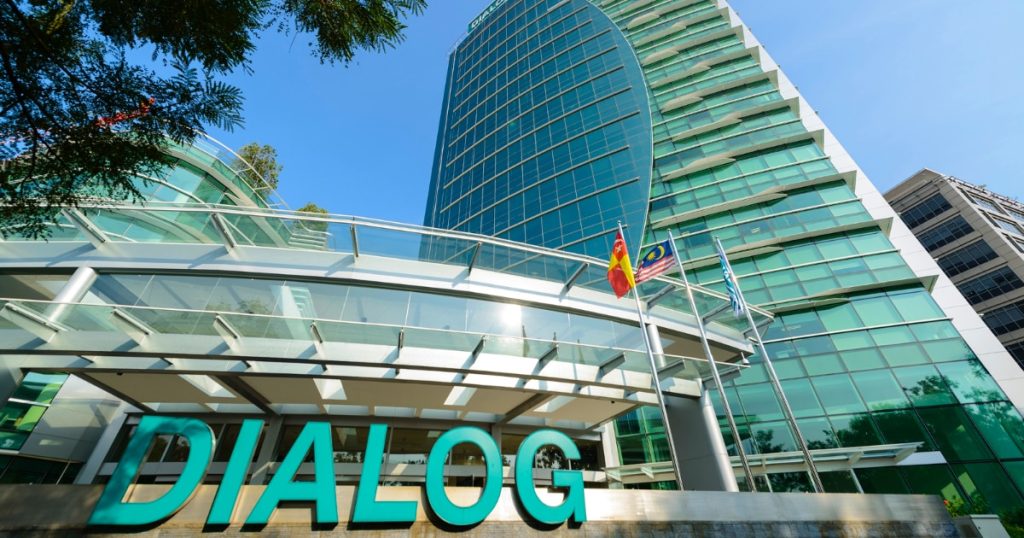
Dialog Secures Mutiara Cluster PSC from Petronas, Strengthening Upstream Portfolio

Dialog Group Berhad has been awarded a production sharing contract (PSC) for the Mutiara Cluster Small Field Asset, located offshore Sabah, by Petroliam Nasional Berhad (Petronas). This 14-year agreement, signed on 13 June, names Dialog’s wholly-owned subsidiary, Dialog Resources Sdn Bhd, as the sole operator with full ownership and a 100% participating interest. The Mutiara Cluster comprises five fields: Nymphe, Nymphe North, Kuda Terbang, Benrinnes, and Mutiara Hitam. According to Petronas, this marks the first PSC awarded under the Malaysia Bid Round 2025 (MBR 2025) via Malaysia Petroleum Management (MPM), with first production anticipated in 2029. Petronas stated the Mutiara Cluster PSC is designed to act as a catalyst for unlocking the broader potential of the Sandakan Basin and aims to increase local industry participation, aligning with Malaysia’s goal of strengthening its status as a competitive upstream investment hub. Dialog disclosed in a filing with Bursa Malaysia that the contract includes a two-year pre-development phase, during which a comprehensive field development plan will be finalised. This will be followed by a two-year development period, targeting commercial production by the end of that phase. The remaining 10 years of the contract will be dedicated to production, subject to the earlier of either full term completion or cessation of output. Participation in this small field asset PSC is aligned with Dialog’s long-term strategy to expand and diversify its presence across the energy sector. The company highlighted that this move enhances its ability to create synergies across its integrated operations, contributing to long-term, sustainable revenue from oil and gas production. “This development reinforces Dialog’s standing as a leading integrated technical service provider,” the group said. It added that further announcements would follow upon reaching the final investment decision (FID) and obtaining Petronas’ approval. While Dialog is primarily known for its oil and gas tank storage leasing business, the group also holds upstream assets, including a cluster of mature offshore fields in Sarawak and onshore production operations in Thailand. On the day of the announcement, Dialog’s shares rose six sen or 3.97%, closing at RM1.57, bringing its market capitalisation to RM8.49 billion. -The Edge Malaysia

News

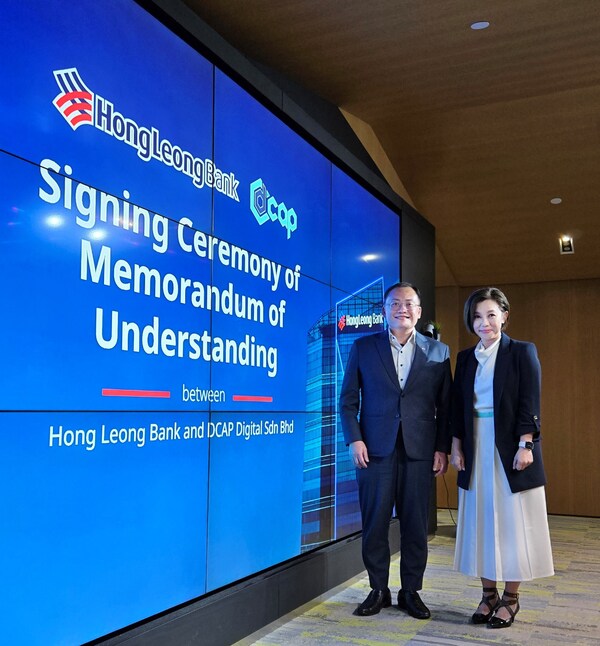
Hong Leong Bank and DCAP Digital Partner to Expand SME Lending with AI Technology

Hong Leong Bank (HLB) has formalised a strategic memorandum of understanding (MoU) with DCAP Digital, a leading Lending-as-a-Service (LaaS) technology provider, in a concerted effort to elevate SME lending and extend financial inclusion to Malaysia’s underbanked communities. Founded in 2020, DCAP Digital delivers a full-stack LaaS platform, offering fair and transparent credit solutions. Its platform enables capital deployment to pre-vetted borrowers and features a suite of digital tools that prioritise operational efficiency, transparency, and compliance with regulatory frameworks. Through this partnership, HLB aims to leverage DCAP Digital’s AI-powered credit scoring engine to enhance the precision and inclusivity of its credit assessments. By integrating advanced data-driven analytics with its established suite of financial services, the Bank is positioned to deliver tailored financing solutions, particularly in the consumer mobility segments such as motorcycles and electric vehicles. In May 2025 alone, Malaysia recorded over 61,000 new motorcycle registrations, underscoring continued demand in the sector. However, financing accessibility remains a hurdle for underbanked groups, who often face barriers in establishing creditworthiness and navigating KYC protocols. Commenting on the partnership, a spokesperson from Hong Leong Bank stated,“Aligned with our brand promise of being Built Around You, we remain committed to delivering a wide range of banking solutions that are responsive to the evolving needs of our customers. This collaboration with DCAP Digital reflects our drive to fuse AI technology, digital innovation, and tailored financing to enrich the customer experience.” The partnership is set to benefit HLB’s growing network of motorcycle dealers by simplifying loan application processes and expediting access to the Bank’s Dealer Hire Purchase Programme. Beyond hire purchase financing, the Bank will also offer dealers access to additional services such as cash management, bank acceptance, and trade line facilities through DCAP Digital’s platform. Sonia Ng, Co-Founder and Chief Executive Officer of DCAP Digital, expressed optimism about the collaboration:“We are pleased to partner with HLB to advance financial inclusion through AI-powered credit solutions. This collaboration brings together HLB’s financial capabilities and our technology-driven methods to support seamless experiences, SME transformation, and sustainable development within the motorcycle sector.” Looking ahead, the partnership will include a series of joint initiatives, including workshops, seminars, targeted marketing campaigns, and dealer training programmes aimed at streamlining application processes and enhancing industry engagement. -Fintech News

News

IOI Corp Welcomes Abdul Wahid Omar to Board

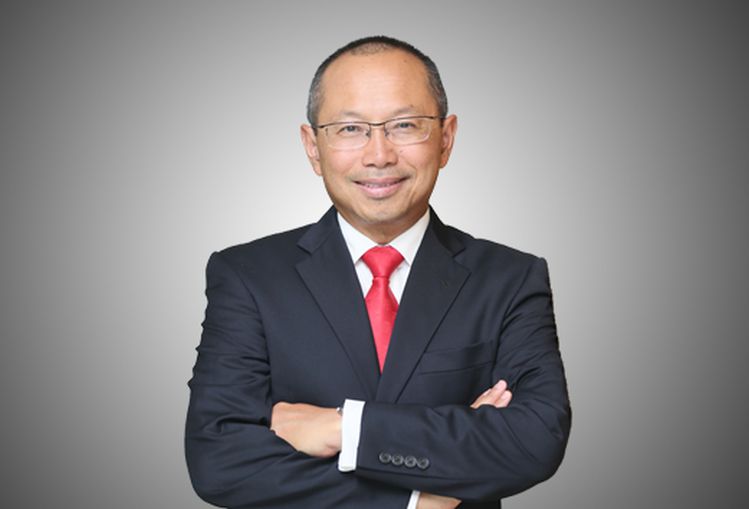
KUALA LUMPUR: IOI Corporation Berhad has announced the appointment of Tan Sri Abdul Wahid Omar to its board as a senior independent and non-executive director, effective 16 June 2025. The announcement, made on Friday, follows Abdul Wahid’s recent appointment as chairman of Cypark Resources Berhad. His addition to the IOI board is expected to bring valuable governance experience and strategic insight to the group. Abdul Wahid previously served as chairman of Bursa Malaysia Berhad, stepping down from the role on 30 April 2025. His relationship with the stock exchange spans over a decade, having first served as an independent director from 2004 to 2011 before returning as chairman in May 2020. At market close on Friday, IOI Corporation’s shares rose by one sen or 0.28% to RM3.61, giving the group a market capitalisation of RM22.69 billion. -The Edge Malaysia

News

Axiata Finalises Myanmar Exit with US$90 Million Tower Asset Sale

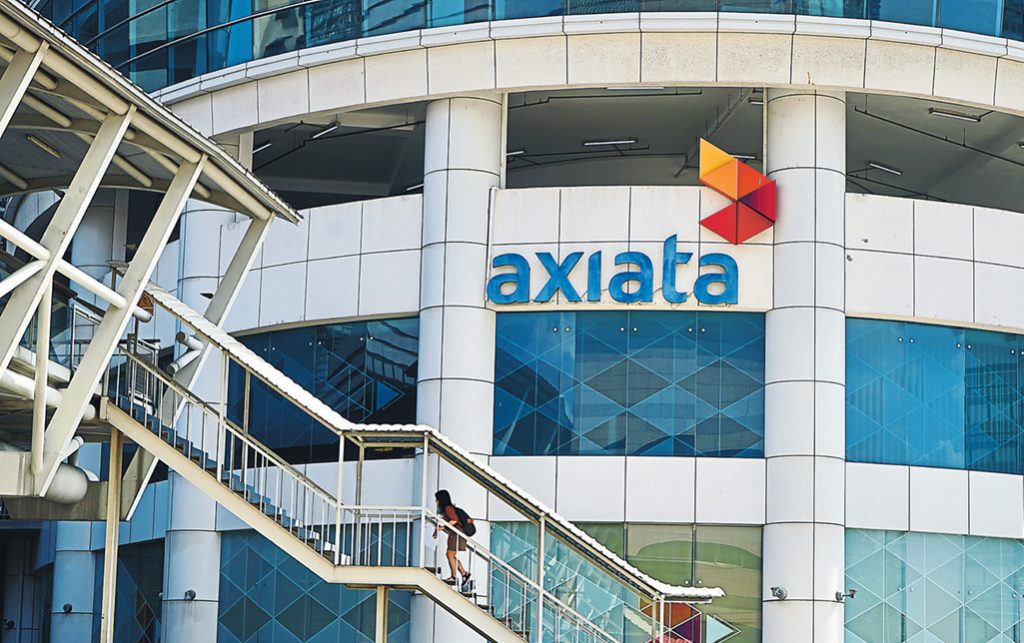
Axiata Group Bhd has completed the divestment of its Myanmar tower operations for a revised cash consideration of US$90 million (RM380.4 million), substantially lower than the initially proposed US$150 million (RM713.03 million). The transaction, undertaken through Axiata’s 63%-owned subsidiary edotco Group Sdn Bhd, involved the disposal of its entire 87.5% stake in edotco Investments Singapore Pte Ltd to Hong Kong-based Zillion Tower Holdings Ltd. The Singapore-based entity held edotco’s investments in Myanmar. In a filing with Bursa Malaysia, Axiata stated that the revised terms were negotiated on a willing buyer, willing seller basis, following a strategic review and engagement with alternative credible buyers. The group emphasised that the renegotiation aimed to ensure deal certainty amid a volatile external environment. Malaysia’s largest mobile operator by revenue cited the worsening political and economic landscape in Myanmar as the primary driver behind the disposal. Ongoing instability and elevated risks of international sanctions have made continued operations in the country untenable. “These challenges, compounded by impending sanction risks, have significantly disrupted edotco Myanmar’s operations, rendering further engagement in the market unsustainable,” the group noted. The sale proceeds of US$90 million were fully settled in cash, with no post-completion adjustments. The transferred shares were free of encumbrances and included all associated rights and entitlements. The decision to exit Myanmar was first announced in April 2024, aligning with Axiata’s broader strategy to strengthen its balance sheet and redeploy capital towards debt reduction. The group’s retreat from Myanmar follows a comprehensive review of the post-coup operating environment, which has deteriorated since the 2021 military takeover. This marks Axiata’s second foreign market exit in just over a year. In December 2023, the group withdrew from Nepal after a protracted dispute over capital gains tax liabilities linked to its former mobile unit, Ncell Axiata Bhd. Following the latest divestment, Axiata has further refined its portfolio strategy, distinguishing between long-term strategic investments and medium-term assets earmarked for potential monetisation. The latter group currently includes edotco, Indonesian broadband provider Link Net, fintech platform Boost, and data analytics company ADA. Meanwhile, the group’s core digital telecommunications assets — CelcomDigi Bhd in Malaysia, XLSMART in Indonesia, Robi in Bangladesh, Dialog in Sri Lanka, and Smart in Cambodia — remain central to its long-term strategy of delivering sustainable cash flow and improving shareholder returns. On Friday, Axiata shares closed four sen or 1.9% lower at RM2.06, giving the group a market capitalisation of RM18.92 billion. The stock has declined more than 14% year-to-date. -The Edge Malaysia

News

NexG to Invest RM250 Million in High-Security Identity Document Plant

KUALA LUMPUR : NexG Bhd has announced a significant RM250 million capital expenditure to establish a high-security identity document manufacturing plant, signalling a key phase in its corporate transformation and regional expansion strategy. The investment underscores NexG’s ambition to solidify its position as a global leader in secure identity solutions. The company, previously known as Datasonic Bhd, is executing a multi-phase transformation plan that includes capital injections, a rebranding exercise and strategic entry into high-growth international markets. “We are actively pursuing both domestic and international investment opportunities through our group of companies,” said Executive Chairman and Group Chief Executive Officer Datuk Hanifah Noordin. The proposed state-of-the-art facility, which will also house NexG’s new corporate headquarters, will be developed in three phases. Each phase is projected to generate between US$100 million and US$200 million (equivalent to RM421 million to RM842 million), with the final figures subject to variables such as document types, production volume, security specifications, project scale and technical complexity. Upon completion, the plant is expected to increase NexG’s annual production capacity by approximately 50 million secure identity documents, substantially enhancing its ability to cater to rising international demand. The initiative also aligns with NexG’s pivot towards digital manufacturing systems, intellectual property creation and data-centric security technologies, all of which support what the company describes as a “new paradigm of secure documentation.” “We aim not only to export technology but also to empower digital sovereignty for nations requiring scalable, trusted and secure identity infrastructure,” Hanifah added. As part of its broader investment strategy, NexG has taken significant equity positions in key strategic partners, including a 19 per cent stake in logistics provider MMAG Holdings Bhd and a 51 per cent interest in Innov8tif Holdings, a firm specialising in digital identity technology. With a defined strategic roadmap and a robust investment approach, NexG positions itself as a regional frontrunner in secure identity solutions and a critical enabler of digital infrastructure across ASEAN and beyond. -Business Times

News

MARii and PGTSSB Form Strategic Alliance

KUALA LUMPUR: The Malaysia Automotive, Robotics and IoT Institute (MARii) has entered into a strategic collaboration with PETRONAS Global Technical Solutions Sdn Bhd (PGTSSB) to transform the landscape of vehicle maintenance through cutting-edge diagnostic technologies. PGTSSB, the commercialisation and technical services arm of Petroliam Nasional Bhd (PETRONAS), will work with MARii to deploy the Advanced Diagnostic and Prognostic Technology (ADaPT) platform within the automotive industry under the ADaPTiV initiative. In a joint statement, MARii highlighted that ADaPT, originally engineered to enhance asset performance within the energy sector, will now be tailored to meet the evolving requirements of the automotive domain. The ADaPTiV system harnesses the power of artificial intelligence to deliver predictive analytics capable of identifying potential component failures before they occur, enabling proactive maintenance strategies. Integrated with Internet of Things (IoT) technologies, the system captures real-time data from critical vehicle components, facilitating timely, condition-based interventions. Further enriched by big data analytics, ADaPTiV produces actionable insights designed to optimise vehicle efficiency and encourage more intelligent driving behaviours. This initiative is part of MARii’s ongoing commitment to support the development of next-generation vehicles and mobility-as-a-service solutions. It aligns closely with national policy directions outlined in the New Industrial Master Plan 2030 and the National Automotive Policy 2020, both of which prioritise smart mobility and sustainable transport. MARii Chief Executive Officer Azrul Reza Aziz described the collaboration as a pivotal step forward in Malaysia’s pursuit of an advanced mobility ecosystem, signalling significant progress for both the institute and the broader national innovation agenda. -Bernama

News

RM31bil in Illicit Assets Recovered by MACC Over Five Years, Says Azam Baki

The Malaysian Anti-Corruption Commission (MACC) has seized RM3.54 billion and forfeited RM27.87 billion in assets over the past five years, according to Chief Commissioner Tan Sri Azam Baki. Delivering his remarks at the second MACC Accredited Law Enforcement Programme Convocation in Bangi, Azam revealed that the agency received 34,819 reports of alleged corruption and abuse of power between 2020 and April 2025. From these, 5,145 investigation papers were opened, leading to the arrest of 5,703 individuals. A total of 2,479 were prosecuted and 1,274 convicted. He emphasised the Commission’s uncompromising stance, stressing that strict disciplinary action will be taken against any offenders, including MACC personnel. “The MACC will not tolerate misconduct within its ranks. Harsh measures will be taken against any member found guilty,” Azam stated. He highlighted that the post-pandemic landscape and mounting global economic challenges have intensified social pressures and created more avenues for corruption. In response, he called for continued collaboration between the public and private sectors, academic institutions, civil society organisations and policymakers—not only in enforcement, but also in education, research, policy development, and technology. Azam also underscored the importance of early values-based education in cultivating a culture of integrity, noting that anti-corruption awareness must begin at home and be reinforced within schools. In a notable development, the MACC has successfully reduced the average duration required to investigate high-profile cases from 18 months to just six. Azam attributed this achievement to streamlined investigative procedures, enhanced training for officers and the adoption of advanced technologies. Where surveillance efforts previously required multiple officers, technology now enables the Commission to identify and track suspects or witnesses more rapidly and with fewer resources. -FMT

News

Audit Oversight Board Suspends Chengco PLT, Imposes Sanctions on Five Auditors

The Securities Commission Malaysia (SC), through its Audit Oversight Board (AOB), has suspended the audit firm Chengco PLT (CCO) for a period of two years following serious lapses in audit quality. In its official statement, the SC confirmed the imposition of sanctions on five audit partners affiliated with Chengco. These individuals served as engagement partners and engagement quality control reviewers (EQCRs) in the audits of three public interest entities (PIEs). Among those sanctioned are Hong Thuan Boon and Yap Peng Boon, who face a two-year suspension. Three additional partners — Tan Wae Leng, Kong Tung Sam and Ng Kee Siang — have been barred from auditing or accepting PIEs and scheduled funds for one year. The SC stated that the disciplinary action stemmed from the AOB’s findings of multiple breaches by Chengco, specifically its failure to comply with key provisions of the International Standards on Auditing, as adopted by the Malaysian Institute of Accountants. These breaches occurred in connection with audits performed on three PIEs. The findings point to deficiencies in several fundamental audit areas. These include a failure to gather sufficient audit evidence in matters relating to bank borrowings, opening balances and prior year adjustments, going concern assumptions, other payables and accruals, revenue recognition, cost of sales, redeemable convertible preference shares and goodwill valuation. The AOB also noted recurring deficiencies concerning property development costs and fixed deposits. Furthermore, the EQCR was found to have inadequately reviewed critical audit documentation, particularly in areas involving significant judgement and risk. This shortcoming was determined to have negatively impacted the overall quality of the audits in question. The SC reaffirmed its commitment to maintaining high standards of audit quality and regulatory compliance, particularly in audits involving public interest entities. -The Star

Scroll to Top

Subscribe
FREE Newsletter