Malaysia

ESG

Malaysia Gains Global Recognition for Alignment with ISSB Sustainability Standards

KUALA LUMPUR: Malaysia has received international recognition for aligning its sustainability reporting practices with global standards, according to the Securities Commission Malaysia (SC). The acknowledgement comes via the latest Jurisdictional Profile released by the International Financial Reporting Standards (IFRS) Foundation, positioning Malaysia as the sole ASEAN nation recognised for adopting the International Sustainability Standards Board (ISSB) Standards under a limited transition framework. This distinction reinforces the credibility of Malaysia’s National Sustainability Reporting Framework (NSRF), launched in September 2024. Developed by the Advisory Committee on Sustainability Reporting (ACSR), the NSRF represents a significant milestone in the nation’s corporate sustainability agenda. Malaysia’s adoption of the ISSB’s IFRS S1 and IFRS S2 standards incorporates transitional provisions, including a ‘climate-first’ reporting approach and deferred disclosure of Scope 3 greenhouse gas (GHG) emissions. These measures aim to ease the transition for companies at different stages of sustainability maturity. “This approach facilitates a smooth transition to full adoption of the ISSB Standards, while recognising the varying levels and maturity in sustainability practices among companies,” the SC stated. SC Chairman Datuk Mohammad Faiz Azmi noted that the ISSB’s endorsement affirms the nation’s strategic direction in sustainability reporting. “The ACSR welcomes the ISSB’s endorsement, which represents an important recognition of our efforts in using the ISSB Standards as the baseline for sustainability disclosures in Malaysia,” he said. He further acknowledged the challenges entities may face in meeting the rigorous standards set by the ISSB, emphasising the importance of targeted support. To aid organisations in fulfilling the new requirements, the NSRF has rolled out the Policy, Assumptions, Calculators, and Education (PACE) initiative, which provides training, tools, and technical resources. Earlier this year, PACE conducted sessions on interoperability between the ISSB and Global Reporting Initiative (GRI) Standards. Ongoing efforts under PACE include the creation of illustrative sustainability reports and the launch of the NSRF Preparers’ Programme, designed to enhance disclosure competencies. The ACSR also intends to continue sector-specific engagement to support broader and more effective adoption. -Business Times

News

Bermaz Auto Reports 77% Q4 Profit Decline Amid Rising Market Competition

Bermaz Auto Bhd (BAuto) has issued a cautious outlook for its performance in the financial year ending 30 April 2026, citing intensifying competition and prevailing macroeconomic headwinds. For the fourth quarter ended 30 April 2025 (4Q25), the group reported a sharp 77% year-on-year decline in net profit to RM21.2 million, translating to earnings per share of 1.82 sen. Revenue fell 44% year-on-year to RM528.65 million, primarily due to a marked contraction in sales volume from its Mazda and Kia domestic operations. The group attributed this decline to the ongoing influx of competitively priced Chinese-manufactured vehicles in the Malaysian market, which has significantly disrupted established brand performance. For the full financial year ended 30 April 2025 (FY25), BAuto posted a 55% drop in net profit to RM155.91 million or 13.35 sen earnings per share. Revenue also declined 33% year-on-year to RM2.6 billion. The company noted that the Malaysian automotive sector is facing a subdued growth trajectory, shaped by persistent inflationary pressures and a slowdown in global economic momentum. Uncertainties stemming from geopolitical conflicts and evolving trade tariff negotiations, particularly involving the United States, are expected to have further repercussions on domestic economic sentiment and consumer spending patterns. Additionally, the surge of Chinese vehicle brands continues to weigh on market dynamics, adversely affecting the performance of other marques in Malaysia. BAuto indicated that the timing and success of upcoming model launches or facelifts will remain contingent on prevailing market sentiment and broader economic conditions. Citing data from the Malaysian Automotive Association, BAuto reported that the total industry volume (TIV) for April 2025 stood at 60,527 units, representing a 16.8% decline (12,177 units) compared to March 2025’s volume of 72,704 units. This contraction was largely attributed to a shorter working month in April due to Hari Raya festivities and a front-loaded delivery push in March. Year-to-date, TIV for the first four months of 2025 reached 248,730 units, reflecting a 5.4% decline (14,320 units) from the same period in 2024, which saw 263,050 units sold. Outside of Malaysia, BAuto’s operations in the Philippines are operating within a more resilient macroeconomic environment. According to the Department of Finance, the Philippines recorded a GDP growth rate of 5.4% in the first quarter of 2025 (4Q24: 5.3%). The outlook for the remainder of 2025 remains positive, with GDP projected to grow around 6.0% in the coming quarters. In respect of FY25, BAuto’s Board of Directors has approved a fourth interim single-tier dividend of 1.50 sen per share. This is significantly lower than the 4.75 sen and special dividend of 7.00 sen declared in the corresponding period last year. The dividend will be payable on 5 August 2025, with the entitlement date set for 18 July 2025. -The Star

ESG

BNM Expands Sustainability Strategy to Support Asean Energy Transition

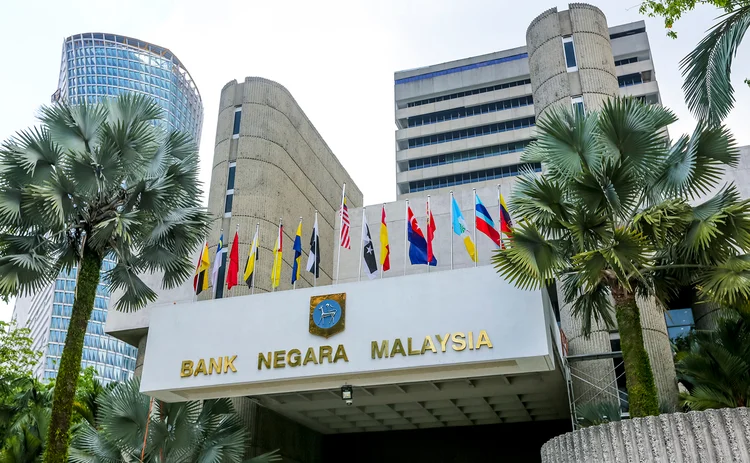
Bank Negara Malaysia (BNM) is strengthening its commitment to regional sustainability by aligning with Malaysia’s Asean chairmanship theme of “Inclusivity and Sustainability”. The central bank will prioritise two key areas: financing energy transition initiatives across Asean and supporting the low-carbon transformation of small and medium enterprises (SMEs). These focal points were underscored during the recent Asean Finance Ministers’ and Central Bank Governors’ Meeting, held in Kuala Lumpur earlier this month. As part of its efforts to catalyse the region’s energy transition, BNM will play a facilitative role in mobilising funding mechanisms for the Asean Power Grid (APG). Assistant Governor Madelena Mohamed, who leads the central bank’s new strategy and sustainability division, noted that enabling the APG is essential to boosting cross-border electricity trade, particularly for renewable sources. Launched in 2018, the APG aims to establish a connected regional power grid to drive energy security and sustainability. However, realising this vision requires substantial investment in infrastructure upgrades. The Asean Investors Roundtable—held during the same week—served as a platform to convene project champions, investors, and philanthropic capital providers to deliberate on financing modalities, practical challenges, and policy enablers. “This marks an important step towards realising this long-term, highly complex and economically significant infrastructure project,” said Madelena in a written response to ESG. In tandem, BNM is scaling up its Greening Value Chain (GVC) programme, originally launched in Malaysia in 2023, to the broader Asean region. The initiative equips SMEs with tools and financing support to measure and disclose their greenhouse gas emissions. A playbook, Building Supply Chain Resilience: Insights into Greening Value Chains for Asean, was released during the meeting week, drawing on insights from the programme’s rollout in Malaysia. According to Madelena, “We envisage GVC to be rolled out in at least one other Asean country this year, and for the playbook to serve as a key reference by businesses and financiers.” Navigating a Complex Sustainability Mandate Appointed assistant governor in January, Madelena brings 32 years of experience at BNM, most recently serving in its sustainability unit. Acknowledging the growing complexity of climate-related challenges, she emphasised that public and stakeholder trust in the central bank’s stewardship must be matched with decisive and inclusive action. “The stakes are high. Our operating environment is becoming more challenging. The public and other stakeholders trust and expect us to discharge our mandates well, and this should not be taken lightly,” she said. The financial sector remains instrumental in Malaysia’s path towards net zero emissions by 2050. Madelena highlighted that the foundations are already in place, with Islamic financial institutions having taken the lead in sustainable finance. “This provided us valuable lessons that shaped our approach to climate finance and risk management,” she said. BNM’s Joint Committee on Climate Change, launched in 2019 alongside other stakeholders, has evolved into a platform for collaborative innovation in climate risk and finance. “With the foundation in place, we are shifting the gear towards impactful implementation. Realising this ambition requires Bank Negara to work collaboratively with our stakeholders, particularly peer regulators, government ministries and agencies, and industry players.” The bank’s close engagement with regional central banks is evident through its work with the Asean Taxonomy Board. In December 2024, the board released Version 3 of the Asean Taxonomy for Sustainable Finance, the world’s first regional transition taxonomy. Its distinctive “traffic light” system acknowledges firms at various stages of decarbonisation. BNM’s own Climate Change and Principle-based Taxonomy—mandatory for financial institutions—aligns with this regional framework. Internally, the central bank is advancing its own climate transition plan and has implemented a structured capacity development programme to support its objectives. The Asean Investors Roundtable also explored the role of Islamic finance in funding large-scale climate projects. Madelena revealed that RM11.9 billion in Sustainable and Responsible Investment (SRI) sukuk were issued in 2024, a threefold increase from 2021. Under the Values-Based Intermediation (VBI) framework, Islamic financial institutions have channelled over RM26 billion into green and decarbonisation-focused activities. -The Edge Malaysia

News

KPJ Healthcare Faces Potential Cost Pressures from SST Expansion

KPJ Healthcare Bhd is expected to navigate a more challenging operating landscape from July 2025 onwards, following the impending expansion of Malaysia’s Sales and Service Tax (SST), which is poised to elevate rental and medical tourism-related costs. In a client note, MIDF Research highlighted the recent asset injection by KPJ involving two hospital properties a 15-storey facility at KPJ Ampang Puteri and a 10-storey building at KPJ Penang into Al-‘Aqar Healthcare REIT, with a combined transaction value of RM241 million. Under the terms of the agreement, KPJ will lease the Ampang Puteri hospital for 11 years and the Penang hospital for 15 years. Both leases include a 2% annual rental escalation and an option for a 15-year extension. MIDF Research noted that the base rental for the two assets will amount to approximately RM15 million in 2025. With the SST implementation, this is projected to increase to RM16 million. Although contracts executed prior to the SST’s effective date will enjoy a one-year exemption, rental costs are anticipated to climb to nearly RM17 million in 2026, and further escalate to RM22 million by 2040. The brokerage also underscored that KPJ has previously transferred 19 of its 30 hospitals to Al-‘Aqar. Excluding the latest additions, lease payments for 2024 are expected to surpass RM107 million. Proceeds from the sale-and-leaseback deal — RM100 million allocated for debt repayment and RM139 million earmarked for working capital — are expected to provide short-term financial flexibility. MIDF believes this capital deployment will help KPJ manage the impact of economic headwinds and policy shifts. However, the implications for KPJ’s medical tourism segment could be more pronounced. With between 9% and 12% of the group’s revenue derived from international patients, the SST is estimated to add RM24 million to RM32 million in annual tax expenses. This may erode KPJ’s cost competitiveness relative to both domestic and regional peers and heighten consumer price sensitivity. Consequently, MIDF Research has revised its earnings forecast for the financial years 2025 to 2027 downwards by 1%. Its target price for KPJ stock has been adjusted from RM3.02 to RM3.00, based on a price-to-earnings ratio of 28.8 times and an updated estimated earnings per share of 10.4 sen. Despite the projected increase in operating costs, the research house maintains a ‘neutral’ stance on KPJ, citing the overall minimal impact of the SST on the group’s earnings outlook. -The Star

News

GDEX Maintains Positive Outlook Amid SST Expansion and Strategic Shifts

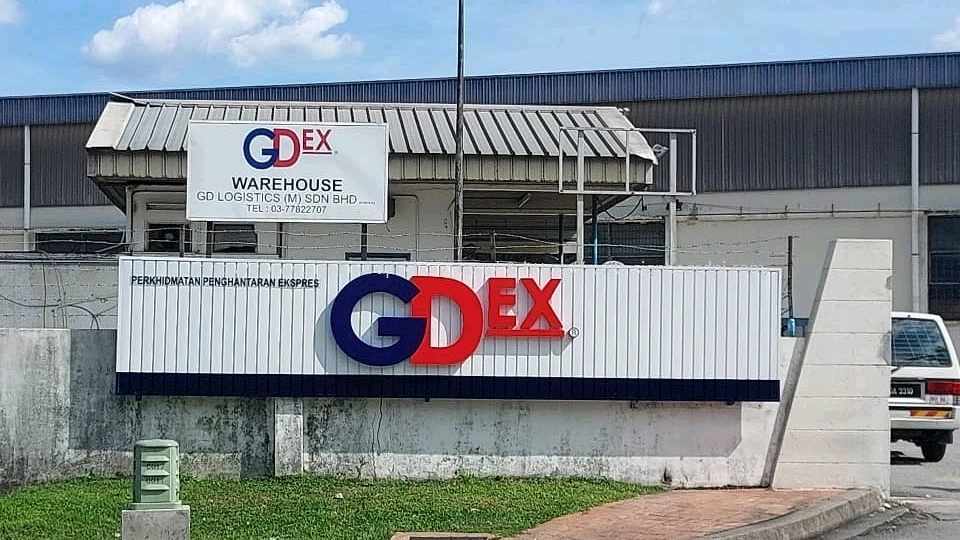
PETALING JAYA: GDEX Bhd remains cautiously optimistic as it prepares for the broadened scope of the Sales and Service Tax (SST) set to take effect on 1 July. The courier services provider acknowledges the upcoming changes will “definitely have an impact” on its operations, particularly with the inclusion of leasing services under the 8% tax rate for companies generating over RM500,000 annually in leasing revenue. Managing Director and Group Chief Executive Officer Teong Teck Lean, speaking to select media following the company’s annual general meeting, stated that GDEX is actively evaluating the implications of this expanded tax. He noted that many of the properties the group occupies are under long-term lease agreements, which were signed without consideration for the new tax requirements. “As we are leasing a significant number of premises, the introduction of SST on leasing services will undoubtedly affect us,” said Teong. “Our immediate task will be to work with our landlords and relevant stakeholders to navigate this financial adjustment, whether through renegotiation or absorption of costs.” Despite this development, Teong expressed confidence in the group’s strategic trajectory. GDEX has adopted a more collaborative approach to its business model, partnering not only with traditional allies but also exploring synergies with competitors. This shift is expected to support the group’s improving operational momentum. Financially, the group has demonstrated a tangible recovery. For the first quarter of the financial year ending March 2025 (1Q25), GDEX reported a net loss of RM164,000—a marked improvement from the RM2.2 million net loss recorded in the same quarter of the previous year. For the full financial year 2024 (FY24), GDEX narrowed its net loss significantly from RM34.9 million in FY23 to RM1.8 million. Notably, the group posted a net profit of RM4.8 million in the fourth quarter of FY24. Additionally, GDEX reported RM53.4 million in earnings before interest, tax, depreciation and amortisation (EBITDA) and maintained a robust net cash position of RM197.2 million. During its AGM, shareholders approved a final single-tier dividend of 0.2 sen per share for FY24. Looking ahead, the group has allocated RM20 million for strategic acquisitions in 2025, aimed at strengthening the GD Exchange ecosystem. However, Teong reaffirmed that the company will continue to exercise caution and discipline in its acquisition strategy. “Synergistic value and alignment with our business direction are essential. We prefer to take a controlling interest in acquisitions to ensure full integration and operational alignment,” he added. As part of its commitment to operational enhancement, GDEX has invested RM8 million in enterprise resource planning systems and is actively investing in technology, artificial intelligence, and environmental, social and governance (ESG) initiatives. However, Teong emphasised that ESG investments must yield attractive returns. He cited the group’s use of electric trucks for short-distance deliveries in the Klang Valley as an example of balancing sustainability with cost-efficiency, particularly in the context of rising diesel prices. Separately, GDEX announced plans to divest non-core assets, including a property in Ipoh. This divestment aligns with the group’s continued focus on cost optimisation and digital transformation, enabling reallocation of capital to high-impact areas such as infrastructure integration, talent acquisition and digital systems. -The Star

Investment & Market Trends

Gold Futures Settle Higher on Bursa Malaysia

KUALA LUMPUR: Gold futures on Bursa Malaysia Derivatives closed higher today, supported by increased investor interest and a softer US dollar, which made the precious metal more attractive to international buyers. The benchmark spot-month contract for June 2025 rose to US$3,347.80 per troy ounce, up from US$3,339.50 on Tuesday. The July 2025 contract also recorded gains, settling at US$3,356.30 per troy ounce compared with US$3,348.00 previously. Further along the curve, the August, September and October 2025 contracts all posted improvements, with prices climbing to US$3,375.80 per troy ounce from US$3,365.30. Despite the uptick in prices, trading volume slipped to 38 lots, compared to 54 lots recorded in the previous session. Open interest, however, inched up marginally to 84 contracts, from 83 a day earlier. Meanwhile, the London Bullion Market Association (LBMA) reported the physical gold price at US$3,337.70 per troy ounce in its afternoon fix on 10 June. -Bernama

Energy & Technology, News

DayOne Secures US$3.5 Billion in Financing for Johor Data Centre Expansion

DayOne Data Centers Singapore Pte Ltd has secured a landmark US$3.5 billion (approximately RM15 billion) in multicurrency financing to support the development and expansion of its green data centre operations in Johor, Malaysia.   The financing package, arranged with the support of Oversea-Chinese Banking Corporation Ltd (OCBC) and its Malaysian subsidiary OCBC Bank (Malaysia) Bhd, comprises RM7.5 billion in Islamic financing and a US$1.7 billion offshore term-loan facility. Both entities acted as joint coordinators for the syndicated deal, which represents the largest-ever loan secured by the company to date. Proceeds from the financing will be utilised for refinancing and capital expenditure associated with DayOne’s data centre infrastructure in the region. The facilities are on track to obtain certification for green digital infrastructure, in alignment with global sustainability standards. Malaysia, particularly Johor state, is rapidly emerging as a strategic hub for data centre development in Asia, driven by accelerating demand linked to artificial intelligence and digital transformation. Located directly across the causeway from Singapore, Johor currently hosts around 30 operational or in-progress data centre projects, with an additional 20 awaiting regulatory approval. Major international technology firms, including Microsoft Corp and ByteDance Ltd, have also committed to investments in Johor’s data infrastructure. DayOne, previously known as GDS International, serves as the international arm of China-based data centre operator GDS Holdings Ltd. According to Bloomberg, this financing arrangement is among the largest syndicated loans ever secured by a data centre operator in Asia. -Bloomberg

News

MARA Invests RM10 Million to MotoExpert Programme

KUALA LUMPUR: Majlis Amanah Rakyat (MARA) has committed RM10 million to bolster Bumiputera entrepreneurship within the motorcycle maintenance and repair sector through the MARA-Petronas Automotive Entrepreneur Development (PUMP) MotoExpert Programme.   Datuk Dr Asyraf Wajdi Dusuki, Chairman of MARA, announced that the strategic allocation will support 30 motorcycle workshop operators this year, each eligible for business financing facilities of up to RM300,000. In addition to the capital injection, MARA is allocating RM1 million specifically for structured technical training. Selected entrepreneurs will also receive assistance with rebranding, business financing, supply chain integration, and overall operational enhancement. “Entrepreneurs will benefit not only from financial support but also from structured training, spare parts supply, and assistance in transforming their premises’ branding and operating systems to ensure greater competitiveness,” said Dr Asyraf during the programme’s launch in Kuala Lumpur. He further emphasised that MARA will closely monitor the initiative, noting that the programme aims to create a robust and integrated entrepreneurial ecosystem rather than serving as a standalone financing scheme. In a concurrent statement, MARA confirmed that PETRONAS Lubricants Marketing Malaysia Sdn Bhd (PLMM) will be a key strategic partner, directly supplying PETRONAS Sprinta lubricant products to MotoExpert workshops. This direct supply model eliminates intermediaries and improves profit margins for participating entrepreneurs. PLMM will also provide support in areas such as marketing, technical training, and industry collaboration, ensuring workshop operators are well-positioned for long-term sustainability and growth. The MotoExpert programme is open to graduates of MARA’s Technical and Vocational Education and Training (TVET) institutions or other recognised training centres. Applicants must have operated a motorcycle workshop for a minimum of six months and recorded annual sales exceeding RM360,000. Selection is subject to a formal interview process. -Bernama

Property

OYO Launches Premium SUNDAY Hotel Brand in Malaysia

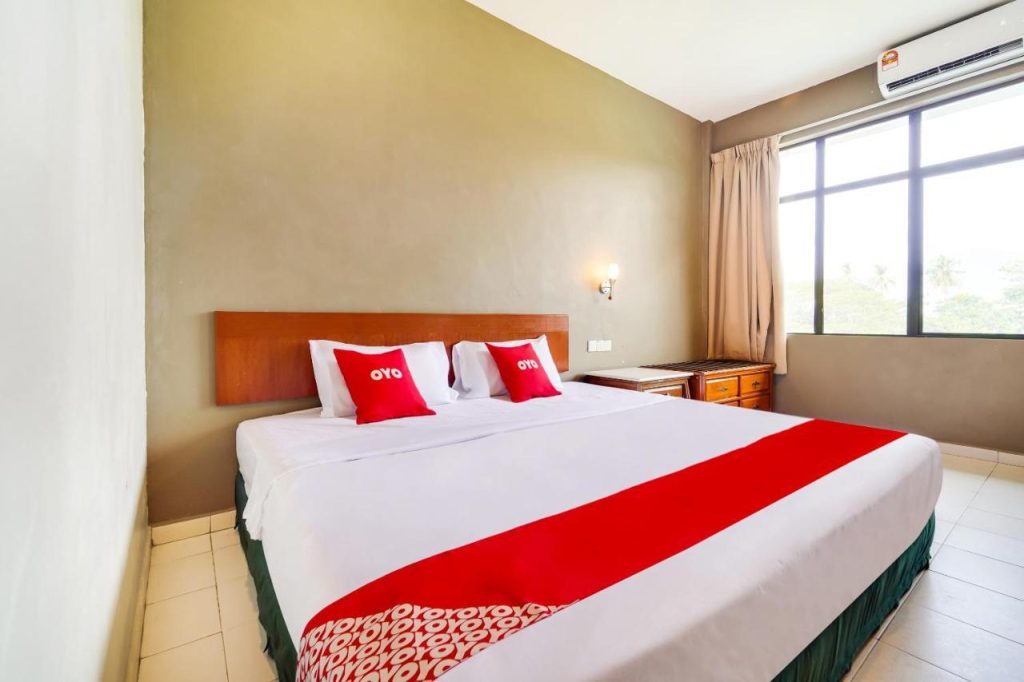
KUALA LUMPUR: Global hospitality technology company OYO has announced the debut of its premium hotel brand, SUNDAY Hotel, in Malaysia. The simultaneous openings of SUNDAY Hotel in Kuala Lumpur and Langkawi mark the beginning of the brand’s footprint in the country, with ten additional properties scheduled for launch by the end of 2025. Strategically positioned in key tourist locations, the Kuala Lumpur property is situated in close proximity to the iconic Petronas Twin Towers. Meanwhile, the Langkawi hotel is located approximately 10 kilometres from Langkawi International Airport and within a five-minute walk of the popular Cenang Beach. “We have been inspired by the global acclaim of SUNDAY Hotels and have worked diligently over the past year to identify properties that align with our vision of delivering memorable stays,” said Raymond Chen, Country Business and Operations Head for OYO Malaysia. The upcoming Malaysian properties will be located in high-demand tourist hubs including Johor Bahru, Penang Island, Kuantan, and Kota Kinabalu. This expansion aligns with OYO’s broader strategic vision to scale its premium hospitality portfolio internationally. SUNDAY Hotels are supported by a dedicated team of highly trained hospitality professionals, offering round-the-clock personalised service. Each property is equipped with modern amenities, including high-speed Wi-Fi, flatscreen televisions, in-room dining facilities, mini-bars, and premium toiletries. The expansion into Malaysia forms part of OYO’s continued global rollout of the SUNDAY Hotel brand, which was first launched in May 2023 in Jaipur, India, through a joint venture between SoftBank and Oravel Stays. Since then, the brand has extended its presence to Saudi Arabia, the United Kingdom, and Dubai. India currently operates three SUNDAY Hotels, with a target to increase this number to 25 by March 2025. -The Edge Malaysia

News

Takaful Malaysia Set for Sustained Growth

Syarikat Takaful Malaysia Keluarga Bhd (Takaful Malaysia) is positioned to deliver improved financial results in the coming quarters, supported by a structural realignment in its product portfolio and a focus on margin expansion. Affin Hwang Investment Bank Research has reaffirmed its “buy” rating on the company, maintaining a 12-month target price of RM3.80. The research firm attributed its bullish outlook to the insurer’s evolving business model, which it expects to drive faster profit recognition and bolster long-term shareholder returns. A key driver behind this optimism is Takaful Malaysia’s strategic transition towards shorter-tenure Credit Takaful products, particularly personal financing (PF) offerings, which are increasingly displacing the traditionally dominant mortgage reducing term Takaful (MRTT) plans. This shift has been catalysed by bancatakaful partners imposing a 10-year cap on mortgage refinancing tenures, prompting a larger share of borrowers to opt for shorter-term personal financing solutions. The ratio of MRTT to PF within the portfolio has notably shifted from 65:35 to 32:68, a trend that Affin Hwang views as a catalyst for faster profit emergence. The shorter average tail-length of these products enables more front-loaded delivery of services, expediting the realisation of the contractual service margin. While the full financial impact may not be immediately evident in 2025, the research house anticipates the earnings uplift to gain traction in the second half of the year and beyond, enhancing the company’s overall earnings trajectory and return on equity. Despite facing a sector-wide slowdown in demand for medical and hospitalisation takaful products—driven by rising medical inflation and annual premium repricing—Takaful Malaysia is leveraging this environment to focus on profitability. With many consumers reducing or discontinuing their medical coverage, insurers have an opportunity to optimise margins. Takaful Malaysia is capitalising on this by selectively underwriting higher-quality accounts. The strategy has already yielded strong early results. In the first quarter of 2025, the company’s employee benefits segment recorded a substantial 77% year-on-year increase, supported by both volume growth and repricing initiatives. From a valuation perspective, Takaful Malaysia continues to present an attractive proposition. It currently trades at 7.6 times forward earnings—significantly below the sector average of approximately 10.5 times—while offering a projected dividend yield of between 5.2% and 5.5% for the period 2025 to 2027. -The Star

Scroll to Top

Subscribe
FREE Newsletter