Malaysia

Energy & Technology, News

BNM, BOT Ink MoU to Enhance Cyber Resilience in Finance

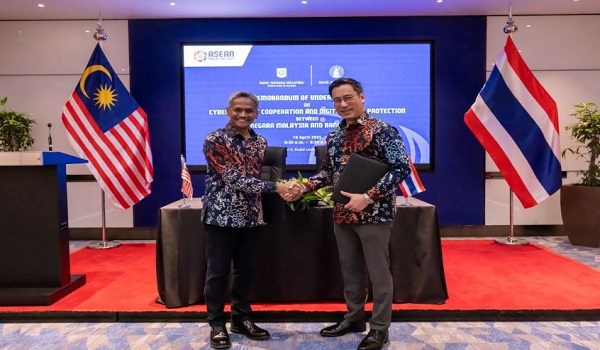
Bank Negara Malaysia (BNM) and the Bank of Thailand (BOT) have formalised a Memorandum of Understanding (MoU) to deepen bilateral cooperation in cybersecurity and the mitigation of digital fraud threats across their respective financial sectors. The MoU lays the groundwork for enhanced collaboration between the two central banks, with a focus on information sharing, capacity building, and the exchange of best practices. It underscores a shared commitment to fortifying cyber resilience and improving the security infrastructure of both nations’ financial ecosystems. The agreement was signed by BNM Governor Dato’ Seri Abdul Rasheed Ghaffour and BOT Governor Dr. Sethaput Suthiwartnarueput. Dato’ Seri Abdul Rasheed stated that BNM remains steadfast in its efforts to strengthen the resilience of financial institutions and protect consumers from evolving cyber threats. “This partnership with the Bank of Thailand will significantly enhance our collaborative efforts in cybersecurity and digital fraud prevention,” he said. Dr. Sethaput echoed this sentiment, highlighting the growing need for cross-border collaboration in the face of increasingly complex cyber threats. “Through this partnership, we aim to strengthen the integrity and resilience of our financial systems, ultimately benefiting consumers in both countries,” he noted. This strategic alliance comes amid rising concerns over cyber risks in the region’s financial sector, signalling proactive measures by both central banks to address emerging challenges and ensure financial stability.

News

AmBank CFO Shafiq Abdul Jabbar Resigns, Expected to Join Maybank

AMMB Holdings Bhd (AmBank Group) has announced the resignation of its Group Chief Financial Officer (CFO), Shafiq Abdul Jabbar, effective 1 July 2025. According to a recent Bursa Malaysia filing, Shafiq will commence his garden leave starting 10 April. Industry sources indicate that Shafiq is expected to take on the role of Group CFO at Malayan Banking Bhd (Maybank), filling the vacancy left by Khalijah Ismail earlier this year. Khalijah’s departure in February followed an internal inquiry, with Maybank citing non-compliance with internal procedures. While she has disputed the circumstances of her exit, the bank confirmed that no financial losses were incurred. In the interim, Malique Firdaus Ahmad Sidique from Maybank’s Islamic banking division has been serving as acting CFO. Maybank has not issued an official statement regarding Shafiq’s potential appointment. AmBank Group Chief Executive Officer Jamie Ling will assume oversight of the finance division pending the appointment of a new CFO. Ling, who previously served as the Group CFO, is expected to provide continuity during the transition. Shafiq joined AmBank in February 2024 and brings extensive experience in financial leadership, having previously served as CFO at Astro Malaysia Holdings Bhd and CIMB Bank Bhd. The potential move signals a key leadership reshuffle among two of Malaysia’s major banking institutions and may have strategic implications for both financial groups moving forward.

News

Global Stocks Soar, But US-China Tensions Keep Markets on Edge

SINGAPORE:  Global stocks staged a strong rebound on Thursday, while bond markets stabilised following US President Donald Trump’s unexpected decision to pause newly imposed tariffs on dozens of countries for 90 days. The move offered markets temporary relief after a turbulent week marked by sharp selloffs and investor anxiety. Trump’s reversal came after a wave of financial market volatility triggered by his tariff announcement, which had wiped trillions off global equities and sparked fears of a global economic slowdown. Although the pause brought some calm, investors remain wary of the broader implications of US trade policy, especially as tensions with China continue to escalate. Market Reaction Mixed Following the announcement, European stock futures surged, with EUROSTOXX 50 and DAX futures gaining nearly 8%, and the FTSE futures up by 5.4%. In Asia, Japan’s Nikkei jumped over 8%, while China’s CSI300 rose 1%, and Hong Kong’s Hang Seng Index advanced 2.4%. However, the momentum faded somewhat in the US, where Wall Street futures pulled back. Nasdaq futures dropped more than 1%, and S&P 500 futures fell 0.8%, after both indexes saw their biggest daily percentage gains in over a decade on Wednesday. “The world, political and financial, is looking on with horror — not bemusement — at an administration that flip-flops on major policies like tariffs,” said Martin Whetton, Head of Financial Markets Strategy at Westpac. He criticised the inconsistency of the administration, noting the contrast between tariff reversals and unrelated executive actions. The US dollar also slipped, falling 0.8% against the yen and 0.6% versus the Swiss franc, both seen as safe haven currencies. Khoon Goh, Head of Asia Research at ANZ, described the rally as a “massive short-covering move” that offered the world some breathing room. “Markets were starting to price in the worst-case scenario. Now that the dust has settled, investors will reassess the direction,” he said. Not a Complete Reversal Despite the pause, Trump maintained a 10% blanket duty on almost all US imports. Additionally, existing duties on autos, steel, and aluminium remain in effect. The White House also confirmed a steep increase in tariffs on Chinese goods — from 104% to 125%. China responded swiftly, raising its own duties on US products to 84% and imposing new restrictions on 18 American companies, mainly in defence-related sectors. China Supply Chains in Focus Despite rising Sino-US tensions, investors are cautiously optimistic that the global trading system will hold — at least for now. “At least the relief is that global trade won’t grind to a complete halt,” said Wong Kok Hoong, Head of Equity Sales Trading at Maybank. He noted that companies still had room to adjust supply chain routes under the current 10% tariff structure. The “China + 1” strategy, where firms diversify production beyond China, remains intact, Wong added. However, the Chinese yuan fell to 7.3518 per US dollar — its lowest since December 2007 — as the People’s Bank of China set the midpoint at its weakest since September 2023. Bond Market Calms After Brutal Selloff The US bond market also showed signs of recovery. The benchmark 10-year Treasury yield eased to 4.29%, down from Wednesday’s high of 4.515%, a spike that had fuelled fears of instability in the world’s largest bond market. “Sticky inflation, a patient Fed, foreign buyer hesitation, and poor market liquidity are all pushing yields higher,” said Lawrence Gillum, Chief Fixed Income Strategist at LPL Financial. Minutes from the Federal Reserve’s mid-March meeting revealed that policymakers are unlikely to cut interest rates soon, citing expectations that tariffs could stoke inflation even as they pose risks to growth. As a result, markets have revised down expectations for rate cuts this year — now pricing in just 80 basis points compared to over 100 earlier in the week. Commodities and Safe Havens React Oil prices dipped as investors continued to digest the implications of worsening US-China trade tensions. Meanwhile, spot gold rose 1.5% to US$3,128.92 per ounce, reflecting the continued demand for safe haven assets.

News

ASEAN Opts for Diplomacy Over Retaliation in Response to US Tariffs

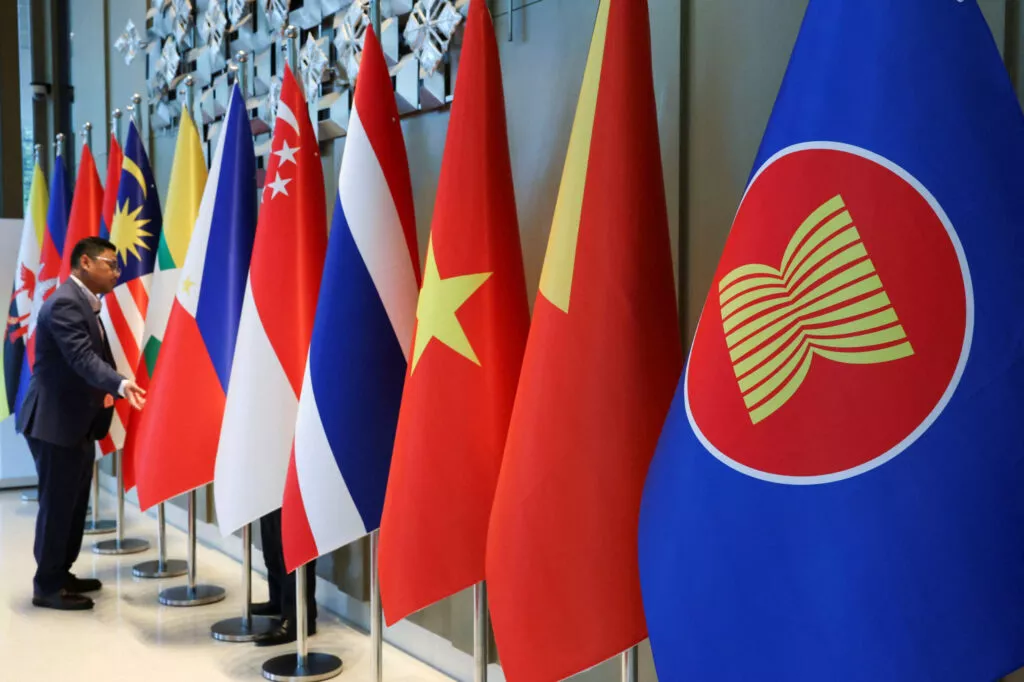
ASEAN has announced it will not respond with retaliatory measures to the recent wave of tariffs imposed by US President Donald Trump, instead calling for open and constructive engagement to resolve trade tensions. In a joint statement issued following a meeting of ASEAN economic ministers in Kuala Lumpur, the 10-nation bloc reaffirmed its commitment to protecting regional economic interests while preserving strong and mutually beneficial relations with the United States. “ASEAN commits to not imposing any retaliatory measures in response to the US tariffs,” the statement read. “Open communication and collaboration will be crucial to ensuring a balanced and sustainable relationship.” The statement comes in the wake of sweeping US tariffs that triggered significant financial market turmoil, erasing trillions from global stock exchanges and raising concerns of a looming recession. Though President Trump has since announced a 90-day delay for many of the tariffs, he has maintained a 10% blanket duty on numerous imports and increased tariffs on Chinese goods to 125%. ASEAN ministers warned that the tariffs threaten to disrupt global trade and investment flows, strain supply chains, and negatively impact businesses and consumers worldwide—including within the US itself. They also cautioned that economic progress in the region could be compromised, especially given that the US was ASEAN’s largest foreign direct investor and second-largest trading partner in 2024. Malaysia’s Minister of Investment, Trade and Industry Tengku Zafrul Aziz echoed this sentiment earlier in the day, stating that while the temporary delay offers some relief, the ongoing unpredictability of US trade policy continues to cast a shadow over regional and global trade dynamics. In their statement, ASEAN leaders expressed their intention to work collaboratively with Washington through the ASEAN-US Trade and Investment Framework Agreement, aiming to find “mutually acceptable solutions” to shared concerns. These include facilitating two-way trade and investment, strengthening strategic economic ties, and enhancing supply chain resilience through digital innovation and technological cooperation. “ASEAN believes that an enhanced, robust, and forward-looking ASEAN-US economic cooperation framework will contribute to the prosperity of our people and the broader global economy,” the ministers said. They added that such a framework would support deeper regional supply chain integration, spur innovation, and reinforce the bloc’s position as a reliable partner in a secure and stable global trade ecosystem.

News

Perak’s Lumut Maritime Industrial City Set to Attract RM72 Billion

KUALA LUMPUR – The Lumut Maritime Industrial City (LuMIC) project in Perak is projected to attract €15 billion (approximately RM72 billion) in investments over the next 25 years, reinforcing the state’s ambitions to become a key player in the regional maritime and industrial sectors. Announced by Perak Menteri Besar Datuk Seri Saarani Mohamad during the unveiling of the LuMIC Masterplan at the World Trade Centre, the development is expected to generate over 50,000 jobs and open doors for local entrepreneurs and businesses, positioning Perak as a high-growth investment destination. Designed as a flexible, demand-driven initiative, LuMIC will be developed in phases, aligning with global trends across the green, blue, and digital economies. Spanning 9,307 hectares, the project will include a globally recognised port, a sustainable smart city, and an eco-friendly industrial zone. “Perak is well-placed to lead the blue economy with strong potential in maritime tourism, fisheries, marine biotech, and renewable energy. In 2023 alone, the state contributed nearly 23 per cent of Malaysia’s total fisheries output,” Saarani said. He added that LuMIC’s sustainable development model—emphasising carbon reduction, clean energy, and resilient supply chains—supports the National Energy Transition Roadmap (NETR) and enhances Perak’s position as a regional leader in maritime sustainability. The feasibility study, funded by the European Union and developed in collaboration with the Port of Antwerp-Bruges International (PoABI), identified several competitive advantages: Lumut’s captive industrial base, rich natural resources, a skilled talent pool, and strong institutional support. Datuk Redza Rafiq Abdul Razak, CEO of the Perak State Development Corporation (PKNPk), noted that the collaboration with Europe’s second-largest port marks a major milestone in the state’s industrial transformation. “Together with PoABI, we’re developing a robust and actionable blueprint to establish Lumut as a world-class maritime and industrial hub. This partnership not only drives economic growth but also uplifts communities through sustainable development,” he said. With its strategic location along the Straits of Malacca—a key artery for global trade—LuMIC is expected to unlock significant regional economic opportunities and cement Perak’s role as a central node in Malaysia’s future industrial landscape.

News

China, Malaysia Strengthen Trade Ties Amid Rising US Tariffs

In a strategic move to reinforce regional trade cooperation and counter escalating US tariffs, China and Malaysia have held high-level discussions focused on economic collaboration and a unified ASEAN response. Chinese Commerce Minister Wang Wentao and Malaysia’s Minister of Investment, Trade and Industry, Tengku Datuk Seri Zafrul Abdul Aziz, convened via video call as part of Malaysia’s role as the current ASEAN chair. The dialogue, reported by Xinhua, covered bilateral trade cooperation and a collective stance against the United States’ proposed “reciprocal tariffs.” Minister Wang criticised the US tariffs as a “unilateral bullying act” that undermines years of multilateral trade efforts and threatens global economic stability. He reaffirmed China’s readiness to implement countermeasures and called for greater coordination with ASEAN to preserve the multilateral trading system. Tengku Zafrul echoed similar concerns, stating that the US measures are inconsistent with the principles of free and fair trade as outlined by the World Trade Organisation (WTO). Malaysia has issued a formal statement opposing the policy and plans to consult ASEAN counterparts for a coordinated regional response. Both ministers emphasised the importance of open dialogue, mutual respect, and multilateralism in addressing global trade challenges and sustaining regional economic resilience.

ESG

Airbus and AMIC Partner on SAF Supply Chain Research

KUALA LUMPUR: Airbus and the Aerospace Malaysia Innovation Centre (AMIC) have entered into a strategic research and technology partnership aimed at enhancing the supply chain for Sustainable Aviation Fuel (SAF) across the Asia-Pacific region. This collaboration underscores both organisations’ commitment to accelerating the deployment of SAF by identifying key opportunities, addressing supply chain bottlenecks, and improving production scalability – all critical components in supporting the aviation sector’s decarbonisation goals. Focusing on ASEAN member states and selected Asia-Pacific economies, the joint initiative will involve comprehensive data collection and analysis to assess regional feedstock availability and production potential. Research will centre on SAF pathways approved under the ICAO-CORSIA framework, while also evaluating new, promising feedstock candidates for long-term viability. “This cooperation reflects AMIC’s strategic role in fostering high-impact innovation within the aviation ecosystem. By targeting supply chain optimisation, this research aims to unlock new economic opportunities while aligning with global sustainability imperatives,” said Dr Zakri Abdul Hamid, Chairman of AMIC. “Airbus is committed to building a robust global SAF ecosystem, and the Asia-Pacific region is central to that vision. Through this partnership with AMIC, we are deepening our engagement in Malaysia and investing in research that lays the foundation for a locally-driven, future-ready SAF industry. This initiative demonstrates how industry collaboration can translate sustainability ambitions into tangible outcomes,” said Julie Kitcher, Chief Sustainability Officer, Airbus. This initiative marks a significant step toward positioning Asia-Pacific as a key contributor in the global SAF value chain. By leveraging regional strengths in feedstock diversity and innovation capabilities, the collaboration aims to deliver scalable and sustainable solutions for aviation fuel production. Established in 2011, AMIC is a public-private partnership driving aerospace innovation in Malaysia. Its research agenda is aligned with national and industry priorities, including sustainable aviation, digital transformation, and next-generation aerostructures. SAF remains one of the most effective levers in reducing aviation’s environmental impact, offering up to an 80% reduction in lifecycle carbon emissions compared to traditional jet fuel. Today, all Airbus aircraft are certified to fly with up to 50% SAF, with the company targeting 100% SAF capability across its fleet by 2030.

ESG

NCGS2025 Sets Bold Agenda for Sustainable Finance and Climate Governance

KUALA LUMPUR: Over the first two days of the National Climate Governance Summit 2025 (NCGS2025), global leaders, policymakers, and industry experts gathered at Sasana Kijang to chart a transformative path for sustainable finance and climate governance in Malaysia and across the ASEAN region. Organised by Climate Governance Malaysia (CGM), the summit spotlighted innovative financial instruments, forward-looking regulatory frameworks, and inclusive governance practices as critical enablers of a low-carbon economy. Transition Finance: A Cornerstone for Climate Ambition The opening sessions of NCGS2025 set a decisive tone, positioning transition finance as the cornerstone of Malaysia’s and ASEAN’s sustainable economic transformation. Keynote speakers and panellists emphasised the urgency of mobilising innovative financial mechanisms that enable both public and private sectors to accelerate the shift toward a low-carbon future. Transition finance was framed not merely as a financial tool, but as a structural driver of climate ambition and long-term economic resilience. Datuk Nor Azimah Abdul Aziz, Chief Executive Officer of the Companies Commission of Malaysia (SSM), highlighted Malaysia’s ASEAN chairmanship under the theme of “inclusive sustainability”, saying it reflects the nation’s commitment to advancing regional climate action. “While the government continues to spearhead strategic policies, this responsibility cannot rest solely on policymakers. Cross-sector collaboration is crucial to secure a resilient and sustainable future for Malaysia and ASEAN,” she said. Redefining Climate Governance A recurring theme throughout the summit was the urgent need to evolve climate governance beyond traditional corporate boundaries. Delegates called for robust accountability frameworks and stronger board-level engagement to ensure climate action is embedded in core governance and decision-making. Dato’ Mohammad Faiz Azmi, Executive Chairman of the Securities Commission Malaysia, addressed the challenges of financing essential but less commercially attractive projects such as seawalls and water systems. “While transition finance often focuses on projects with strong returns, we must innovate with blended finance tools to bridge the gap—leveraging public, private, and community capital,” he said. “A just and orderly transition demands collaboration. Only by making transition finance the foundation of our economy can we secure a sustainable and resilient future.” Sustainability as Strategic Necessity The summit also underscored that sustainability is no longer a peripheral initiative, but a central business imperative. Companies were urged to embed climate strategies within their business models—not as a compliance obligation, but as a competitive advantage in an increasingly net-zero-aligned global economy. Dato’ Henry Barlow, Chair of the Board of Directors at Climate Governance Malaysia, echoed this sentiment in his Day 2 remarks. “Sustainability must be woven into the core of business strategy to ensure long-term resilience. Investors are now demanding transparent decarbonisation roadmaps. Companies that fail to adapt risk irrelevance,” he said. “The question is no longer whether to transition, but how to do so in a way that is financially viable and strategically sound.” From Strategy to Implementation As NCGS2025 moves into its next phase—featuring specialised workshops and technical masterclasses—the focus shifts from strategy to implementation. These sessions aim to equip participants with practical tools and actionable frameworks to turn climate pledges into measurable progress. By bridging high-level dialogue with real-world solutions, the summit reinforces its role as a key platform for regional collaboration and climate resilience—empowering stakeholders across all sectors to deliver on the promise of sustainable finance and equitable governance.

Investment & Market Trends, News

CIMB Securities Maintains ‘Hold’ on Nestlé Malaysia

KUALA LUMPUR: CIMB Securities has reiterated its ‘Hold’ rating on Nestlé (Malaysia) Bhd, maintaining a target price of RM92.00. The valuation is based on a weighted average cost of capital (WACC) of 5.9 per cent and a terminal growth rate of 2.5 per cent. While the stock continues to trade within the RM82.00–RM85.00 range, the research house remains cautiously optimistic. This outlook is supported by recent insights gained during a visit to Nestlé Malaysia’s Maggi manufacturing facility in Batu Tiga, Selangor. CIMB noted that the site visit provided deeper understanding into Nestlé’s local manufacturing capabilities, the strong market leadership of the Maggi brand, and the company’s sustained focus on product innovation. From financial years 2020 to 2024 (FY20–FY24), Nestlé Malaysia has invested RM1.5 billion in capital expenditure. These investments have been channelled towards capacity expansion, efficiency improvements, facility upgrades, and regulatory compliance.–BUSINESS TIMES

Investment & Market Trends, News

Khazanah Faces Challenges in Exiting Private Assets

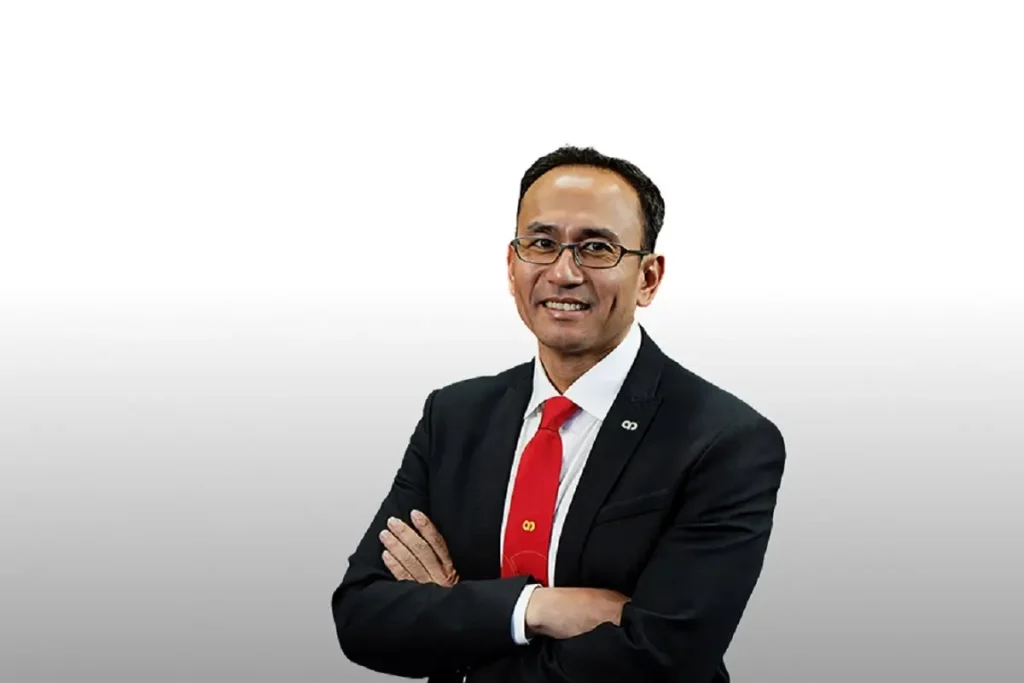
KUALA LUMPUR: Khazanah Nasional Bhd, Malaysia’s sovereign wealth fund, has expressed difficulty in exiting private assets as it navigates the uncertainty caused by US President Donald Trump’s sweeping global tariffs. The fund, which oversees over US$30 billion in assets, is currently reviewing its portfolio as global market conditions remain volatile. In an interview with Bloomberg TV’s Avril Hong on the sidelines of the ASEAN Investment Conference 2025, Managing Director Amirul Feisal Wan Zahir highlighted the challenge of exiting and making investments amid shifting global policies. “We are exposed to private assets both internationally and domestically,” said Amirul. “Policy changes, like the ones we’re seeing now, have a significant impact on global markets, making it harder to exit or make new investments. We will have to see how things unfold,” he added. Amirul noted that Khazanah is focusing on diversifying risks internationally, particularly in response to the restructuring of global trade. Domestically, the fund is focused on supporting key sectors crucial to Malaysia’s economy, such as aviation connectivity and energy transition. In addition, Khazanah is exploring investments in startups, venture capital, and semiconductors, he mentioned. The uncertainty surrounding Trump’s tariffs, which have raised concerns about a potential global recession, has caused market turbulence and threatened to impact Khazanah’s investment returns. Last year, however, the fund reported a 22% increase in its net asset value, bolstered by gains in domestic assets. Amirul also acknowledged the challenges posed by a 24% tariff imposed on Malaysian imports by the US, part of broader measures aimed at addressing perceived trade imbalances. Despite this, Malaysia remains committed to engaging with Washington for a fair resolution. While Malaysia’s stock market has faced significant fund outflows in recent weeks, Amirul remains optimistic about the country’s economic prospects. “We are more optimistic about Malaysia’s growth,” he said. “Current rates remain conducive for trade.”–BLOOMBERG

Scroll to Top

Subscribe
FREE Newsletter