Malaysia

News

Penang Strengthens MICE Industry Through Strategic South Korean Partnership

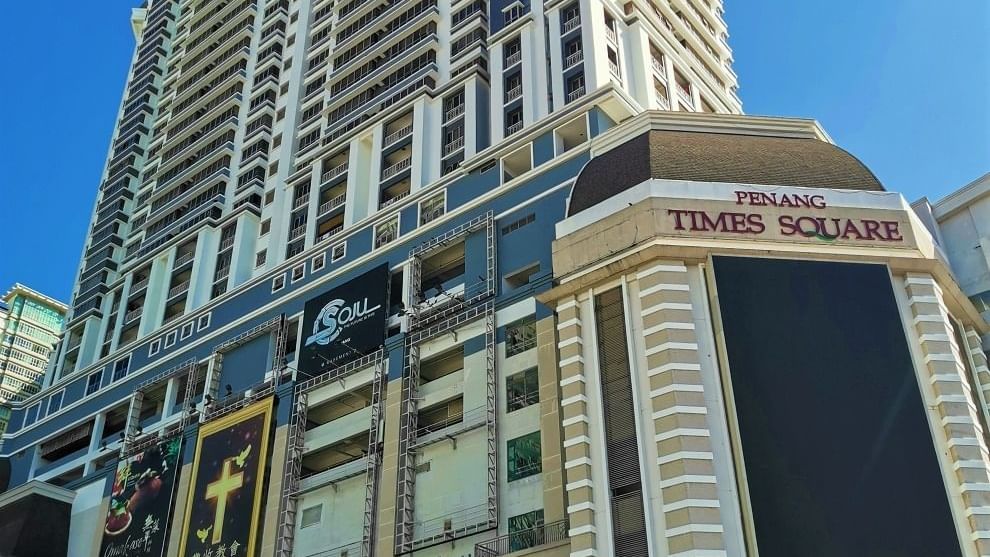
The upcoming Penang Waterfront Convention Centre (PWCC) is set to elevate Penang’s position as a premier MICE (meetings, incentives, conventions, and exhibitions) destination through a strategic partnership with South Korea’s KINTEX, a move that underscores the state’s commitment to international collaboration and economic development. The strategic agreement involves UM Perennial Development Sdn Bhd and KinMalaysia Management Sdn Bhd – a subsidiary of the Korea International Exhibition Centre (KINTEX) – as well as a separate partnership between the Penang Convention and Exhibition Bureau (PCEB) and KINTEX. Penang Chief Minister Chow Kon Yeow described the partnerships as a reflection of the deepening relationship between Penang and South Korea – not only culturally but also economically and strategically. “These collaborations are a leap forward in Penang’s MICE industry, promising to bring larger-scale conventions, enhanced collaborations, and greater international exposure,” Chow said during the signing ceremony. In 2024 alone, Penang hosted over 2,000 business events, drawing more than 300,000 delegates and contributing an estimated RM1.29 billion in economic impact. Also present at the event were Goyang Special City Mayor Lee Dong-Hwan, Penang State Tourism and Creative Economy Committee Chairman Wong Hon Wai, UM Perennial Director Datuk Tony Ling Thou Lung, PCEB CEO Ashwin Gunasekeran, and KINTEX CEO Lee Jae-yul. Datuk Tony Ling shared that PWCC’s 2025 calendar is already gaining momentum, with confirmed high-profile events such as: The 7th Asia Pacific Ministerial Conference on Housing and Urban Development Malaysia International Tech Edu K-Brand Week featuring the K-Beauty Expo Malaysia Water Tech Asia PWCC, set to officially open in October 2025, is expected to host more than 30,000 delegates in its inaugural year, generating approximately RM55.5 million in economic impact. The facility boasts a 76,000 sq ft net lettable area, banquet seating for 5,500, and theatre-style capacity for up to 8,000 guests. It will also include meeting rooms, VIP lounges, ample parking, and seamless access to retail, F&B, and hotel accommodations. PWCC is a core component of The Light City development, which features Penang’s largest waterfront retail mall, international hotels, premium office towers, and high-end residences.–BERNAMA

News

MIDF Maintains 2025 Retail Sales Growth Forecast at 4.6%

MIDF Amanah Investment Bank Bhd is holding firm on its forecast of a 4.6% growth in retail sales for 2025, moderating from a stronger 5.5% expansion in 2024. According to MIDF Research, the outlook remains cautiously optimistic, underpinned by a stable labour market, controlled inflation, and supportive fiscal and monetary policies. The research house highlighted that government initiatives such as direct cash aid, flexible access to retirement funds, wage hikes for civil servants, and an increased minimum wage will continue to support household spending throughout the year. “Despite the moderation, domestic consumption remains a key pillar of Malaysia’s economic growth,” MIDF Research noted in its latest report. The bank expects tourism recovery to further contribute to sustained retail momentum, particularly in key urban and tourist-centric areas. Retail trade in Malaysia recorded a 5.9% year-on-year (y-o-y) growth in February 2025, easing from 8.2% in January, based on the latest data from the Department of Statistics Malaysia. However, the broader distributive trade sector showed stronger gains, rising 5.1% y-o-y in February compared to 4.5% in January, buoyed by a rebound in motor vehicle sales and continued strength in wholesale trade. Wholesale trade grew 5.3% y-o-y in February, up from 4.8% in the preceding month — a positive signal for Malaysia’s broader retail ecosystem. While MIDF remains confident in the domestic growth narrative, it cautioned that external risks such as intensifying global trade tensions could weigh on consumer sentiment and spending patterns. “Geopolitical uncertainty continues to pose downside risks, but overall we expect Malaysian households to maintain consumption resilience, supported by ongoing policy measures and improving income prospects,” the research note stated.–BERNAMA

Investment & Market Trends, News

MDEC Launches Strategic Incentives to Accelerate Malaysia’s Digital Creative Industry

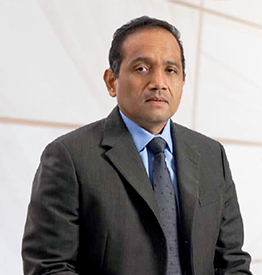
The Malaysia Digital Economy Corporation (MDEC) has unveiled a suite of new initiatives aimed at elevating Malaysia’s digital creative industry, reinforcing the nation’s position as a competitive player in the global digital content space. Among the programmes introduced are the Digital Games Testbed, Animation Shorts Challenge, and Business in Metaverse — all designed to nurture talent, cultivate innovation and enhance international market access. MDEC chief executive officer Anuar Fariz Fadzil emphasised the sector’s potential to generate high-value employment, develop local intellectual property, and boost export revenue. “Often driven by passion and creativity, the digital creative industry attracts professionals who are deeply committed to their craft. MDEC’s programmes are designed to support these talents by encouraging them to build on their strengths, explore innovative ideas and turn their passion into commercially viable content for local and global audiences,” he said. With these financial incentive programmes, MDEC aims to strengthen the end-to-end value chain — from talent development to content commercialisation — while encouraging innovation that aligns with Malaysia’s digital economy goals. Since 2011, Malaysia’s digital content market has recorded significant growth, generating RM87.25 billion in revenue and RM11.18 billion in export sales. The industry has also created over 11,000 high-quality jobs for Malaysians. Looking ahead, Anuar reaffirmed MDEC’s dedication to shaping a resilient digital ecosystem that champions local innovation and entrepreneurship. “The newly announced incentives are aimed at driving sustainable industry growth, attracting international investment and positioning Malaysia as a prominent player within the global digital creative landscape — which we already are,” he said. The initiative comes as Malaysia continues to expand its digital economy blueprint, with MDEC playing a pivotal role in fostering a future-ready, digitally skilled workforce and a thriving creative sector anchored in innovation and global competitiveness.–BUSINESS TIMES

News

Malaysia Secures Zero-Import Duties Deal with EFTA

KUALA LUMPUR – Malaysia has secured a landmark agreement with the European Free Trade Association (EFTA) — comprising Iceland, Liechtenstein, Norway, and Switzerland — that will see the permanent elimination of import duties for Malaysian goods entering these markets. The signing of the Malaysia-European Free Trade Association Economic Partnership Agreement (MEEPA) is scheduled for June 2025. The Ministry of Investment, Trade and Industry (MITI) confirmed the development on Friday, noting that MEEPA will replace Malaysia’s existing arrangement under EFTA’s Generalised System of Preferences — a temporary scheme that could be withdrawn as Malaysia progresses economically. MITI Minister Tengku Datuk Seri Zafrul Abdul Aziz praised the agreement for offering much-needed stability and clarity, particularly as Malaysian exporters navigate uncertainty stemming from US-imposed tariffs. On 9 April, the United States implemented a 24% reciprocal tariff on Malaysian imports, which has since been paused for a 90-day period. “This agreement provides much-needed certainty for our exporters and strengthens Malaysia’s long-term economic ties with EFTA member states,” said Zafrul. “We are especially keen to expand trade in high-value goods and services.” Negotiations for MEEPA concluded on Friday, covering a comprehensive range of areas including trade in goods and services, investment, intellectual property, competition, government procurement, cooperation, sustainable development, and customs procedures. In 2024, total bilateral trade between Malaysia and EFTA countries amounted to RM14.4 billion. Malaysia’s key exports to the bloc included electrical and electronic (E&E) products, machinery, scientific instruments, chemicals, and rubber. Imports primarily comprised chemicals, machinery, E&E goods, scientific instruments, and metals. Beyond tariff-free access, MEEPA also paves the way for enhanced collaboration and knowledge-sharing between Malaysia and EFTA nations. The bloc is globally recognised for its expertise in research and development, particularly in renewable energy, science and technology, and high-precision industries. According to MITI, the agreement will allow Malaysia to tap into EFTA’s strengths through joint projects and capacity-building initiatives under memoranda of understanding — providing long-term opportunities for economic growth and development.–THE EDGE

News

Police Seize Over RM3.17 Billion in Assets, Arrest Eight Linked to MBI Ponzi Scheme

KUALA LUMPUR:  The Royal Malaysian Police (PDRM) has seized and frozen assets worth over RM3.17 billion in connection with a large-scale Ponzi scheme involving the now-defunct MBI group. The operation, codenamed “Op Northern Star,” followed a series of cross-border raids conducted in March 2025, based on a Red Notice alert from Interpol. Inspector General of Police Tan Sri Razarudin Husain confirmed in a statement that the operation, launched on March 20, targeted assets believed to be proceeds of the fraudulent investment scheme operated by MBI from a neighbouring country. The police statement substantiates a report published by The Edge Malaysia in its March 31–April 6, 2025 issue, revealing that the Anti-Money Laundering Criminal Investigation Division (AMLA) of Bukit Aman led the crackdown, which sent shockwaves through Penang’s property sector. During the operation, eight Malaysian nationals – seven men and one woman, aged between 44 and 62 – were arrested. Among those detained were two businessmen and two lawyers holding the prestigious “Datuk” title. All suspects have been remanded for periods ranging from one to seven days to assist in investigations under Section 4(1) of the Anti-Money Laundering, Anti-Terrorism Financing and Proceeds of Unlawful Activities Act 2001 (Act 613). The police seized a wide range of assets, including over 600 bank and share trading accounts, which held more than RM1.16 billion. Additionally, 35 properties with an estimated value of RM2.01 billion were confiscated, along with high-end vehicles, luxury watches, designer handbags, jewellery, electronic devices, and various currencies in cash. Important documents were also seized, further supporting the investigation. The total estimated value of the assets seized and accounts frozen amounts to RM3.17 billion. Tan Sri Razarudin confirmed that all seized assets are believed to be the proceeds of illicit gains linked to the fraudulent investment activities. “PDRM will continue its investigations into individuals or entities suspected of being directly or indirectly involved in any activities related to illicit proceeds from this fraudulent investment scheme,” he added. The raids have uncovered new links between the MBI scheme and high-profile individuals, including property and share transactions involving listed companies. Seized documents reportedly include those related to the RM10 billion Penang World City (PWC) development in Bayan Mutiara, previously connected to Hemat Tuah Sdn Bhd, a company controlled by family members of MBI founder Tedy Teow. Authorities have also obtained documents related to investments in companies such as Mayu Global Group Bhd (formerly Atta Global) and HHRG Bhd (formerly Heng Huat Resources Group Bhd), both now under new management and ownership. Despite the extradition of MBI founder Tedy Teow to China in August 2024, investigations into the MBI Ponzi scheme appear far from over. These recent enforcement actions have reignited scrutiny into local entities and individuals who may still be involved in one of Malaysia’s largest financial frauds.

Investment & Market Trends, News

Xi Jinping’s Visit to Strengthen Trade and Regional Ties, Says Fahmi

KUALA LUMPUR: Communications Minister Fahmi Fadzil has expressed confidence that the upcoming visit by Chinese President Xi Jinping will significantly bolster Malaysia-China relations, particularly in trade and regional cooperation. Speaking ahead of Xi’s official visit from April 15 to 17, Fahmi said Malaysia views the engagement as a milestone moment, underpinned by strong economic ties and a shared vision for closer people-to-people and diplomatic relations. “China has long been Malaysia’s largest trading partner, and as Asean chair this year, we have a great deal to discuss,” said Fahmi, at the Asean-China Media and Think Tank Forum. “Not only will trade relations be strengthened, but we also expect to deepen cultural and community-level exchanges.” Fahmi noted that Malaysia hopes to use Xi’s visit to send a clear and consistent message of cooperation, especially in the face of rising geopolitical uncertainty. “Globalisation is under scrutiny and re-evaluation, particularly after recent announcements from the White House,” he said. “Malaysia believes that longstanding trade ties and multilateral collaboration are the way forward.” Prime Minister Anwar Ibrahim had also cautioned yesterday that the US’ increasingly adversarial stance toward China could have far-reaching implications for Malaysia’s economy and its role within Asean. Amidst growing economic tensions between the world’s two largest economies, the Biden administration has paused tariffs for 90 days but raised duties on Chinese imports to 125%, up from 104%, in response to China’s 84% retaliatory tariffs on US goods. China has been Malaysia’s top trading partner for 15 consecutive years, with bilateral trade reaching US$190.24 billion (RM856.08 billion). Key Malaysian exports include integrated circuits, palm oil, computers, and plastic products. “This visit comes at a critical time, and we hope to build on past achievements to unlock new opportunities for both nations,” Fahmi said.–FMT

News

Malaysia Proposes Tech Safeguard Pact to US to Protect Supply Chains

KUALA LUMPUR: Malaysia has proposed a technology safeguard agreement to the United States in an effort to reinforce investor confidence and protect the stability of global supply chains amid increasing trade tensions and tariff uncertainties. Investment, Trade and Industry Minister Tengku Datuk Seri Zafrul Abdul Aziz said the proposal aims to reassure both the US government and American companies operating in Malaysia, particularly those involved in semiconductor and electrical and electronics (E&E) manufacturing. “Many of the companies operating in Malaysia and exporting to the US are American-owned. We are working closely with these stakeholders, especially as semiconductors could potentially be impacted by upcoming tariff policies,” Zafrul said in an interview with CNBC on Friday. Semiconductors currently account for approximately 30% of Malaysia’s exports to the US, with another 30% comprising broader E&E products — sectors that are particularly vulnerable to shifts in global trade policies. Zafrul acknowledged that Malaysia’s open economy could face repercussions from the broader global tariff environment, particularly if the US implements new duties on Chinese imports or if there is further decoupling in critical technology sectors such as artificial intelligence and chip manufacturing. “We are studying the potential impact closely. Any tariff escalation, whether involving the US or China, affects not only direct trade but also multinational firms, including Malaysian companies integrated within global supply chains,” he said. He added that a forced decoupling between the US and China in high-tech industries would likely result in higher operational costs and supply chain disruptions — trends that are already becoming apparent. “With tariffs imposed on China and other parts of the world, we foresee further cost escalation. This, in turn, could dampen demand and impact global supply flows,” he noted. Malaysia’s pitch for a technology safeguard agreement comes at a time when governments and corporations are racing to mitigate geopolitical risks in the technology sector, particularly around semiconductors, which are central to everything from smartphones to advanced defence systems. Zafrul reiterated Malaysia’s commitment to fostering a stable, predictable investment environment and said such agreements could serve as a model for greater US-Malaysia collaboration in high-value industries. The country is also aligning its industrial policies, including the recently launched New Industrial Master Plan 2030, to build long-term resilience and competitiveness in advanced manufacturing and digital technologies.

Investment & Market Trends, News

China’s Chagee Pushes Ahead with US IPO Amid Market Volatility

Chinese bubble tea chain Chagee Holdings Ltd is moving forward with its plans to go public in the United States, aiming to raise up to US$411 million through an initial public offering (IPO), despite turbulent equity markets driven by renewed trade tensions between the US and China. According to a recent filing with the US Securities and Exchange Commission (SEC), the Shanghai-based company is offering 14.68 million American depositary shares (ADS), priced between US$26 and US$28 apiece. At the upper end of the range, Chagee would be valued at approximately US$3.3 billion. Several institutional investors have expressed interest in the IPO. Entities tied to CDH Investment Management Co, RWC Asset Management, Allianz Global Investors Asia Pacific Ltd, and ORIX Asia Asset Management Ltd have indicated potential commitments totalling US$205 million, signalling confidence in the company’s growth story. The IPO marks a bold move as other firms, including StubHub, Klarna, and eToro, have opted to delay listings amid market uncertainty. Airo Group Holdings Inc, an aerospace and defence firm, also launched its IPO on Thursday, targeting US$80 million. Chagee’s decision to proceed comes as the US-China trade dispute intensifies, with tariffs and geopolitical risks featured prominently among the risk disclosures in its SEC filing. The company highlighted that all of its products are manufactured in China and shipped globally, a model vulnerable to future policy escalations. The listing follows the recent successful IPO of domestic peer Mixue Group in Hong Kong, which became the city’s largest flotation of the year, riding on strong demand for bubble tea stocks. According to Chagee’s filing, the company operated 6,440 tea houses as of December 2024, reflecting an 83% year-on-year growth rate. Founded in 2017 by Junjie Zhang, who will retain 89% of the voting power post-offering, Chagee has rapidly scaled its presence and now positions itself as a major player in the global premium tea market. The IPO is being underwritten by Citigroup Inc, Morgan Stanley, Deutsche Bank AG, and China International Capital Corp (CICC). Chagee plans to list on the Nasdaq Global Select Market under the ticker symbol CHA.

News

Sapura Resources Files RM3.2 Million Suit Against Former MD Datuk Shahriman Shamsuddin

KUALA LUMPUR: Sapura Resources Bhd has taken legal action against its former managing director, Datuk Shahriman Shamsuddin, and three other parties, seeking more than RM3.2 million in damages for alleged breaches of fiduciary, statutory, and contractual duties, as well as conspiracy to injure the company and its subsidiaries. The suit follows an internal investigation concluded in March, with findings submitted to both Bursa Malaysia and the Companies Commission of Malaysia (SSM). A formal complaint was also filed with the SSM for potential violations of the Companies Act 2016, and a police report has been lodged as part of regulatory requirements. In a filing with Bursa on Thursday, Sapura Resources said the writ of summons was filed at the High Court of Malaya in Kuala Lumpur, naming Shahriman as the first defendant. The other defendants include former employees Syed Haroon Omar Alshatrie, Syed Muhammad Hasan Alsagoff, and Explorer Group Sdn Bhd. The claims relate to payments made for deposits to Malaysia Airports Holdings Bhd (MAHB), mutual separation schemes, consultancy fees, trip expenses, and legal costs. The company is also seeking general, aggravated, and equitable compensation for alleged losses, including foregone business opportunities such as a potential IPO valued at RM82.1 million. Shahriman was placed on garden leave in September 2024 when the investigation commenced and subsequently resigned from his position in October. He had served on Sapura Resources’ board since 2005, and was appointed managing director in 2007. The legal proceedings come amid a long-standing dispute between Shahriman and his brother, Tan Sri Shahril Shamsuddin, over their family’s investment entity, Sapura Holdings Sdn Bhd, where both hold equal stakes of 40.5%. A petition to wind up Sapura Holdings was filed by Shahriman in September 2024, marking a significant escalation in their ongoing feud. At the centre of the investigation is Shahriman’s alleged interest in Explorer Group, a company said to be in direct competition with Sapura Resources’ aviation units, Sapura Aero Sdn Bhd and DNest Aviation Sdn Bhd. He has served as a director of Explorer Group since 2019. Sapura Resources said further updates will be provided to Bursa Malaysia as material developments arise. The company’s shares remained unchanged at 25 sen on Thursday, giving it a market capitalisation of approximately RM65 million.

Scroll to Top

Subscribe
FREE Newsletter