Tech

The Executives

Agility Over Scale: GTS’s Winning Formula in the Semiconductor Industry

In an industry long dominated by global heavyweights, Global TechSolutions (GTS) is carving out a competitive edge through speed, adaptability, and strategic localisation. The Southeast Asia-based SME is steadily reinforcing Malaysia’s position in the semiconductor value chain by offering integrated engineering solutions and a resilient, regionally mirrored supply model. “We mitigate risks through a diversified sourcing strategy and regional repair capabilities,” says Kenneth Lee Wee Ching, CEO of GTS. “In Malaysia, this gives our clients nearshore access to critical services, reducing dependency on single-source components and improving response time.” GTS’s operational footprint spans Singapore, Malaysia, Taiwan, and the United States, enabling business continuity even during geopolitical tensions or logistics disruptions. This redundancy model is central to how the company safeguards production timelines for its clients across the semiconductor landscape. Malaysia remains a strategic hub in GTS’s expansion plans due to its strengths in assembly, testing, and advanced packaging. According to the Economist Intelligence Unit, the country contributes approximately 13% to global semiconductor packaging and testing activities, underscoring its pivotal role in the industry. ​ “A strong local presence allows us to deliver faster turnaround, cost efficiency, and customised support—advantages that centralised global players often struggle to provide,” Kenneth explains. The company’s ability to deliver end-to-end equipment solutions, from parts and refurbishment to installation and field service, provides significant value for Malaysian fabs that require flexibility and responsiveness in a rapidly evolving sector. “GTS stands out because we are agile. We offer a full suite of semiconductor equipment services tailored to different customer needs, and we can qualify and deploy solutions quickly,” Kenneth says. “Our streamlined decision-making helps us outperform larger competitors burdened by slower internal processes.” Beyond its business operations, GTS is also playing an active role in supporting Malaysia’s broader semiconductor ambitions. The industry continues to face challenges such as increasing operational costs, limited access to advanced fabs, and talent outflow. Malaysia experiences an average annual brain drain of 15% in the semiconductor sector, highlighting the need for focused talent retention strategies. ​ “We’re investing in local partnerships, training, and process innovation to help bridge the gap between industry needs and technological advancement,” Kenneth says. As part of this commitment, GTS is exploring the establishment of an advanced semiconductor parts manufacturing and development site in Malaysia. This move aligns with the government’s National Semiconductor Strategy, which includes a RM25 billion (approximately $5.3 billion) investment to bolster the sector. Technology also plays a key role in GTS’s growth. The company is investing in predictive maintenance systems, AI-driven diagnostics, and automation tools designed to increase yield and reduce downtime. “Digital transformation underpins everything we do,” Kenneth notes. “Even as an SME, our data-driven approach allows us to scale faster and compete in a high-precision environment.”​ Looking ahead, GTS anticipates Southeast Asia will become an increasingly important player in the global semiconductor space, especially as supply chains shift and AI adoption accelerates. Malaysia’s semiconductor exports reached approximately RM575 billion (US$130 billion) in 2024, reflecting its growing significance in the global market. ​ “Malaysia is well-positioned to anchor regional supply chains due to its strategic location and strong manufacturing base,” Kenneth says. “With the right investments and partnerships, the country can play a leading role in assembly, testing, and advanced packaging.” For SMEs eyeing growth in this competitive sector, Kenneth offers clear advice. “It’s not about doing everything. It’s about knowing where you add value, moving quickly, and solving real customer pain points. Agility is a superpower.” By staying focused on its strengths and aligned with regional growth trends, GTS is showing that size is no limitation when backed by innovation, speed, and strategic clarity.
Energy & Technology, Investment & Market Trends, News

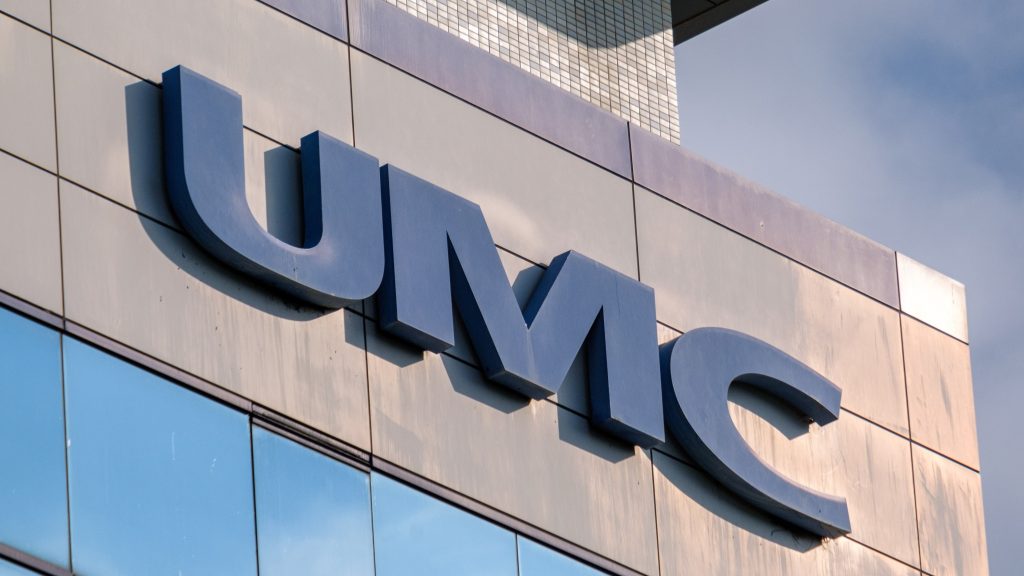
UMC’s $5B Investment Boosts Singapore’s Chip Industry

TAIPEI: United Microelectronics Corp. (UMC), Taiwan’s second-largest contract chipmaker, has inaugurated a new 22-nanometer semiconductor fabrication plant in Singapore. The facility aims to address rising demand and enhance supply chain resilience. Located in Pasir Ris Wafer Fab Park, adjacent to UMC’s existing plant, the new fab has commenced pilot production and is expected to scale up to mass production by 2026, UMC President S.C. Chien stated during the opening ceremony. UMC plans to invest up to US$5 billion in the initial phase, expanding the plant’s monthly production capacity to 30,000 wafers and generating 700 new jobs. Once fully operational, UMC’s total output in Singapore will exceed 1 million wafers annually, catering to industries ranging from smartphones and automobiles to data centers. “Singapore’s strategic position reinforces supply chain resilience for our customers,” Chien remarked. He added that the facility is equipped for 22 nm and 28 nm processes, which remain state-of-the-art for various applications. The 22 nm node, for instance, is currently the most advanced process used for display driver chips, which enhance smartphone battery life and visual performance. Meanwhile, UMC dismissed a recent Nikkei Asia report suggesting it was considering a merger with U.S.-based GlobalFoundries Inc. As of 2024, UMC held a 4.7 percent share of the global pure-play wafer foundry market, ranking fourth worldwide, according to TrendForce. In comparison, Taiwan Semiconductor Manufacturing Co. (TSMC) led the industry with a 67.1 percent market share, followed by Samsung Electronics (8.1 percent) and China’s Semiconductor Manufacturing International Corp. (5.5 percent).

Energy & Technology

VSTECS Sees Huge Potential In LGMS’ StarSentry Cybersecurity Solution

KUALA LUMPUR: VSTECS Bhd believes a significant market exists for the recently unveiled StarSentry solution, which LGMS Bhd developed and spearheaded through its wholly-owned subsidiary Applied Securities Intelligence Sdn Bhd (ASI). VSTECS chief executive officer JH Soong said that with more than 1.1 million small and medium enterprises (SMEs) in Malaysia forming the backbone of the economy, there is a significant market for StarSentry. “This solution aligns closely with the Malaysian government’s priorities to enhance national cybersecurity, particularly in light of the recently passed National Cyber Security Bill, which is anticipated to drive further demand for cybersecurity solutions in Malaysia,” JH Soong said. He said VSTECS is committed to providing SMEs with the information, communication and technology (ICT) tools needed to stay competitive, and StarSentry perfectly complements the company’s extensive portfolio. “Leveraging our extensive network of 3,600 channel partners, we are poised to accelerate the distribution of StarSentry, empowering SMEs to safeguard their digital assets effectively,” he said in a statement. A groundbreaking solution offering cyber risk insurance to every subscriber has been unveiled, marking a significant step in Malaysia’s cybersecurity landscape. Digital Minister Gobind Singh Deo launched the initiative at a high-profile event. Key figures from the National Cyber Security Agency Malaysia (NACSA), Cyber Security Malaysia (CSM), and Malaysia Digital Economy Corporation (MDEC) attended the event. The innovative insurance solution, StarSentry, results from a strategic partnership between ASI and Tokio Marine Insurans (Malaysia) Bhd, which underwrites cyber insurance for its subscribers. The launch event was also graced by the presence of Katsuhiko Takahashi, the Ambassador of Japan to Malaysia. StarSentry is equipped with advanced vulnerability scanning and proactive threat detection features designed to empower SMEs to enhance their cybersecurity measures and comply with regulatory requirements. The solution aligns with the recently announced National Cyber Security Bill 2024. “By safeguarding critical national information infrastructure (CNII) sectors such as government, banking, transportation, and digital industries, StarSentry plays a crucial role in bolstering Malaysia’s overall cybersecurity resilience, as mandated by the bill,” said JH Yong. Earlier, Gobind highlighted the spirit of innovation and cooperation that led to the creation of StarSentry. He described it as a solution that meets the high standards set by the National Cyber Security Bill and embodies Malaysia’s proactive approach to cybersecurity. “StarSentry was specifically developed to cater to the needs of SMEs, which are essential to our economy but often find themselves most vulnerable to cyber threats. “This solution represents a significant advancement in making modern cybersecurity accessible to all sectors, enabling our businesses to thrive without the burden of cyber risks,” Gobind said. “I am pleased that this innovative ‘plug and play’ system allows SMEs to integrate advanced cybersecurity measures into their daily operations effortlessly. “With features like advanced vulnerability scanning and proactive threat detection, StarSentry empowers SMEs to not only comply with regulatory requirements but also to enhance their cybersecurity posture proactively,” he added. This comprehensive cybersecurity solution signifies a major advancement in Malaysia’s efforts to protect its digital economy and critical infrastructure from ever-evolving cyber threats.

The Executives

Currencycloud Poised for Expansion in APAC with In-Principle Approval from MAS

Currencycloud, a leading provider of multi-currency financial services, is aiming to expand its presence in the Asia Pacific (APAC) region, following its recent in-principle approval for a major payment institution (MPI) license from the Monetary Authority of Singapore (MAS). As the number of investors in the region continues to grow, wealthtechs need to cater to the demand and accept the client’s funds in a seamless, transparent, easy and automated. Maximising revenue streams by building an optimised payments infrastructure, where funds are settled to executive brokers through local payment rails, and reconciliation processes are streamlined, is critical for the success of APAC’s wealthtechs. On this, Currencycloud is able to help these wealthtechs to collect funds from investors, convert these at competitive rates, and deploy them to execution brokers in the US and beyond, quickly and cheaply – all through best-in-class APIs. Obtaining the MPI license marks a pivotal milestone in the company’s strategic growth within one of the world’s most dynamic financial markets as it aligns with Currencycloud’s strategic approach geared towards simplifying global business operations in a multi-currency environment. “Following the recent in-principle approval (IPA) for an MPI license by the Monetary Authority of Singapore MAS, Currencycloud is now working towards fulfilling its IPA conditions,” stated Currencycloud Managing Director for APAC, Rohit Narang.  Once the MAS grants the full license, Currencycloud will be able to offer a comprehensive range of intra-regional and global payment services to businesses in Singapore. According to Narang, the company facilitates seamless payments for customers across 180 countries and territories. Hence, the MPI license will further enhance these capabilities, particularly in expediting intra-Asia and east-to-west payments.  “Once the MPI license is granted, Currencycloud will further enhance its capabilities, expediting intra-Asia and east-to-west payments processing, so businesses can enjoy faster payment times,” Narang explained. The Importance of Compliance and Partnerships Navigating the complex regulatory environments across the Asia-Pacific region is a significant challenge. To address this, Currencycloud has implemented a resilient compliance framework.  “We’ve taken a comprehensive approach that incorporates robust regulatory controls into our operational infrastructure. Recognising the increasing emphasis on security within regulatory frameworks, we have also invested in measures that effectively safeguard our customers’ data,” Narang explained in an interview with The Exchange Asia. Narang also stated that scaling services across a vast and diverse region like APAC involves navigating a multitude of regulatory environments. Having that in mind, Currencycloud has expert regulatory and compliance teams, not just for APAC but across the world, ensuring that we adhere to the compliance terms in each of these markets,” said Narang. Furthermore, Currencycloud is poised to introduce new payment services and features once the MPI license gets approved. “Currencycloud will continue to develop new products and services that will expedite the processing of intra-Asia and east-to-west payments, empowering businesses in APAC to succeed in today’s interconnected and digital economy,” he added.  Being in such a rapidly evolving fintech landscape, Currencycloud differentiates itself through innovation and strategic partnerships. This is why the company has also launched innovative features such as Weekend FX and real-time FX to improve the speed and transparency of international transactions. Currencycloud has also collaborated with Shanghai-based Fuiou Pay and expanded its network by working with TangoPay and Paysend in Europe, as well as E9pay in South Korea. Following the recent granting of an Australia Financial Services Licence, the company is set to expand its footprint in Australia. “The securing of the Australia Financial Services Licence in June 2022 marks a significant milestone in our growth strategy,” Narang highlighted.  It also expanded its team in Australia to bolster its efforts to drive business growth and deliver innovative fintech solutions. Narang explained that partnerships with local financial institutions and fintech companies are central to Currencycloud’s strategy for regional expansion. “Our partnership approach is built on mutual collaboration and growth. One notable example is our partnership with Singapore-based start-up neobank (known as) OPAL, to offer domestic and cross-border payments, payment accounts, and e-money,” he continued. Currencycloud’s Future Vision in Payments and Security Looking ahead, Currencycloud is focused on harnessing emerging technologies such as blockchain and digital currencies to transform cross-border payments. “We foresee blockchain playing a pivotal role in revolutionising payments, particularly through digitalising tokenised money and using smart contracts to eliminate intermediaries,” said Narang. Amid rising cyber threats, the company prioritises on enhancing its security offerings by taking proactive measures to mitigate security risks, adhering to best practices to minimise downtime and sustain daily operations. “Our high-security framework adheres to the ‘four nines’ industry standard of availability, ensuring Currencycloud clients and partners are protected and confident in the integrity of their transactions and data,” Narang added. Meanwhile, Narang envisions significant changes in the cross-border payments landscape, driven by macro trends such as the consumerisation of B2B payments and the evolution of digital payment options. “APAC presents a massive more than US$40 trillion (RM188.28 trillion) opportunity in commercial money movement,” Narang noted. Due to this, he sees the future of cross-border payments being shaped by trends like the consumerisation of B2B payments, digital wallets, and ongoing developments in the payments ecosystem. Therefore, by fostering innovation and strategic partnerships, Currencycloud aims to stay at the forefront of the industry, delivering robust financial solutions that meet the evolving needs of businesses across the APAC region.

News

AVM Cloud Named as VMware by Broadcom’s Premier VCSP Partner

KUALA LUMPUR: AVM Cloud (“AVM”), an affiliate of Integrated Global Solutions (IGS) and a subsidiary of the prominent Internet service provider TIME dotCom Bhd (“Time”), proudly announces its latest milestone: becoming a Premier Partner with VMware Cloud Service Provider (VCSP). This prestigious recognition underscores AVM’s unwavering commitment to delivering exceptional cloud services and ensuring top-tier customer satisfaction, aligning with VMware by Broadcom’s rigorous selection process for esteemed partners. This achievement further solidifies AVM’s leadership in the Malaysian market, highlighting its advanced VMware capabilities as VMware by Broadcom’s sole partner with six Master Services Competencies. These designations reflect AVM’s excellence in customer support and high-level service capabilities, marking a significant milestone in its journey as Malaysia’s leading cloud service provider. Following the acquisition in November 2023, the VMware by Broadcom VCSP programme aims to identify and support top cloud service providers offering best-in-class solutions built on VMware technology. To be part of the VCSP programme, partners must meet stringent criteria, demonstrating their expertise and an excellent track record in delivering superior cloud services. Amidst recent industry changes, AVM assures customers and stakeholders of its dedication to providing exceptional service and high-quality cloud solutions. Operations will continue without interruption, reflecting AVM’s relentless pursuit of excellence and uncompromised standards. This recognition enhances AVM’s capability to deliver top-of-the-line cloud solutions built on VMware, ensuring a seamless and secure experience for businesses. “We are excited about the opportunities presented by the revitalised programme and the benefits it brings to our customers,” said Kenny Lim, Chief Executive Officer of AVM Cloud Sdn. Bhd. “AVM Cloud’s success stems from our exceptional standards, and recognition by VMware by Broadcom empowers us to continue delivering unparalleled services to our customers.” Broadcom’s post-acquisition strategy focuses on close collaboration with partners to advance the adoption of VMware Cloud Foundation as the premier private cloud platform, driving business transformation and enhancing customer value. Key highlights of the VCSP programme include a consistent VMware Cloud Foundation (VCF) experience across all partners and collaborative go-to-market strategies between Broadcom and VCSP partners. In line with its revamped strategy, Broadcom introduced new tiers and benefits aimed at fostering partner growth and success. The Advantage Partner Program offers partners like AVM new revenue opportunities by enabling businesses to leverage VCF in their solutions, maximising the value of Broadcom technologies. “We remain unwavering in our commitment to innovation in our products and services,” added Kenny Lim. “With Broadcom’s support, we are confident in our ability to deliver the best possible cloud solutions for our customers. We will introduce new enhancements and solutions seamlessly to further elevate their experience.” Since 2018, AVM has continuously led the industry with multiple accolades from VMware, including the prestigious title of Malaysia’s Cloud Services Provider of the Year for 2023.

Singapore
Energy & Technology, News

Funds raised by Singapore’s tech startups up 59% in 2023

SINGAPORE: Singapore’s early-stage technology start-ups secured $402 million (S$548 million) in funding in 2023, a 59 percent increase from the $253 million raised in 2022, according to SGInnovate, the national investment arm. The number of seed-stage deals also rose by 50 percent, from 20 in 2022 to 30 in 2023, across four key sectors: advanced manufacturing, agrifood and sustainability, and health and biomedical sciences. SGInnovate noted these figures in its report on the sector’s development in 2023, highlighting a growing interest in emerging tech investments as Singapore’s ecosystem matures. SGInnovate examined early-stage start-ups established between January 1, 2019, and December 31, 2023, defining emerging technology start-ups as those developing tangible products like devices, machinery, food, and pharmaceuticals based on physical sciences, life sciences, and engineering. Tong Hsien-Hui, SGInnovate’s executive director, remarked that these trends reflect Singapore’s evolving and dynamic emerging tech landscape, with specialized investors increasingly supporting specific industry verticals. Agrifood and sustainability emerged as leading sectors in funding and start-up incorporations, likely driven by public and private initiatives. Both sectors saw growth in funding events year-on-year, with the agrifood sector securing 13 deals in 2023 (compared to eight in 2022) and the sustainability sector closing 16 deals in 2023 (versus 12 in 2022). Despite overall increases in funding and deals, the number of start-ups incorporated in 2023 across the four sectors declined from 35 in 2022 to 25 in 2023. SGInnovate attributed this to ongoing macroeconomic uncertainties, potentially leading to deferred incorporations. Looking forward, SGInnovate anticipates increased private market investments in emerging technologies in 2024, especially with predicted rate cuts, and remains optimistic about start-ups addressing long-term challenges, supported by Singapore’s policy initiatives.

Energy & Technology, News

Meta Bright Enters Solar Supply Agreement to Power Hospitality Operations

KUALA LUMPUR: Meta Bright Group Berhad (“MBGB”), in its ongoing commitment to sustainable and eco-friendly energy solutions, announced today that its wholly-owned subsidiary, FBO Land (Serendah) Sdn. Bhd. (“FLSBB”), along with Doople Tech Sdn Bhd (“Doople”), has signed a solar supply agreement with Cherengin Hills Sdn. Bhd. (“Cherengin Hills”). This agreement represents a strategic step towards enhancing sustainable practices in the hospitality industry and supporting Malaysia’s national energy objectives. According to a filing with Bursa Malaysia, FLSBB will oversee the installation, maintenance, and operation of a solar photovoltaic system at Cherengin Hills’ properties in Pahang. This system will supply all net electricity output for 21 years from the start of operations. Cherengin Hills, primarily engaged in hotel, motel, and holiday camp operations, stands to benefit from reduced energy expenses and a diminished carbon footprint, while FBO Land aims to leverage the carbon credits generated by the system. This collaboration follows MBGB’s recent partnership with Doople Tech Sdn. Bhd., announced on 19th April 2024, which focused on renewable energy ventures. By combining Meta Bright’s investment capabilities with Doople Tech’s operational expertise, MBGB is eager to explore targeted opportunities in solar energy initiatives within the hospitality sector. This marks MBGB’s initial entry into solar solutions tailored for hospitality, with intentions to further expand in this field. Given the hospitality industry’s strong recovery post-pandemic, driven by rising travel demand and a renewed emphasis on sustainable practices, the timing is ideal for introducing renewable energy solutions. Mr. Derek Phang Kiew Lim, Executive Director of Corporate and Strategic Planning at Meta Bright, commented, “Cherengin Hills is taking a commendable step towards sustainability, and we are pleased to facilitate this transition. By harnessing solar energy, we contribute positively to the environment and demonstrate the economic viability of green initiatives in the hospitality sector.” “MBGB’s venture into renewable energy underscores a broader strategy of responsible corporate stewardship and reflects the Group’s forward-thinking approach in aligning business operations with global sustainability trends,” Mr. Derek Phang added. The partnership with Cherengin Hills signifies another significant achievement for MBGB as it continues to strengthen its position as an innovative player in Malaysia’s business landscape. With a focus on long-term sustainability and growth, MBGB remains committed to leading the way in eco-friendly business practices. MBGB is pleased to announce that the completed installation value of projects to date is approximately RM3.55 million. Furthermore, the company has ongoing projects valued at around RM11.89 million.

Energy & Technology

Unitrade Teams Up with Huawei, JJ-Lapp for Renewable Energy Push

KUALA LUMPUR: Homegrown building materials wholesaler and distributor Unitrade Industries Bhd (UIB), through its wholly-owned subsidiary Syarikat Logam Unitrade Sdn Bhd (SLU), signed a collaboration agreement with Huawei Technologies (Malaysia) Sdn Bhd and JJ-LAPP (M) Sdn Bhd. The agreement aims to advance solar adoption by pooling the collective expertise, resources, and technology to facilitate purchasing and selling Huawei digital power-smart photovoltaic (PV) solutions. Under the agreement, Huawei will serve as the technology advisor, while JJ-LAPP will be the authorised value-added partner to promote and sell smart PV solutions across residential as well as commercial and industrial (C&I) sectors. Meanwhile, UIB will facilitate broader market access as the project delivery partner. UIB managing director Nomis Sim Siang Leng said the company is committed to continuously enhancing its customers’ value. “Recognising the growing demand for solar energy, we offer comprehensive solar PV products featuring top-quality options like Huawei’s smart PV solutions and PV Evolution Labs (PVEL), a recognised astronergy solar panels. “By integrating solar solutions into our existing portfolio of over 6,000 building material stock-keeping units, we not only meet our customers’ extensive building and infrastructure project needs but also streamline the process for those seeking to adopt solar energy solutions,” Sim said in a statement. Huawei’s smart PV solutions integrate modern digital technologies into solar power systems to optimise energy generation and efficiency while enabling remote monitoring and management of solar power systems – a significant advantage for businesses and homeowners. The agreement reinforces UIB’s commitment to providing a holistic solution for customers seeking to adopt solar energy solutions. UIB has built a full-suite of solar offerings portfolio, including solar panels, inverters, mounting brackets, cables, electric vehicle (EV) chargers, batteries, and optimisers, providing customers with a one-stop solution for their solar energy needs. “Importantly, this strategic initiative aligns seamlessly with our commitment to environmental, social and governance (ESG) principles and our ambition to contribute to Malaysia’s energy transition journey. “The growing awareness for sustainability initiatives, especially among the C&I players, signifies a positive shift towards clean energy adoption. “Encouragingly, the government’s proactive efforts, including the unveiling of National Energy Transition Roadmap (NETR) and the recent open bidding of 2GW for the large-scale solar programme (LSS), along with the introduction of Solar for Rakyat incentive scheme (SolaRIS) further drives this transition,” Sim said. This agreement builds upon the memorandum of understanding (MoU) with Huawei and JJ-LAPP in January 2024 to explore the business opportunities under Huawei’s smart PV solutions across residential and C&I sectors.

ICT Minister, Lee Jong-ho
Energy & Technology, News

Korea to Invest US$527 Mil to Integrate AI into All Sectors of Society

KOREA: Korea is poised to make a substantial investment of 710.2 billion won (US$527 million) this year across 69 sectors to drive innovations powered by artificial intelligence (AI) in daily life, industries, and government services, according to announcements from the Ministry of Science and ICT. This initiative aims to catalyse transformative advancements and improve efficiency across various sectors through AI integration. Minister of Science and ICT Lee Jong-ho emphasized the significance of this investment, stating, “We bear a significant sense of responsibility as the primary ministry for AI in this era. Our commitment is to promptly implement measures that will yield tangible results for our citizens and businesses.” This strategic investment aligns with a broader government vision articulated through the establishment of the AI Strategy High-Level Consultative Council. The council, co-chaired by Minister Lee Jong-ho and Taejae University President Yeom Jae-ho, comprises 32 members, including private-sector experts and representatives from major IT companies like Samsung Electronics, SK Telecom, KT, Naver, and Kakao, alongside director-level officials from relevant government ministries. Minister Lee highlighted the council’s role, stating, “We hope that the council will serve as a stepping stone for the nation’s AI advancement, enriching the lives of our citizens, and setting a leading example of harmonious coexistence with AI on the global stage.” The government’s investment and the establishment of the consultative council are part of a comprehensive strategy to leverage AI as a catalyst for economic growth and societal advancement. A government-led study forecasts that the successful integration of AI across various sectors and daily life could generate an annual economic impact of 310 trillion won by 2026. “This analysis suggests that the revenue-generating effect of adopting AI could lead to an additional average annual GDP growth of 1.8 percentage points,” noted the ICT ministry. The council’s objectives extend beyond economic impact to include spearheading innovations in the global AI technology market, facilitating industry transitions through AI adoption, and enhancing the prevalence of AI-based services in daily life. Senior presidential secretary for science and technology, Park Sang-ook, underscored the multifaceted impact of AI, stating, “Given its profound social impact, addressing legal systems, policies, and ethical norms is crucial. However, it’s equally imperative to advance technological innovations, industrialization, and services in tandem to harness AI’s full potential.” The government sees AI technology as an opportunity to address structural challenges such as low growth and a declining birthrate in Korea. Through a joint study with Bain & Company, it is projected that the successful implementation of AI across the economy could yield an annual economic impact of 310 trillion won by 2026, with substantial revenue increases from AI-integrated products and significant cost reductions through enhanced efficiency and automation. Looking ahead, the ICT ministry plans to announce follow-up actions and agenda items following the council’s inaugural meeting, with the next strategic council meeting scheduled for June. This ongoing commitment underscores Korea’s ambition to become one of the top three AI nations globally by bolstering its competence in AI innovation.

News

Intel Announces New Business Leadership for APJ, India

KUALA LUMPUR: Intel Corporation has appointed new sales, marketing, and communications group (SMG) leaders for the Asia Pacific and Japan (APJ) region and the India region as part of its ongoing transformation efforts. Effective immediately, Hans Chuang was appointed general manager of SMG APJ. Based out of Taiwan, Hans will be responsible for Intel’s overall business in the APJ region, including driving revenue growth, engaging with the local ecosystem to create new opportunities, and strengthening existing customer and partner relationships. Hans holds a B.S. in Electrical Engineering from the University of British Columbia and an MBA from McGill University. “Intel is transforming, and I am excited to lead the company’s growth and innovation in APJ, one of Intel’s most diverse and fastest-growing regions. “Leveraging the strength of our partners and continuing our commitment to building an open ecosystem that serves our customers in a transparent and secure manner is going to be key to our long-term success here in the APJ region,” said Hans. In March this year, Intel announced India as a separate region within its SMG organisation, to capitalise on the country’s rapid growth and business opportunities. Santhosh Viswanathan, VP and MD-India region will lead the newly formed region, leveraging his expertise to drive value and customer centricity. “We see massive business opportunities and growing momentum in India. Creating a separate region enables our teams, including our strong engineering base in India, to work closely with our customers. It is a very exciting time for Intel in India, and I am thrilled to lead our business in the country,” said Santhosh. Santhosh holds an engineering degree in Industrial Engineering and Management and a master’s degree in business administration. Both Hans and Santhosh have extensive leadership experience within Intel and are known for their dedication to delivering outcomes for Intel customers. Intel’s appointment of Hans Chuang and Santhosh Viswanathan as leaders of the company’s SMG organisations in APJ and India reflects its strategic focus on aligning organisational structures with evolving market dynamics. By leveraging its internal leadership talent, Intel aims to enhance its responsiveness and effectiveness in addressing each region’s unique opportunities and challenges, positioning itself for sustained success in these growth markets.

Scroll to Top

Subscribe
FREE Newsletter