Author name: Harshini Anan

Lifestyle, The Executives

BiiB Fosters Team Spirit in Fitness with Innovative Challenges

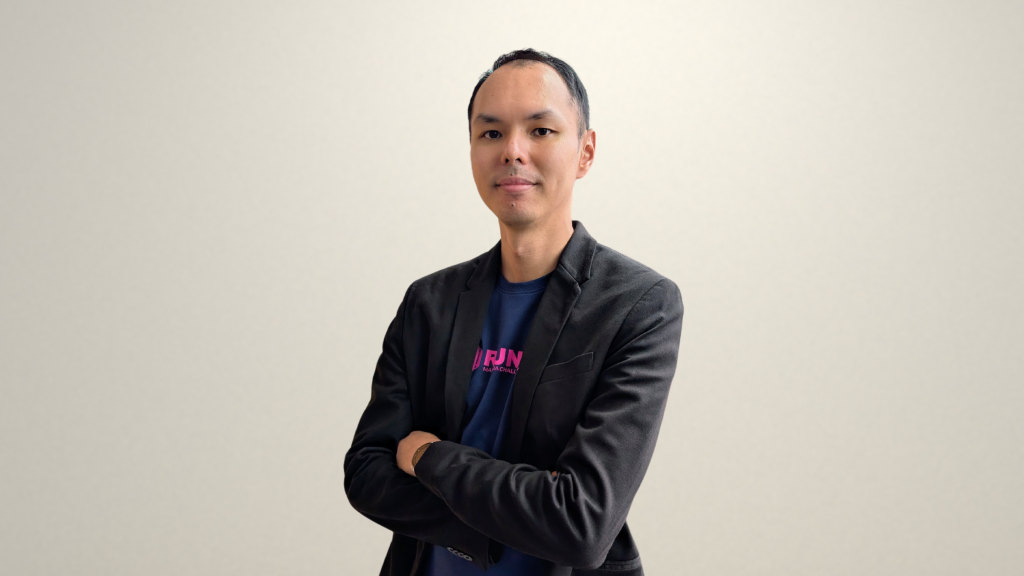
In an exclusive interview with The Exchange Asia, Sheyong Tan, Co-Founder and CEO of BiiB, shared his insights into how the platform is revolutionising the fitness industry by transforming solitary activities like running into community-driven experiences. A Vision for Inclusivity and Support BiiB was born from a simple yet powerful idea: to make fitness more inclusive and socially rewarding. As a runner himself, Tan recognised that while running is often seen as a solitary pursuit focused on individual performance, there’s immense value in creating a supportive community. “Running is often a solitary pursuit where individual performance and speed are highly valued. As a runner myself, I know how impactful it is to belong to a supportive group,” Tan explains. This realisation inspired Tan and his co-founders to create a platform where people could set and achieve fitness goals together, turning wellness into a shared journey rather than a competitive race. A Collaborative Approach to Fitness At its core, BiiB is a software-as-a-service (SaaS) platform designed to facilitate fitness challenges that encourage collaboration rather than competition. Participants can set collective goals—whether it’s reaching a certain number of steps or covering a specified distance—and track their progress through the BiiB app. The emphasis is not on individual speed or performance; instead, it’s about achieving something as a team. “The focus isn’t on who’s the fastest—it’s about accomplishing something as a team. This group-oriented structure keeps people motivated, accountable, and engaged,” Tan explains. The Early Days The journey to developing the BiiB app began unexpectedly when Tan and his team organised a running challenge. When over 600 participants signed up, they realised they needed a way to track distances and calculate results. “We couldn’t find any existing tools that met our needs, so we decided to create the first version of the app within four months,” says Tan. The early stages weren’t without their challenges, but the overwhelming interest from participants confirmed that there was a real demand for a platform that reimagined running as a team sport. Inclusivity at the Core Inclusivity is a central value for BiiB. The platform’s focus on running and walking—activities that require little more than a pair of shoes—ensures that fitness is accessible to everyone, regardless of experience or background. Tan emphasises, “Unlike other sports that require special equipment, running and walking are accessible to nearly everyone. By keeping it simple and accessible, we encourage as many people as possible to take part and benefit from a healthier lifestyle.” Wellness and Team-Building for Businesses For businesses, BiiB offers a unique solution for promoting workplace wellness and team-building. Organisations can use the platform to organise large-scale fitness challenges that bring employees together to work towards shared health goals. Unlike traditional team-building events, BiiB’s challenges can scale to accommodate thousands of participants across various locations. “This inclusivity fosters camaraderie and teamwork, creating a culture of collaboration that extends beyond the challenge itself and into the workplace,” Tan explains. A Successful Partnership with Malaysia’s Health Ministry In August, BiiB had the opportunity to partner with Malaysia’s Health Ministry for the Langkah Sihat Putrajaya step challenge. The event, which involved public servants from 26 ministries, saw an impressive response. “Seeing people so motivated and engaged in pursuit of a shared goal was a breakthrough for us,” Tan reflects. “It highlighted BiiB’s potential to inspire mass participation and unite diverse groups, bringing an entire city together in the spirit of fitness and teamwork.” Expanding Beyond Malaysia: BiiB’s Global Vision With the increasing demand for community-driven fitness solutions, BiiB is now looking to expand beyond Malaysia. Tan notes that the platform is already receiving organic interest from companies in other countries. To support this growth, BiiB is working on addressing language barriers and time zone differences to ensure that its platform remains adaptable to the needs of users around the world. “We believe that our inclusive approach to fitness resonates with people globally, and we’re excited to take BiiB beyond Southeast Asia,” says Tan. Creating Shared Journeys to Wellness BiiB’s appeal lies in its ability to create a shared journey towards wellness. For individual users, being part of a team provides a motivational boost, while for corporations, the platform offers a practical solution for building a healthier, more connected workforce. “Employees can participate in wellness challenges that foster teamwork and friendly competition, leading to better physical health and stronger workplace bonds,” Tan concludes. This dual value—health benefits and social connections—makes BiiB a powerful tool for individuals and organisations alike, promoting well-being and togetherness in an increasingly disconnected world.

The Executives

The Journey of Resilience & Change of Dato’ David Gurupatham

https://www.youtube.com/watch?v=HN8lXC3JZd0&list=PLXNUnD-w9bUm9YmvkhNEnRGeat3fkPI73&index=3 For more than three decades, Dato’ David Gurupatham has not only been a skilled lawyer but also a dedicated advocate for Malaysian businesses and underrepresented communities. From humble beginnings to leading high-stakes initiatives, his career exemplifies a commitment to public service, legal reform, and social impact. He sat down with The Exchange Asia at Le Mirch for an exclusive interview to share insights into his remarkable journey. “I knew from a young age that I wanted to make a difference,” says Dato’ David. “Growing up in a middle-class family and attending public schools, I felt a responsibility to help those who couldn’t always stand up for themselves.” This early drive led him to law, and in 1992, he was called to the bar in England. Since then, he has spent over 30 years building a career marked by both resilience and social consciousness.    Early in his career, Dato’ David worked on reforming legal aid in Selangor, where he chaired the Selangor Bar Committee’s Legal Aid Committee for five years. His efforts with the Bar Council’s Legal Aid Committee in the late 1990s and early 2000s helped establish critical programs that continue to benefit the public today. “That work was immensely fulfilling and set the tone for my career,” he reflects.  Leading Through Crisis The COVID-19 pandemic was a defining period in Dato’ David’s career. As a legal advisor to many business groups and trade associations, he witnessed the devastation as lockdowns and unclear regulations upended businesses and livelihoods. “People were losing jobs, businesses were shutting down, and uncertainty was everywhere,” he says. “I felt I had to do something.”  In response, he formed a lobbying group to advocate for business rights called “Industries Unite”. “Initially, we had just 18 trade associations, but we eventually grew to represent 120 associations and 3.3 million businesses,” he recalls. “Working with the government, our members helped create SOPs to allow some industries to reopen safely.” Through targeted efforts, his team’s work enabled sectors like hairdressers, the Food & Beverages sector amongst others to resume operations, helping countless Malaysians return to work.  The initiative drew national attention, it even influenced the government to reduce the unreasonably high fines that were tagged with non-compliance to the COVID SOP’s – underscoring the impact of his advocacy. “This period reinforced my dedication to serving the public and advocating for those without a voice, whether individuals or businesses,” he states.  The Project Satu Hati Initiative  The pandemic also spotlighted food insecurity in society. Many were without jobs and without food. Inspired by the community-driven “White Flag” movement, Dato’ David collaborated with restaurants on a “Pay It Forward” program that fed thousands of vulnerable people every day. “We managed to serve 3,000–5,000 hot meals daily to low-income families and individuals,” he explains  Known as Project Satu Hati, the initiative rallied people from diverse backgrounds and reinforced the importance of community. “It was a reminder that, even when government support falls short, communities can come together to make a meaningful impact,” says Dato’ David.  Building a Visionary Law Firm  Dato’ David’s career also saw him take a path less travelled in Malaysia’s legal landscape. After only a few years of experience, he took a bold step of founding his own firm in 1997. “I had handled some landmark cases that gave me confidence; and to also do more” he says. “So, I decided to strike out on my own, starting with just myself and a clerk in a small office above a motorcycle shop.”  The firm grew steadily, now boasting offices in Malaysia and China with plans for expansion across Southeast Asia. Reflecting on his growth strategy, he notes, “Business demands constant evolution to stay competitive. We adapted and expanded whenever opportunities arose.” Part of his success, he believes, stemmed from investing in young lawyers who brought fresh perspectives and energy to the firm. “Betting on young talent was the right choice. Today, we offer a wide range of services, including conveyancing, banking, and corporate advisory.”  A strong believer in meritocracy, Dato’ David advocates for rewarding dedication and talent. “One of our youngest lawyers made a partner in three years, which is rare in our industry. If someone produces results, they’re rewarded. But I also respect that not everyone wants major responsibilities—some want a balanced approach to life, and that’s fine too.”  However, Dato’ David is also a firm believer in a “no breaks given” approach as a leader, emphasizing that one must work hard and hustle to achieve their goals. “Nobody gave me a break,” he asserts.  Like Harvey Specter, but with Heart   When asked about his leadership style, Dato’ David acknowledges he has always prioritised professionalism and authenticity. “You can’t underestimate the value of a strong first impression,” he says, referencing Suits character Harvey Specter as an influence. “Even when I was in a small office above a bicycle shop, I carried a ‘Harvey Specter’ mindset, projecting confidence and commitment.”  Yet his approach goes beyond appearances. He emphasises that true leadership involves building trust and fostering purpose. “Leadership isn’t just about technical abilities—it’s about character and caring for others. I want clients to walk out of my office feeling reassured, confident, and calm,” he explains. “Once you earn trust, it often becomes a lasting relationship.”  The “Tea Lady” and Constant Reminders of Compassion  We asked Dato’ David to share one of his most memorable cases through his career, one that had thought him an unforgettable lesson – Dato’ David softly replied, “It was a Tea Lady”. One of Dato’ David’s most defining cases involved an elderly tea lady who was dismissed after decades of service without compensation. He recalls, “She came to me with nowhere else to turn. Employment law wasn’t my specialty, but I couldn’t ignore her case.”  Taking on her case pro bono, he faced formidable opposition from one of the country’s largest law firms, yet ultimately secured a fair settlement for her. “That case remains one of the most rewarding of my life,” he says.

The Executives

Swinging Beyond Boundaries: Deemples Revolutionises Golf

In the bustling landscape of digital innovations, few platforms have sought to transform an age-old sport like golf into a seamlessly connected experience comparable to modern conveniences such as ride-hailing or food delivery. One such pioneer is Deemples, a burgeoning platform dedicated to linking golfers worldwide, city by city. Co-founded by David Wong, Deemples has simplified booking a round of golf and fostered a more engaged and united golfing community.   “We envision a future where booking a golf game is as easy as ordering food or requesting a ride. Whether you’re looking for someone to play with or need to book a tee time, Deemples aims to make the process seamless,” said David Wong, CEO and co-founder of Deemples, sharing the inspiration behind the platform. Since its inception, Deemples has evolved significantly. David highlights their growth by saying, “We’ve seen substantial and consistent growth, with revenue doubling annually over the last four years. Achieving our first net profit in 2023 was a significant milestone, reaffirming our mission to connect golfers globally.”  The surge in youth interest in golf in Malaysia has significantly bolstered Deemples’ growth trajectory. This trend is evident in increased sales of golf equipment and apparel, higher rounds played at courses, occupancy at driving ranges, and bookings for golf coaches. Moreover, since its last fundraising round in 2020, Deemples has seen a 200% rise in active users, driven by digital transformation in booking habits and an intuitive user interface that resonates with golfers. The recent infusion of US$2 million from V Ventures marks a pivotal moment for Deemples, which will empower Deemples to expand its reach and enhance connections among golfers globally. With these resources, Deemples aims to streamline operations, improve user experience, and intensify its market presence, solidifying its position as a leader in the golfing community. “This funding will accelerate our initiatives to enhance user experience and expand our market presence. It’s a transformative step that will allow us to reach a broader audience of golfers worldwide,” said David. Deemples plans to leverage the new funds to deepen its integration with golf course operations, simplifying booking, check-in processes, and gameplay for golfers. By collaborating closely with golf courses, Deemples is able to create a seamless end-to-end experience, akin to the convenience found in airline and hospitality sectors, thereby setting a new standard in golfing convenience and efficiency. Navigating rapid growth posed challenges for Deemples, particularly in product enhancement and user acquisition strategies tailored to the discerning golfing community. By prioritising user feedback and strategic partnerships with golf courses, Deemples continues to innovate and refine its platform, ensuring sustained growth and relevance in a competitive landscape. David told The Exchange Asia, “Building a product that truly serves golfers’ needs and expanding our user base are ongoing challenges. Continuous improvement and close collaboration with our community and partners are key to overcoming these.”  Technology lies at the heart of Deemples’ strategy, enabling scalable solutions that cater to global golfing communities. By leveraging robust technological infrastructure, Deemples enhances accessibility, reliability, and efficiency, ensuring seamless experiences for both golfers and golf courses worldwide. Deemples has significantly boosted transactions and engagement for its Malaysian golf course partners, with bookings occurring every nine minutes on average. By facilitating up to 40% of total sales for some partners, the company continues to drive innovative marketing campaigns that maximise revenue without compromising margins. With the platform, David envisions a future where golfers seamlessly connect, play, and explore courses worldwide, akin to the ease of services like Uber and Airbnb. By simplifying cross-border bookings and fostering global connections, Deemples empowers golfers to indulge their passion effortlessly, regardless of location or time zone. Through its two-sided marketplace model, the company enhances revenue opportunities for golf courses while providing golfers with convenient booking options and streamlined experiences. By minimising last-minute cancellations and optimising capacity utilisation, the platform ensures mutual benefits for all stakeholders involved. David envisions Deemples to be borderless, to which he said, “We aim to simplify golf booking globally, enabling golfers to connect and play effortlessly worldwide, akin to services like Uber or Airbnb.”  With promising early feedback and market interest, Deemples plans to expand strategically into new Southeast Asian markets and replicate its success by fostering robust partnerships and meeting the diverse needs of golfers across the region. Moving forward, David hints at future product offerings and market expansions. “We’re committed to continuous improvement and innovation, ensuring Deemples remains at the forefront of revolutionising golfing experiences worldwide,” he added.

The Executives

Feruni: Pioneering Art and Innovation in the Tile Industry

The journey of Feruni begins with its founder, Dato’ CC Ngei, whose passion for tiles was ignited at a young age. His father, a tile layer, opened a tile dealer store in 1982, where Dato’ CC began assisting in 1990. By 1992, he was managing a new tile trading store in Seri Kembangan, which carried various local brands. Despite the challenges posed by the Asian Financial Crisis, the business thrived by acquiring large stocks at lower prices and selling them at retail value. “This strategic approach turned seemingly wasteful situations into profitable opportunities,” said Dato’ CC. In 2001, Dato’ CC expanded the business by importing tiles from China, Indonesia, and Thailand. The establishment of Feruni in 2010 marked a significant milestone, focusing exclusively on their branded tiles and setting a new trajectory for the business. “We are proud that some customers have stayed with us since the Seri Kembangan days, a testament to our dedication and quality,” Dato’ CC added. The Inspiration Behind Feruni Driven by time-honored values of integrity, transparency, and innovation, Dato’ CC embarked on a mission to transform Malaysia’s tile industry. Feruni was born from a desire to disrupt the commoditised nature of the market by introducing cutting-edge ideas, global tile trends, and unparalleled customer experiences. Over the past 15 years, Feruni has redefined the industry by changing perceptions of what tiles can do, how they are bought, and how they are sold. “Feruni’s mission goes beyond selling tiles; we offer art that fires imagination, enriches environments, and inspires people,” he explained. Navigating Industry Challenges The tile industry is highly commoditised, with price-sensitive customers and numerous players. Feruni’s vision was to stand out by focusing on transparency, creativity, innovation, and quality. In 2010, Feruni embarked on a journey to differentiate itself by developing a unique brand identity. “Despite the challenges of adding value while remaining commercially viable, the journey has been fulfilling,” Dato’ CC said. “The recent brand relaunch demonstrates our commitment to disrupting the industry through art, beauty, and inspiration.” Breaking Traditional Norms Feruni has led Malaysia’s tile industry with many firsts over the past 15 years. In 2010, it pioneered an immersive customer experience with the flagship Feruni Retail Store, allowing customers to visualise tiles in real-life settings. Feruni’s innovative product ranges, such as the iShapes collection, Modular Sizes collection, and Designer collection, offer unique designs and easy installation, inspiring customers to reimagine their spaces. “These products represent a convergence of art, beauty, and the latest tile technologies,” notes Dato’ CC. “Our collaborations with designers like Lisette of Nala Designs have resulted in unique collections like Mandi Bunga, bringing local floral motifs to life.” Innovation is at the heart of Feruni’s journey. By transforming tiles into works of art, Feruni has changed market perceptions and set new standards in the industry. “Our brand relaunch reflects a commitment to continuous disruption, with a renewed focus on combining art, beauty, and technology,” says Dato’ CC. “Feruni’s products, known for their quality, texture, and durability, exemplify this convergence.” Strategic partnerships have been pivotal to Feruni’s success. Collaborations with designers like Lisette Scheers of Nala Designs have resulted in unique collections like Mandi Bunga, bringing local floral motifs to life. Feruni also collaborates with Malaysia’s leading architects, interior designers, and property developers through programs like Synergistic Collaborations, offering customised packages to property buyers and reducing renovation costs and wastage. “Partnerships are integral to our strategy,” explains Dato’ CC. “They allow us to bring unique and innovative products to market, enhancing the value we offer our customers.” Sustainability Commitment As Feruni takes its environmental and social responsibilities seriously, it ensures that the company obtained the ISO 14001 certification and 30% of products meeting green standards. The application of cutting-edge technologies ensures efficient use of materials without compromising quality. “Our commitment to sustainability is unwavering,” says Dato’ CC. “We implement comprehensive 3R policies and work closely with communities to promote sustainability.” To continue competing in the evolving industry, Feruni offer large-format tiles that are thin and durable, combining technology with aesthetic appeal. It also boasts of advanced surface treatments, such as the Griptech anti-slip technology, add functionality and safety.   “Staying ahead of trends and continuously innovating is key to meeting the evolving needs of our customers,” Dato’ CC explained. “We are committed to setting trends, always focusing on art, beauty, and inspiration combined with technological advancement.” With a solid foundation in Malaysia, Feruni plans to expand its footprint globally. The phased approach will begin with Southeast Asia, followed by expansion across Asia and internationally. “We aim to lead the industry through disruptive creativity, collaborations, and competence,” said Dato’ CC. Dato’ CC Ngei advises aspiring entrepreneurs to identify the problems they can solve and the value they can bring to customers. Lifelong learning, consistent effort, perseverance, and quick recovery from setbacks are essential for success. “Always upgrade yourself, otherwise you will become obsolete,” he emphasises. “Perseverance is key; do not expect overnight success and do not be dejected by setbacks.” Feruni’s commitment to community development is exemplified by Yayasan Feruni’s initiatives, such as the “A Piece of Joy” campaign, which brings happiness through creative artworks on tiles. “As Feruni’s business grows, we are committed to creating greater positive impact on the community,” says Dato’ CC. Feruni’s future is bright, with a strategic focus on leading the industry through art, beauty, and inspiration. Cross-boundary collaborations with artists and designers will ignite fresh ideas and inspire innovative approaches. “Our exceptional team and purpose-driven culture are key to our success,” concludes Dato’ CC. “We ensure that our employees thrive and that we deliver joy to our customers and communities.”

Energy & Technology

Swisslog’s Data-Driven Robotics Revolution in Southeast Asia

In the ever-changing world of logistics automation, Swisslog is leading the way with advanced solutions that combine data-driven technologies and robotics to enhance warehouse efficiency. Based in Southeast Asia, Dr. Wayne Teoh, Ph.D., spearheads Swisslog’s Design & Engineering department, driving innovation, scalability, and sustainability in automated logistics.    Swisslog’s approach hinges on harnessing both customer-specific and system-generated data to tailor solutions precisely to client needs. By leveraging its SynQ software, Swisslog creates a unified platform that continuously analyses operational data, driving efficiency and optimising processes. This integration empowers clients to make informed decisions, streamline workflows, and ensure optimal inventory management.     “The synergy between data-driven insights and robotics is transformative. It not only enhances operational efficiency but also enables our clients to stay ahead in a competitive market,” Dr. Teoh emphasises.      Flexibility is key in Swisslog’s strategy, as highlighted by its modular service concepts. These concepts allow for seamless adaptation to evolving business requirements without disrupting ongoing operations. Whether clients need to expand storage capacity, boost throughput, or enhance delivery speed, Swisslog’s modular approach ensures scalable solutions that grow with the business.     “Our modular design philosophy is akin to building blocks. It enables us to cater to diverse operational needs efficiently, offering clients the agility to scale up their automation as demand grows.” Dr. Teoh explains.      Collaboration plays a pivotal role in Swisslog’s success story. By partnering closely with forward-thinking companies, Swisslog co-creates tailored solutions that address specific challenges and drive industry benchmarks.     “Our collaborations are testament to our commitment to innovation,” Dr. Teoh remarks. “By harnessing collective expertise, we pioneer solutions that not only meet but exceed our clients’ expectations.”      At the heart of Swisslog’s achievements lies a vibrant culture of innovation and passion. Initiatives like the annual Hackathon and Global Trainee Program foster creativity among employees, encouraging them to push boundaries and explore new technologies. This commitment to nurturing talent ensures that Swisslog remains at the forefront of technological advancement in Southeast Asia’s logistics sector.     “Our people are our greatest asset. Their dedication and ingenuity drive our continuous pursuit of excellence and leadership in logistics automation.” Dr. Teoh affirms.      As Swisslog looks to the future, its strategic priorities remain centred on leadership in warehouse automation, customer-centric innovation, and sustainable development. By advancing technologies such as Autonomous Mobile Robots (AMRs), AI, and machine learning, Swisslog aims to set new standards for efficiency and environmental responsibility in logistics operations across Southeast Asia.     “In the next 3-5 years, our focus will be on enhancing customer outcomes through innovative solutions and sustainable practices. We are committed to delivering value and driving positive change in the logistics industry.” Dr. Teoh told The Exchange Asia.      Swisslog’s journey in Southeast Asia exemplifies a dedication to innovation, collaboration, and customer-centricity. By integrating data-driven solutions with robotics and fostering a culture of continuous improvement, Swisslog not only enhances operational efficiencies for its clients but also shapes the future of logistics automation. As technology continues to evolve, Swisslog remains poised to lead, driving industry standards and delivering impactful solutions that transform logistics operations worldwide. 

The Executives

Embracing Change: The Shift to E-Invoicing

In an era defined by rapid digital transformation, Malaysia finds itself at a critical juncture in its economic evolution. As the world embraces technological advancements to streamline business operations and enhance efficiency, Malaysia’s mandatory e-invoicing implementation emerges as a pivotal step towards modernisation. However, the question remains of whether Malaysia can keep up with its neighbours in this digital race. “Traditionally, businesses relied on manual methods to manage invoices, involving tedious processes of data entry and document handling,” explained akaBot Country Manager, Ginny Truc To.   “Invoices were issued in various formats such as PDF, Excel, or Word, leading to inconsistencies and inefficiencies in data management. The manual nature of these processes resulted in delays, errors, and increased operational costs, hindering businesses’ ability to compete in a fast-paced global market,” she said.   Recognising the need for change, Malaysia embarked on a journey towards e-invoicing, following in the footsteps of neighbouring countries like Singapore, Indonesia, and Thailand.    E-invoicing, a digital solution that enables the electronic exchange of invoices between buyers and sellers, promises to revolutionise the way businesses manage their financial transactions. By automating invoice generation, delivery, and processing, e-invoicing offers significant benefits in terms of efficiency, accuracy, and cost savings.    “To assess Malaysia’s progress in e-invoicing implementation, it’s essential to compare its efforts with those of its neighbours.   “Singapore stands out as a pioneer in e-invoicing adoption, leveraging advanced technology and government support to streamline invoicing processes. Indonesia follows suit with a gradual approach to implementation, focusing on compliance strategies and business readiness. Meanwhile, Thailand demonstrates strong government backing and technological infrastructure to drive e-invoicing adoption rates,” Truc To added.   “In contrast, Malaysia’s transition to e-invoicing faces unique challenges and opportunities. While the government has taken proactive steps to promote e-invoicing adoption – including the implementation of regulatory mandates – businesses are still grappling with technological readiness, regulatory compliance, and SME readiness. Despite these challenges, Malaysia has the opportunity to leverage e-invoicing as a catalyst for economic growth and competitiveness in the region,” she continued.   Overcoming Challenges: The Role of Robotic Process Automation (RPA)   According to Truc To, one of the key challenges in e-invoicing implementation lies in managing accounting operations across multiple branches, especially concerning data management and financial reporting.    Inconsistencies in data entry methods, duplication of entries, and delays in data transfer between branches pose significant hurdles to efficient operations. However, Robotic Process Automation (RPA) offers a solution to these challenges by automating repetitive tasks, minimising errors, and improving processing speed.   “RPA solutions like akaBot provide businesses with the tools they need to streamline e-invoicing processes and enhance efficiency,” she explains.    By automating data extraction, validation, and entry into accounting systems, RPA reduces manual intervention and ensures greater accuracy in financial transactions. Moreover, RPA solutions offer scalability, flexibility, and cost-effectiveness, making them ideal for businesses of all sizes and industries.   The Economic Benefits of E-Invoicing and RPA Adoption   “The adoption of e-invoicing and RPA in Malaysia promises significant economic benefits for businesses and the economy as a whole.    “Improved cash flow management, enhanced compliance and transparency, and reduced environmental impact are just some of the advantages of embracing digital solutions. For example, e-invoicing accelerates payment cycles, reduces errors, and simplifies tax audits, leading to cost savings and operational efficiencies,” she affirmed.   Simultaneously, RPA automates repetitive and time-consuming tasks, freeing up human resources for more strategic activities.    “By leveraging these technologies, Malaysian enterprises can enhance their competitiveness, drive innovation, and contribute to sustainable economic growth. Moreover, adopting e-invoicing and RPA aligns with Malaysia’s vision of becoming a digital economy powerhouse in the region,” she added.     Looking Ahead: Ensuring Success in the Digital Age   When it comes to navigating a path to adopt e-invoicing, collaboration between government agencies, businesses, and technology providers will be crucial to a successful transition.   “Government initiatives aimed at promoting e-invoicing adoption, coupled with industry partnerships and innovation, will drive Malaysia’s digital transformation journey forward. Furthermore, continuous investment in technological infrastructure, skills development, and regulatory frameworks will be essential to overcoming challenges and seizing opportunities in the digital age,” she concluded.    By embracing change, Malaysia’s e-invoicing implementation marks a significant milestone in its journey towards digital transformation, which will allow the whole nation to enhance efficiency, improve competitiveness, and drive sustainable economic growth in the region.   With the right strategies, collaboration, and commitment, Malaysia can indeed close the gap and emerge as a digital frontrunner in the ASEAN community.  

The Executives

Empowering SMEs in Malaysia through Sustainability Reporting

Sustainability reporting is becoming increasingly recognised as a strategic necessity rather than an ethical choice, particularly for small and medium-sized enterprises (SMEs) in Malaysia. According to ACCA Asia Pacific Public Affairs Manager, Daniel Teoh, sustainability initiatives not only bolster resilience against operational risks but also enhance the reputation and stakeholder relations. By prioritising sustainability, SMEs position themselves for long-term success in a global marketplace that increasingly values environmentally and socially responsible practices.  In Malaysia, the government has taken a proactive approach to addressing climate change, as demonstrated by the 12th Malaysia Plan and incentives like the Green Investment Tax Allowance and Green Income Tax Exemption.  “These initiatives create favourable conditions for SMEs to adopt sustainable practices. By embracing these programs, SMEs can access new opportunities and enhance their competitive advantage,” said Teoh. The integration of sustainability into business operations tends to significantly enhance stakeholder relations. The 2023 Malaysian Budget underscores this, with Bank Negara Malaysia (BNM) allocating RM2 billion to facilitate SMEs’ adoption of low-carbon practices, which aims to reduce carbon emissions while fostering innovation and competitiveness within the SME sector.  “As global sustainability standards become mandatory, Malaysian SMEs can gain a favourable reputation among stakeholders by prioritising sustainability. This not only improves business relations but also opens up new avenues for growth and collaboration,” Teoh told The Exchange Asia. According to him, the ACCA recommends that SMEs embark on their sustainability journey by integrating sustainable practices into every aspect of their operations. Key steps include gathering relevant and reliable data to assess current sustainability initiatives and identify risks, learning from other businesses and industries through benchmarking, identifying sustainability issues with a significant impact on the business through materiality assessment, developing and setting goals for sustainability, and embedding the sustainability strategy into business operations through operational integration. When SMEs embark on sustainability reporting, it’s crucial to be aware of some common pitfalls, especially since integrating environmental, social and governance (ESG) data with financial reporting requires careful attention due to differences in methodologies and timelines. “It is also crucial to have a comprehensive understanding of the business’s operations and their environmental and social impacts. “Additionally, it’s important to avoid greenwashing by refraining from making misleading claims about sustainability efforts to maintain credibility, and because stakeholder accountability is key, authenticity in sustainability claims should be ensured through rigorous due diligence,” Teoh explained. Despite the potential advantages, less than 45% of SMEs benefit from technical support in sustainability reporting. Challenges in this area include difficulties with data collection and standardisation, limited resources, and the lack of common metrics and guidelines. To mitigate such situations, ACCA provides a range of toolkits and certifications, including the ACCA Certificate in Sustainability for Finance and ACCA Certificate in Integrated Reporting, which are designed to provide finance professionals with the essential skills needed for effective sustainability reporting. Beyond compliance and reputation, robust sustainability reporting offers long-term benefits, which includes better positioning for government incentives, improved internal processes, and new business opportunities. By demonstrating a commitment to sustainability, SMEs can secure supply chain partnerships, reduce social and environmental risks and gain a competitive edge. Looking ahead, SMEs should be aware of emerging trends such as the increasing importance of ESG compliance in tenders and the growing advocacy for ESG integration by industry leaders. Early implementation of sustainable practices will help SMEs stay competitive and navigate evolving market demands effectively. Hence, Teoh concluded by saying that embracing sustainability reporting is a strategic move for SMEs in Malaysia, offering multifaceted benefits that extend beyond compliance. By integrating sustainable practices into their core business strategies, SMEs can enhance stakeholder relations, unlock new opportunities, and position themselves for long-term success in a dynamic global marketplace.  

The Executives

Currencycloud Poised for Expansion in APAC with In-Principle Approval from MAS

Currencycloud, a leading provider of multi-currency financial services, is aiming to expand its presence in the Asia Pacific (APAC) region, following its recent in-principle approval for a major payment institution (MPI) license from the Monetary Authority of Singapore (MAS). As the number of investors in the region continues to grow, wealthtechs need to cater to the demand and accept the client’s funds in a seamless, transparent, easy and automated. Maximising revenue streams by building an optimised payments infrastructure, where funds are settled to executive brokers through local payment rails, and reconciliation processes are streamlined, is critical for the success of APAC’s wealthtechs. On this, Currencycloud is able to help these wealthtechs to collect funds from investors, convert these at competitive rates, and deploy them to execution brokers in the US and beyond, quickly and cheaply – all through best-in-class APIs. Obtaining the MPI license marks a pivotal milestone in the company’s strategic growth within one of the world’s most dynamic financial markets as it aligns with Currencycloud’s strategic approach geared towards simplifying global business operations in a multi-currency environment. “Following the recent in-principle approval (IPA) for an MPI license by the Monetary Authority of Singapore MAS, Currencycloud is now working towards fulfilling its IPA conditions,” stated Currencycloud Managing Director for APAC, Rohit Narang.  Once the MAS grants the full license, Currencycloud will be able to offer a comprehensive range of intra-regional and global payment services to businesses in Singapore. According to Narang, the company facilitates seamless payments for customers across 180 countries and territories. Hence, the MPI license will further enhance these capabilities, particularly in expediting intra-Asia and east-to-west payments.  “Once the MPI license is granted, Currencycloud will further enhance its capabilities, expediting intra-Asia and east-to-west payments processing, so businesses can enjoy faster payment times,” Narang explained. The Importance of Compliance and Partnerships Navigating the complex regulatory environments across the Asia-Pacific region is a significant challenge. To address this, Currencycloud has implemented a resilient compliance framework.  “We’ve taken a comprehensive approach that incorporates robust regulatory controls into our operational infrastructure. Recognising the increasing emphasis on security within regulatory frameworks, we have also invested in measures that effectively safeguard our customers’ data,” Narang explained in an interview with The Exchange Asia. Narang also stated that scaling services across a vast and diverse region like APAC involves navigating a multitude of regulatory environments. Having that in mind, Currencycloud has expert regulatory and compliance teams, not just for APAC but across the world, ensuring that we adhere to the compliance terms in each of these markets,” said Narang. Furthermore, Currencycloud is poised to introduce new payment services and features once the MPI license gets approved. “Currencycloud will continue to develop new products and services that will expedite the processing of intra-Asia and east-to-west payments, empowering businesses in APAC to succeed in today’s interconnected and digital economy,” he added.  Being in such a rapidly evolving fintech landscape, Currencycloud differentiates itself through innovation and strategic partnerships. This is why the company has also launched innovative features such as Weekend FX and real-time FX to improve the speed and transparency of international transactions. Currencycloud has also collaborated with Shanghai-based Fuiou Pay and expanded its network by working with TangoPay and Paysend in Europe, as well as E9pay in South Korea. Following the recent granting of an Australia Financial Services Licence, the company is set to expand its footprint in Australia. “The securing of the Australia Financial Services Licence in June 2022 marks a significant milestone in our growth strategy,” Narang highlighted.  It also expanded its team in Australia to bolster its efforts to drive business growth and deliver innovative fintech solutions. Narang explained that partnerships with local financial institutions and fintech companies are central to Currencycloud’s strategy for regional expansion. “Our partnership approach is built on mutual collaboration and growth. One notable example is our partnership with Singapore-based start-up neobank (known as) OPAL, to offer domestic and cross-border payments, payment accounts, and e-money,” he continued. Currencycloud’s Future Vision in Payments and Security Looking ahead, Currencycloud is focused on harnessing emerging technologies such as blockchain and digital currencies to transform cross-border payments. “We foresee blockchain playing a pivotal role in revolutionising payments, particularly through digitalising tokenised money and using smart contracts to eliminate intermediaries,” said Narang. Amid rising cyber threats, the company prioritises on enhancing its security offerings by taking proactive measures to mitigate security risks, adhering to best practices to minimise downtime and sustain daily operations. “Our high-security framework adheres to the ‘four nines’ industry standard of availability, ensuring Currencycloud clients and partners are protected and confident in the integrity of their transactions and data,” Narang added. Meanwhile, Narang envisions significant changes in the cross-border payments landscape, driven by macro trends such as the consumerisation of B2B payments and the evolution of digital payment options. “APAC presents a massive more than US$40 trillion (RM188.28 trillion) opportunity in commercial money movement,” Narang noted. Due to this, he sees the future of cross-border payments being shaped by trends like the consumerisation of B2B payments, digital wallets, and ongoing developments in the payments ecosystem. Therefore, by fostering innovation and strategic partnerships, Currencycloud aims to stay at the forefront of the industry, delivering robust financial solutions that meet the evolving needs of businesses across the APAC region.

ESG

Unveiling the Challenges and Potential of Neurodiversity in Employment

KUALA LUMPUR: Neurodiversity embodies the beautiful array of cognitive differences present in individuals, including those with conditions such as autism, ADHD, and dyslexia. This diversity enriches society with unique perspectives and abilities, yet it also presents obstacles, especially in the realm of employment. “Neurodivergent people have immense untapped talent. When they develop an interest in specific subjects, they possess a remarkable ability to hyperfocus and achieve expertise in those areas,” said Dr Choy Sook Kuen, the founder of Oasis Place. Despite this, studies consistently reveal alarmingly low rates of employment for this population. Extensive research revealed troublingly high unemployment rates among neurodiverse individuals, ranging from 30% to 40%. This stands in stark contrast to lower rates observed among people with other disabilities or no impairments at all. These numbers shed light on the significant challenges neurodiverse individuals face when seeking job opportunities.  Moreover, a survey of Fortune 500 companies reveals biases in the hiring practices of most companies. While 90% of respondents were open to hiring people with physical disabilities or hearing impairments, only 20% showed a similar willingness towards those with severe mental disabilities. This disparity in hiring highlights the pervasive stigma and discrimination encountered by neurodiverse individuals in the job market.  Such biases not only perpetuate inequality but also prevent organisations from tapping into valuable talent and diverse perspectives. Challenges faced by neurodivergent individuals Widespread misunderstandings surrounding neurodiversity perpetuate harmful stigmas and biases in professional settings. These misconceptions hinder opportunities for individuals with neurodivergent traits, resulting in discrimination during recruitment and difficulties in the workplace. Neurodivergent individuals possess a wide array of talents and skills, yet traditional employment systems often fail to recognise and utilise these strengths, leading to high rates of unemployment. Conventional recruitment practices, focused on social skills and fitting societal norms, create barriers for neurodivergent individuals during interviews, networking, and resume-building. Employers should rethink hiring methods by using alternative assessments like skills-based evaluations, reducing reliance on social cues and interview performance. Investing in initiatives such as mentorship, vocational education, and apprenticeships can help develop neurodivergent individuals’ skills and advance their careers. “Many workplaces struggle to accommodate people with different thinking styles, such as those with autism or ADHD. This lack of support makes them feel left out and affects how well they can do their jobs,” said Dr Hazli Zakaria, a respected psychiatrist and founder of Alaminda. He also said it’s not that hard to make things better, it’s as easy as setting aside a designated area for smokers. Simple changes like moving desks, adjusting lights, or creating a chill area with comfy bean bags can help a lot. And just letting these folks eat lunch alone sometimes, away from loud noises or big crowds, can help them feel more comfortable and get their work done well. Addressing the employment gap for neurodivergent individuals requires collaborative efforts across sectors, including government, businesses, advocacy groups, and communities. By fostering inclusive workplaces, providing tailored support, and transforming recruitment practices, we can harness the strengths of neurodiversity and create a more equitable and diverse workforce for the future.  

Investment & Market Trends, News

World Bank Urges Malaysian Government to Set Clear Revenue Target in Tax Reform

KUALA LUMPUR (April 22): The World Bank recommends that the Malaysian government specify the revenue targets for its reforms to avoid an ad hoc approach to taxation. Dr. Apurva Sanghi, the World Bank’s lead economist for Malaysia, emphasized the importance of setting clear revenue goals to enable the government to implement appropriate tax policies effectively and in a timely manner. He noted that Malaysia has been collecting insufficient taxes and needs to increase revenue. During a media briefing on the World Bank’s April 2024 Malaysia Economic Monitor report titled “Bending Bamboo Shoots: Strengthening Foundational Skills,” Dr. Apurva stated, “Our main point is the necessity of publicly announcing a revenue target.” Malaysia has been striving to reduce a persistent fiscal deficit that originated during the 1998 Asian Financial Crisis. Recently, the government has implemented various measures such as reducing subsidies and introducing new taxes to address its fiscal challenges. To mitigate the impact on living costs, the government has committed to providing cash and other forms of assistance. This year, the government aims to reduce its budget deficit to 4.3% of economic output from 5% last year. In addition, Dr. Apurva Sanghi emphasized that the Malaysian government’s recent steps to broaden the tax base, including the introduction of a capital gains tax and an expanded services tax, are a positive move but fall short of addressing the revenue shortfall. He stressed that establishing a specific revenue target would enable better communication of tax reform decisions to the public and industry stakeholders, providing clarity on the amount of additional revenue needed. “The question is how much more?” Dr. Apurva emphasized. “What should the target be, should it be from 12.6% to 13% or 14%?” He noted that tax collection as a percentage of gross domestic product (GDP) is projected to increase to 12.8% in 2024 from 12.6% in 2023, which is still significantly below the regional average of 25%. “When you don’t set a target, you don’t know where you’re going; there are many roads to take,” he explained. “So it’s very important to know where you’re going.” At the same event, World Bank senior economist Chong Yew Keat highlighted that setting revenue targets is a standard practice in developed economies, where targets are based on the country’s structural spending. For instance, he explained that an ageing population would lead to increased spending on areas like healthcare as a percentage of GDP. “This approach ensures that the government takes a longer-term perspective and ensures that the revenue increase is sufficient, allowing for tax policy to be more strategically timed and sequenced over time,” he added.

Scroll to Top

Subscribe
FREE Newsletter