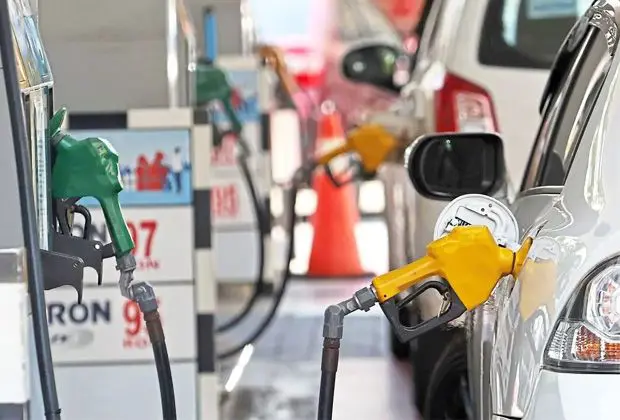
Putrajaya may need to tighten the RON95 petrol subsidy, either by reducing the current 300-litre monthly quota or raising the pump price back to RM2.05 per litre, analysts say. Both measures are being considered as realistic options if crude oil prices remain high, placing greater strain on government finances. CGS International Research (CGSI Research) noted that cutting the subsidised quota could allow the government to target support more efficiently toward lower-income households while limiting the immediate impact on the consumer price index (CPI). The research house highlighted that rising geopolitical tensions in the Middle East have pushed crude oil prices above US$100 per barrel, increasing the likelihood of renewed price pressures. Hong Leong Investment Bank Research similarly pointed out that the conflict has tilted Malaysia’s inflation risks upward. “For now, we maintain our 2026 CPI forecast at 1.7% year-on-year, but we are monitoring global energy prices and government policy responses closely. A potential RON95 price reversion to RM2.05 per litre may occur if the Middle East conflict persists,” it said. CGSI Research added that higher oil prices would first affect transport costs, with knock-on effects across other CPI segments. Their calculations suggest that every US$10 increase in average oil prices could push Malaysia’s annual CPI up by around seven basis points, assuming no policy changes. Rising fuel costs would also increase the fiscal burden of the current subsidy programme, potentially prompting a retail price adjustment or a reduction of the 300-litre allocation. Looking ahead, the research house warned of upside risks to its CPI forecast if Middle Eastern oil supply disruptions keep global prices elevated. For now, CGSI maintains its 2026 CPI projection at 1.5%, following a moderation to 1.4% y-o-y in February 2026, compared with 1.6% in January. Apex Securities Research noted that headline inflation averaged 1.5% in the first two months of 2026, below the 10-year average of 1.8%. However, rising geopolitical tensions could increase costs for logistics, utilities, and raw materials, gradually feeding into consumer prices. Fuel prices remain the main domestic risk, as RON95 accounts for 5.7% of the CPI basket. Under a scenario where Brent crude remains around US$101 per barrel and subsidised RON95 rises to RM2.40 per litre or higher, Apex said headline inflation could exceed 3%, potentially prompting a rate hike by Bank Negara Malaysia. However, the research house considers this a low-probability scenario, noting that the highest subsidised RON95 price to date was RM2.38 per litre in November 2017. “Monetary tightening may not be ideal in a cost-push environment, as it could weigh on household spending and business financing,” Apex added, suggesting that the government is unlikely to implement a sharp fuel price increase that would significantly raise living costs.