Author name: admin

Energy & Technology

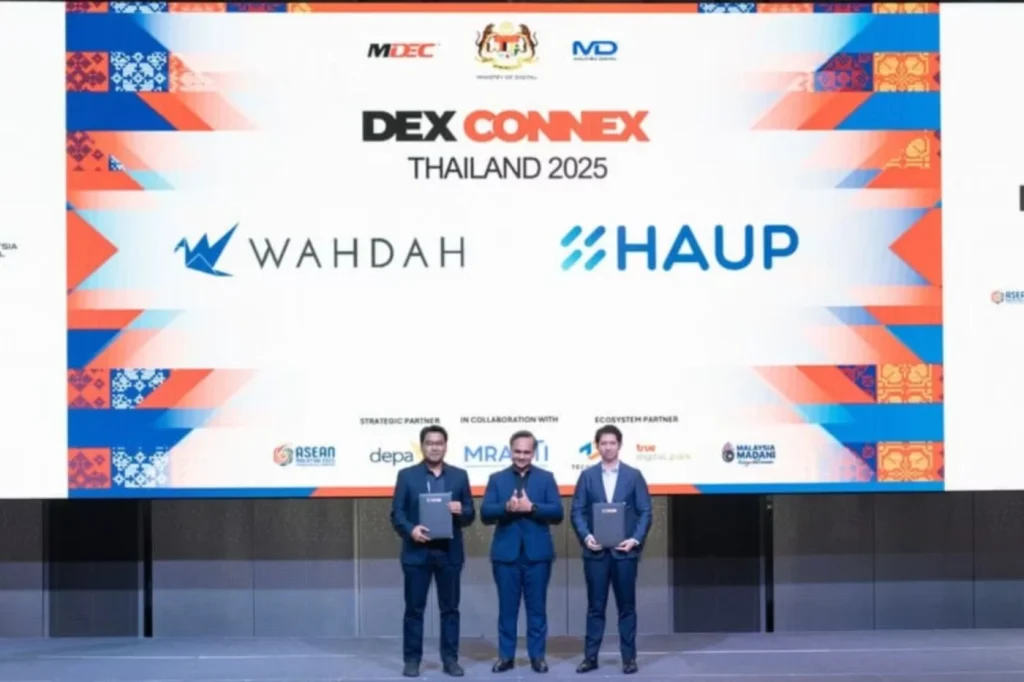
Wahdah Targets RM40mil Amid Malaysia’s Tech Push

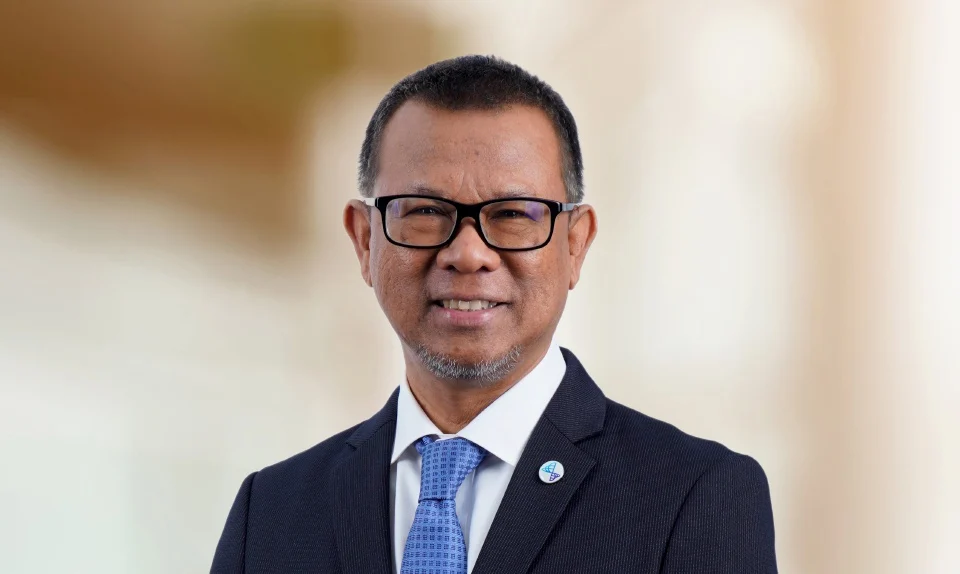
Malaysia’s efforts to nurture globally competitive technology champions are gaining momentum, with the Malaysia Digital Economy Corporation (MDEC) stepping up initiatives to help high-potential innovators scale through market access, ecosystem partnerships and alternative financing. One notable beneficiary is Wahdah Technologies Sdn Bhd, a Malaysian mobility and travel-tech company that integrates automotive, tourism and transport services into a single digital platform operating across Malaysia, Indonesia and Singapore. Wahdah’s growth highlights how coordinated institutional support is helping Malaysia shift from being primarily a digital adopter to becoming a regional innovation producer. The company is now targeting cumulative projected revenue growth of RM40 million, reflecting increasing investor confidence in Malaysia’s platform-based startups. In a statement, MDEC said the collaboration reflects a broader national strategy to align policy implementation, financing infrastructure and entrepreneurial talent to build regional digital champions. MDEC has played a catalytic role in Wahdah’s expansion by enhancing its industry visibility, onboarding it into strategic digital adoption programmes and facilitating access to new markets. These efforts have strengthened Wahdah’s technological capabilities, refined its platform-driven business model and positioned it for cross-border growth. Further momentum comes from Malaysia Debt Ventures Bhd (MDV), which has provided a RM2.5 million financing facility to support working capital, operational scaling and technology development. MDV, a subsidiary of the Minister of Finance (Incorporated) under the Ministry of Science, Technology and Innovation, offers specialised funding solutions tailored to technology-driven companies, enabling them to accelerate from growth stage to regional contender. MDEC chief executive officer Anuar Fariz Fadzil said the agency remains committed to driving digital adoption and international expansion for promising local innovators, adding that companies like Wahdah demonstrate Malaysia’s ability to develop scalable, export-ready technology platforms. With nearly 100 employees and operational hubs in major Malaysian cities as well as Jakarta and Singapore, Wahdah blends physical service networks with data-driven systems to deliver integrated mobility solutions. Its unified digital ecosystem connects fleet management, vehicle access, tourism services and customer support into a seamless platform.


Investment & Market Trends

Microsoft To Invest US$50B In AI Across Global South

Microsoft announced on Wednesday that it is on track to invest a total of US$50 billion (approximately RM195 billion) by the end of the decade to support the development and expansion of artificial intelligence (AI) in countries across the Global South. The announcement was made during the AI Summit in New Delhi, an event that brings together top executives from leading AI companies alongside world leaders to discuss the future of AI and its global impact. The term “Global South” generally refers to developing, emerging, or lower-income nations, mostly located in the southern hemisphere. Microsoft’s planned investment is aimed at accelerating AI adoption and infrastructure in these regions, providing access to advanced technologies and supporting local digital ecosystems. Last year, the tech giant unveiled US$17.5 billion in AI investments specifically for India, underscoring its commitment to one of the world’s fastest-growing digital markets. With this broader US$50 billion plan, Microsoft seeks to extend similar initiatives to other countries in Asia, Africa, and Latin America, strengthening AI capabilities and fostering innovation in markets that have historically been underrepresented in the tech space.

The Executives

Malaysian Media Council Appoints RTM, Bernama Leaders

The Malaysian Media Council (MMC) has appointed Radio Televisyen Malaysia (RTM) director-general Datuk Suhaimi Sulaiman and Malaysian National News Agency (Bernama) CEO Datin Nur-ul Afida Kamaludin as government representatives on its board. The appointments follow Section 8(1)(b) of the Malaysian Media Council Act and were nominated by Communications Minister Datuk Fahmi Fadzil on Jan 14. “The Board welcomes the nominations,” the council said, noting that with these appointments, 20 of the 21 board positions have now been filled. The only remaining vacancy is for the chairperson, for which nominations are still open. Suhaimi brings extensive experience in broadcasting and journalism across both public and private sectors, while Nur-ul Afida has expertise in managing a national news organisation and media administration, with long-standing involvement in Malaysia’s mainstream media. The council is awaiting government funding to set up a secretariat and begin its operations. The MMC board, elected in November 2025, will serve a two-year term. In addition to the two government representatives, the board includes four members from media companies, four media practitioners, four representatives of public interests—including academics and civil society—and six additional members to ensure balanced representation across gender, geography, and media diversity by language and format.

Investment & Market Trends

Nestlé May Reduce Ice Cream Focus, Revamps Leadership Team

Nestlé SA is exploring ways to reduce its presence in the ice cream sector as new CEO Philipp Navratil reviews the company’s broad operations, according to sources. The Swiss food giant is evaluating options including trimming its stake in Froneri, an ice cream joint venture with private equity firm PAI Partners that owns brands like Häagen-Dazs and Mövenpick. Nestlé may also sell some of its fully-owned ice cream units to Froneri. Discussions are ongoing, and no deal is guaranteed. PAI could increase its stake if Nestlé sells, or the Swiss group could sell part of Froneri to another investor such as the Abu Dhabi Investment Authority (ADIA). Nestlé and ADIA declined to comment, while PAI did not respond. Once one of the world’s largest ice cream producers, Nestlé now sells ice cream mainly outside Froneri’s scope. Last year, PAI raised billions to maintain control of Froneri, with ADIA joining as a minority investor in a deal valuing the firm at about €15 billion (US$17.7 billion or RM69.18 billion) including debt. Nestlé shares have fallen roughly 40% from their 2022 peak, nearing an eight-year low, while competitors Danone SA and Unilever Plc have risen more than 20% over the same period. Board Shake-Up Amid an infant formula contamination crisis affecting the industry, Nestlé also announced changes to its board ahead of full-year results. Thomas Jordan, former president of the Swiss National Bank, and Fatima Francisco, a senior executive at Procter & Gamble, have been nominated to the board and will stand for election at the company’s annual general meeting in April. Chair Pablo Isla said the revamp aims to boost board engagement, enhance oversight, and improve decision-making. Isla became board chair last year following a governance crisis that led to the departure of former CEO Laurent Freixe and long-time chairman Paul Bulcke. Jordan brings financial expertise and Swiss institutional knowledge, having overseen major events like the removal of the Swiss franc cap in 2015 and Credit Suisse’s collapse in 2023. Francisco adds consumer goods experience while improving gender diversity on the board.

Investment & Market Trends

Vietnam Airlines, Vietjet Sign US$14.4B US Aerospace Deals

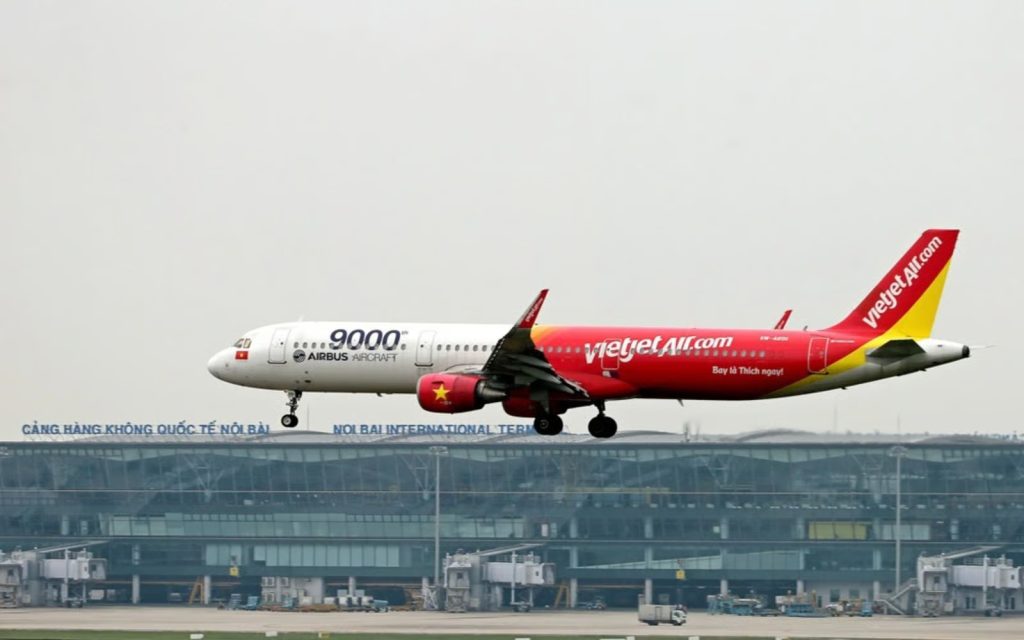
Vietnam Airlines and Vietjet Air have signed aerospace agreements with US companies worth a combined US$14.4 billion, including US$8.1 billion in aircraft orders from Boeing. Vietnam Airlines ordered about 50 Boeing 737-8 aircraft and is in talks to potentially purchase around 30 additional wide-body jets in the future. The carrier said the deal supports its goal of becoming a leading airline by 2030. Vietjet Air announced two separate agreements totalling US$6.3 billion. Around US$5.4 billion will be spent on engine supplies and maintenance for 44 Airbus A320 aircraft through US manufacturer Pratt & Whitney. The remaining US$960 million will go toward leasing six Boeing 737 aircraft from Griffin Global Asset Management. The agreements were signed during Vietnamese leader To Lam’s visit to Washington, amid ongoing trade negotiations between the two countries. The US currently imposes 20% tariffs on Vietnamese goods. Despite trade tensions, Vietnam’s economy has continued to grow strongly, recording 8% growth as it maintains its position as a key manufacturing hub in Southeast Asia.

Investment & Market Trends

Sunway’s Takeover Of IJM Needs Review

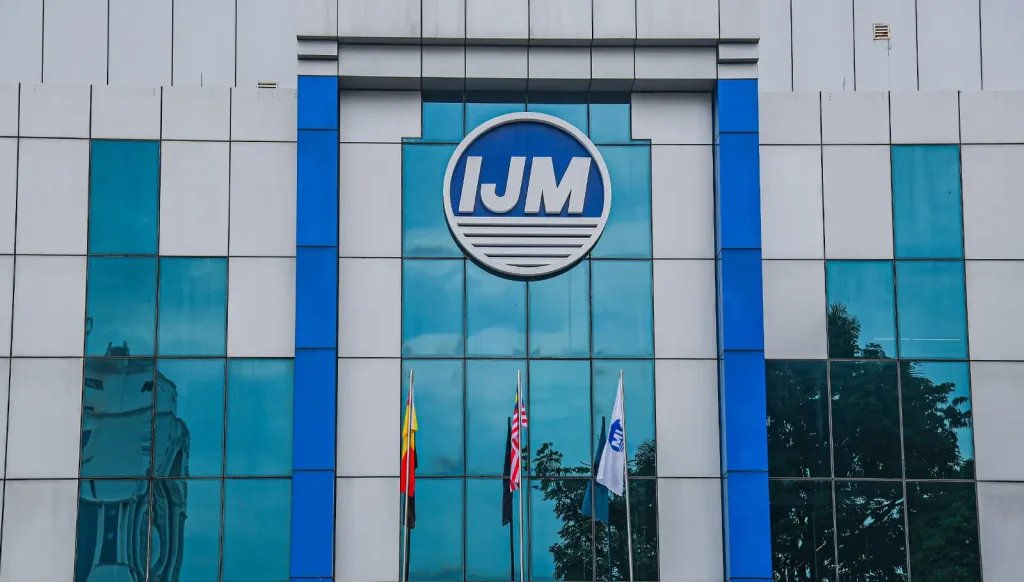
Sunway Bhd’s proposed RM11 billion acquisition of IJM Corporation is one of the largest corporate deals in Malaysia in recent years. However, with government-linked investment companies (GLICs) holding 43.88% of IJM, the deal carries major implications for millions of Malaysians whose savings are managed by these institutions. Key shareholders include the Employees Provident Fund (EPF), KWAP, PNB-ASN and Yayasan Pelaburan Bumiputra. Their decision on the takeover will directly affect contributors and pensioners. Concerns Over Returns One major issue is whether the deal truly benefits GLIC beneficiaries. If the takeover proceeds, EPF’s stake would fall from 20.41% in IJM to about 7.3% in the enlarged Sunway group. Although Sunway’s market value would rise from RM38 billion to around RM50 billion, the expected earnings boost is modest — about 1%. Dividend income is another concern. Over the past six years, EPF received an average of RM50 million annually from IJM. In comparison, its current stake in Sunway generates around RM38 million — and this amount would likely decrease further after dilution. Given that these returns support retirement savings, the question arises: does the transaction genuinely enhance long-term value, or weaken it? Strategic Asset Implications Beyond financial returns, IJM owns strategic infrastructure assets such as highways and ports — assets that generate stable cash flow and are difficult to replace. Although GLICs would remain shareholders in the combined entity, their influence would be reduced. This raises concerns about whether Malaysia’s sovereign funds should dilute their control over proven national infrastructure assets. In today’s market, acquiring similar large-scale infrastructure assets is increasingly challenging. Once diluted, regaining such positions may not be easy. Need for Transparency This is not an argument against corporate consolidation. Strong and competitive Malaysian companies are important for economic growth. However, when a transaction involves retirement savings and public funds, it must undergo thorough scrutiny. The impact of dilution, dividend reductions and loss of strategic influence deserves careful review. Fiduciary Responsibility GLICs manage public trust. EPF alone safeguards the retirement savings of more than 15 million Malaysians. KWAP protects civil servants’ pensions, while PNB represents bumiputera investors. Their primary responsibility is to maximise sustainable long-term returns for beneficiaries. Given the scale of this transaction, transparency and open discussion are crucial. The central question remains: does this deal serve the best interests of contributors and pensioners, or would maintaining current stakes in IJM better protect their long-term value? GLICs must ensure their decisions prioritise fiduciary duty above all else, and clearly communicate how those decisions protect the rakyat’s financial future.

Investment & Market Trends

Vantris Targets PN17 Exit By FY2027

Vantris Energy Bhd, formerly known as Sapura Energy, is shifting its strategy from chasing large-scale contracts to focusing on profitability and cash flow as it works towards exiting PN17 status by the financial year ending Jan 31, 2027. Vantris Energy group chief executive officer Muhammad Zamri Jusoh. Once Malaysia’s largest integrated oil and gas services group, the company had pursued complex EPCIC projects that boosted revenue but weakened margins. Combined with heavy borrowings, legacy losses, and an industry downturn, this led to financial distress and its PN17 classification. Under group CEO Muhammad Zamri Jusoh, who took office in January 2025, the company has adopted a more disciplined approach. “We are now very selective. The most important things are margins and cash flows,” Zamri said. Major Financial Restructuring A comprehensive restructuring completed in September 2025 reduced borrowings from RM10.8 billion to RM5.6 billion, including RM784.3 million in debt forgiveness. Annual debt servicing costs fell sharply from over RM800 million to about RM250 million. Banks converted part of their debt into equity instruments, resulting in creditors holding about 40% of the company post-restructuring. The turnaround was further supported by RM1.1 billion in fresh funding via redeemable convertible loan stocks from Malaysia Development Holding Sdn Bhd, owned by the Ministry of Finance Inc. If fully converted, the funding vehicle could become the largest shareholder with a 35.92% stake. Meanwhile, existing shareholders such as ASNB and the Shamsuddin brothers saw their stakes diluted. Rebuilding Operations and Order Book Following the restructuring, Vantris paid RM1.1 billion to over 1,400 local vendors, fulfilling earlier commitments and helping rebuild trust within its ecosystem. As at Oct 31, 2025, the group’s order book stood at RM6.3 billion, mainly from drilling (47%), engineering and construction (29%), and operations and maintenance (24%). Recent contract wins worth RM1.4 billion from PETRONAS have lifted the order book above RM7 billion, providing earnings visibility for the next three years. The group is also shifting focus closer to home, reducing exposure to the western hemisphere to 12%, while 88% of its RM28.9 billion tender book is now in the Asia-Pacific region. Improving Margins and Risk Management Most projects over the past 15 months have delivered positive margins, except for the Angola project, which is nearing completion. New contracts are increasingly structured on day-rate or reimbursable terms, lowering risk compared to past lump-sum EPCIC projects. The company has also introduced mechanisms to manage cost fluctuations, such as sharing fuel cost changes with clients. Vantris operates nine active drilling rigs and 12 offshore construction vessels, with strong operational performance and over 99% technical utilisation year-to-date. Challenges Ahead Despite improvements, Vantris remains under PN17 and currently has no access to working capital or bank guarantee facilities, requiring it to self-fund operations. To exit PN17, the group must record two consecutive profitable quarters. Management is targeting a PN17 exit by FY2027. “We are watching our business like a hawk. No room for error,” Zamri said. The group continues to divest non-core assets to strengthen liquidity, including the recent US$30.5 million sale of its stake in an Indian joint venture. Looking ahead, Zamri remains cautiously optimistic about the oil and gas sector, citing sustained investment by major oil companies despite market volatility.

Investment & Market Trends

Malaysia’s 2025 GDP Growth Surpasses Forecast, Hits 5.2%

Malaysia’s economy grew 5.2% in 2025, exceeding forecasts of 4–4.8%, driven by strong domestic demand and robust exports, Bank Negara Malaysia (BNM) said. BNM governor Datuk Seri Abdul Rasheed Ghaffour said the economy also expanded 6.3% in the fourth quarter of 2025, supported mainly by higher household spending, positive labour market conditions, and income-related policy measures. Investment growth was bolstered by machinery and equipment purchases—especially for data centres—and ongoing multi-year projects by both public and private sectors. Exports strengthened, led by electrical and electronics (E&E) goods, while services exports benefited from inbound tourism and ICT-related services. Imports remained strong due to intermediate and capital goods supporting economic activity. By sector, growth was led by services and manufacturing. Services expanded on the back of consumer-related subsectors, government services, and ICT, including operational data centres. Manufacturing growth was supported by higher E&E output and consumer goods production. Agriculture also improved, with palm oil production rebounding amid less severe flooding than last year. On a seasonally adjusted basis, quarter-on-quarter growth was 0.8%. Looking ahead, Abdul Rasheed said 2026 growth will be supported by resilient domestic demand and exports. Household spending will continue to benefit from employment and wage growth, while investment activity will progress through multi-year projects and approved initiatives under national master plans, including the 13th Malaysia Plan. Export growth will be underpinned by steady global demand, especially for E&E goods, alongside a boost from tourism following the Visit Malaysia Year 2026 campaign.

ESG

Allianz Malaysia Included In 2025 ESG Select List

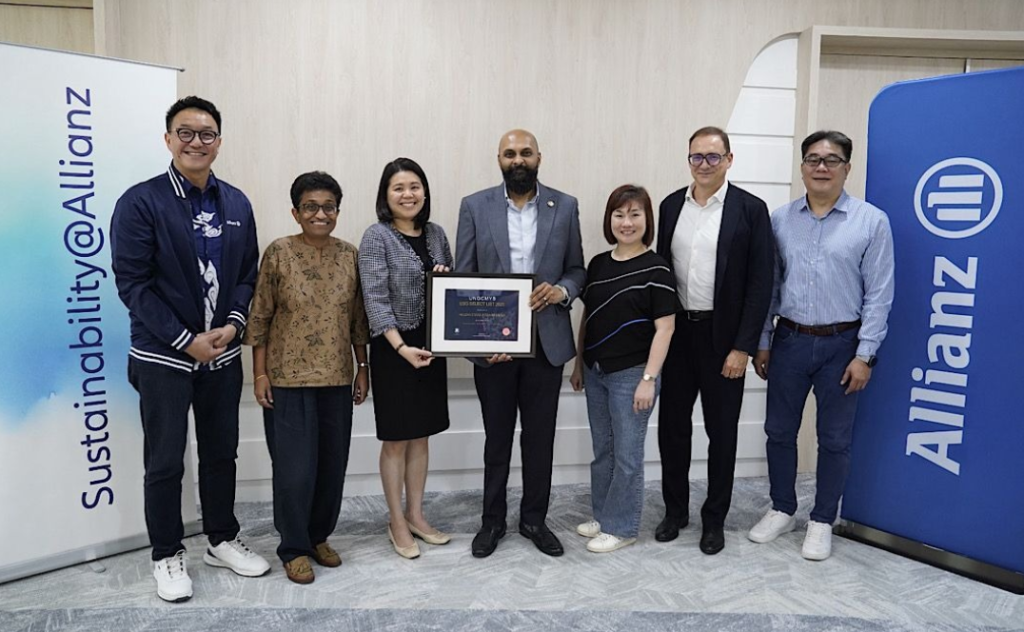
Allianz Malaysia Bhd has been named to the 2025 ESG Select List by the United Nations Global Compact Network Malaysia and Brunei (UNGCMYB), recognising its progress in integrating environmental, social, and governance (ESG) practices across its operations. The insurer received a 3-Star rating, with accolades in areas such as ESG Breakthrough Innovation, Purposeful Partnership, and ESG Target Setting, highlighting its structured, long-term approach to sustainability. CEO Sean Wang said the recognition reflects Allianz Malaysia’s commitment to responsible business practices and creating lasting value, while also motivating the company to continue advancing sustainability efforts. Key ESG initiatives include climate action, inclusive insurance solutions, responsible operations, employee well-being, and community support. UNGCMYB’s ESG Select List aims to highlight organisations making measurable progress in sustainability, promoting transparency and continuous improvement.

Energy & Technology

China’s AI Startup Moonshot Aims For US$10B Valuation

Moonshot, the Beijing-based AI startup behind the Kimi chatbot, is targeting a US$10 billion (RM38.99 billion) valuation in an expansion of its ongoing funding round. The company, backed by Alibaba, Tencent, and 5Y Capital, hopes to tap growing investor interest in Chinese startups developing AI models to compete with Silicon Valley. The startup recently secured US$500 million at a US$4.3 billion valuation and has already attracted over US$700 million in commitments from existing backers for the first tranche of the new round. Moonshot’s Kimi K2.5 chatbot is among the most popular large language models on the OpenRouter platform and ranks second in performance among open-source models, just behind Zhipu’s GLM-5. Founded by ex-Tsinghua professor Yang Zhilin, who previously worked at Meta and Google, Moonshot offers subscription plans for its chatbot and enterprise AI solutions. While the company’s valuation would still be below rivals Zhipu and Minimax, both valued over US$29 billion, Moonshot has 10 billion yuan (US$1.4 billion) in cash and is not rushing for an IPO. User growth has surged over 170% month-on-month in late 2025, and the company recently launched a cloud service for paid users to host its OpenClaw AI agent.

Scroll to Top

Subscribe
FREE Newsletter