Author name: admin

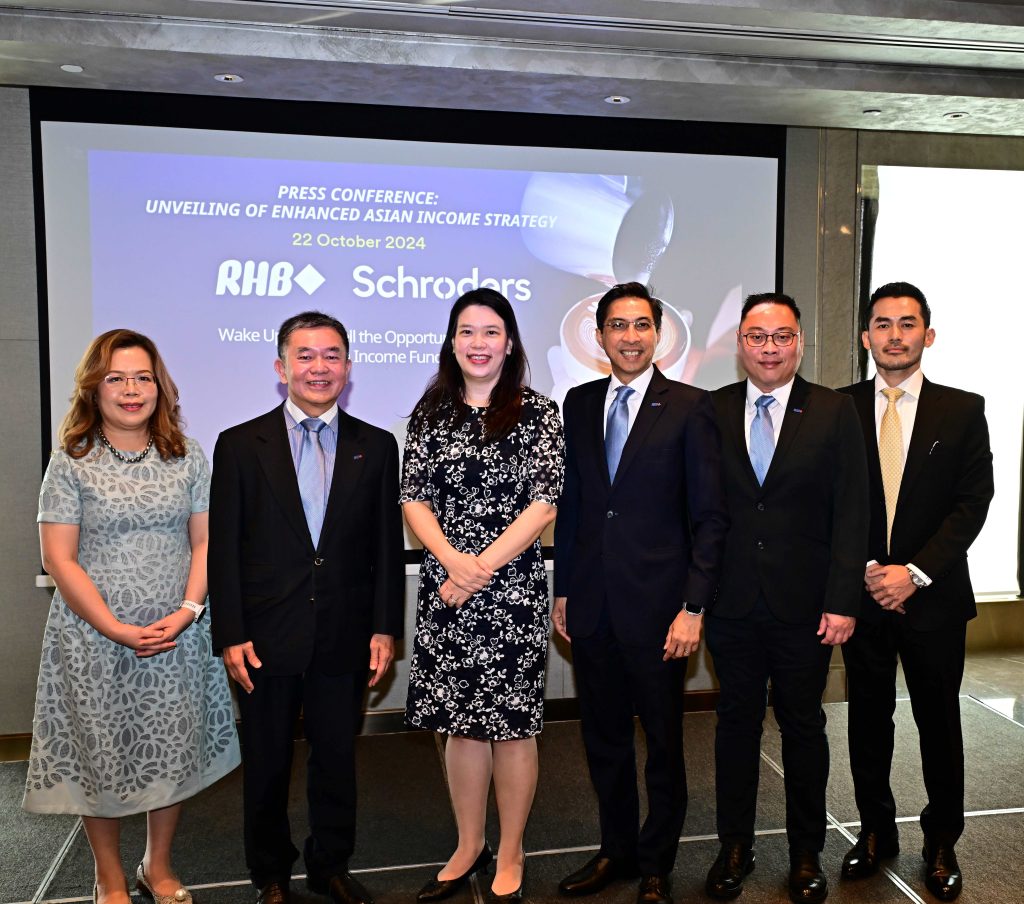
L-R: Ms Josephine Lip, Head of Malaysia Business, Schroders; Dr Chin Yoon Kheong, Chairman, RHB Asset Management Sdn Bhd; Ms Lily Choh, Head of South Asia and CEO, Schroders Singapore; Dato’ Fad’l Mohamed, Managing Director, Group Wholesale Banking, RHB Bank Berhad; Mr Ng Chze How, Managing Director and CEO, RHB Asset Management Sdn Bhd; and Mr Jason Yu, Head of Multi Asset and Fixed Income Management, Asia, Schroders
Investment & Market Trends

RHB Asset Management Launches Enhanced Income Strategy for Transformative Investment Era

KUALA LUMPUR: RHB Asset Management Sdn. Bhd. (“RHBAM”), a wholly-owned subsidiary of RHB Investment Bank Berhad, has introduced its enhanced Asian Income Strategy, comprising the RHB Asian Income Fund, RHB Asian Income Fund-SGD, and RHB Asian Income Fund – Multi Currencies (collectively, “RHB Asian Income Funds”). This enhancement reflects a key evolution of RHBAM’s flagship product, which has delivered consistent performance for over 12 years. The RHB Asian Income Funds invest in the Schroder Asian Income Fund (“Target Fund”), managed by Schroders Singapore (“Schroders”). The Target Fund offers a more dynamic asset allocation strategy, expanding its investment focus to include global and alternative assets beyond Asian multi-asset investments. This broader diversification empowers Malaysian investors to explore global growth opportunities while benefiting from stable income and capital appreciation over the medium to long term. Key Enhancements: Flexible Income Distribution: Now with monthly payouts, targeting a higher distribution of 6% to 6.5% per annum, up from the previous 4% to 4.5% per annum. Broadened Investment Scope: Access to global and alternative assets enhances potential returns. Balanced Approach: Focused on income generation and capital growth, offering stability in volatile markets. These changes align with the current economic climate, characterized by easing monetary policies and low interest rates, which have brought dividends back into focus. Additionally, ongoing corporate reforms in Asian markets are expected to bolster investor confidence and deliver favorable dividend outcomes in the medium term. The enhanced strategy also taps into emerging global growth themes such as artificial intelligence, offering investors exposure to high-quality companies poised to benefit from these trends. Accessible and Diversified Investment Opportunities The RHB Asian Income Fund is available to retail investors with a minimum investment of just RM100, ensuring broader accessibility to this diversified income and growth strategy. RHBAM offers a wide range of investment products, including unit trust funds, wholesale funds, private retirement schemes, and private mandates for both retail and sophisticated investors. Its offerings include conventional and Shariah-compliant products, along with sustainability-focused and thematic strategies. With assets under management (AUM) exceeding RM50 billion, RHBAM distributes its products via Institutional Unit Trust Agents (IUTAs), Corporate Unit Trust Agents (CUTAs), its agency force, and the RHBAM MyInvest online portal. Investors can explore the RHB Asian Income Funds at www.rhbgroup.com/myinvest. Leadership Perspectives Chze How Ng, Managing Director and CEO of RHB Asset Management, commented: “At RHB Asset Management, we remain committed to offering innovative solutions that meet the evolving needs of our clients. The enhanced Asian Income strategy provides both income and capital growth, especially during volatile market cycles. We are confident it will be an essential component in every investor’s portfolio. Our 12-year partnership with Schroders strengthens our ability to navigate today’s dynamic investment landscape.” Lily Choh, Head of South Asia and CEO of Schroders Singapore, added: “As we navigate an era of transformative change, we are excited to collaborate with RHB Asset Management on this enhanced strategy. Asia’s growing influence and pivotal trends present unique opportunities. Combining regional expertise with a global outlook, we aim to deliver income stability while unlocking future growth potential, making this fund an ideal solution for investors looking to invest with confidence.”

Property

Asia-Pacific Prime Office Rents Stabilize in Q3 2024, Signaling Market Resilience

SINGAPORE: Global property consultancy Knight Frank’s Asia-Pacific Prime Office Rental Index for Q3 2024 shows prime office rents in Asia-Pacific are stabilising, falling 0.1% quarter-on-quarter, suggesting a potential bottoming out of the market. This trend is supported by growth in Indian markets, which exhibit strong and sustained demand from offshoring operations and domestic businesses. Key findings for Q3 2024: Sixteen out of the 23 monitored cities reported stable or increasing rents year-on-year, up from 15 in Q2 2024, with rents in Bangkok now posting an increase. Year-on-year, rents declined 2.5%, an improvement from the 2.8% drop observed in Q2 2024. Rental growth was led by Brisbane at 11.4% year-on-year. Cities on the Chinese mainland remain the primary driver of the region’s rental decline, with an 11% year-on-year decrease steeper than the 10.6% reduction in Q2 2024. Regionwide vacancies are stabilising, falling marginally 0.2 percentage points quarter-on-quarter to 14.8% to halt consecutive quarterly increases since Q2 2022. Tim Armstrong, global head of occupier strategy and solutions, says, “Global economic uncertainties have led to more cautious capital expenditure strategies among occupiers, favouring renewals and consolidating office footprints. When relocations do occur, companies are opting for smaller, higher-density spaces, aligning with cost mitigation needs and the growing acceptance of hybrid work models. While the business sentiment may improve as the Fed eases monetary policy, demand will continue to be tempered by prudent spending and workplace strategies focused on maximising space utilisation.   However, as the region’s development peak subsides, any significant uptick in leasing activity could rapidly tighten the availability of prime spaces. This scenario may accelerate the flight-to-quality trend as tenants seek to upgrade their portfolios in a potentially more competitive market.”   India’s thriving office market is key in driving regional growth, with Mumbai, Bengaluru, and the National Capital Region (NCR) setting consecutive quarterly records in Q2 and Q3 2024, as occupier demand remains strong in tandem with slow office supply. The growth is primarily fueled by two key segments: Global Capability Centres (GCCs) and India-facing businesses. Bengaluru stands out as a market leader with a 158% year-on-year increase in transaction volumes in Q3 2024.   While the Asia-Pacific prime office sector is expected to remain tenant-favorable in 2024, market dynamics may shift. The projected 20% decrease in the 2025 supply pipeline could gradually reduce availabilities, potentially creating a more competitive environment for prime spaces. Chistine Li, head of research, Asia-Pacific, Knight Frank, says, “Despite the delivery of over one million sqm of new supply, regional vacancy dipped marginally in the third quarter, which halted eight consecutive quarters of rises. Rental declines also moderated, dropping by just 0.1% quarter-on-quarter, which indicated that the rental downtrend in the region could be bottoming out. Overall rents in the region were held up by Indian cities, as occupier demand continued to remain robust in tandem with a slowing supply pipeline. While occupiers remain cautious, there is continued interest in newer and quality spaces that prioritise sustainability. Given lower new supply in 2025, vacancy rates can be expected to fall gradually. However, rental growth will remain subdued, with tech firms still right-sizing their headcount and intense competition for tenants in mainland Chinese markets.”

News

China Central Bank Cuts Two Key Interest Rates

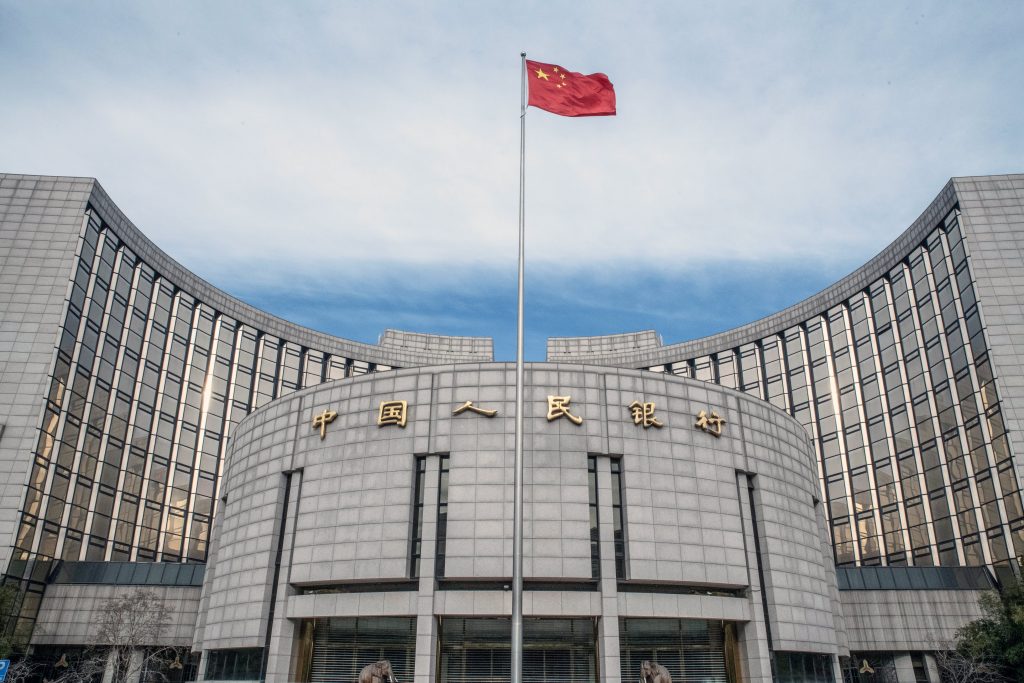
BEIJING: China’s central bank yesterday said it had cut two key interest rates to historic lows, in the latest move by Beijing to boost sluggish spending and kickstart the world’s second-largest economy. The cuts come just days after the country posted its slowest quarterly growth in a year and a half, underlining the deep economic woes the country faces. Leaders are targeting annual growth of five percent this year, but that goal is being challenged by weak consumption and a prolonged and debilitating debt crisis in the colossal property sector. The one-year loan prime rate (LPR), which constitutes the benchmark for the most advantageous rates lenders can offer to businesses and households, was cut from 3.35 percent to 3.1 percent. The five-year LPR, the benchmark for mortgage loans, was cut from 3.85 percent to 3.6 percent. Both rates were last reduced in July and are sitting at all-time lows. The economy grew 4.6 percent year-on-year in the third quarter, its slowest rate in a year and a half, Chinese government data released on Friday showed. Authorities acknowledged a “complicated and severe external environment… as well as new problems of domestic economic development.” The data came after weeks of announcements and news conferences about a stimulus plan, although investors say they are still waiting to see more details. The country’s top banks on Friday cut interest rates on yuan-denominated deposits for the second time this year in another potential boost to spending. People’s Bank of China Governor Pan Gongsheng said that authorities were considering a further cut to the amount commercial lenders must hold in reserve before the end of the year. Months of sluggish spending have raised fears that China would dip back into deflation after it ended a months-long stretch of falling prices early this year. Pinpoint Asset Management Ltd  president and chief economist Zhiwei Zhang  said yesterday’s rate cut was “an encouraging sign.” “The monetary policy has clearly shifted to a more supportive stance since the press conference on September 24. The real interest rate in China is too high,” he said. Meanwhile, the central bank yesterday also conducted its first operations under a swap facility designed to bolster the stock market, exchanging assets worth 50 billion yuan (US$7 billion) with brokerages, fund companies and insurers. The authorities said 20 institutions participated in the swap operations with a fee rate of 20 basis points. Under the swap scheme, initially worth 500 billion yuan, brokerages, asset managers and insurers can have easier access to funding by exchanging risk assets such as exchange-traded funds and blue-chip stocks for highly liquid assets such as treasury bonds and central bank bills. The 20 participants include China International Capital Corp , Citic Securities Co, China Asset Management Co and E Fund Management Co.–REUTERS

News

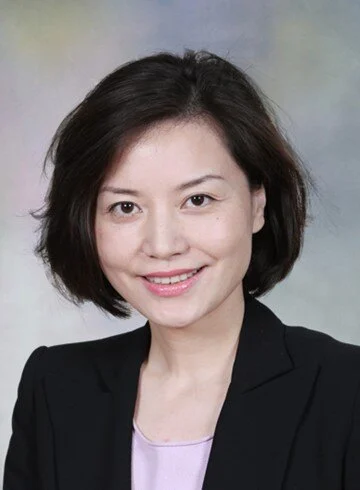
Knight Frank names Virginia Huang as Managing Director, North and East China

HONG KONG: Knight Frank Hong Kong today announces the appointment of Virginia Huang as the Managing Director, North and East China based in Shanghai, with immediate effect. Reporting to Craig Shute, Chief Executive Officer (CEO) of Greater China, Virginia will oversee the firm’s operations in both the Beijing and Shanghai offices.   Virginia joins Knight Frank with over 27 years of experience and a proven track record of success in the commercial real estate sector, including 12 years in leadership roles where she successfully managed large operations in China. Her extensive background encompasses commercial office, real estate fund management, and sustainable operations during her significant tenures at CBRE and Keppel Land. Additionally, Virginia exhibited her entrepreneurial flair by establishing BIBT, an AI-enabled property technology startup.   Virginia Huang, Managing Director, North and East China of Knight Frank China, commented, “I am honoured to lead the North China and East China teams and look forward to working closely with our talented professionals at Knight Frank. Together, we will build on our strengths, uncover fresh opportunities, and foster innovation to deliver exceptional value to our clients. By leveraging our expertise and local insights to navigate the changing landscape, embracing sustainability, and capitalising on emerging trends, I am confident that we will be strongly positioned for sustained success.”   Craig Shute, CEO of Knight Frank Greater China, said, “We are delighted to welcome Virginia to Knight Frank. Her extensive experience, entrepreneurial spirit, and proven leadership in the commercial real estate sector make her an excellent fit for this role. Virginia’s appointment heralds an exciting new chapter for our North and East China operations. As we look forward to harnessing the opportunities that lie ahead, we also express our heartfelt appreciation to Ying Shin Lee, Managing Director of Shanghai, for her invaluable contributions over the past five years. Ying, a dedicated leader, has steered us through numerous challenges, including those brought about by the COVID-19 pandemic. We wish her all the best in her future endeavours.”

News

Peak XV Launches Surge 10: Most Global, Sector-Diverse Cohort

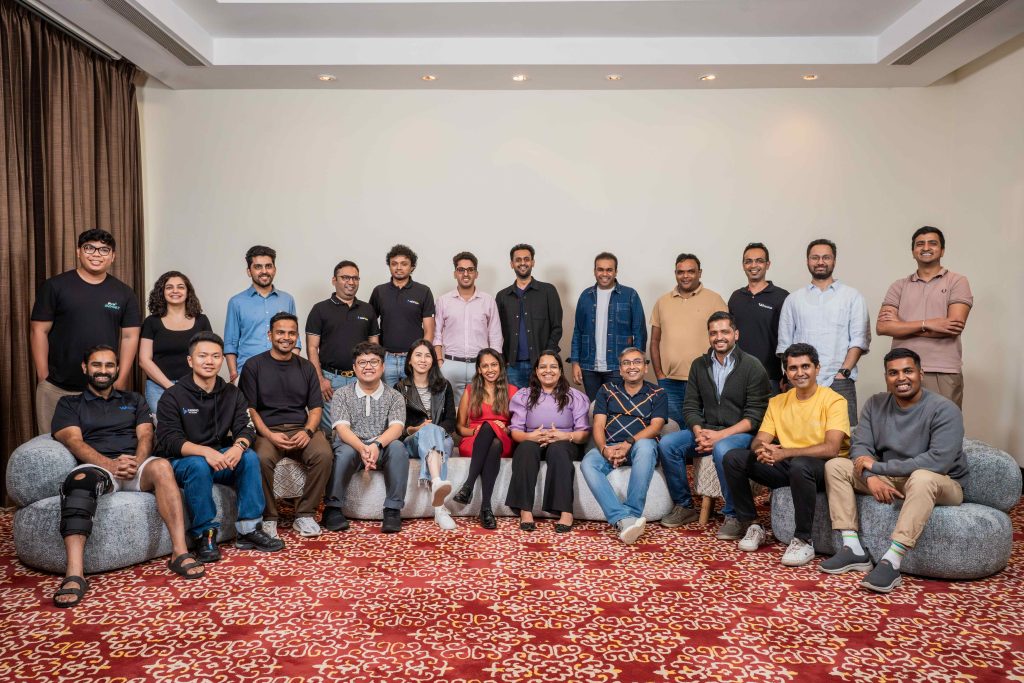
BENGALURU & SINGAPORE: Peak XV announced the tenth cohort of its flagship seed-stage program, Surge, highlighting its most globally diverse lineup to date. The new batch features 13 startups from across India, Singapore, Philippines, China, UAE, Australia, UK, and the US, underscoring Peak XV’s expanding geographical footprint. The cohort covers a wide range of sectors, including AI, developer tools, consumer brands, fintech, healthcare, and more. Notably, Amaani becomes the first Middle Eastern startup to participate in Surge, alongside other companies such as Ambak, Auquan, Brainfish, Clout Kitchen, Dezy, Dubbing AI, OrbitShift, Parseable, SalarySe, Tailcall, The Health Factory, Wobot, and a stealth healthcare company. Funding and Full-Stack Support Each startup will receive up to $3 million in seed funding. Beyond capital, founders will gain access to comprehensive operational support through Peak XV’s investment and operating teams, offering assistance with hiring, product development, technology, and marketing. Founders will also benefit from: 1:1 mentorship with seasoned global founders and operators. Zero-to-one company-building support to accelerate growth. Access to Peak XV’s vast network of mission-driven founders and builders. Perks valued at over $2 million, including cloud services, marketing tools, and software. Program Structure Running from October 2024 to February 2025, Surge 10 will feature a mix of in-person and online sessions, covering key areas such as founder development, go-to-market strategies, product design, sales, and brand building. The program will conclude with a Silicon Valley immersion experience in February 2025, where founders will visit major tech hubs, including OpenAI and Notion campuses. Surge’s Growing Impact Since its inception in 2019, Surge has supported more than 350 founders, contributing significantly to the seed-stage startup ecosystem in India and Southeast Asia. Many early participants have since scaled into global businesses. “Announcing our tenth cohort of Surge is a special milestone for us,” said Rajan Anandan, Managing Director of Peak XV and Surge. “We’re proud to have played a role in the company-building journeys of these founders. Surge continues to be a key platform for nurturing innovative startups, and we’re excited to see what this cohort will achieve.” With an eye toward fostering home-market dominance and global expansion, Surge offers startups a comprehensive launchpad to scale rapidly.

News

HSBC appoints Pam Kaur as first female CFO; announces restructuring

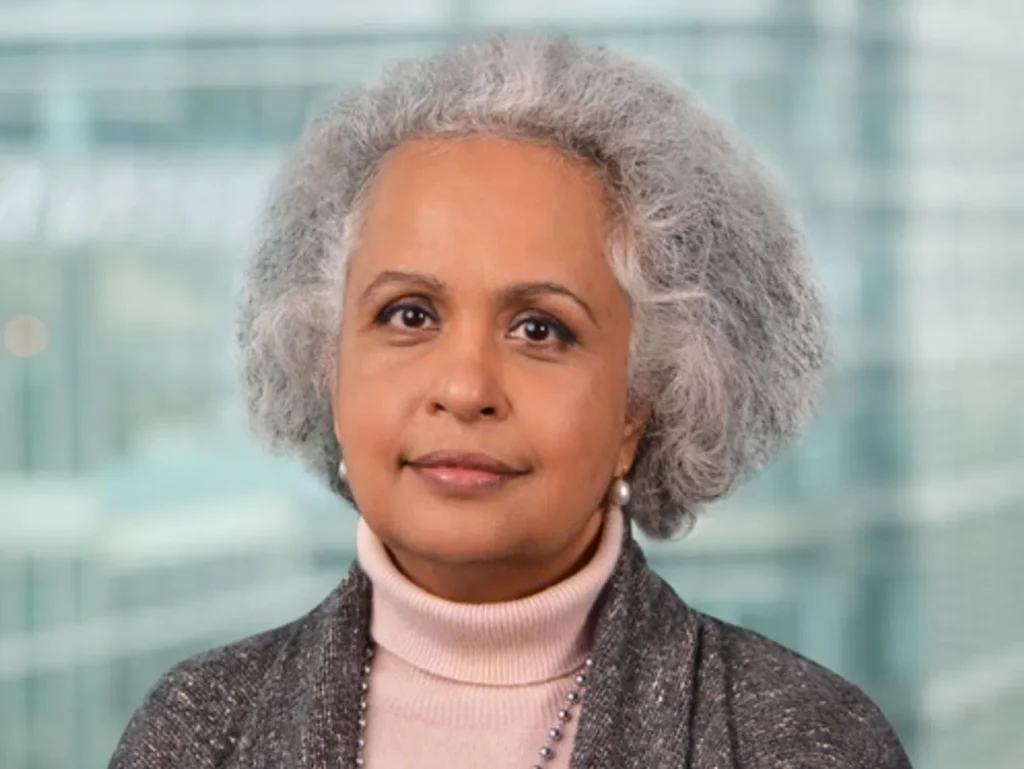
HSBC Holdings named insider Pam Kaur as its first female finance chief on Tuesday, replacing Georges Elhedery who became CEO earlier this year, and announced a reorganisation streamlining the bank into four business units. Effective Jan 1, 2025, the company will restructure its operations into four distinct business lines: Hong Kong, UK, Corporate and Institutional Banking, and International Wealth and Premier Banking, HSBC said in a separate filing. HSBC is consolidating its Commercial Banking operations (excluding UK and Hong Kong) with its Global Banking and Markets business. The new Corporate and Institutional Banking unit will also incorporate the predominantly wholesale banking activities of the Western Markets region (UK non-ring-fenced bank, Europe, and the Americas), the company said. “The new structure will result in a simpler, more dynamic, and agile organisation as we focus on executing against our strategic priorities, which remain unchanged,” Elhedery said in a statement. Kaur’s appointment fits into the 160-year-old lender’s focus on continuity amid a shift to growth from restructuring, in the backdrop of rising risks associated with geopolitical tensions and an end to interest rate hikes. Chief risk and compliance officer Pam Kaur, 60, joined HSBC in April 2013 as group head of internal audit. Kaur has previously held senior positions at top global banks, including Citigroup’s global director of compliance for consumer banking and Deutsche Bank’s global head of group audit. Jon Bingham, interim Group CFO, will resume his role of Global Financial Controller, HSBC said. “We had a strong bench of internal and external candidates to choose from and Pam was the exceptional candidate to recommend to the Board,” Elhedery said. –REUTERS

News

Chubb Appoints Jon Longmore as Country President of Malaysia

KUALA LUMPUR: Chubb announced the appointment of Jon Longmore as Country President of Malaysia, effective early November and subject to regulatory and other approvals. Currently Country President of PT Chubb General Insurance Indonesia, Longmore succeeds Stephen Crouch, who has been appointed Head of Government Affairs, Asia Pacific. In his new role, Longmore will have responsibility for the overall performance of Chubb in Malaysia. He will be based in Kuala Lumpur and continue reporting to Marcos Gunn, Regional President, Asia Pacific. Longmore began his 13-year career with Chubb in a series of underwriting, distribution and partnership roles while based in Australia. He was appointed Head of Digital for Asia Pacific in 2018 before assuming his latest role as Country President of PT Chubb General Insurance in 2020. On announcing Longmore’s appointment, Gunn said, “Jon is an experienced international insurance professional with a track record of driving sustainable business growth. His keen focus on innovation and passion for building teams position him well to further grow our business in Malaysia.” Longmore holds a Bachelor of Arts in International Relations from the University of Queensland. Adrianto Gunawan, Chief Financial Officer for Indonesia, will take on the additional role of interim Country President while the appointment of a permanent successor is underway.

News

DNeX announces appointment of Faizal Sham Abu Mansor as Group Chief Executive Officer

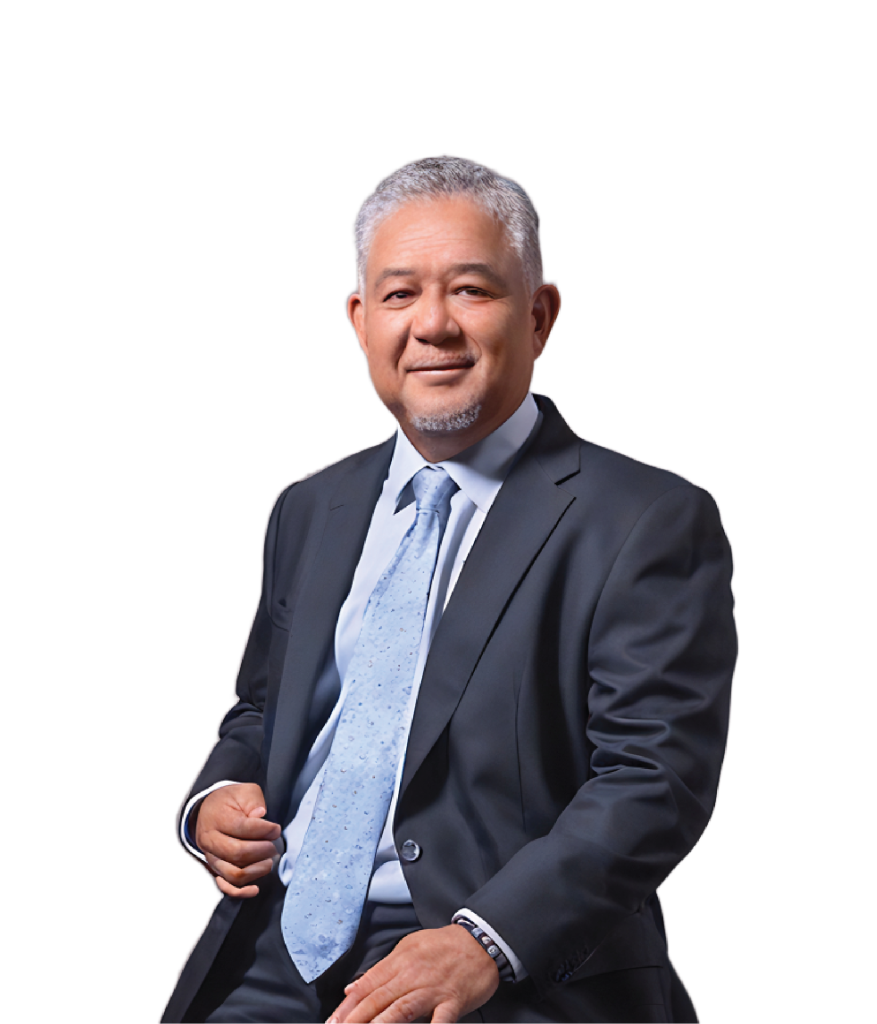
 CYBERJAYA: Dagang NeXchange Berhad (“DNeX“) has announced the appointment of Encik Faizal Sham Abu Mansor as its Group Chief Executive Officer effective 1 November 2024. Tan Sri Syed Zainal Abidin Syed Mohamed Tahir Jamalullail, will continue to lead the management team in his role as Executive Chairman until 31 December 2024, after which Faizal will succeed him in leading the management team of the Group whilst Tan Sri Syed Zainal Abidin will be redesignated as Non-Executive Chairman of the Board on 1 January 2025. In his role as Non-Executive Chairman of the Board, Tan Sri Syed Zainal Abidin will continue to lead DNeX’s board of directors in departing its role and fulfilling its responsibilities to the Group’s stakeholders whilst ensuring compliance with regulations and best practices in corporate governance. Moreover, Tan Sri Syed Zainal Abidin will also continue to lend his experience and support to the Group on key strategic initiatives and stakeholder management.   Faizal is a distinguished corporate professional and has an extensive career in leading and being part of senior leadership team of major corporations. He most notably served as Chief Financial Officer (“CFO”) at Malaysia Airports Holdings Berhad from 2006 to 2015 where he was recognised on numerous occasions as Best CFO in the country by both local and international institutions. Awards received by Faizal include Best CFO for Investor Relations 2012 by the Malaysian Investor Relations Association, Best CFO in Malaysia 2013 by FinanceAsia Magazine and CFO of the Year 2014 from the Malaysian Institute of Accountants and the Chartered Institute of Management Accountants.   His corporate experience also includes serving as Chief Executive Officer of Astro Productions and Astro Awani, a world-class media production services and news organisation under Astro Malaysia Holdings Berhad from 2015 to 2018 where he was able to turn the entities into profitability during his stint there. From 2021 to 2024, he served as Executive Director and Group Chief Financial Officer at Vantage Energy Group, a private entrepreneurial O&G company where he provided strategic leadership in financial management, mergers and acquisitions, and capital restructuring whilst managing the company’s relations with its investors and stakeholders. He also spent six years in the financial industry most notably with Bank of Tokyo-Mitsubishi and the Corporate Finance and Investment banking division of AmMerchant Bank Berhad (now known as AmInvestment Bank Berhad).   Faizal is currently an Independent Non-Executive Director and Chairman of Audit Committee of YTL Power International Berhad and Solution Group Berhad. In 2019, he was appointed an Independent Non-Executive Director and Chairman of Audit Committee of Affin Hwang Asset Management Berhad which had RM80 billion in assets under management until it was acquired by CVC Capital Partners in 2022. He is also Director of Airdroitech, a private company providing software and hardware engineering support to Polyaire, a family-owned company that is one of Australia’s leading businesses in the air-conditioning industry. Faizal also contributes as a partner in MGI MR, a boutique advisory firm with a global presence. Tan Sri Syed Zainal Abidin said the Board welcomes Faizal and looks forward to working together as the Group enters its next phase of growth.   “We are confident that Faizal’s expertise and proven track record will be able to drive the Group’s growth and expansion journey with an added focus on increasing cross-selling within the Group, leverage on the recent partnership with global players such as Google and internal realignment to focus on cost efficiency, improving profitability and ensuring sustainable return to shareholders” he said.   Faizal graduated with a Bachelor of Science in Accounting from Rutgers University and holds a Master’s in Business Administration from Ohio University. Fellow with Chartered Accountants Australia and New Zealand and a member of Malaysian Institute of Accountants. He also has Graduate Diploma in Aviation from the International Air Transport Association.  

News

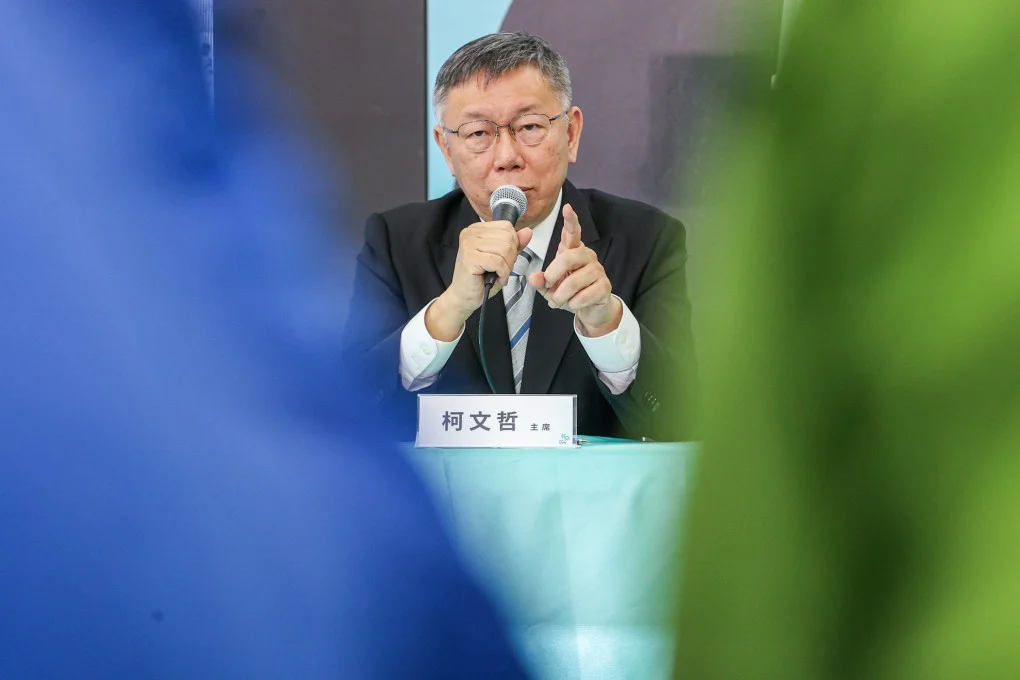
Taiwan Signals Openness to Nuclear Power Amid Surging AI Demand

TAIPEI: Taiwan is “very open” to using new nuclear technology to meet surging demand from chipmakers devouring electricity in the artificial intelligence (AI) boom, according to Premier Cho Jung-tai –one of the strongest signs yet that the government is rethinking its opposition to reactors. “As long as there is a consensus within Taiwan on nuclear safety and a good direction and guarantees for handling nuclear waste, with this strong consensus, we can have a public discussion,” Cho said in an interview with Bloomberg News. “We hope that Taiwan can also catch up with global trends and new nuclear technologies,” Cho said last Thursday, while also reiterating his view that “Taiwan will have no issues with power supply for industries before 2030.” Cho’s comments underscored what appears to be a shift by a government that has opposed using nuclear for safety reasons. Public support for using reactors in Taiwan plunged in 2011 when neighbouring Japan was struck by an earthquake that wrecked the Fukushima plant, leading to a crisis Tokyo is still sorting out. The opposition to nuclear power is getting harder to maintain given the incessant demand that the AI boom is placing on chipmakers like Taiwan Semiconductor Manufacturing Co Taiwan has raised electricity prices twice this year, with the latest being a 12.5% increase for industrial users that began earlier this month. Still, TSMC chief executive officer C. C. Wei said during a post-earnings call that the company has been assured by the government it will have enough electricity, water and land to support expansion. Taiwan isn’t alone in taking a closer look at nuclear to boost power supply. Microsoft Corp is helping revive the shuttered Three Mile Island nuclear plant in Pennsylvania by agreeing to buy all the output. Meanwhile, Alphabet Inc’s Google and Amazon.com Inc are both investing in next-generation nuclear technology. The Philippines and South Korea have also agreed to conduct a feasibility study on possibly rehabbing the South-East Asian nation’s mothballed nuclear plant. Taiwan’s rethink also comes as China’s military has staged drills that appear to simulate a blockade of the self-ruled island that’s home to 23 million people. Though there are no signs of imminent conflict, the risk of Taiwan being cut off from important energy supplies is one that officials such as Cho must consider. Underscoring the interest in someday embracing nuclear power, the 65-year-old Cho said he’d ask the state-backed power provider to make sure that personnel from the archipelago’s decommissioned reactors stay in their jobs. Taiwan is set to close its last nuclear reactor in the spring. “This is because we need to prepare for future nuclear technology developments and to respond to any potential legal changes in Taiwan,” Cho said. In addition to boosting power demand, surging global investment in AI has also put Taiwan’s chipmakers, especially TSMC, in the spotlight because they make the vast majority of the world’s most-advanced semiconductors. The United States, Japan and other governments have in turn sought to lure TSMC to build chip plants on their soil. The government of Taiwanese President Lai Ching-te, of which Cho is a member, has been fine with TSMC’s overseas expansion. — BLOOMBERG

Uncategorized

NextGen.AI Secures S$450,000 Pre-Seed Investment from Asiawide Print Holdings, to Scale AI Innovation in Singapore and across SEA

SINGAPORE – Media OutReach Newswire – 18 October 2024 – NextGen.AI (NGAI), an Singapore-based AI startup founded by Frank HO and his team of former advertising, software development executives & AI researchers, has secured a strategic investment of S$450,000 from Picasso FANG, on behalf of Asiawide Print. Picasso will also serve as a strategic partner and business mentor, guiding the company in scaling AI innovation across Singapore and Southeast Asia (SEA), with a particular focus on advancing AI’s role in business transformation and regional growth. Pioneering AI Solutions for Businesses NextGen.AI has positioned itself as a game-changer in the AI landscape with its innovative products, ConverseAI and StratAI. These tools offer personalized AI-powered solutions designed to address critical business needs: ConverseAI is a generative AI chatbot that integrates seamlessly with business documents, websites, and internal systems to create customized responses for lead nurturing and customer engagement across various industries. “ConverseAI is personalized to business needs and trainable via a no-code environment,” said one of the co-founders, highlighting the ease with which businesses can tailor the tool to their specific processes. StratAI functions as a 24/7 AI strategy mentor, providing businesses with agile consultation on business transformation, growth strategies, and market expansion. “StratAI is personalized to business pain points and opportunities, helping solopreneurs, startups, and small-medium enterprises access agile strategy consultation viewpoints that would otherwise be unaffordable to this underserved segment,” the team explained. Investment to Accelerate Research, Product Development, and SEA Expansion With this new capital fund injection, NextGen.AI aims to advance its research in knowledge-based personalization models to provide and also register our own IP in our research work. The company plans to continue enhancing ConverseAI and StratAI, as well as newer innovative products to evolve with AI advancements to remain adaptable to business needs. The funding will also fuel the startup’s ambitions to expand its footprint in SEA, focusing on key markets such as Singapore, Malaysia, Vietnam and Indonesia. “SEA presents vast opportunities for AI-driven business solutions. We will leverage an ecosystem of government grants, learning and development opportunities, and partnerships with in-market channel distribution partners to position NextGen.AI for success in the region.” said a company spokesperson. NextGen.AI’s ambitions align closely with Singapore’s National AI Strategy 2.0 (NAIS 2.0), which prioritizes broad AI adoption and seeks to enhance public confidence in the use and deployment of AI. This positions the startup as a key player in the national drive towards AI-driven transformation, as it aims to contribute significantly to this strategic vision. Partnerships and Ecosystem Development NextGen.AI is also actively collaborating with FizzDragon, tapping into a network of over 100 AIGC (AI-generated content) creators. This partnership supports the creation of a new generation of prompt engineers, content creators, and business marketers, with the ambitious target of nurturing 1% of the total number of AIGC creators in Singapore. This initiative underscores NextGen.AI’s commitment to generating job opportunities and fostering the local AI talent pool. Moreover, NextGen.AI’s commitment to training and ecosystem development aligns with the broader initiatives of the AWS AI Spring Singapore programme. Announced at the 10th AWS ASEAN Summit in May 2024, the program aims to accelerate AI adoption across public and private sectors, while training 15,000 individuals in AI skills by 2026. By positioning itself at the forefront of AI skills development, NextGen.AI is well-placed to capitalize on these large-scale efforts to grow AI expertise in Singapore. Opportunities for Investors & Industry Collaboration NextGen.AI’s blend of cutting-edge technology, strategic partnerships, and alignment with national & regional AI goals presents a compelling opportunity for investors. Investors looking to participate in the next phase of AI innovation and business transformation in Southeast Asia should closely follow NextGen.AI, as it propels AI-driven solutions for future businesses to be AI enabled. The startup’s focus on personalized and scalable AI solutions in SMEs consulting, as well as regional growth, makes it a standout player, poised to scale rapidly with the right strategic partnerships and investment support. About NextGen.AI NextGen.AI (NGAI), an Singapore-based AI startup founded by Frank HO and his team of former advertising, currently offers two tools mainly: personalized AI-powered solutions designed to address critical business needs: AI Chatbot & AI Strategy Mentor, and continues to expand its AI Solution Offerings. NGAI stands at the forefront as the go-to ecosystem for cutting-edge AI technology and agile manpower solutions. Specializing in a dynamic range of creative, sales, and marketing services, NGAI is poised to meet the rising demand for AI-driven innovation, analytics, and immersive creative content.

Scroll to Top

Subscribe
FREE Newsletter